 YardMate

Rough-Leaved Hydrangea
Hydrangea aspera
Medium · Some experienceAbout Rough-Leaved Hydrangea
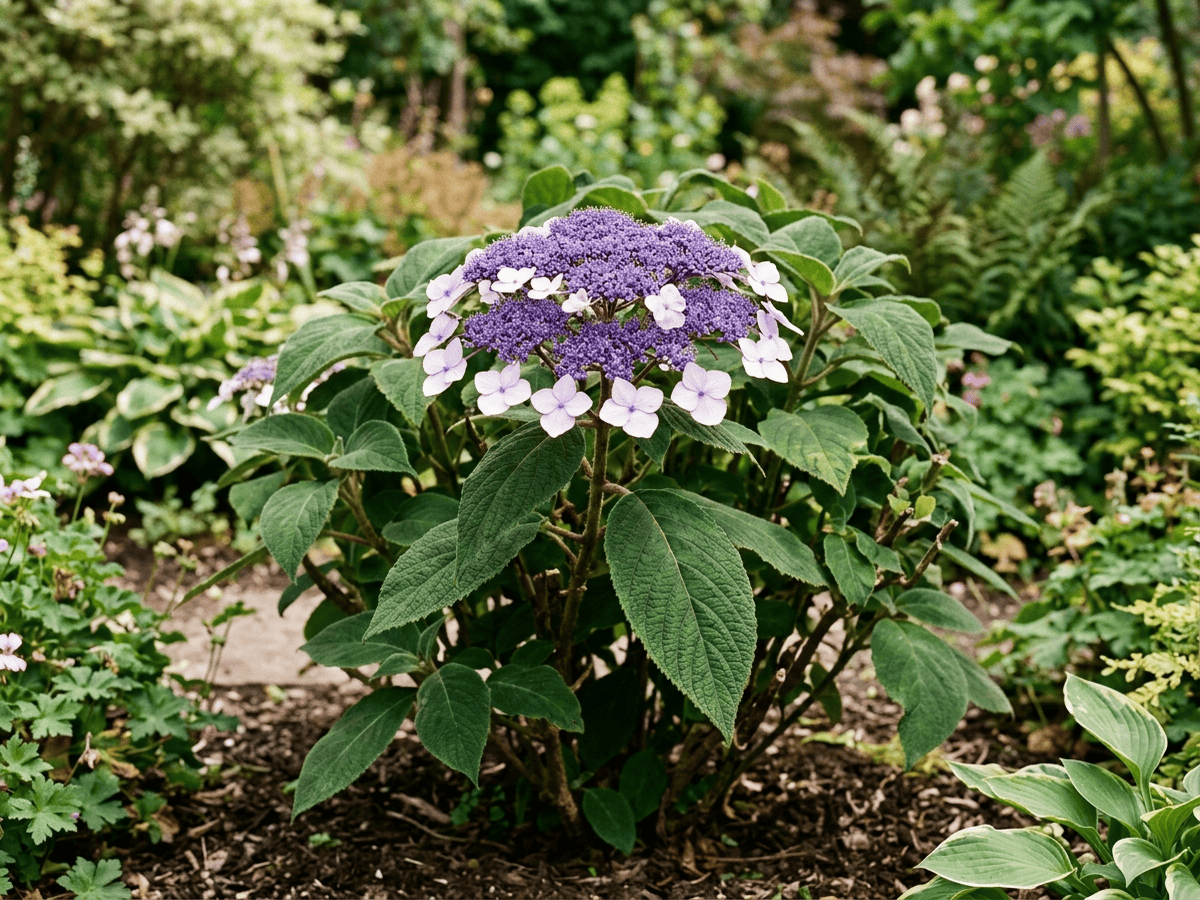
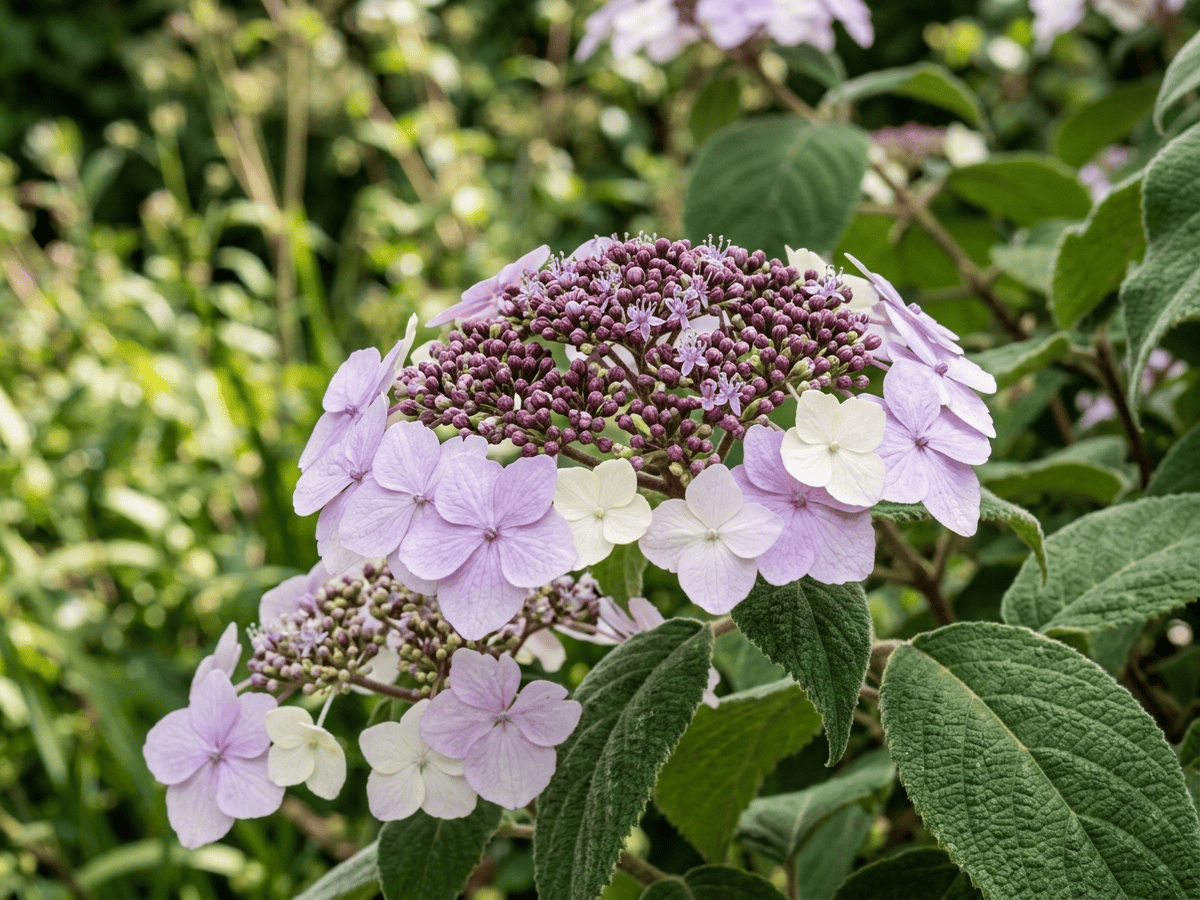
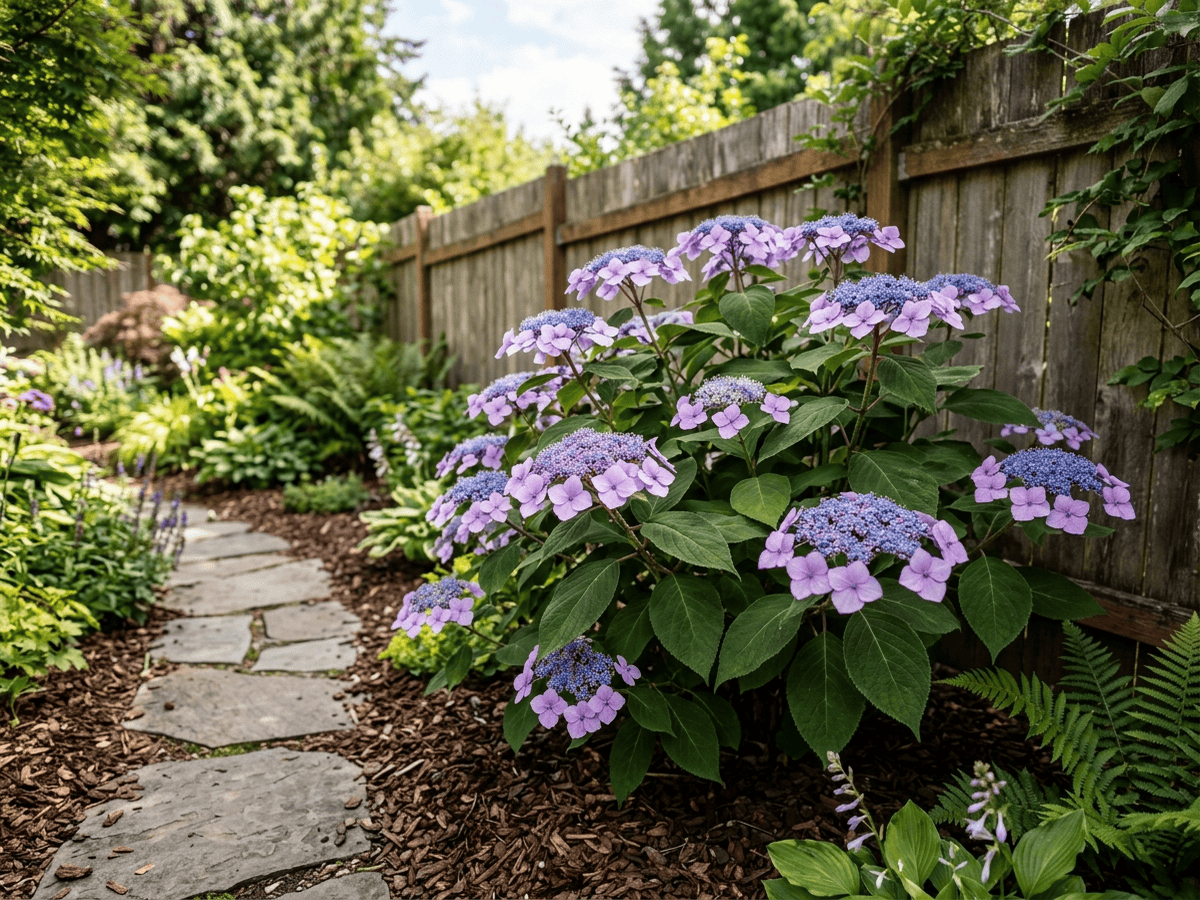
Rough Hydrangea is a large deciduous shrub reaching 6-12 feet from the mountains of eastern Asia, distinguished by its enormous velvety leaves covered in fine hairs and dramatic lacecap flower heads up to 12 inches across. The fertile inner flowers are typically deep purple-blue, surrounded by pale pink or white sterile florets. Its bold tropical-looking foliage and impressive flower size make it a statement plant for woodland gardens in the Pacific Northwest and other mild, moist climates.
- Shade-tolerant
How to care for Rough-Leaved Hydrangea
Watering
- Springevery 5 days
- Summerevery 3 days
- Fallevery 7 days
- Winterevery 14 days
Soil · Rich & loamy
- Top dressingBark mulch15%
- Main mixRich loam + compost 3:170%
- DrainageGravel15%
Use fully finished compost — fresh compost burns roots.
FERTILIZER
Balanced Feed 14-14-14
An even feed covers all three needs at once, keeping leaves, roots and blooms moving together with nothing pushed out of balance.
- Nitrogen · Leaves
- Phosphorus · Roots + Blooms
- Potassium · Strength
- Springevery 30 days
- Summerevery 60 days
At a Glance
- NativeEast Asia, South Asia
- Height8–12 ft (2.4–3.7 m)
- Spread8–12 ft (2.4–3.7 m)
- Flower colorWhite, Pink, Purple, Blue
- Foliage colorGreen
- SoilLoamy, Moisture-retentive, Rich
- LocationsYard
Bloom time
BLOOM CYCLE
Peak bloom
Jul–Aug
Large lacecap heads with purple-blue centers July to August
Fragrance
LIGHT FRAGRANCE
The flowers have a mild sweet fragrance.
Toxicity
Humans Slight · Pets Slight
hydrangin
Slight
- Leaf
- Stem
- Flower
- Ingestion
EXPOSURE Eating leaves, stems, and flowers.
EFFECT GI upset from cyanogenic glycosides.
NOTE Documented concern for humans: GI upset from cyanogenic glycosides.
Slight
- Leaf
- Stem
- Flower
- Ingestion
EXPOSURE Eating leaves, stems, and flowers.
EFFECT Vomiting, diarrhea, lethargy.
NOTE ASPCA lists Hydrangea as toxic to dogs, cats, and horses.
Slight
- Leaf
- Stem
- Flower
- Ingestion
EXPOSURE Eating leaves, stems, and flowers.
EFFECT Vomiting, diarrhea, lethargy.
NOTE ASPCA lists Hydrangea as toxic to dogs, cats, and horses.
Educational information, not medical or veterinary advice. If exposure is suspected, contact a doctor or veterinarian.
DISTRIBUTION


- Native
- East Asia
- South Asia
History
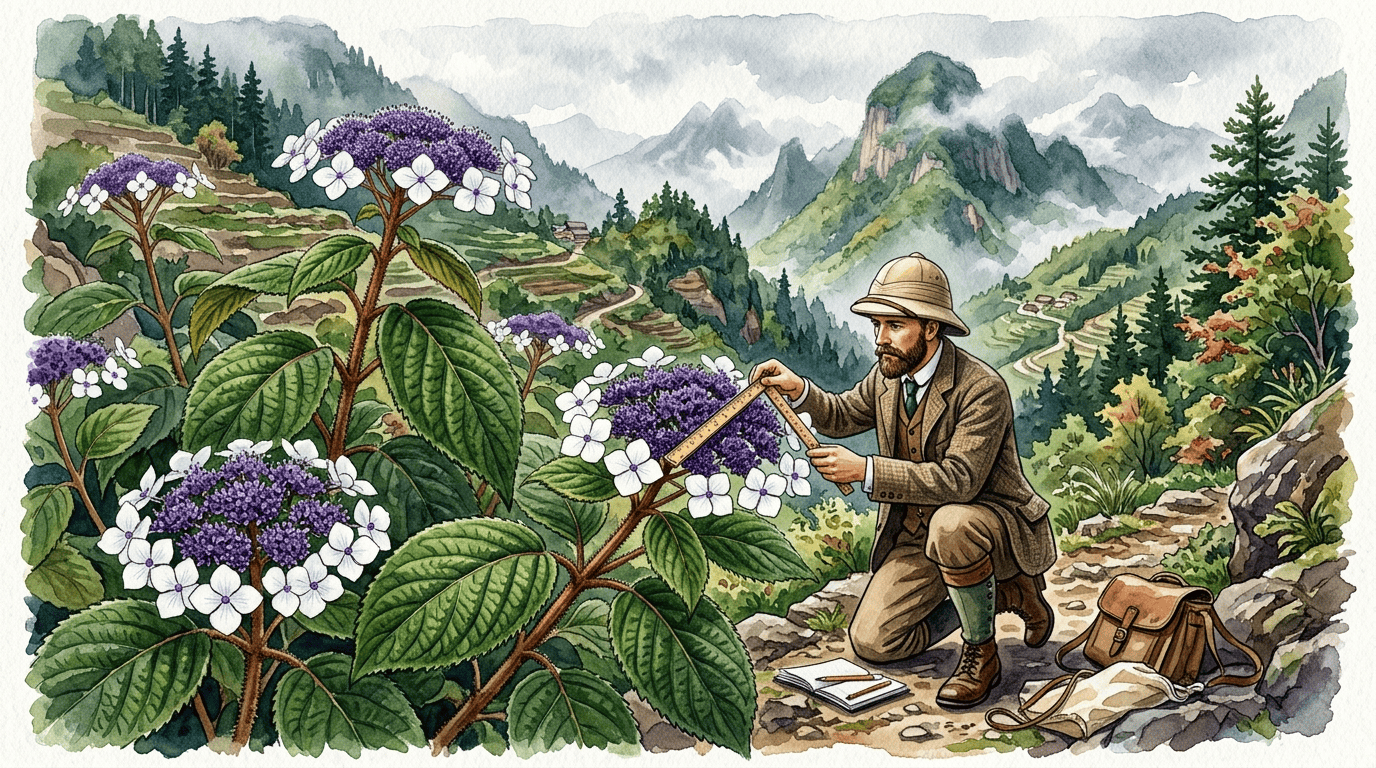
Hydrangea aspera occurs naturally across a broad arc from the Himalayas (Nepal, Bhutan, India) through southwestern China and into Taiwan, with several distinctive subspecies: ssp. aspera (Himalayas), ssp. sargentiana (central China), ssp. strigosa, and ssp. robusta. Scottish botanist David Don formally described the species in 1825 from Nepalese material, the epithet aspera meaning rough for the bristly-hairy leaves and stems. Ernest Henry Wilson introduced the spectacular ssp. sargentiana—with leaves up to 25 cm long covered in stiff bristles, thick cinnamon-colored stems, and huge lacecap inflorescences of white florets around a dark purple-blue center—from western Hubei in 1908 for the Arnold Arboretum.
The species and its selections, particularly 'Kawakamii', 'Macrophylla' (now 'Villosa Group'), and 'Hot Chocolate', are celebrated in Britain and the Pacific Northwest for their late-summer lacecap displays and bold velvety foliage. Best in dappled shade with rich moist soil.
The Villosa Group, collected by Ernest Wilson in western China in 1908, is the most commonly grown form. The subspecies sargentiana produces flower heads over a foot across with striking bicolor effect. Thrives in the mild, humid conditions of the Pacific Northwest.
Symbolism & meaning
What It Symbolizes
The Rough-Leaved Hydrangea earns admiration through commanding presence — bold, sandpapery foliage and great lacecap blooms that suggest the wildness of Asian mountain forests. Less polished than its mophead cousins, it brings something untamed into the cultivated border. To grow this hydrangea is to invite the high, misty hillsides of western China and Japan into the garden, beauty held with a touch of the feral.
- Admiration — commands attention with bold foliage and flowers
- Wildness — evokes mountain forests of Asia
Where the Name Comes From
'Aspera' means 'rough' in Latin, referring to the coarse, hairy texture of the leaves.
Uses & Fun Facts
- Velvety foot-wide leaves and lacecap flowers anchor large shade borders
- Purple-blue fertile florets attract bumblebees in late summer
Related plants
More Hydrangea plants
 Chinese HydrangeaHydrangea anomala
 Wild HydrangeaHydrangea arborescens
 Himalayan HydrangeaHydrangea heteromalla
 Hydrangea involucrataHydrangea involucrata
Plants with similar care
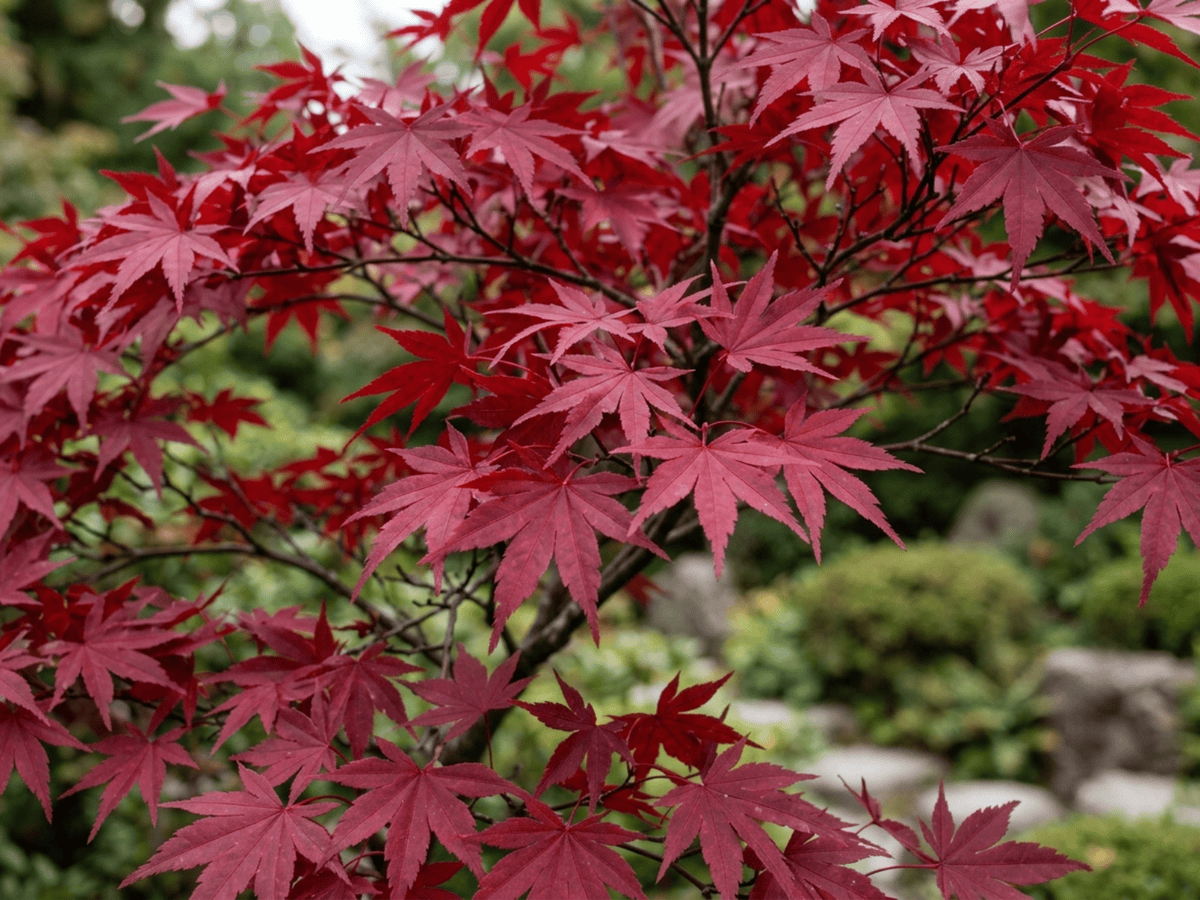 Japanese MapleAcer palmatum
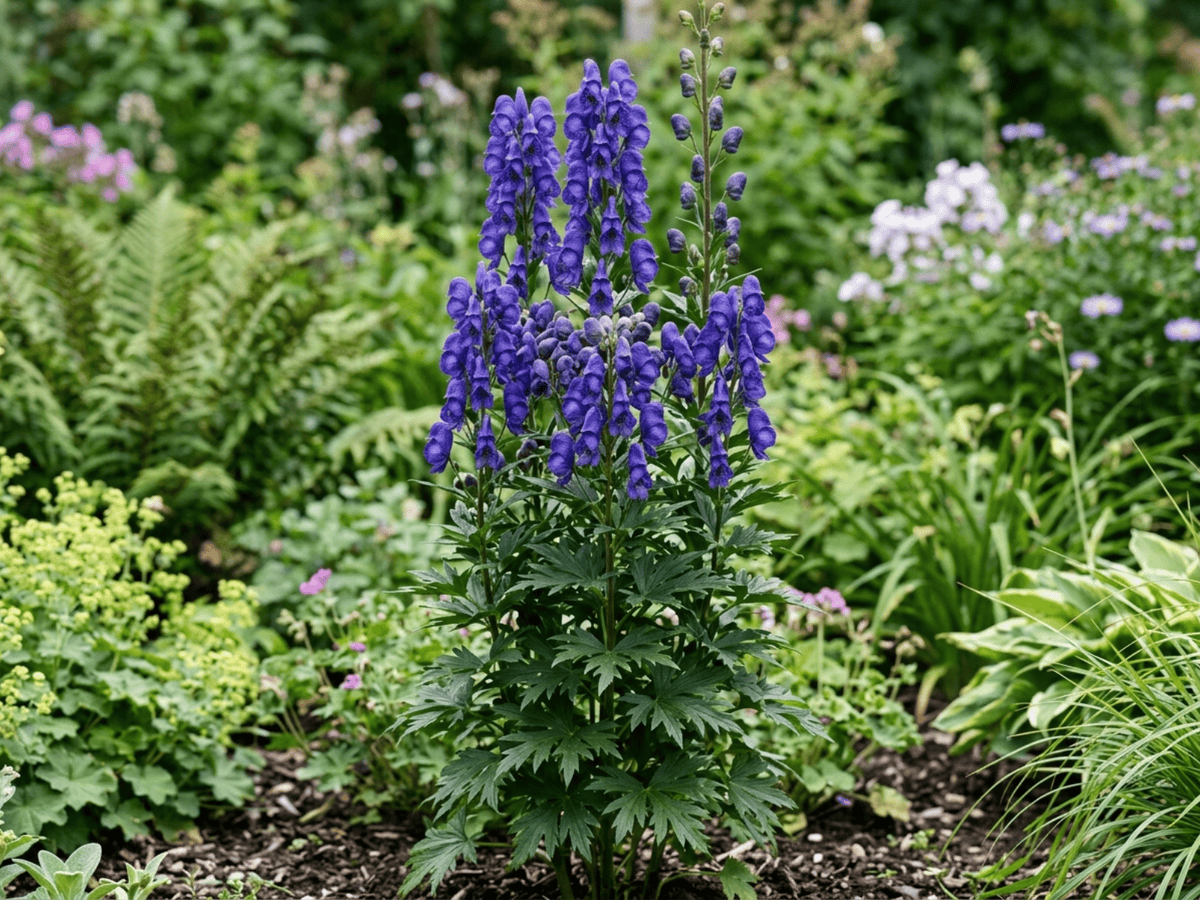 Azure MonkshoodAconitum carmichaelii
 Florida HobblebushAgarista populifolia
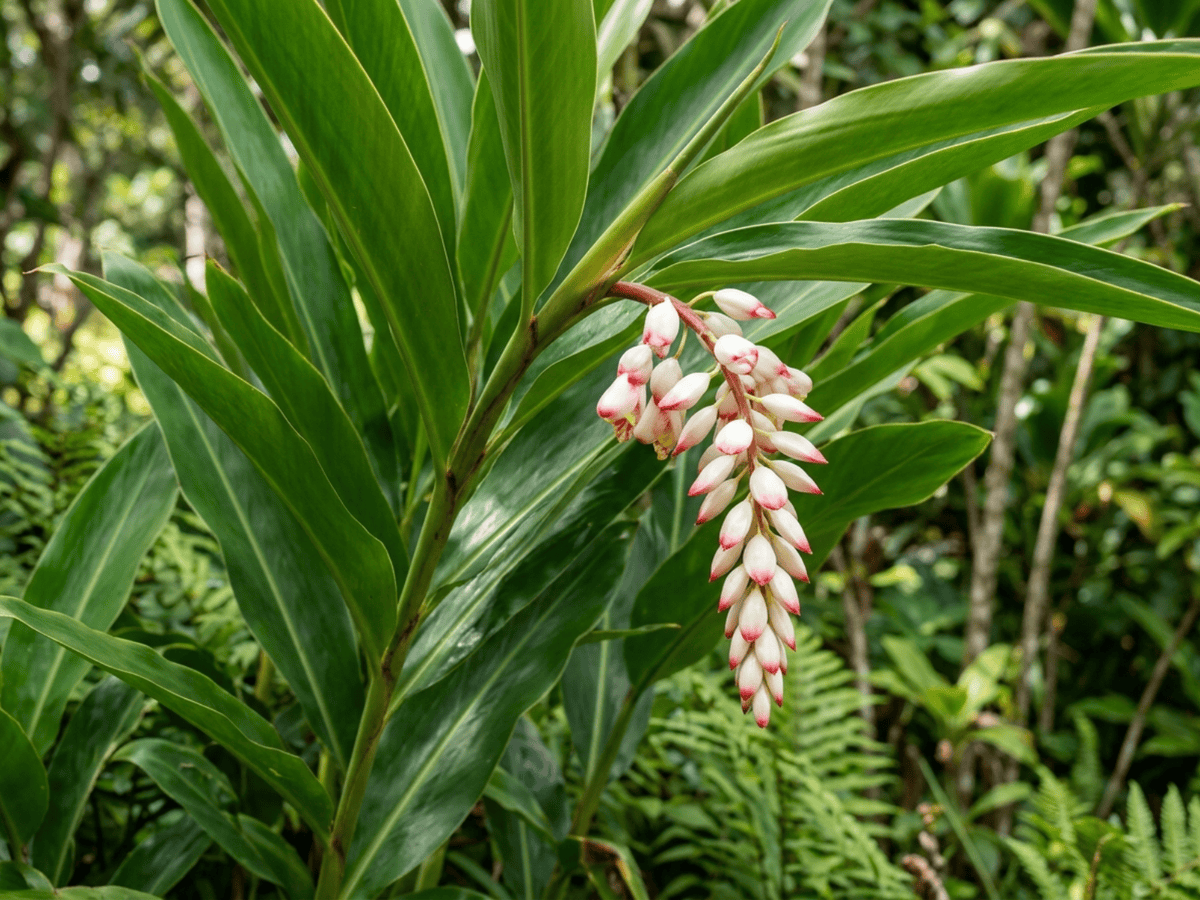 Shell GingerAlpinia zerumbet
Frequently asked questions
How often should I water Rough-Leaved Hydrangea?
In summer, water about every 3 days; in winter, about every 14 days. Adjust for heat, pot size and drainage.
How much light does Rough-Leaved Hydrangea need?
Part shade: 2–4 hrs direct. Watch the leaves — scorching or stretching means the light needs adjusting.
Is Rough-Leaved Hydrangea toxic to cats or dogs?
Pets Slight (Dogs Slight · Cats Slight) Educational information, not medical or veterinary advice. If exposure is suspected, contact a doctor or veterinarian.
Is Rough-Leaved Hydrangea easy to grow?
It is moderately demanding: a good choice once you have a little experience.
When does Rough-Leaved Hydrangea bloom?
It typically blooms Jul–Aug in the Northern Hemisphere.
YardMate
Identify any plant in seconds
Snap a photo — YardMate names the plant, diagnoses problems, and reminds you when to water.
Download on the App Store