 YardMate

Chinese Hydrangea
Hydrangea anomala
Medium · Some experienceAbout Chinese Hydrangea
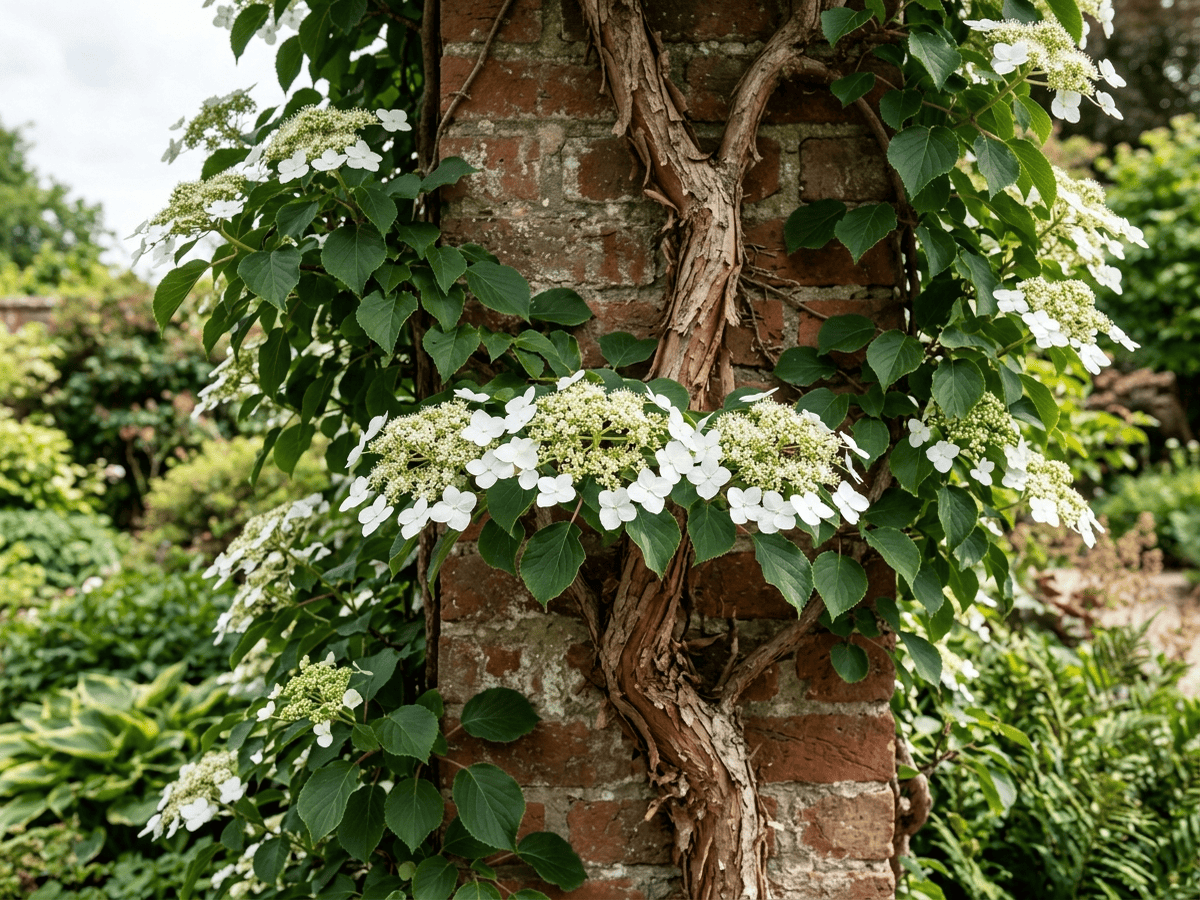
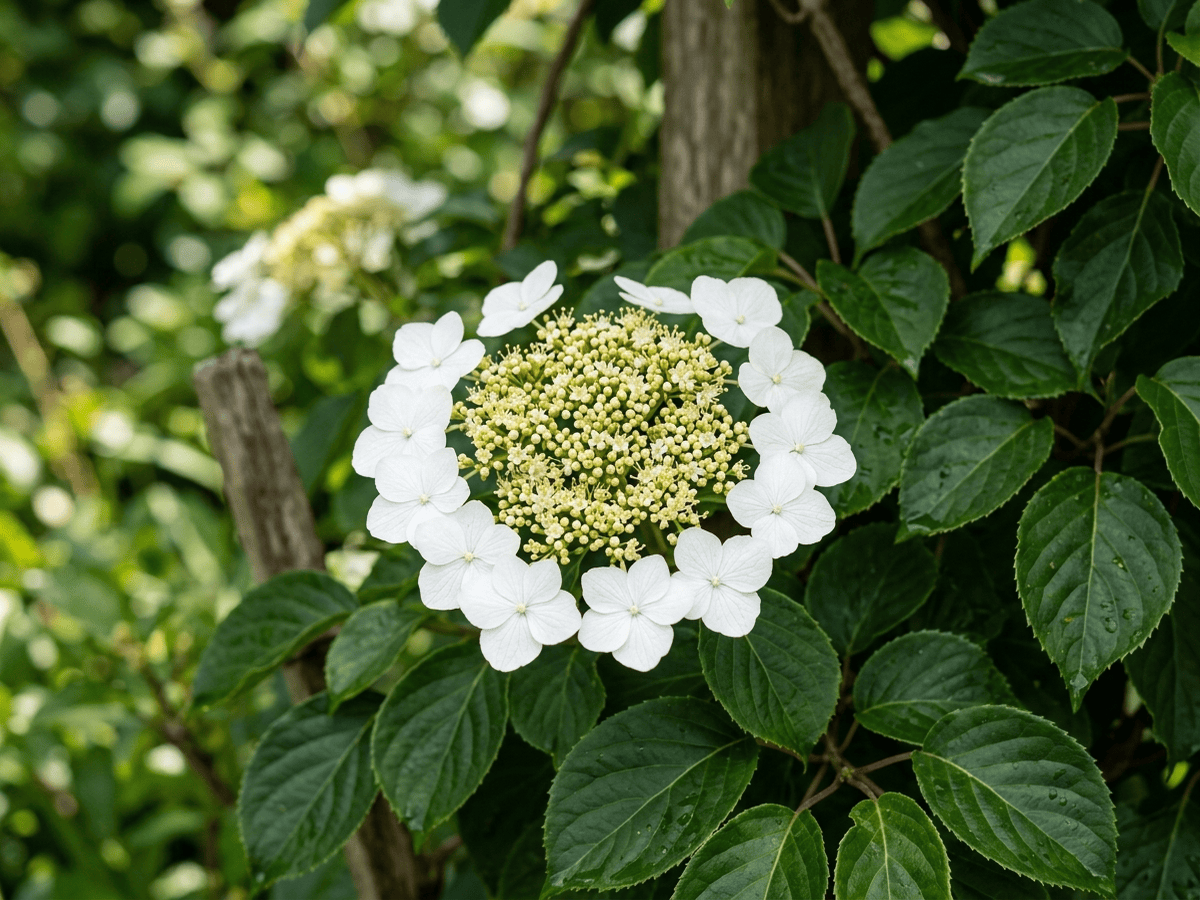
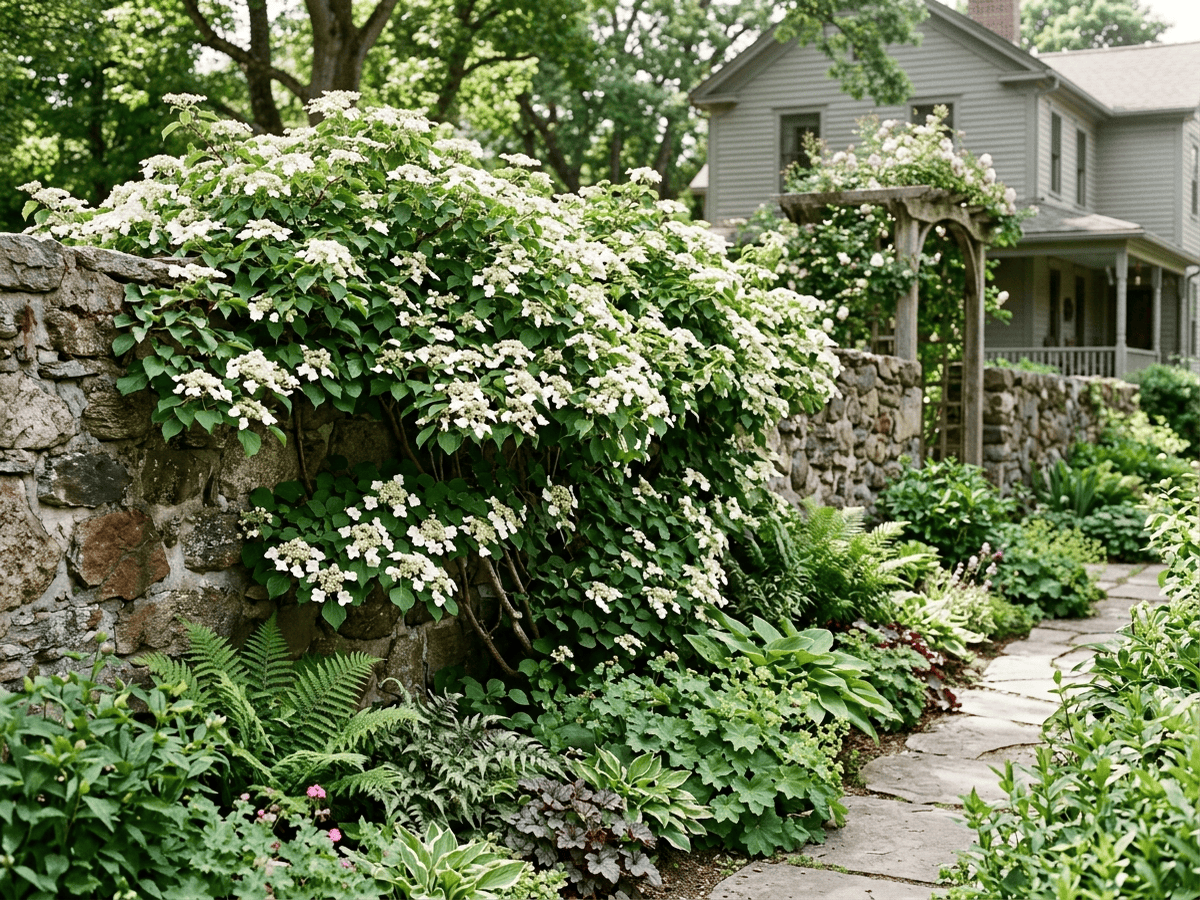
Climbing Hydrangea is a vigorous self-clinging deciduous vine reaching 30-50 feet, attaching to walls, trees, and structures with aerial rootlets. Native to the Himalayas, China, and Japan, it produces large flat white lacecap flower clusters up to 10 inches across in early summer. The exfoliating cinnamon-brown bark provides winter interest. Slow to establish—often taking 3-5 years before vigorous growth begins—but ultimately one of the most spectacular flowering vines for shaded walls.
- Shade-tolerant
- Climbing
How to care for Chinese Hydrangea
Watering
- Springevery 7 days
- Summerevery 5 days
- Fallevery 10 days
- Winterevery 21 days
Soil · Rich & loamy
- Top dressingBark mulch15%
- Main mixRich loam + compost 3:170%
- DrainageGravel15%
Use fully finished compost — fresh compost burns roots.
FERTILIZER
Balanced Feed 14-14-14
An even feed covers all three needs at once, keeping leaves, roots and blooms moving together with nothing pushed out of balance.
- Nitrogen · Leaves
- Phosphorus · Roots + Blooms
- Potassium · Strength
- Springevery 30 days
- Summerevery 60 days
At a Glance
- NativeEast Asia, South Asia
- Height30–50 ft (9.1–15.2 m)
- Spread5–8 ft (1.5–2.4 m)
- Flower colorWhite
- Foliage colorGreen, Yellow
- SoilLoamy, Moisture-retentive, Rich
- LocationsYard
Bloom time
BLOOM CYCLE
Peak bloom
Jun–Jul
Large white lacecap clusters June to July
Fragrance
LIGHT FRAGRANCE
The flowers have a mild honey-like scent.
Toxicity
Humans Slight · Pets Slight
hydrangin (cyanogenic glycoside)
Slight
- Leaf
- Stem
- Flower
- Ingestion
EXPOSURE Eating leaves, stems, and flowers.
EFFECT GI upset from cyanogenic glycosides.
NOTE Documented concern for humans: GI upset from cyanogenic glycosides.
Slight
- Leaf
- Stem
- Flower
- Ingestion
EXPOSURE Eating leaves, stems, and flowers.
EFFECT Vomiting, diarrhea, lethargy.
NOTE ASPCA lists Hydrangea as toxic to dogs, cats, and horses.
Slight
- Leaf
- Stem
- Flower
- Ingestion
EXPOSURE Eating leaves, stems, and flowers.
EFFECT Vomiting, diarrhea, lethargy.
NOTE ASPCA lists Hydrangea as toxic to dogs, cats, and horses.
Educational information, not medical or veterinary advice. If exposure is suspected, contact a doctor or veterinarian.
DISTRIBUTION


- Native
- East Asia
- South Asia
History
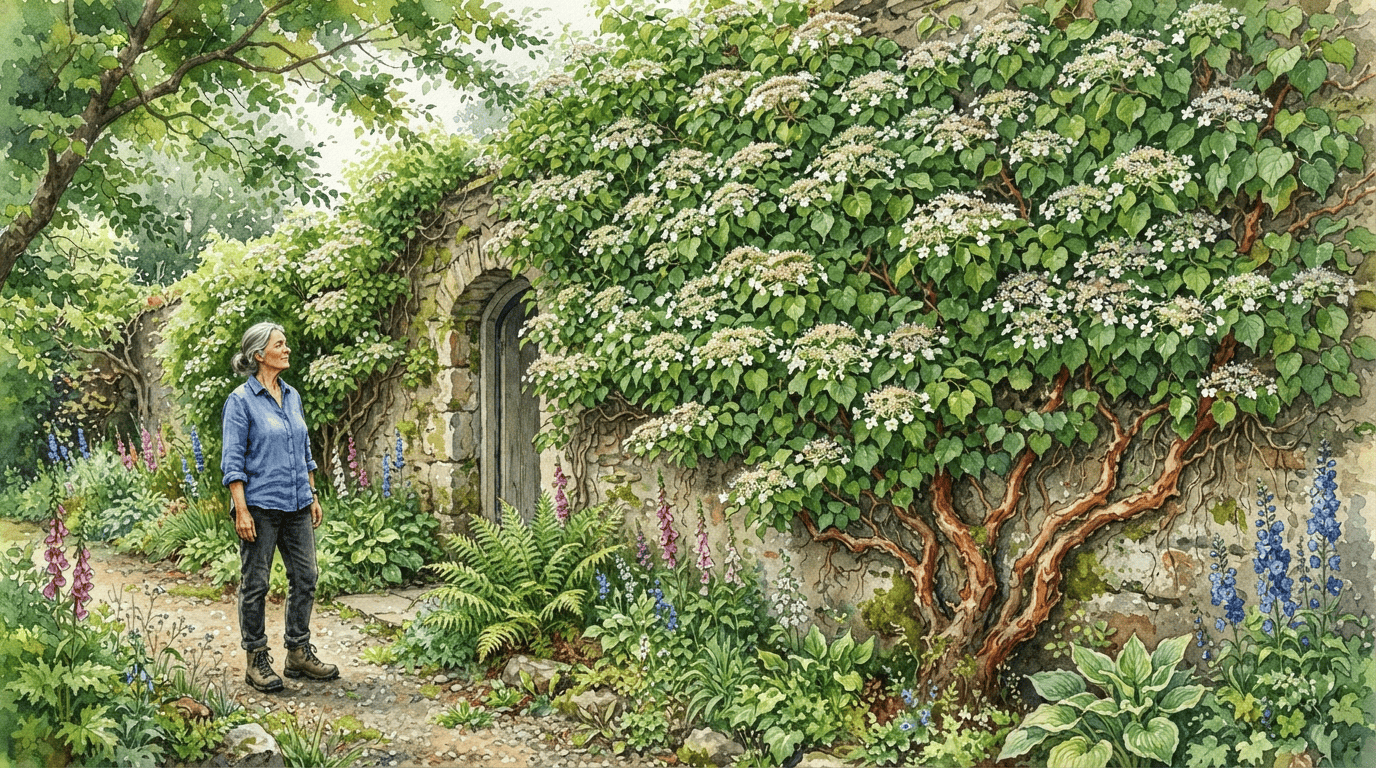
Hydrangea anomala subsp. petiolaris, the commonly cultivated form, occurs naturally in Japan, the Korean Peninsula, Sakhalin, Taiwan, and eastern China; the nominate subspecies ranges across the Himalayas. Scottish botanist David Don described the species in 1825 from Himalayan material, the epithet anomala reflecting its unusual scandent habit within the mostly shrubby genus. Uniquely among hydrangeas, H. anomala climbs by means of aerial rootlets clinging to bark, masonry, or rock—much like English ivy or Boston ivy—and can reach 15 meters or more up a mature tree.
The lacecap inflorescences in early summer feature a central mass of tiny fertile flowers surrounded by showy white sterile florets. On mature stems the cinnamon-colored bark exfoliates attractively in strips—a feature visible best in winter. Philipp Franz von Siebold introduced the Japanese form to Europe around 1862.
Slow to establish but long-lived once settled, climbing hydrangea is one of the finest climbers for shaded walls and large tree trunks. First introduced to Western cultivation from Japan in 1865. Patience is required—gardeners say 'first year it sleeps, second year it creeps, third year it leaps.' Once established, it can cover an entire building facade and live for over a century.
Symbolism & meaning
What It Symbolizes
The Chinese Hydrangea climbs slowly and clings faithfully to walls, trees and fences for decades, and so its meaning is devotion, the kind expressed in small, persistent attachments rather than dramatic gestures. It also carries patience, for it can take years to settle in before flowering, asking the gardener to trust a long apprenticeship. To plant climbing hydrangea is to make a quiet promise to a wall, knowing that the reward will come in someone else's summer as much as your own.
- Devotion — clings faithfully to its support for decades
- Patience — rewards those who wait through slow establishment
Where the Name Comes From
'Anomala' means 'unusual' or 'irregular' in Latin, referring to its climbing habit unusual among hydrangeas.
Uses & Fun Facts
- Climbing hydrangea clings to brick walls and tree trunks
Related plants
More Hydrangea plants
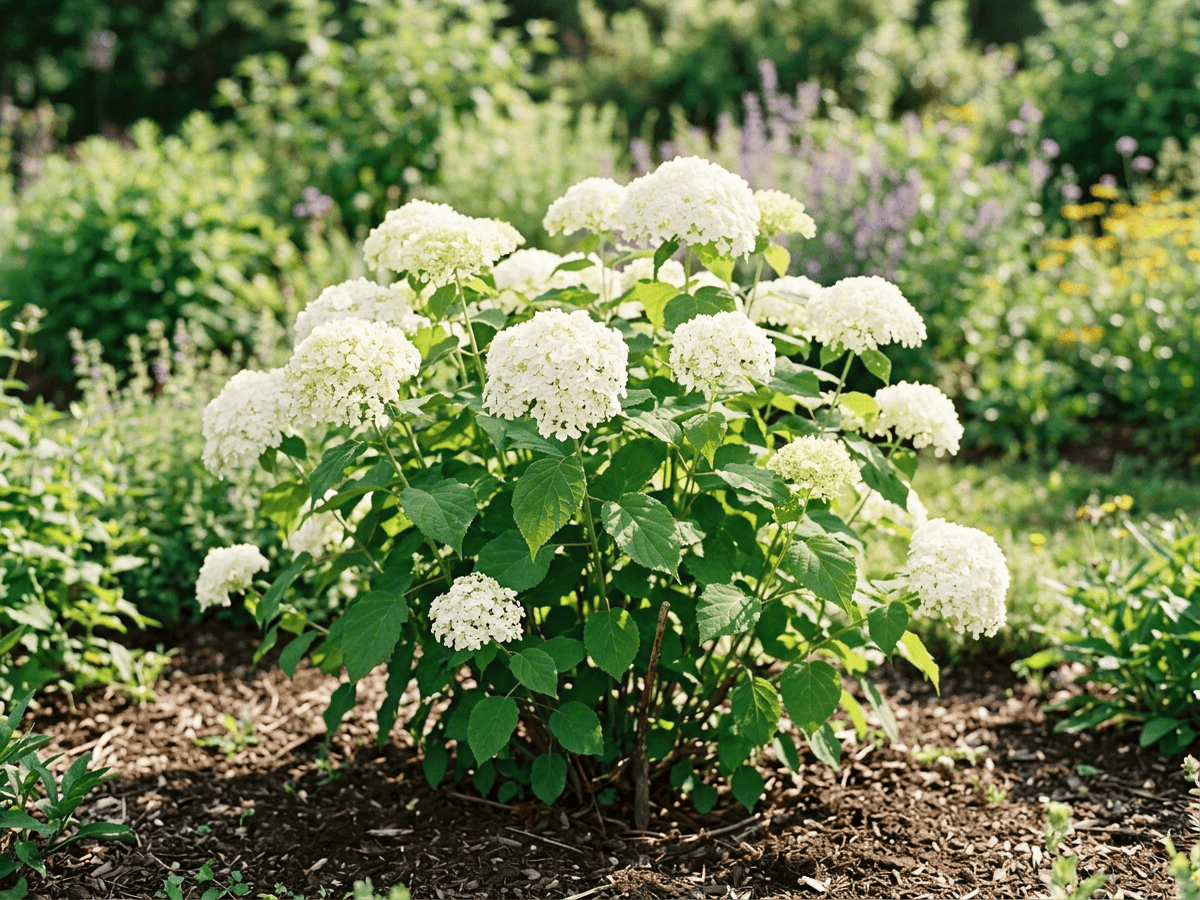 Wild HydrangeaHydrangea arborescens
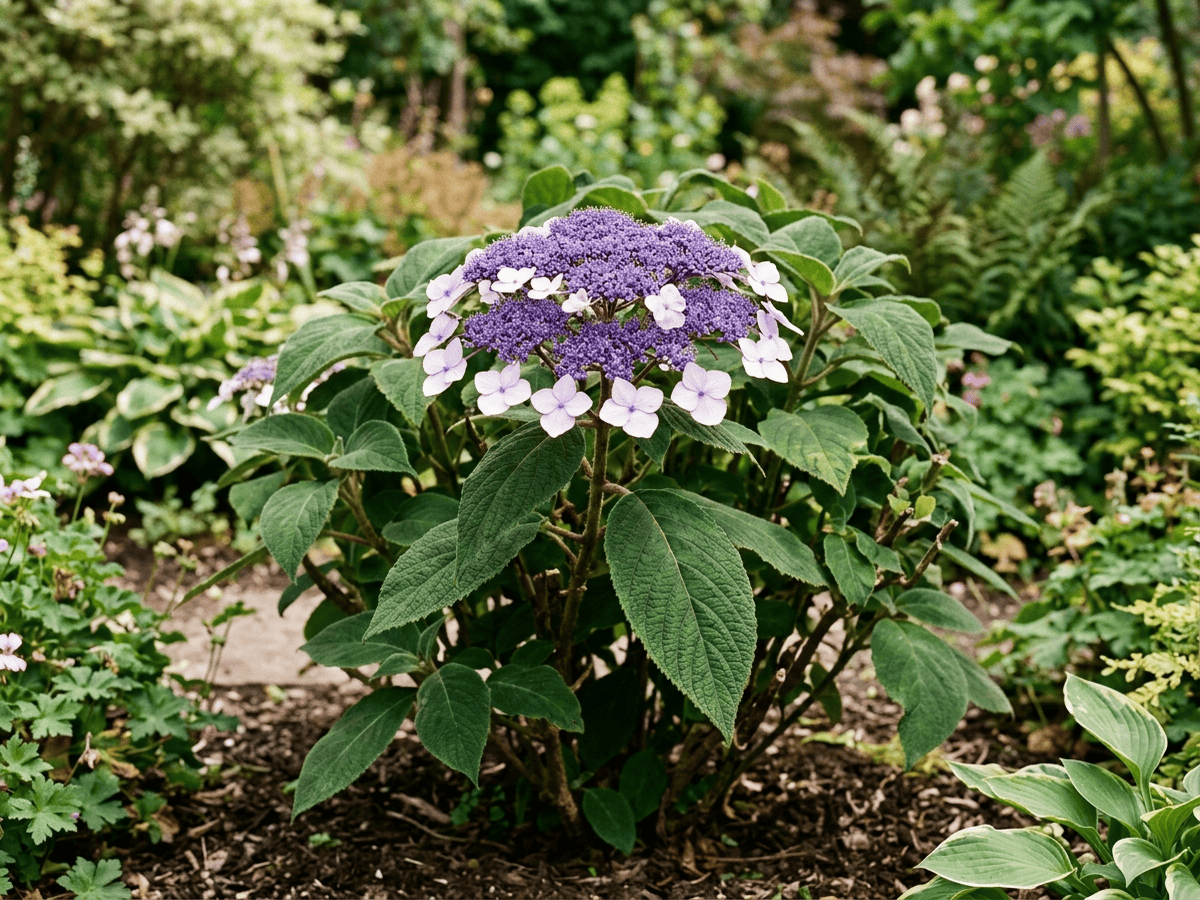 Rough-Leaved HydrangeaHydrangea aspera
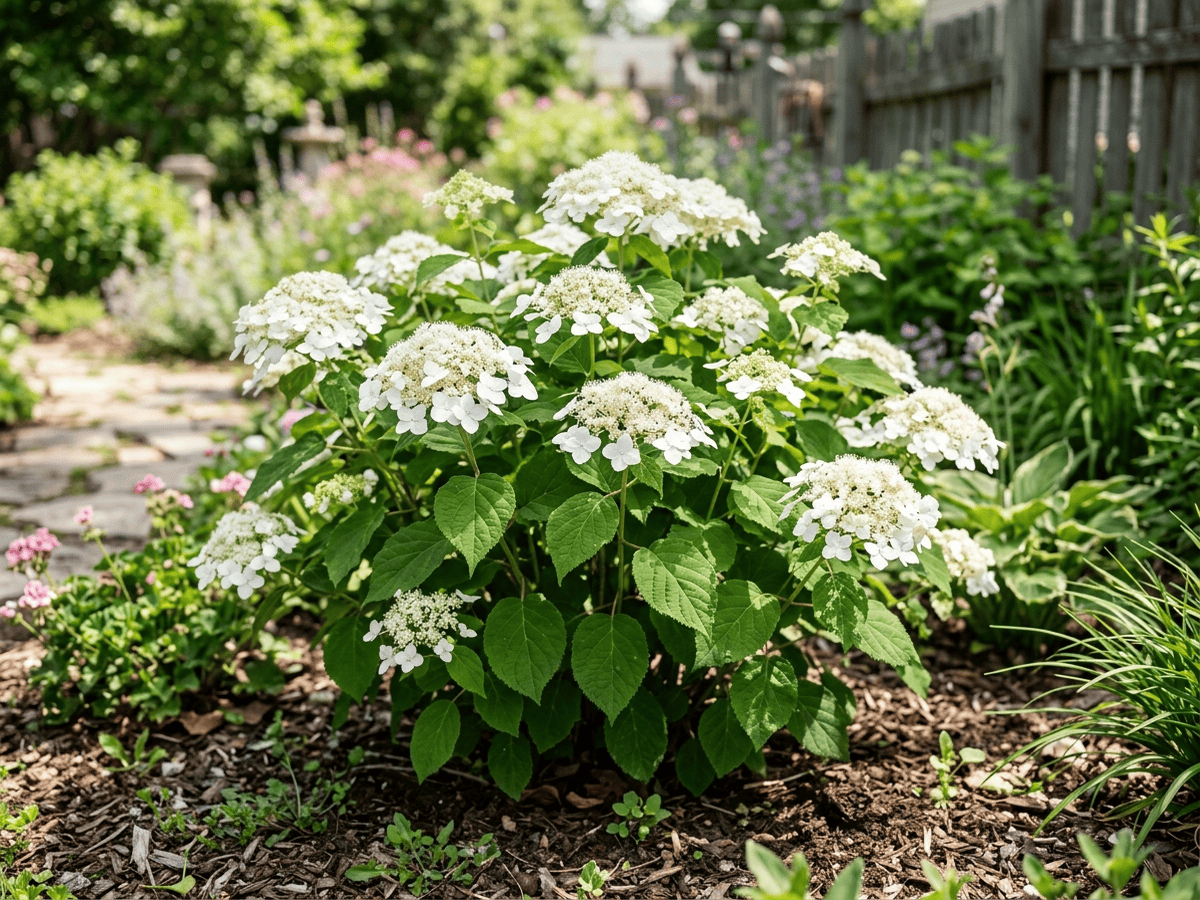 Himalayan HydrangeaHydrangea heteromalla
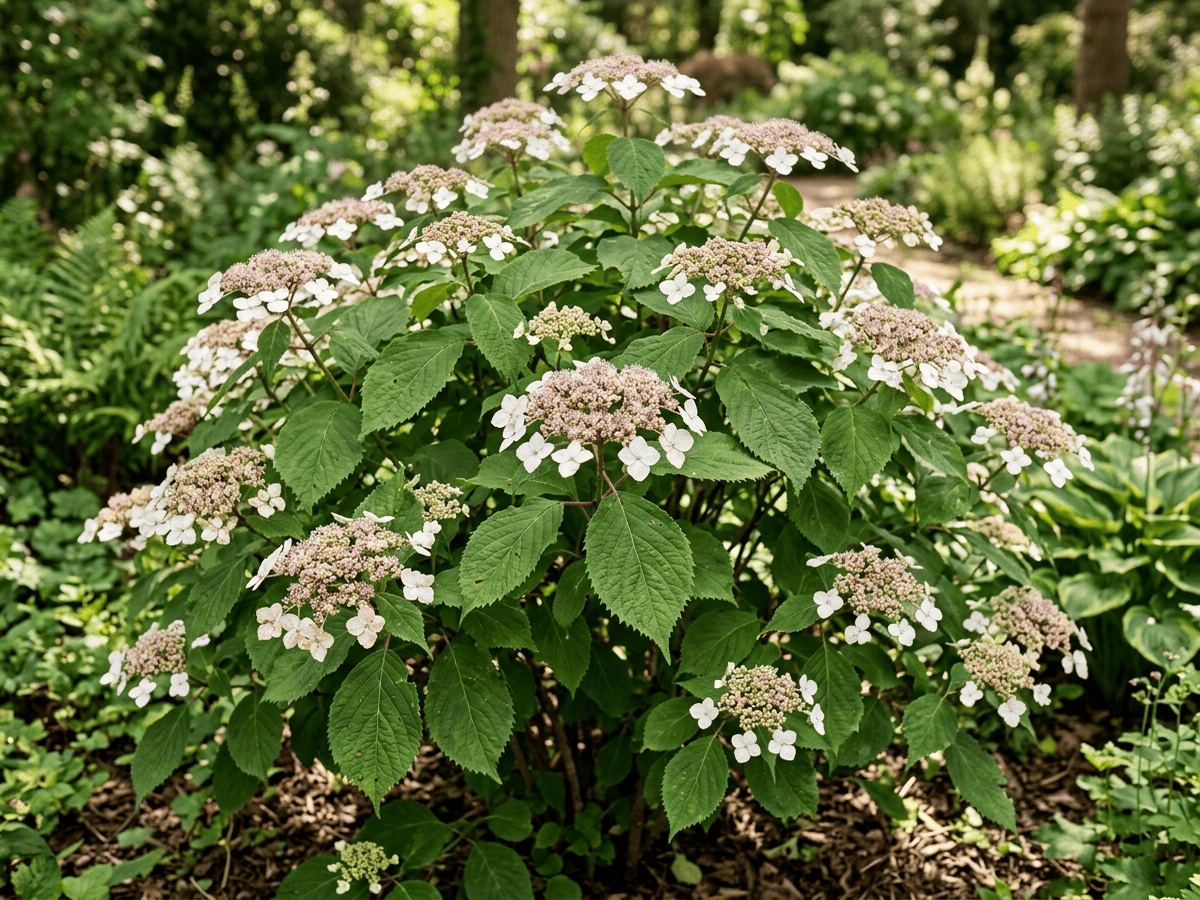 Hydrangea involucrataHydrangea involucrata
Plants with similar care
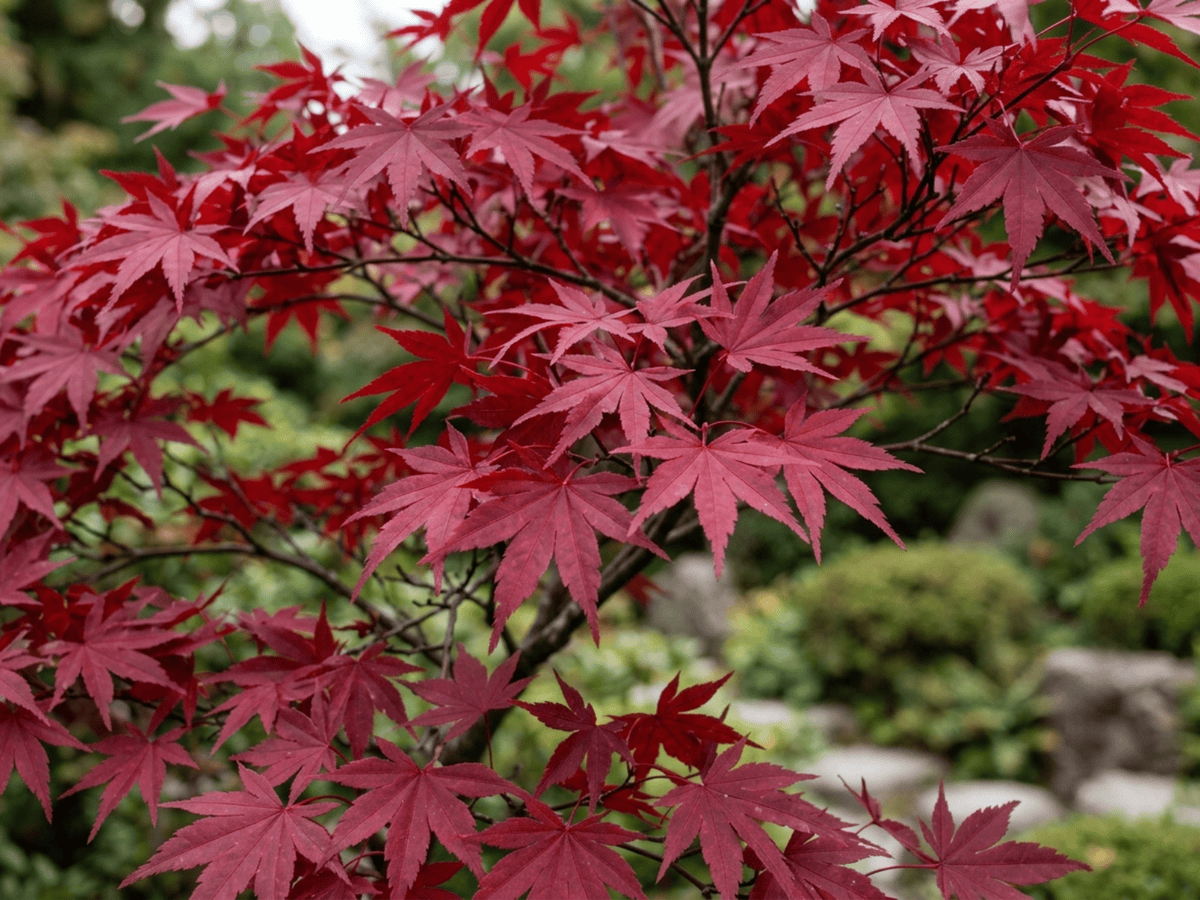 Japanese MapleAcer palmatum
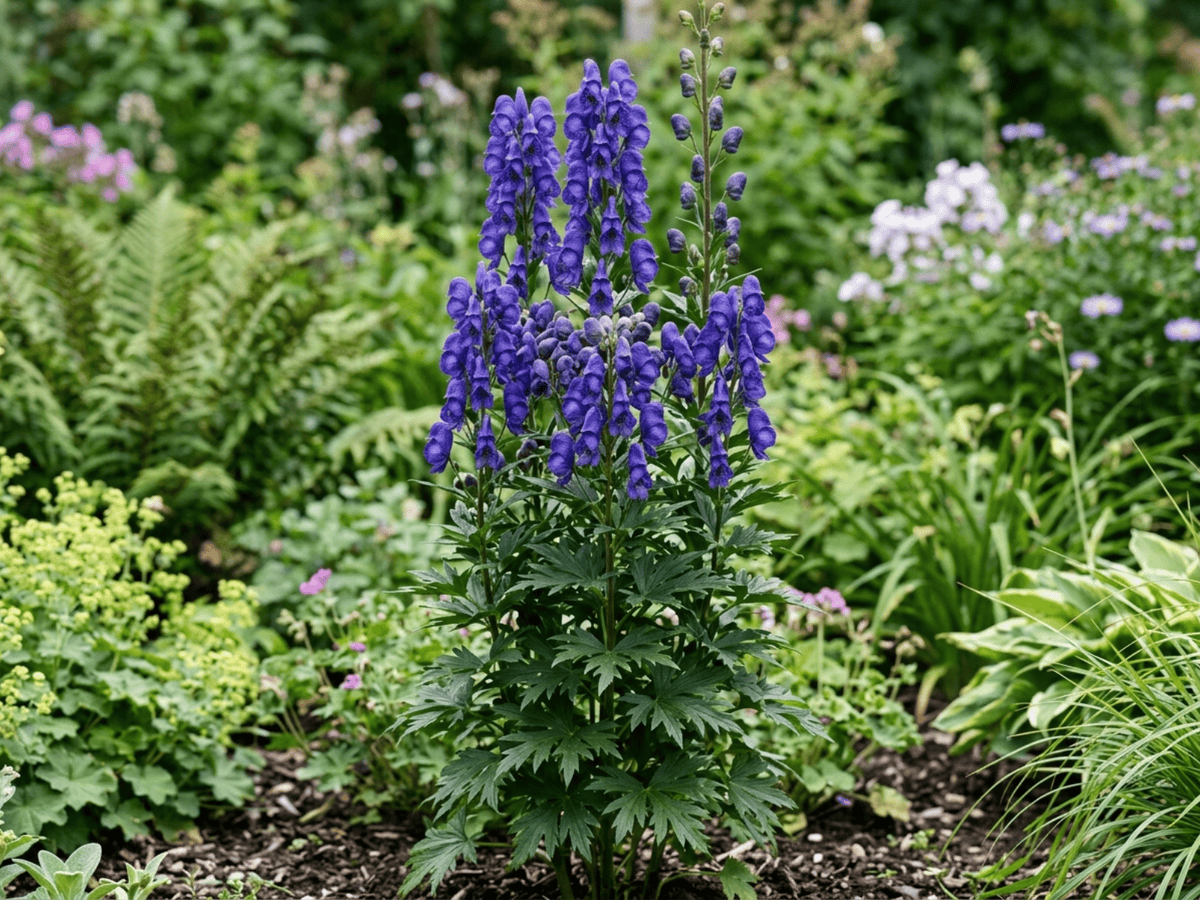 Azure MonkshoodAconitum carmichaelii
 Florida HobblebushAgarista populifolia
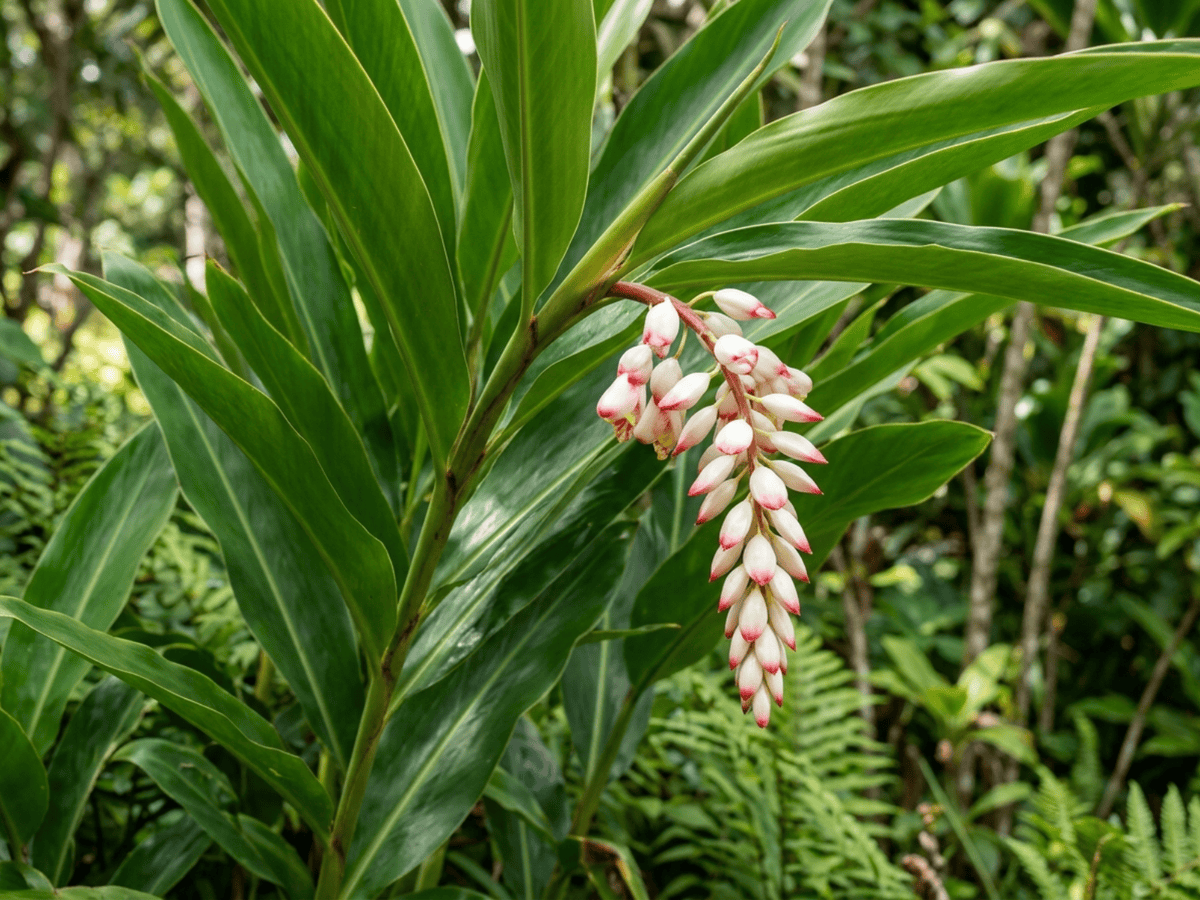 Shell GingerAlpinia zerumbet
Frequently asked questions
How often should I water Chinese Hydrangea?
In summer, water about every 5 days; in winter, about every 21 days. Adjust for heat, pot size and drainage.
How much light does Chinese Hydrangea need?
Part shade: 2–4 hrs direct. Watch the leaves — scorching or stretching means the light needs adjusting.
Is Chinese Hydrangea toxic to cats or dogs?
Pets Slight (Dogs Slight · Cats Slight) Educational information, not medical or veterinary advice. If exposure is suspected, contact a doctor or veterinarian.
Is Chinese Hydrangea easy to grow?
It is moderately demanding: a good choice once you have a little experience.
When does Chinese Hydrangea bloom?
It typically blooms Jun–Jul in the Northern Hemisphere.
YardMate
Identify any plant in seconds
Snap a photo — YardMate names the plant, diagnoses problems, and reminds you when to water.
Download on the App Store