 YardMate


Himalayan Hydrangea
Hydrangea heteromalla
Medium · Some experienceAbout Himalayan Hydrangea
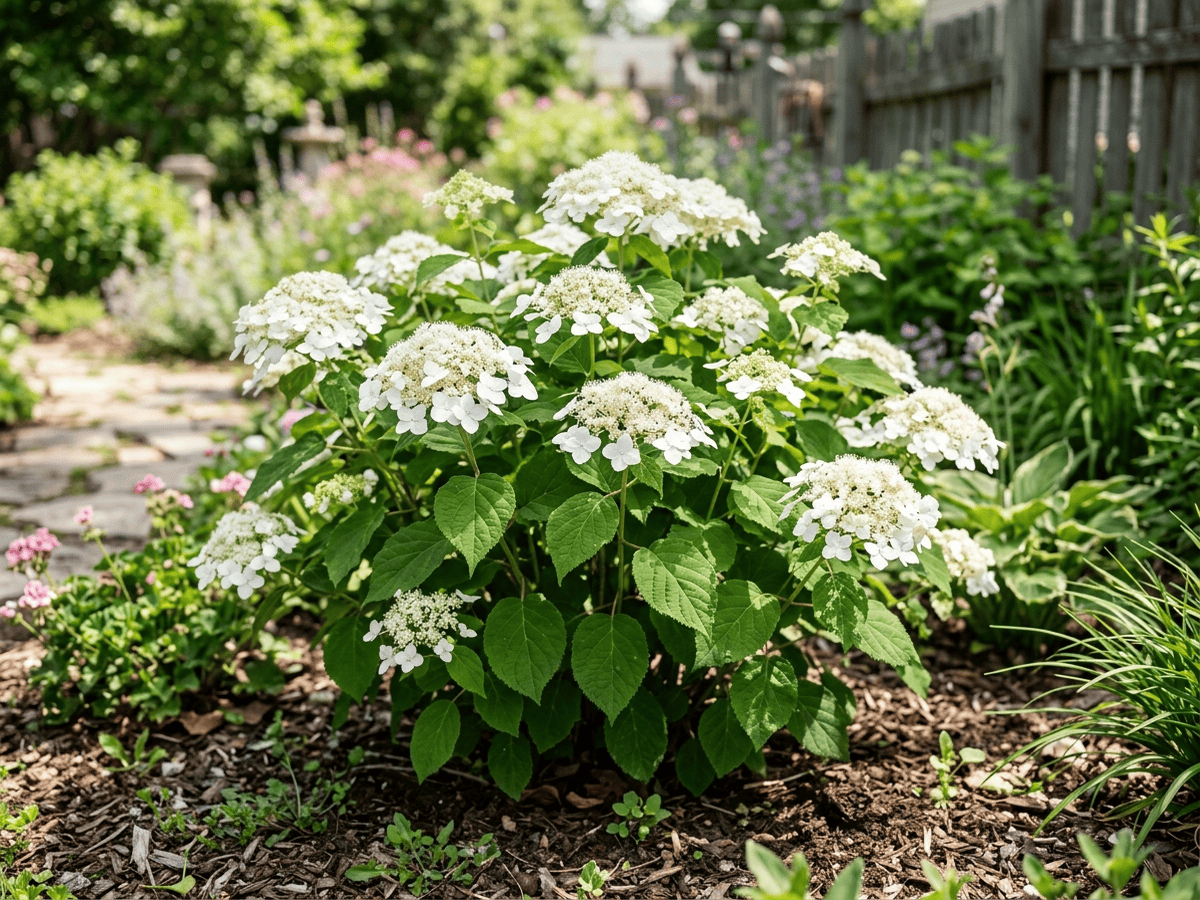
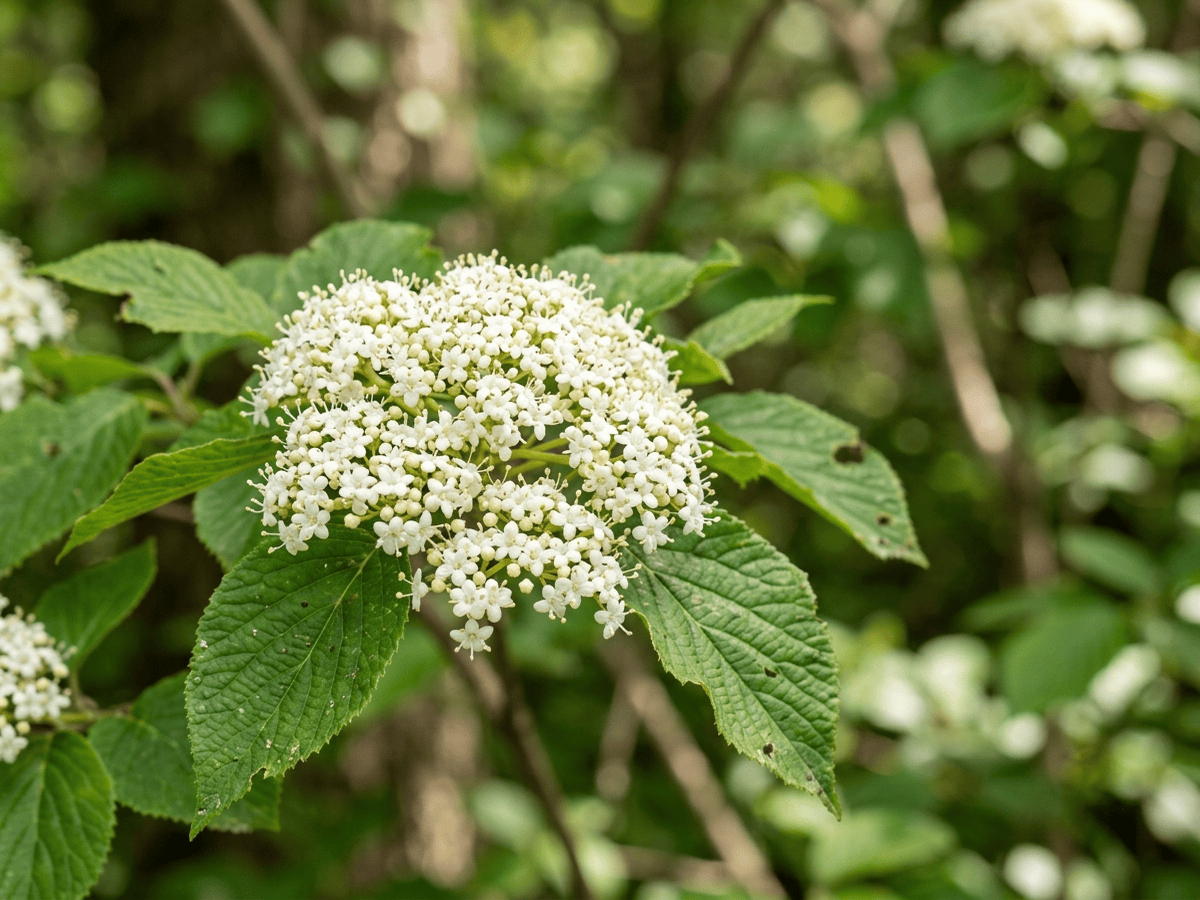
Himalayan Hydrangea is a tall hardy hydrangea species from the Himalayas and western China, growing 8 to 12 feet as a large shrub or small tree. Producing large flat-topped lacecap flower clusters of creamy white in midsummer that age to rich pink, it is significantly more cold-hardy than typical mophead hydrangeas and valued in colder regions of the American Northeast and Midwest.
- Cold-hardy
- Shade-tolerant
- Fall-color
- Pollinator-friendly
How to care for Himalayan Hydrangea
Watering
- Springevery 3 days
- Summerevery 2 days
- Fallevery 5 days
- Winterevery 10 days
Soil · Rich & loamy
- Top dressingBark mulch15%
- Main mixRich loam + compost 3:170%
- DrainageGravel15%
Use fully finished compost — fresh compost burns roots.
FERTILIZER
Balanced Feed 14-14-14
An even feed covers all three needs at once, keeping leaves, roots and blooms moving together with nothing pushed out of balance.
- Nitrogen · Leaves
- Phosphorus · Roots + Blooms
- Potassium · Strength
- Springevery 30 days
- Summerevery 45 days
At a Glance
- NativeSouth Asia, East Asia
- Height8–12 ft (2.4–3.7 m)
- Spread6–10 ft (1.8–3 m)
- Flower colorWhite, Cream
- Foliage colorGreen
- SoilLoamy, Moisture-retentive
- LocationsYard
Bloom time
BLOOM CYCLE
Peak bloom
Jun–Aug
Large creamy lacecap clusters midsummer, aging pink
Fragrance
LIGHT FRAGRANCE
The flowers have a lightly honey-scented scent.
Toxicity
Humans Moderate · Pets Moderate
cyanogenic glycosides
Moderate
- All
- Ingestion
EXPOSURE Eating any part of the plant.
EFFECT Nausea, vomiting, and dizziness.
NOTE Documented concern for humans: Nausea, vomiting, and dizziness.
Moderate
- Leaf
- Flower
- Bud
- Ingestion
EXPOSURE Eating leaves, flowers, and bud.
EFFECT Vomiting, diarrhea, and lethargy.
NOTE ASPCA lists Hydrangea as toxic to dogs, cats, and horses.
Moderate
- Leaf
- Flower
- Bud
- Ingestion
EXPOSURE Eating leaves, flowers, and bud.
EFFECT Vomiting, diarrhea, and lethargy.
NOTE ASPCA lists Hydrangea as toxic to dogs, cats, and horses.
Educational information, not medical or veterinary advice. If exposure is suspected, contact a doctor or veterinarian.
DISTRIBUTION


- Native
- Introduced
- South Asia
- East Asia
History

Hydrangea heteromalla grows across open forest slopes from Nepal and Bhutan through northern India, northern Myanmar, and into Yunnan, Sichuan, and Tibet. The Scottish botanist David Don described it in 1825 from Nathaniel Wallich's Himalayan collections at the East India Company. E.H. Wilson reintroduced improved Chinese forms in the early 20th century.
Unlike shrubbier relatives, it can become a small tree to 5 m, with large lacecap inflorescences of creamy white fertile flowers surrounded by showier white sterile ray florets. It became popular in British woodland and arboretum collections in the Edwardian era.
Native to the Himalayas from Afghanistan through southwest China, discovered by British plant hunters in the 1800s. The famous 'Bretschneideri' cultivar, collected by Emil Bretschneider in Beijing in the 1880s, brought this hardy hydrangea to American cold-climate gardens where less hardy Hydrangea macrophylla would fail. The cultivar 'Bretschneideri' (sometimes treated as a separate species) with exfoliating bark and 'Snowcap' from Hillier Arboretum are widely grown.
Symbolism & meaning
What It Symbolizes
This Himalayan hydrangea evokes enduring strength — the hardiest of its kin, holding its lacecap blooms through cold-winter gardens that would defeat softer hydrangeas. Paired with mountain heritage, it carries the spirit of the high Himalayan slopes where it evolved. It is a hydrangea for places where elegance must come with a tougher constitution.
- Enduring strength — hardiest hydrangea for cold-winter gardens
- Mountain heritage — from Himalayan highlands
Where the Name Comes From
'heteromalla' from Greek 'heteros-mallos' meaning variable-woolly, for the varied hair density on leaves.
Uses & Fun Facts
- Lacecap fertile florets feed bees and hoverflies
- Large Himalayan hydrangea with white lacecap flowers as woodland centerpiece
Related plants
More Hydrangea plants
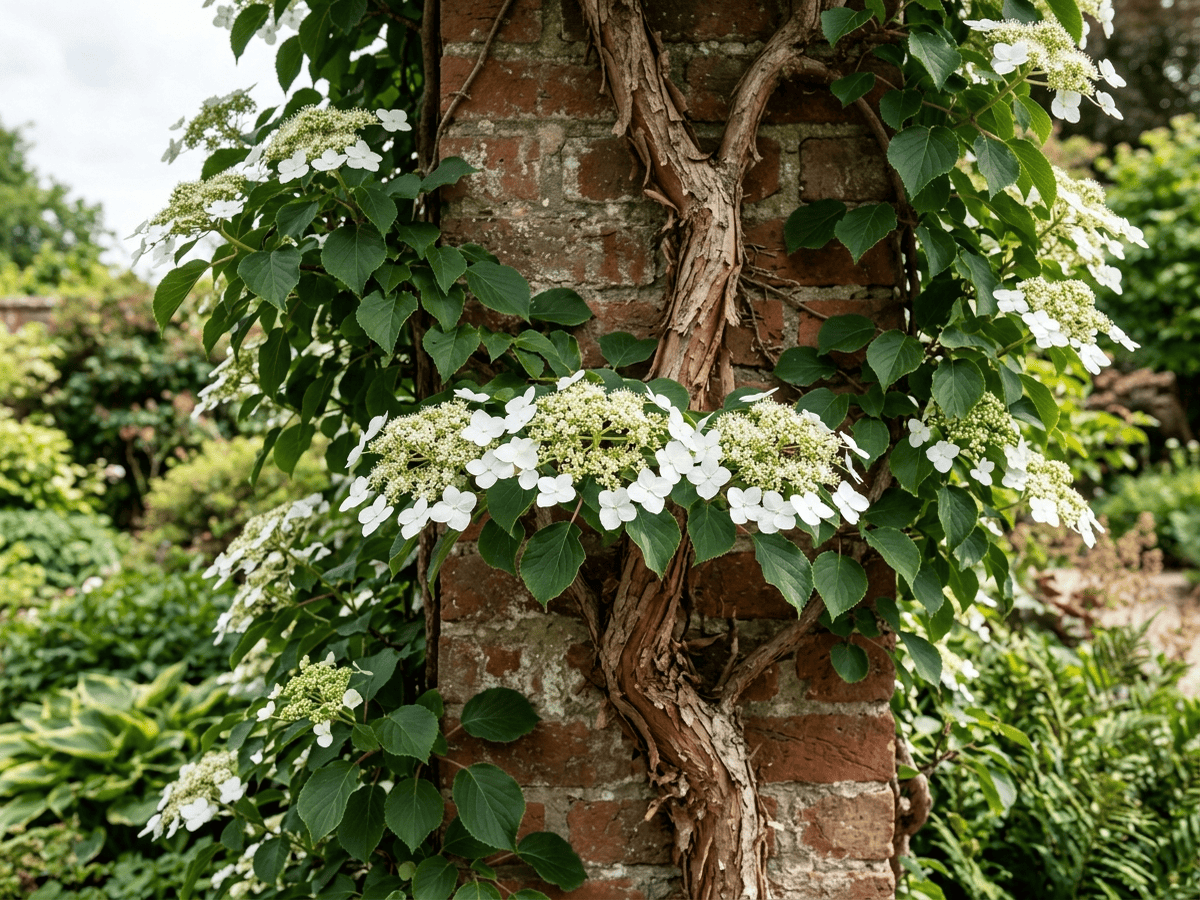 Chinese HydrangeaHydrangea anomala
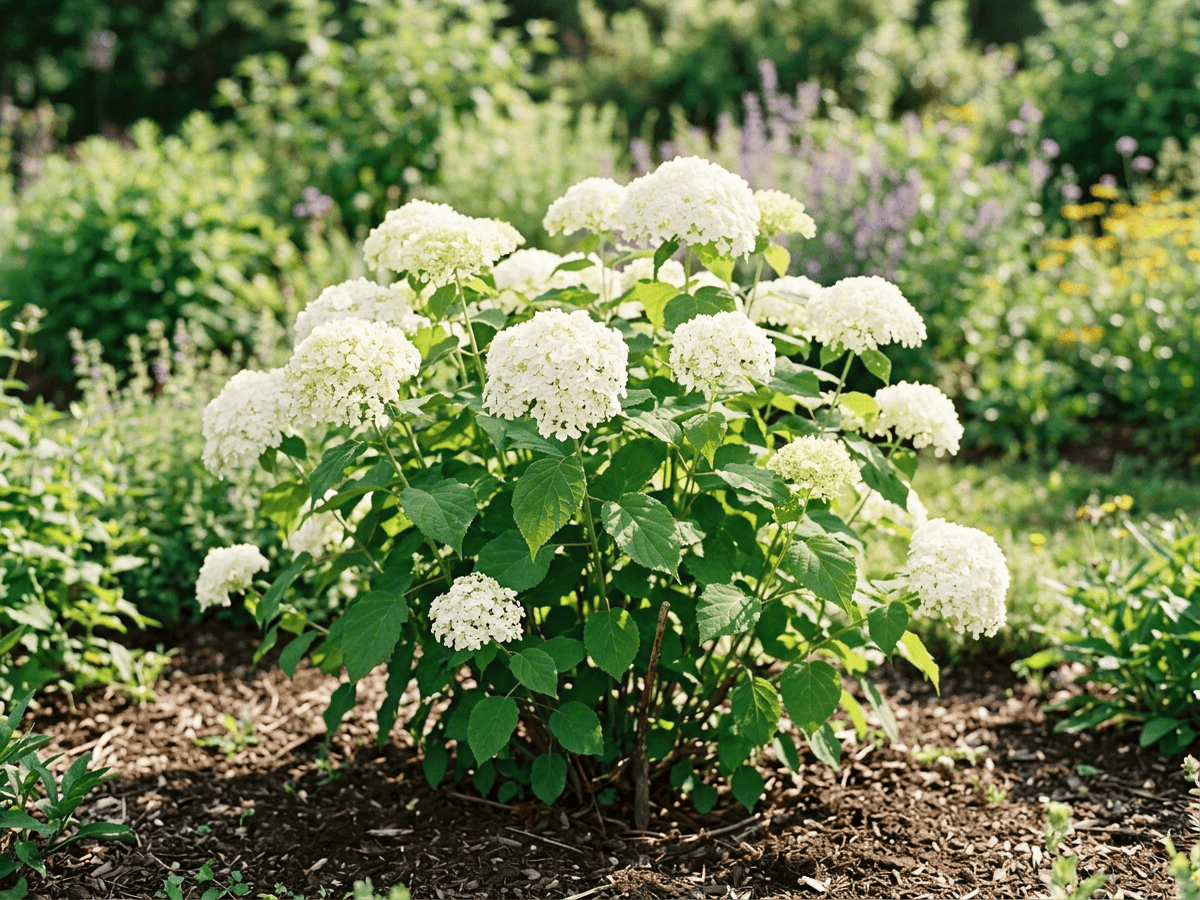 Wild HydrangeaHydrangea arborescens
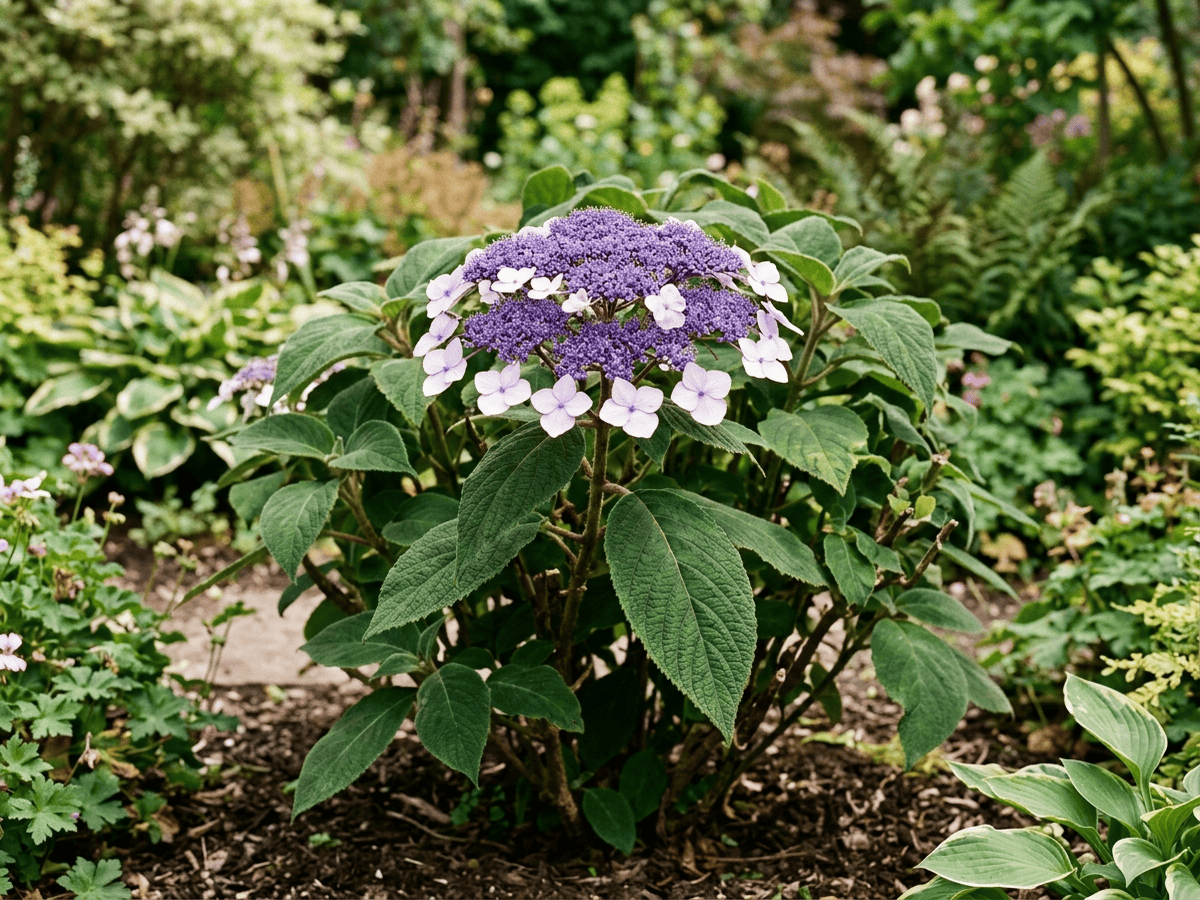 Rough-Leaved HydrangeaHydrangea aspera
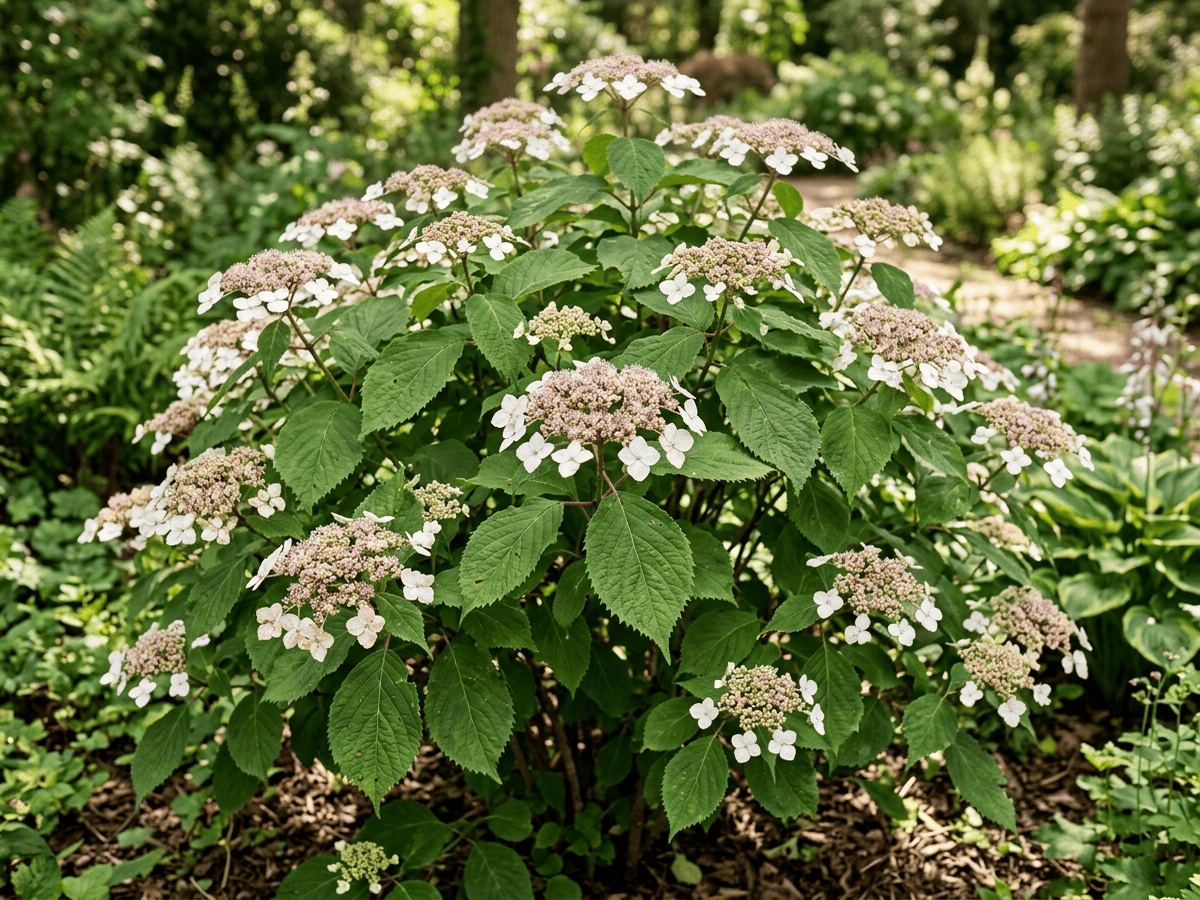 Hydrangea involucrataHydrangea involucrata
Plants with similar care
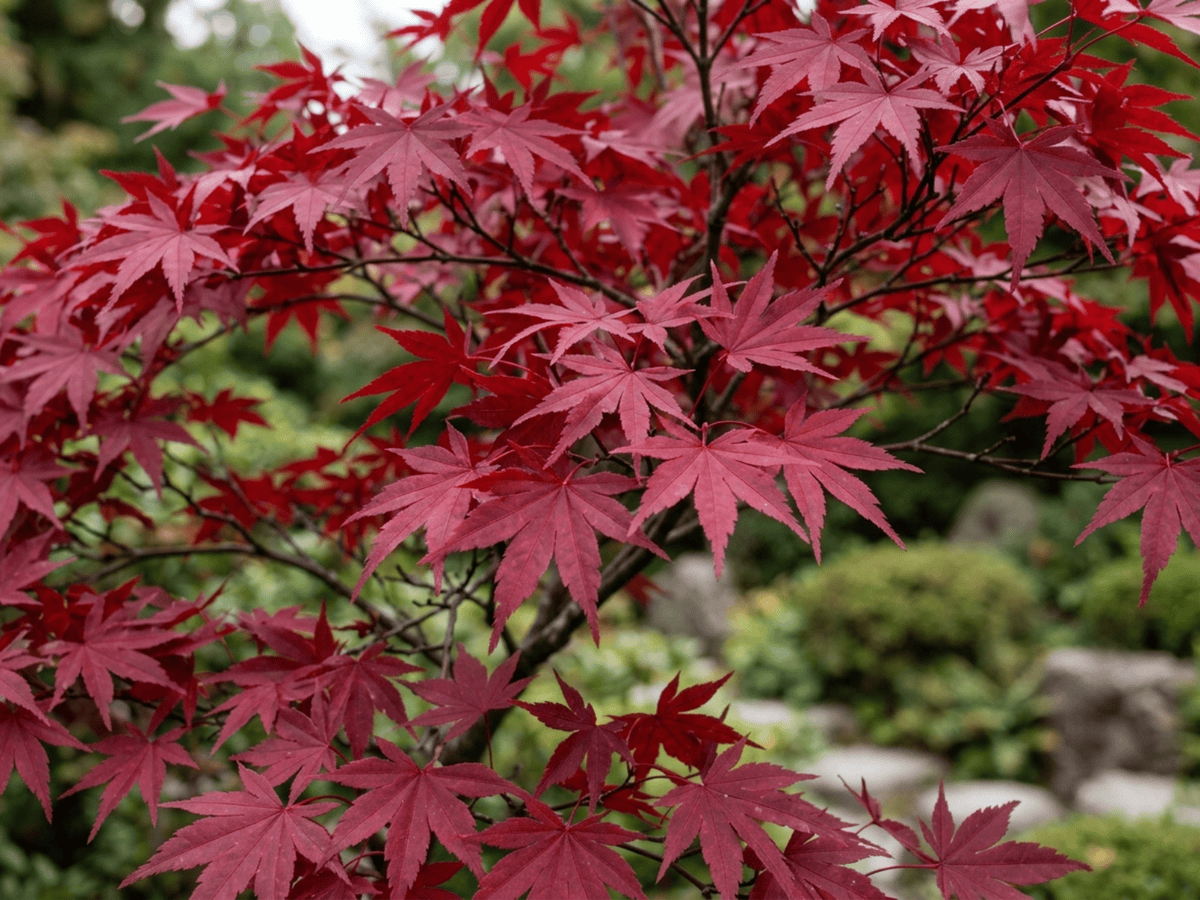 Japanese MapleAcer palmatum
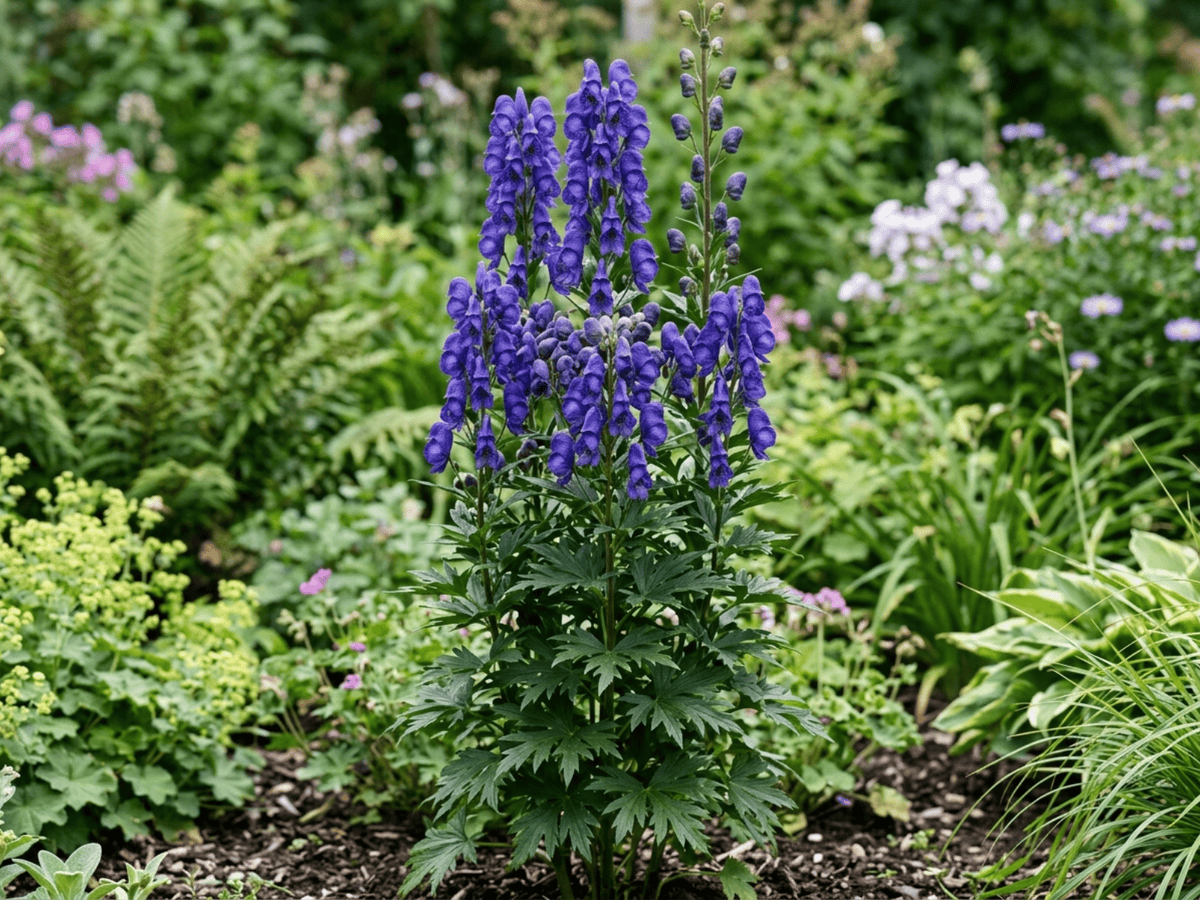 Azure MonkshoodAconitum carmichaelii
 Florida HobblebushAgarista populifolia
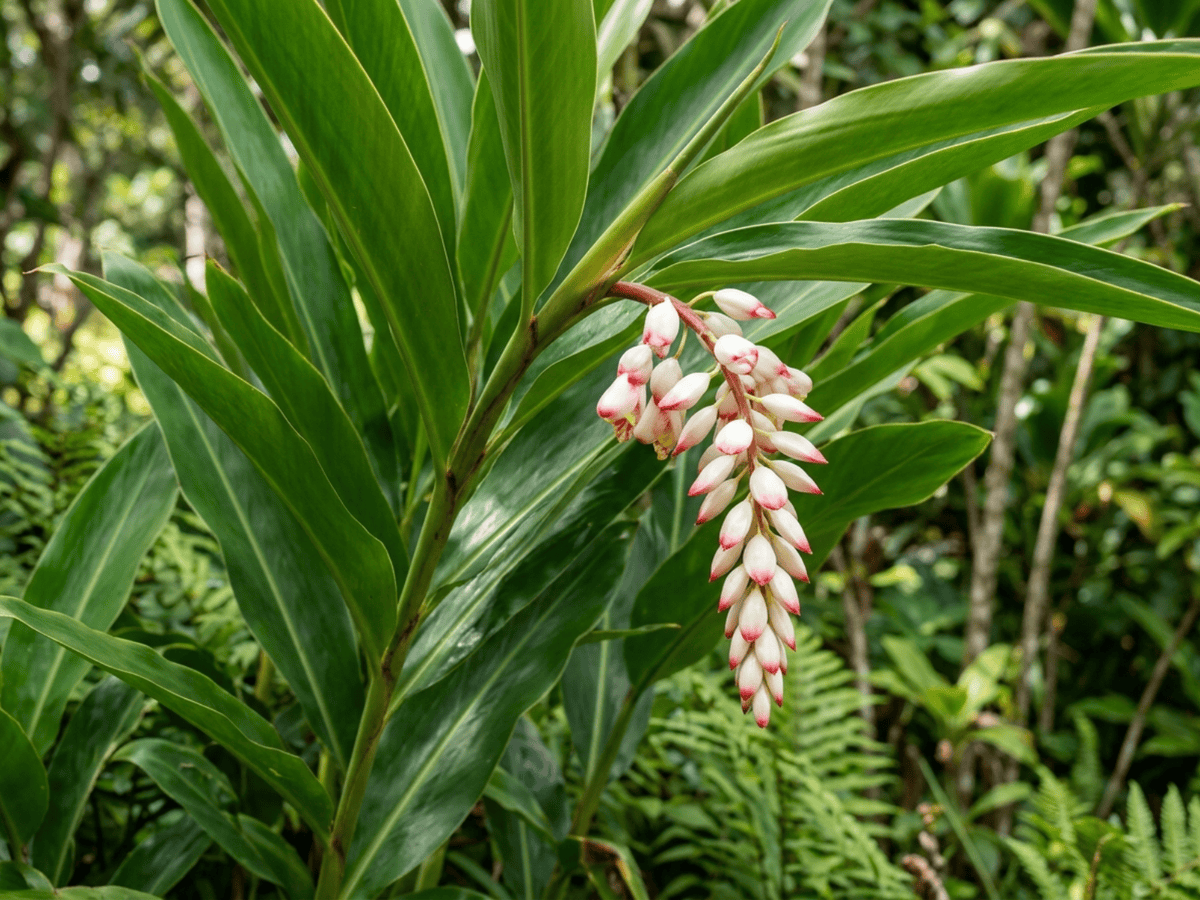 Shell GingerAlpinia zerumbet
Frequently asked questions
How often should I water Himalayan Hydrangea?
In summer, water about every 2 days; in winter, about every 10 days. Adjust for heat, pot size and drainage.
How much light does Himalayan Hydrangea need?
Part shade: 2–4 hrs direct. Watch the leaves — scorching or stretching means the light needs adjusting.
Is Himalayan Hydrangea toxic to cats or dogs?
Pets Moderate (Dogs Moderate · Cats Moderate) Educational information, not medical or veterinary advice. If exposure is suspected, contact a doctor or veterinarian.
Is Himalayan Hydrangea easy to grow?
It is moderately demanding: a good choice once you have a little experience.
When does Himalayan Hydrangea bloom?
It typically blooms Jun–Aug in the Northern Hemisphere.
YardMate
Identify any plant in seconds
Snap a photo — YardMate names the plant, diagnoses problems, and reminds you when to water.
Download on the App Store