 YardMate


Oakleaf Hydrangea
Hydrangea quercifolia
Easy · Beginner friendlyAbout Oakleaf Hydrangea
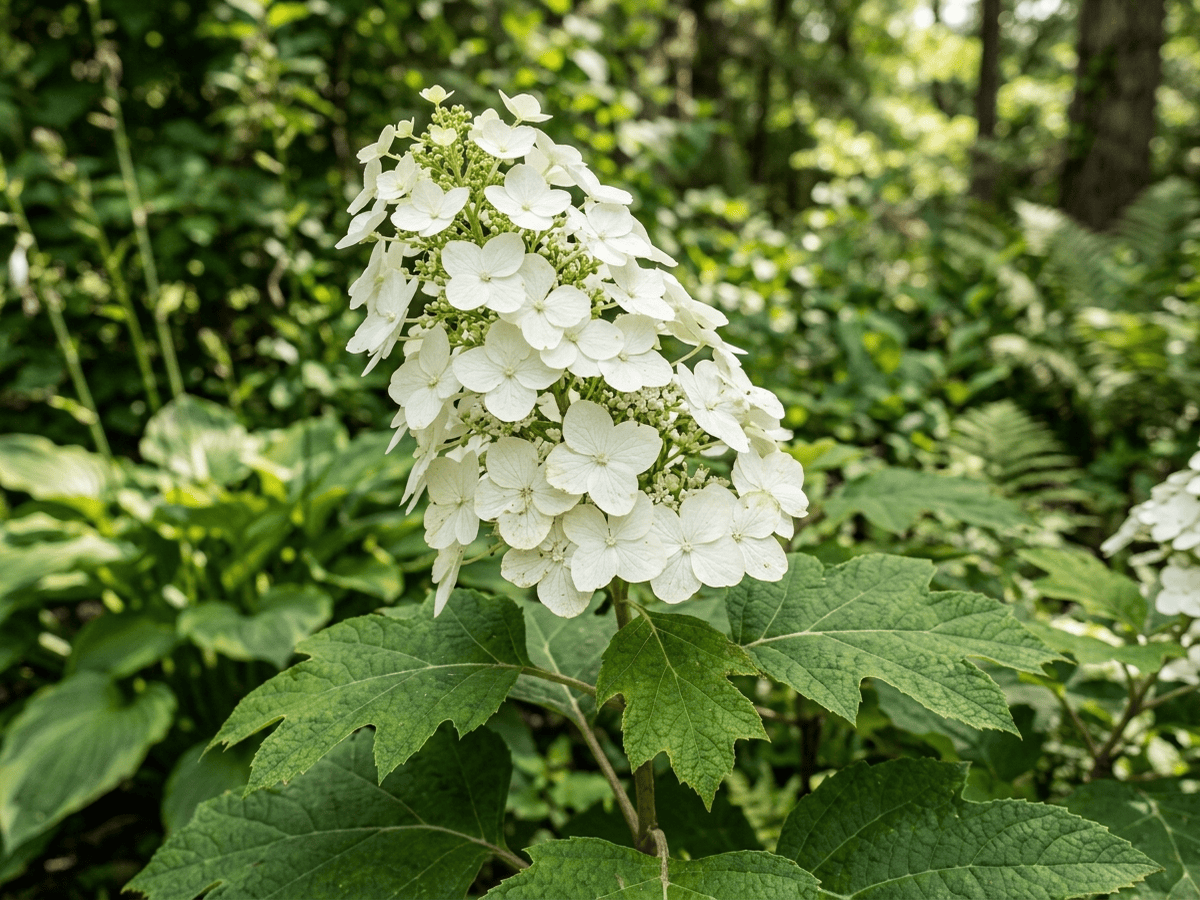
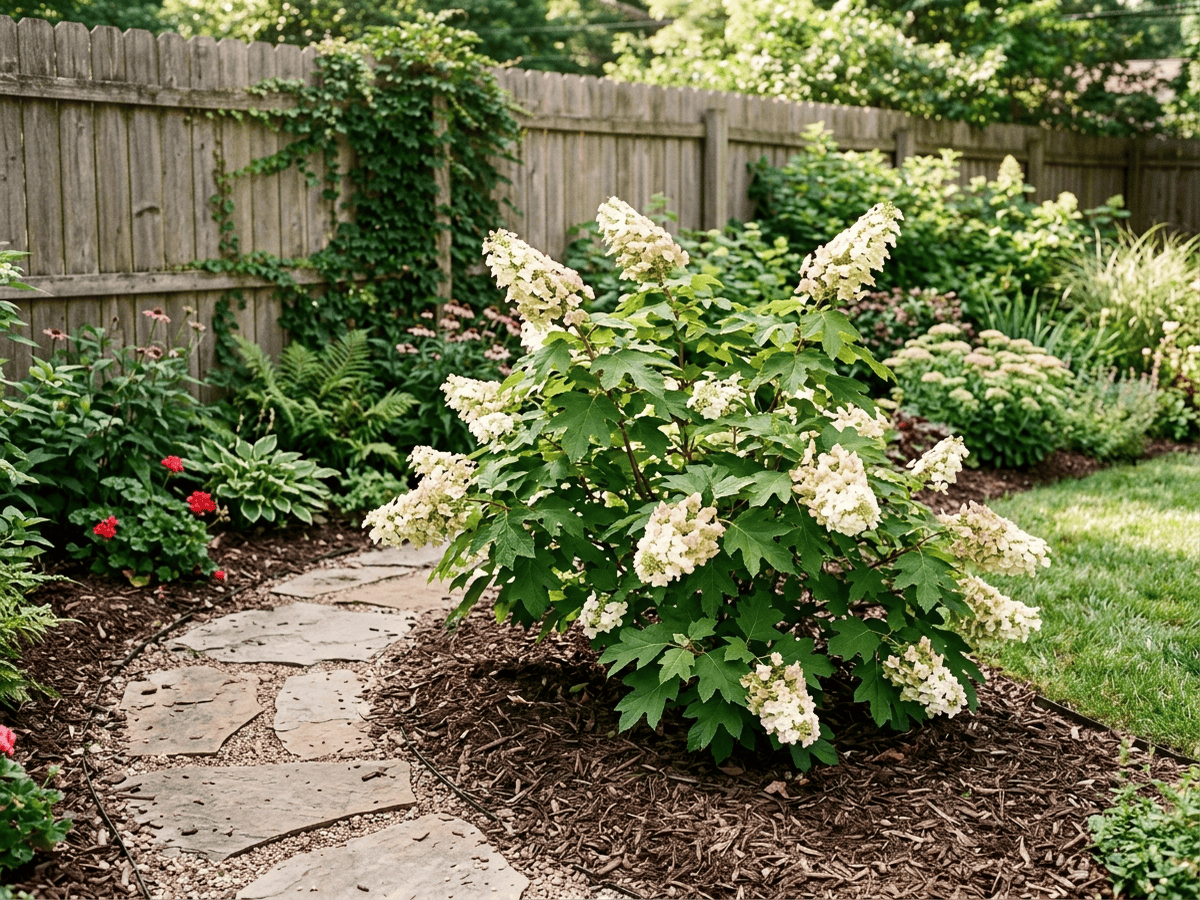
Hydrangea quercifolia, the oakleaf hydrangea, is a multi-season showstopper native to the southeastern United States. Its large oak-shaped leaves turn spectacular shades of burgundy, orange, and purple in autumn. Cone-shaped white flower panicles appear in summer, aging to pink and persisting into winter. The exfoliating cinnamon-brown bark provides winter interest. It thrives in partial shade, handles heat and humidity, and is more drought-tolerant than other hydrangeas. Cultivars range from compact 'Pee Wee' to the grand double-flowered 'Snowflake.'
- Fall-color
- Native
How to care for Oakleaf Hydrangea
Watering
- Springevery 3 days
- Summerevery 2 days
- Fallevery 5 days
- Winterevery 14 days
Soil · Rich & loamy
- Top dressingBark mulch15%
- Main mixRich loam + compost 3:170%
- DrainageGravel15%
Use fully finished compost — fresh compost burns roots.
FERTILIZER
Balanced Feed 14-14-14
An even feed covers all three needs at once, keeping leaves, roots and blooms moving together with nothing pushed out of balance.
- Nitrogen · Leaves
- Phosphorus · Roots + Blooms
- Potassium · Strength
- Springevery 30 days
- Summerevery 30 days
At a Glance
- NativeNorth America
- Height6–10 ft (1.8–3 m)
- Spread6–10 ft (1.8–3 m)
- Flower colorWhite, Pink
- Foliage colorGreen, Red
- SoilMoisture-retentive, Loamy, Acidic
- LocationsYard
Bloom time
BLOOM CYCLE
Peak bloom
Jun–Aug
White cone-shaped panicles in summer; dramatic autumn foliage
Fragrance
LIGHT FRAGRANCE
The flowers have a light honey scent.
Toxicity
Humans Moderate · Pets Moderate
hydrangin
Moderate
- Flower
- Leaf
- Stem
- Ingestion
EXPOSURE Eating flowers, leaves, and stems.
EFFECT Nausea, vomiting, abdominal pain from cyanogenic glycosides.
NOTE Same cyanogenic glycoside toxicity.
Moderate
- Flower
- Leaf
- Stem
- Ingestion
EXPOSURE Eating flowers, leaves, and stems.
EFFECT Vomiting, diarrhea, depression, lethargy and per Hydrangea genus ASPCA listing.
NOTE Same cyanogenic glycoside toxicity.
Moderate
- Flower
- Leaf
- Stem
- Ingestion
EXPOSURE Eating flowers, leaves, and stems.
EFFECT Vomiting, diarrhea, depression, lethargy and per Hydrangea genus ASPCA listing.
NOTE Same cyanogenic glycoside toxicity.
Educational information, not medical or veterinary advice. If exposure is suspected, contact a doctor or veterinarian.
DISTRIBUTION


- Native
- Introduced
- North America
History
Hydrangea quercifolia is native to the southeastern United States from Georgia west to Mississippi, with its center of wild distribution in the Piedmont and coastal plain forests of Alabama, Georgia, and the Florida Panhandle. It is the only Hydrangea species native to any state east of the Rockies named as a state wildflower — Alabama designated it so in 1999. It is distinguished from other Hydrangeas by its deeply lobed oak-like leaves, which turn brilliant crimson, bronze, and purple in autumn, giving it three seasons of interest (spring leafing, summer bloom, fall color).
The modern cultivar 'Snow Queen' (1978) set the standard for upright white bloom form, and 'Snowflake' (1969) introduced double flowers. Moderately toxic to pets.
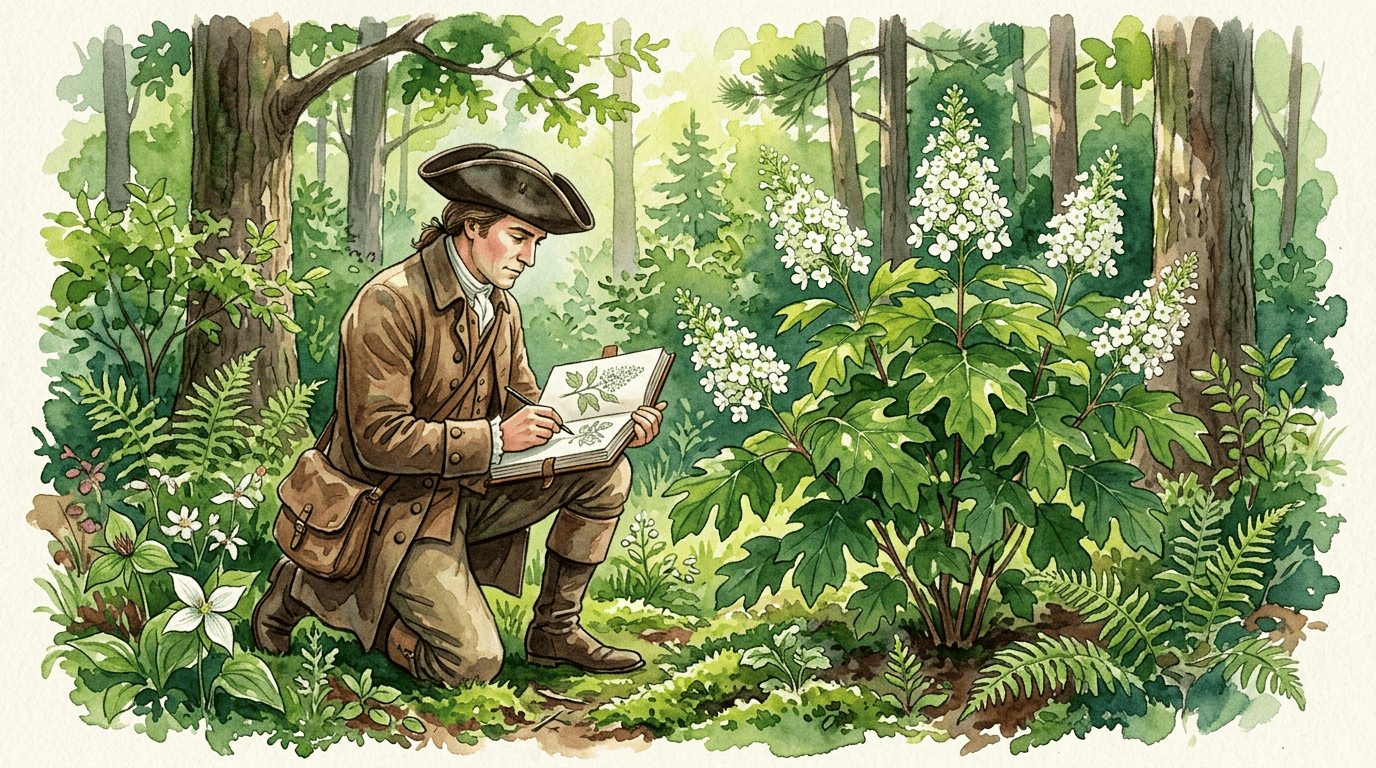
William Bartram, the pioneering American naturalist, first described oakleaf hydrangea during his 1773–1777 travels through the southeastern colonies, noting it in his famous 'Travels' published in 1791. The species was largely ignored as a garden plant until the late 20th century, when renewed interest in native plants brought it to prominence. The cultivar 'Alice,' named after Alice Callaway of Callaway Gardens in Georgia, is considered the finest full-sized selection.
Symbolism & meaning
What It Symbolizes
Oakleaf Hydrangea is a flower of Endurance — beautiful in every season, with white flower panicles in summer, burgundy foliage in fall, and exfoliating cinnamon bark through winter. It refuses to be a one-act plant. To live with one for years is to learn that lasting strength is not a single virtue but the sum of many quieter ones.
- Endurance — Its four-season beauty — flowers, foliage, bark — represents lasting strength through all conditions
Where the Name Comes From
Hydrangea from Greek 'hydor' (water) and 'angeion' (vessel). Quercifolia means 'oak-leaved,' for the distinctively lobed leaf shape.
Uses & Fun Facts
- Oak-shaped leaves color burgundy in autumn beside fading panicles
- Native shrub anchors woodland-edge garden corners
- Conical white panicles dry beautifully for arrangements
Related plants
More Hydrangea plants
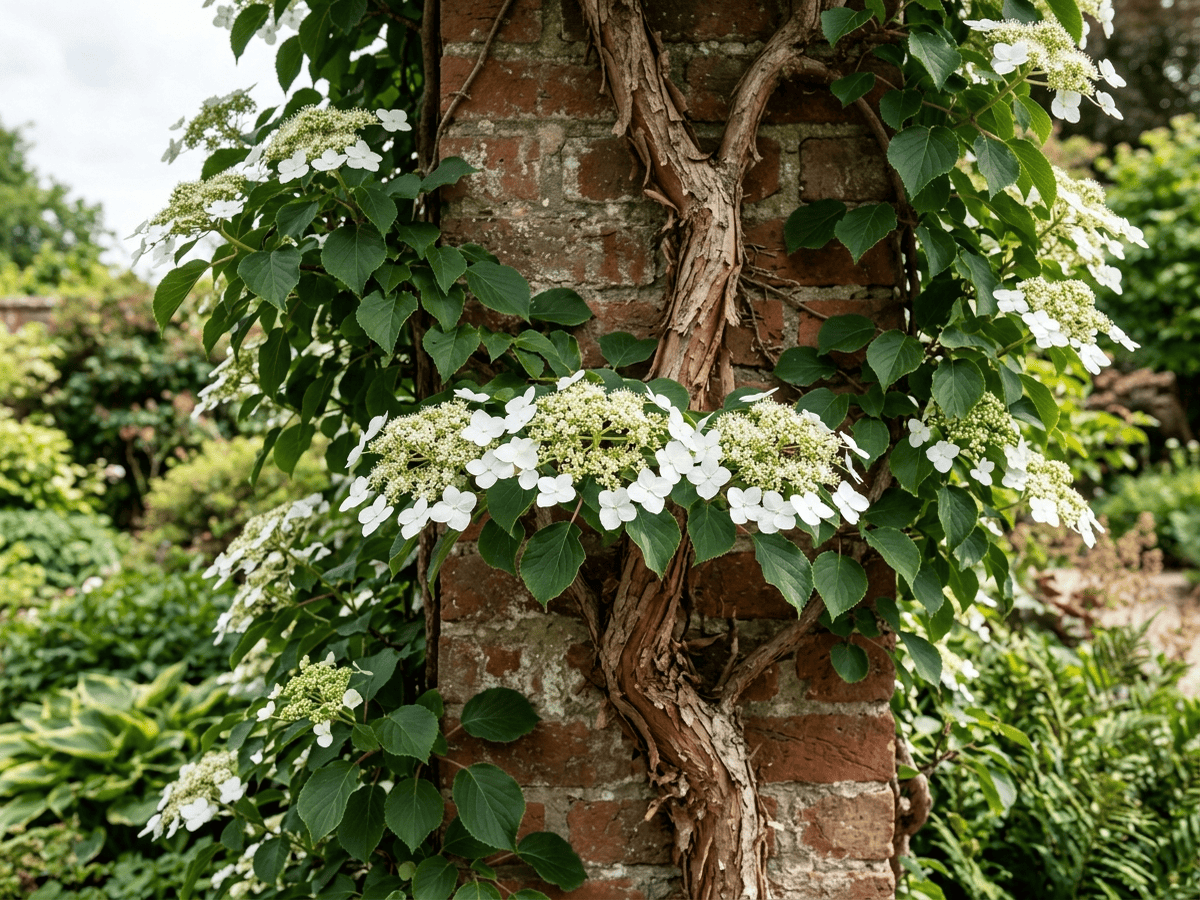 Chinese HydrangeaHydrangea anomala
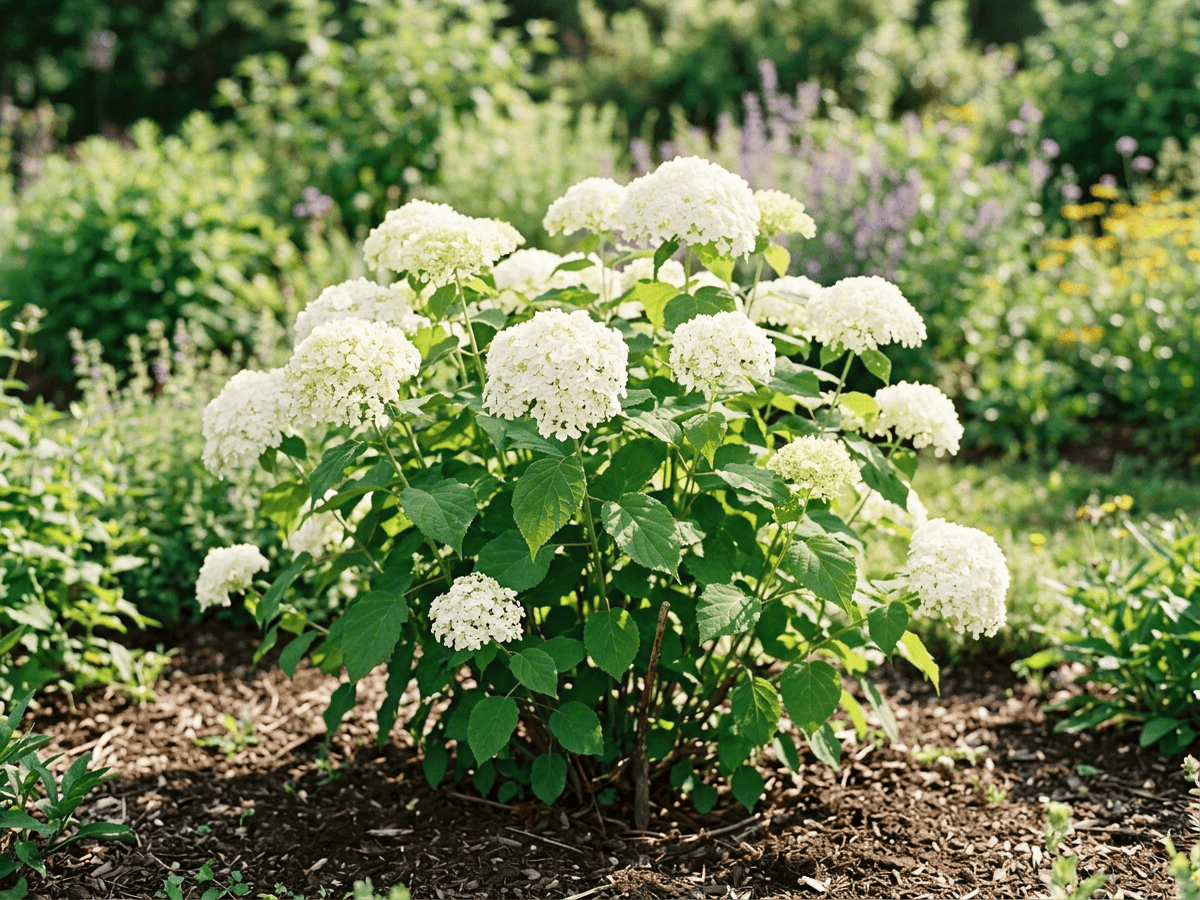 Wild HydrangeaHydrangea arborescens
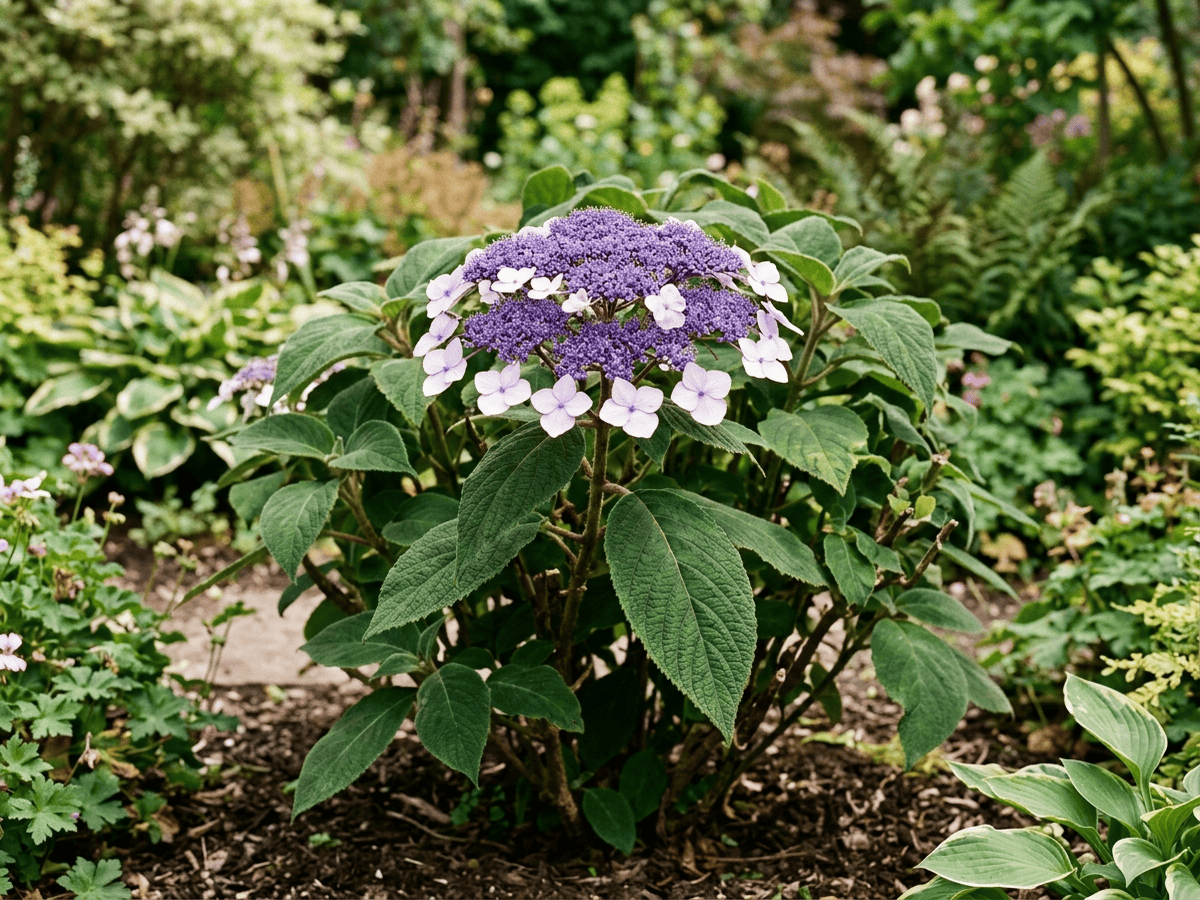 Rough-Leaved HydrangeaHydrangea aspera
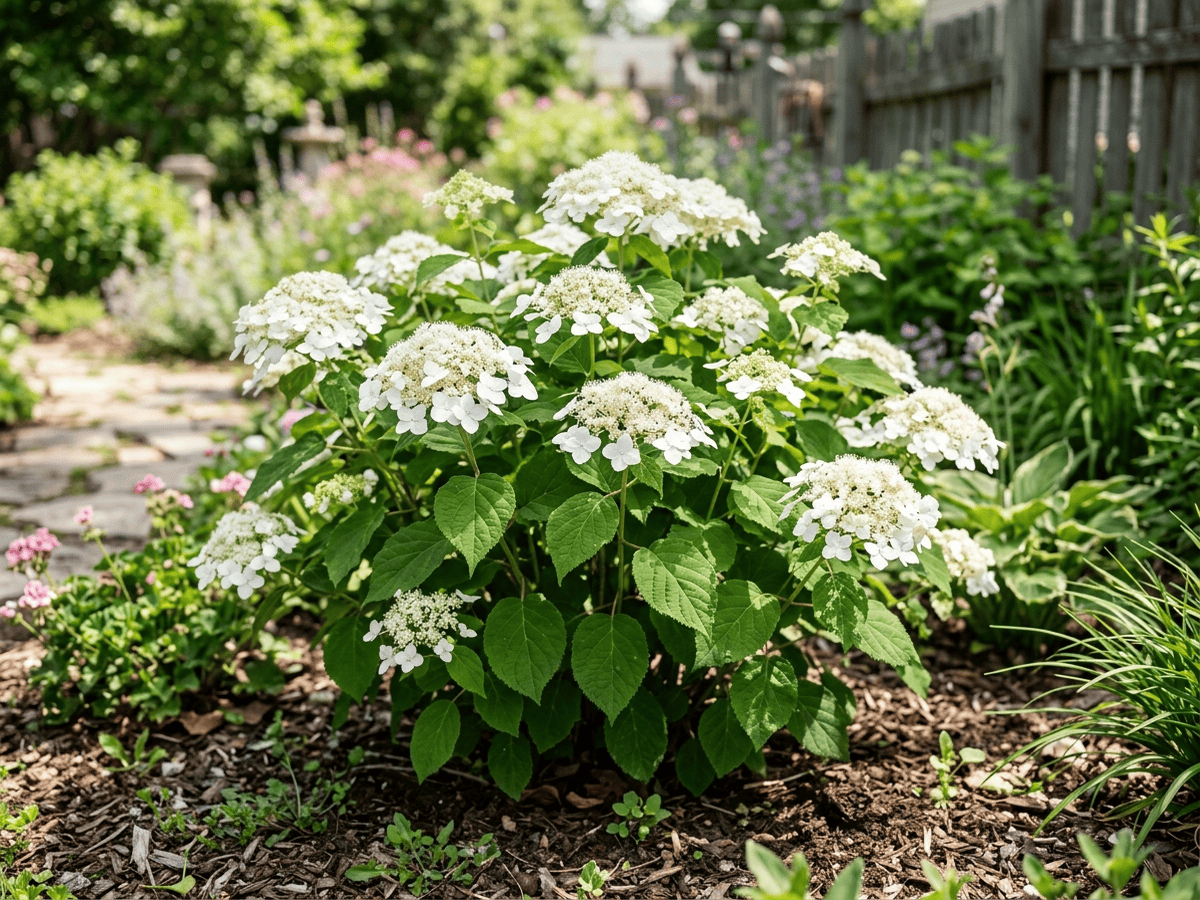 Himalayan HydrangeaHydrangea heteromalla
Plants with similar care
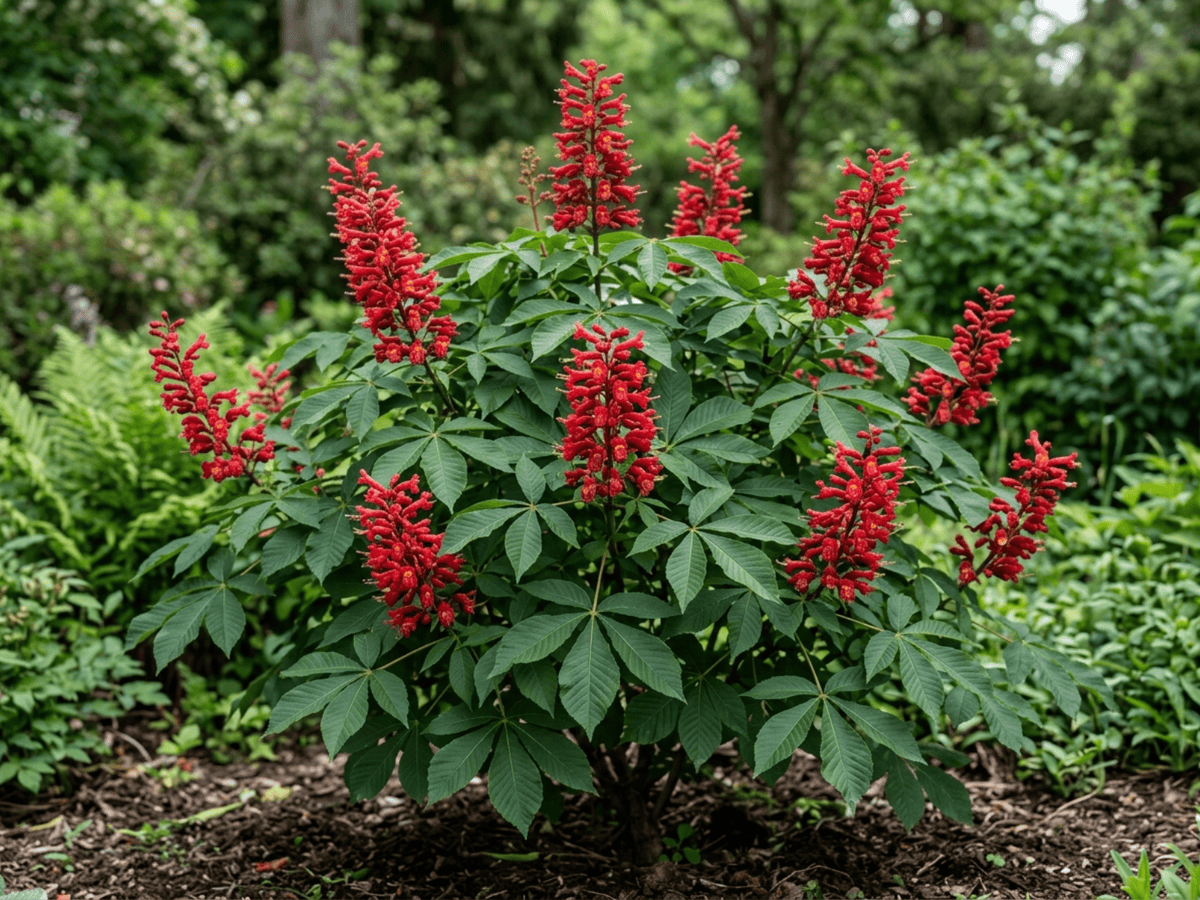 Red BuckeyeAesculus pavia
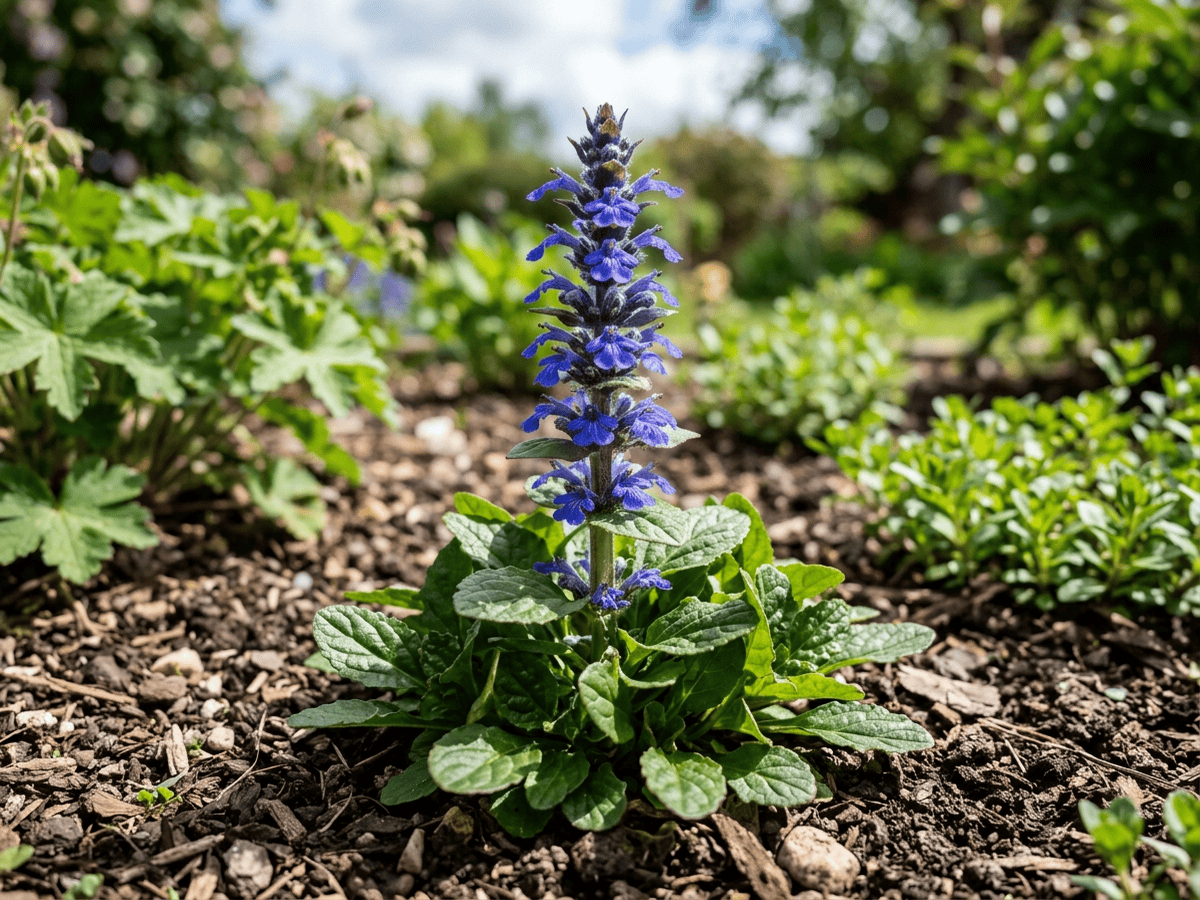 Blue BugleAjuga genevensis
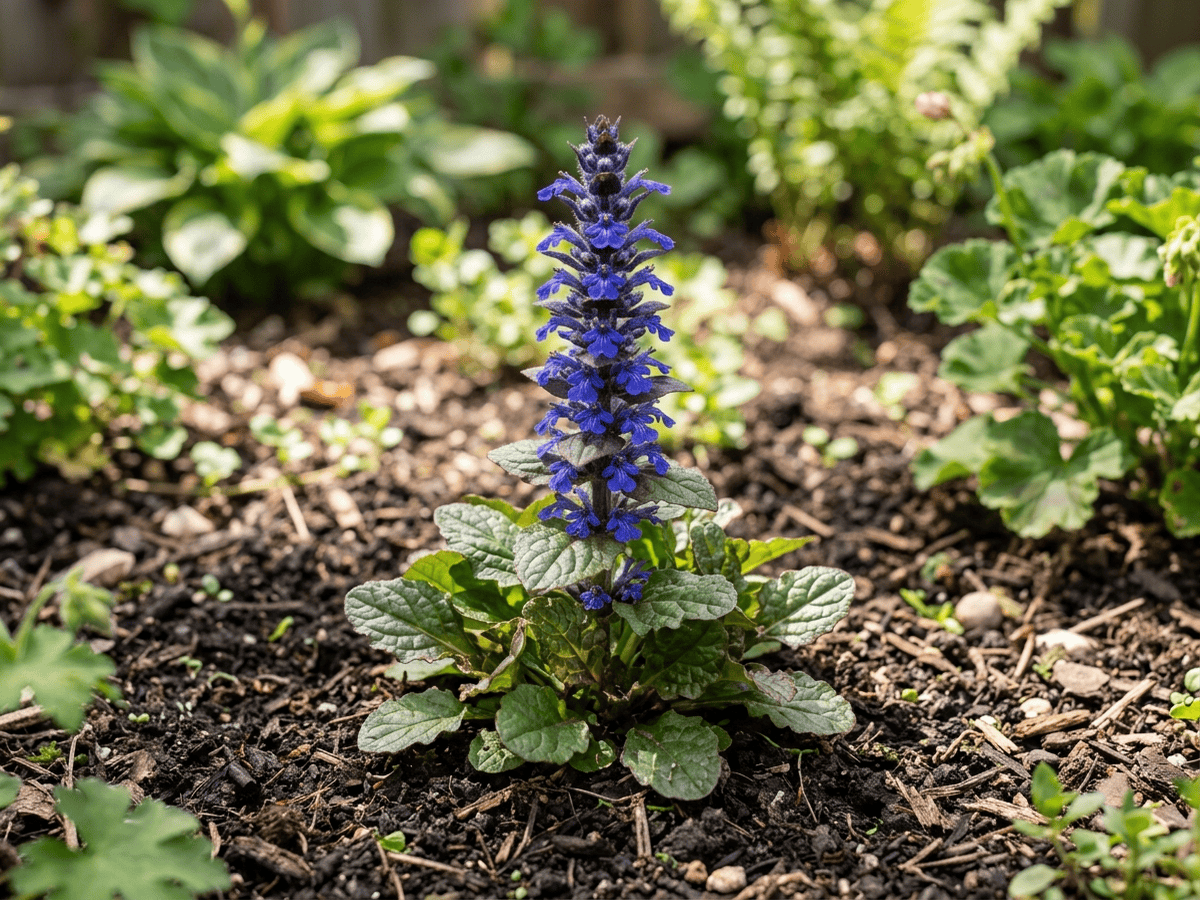 Pyramidal BugleAjuga pyramidalis
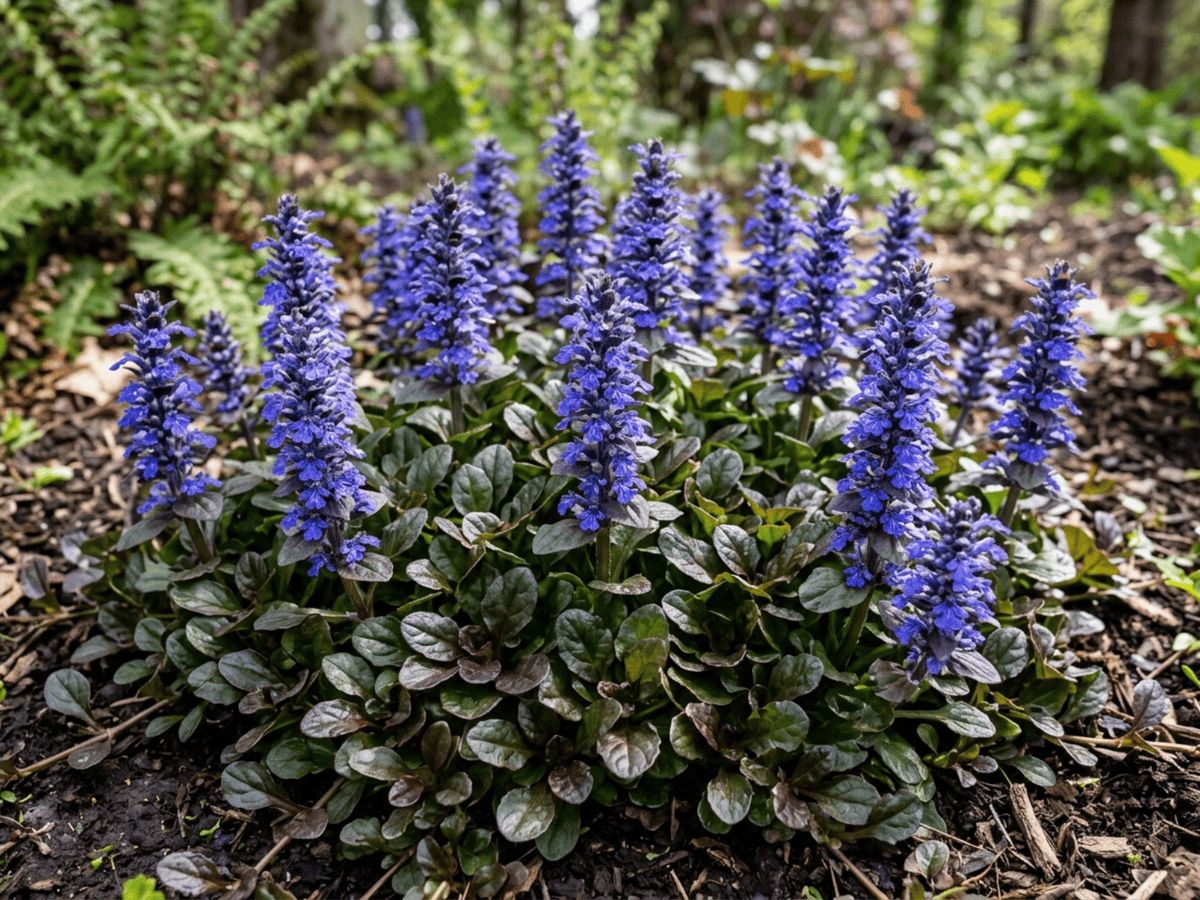 Carpet BugleAjuga reptans
Frequently asked questions
How often should I water Oakleaf Hydrangea?
In summer, water about every 2 days; in winter, about every 14 days. Adjust for heat, pot size and drainage.
How much light does Oakleaf Hydrangea need?
Part shade: 2–4 hrs direct. Watch the leaves — scorching or stretching means the light needs adjusting.
Is Oakleaf Hydrangea toxic to cats or dogs?
Pets Moderate (Dogs Moderate · Cats Moderate) Educational information, not medical or veterinary advice. If exposure is suspected, contact a doctor or veterinarian.
Is Oakleaf Hydrangea easy to grow?
Yes — it is considered an easy, beginner-friendly plant.
When does Oakleaf Hydrangea bloom?
It typically blooms Jun–Aug in the Northern Hemisphere.
YardMate
Identify any plant in seconds
Snap a photo — YardMate names the plant, diagnoses problems, and reminds you when to water.
Download on the App Store