 YardMate


Flaming Katy
Kalanchoe blossfeldiana
Easy · Beginner friendlyAbout Flaming Katy
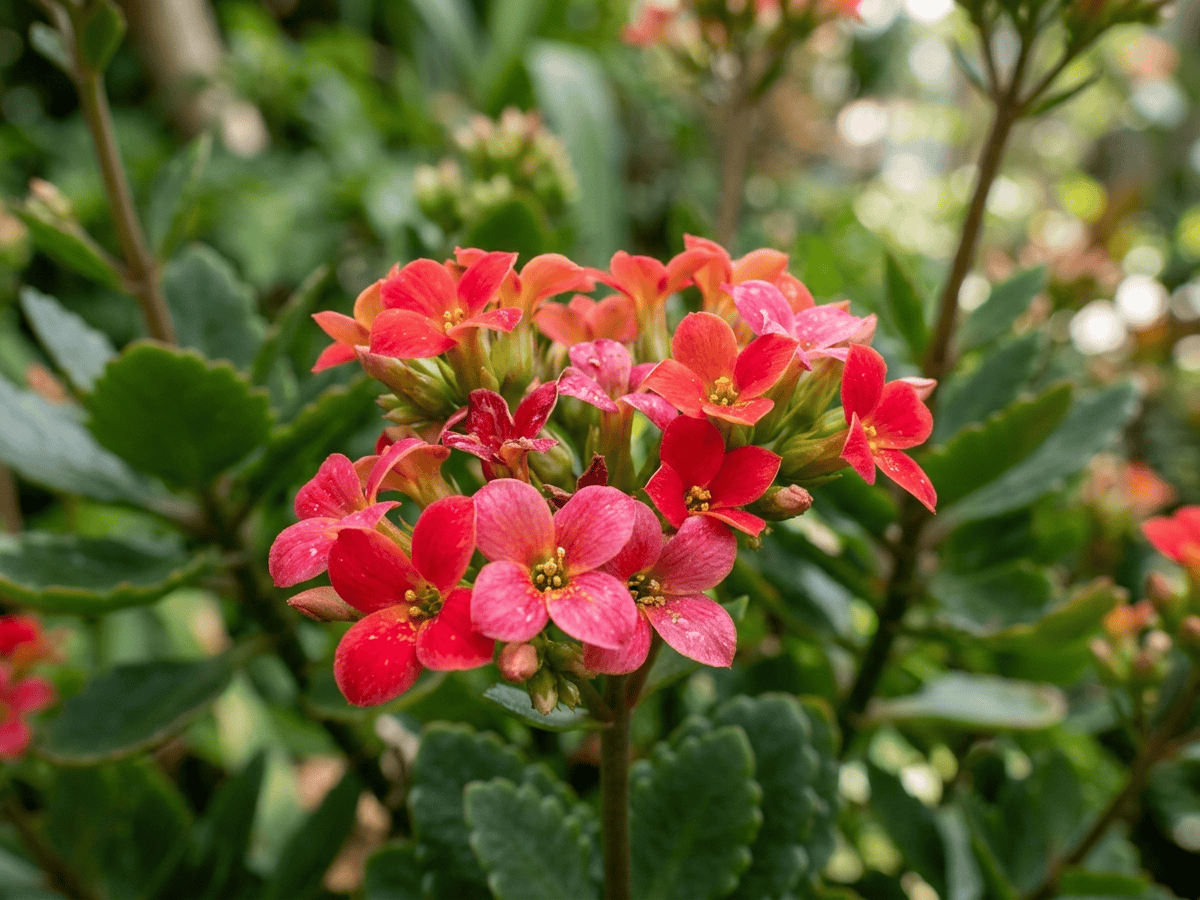
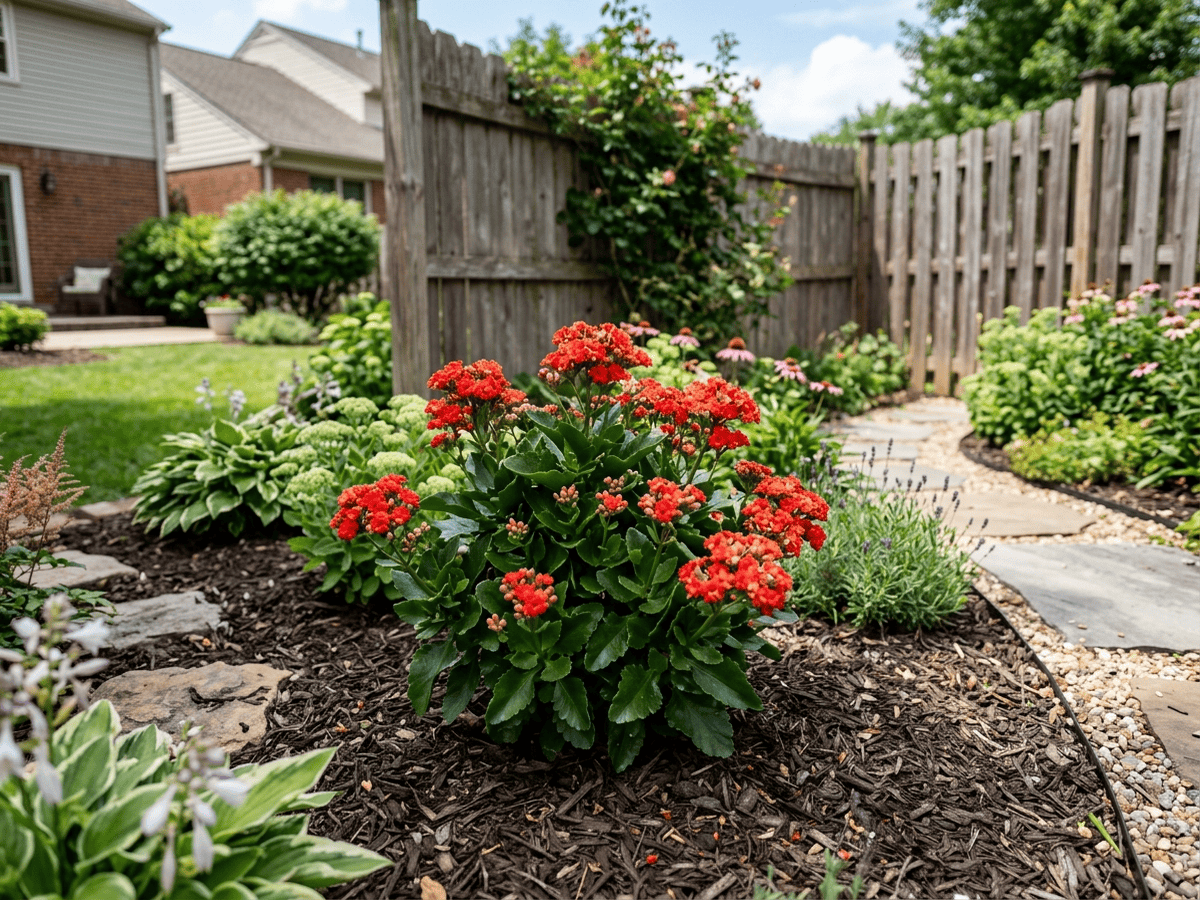
Kalanchoe blossfeldiana is the world's most commercially produced flowering succulent, sold in supermarkets and garden centers worldwide. It produces dense clusters of tiny four-petaled flowers in vivid red, orange, yellow, pink, or white above glossy, scallop-edged dark green leaves. Native to Madagascar, it is a short-day plant — flowering is triggered by long nights (14+ hours of darkness). Modern cultivars include double-flowered 'Calandiva' varieties. After blooming, many people discard the plant, but with proper care and light manipulation, it can be rebloomed. It makes an excellent low-care indoor flowering plant.
- Drought-tolerant
- Long-blooming
How to care for Flaming Katy
Watering
- Springevery 10 days
- Summerevery 7 days
- Fallevery 14 days
- Winterevery 21 days
Soil · Fast-draining
- Main mixSand + pumice + soil 1:1:150%
- DrainagePumice / gravel50%
Keep grit at half the mix or more — this soil is meant to dry out fast.
FERTILIZER
Bloom Booster 10-52-10
A phosphorus-forward feed fuels abundant blooms, with just enough nitrogen and potassium to keep foliage and roots steady.
- Nitrogen · Leaves
- Phosphorus · Roots + Blooms
- Potassium · Strength
- Springevery 45 days
- Summerevery 45 days
- Fallevery 60 days
At a Glance
- NativeAfrica
- Height0.5–1.5 ft (0.2–0.5 m)
- Spread0.5–1.5 ft (0.2–0.5 m)
- Flower colorRed, Pink, Orange, Yellow
- Foliage colorGreen
- SoilSandy, Well-drained
- LocationsIndoor · Balcony
Bloom time
BLOOM CYCLE
Peak bloom
Jun–Aug
Flower clusters last weeks; rebloom by providing 14h darkness for 6 weeks
Fragrance
NO FRAGRANCE
Not fragrant.
Toxicity
Humans Moderate · Pets Moderate
bufadienolide cardiac glycosides (bryotoxins) and bryophyllins
Moderate
- Leaf
- Stem
- Flower
- Ingestion
EXPOSURE Eating leaves, stems, and flowers.
EFFECT Nausea, vomiting, abdominal pain and in larger doses, cardiac arrhythmia from bufadienolide glycosides.
NOTE Cardiac glycoside toxicity is the most serious risk; fatal livestock poisonings documented in South Africa and Australia.
Moderate
- Leaf
- Stem
- Flower
- Ingestion
EXPOSURE Eating leaves, stems, and flowers.
EFFECT Vomiting, diarrhea, abnormal heart rhythm, weakness, collapse and per ASPCA.
NOTE Cardiac glycoside toxicity is the most serious risk; fatal livestock poisonings documented in South Africa and Australia.
Moderate
- Leaf
- Stem
- Flower
- Ingestion
EXPOSURE Eating leaves, stems, and flowers.
EFFECT Vomiting, diarrhea, abnormal heart rhythm, weakness, collapse and per ASPCA.
NOTE Cardiac glycoside toxicity is the most serious risk; fatal livestock poisonings documented in South Africa and Australia.
Educational information, not medical or veterinary advice. If exposure is suspected, contact a doctor or veterinarian.
DISTRIBUTION


- Native
- Introduced
- Africa
History

Kalanchoe blossfeldiana is native to Madagascar's central highlands. The species entered commerce in 1932 when the German seed merchant Robert Blossfeld introduced seed collected by the plant hunter Perrier de la Bâthie to European gardeners, and it was named after him. Intensive breeding over the following ninety years has made it one of the best-selling flowering potted plants in the world, particularly popular as a winter-blooming gift plant: photoperiod-controlled greenhouses induce flowering on a precise schedule for Valentine's Day and Mother's Day sales.
Its attractive appearance belies a significant problem — like other Kalanchoe species it contains cardiac glycosides (bufadienolides) structurally similar to those in foxglove, and is moderately toxic to pets, with reports of fatal poisonings in grazing livestock. Danish growers, particularly the firm of Knud Jepsen, transformed it into a mass-market product through photoperiod manipulation — by controlling light exposure in greenhouses, they could produce blooming plants year-round.
Denmark remains the global center of Kalanchoe breeding. The double-flowered 'Calandiva' series, developed by Dutch breeder Fides in 2002, revolutionized the market with rose-like flower clusters. Today, over 200 million Kalanchoe plants are sold annually worldwide.
Symbolism & meaning
What It Symbolizes
Flaming Katy is the houseplant of celebration — bred for compact pots and bright clusters of red, orange, pink, or yellow, it has become the standard cheerful gift for hospital bedsides, retirement homes, and winter windows. Its long-lasting bloom turns any room into a small festivity. Few plants are so cheerfully and reliably associated with the impulse to mark an occasion.
- Celebration — Its bright, festive flower clusters are associated with joy and special occasions
Where the Name Comes From
Kalanchoe from a Chinese name 'kalan chau' (that which falls and grows), for the plantlets some species produce. Blossfeldiana honors Robert Blossfeld.
Uses & Fun Facts
- Long-blooming succulent grown as bright-flowered indoor pot plant
- Clusters of red, orange, pink, or yellow flowers above thick leaves
Related plants
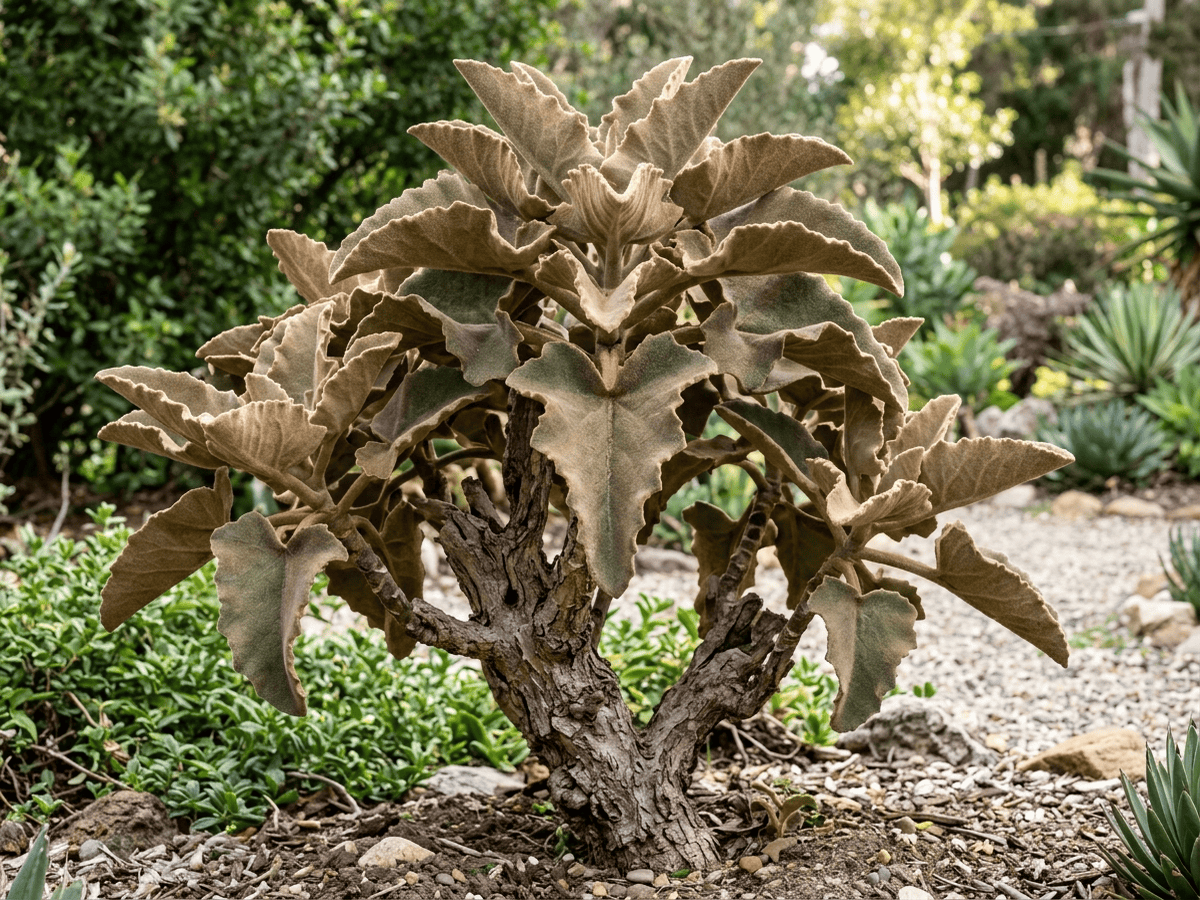
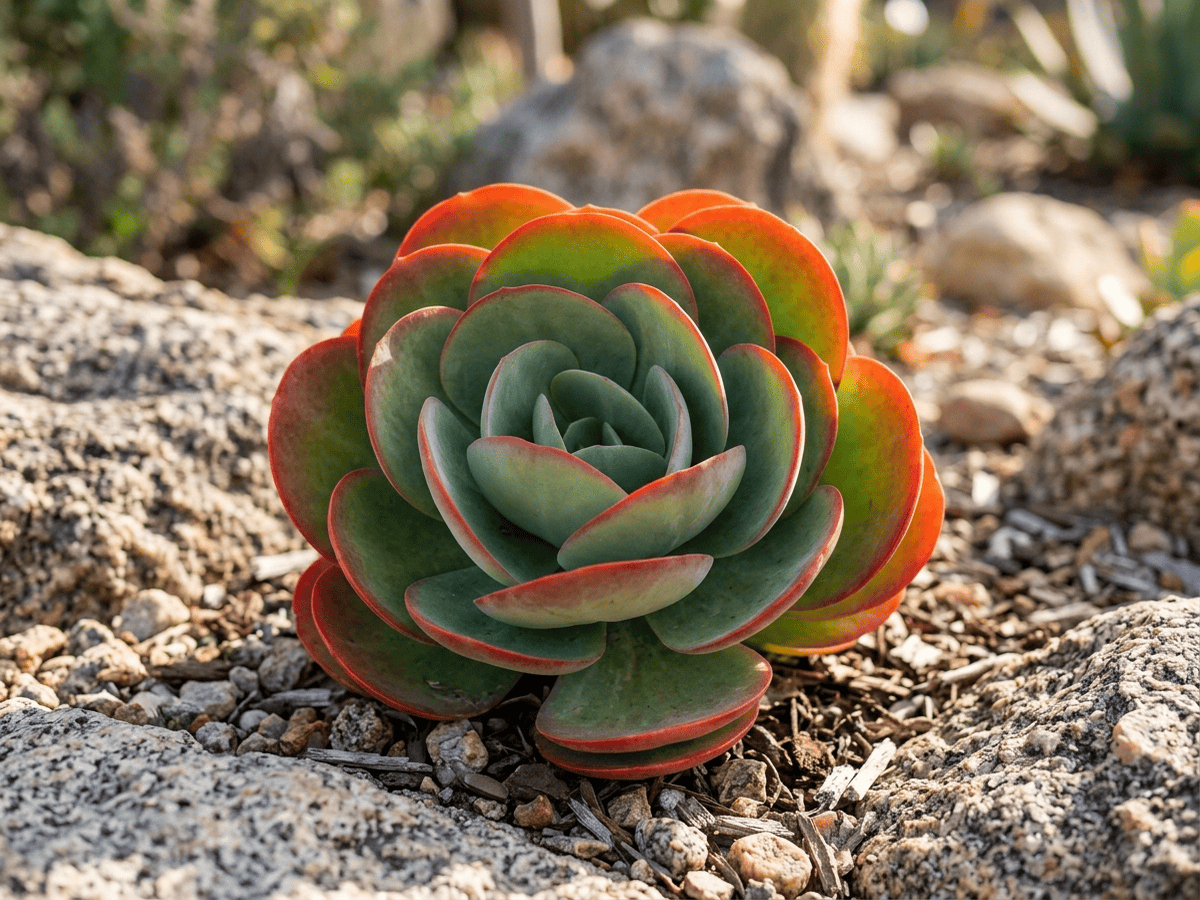
More Kalanchoe plants
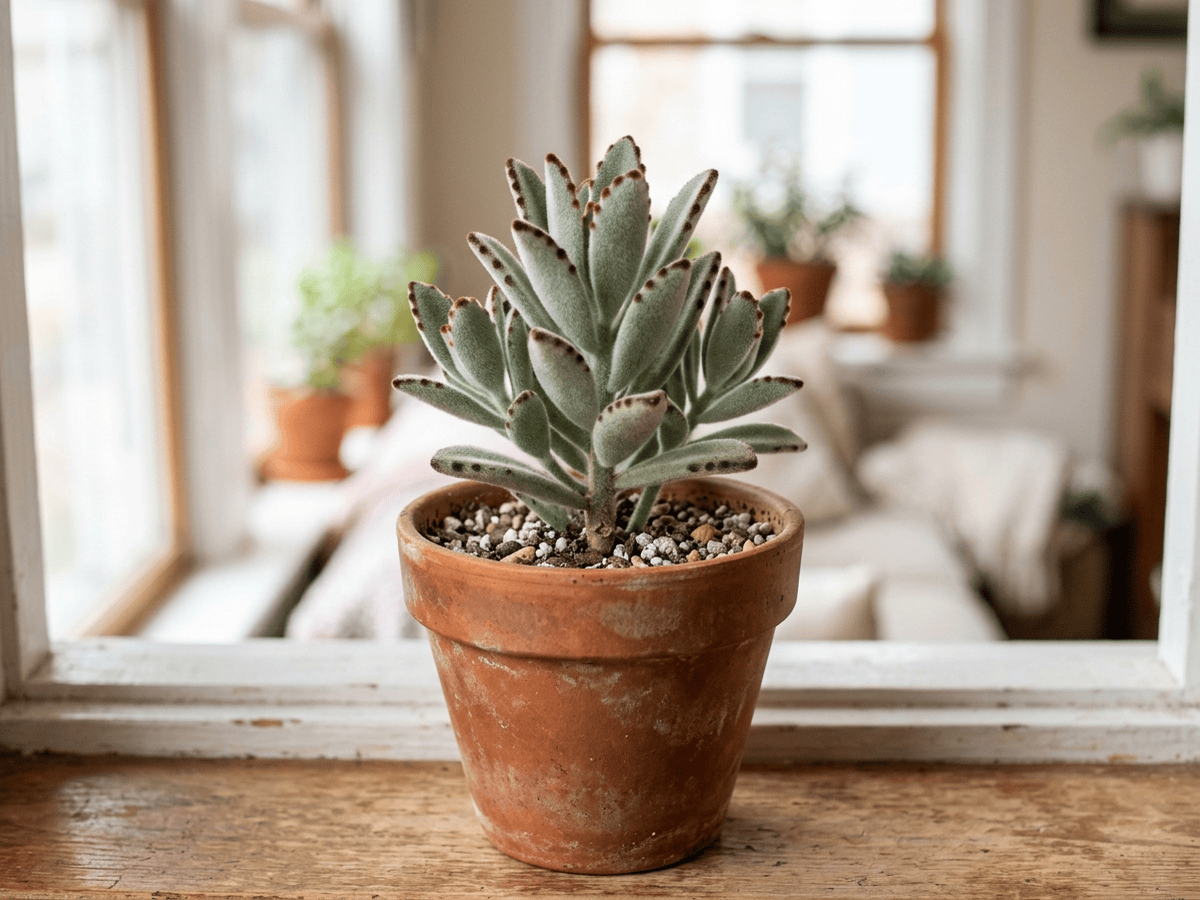
Plants with similar care
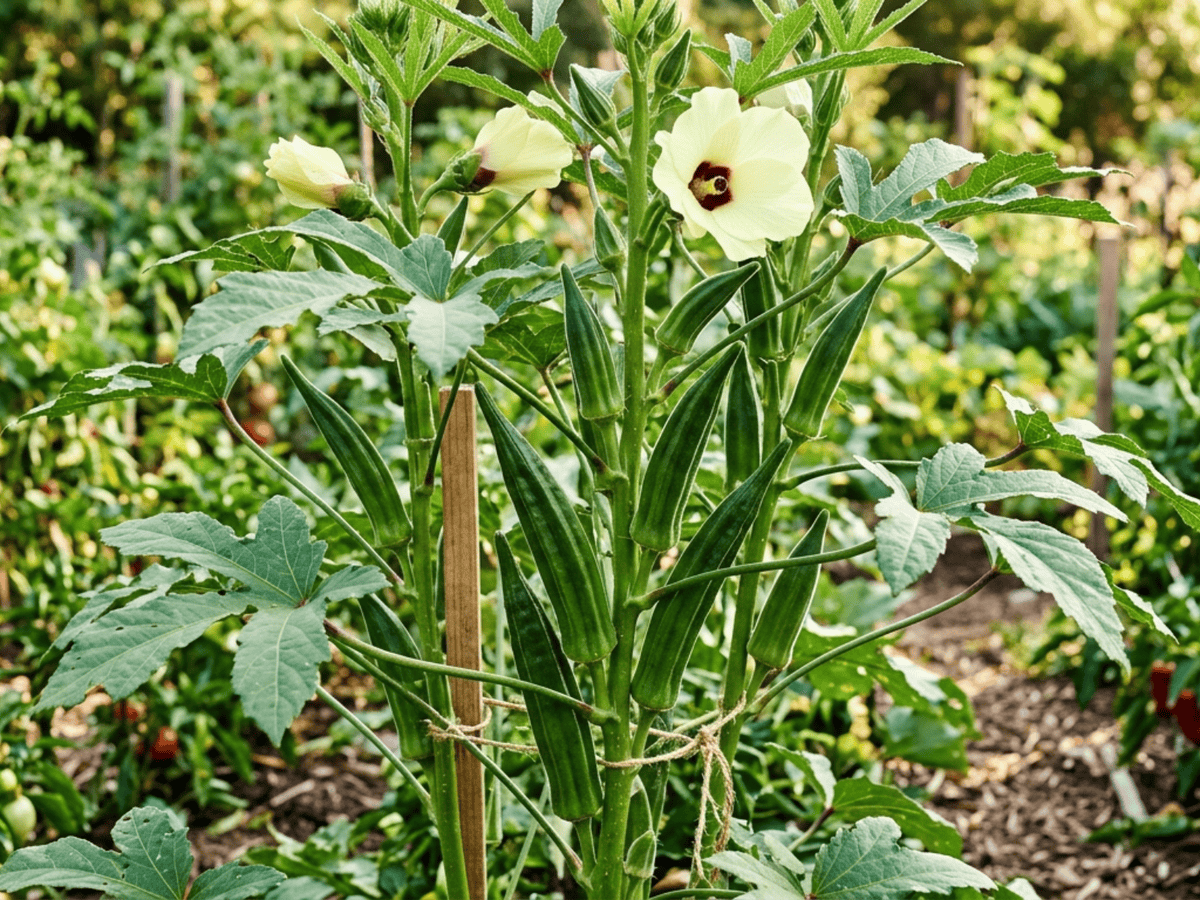 OkraAbelmoschus esculentus
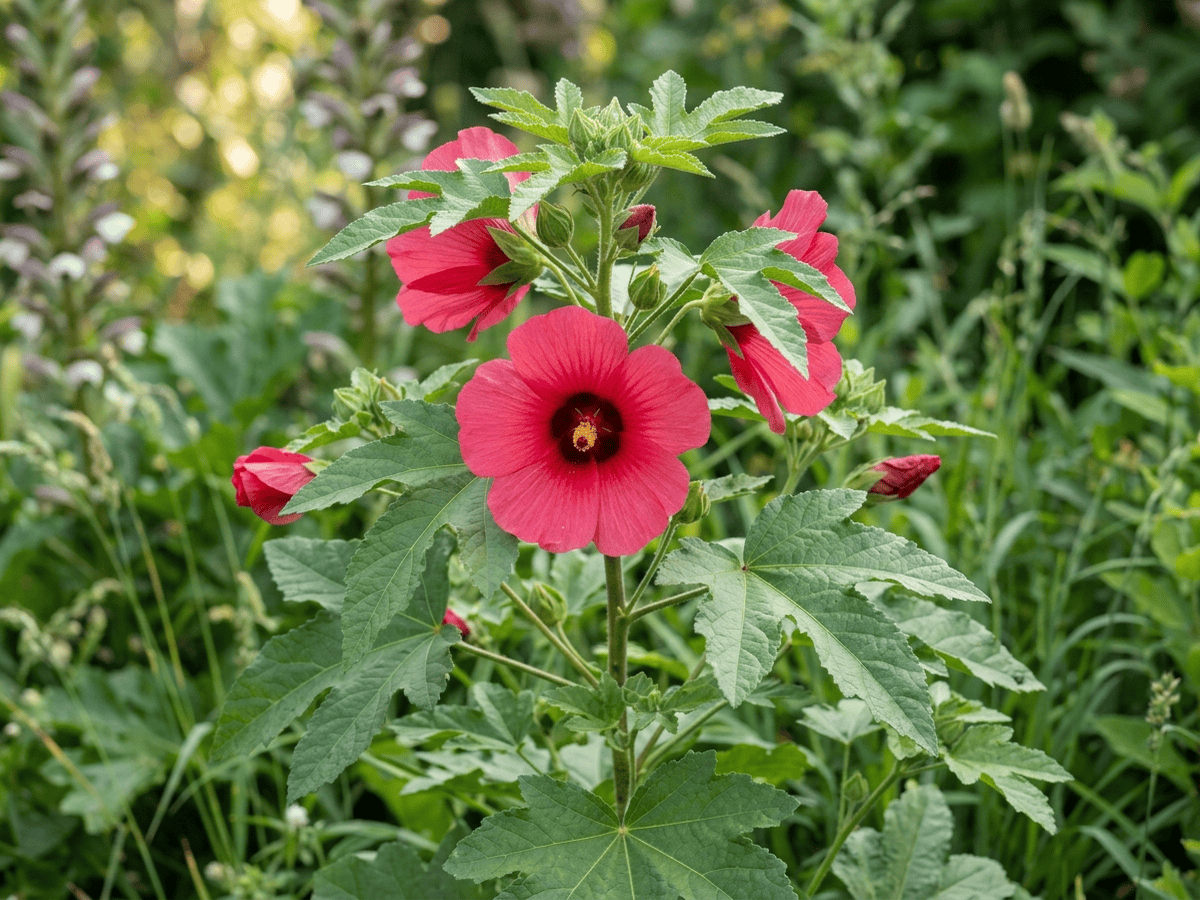 MuskseedAbelmoschus moschatus
 Black AeoniumAeonium arboreum 'Zwartkop'
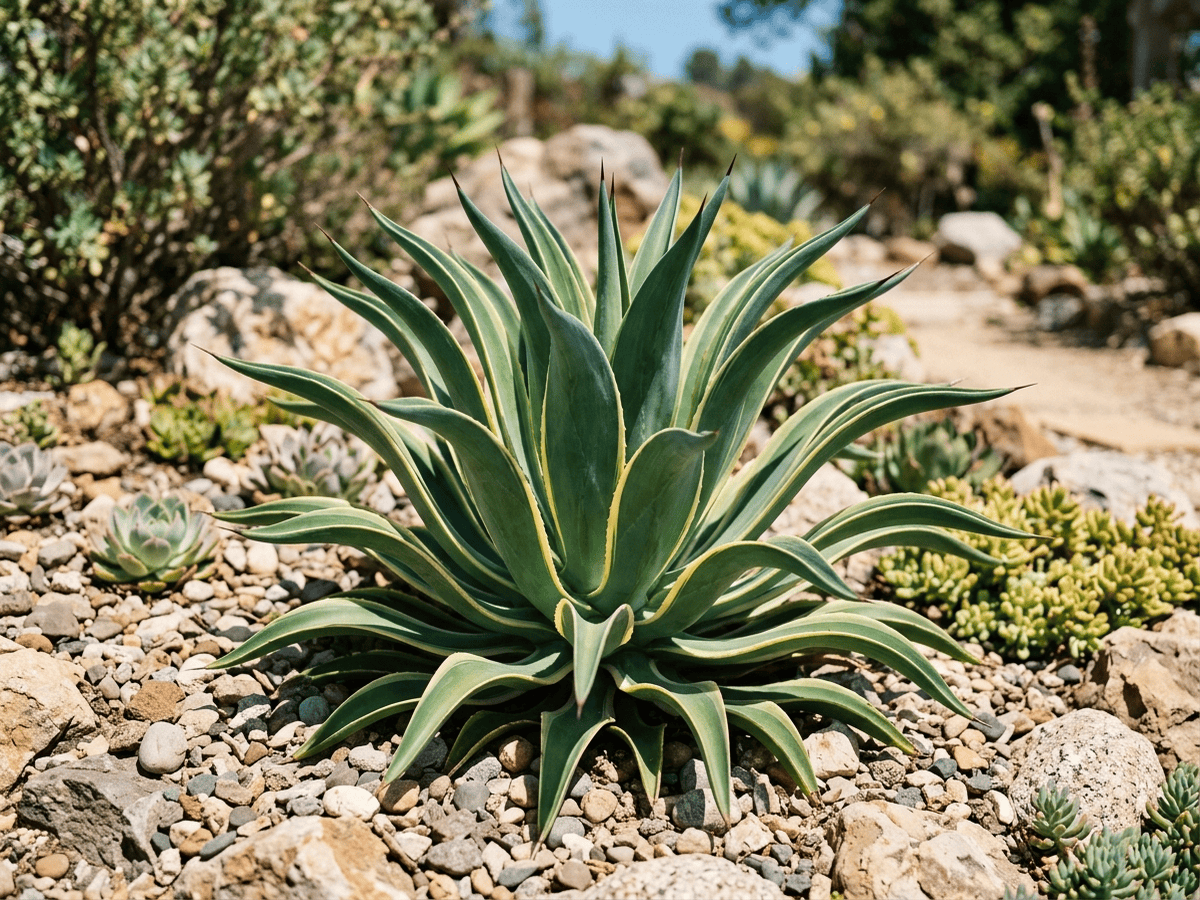 Smooth AgaveAgave desmettiana
Frequently asked questions
How often should I water Flaming Katy?
In summer, water about every 7 days; in winter, about every 21 days. Adjust for heat, pot size and drainage.
How much light does Flaming Katy need?
Full sun: 6+ hrs direct. Watch the leaves — scorching or stretching means the light needs adjusting.
Is Flaming Katy toxic to cats or dogs?
Pets Moderate (Dogs Moderate · Cats Moderate) Educational information, not medical or veterinary advice. If exposure is suspected, contact a doctor or veterinarian.
Is Flaming Katy easy to grow?
Yes — it is considered an easy, beginner-friendly plant.
Can Flaming Katy be grown indoors?
Yes, it adapts well to indoor growing given the right light.
When does Flaming Katy bloom?
It typically blooms Jun–Aug in the Northern Hemisphere.
YardMate
Identify any plant in seconds
Snap a photo — YardMate names the plant, diagnoses problems, and reminds you when to water.
Download on the App Store