 YardMate
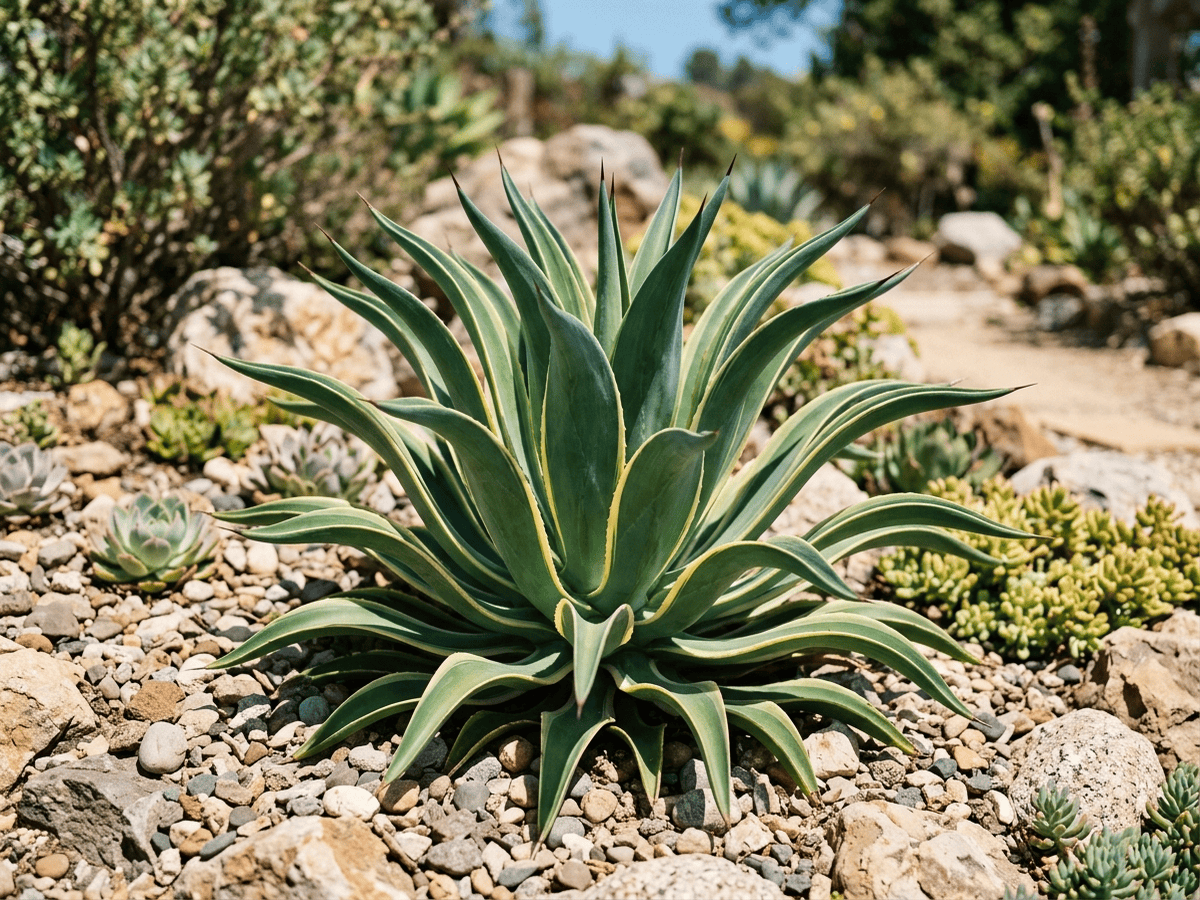


Smooth Agave
Agave desmettiana
Easy · Beginner friendlyAbout Smooth Agave
Smooth Agave is a medium-sized rosette succulent reaching 2-3 feet tall and wide, prized for its symmetrical form of arching blue-green leaves with a smooth almost spineless edge. Native to Mexico but unknown in the wild, it is one of the most container-friendly agaves, ideal for patios and modern landscapes from California to Florida. After 8-10 years it sends up a tall flower stalk before dying, leaving numerous offsets to continue the colony.
- Drought-tolerant
- Container-friendly
- Architectural
- Evergreen
How to care for Smooth Agave
Watering
- Springevery 21 days
- Summerevery 21 days
- Fallevery 30 days
- Winterevery 60 days
Soil · Fast-draining
- Main mixSand + pumice + soil 1:1:150%
- DrainagePumice / gravel50%
Keep grit at half the mix or more — this soil is meant to dry out fast.
FERTILIZER
- Springevery 60 days
At a Glance
- NativeNorth America
- Height2–3 ft (0.6–0.9 m)
- Spread3–4 ft (0.9–1.2 m)
- Flower colorYellow
- Foliage colorBlue-green, Green, Variegated
- SoilSandy, Well-drained
- LocationsYard · Balcony · Indoor
Bloom time
BLOOM CYCLE
Peak bloom
Jun–Aug
Yellow flowers on tall stalk after 8-10 years (monocarpic)
Toxicity
Humans Moderate · Pets Moderate
calcium oxalate raphides and saponins
Moderate
- Leaf
- Sap
- Contact
- Ingestion
EXPOSURE Touching leaves and sap. Eating leaves and sap.
EFFECT Contact dermatitis and mucous membrane irritation.
NOTE Documented concern for humans: Contact dermatitis and mucous membrane irritation.
Moderate
- Leaf
- Sap
- Contact
- Ingestion
EXPOSURE Touching leaves and sap. Eating leaves and sap.
EFFECT Oral irritation and vomiting.
NOTE Agave species listed by ASPCA as toxic due to calcium oxalate crystals and saponins.
Moderate
- Leaf
- Sap
- Contact
- Ingestion
EXPOSURE Touching leaves and sap. Eating leaves and sap.
EFFECT Oral irritation and vomiting.
NOTE Agave species listed by ASPCA as toxic due to calcium oxalate crystals and saponins.
Educational information, not medical or veterinary advice. If exposure is suspected, contact a doctor or veterinarian.
DISTRIBUTION


- Native
- North America
History

Agave desmettiana, commonly called smooth agave or dwarf century plant, is a monocarpic succulent in the asparagus family (Asparagaceae, Agavoideae) whose wild origin is uncertain—it has never been reliably documented in habitat and may be of Mexican horticultural origin. German botanist George Albano von Jacobi formally described it in 1867 based on material cultivated in European greenhouses, named for Belgian horticulturist Louis de Smet of Ghent who supplied the type plant. The rosette grows 60-90 cm tall and wide with 20-40 smooth, flexible, blue-green to gray-green lanceolate leaves ending in a single terminal spine but with few or no marginal teeth, making it far friendlier for planting near walkways than most agaves.
Yellow flowers on a 2-3 meter panicle appear after 8-15 years, followed by plant death and abundant bulbils on the spent stalk. 'Variegata' with creamy yellow leaf margins is among the most widely grown ornamental agaves worldwide.
Named in 1865 by Belgian botanist Édouard François André in honor of Louis De Smet, a Ghent nurseryman. Despite its prevalence in cultivation across the southern United States and Mediterranean climates, no wild population has ever been documented—it may have been bred from a now-extinct Mexican species.
Symbolism & meaning
What It Symbolizes
Smooth Agave teaches endurance, surviving a decade or more on minimal water in soil others reject. Yet its deepest meaning is sacrifice: after years of patient growth it sends up one towering bloom spike, flowers spectacularly, and dies. It is the embodiment of giving everything for a single defining moment, a desert priestess whose final offering is also its masterpiece.
- Endurance — lives a decade or more on minimal water
- Sacrifice — blooms once spectacularly then dies
Where the Name Comes From
The name Smooth Agave describes its smoother texture. Genus from Greek 'agauos' meaning noble or admirable; 'desmettiana' honors Louis De Smet (1813-1887).
Uses & Fun Facts
- Spineless rosette ideal for patio containers
- Architectural focal point in modern xeric landscapes
Related plants
More Agave plants
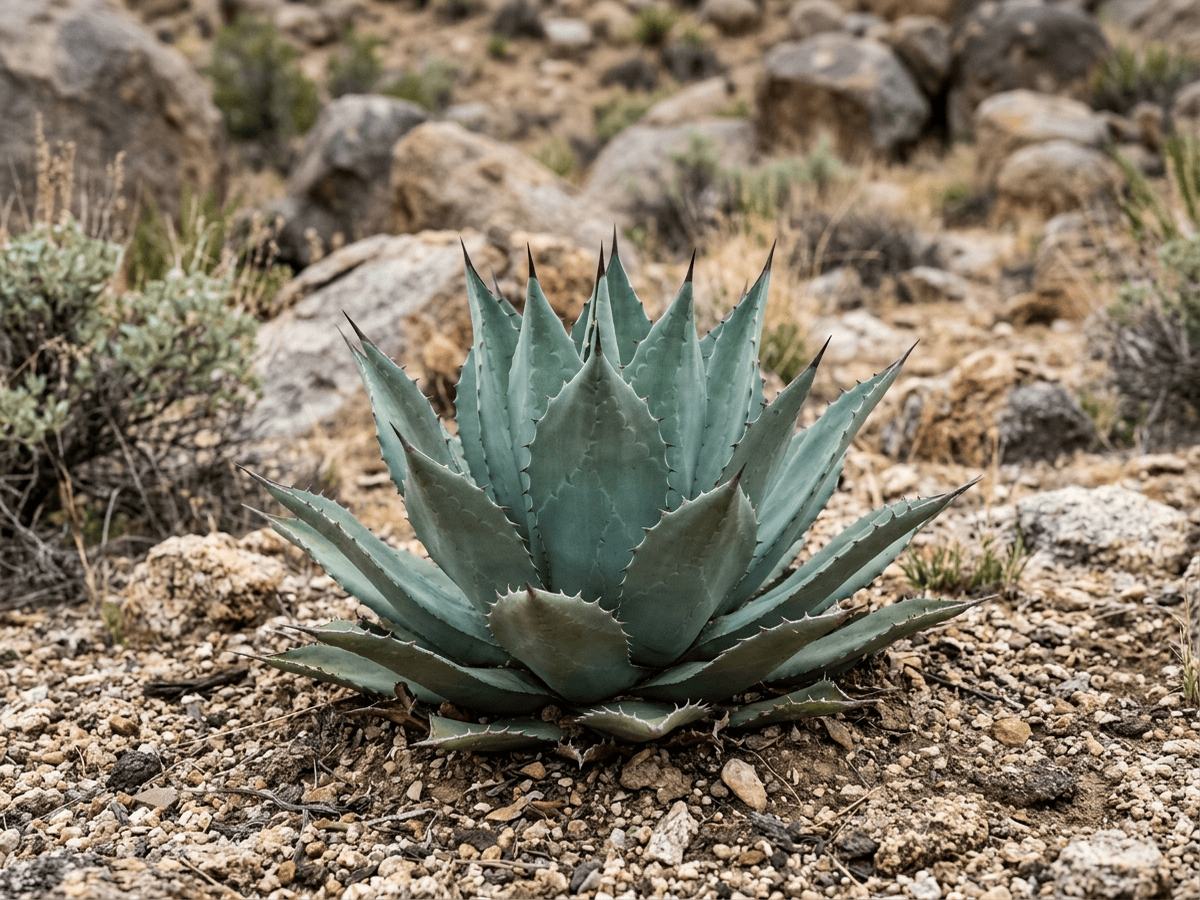 American Century PlantAgave americana
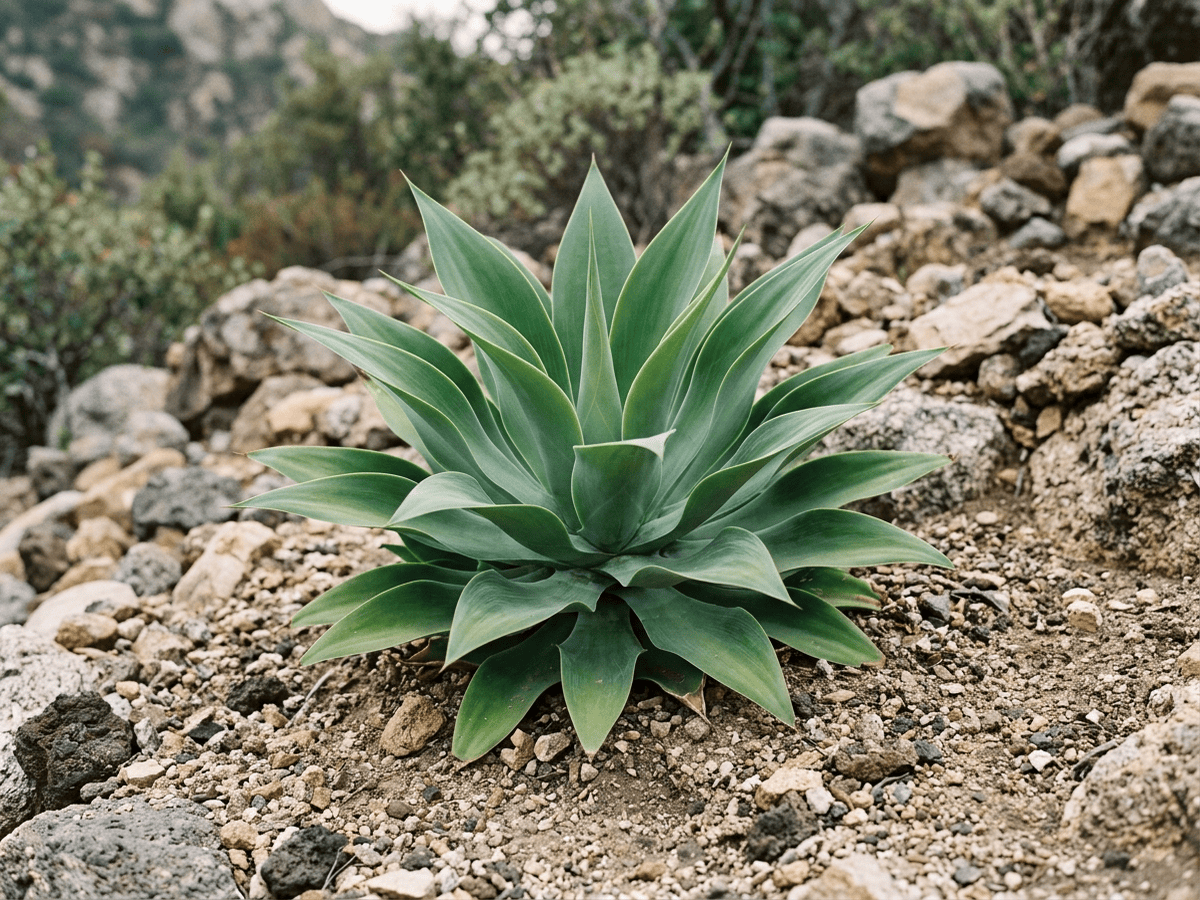 Swan-Neck AgaveAgave attenuata
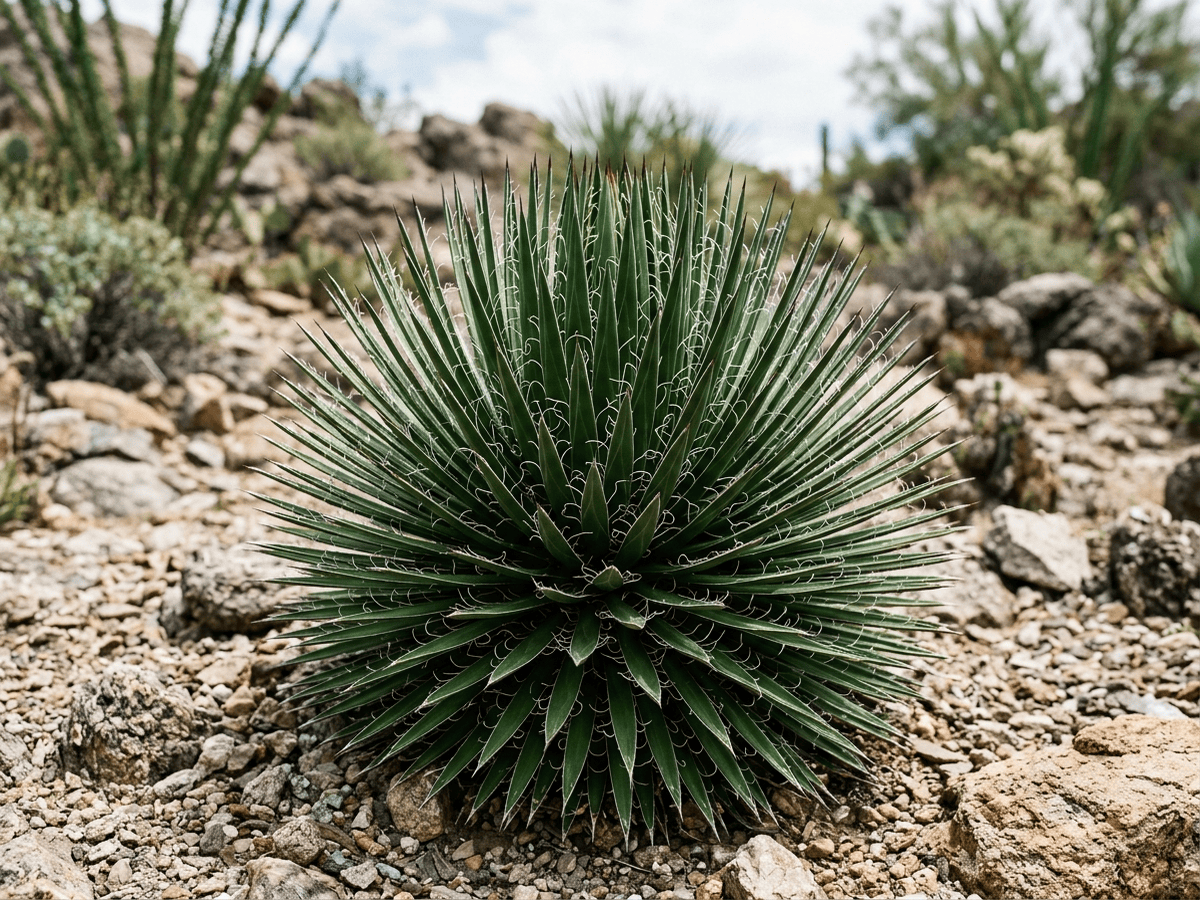 Twin-Flowered AgaveAgave geminiflora
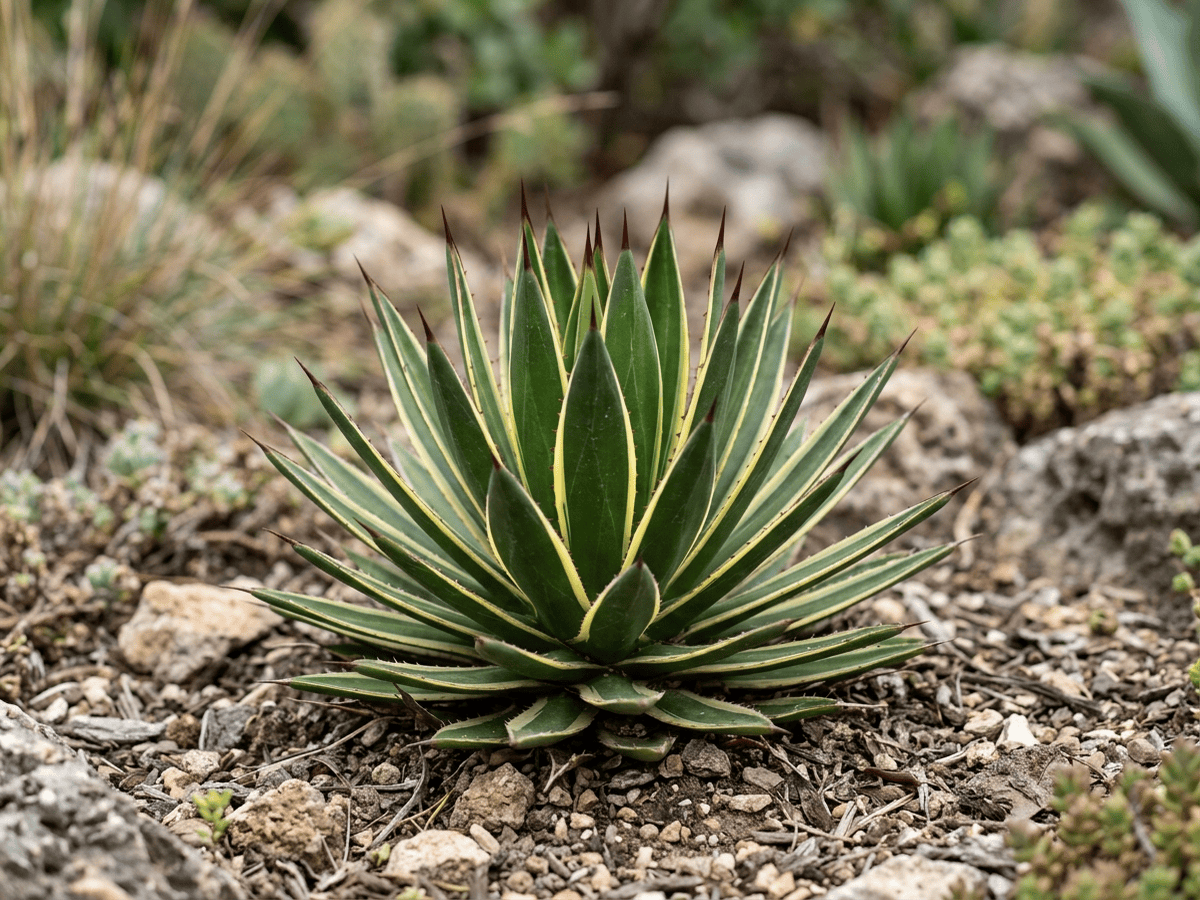 Thorn-Crested AgaveAgave lophantha
Plants with similar care
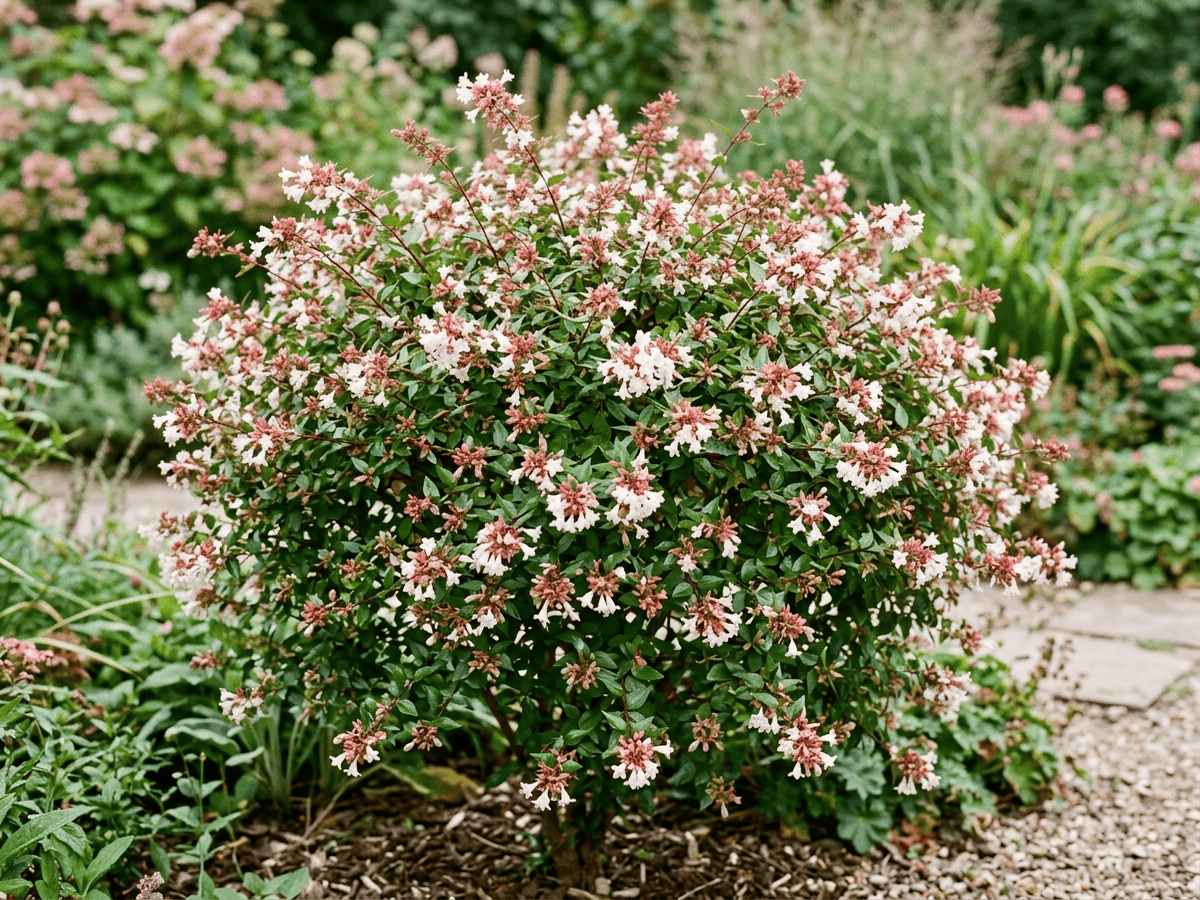 Chinese AbeliaAbelia chinensis
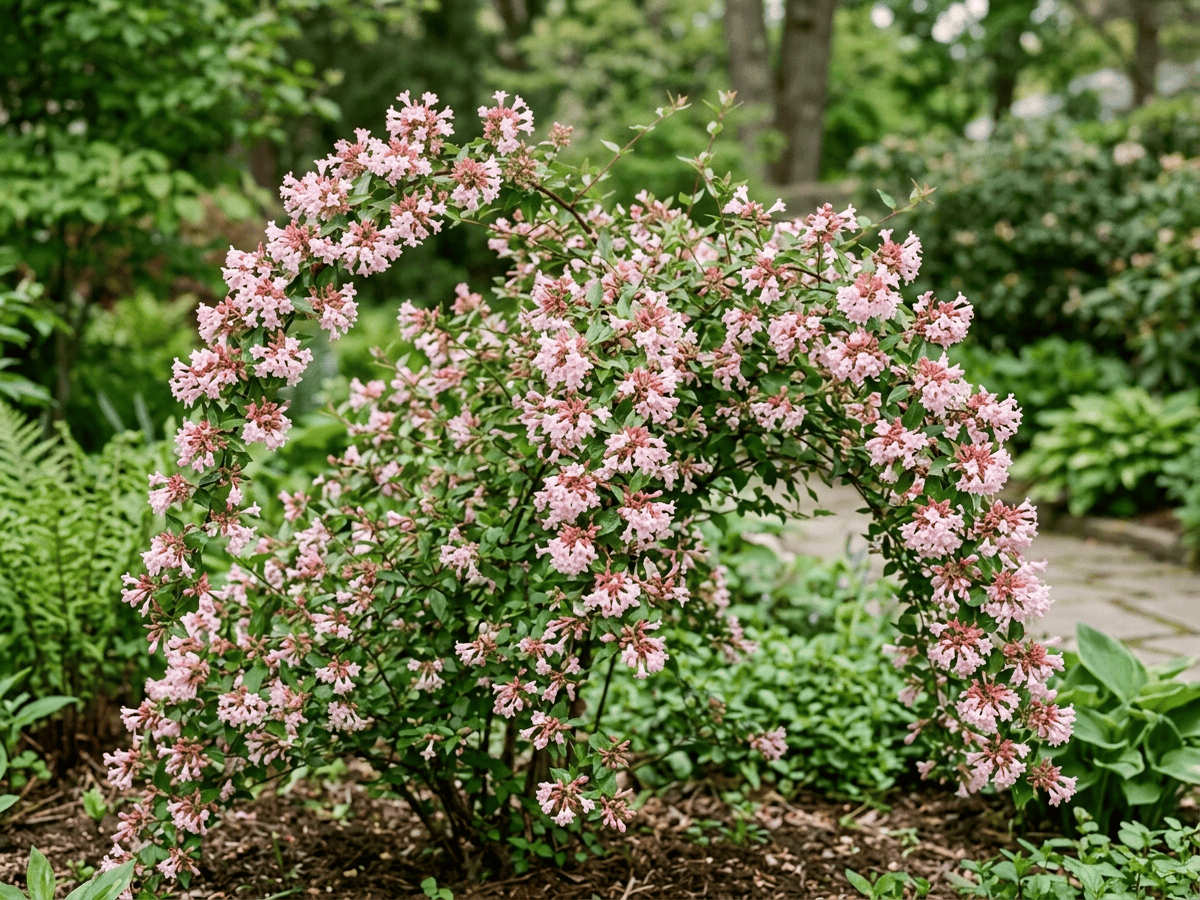 Fragrant AbeliaAbelia mosanensis
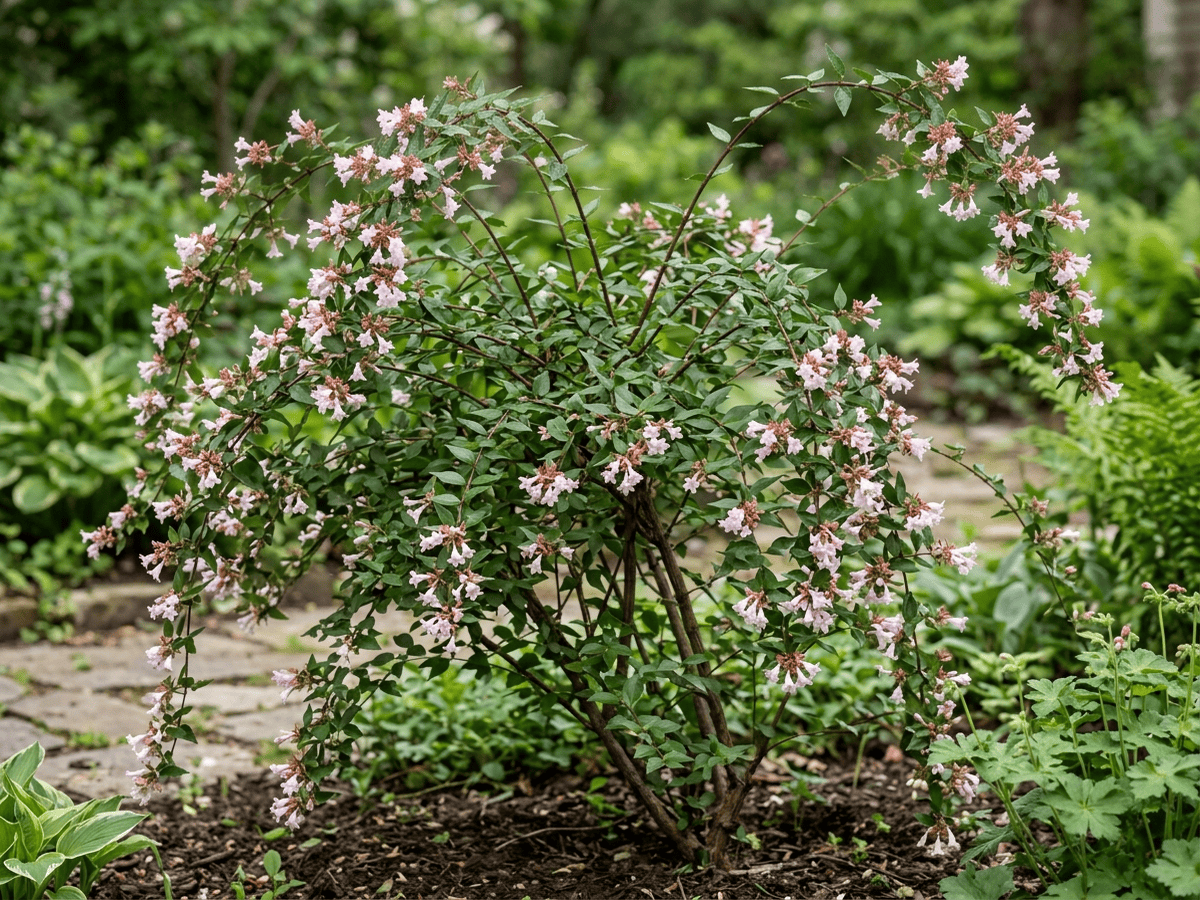 Large-Flowered AbeliaAbelia uniflora
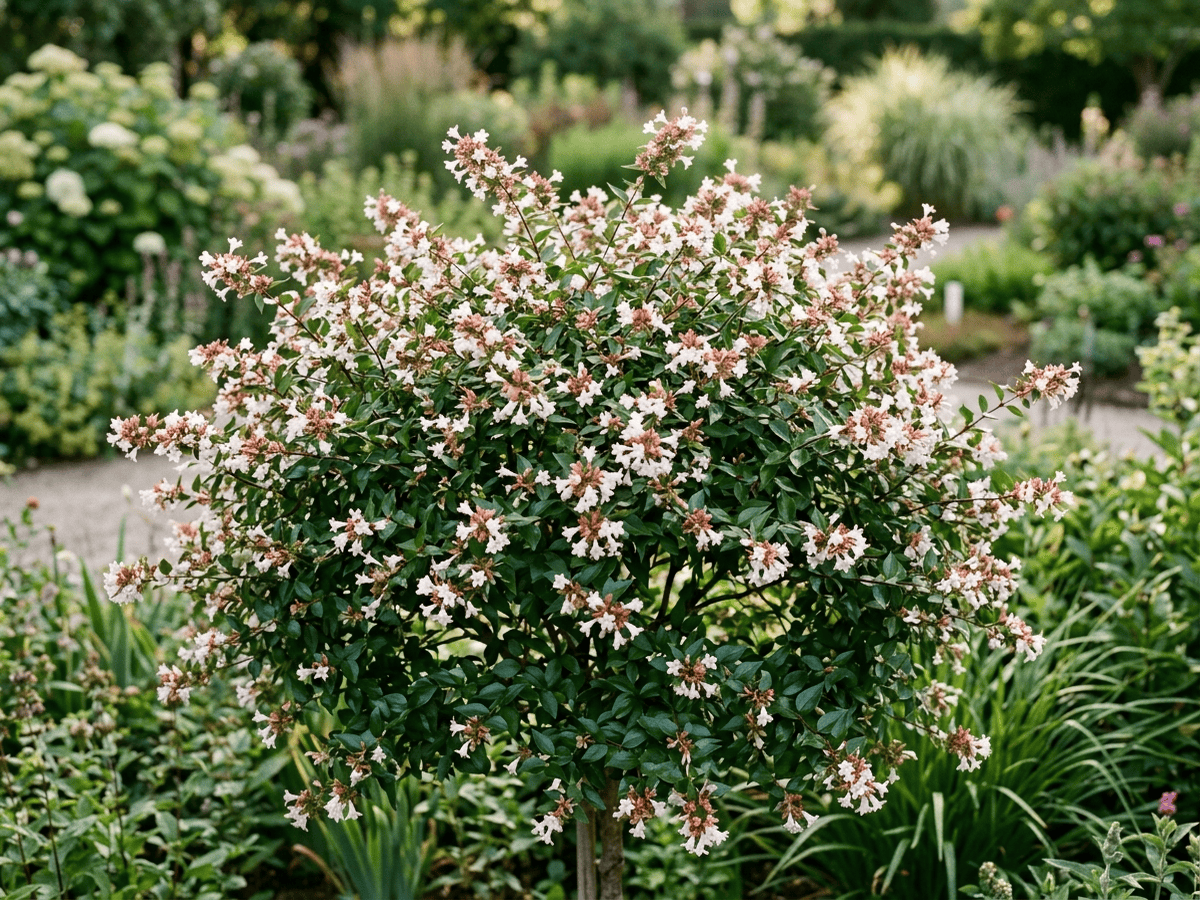 Glossy AbeliaAbelia x grandiflora
Frequently asked questions
How often should I water Smooth Agave?
In summer, water about every 21 days; in winter, about every 60 days. Adjust for heat, pot size and drainage.
How much light does Smooth Agave need?
Full sun: 6+ hrs direct. Watch the leaves — scorching or stretching means the light needs adjusting.
Is Smooth Agave toxic to cats or dogs?
Pets Moderate (Dogs Moderate · Cats Moderate) Educational information, not medical or veterinary advice. If exposure is suspected, contact a doctor or veterinarian.
Is Smooth Agave easy to grow?
Yes — it is considered an easy, beginner-friendly plant.
Can Smooth Agave be grown indoors?
Yes, it adapts well to indoor growing given the right light.
When does Smooth Agave bloom?
It typically blooms Jun–Aug in the Northern Hemisphere.
YardMate
Identify any plant in seconds
Snap a photo — YardMate names the plant, diagnoses problems, and reminds you when to water.
Download on the App Store