 YardMate
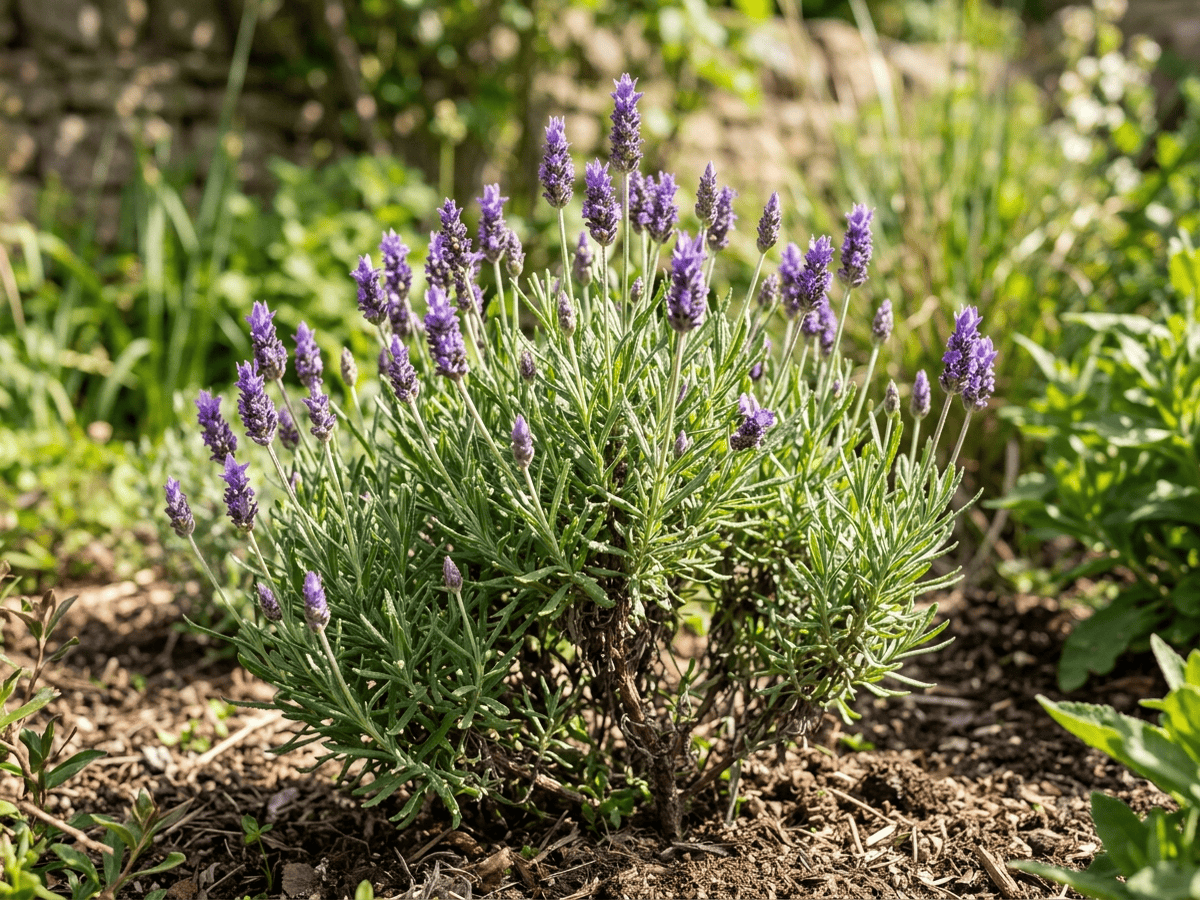


French Lavender
Lavandula dentata
Easy · Beginner friendlyAbout French Lavender
Lavandula dentata, commonly known as French lavender or fringed lavender, is a compact evergreen shrub in the Lamiaceae family, native to the western Mediterranean, from the Iberian Peninsula through North Africa. It reaches 60–90 cm in height with distinctive toothed, grey-green leaves that release a mild, camphor-tinged fragrance when brushed. Dense flower spikes carry small purple florets topped by showy, petal-like bracts that provide a two-tone effect prized by gardeners.
Unlike English lavender, L. dentata is less cold-hardy but remarkably heat- and drought-tolerant, thriving in USDA zones 8–11. It flowers almost year-round in mild climates, making it a valuable continuous nectar source for pollinators. The plant excels in rock gardens, Mediterranean borders, and containers. It prefers full sun and lean, well-drained soil; excess fertility produces leggy growth with fewer flowers.
Historically the species was used in Moorish gardens for hedging and fragrance. Its essential oil is lighter than L. angustifolia's and finds use in soaps and aromatherapy blends. Regular light shearing after each flush keeps the plant dense and prolongs its life span. French lavender pairs beautifully with rosemary, santolina, and ornamental grasses in drought-wise designs.
- Fragrant
- Drought-tolerant
- Pollinator-friendly
How to care for French Lavender
Watering
- Springevery 7 days
- Summerevery 5 days
- Fallevery 10 days
- Winterevery 21 days
Soil · Rich & well-draining
- Top dressingCompost10%
- Main mixPotting soil + compost 3:180%
- DrainageGravel10%
Top up the compost layer each season.
FERTILIZER
- Springevery 45 days
- Summerevery 45 days
- Fallevery 60 days
At a Glance
- NativeMediterranean, Africa
- Height2–3 ft (0.6–0.9 m)
- Spread2–4 ft (0.6–1.2 m)
- Flower colorPurple, Blue
- Foliage colorGreen
- SoilSandy, Well-drained, Alkaline
- LocationsYard · Indoor · Balcony
Bloom time
BLOOM CYCLE
Peak bloom
Jan–Dec
Shear spent spikes to encourage repeat bloom almost year-round in mild zones.
Fragrance
STRONG FRAGRANCE
Classic lavender with camphorous undertones.
Toxicity
Pets Moderate
linalool, linalyl acetate, and camphor
Not reported
EXPOSURE No exposure route is reported.
EFFECT Widely used as culinary garnish and in herbal teas and generally safe.
NOTE No human toxicity is reported in this catalog; avoid eating ornamental plants unless confirmed edible.
Slight
- All
- Ingestion
EXPOSURE Eating any part of the plant.
EFFECT Mild GI upset and essential oil more hazardous (per ASPCA).
NOTE ASPCA lists Lavandula as toxic to pets due to linalool; culinary amounts are low-risk.
Moderate
- All
- Ingestion
EXPOSURE Eating any part of the plant.
EFFECT Essential oils toxic to cats.
NOTE ASPCA lists Lavandula as toxic to pets due to linalool; culinary amounts are low-risk.
Educational information, not medical or veterinary advice. If exposure is suspected, contact a doctor or veterinarian.
DISTRIBUTION

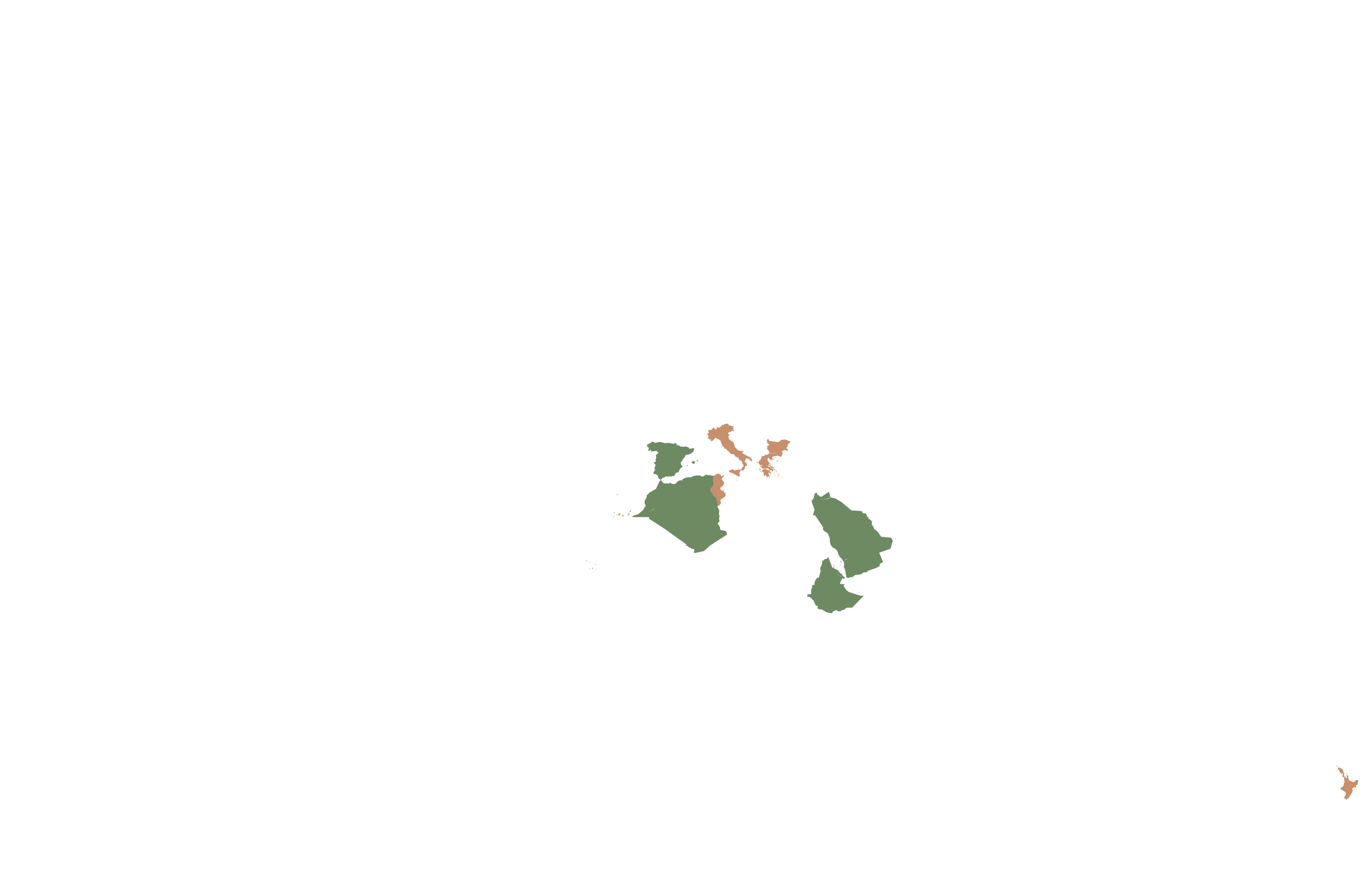
- Native
- Introduced
- Mediterranean
- Africa
History

Lavandula dentata is native to the western Mediterranean, particularly Spain, Morocco, and the Atlantic Islands. The distinctive "dentate" (toothed or scalloped) margins of its gray-green leaves are the defining feature separating it from the more commonly-known English lavender (L. angustifolia) and the Spanish or topped lavender (L. stoechas). It has been cultivated around the Mediterranean for centuries as both an ornamental and an aromatic, and was carried to California, Australia, and South Africa during the 19th century.
Unlike English lavender, it flowers almost continuously through the growing season in mild climates, making it particularly valued in Mediterranean-climate gardens where it contributes year-round bloom. Essential oil yield is lower than for commercial lavender species, so it is grown primarily as an ornamental rather than for oil production.
It tolerates heat and humidity better than L. angustifolia, making it successful in southern US gardens where English lavender struggles. Fringed lavender was cultivated in Moorish Iberia for courtyard hedges and perfumery, later spreading through French colonial gardens. Herbalists across the Maghreb used leaf infusions for headaches and digestive complaints.
Symbolism & meaning
What It Symbolizes
French Lavender makes visible serenity, its gentle Mediterranean fragrance long associated with calm and peaceful composure. That same aromatic strength gave it a role of protection — old Mediterranean tradition placed lavender at thresholds and over doorways to ward off ill fortune and pestilence. A shrub that quietly guarded households long before it became a perfumery cliché.
- Serenity — The gentle fragrance symbolizes calm and peaceful composure
- Protection — Mediterranean tradition placed lavender at thresholds to ward off ill fortune
Where the Name Comes From
The name French Lavender points to France or French horticultural tradition. Lavandula from Latin 'lavare' (to wash), referencing ancient bathing rituals; 'dentata' means toothed, describing the serrated leaf margins.
Uses & Fun Facts
- Toothed gray leaves and spikes release classic lavender oil
- Purple flower spikes thronged by honeybees and butterflies
- Compact shrubby growth trimmed into low aromatic hedges
- Fragrant flowers used in herbes de Provence and baking
Related plants
More Lavandula plants
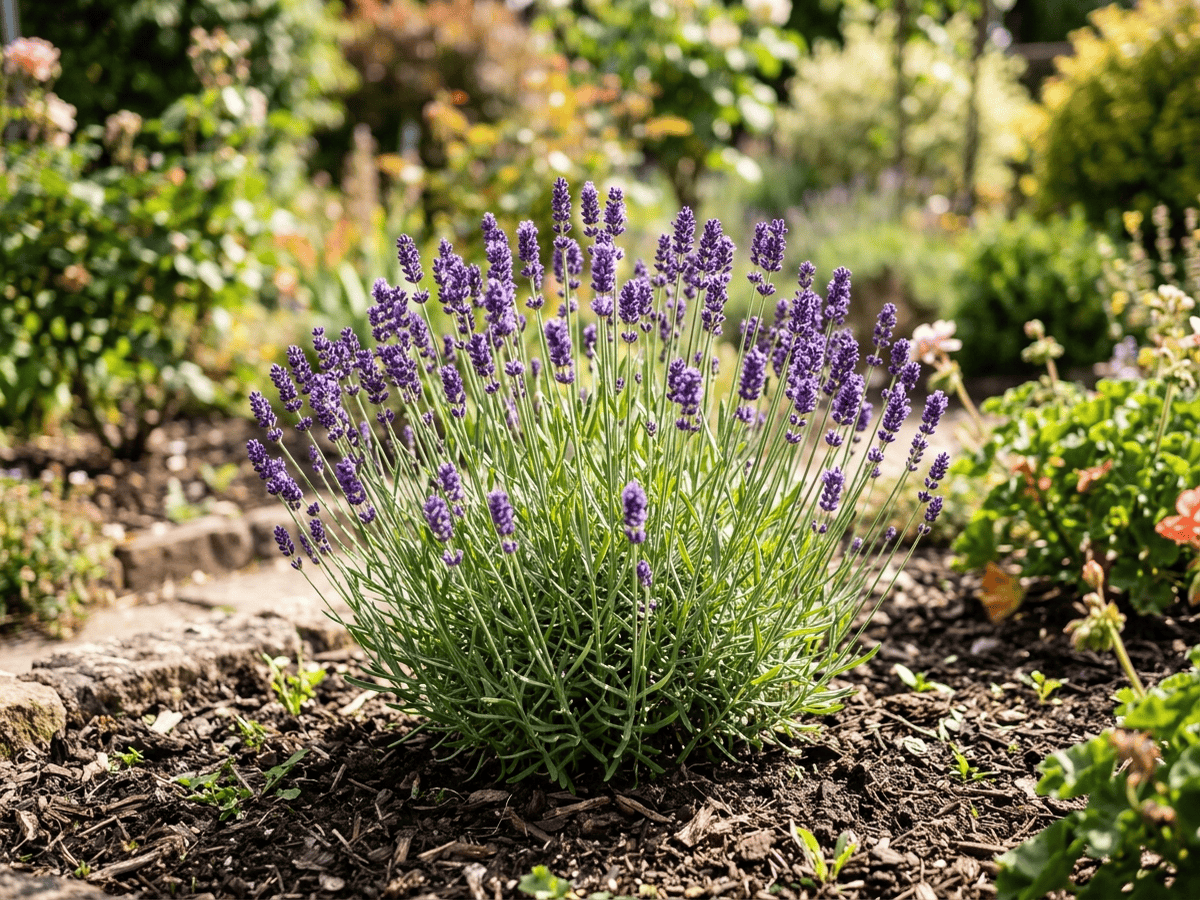 Common LavenderLavandula angustifolia
 Topped LavenderLavandula stoechas
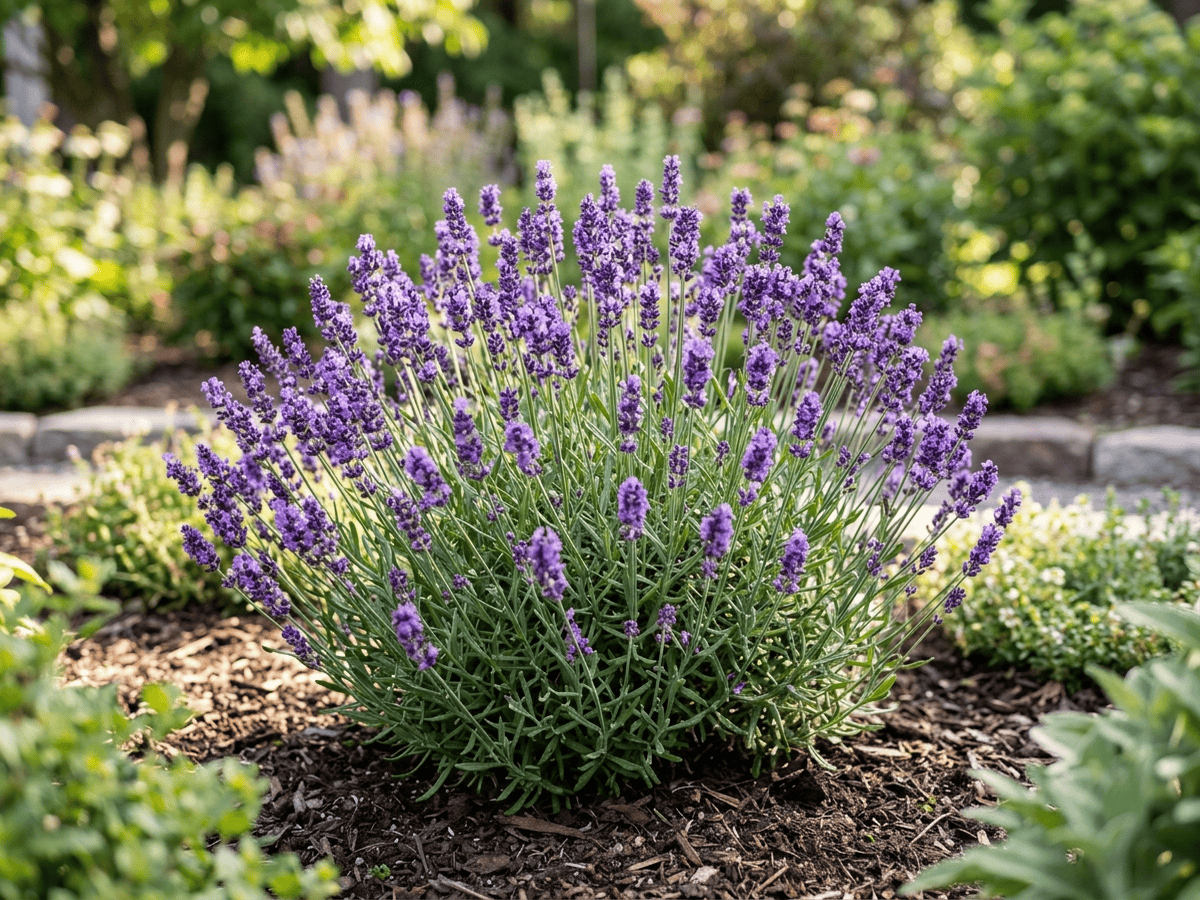 Dutch LavenderLavandula x intermedia
Plants with similar care
 Chinese AbeliaAbelia chinensis
 Fragrant AbeliaAbelia mosanensis
 Large-Flowered AbeliaAbelia uniflora
 Glossy AbeliaAbelia x grandiflora
Frequently asked questions
How often should I water French Lavender?
In summer, water about every 5 days; in winter, about every 21 days. Adjust for heat, pot size and drainage.
How much light does French Lavender need?
Full sun: 6+ hrs direct. Watch the leaves — scorching or stretching means the light needs adjusting.
Is French Lavender toxic to cats or dogs?
Pets Moderate (Dogs Slight · Cats Moderate) Educational information, not medical or veterinary advice. If exposure is suspected, contact a doctor or veterinarian.
Is French Lavender easy to grow?
Yes — it is considered an easy, beginner-friendly plant.
Can French Lavender be grown indoors?
Yes, it adapts well to indoor growing given the right light.
When does French Lavender bloom?
It typically blooms Jan–Dec in the Northern Hemisphere.
YardMate
Identify any plant in seconds
Snap a photo — YardMate names the plant, diagnoses problems, and reminds you when to water.
Download on the App Store