 YardMate

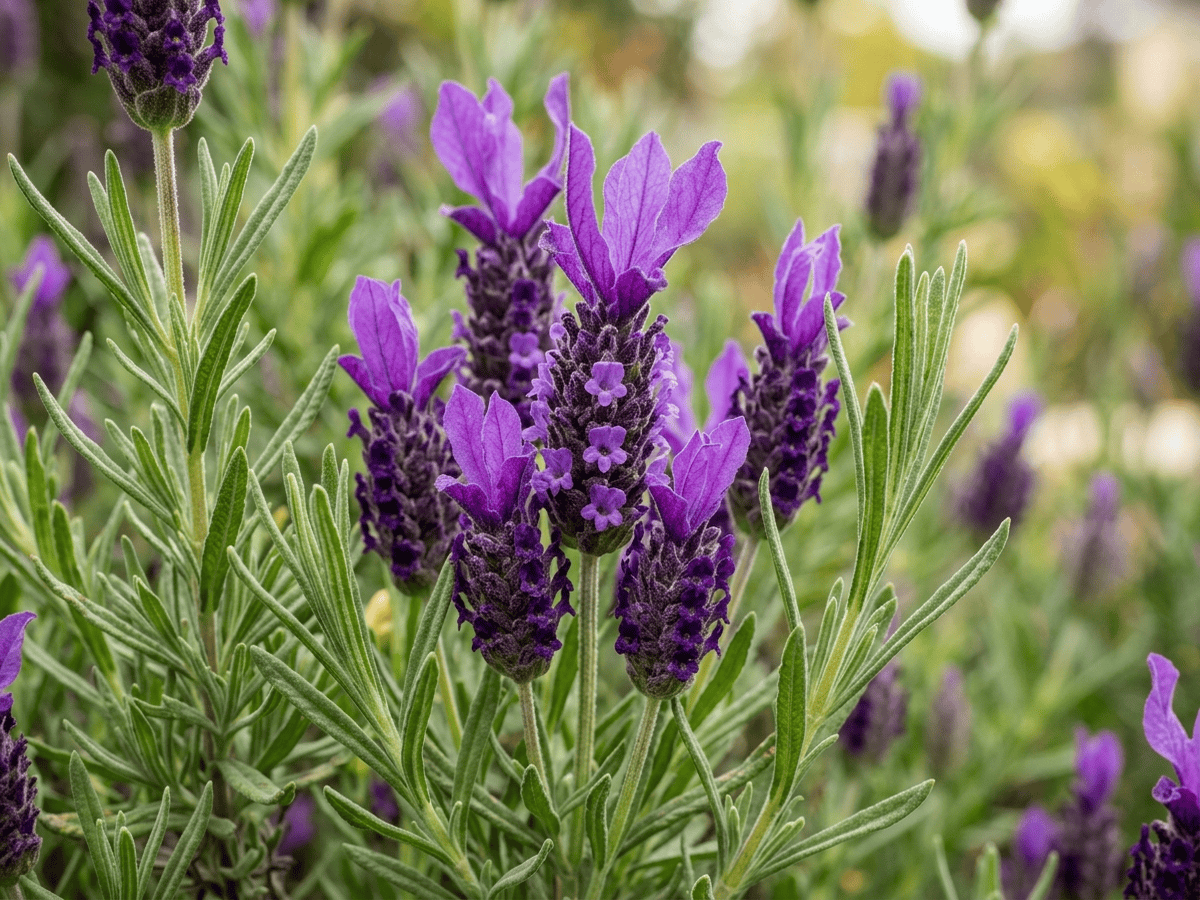

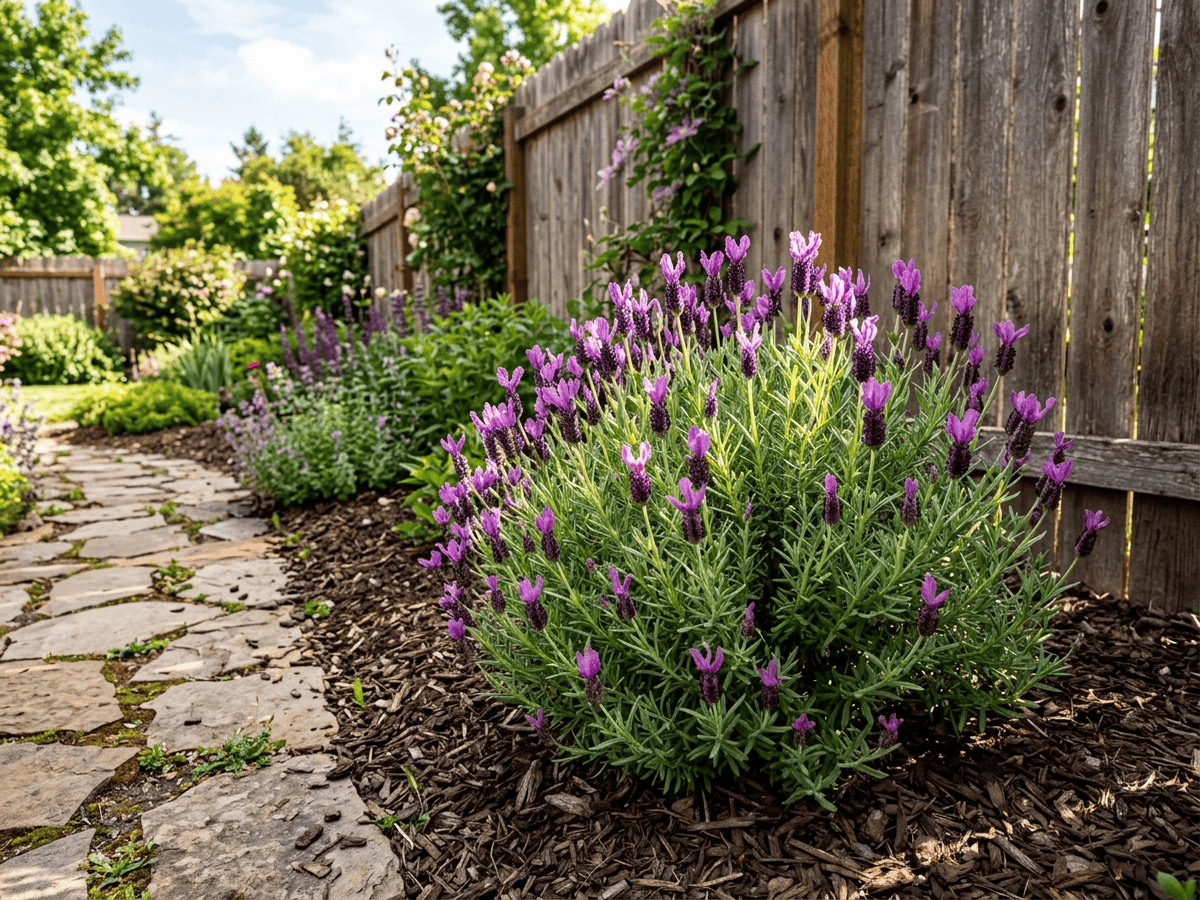
Topped Lavender
Lavandula stoechas
Easy · Beginner friendlyAbout Topped Lavender
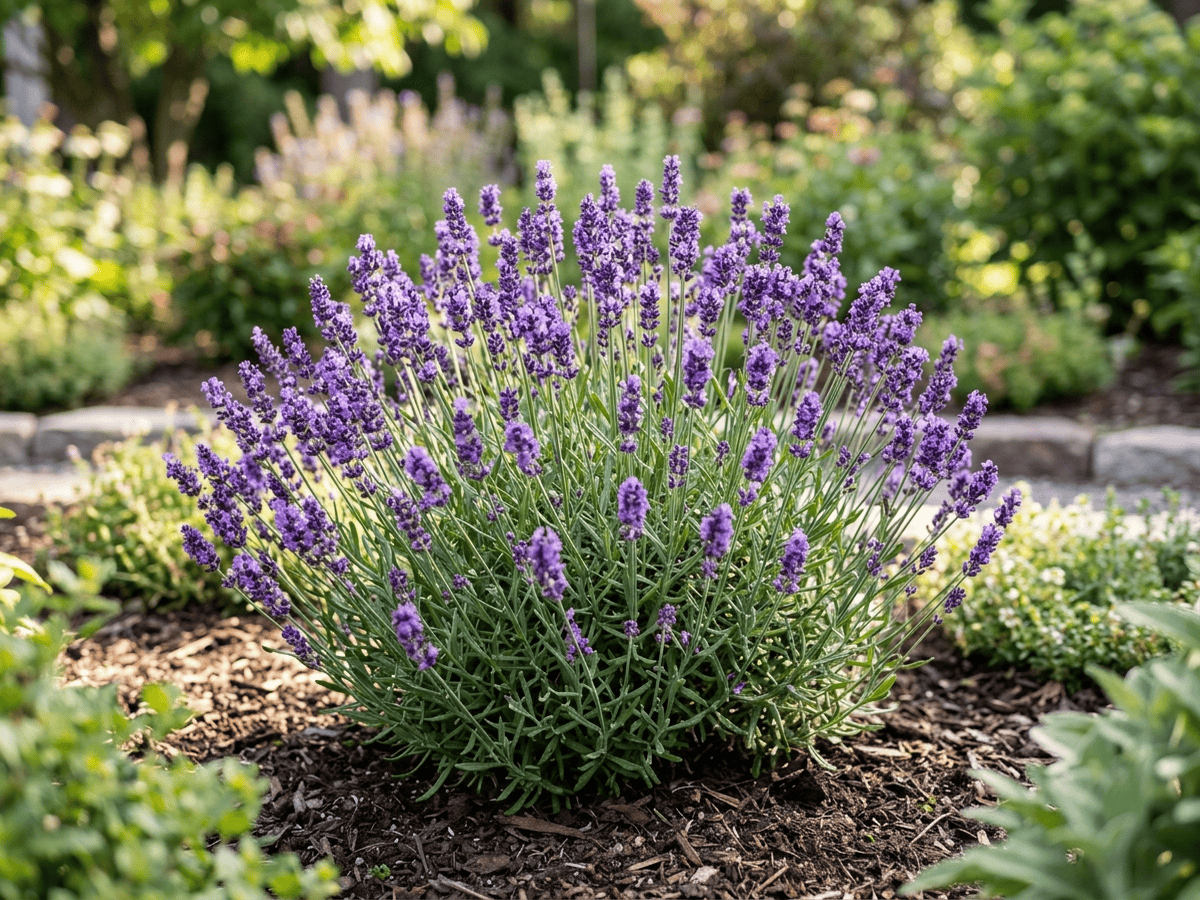
Lavandula stoechas, French lavender or butterfly lavender, is distinguished by its showy purple 'rabbit ear' bracts that top each flower spike like tiny flags. Native to the western Mediterranean, it blooms earlier and longer than English lavender, from mid-spring through summer. The aromatic foliage and flowers contain camphor-rich essential oils with a more pungent, resinous scent than L. angustifolia. It thrives in hot, dry conditions with excellent drainage and is more heat-tolerant but less cold-hardy than English lavender. Excellent for Mediterranean-style gardens and containers.
- Fragrant
- Drought-tolerant
- Pollinator-friendly
How to care for Topped Lavender
Watering
- Springevery 14 days
- Summerevery 10 days
- Fallevery 21 days
- Winterevery 30 days
Soil · Rich & well-draining
- Top dressingCompost10%
- Main mixPotting soil + compost 3:180%
- DrainageGravel10%
Top up the compost layer each season.
FERTILIZER
This plant needs little to no feeding.
At a Glance
- NativeMediterranean, Africa
- Height1.5–3 ft (0.5–0.9 m)
- Spread2–3 ft (0.6–0.9 m)
- Flower colorPurple
- Foliage colorGreen
- SoilSandy, Well-drained
- LocationsYard · Balcony
Bloom time
BLOOM CYCLE
Peak bloom
Mar–Aug
Purple rabbit-ear bracts; blooms spring through summer
Fragrance
STRONG FRAGRANCE
More medicinal, camphor-pine-inflected than English lavender.
Toxicity
Pets Slight
fenchone, camphor, and linalool
Not reported
EXPOSURE No exposure route is reported.
EFFECT No toxic effect is reported.
NOTE No toxicity is reported for humans in this catalog; this is not evidence that the plant is edible or harmless.
Slight
- Flower
- Leaf
- Ingestion
EXPOSURE Eating flowers and leaves.
EFFECT Vomiting, diarrhea, depression, reduced appetite and per Lavandula genus ASPCA listing.
NOTE Higher camphor content than English lavender; smell is more medicinal/eucalyptus-like.
Slight
- Flower
- Leaf
- Ingestion
EXPOSURE Eating flowers and leaves.
EFFECT Vomiting, diarrhea, depression, reduced appetite and per Lavandula genus ASPCA listing.
NOTE Higher camphor content than English lavender; smell is more medicinal/eucalyptus-like.
Educational information, not medical or veterinary advice. If exposure is suspected, contact a doctor or veterinarian.
DISTRIBUTION


- Native
- Introduced
- Mediterranean
- Africa
History

Lavandula stoechas is native to the western Mediterranean basin — Portugal, Spain, southern France, Italy, North Africa — where it dominates hot dry scrubland. Its name comes from the ancient Greek 'Stoichades', the Roman-era name for the Hyères Islands off the southern French coast, where Pliny the Elder recorded its abundance in the first century CE. It is easily distinguished from other lavenders by the showy purple bracts that top its flower spikes like rabbit ears.
In southern European folk medicine it was used as an antiseptic and a moth repellent, traditions that parallel but predate the rise of L. angustifolia in northern European use. Less cold-hardy than English Lavender but more heat-tolerant, it is the standard lavender for Mediterranean-climate gardens in California and Australia. Mildly toxic to pets.
Lavandula stoechas takes its species name from the Stoechades — the ancient Greek name for the Îles d'Hyères off the southern coast of France where it grew abundantly. Pliny the Elder wrote about it in his Natural History (77 AD), praising its medicinal properties. Ancient Romans used it to scent bathwater — 'lavare' means 'to wash.' In Portuguese folk medicine, stoechas lavender was preferred over English lavender for treating headaches and nervous conditions. The distinctive rabbit-ear bracts evolved as landing pads for bees, guiding them to the nectar-rich true flowers below.
Symbolism & meaning
What It Symbolizes
Topped Lavender carries serenity in its rabbit-ear bracts and resinous Mediterranean fragrance. From Roman baths to dry garden paths, lavender has taught people to associate scent with calm, linen, and summer heat. This species adds a little flourish to that tradition: composure wearing a purple crown.
- Serenity — Its calming fragrance has soothed humans for millennia, representing peace of mind
Where the Name Comes From
Lavandula from Latin 'lavare' (to wash). Stoechas from the Stoechades Islands (Îles d'Hyères, France) where it was abundant.
Uses & Fun Facts
- Aromatic foliage and flowers distilled for essential oils
- Purple wands attract bees and butterflies all summer
- Flowers used to flavor baked goods and herbal blends
Related plants
More Lavandula plants
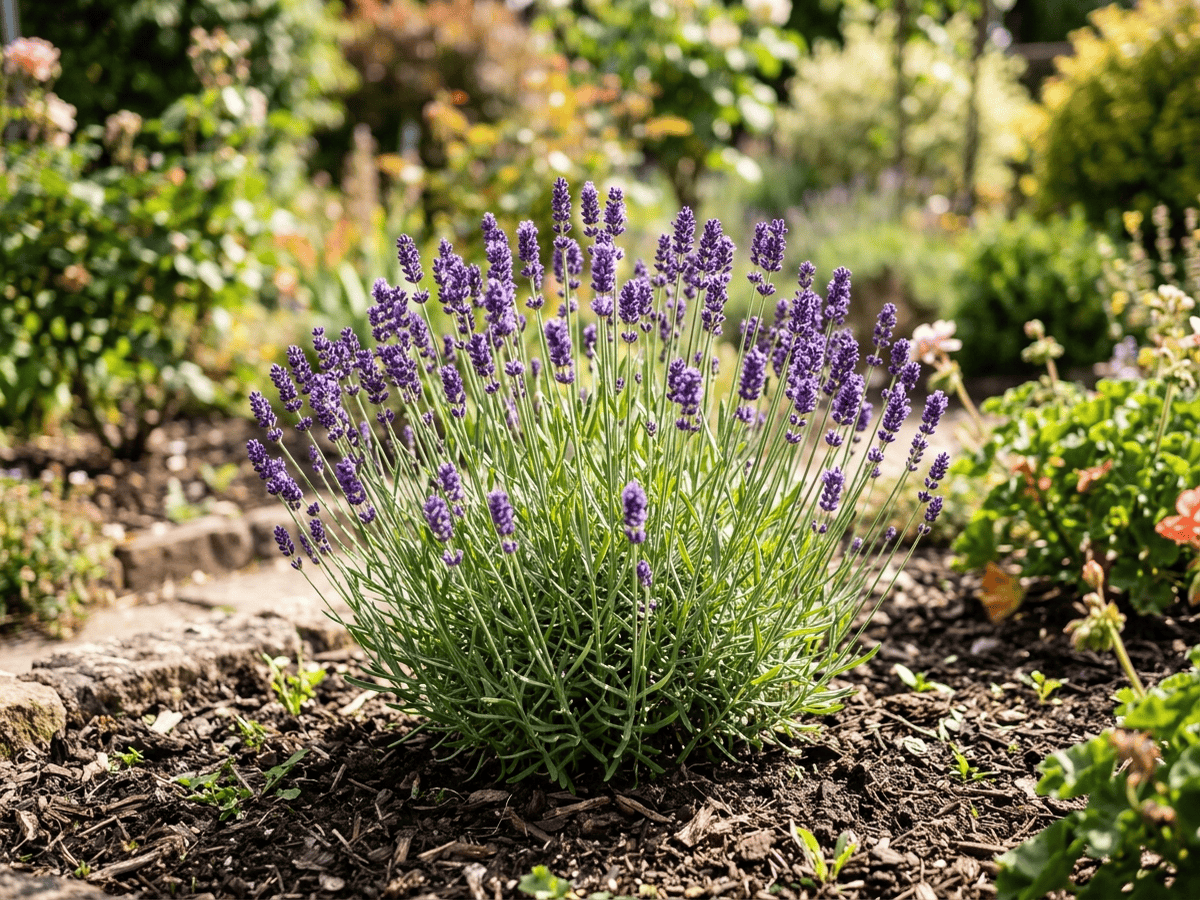 Common LavenderLavandula angustifolia
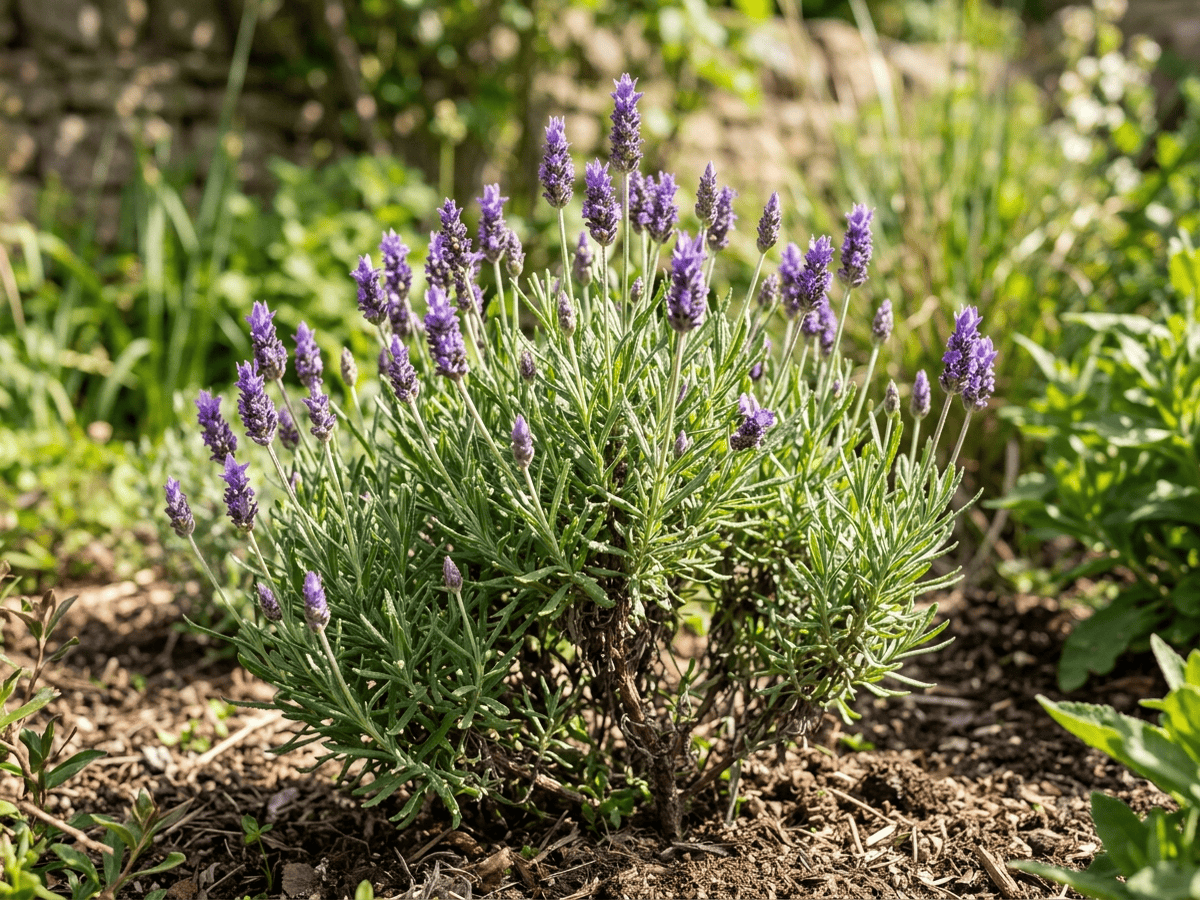 French LavenderLavandula dentata
 Dutch LavenderLavandula x intermedia
Plants with similar care
 Chinese AbeliaAbelia chinensis
 Fragrant AbeliaAbelia mosanensis
 Large-Flowered AbeliaAbelia uniflora
 Glossy AbeliaAbelia x grandiflora
Frequently asked questions
How often should I water Topped Lavender?
In summer, water about every 10 days; in winter, about every 30 days. Adjust for heat, pot size and drainage.
How much light does Topped Lavender need?
Full sun: 6+ hrs direct. Watch the leaves — scorching or stretching means the light needs adjusting.
Is Topped Lavender toxic to cats or dogs?
Pets Slight (Dogs Slight · Cats Slight) Educational information, not medical or veterinary advice. If exposure is suspected, contact a doctor or veterinarian.
Is Topped Lavender easy to grow?
Yes — it is considered an easy, beginner-friendly plant.
When does Topped Lavender bloom?
It typically blooms Mar–Aug in the Northern Hemisphere.
YardMate
Identify any plant in seconds
Snap a photo — YardMate names the plant, diagnoses problems, and reminds you when to water.
Download on the App Store