 YardMate


Dutch Lavender
Lavandula x intermedia
Easy · Beginner friendlyAbout Dutch Lavender
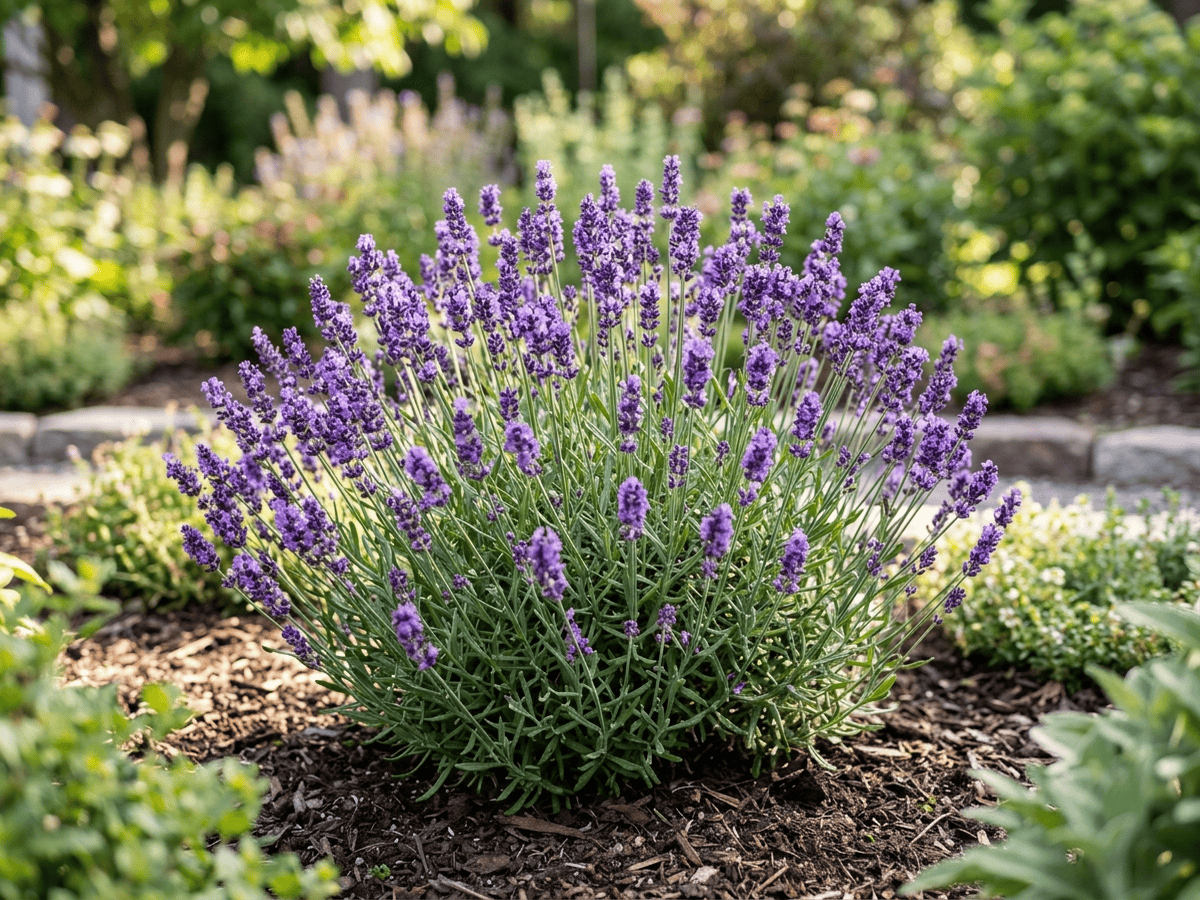
Lavandula x intermedia, lavandin, is a natural hybrid between English lavender (L. angustifolia) and spike lavender (L. latifolia). It produces larger flower spikes on taller stems than either parent, with a slightly more camphoraceous scent. The cultivar 'Grosso' is the world's most commercially planted lavender, dominating the essential oil industry. Plants form substantial silver-green mounds up to 90 cm tall and wide, with long-stemmed flower spikes ideal for cutting and drying. It is more vigorous and heat-tolerant than English lavender, though the oil is considered slightly inferior for perfumery.
- Fragrant
- Drought-tolerant
- Pollinator-friendly
How to care for Dutch Lavender
Watering
- Springevery 14 days
- Summerevery 10 days
- Fallevery 21 days
- Winterevery 30 days
Soil · Fast-draining
- Main mixSand + pumice + soil 1:1:150%
- DrainagePumice / gravel50%
Keep grit at half the mix or more — this soil is meant to dry out fast.
FERTILIZER
This plant needs little to no feeding.
At a Glance
- NativeEurope
- Height2–3 ft (0.6–0.9 m)
- Spread2–4 ft (0.6–1.2 m)
- Flower colorPurple, Blue
- Foliage colorGreen
- SoilSandy, Well-drained, Alkaline
- LocationsYard
Bloom time
BLOOM CYCLE
Peak bloom
Jun–Aug
Long purple spikes on tall stems; excellent for cutting and drying
Fragrance
STRONG FRAGRANCE
Stronger and sharper than English lavender; dominant detergent and soap fragrance.
Toxicity
Pets Slight
linalool, linalyl acetate, camphor, and 1,8-cineole
Not reported
EXPOSURE No exposure route is reported.
EFFECT No toxic effect is reported.
NOTE No toxicity is reported for humans in this catalog; this is not evidence that the plant is edible or harmless.
Slight
- Flower
- Leaf
- Ingestion
EXPOSURE Eating flowers and leaves.
EFFECT Vomiting, diarrhea, depression and per Lavandula genus ASPCA listing.
NOTE Higher camphor than angustifolia; same mild pet toxicity.
Slight
- Flower
- Leaf
- Ingestion
EXPOSURE Eating flowers and leaves.
EFFECT Vomiting, diarrhea, depression and per Lavandula genus ASPCA listing.
NOTE Higher camphor than angustifolia; same mild pet toxicity.
Educational information, not medical or veterinary advice. If exposure is suspected, contact a doctor or veterinarian.
DISTRIBUTION


- Native
- Europe
History
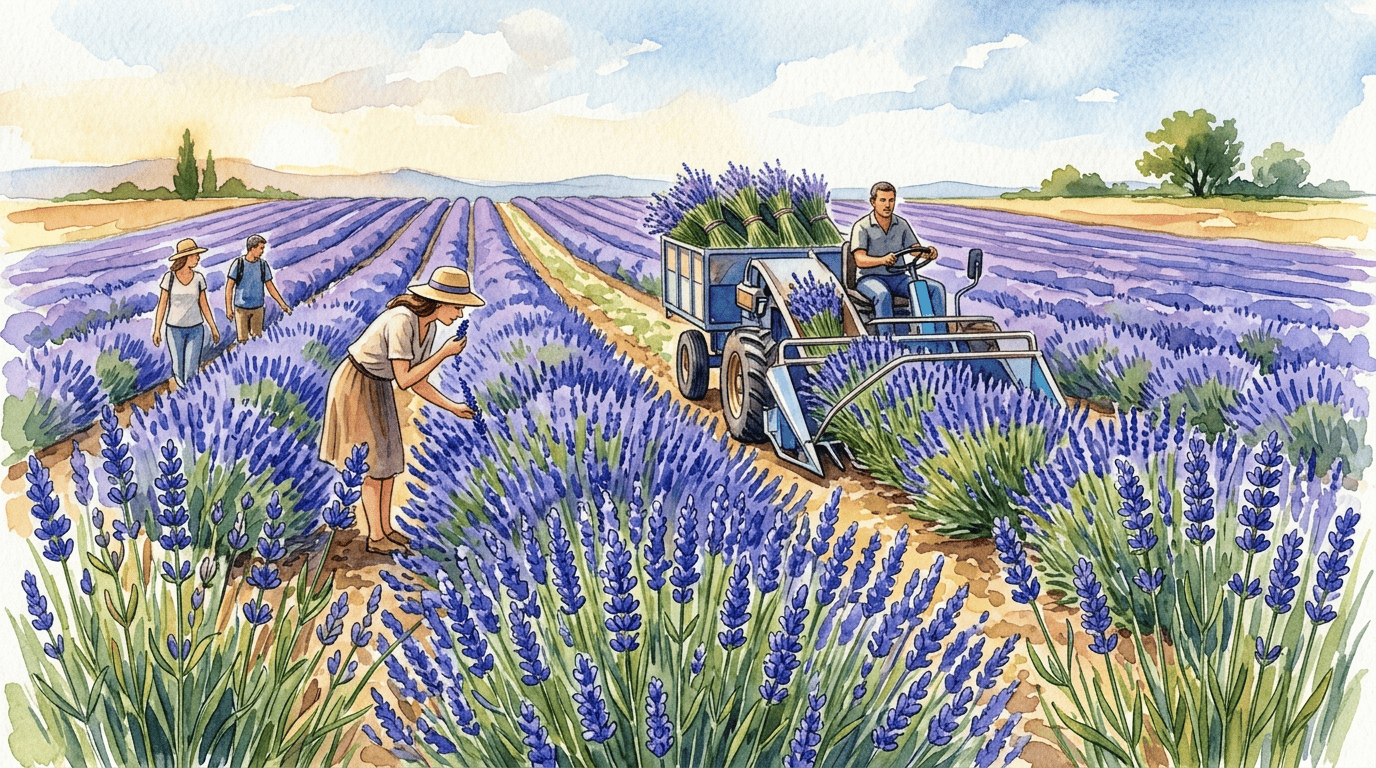
Lavandula × intermedia is a sterile hybrid of English Lavender (L. angustifolia) and Spike Lavender (L. latifolia), arising naturally where the two species overlap at mid-elevations in the French Alps and Pyrenees. Commercial cultivation of selected lavandin clones began in Provence in the 1920s after the yields and oils of wild natural hybrids attracted distillers' attention. By the mid-20th century lavandin accounted for the vast majority of 'lavender oil' used in European and American detergent, soap, and air-freshener manufacture, because it yields about four times as much oil per hectare as pure L. angustifolia and has a stronger, sharper scent.
Connoisseur perfumery still prefers L. angustifolia. Because the hybrid is sterile, all plants are propagated vegetatively from a handful of named clones ('Grosso', 'Provence', 'Abrialii').
Mildly toxic to pets. Lavandin dominates the global lavender industry — Provence, France alone dedicates over 20,000 hectares to L. x intermedia cultivation, primarily the 'Grosso' cultivar developed by Pierre Grosso in the 1970s. However, the higher camphor content means lavandin oil is used mainly for cleaning products and lower-grade aromatherapy, while true L. The purple fields of Provence that attract millions of tourists each July are predominantly lavandin, not true lavender.
Symbolism & meaning
What It Symbolizes
Dutch Lavender is devotion at the scale of horizon — endless rows of lavandin marching across Provençal plateaus toward the cliffs of the Vaucluse, a steadfast and expansive love poured out as fragrance. Hardier and more productive than true lavender, it perfumes the world's soaps and sachets. It is the flower that proves devotion can be both deeply personal and visible from the air.
- Devotion — Fields of lavandin stretching to the horizon represent steadfast, expansive love
Where the Name Comes From
Lavandula from Latin 'lavare' (to wash). Intermedia means 'intermediate,' as it falls between its two parent species.
Uses & Fun Facts
- 'Grosso' supplies most of the world's commercial lavender oil
- Long flower spikes form aromatic low hedges and parterres
- Drought-tolerant blooms swarm with bees and butterflies
Related plants
More Lavandula plants
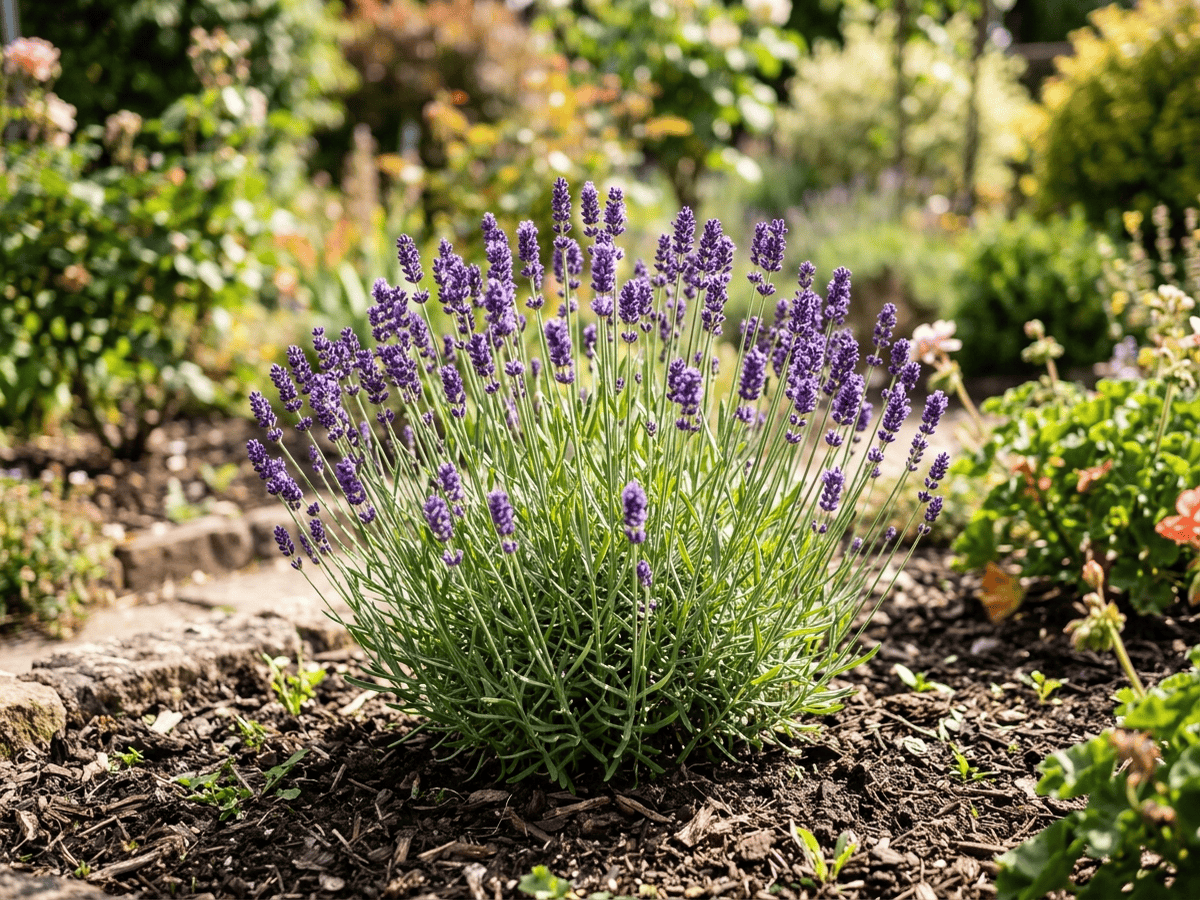 Common LavenderLavandula angustifolia
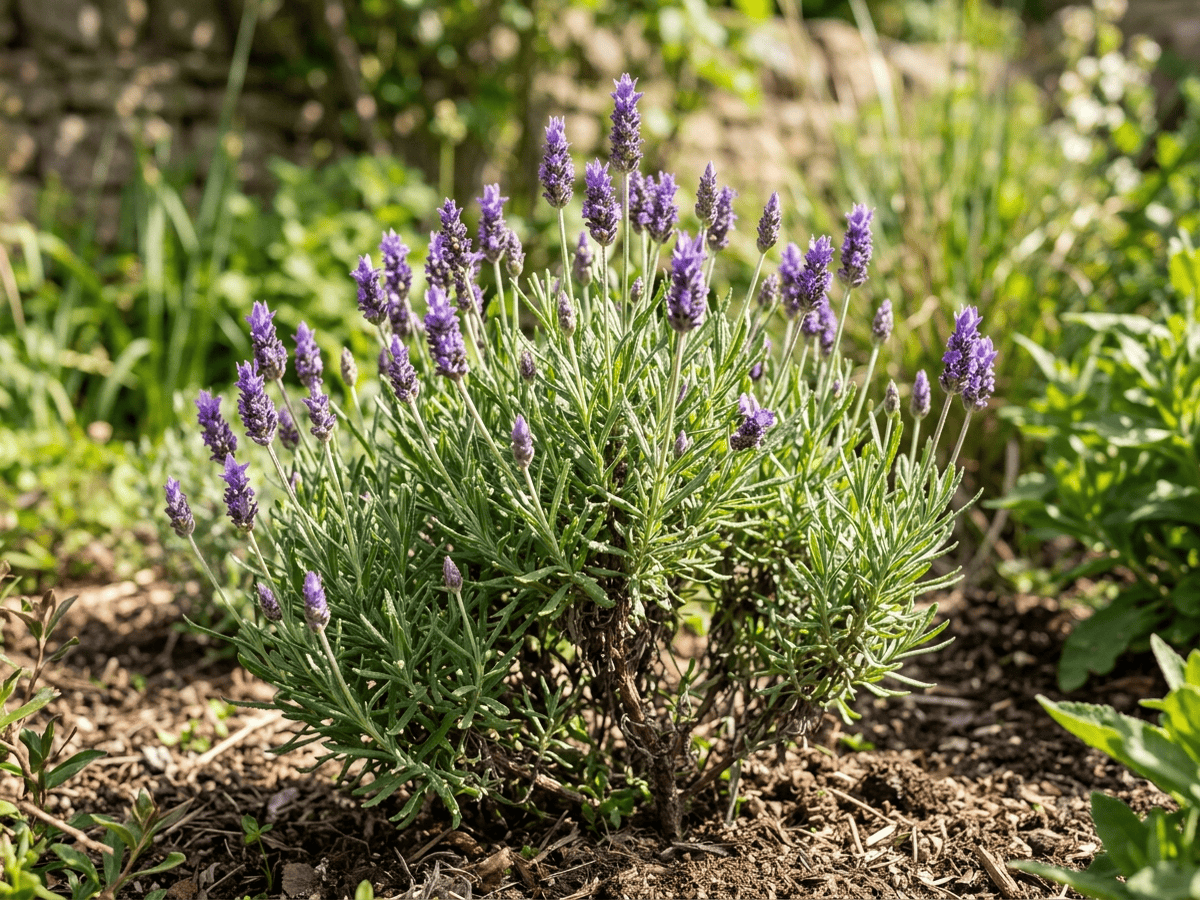 French LavenderLavandula dentata
 Topped LavenderLavandula stoechas
Plants with similar care
 Chinese AbeliaAbelia chinensis
 Fragrant AbeliaAbelia mosanensis
 Large-Flowered AbeliaAbelia uniflora
 Glossy AbeliaAbelia x grandiflora
Frequently asked questions
How often should I water Dutch Lavender?
In summer, water about every 10 days; in winter, about every 30 days. Adjust for heat, pot size and drainage.
How much light does Dutch Lavender need?
Full sun: 6+ hrs direct. Watch the leaves — scorching or stretching means the light needs adjusting.
Is Dutch Lavender toxic to cats or dogs?
Pets Slight (Dogs Slight · Cats Slight) Educational information, not medical or veterinary advice. If exposure is suspected, contact a doctor or veterinarian.
Is Dutch Lavender easy to grow?
Yes — it is considered an easy, beginner-friendly plant.
When does Dutch Lavender bloom?
It typically blooms Jun–Aug in the Northern Hemisphere.
YardMate
Identify any plant in seconds
Snap a photo — YardMate names the plant, diagnoses problems, and reminds you when to water.
Download on the App Store