 YardMate
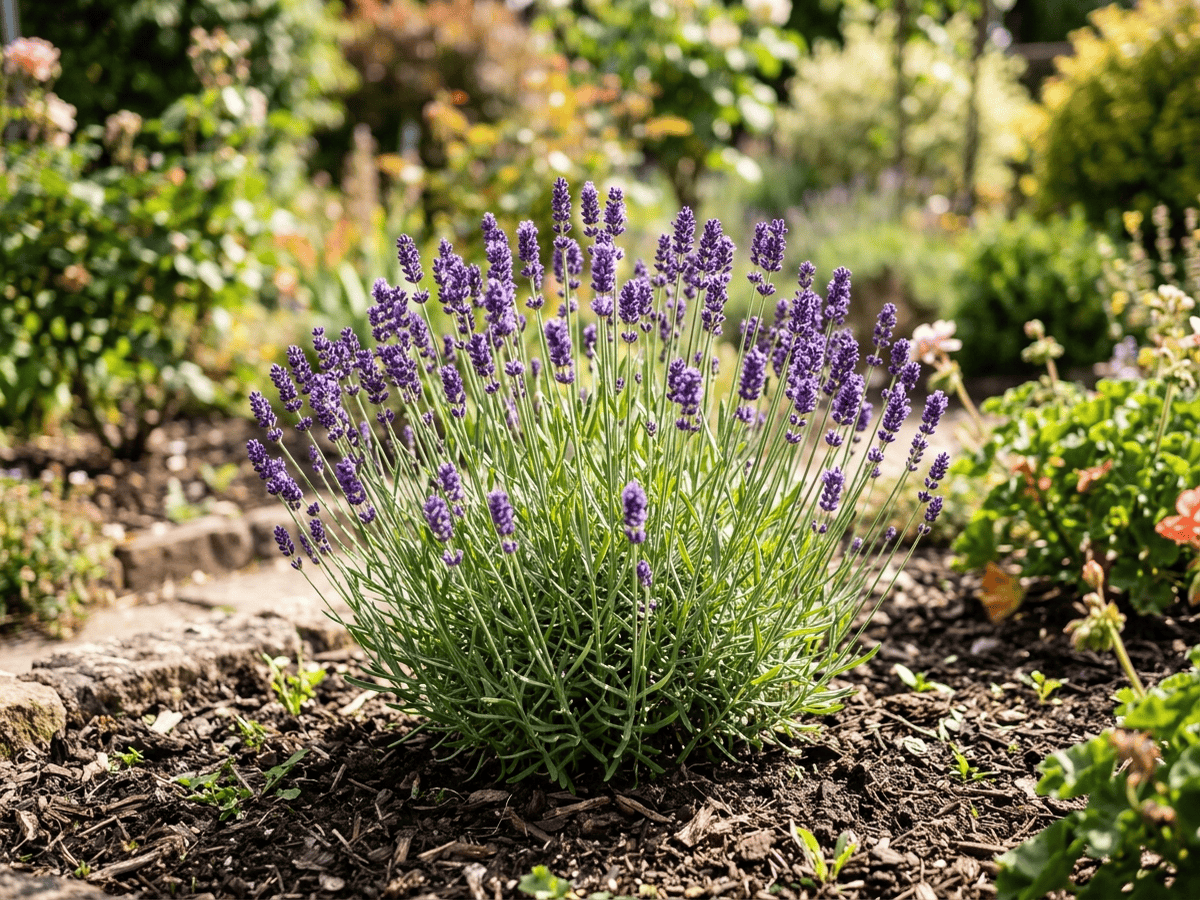


Common Lavender
Lavandula angustifolia
Easy · Beginner friendlyAbout Common Lavender
English Lavender is a fragrant Mediterranean herb beloved for its calming purple blooms and silvery-green aromatic foliage. Drought-tolerant and pollinator-friendly, it thrives in sunny, well-drained spots and fills the garden with its iconic soothing scent from early summer. The essential oil is one of the most versatile in aromatherapy, used for relaxation, sleep, and skincare.
- Fragrant
- Drought-tolerant
How to care for Common Lavender
Watering
- Springevery 14 days
- Summerevery 10 days
- Fallevery 21 days
- Winterevery 30 days
Soil · Rich & well-draining
- Top dressingCompost10%
- Main mixPotting soil + compost 3:180%
- DrainageGravel10%
Top up the compost layer each season.
FERTILIZER
Balanced Feed 14-14-14
An even feed covers all three needs at once, keeping leaves, roots and blooms moving together with nothing pushed out of balance.
- Nitrogen · Leaves
- Phosphorus · Roots + Blooms
- Potassium · Strength
This plant needs little to no feeding.
At a Glance
- NativeMediterranean, Europe
- Height2–3 ft (0.6–0.9 m)
- Spread2–4 ft (0.6–1.2 m)
- Flower colorPurple, Blue, White
- Foliage colorGreen
- SoilSandy, Well-drained, Alkaline
- LocationsYard · Balcony
Bloom time
BLOOM CYCLE
Peak bloom
Jun–Aug
Fragrant purple spikes
Fragrance
STRONG FRAGRANCE
The classic lavender fragrance; entire plant is aromatic and oils persist in dried buds for years.
Toxicity
Pets Slight
linalool and linalyl acetate
Not reported
EXPOSURE No exposure route is reported.
EFFECT Buds are edible in small amounts (baking, tea) and essential oil is not for internal use.
NOTE No toxicity is reported for humans in this catalog; this is not evidence that the plant is edible or harmless.
Slight
- Flower
- Leaf
- Ingestion
EXPOSURE Eating flowers and leaves.
EFFECT Vomiting, diarrhea, depression, reduced appetite and per ASPCA.
NOTE Whole plant is mildly toxic to pets; essential oil in concentrated form is significantly more dangerous.
Slight
- Flower
- Leaf
- Ingestion
EXPOSURE Eating flowers and leaves.
EFFECT Vomiting, diarrhea, depression, reduced appetite and per ASPCA.
NOTE Whole plant is mildly toxic to pets; essential oil in concentrated form is significantly more dangerous.
Educational information, not medical or veterinary advice. If exposure is suspected, contact a doctor or veterinarian.
DISTRIBUTION


- Native
- Introduced
- Mediterranean
- Europe
History
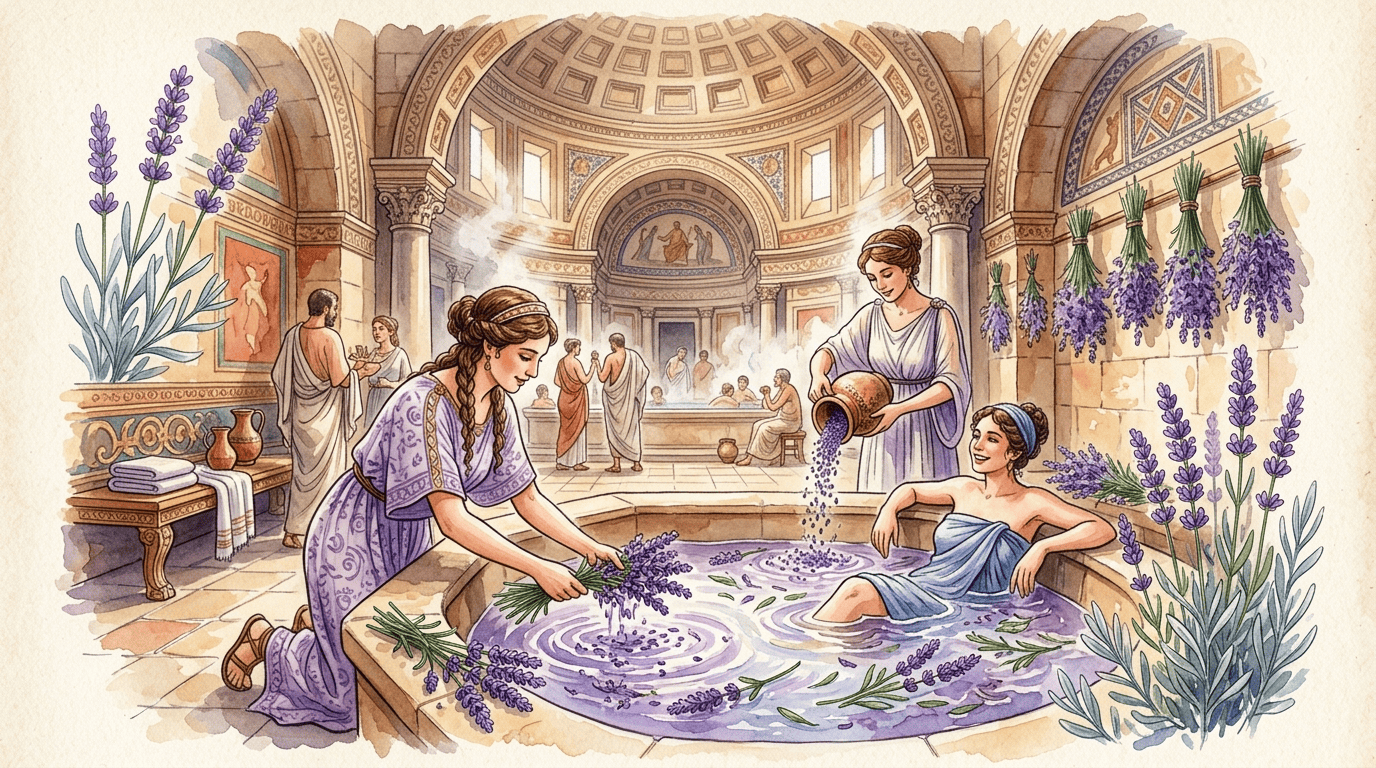
Lavandula angustifolia — 'English Lavender' despite being native to the western Mediterranean — is native to rocky limestone slopes in the Pyrenees, the French Alps, and northern Spain, where it grows wild at elevations between 800 and 1800 meters. Its name derives from the Latin 'lavare', to wash: Romans used it in bathwater and wardrobe-scenting sachets, a tradition continuous through medieval Europe into modern soap and perfume manufacture. Its English association comes from centuries of use in English cottage gardens and Elizabethan perfumery.
Today, the Valensole plateau and surrounding areas of the French Provence region are the global center of fine lavender oil production, with summer bloom drawing substantial tourism. It is considered the 'true' lavender for aromatherapy, with chemistry distinct from the stronger-smelling but lower-quality L. × intermedia hybrids. Slightly toxic to pets if ingested in quantity.
Ancient Egyptians used lavender in mummification rituals. During the Great Plague of London in 1665, lavender sellers were believed to be immune to the disease. Cleopatra reportedly used lavender oil to seduce both Julius Caesar and Mark Antony.
Symbolism & meaning
What It Symbolizes
Common Lavender carries devotion, the deep and loyal love woven into wedding bouquets and sachet pillows for centuries. It also expresses serenity, its fragrance calming the mind, and purity, associated with cleanliness and grace from Roman bath to medieval still room. It is often read as a flower of love made tranquil, a bloom whose meaning is to soften the heart and the air at the same time, faithful affection breathed in slowly.
- Devotion — symbolizes deep and loyal love
- Serenity — represents peace, calm, and tranquility
- Purity — associated with cleanliness and grace
Where the Name Comes From
From Latin 'lavare' meaning 'to wash,' as Romans added it to their baths. 'Angustifolia' means 'narrow-leaved.'
Uses & Fun Facts
- Buds flavor cookies, syrups, and Provençal herb blends
- Essential oil basis for perfume, sachets, and aromatherapy
- Purple spikes swarmed by bees through summer
- Silver foliage and lavender bloom anchor sunny borders
Related plants
More Lavandula plants
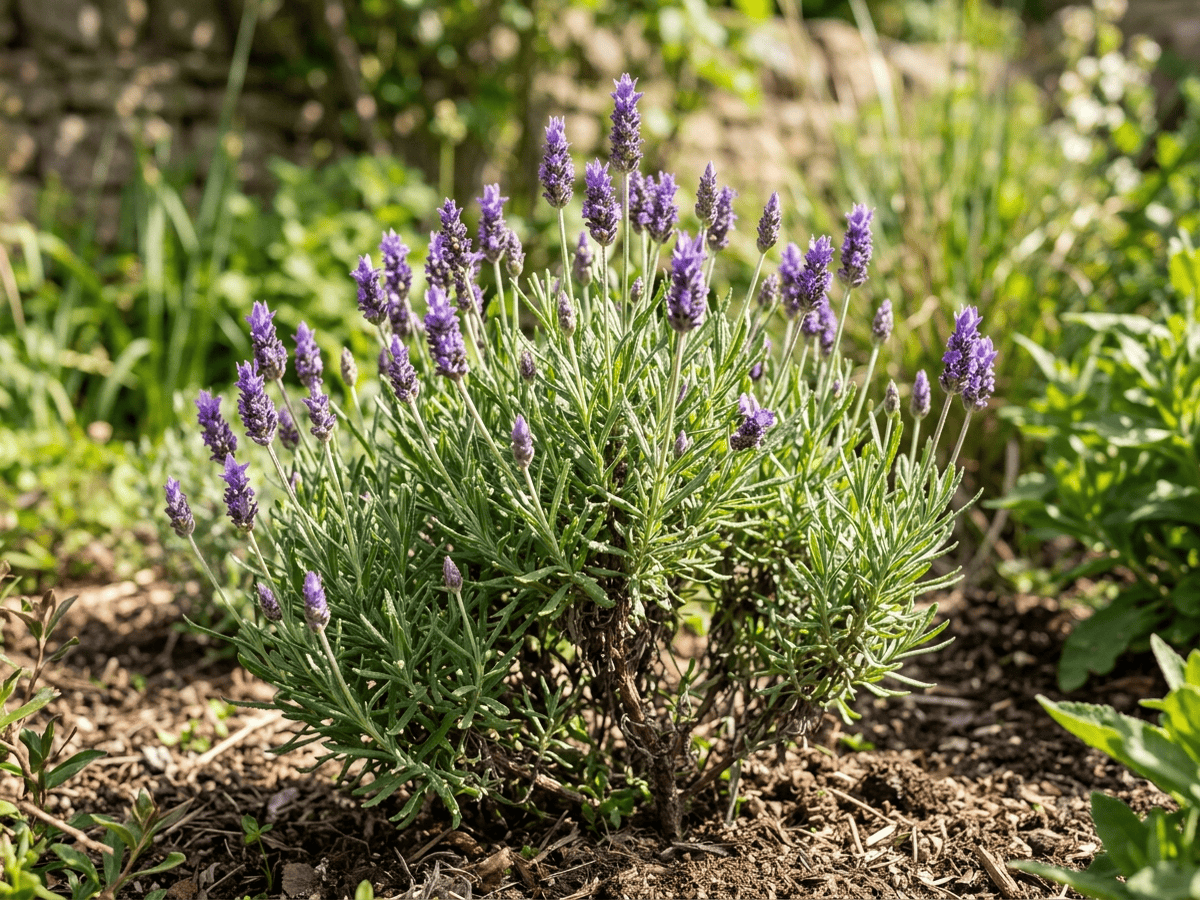 French LavenderLavandula dentata
 Topped LavenderLavandula stoechas
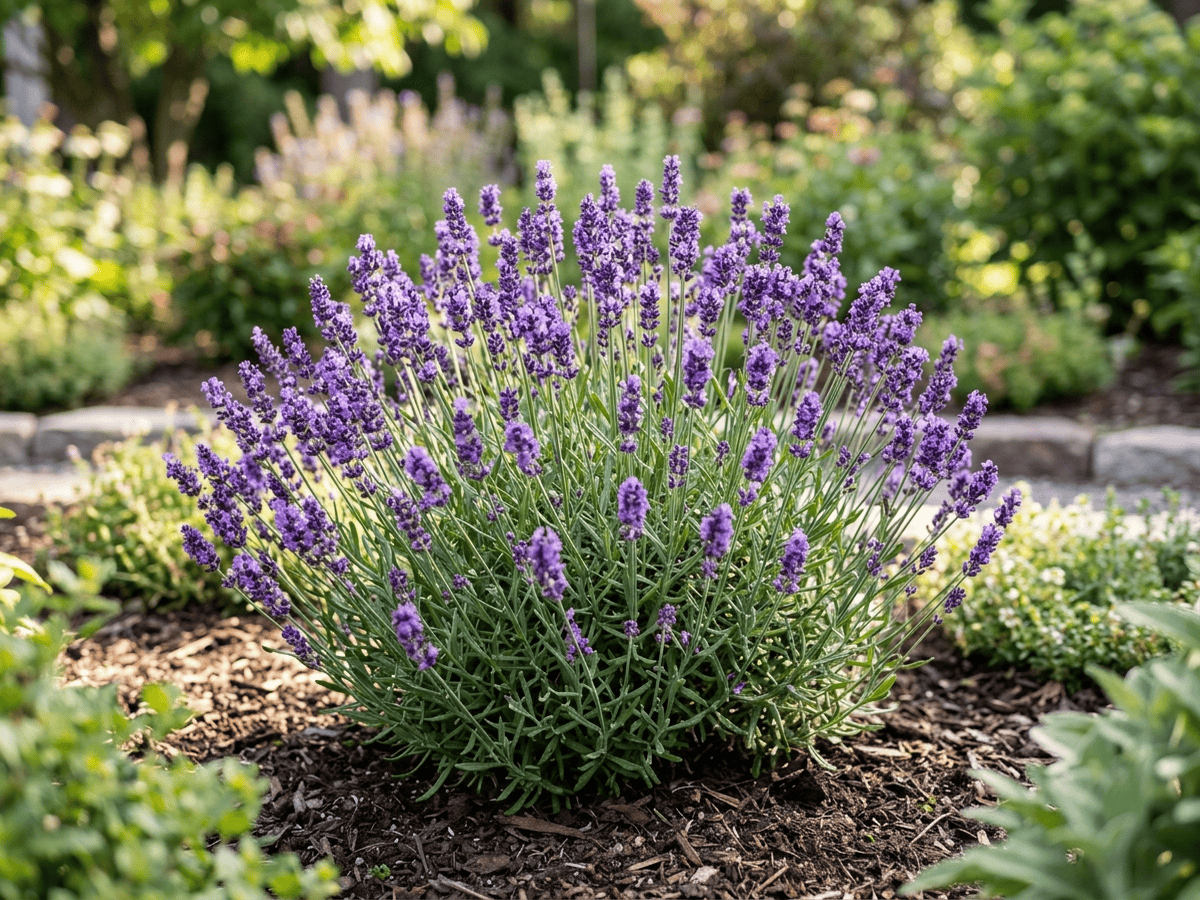 Dutch LavenderLavandula x intermedia
Plants with similar care
 Chinese AbeliaAbelia chinensis
 Fragrant AbeliaAbelia mosanensis
 Large-Flowered AbeliaAbelia uniflora
 Glossy AbeliaAbelia x grandiflora
Frequently asked questions
How often should I water Common Lavender?
In summer, water about every 10 days; in winter, about every 30 days. Adjust for heat, pot size and drainage.
How much light does Common Lavender need?
Full sun: 6+ hrs direct. Watch the leaves — scorching or stretching means the light needs adjusting.
Is Common Lavender toxic to cats or dogs?
Pets Slight (Dogs Slight · Cats Slight) Educational information, not medical or veterinary advice. If exposure is suspected, contact a doctor or veterinarian.
Is Common Lavender easy to grow?
Yes — it is considered an easy, beginner-friendly plant.
When does Common Lavender bloom?
It typically blooms Jun–Aug in the Northern Hemisphere.
YardMate
Identify any plant in seconds
Snap a photo — YardMate names the plant, diagnoses problems, and reminds you when to water.
Download on the App Store