 YardMate
Lion's Ear
Leonotis ocymifolia
Hard · Experienced growersAbout Lion's Ear
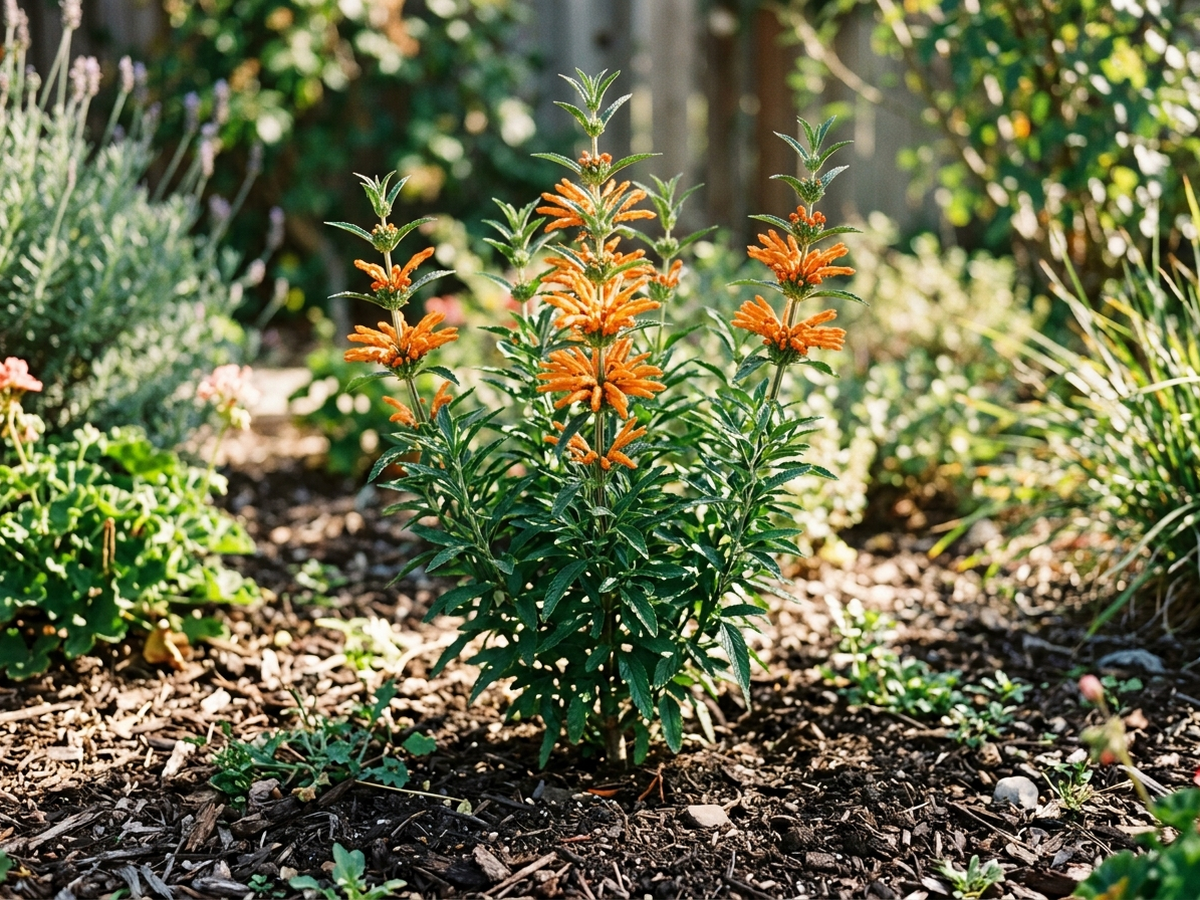
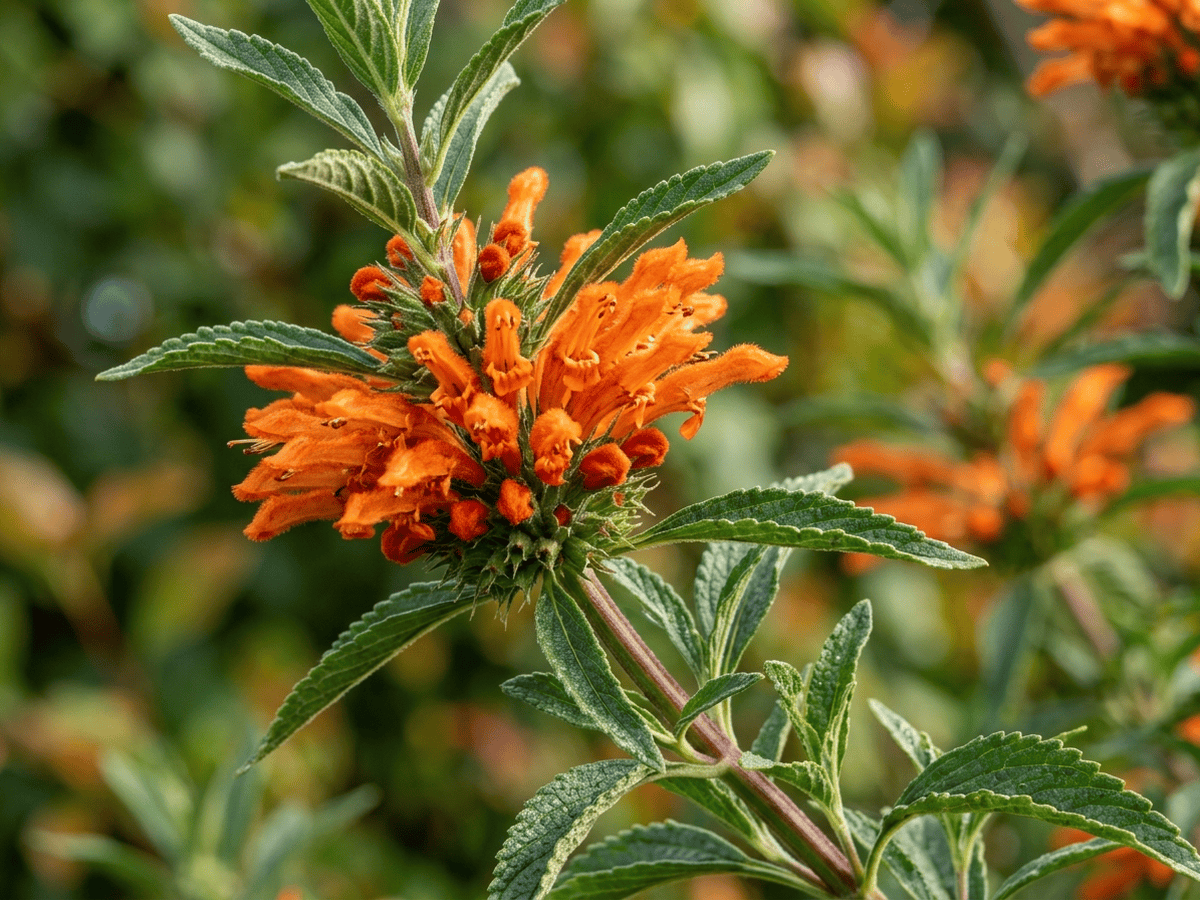
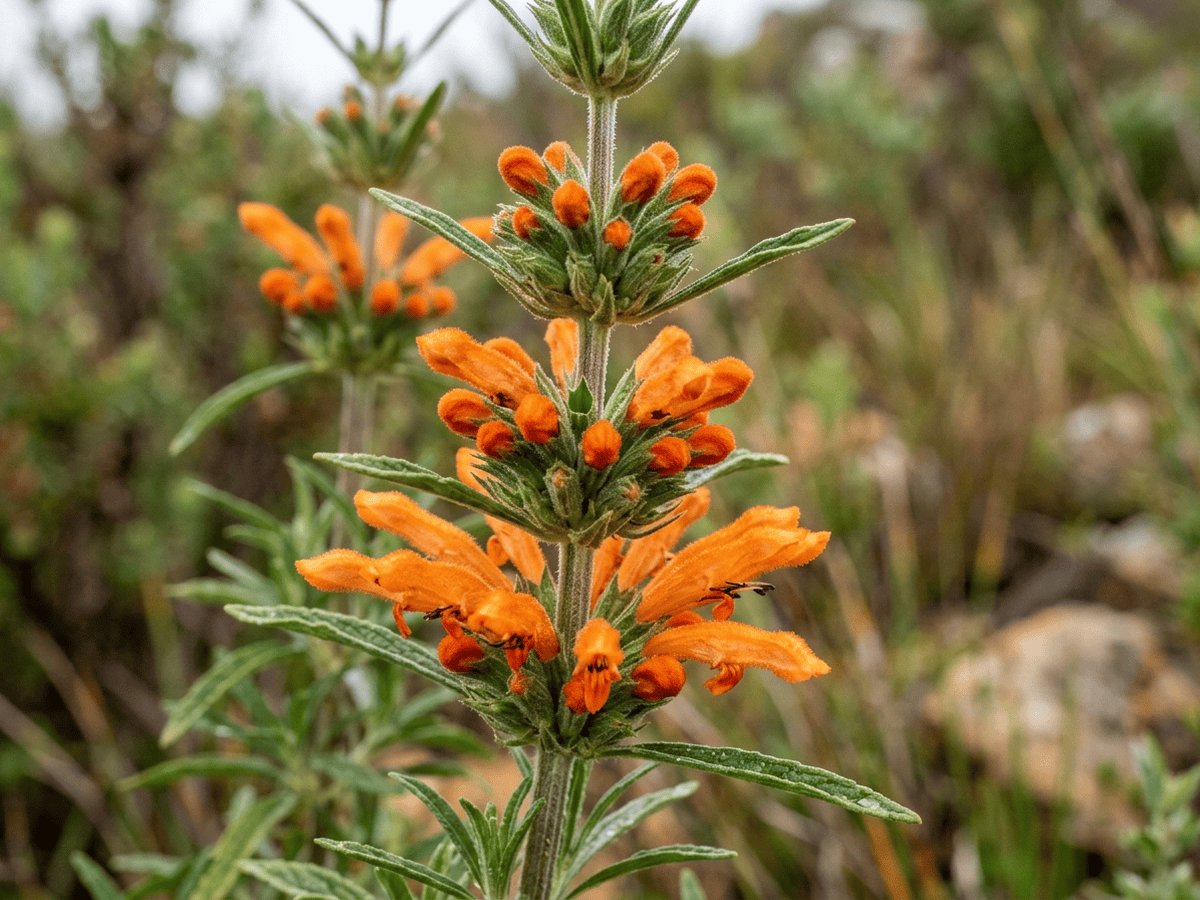
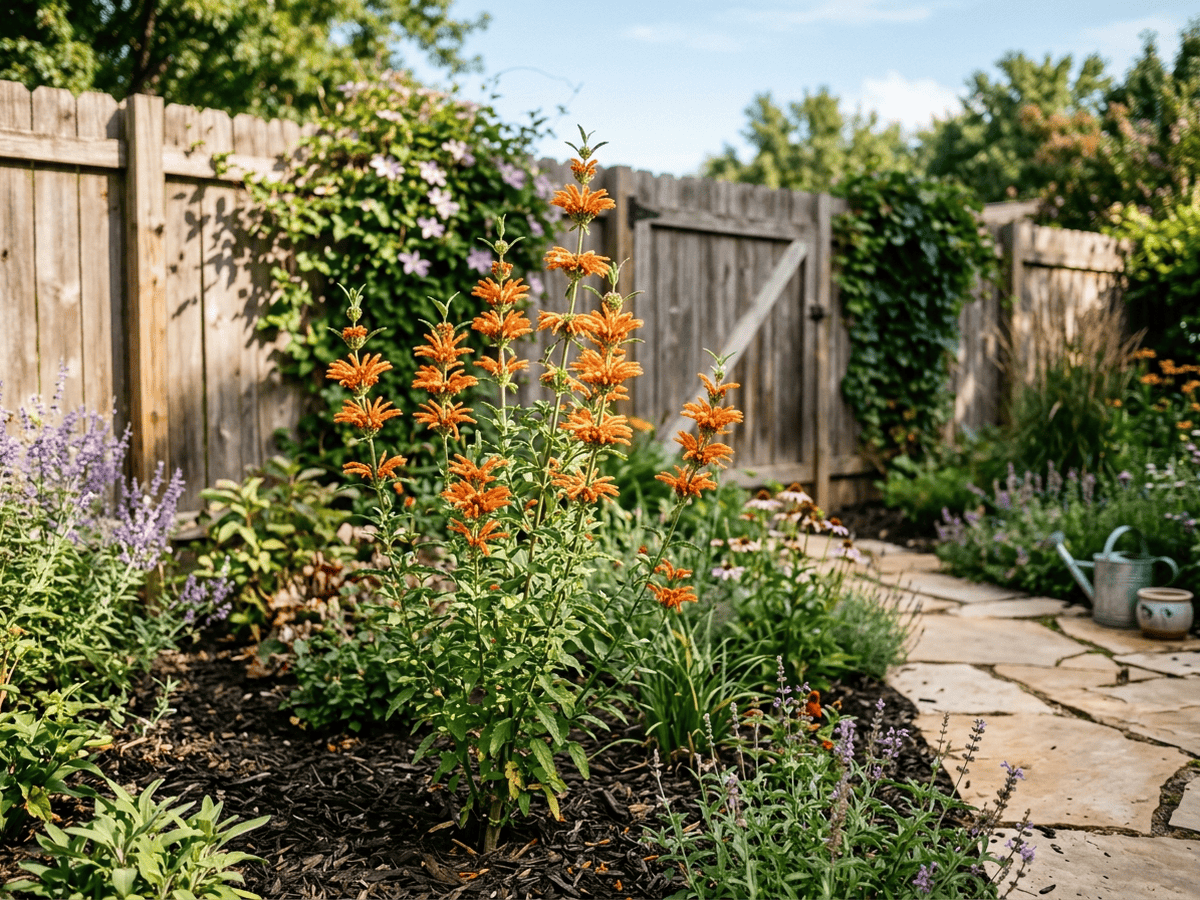
Lion's Ear (Leonotis ocymifolia) is a fast-growing, semi-evergreen shrub in the mint family, native to grasslands and rocky slopes of eastern and southern Africa. Square, downy stems carry basil-scented leaves and rise 3 to 4 feet, topped from late summer into autumn by whorled clusters of tubular orange flowers stacked like fuzzy tufts up the stem, the shaggy blooms giving the genus its Greek name, lion's ear. Full sun and well-drained soil suit it best, and once established it shrugs off drought, drawing sunbirds, bees, and butterflies to its nectar-rich blooms. In parts of its native range, dried leaves and flowering tops have traditionally been brewed or smoked in small amounts for a mild calming effect, a use also recorded for its relative Wild Dagga, though Lion's Ear today is grown mainly as an easy-care ornamental.
- Fragrant
- Drought-tolerant
- Pollinator-friendly
- Fast-growing
- Long-blooming
How to care for Lion's Ear
Watering
- Springevery 5 days
- Summerevery 3 days
- Fallevery 10 days
- Winterpause watering
Soil · Well-draining
- Top dressingPine bark mulch10%
- Main mixPotting soil + perlite 2:170%
- DrainageLECA / gravel20%
Never skip the drainage layer — standing water is the top cause of root rot.
FERTILIZER
Balanced Feed 14-14-14
An even feed covers all three needs at once, keeping leaves, roots and blooms moving together with nothing pushed out of balance.
- Nitrogen · Leaves
- Phosphorus · Roots + Blooms
- Potassium · Strength
- Springevery 30 days
- Summerevery 30 days
- Fallevery 30 days
At a Glance
- NativeSouth Africa
- Height3–4 ft (0.9–1.2 m)
- Spread2–3 ft (0.6–0.9 m)
- Flower colorOrange, Yellow
- Foliage colorGreen
- Fruit colorBrown
- SoilWell-drained, Loamy
- LocationsYard · Patio
Bloom time
BLOOM CYCLE
Peak bloom
Sep–Nov
This plant blooms in autumn, attracting many bees and butterflies.
Fragrance
LIGHT FRAGRANCE
Crushed leaves release a mild, basil-like herbal scent; the flowers themselves are not notably fragrant.
Toxicity
No toxicity has been reported for this plant. Still, it is wise to keep pets from chewing on any houseplant.
Educational information, not medical or veterinary advice. If exposure is suspected, contact a doctor or veterinarian.
DISTRIBUTION


- Native
- South Africa
History
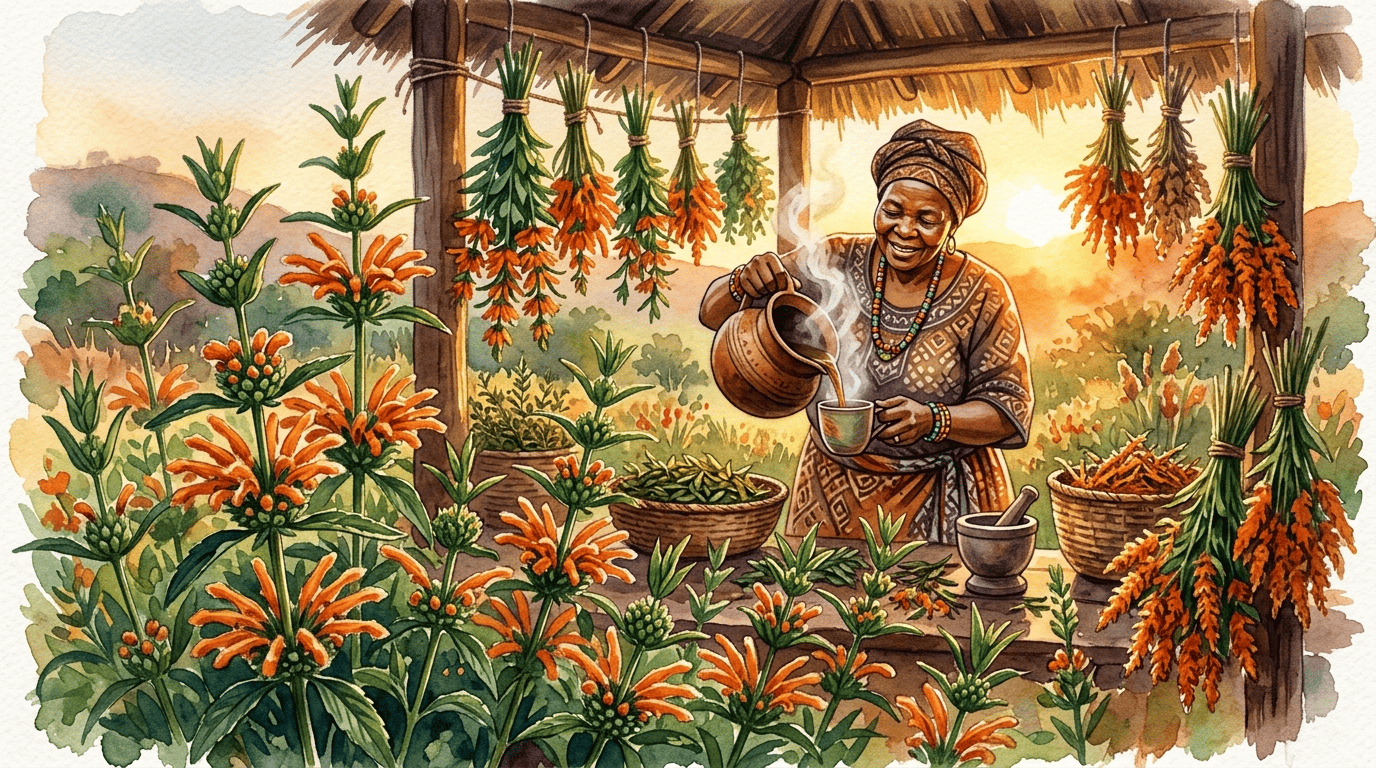
Lion's Ear grows wild across the grasslands, rocky hillsides, and forest margins of eastern and southern Africa, from Ethiopia and Kenya south to South Africa. For generations, traditional healers in these regions have gathered its leaves and flowering tops as part of everyday plant medicine, brewing them into teas for coughs, colds, and fevers, or applying preparations to soothe skin complaints, insect stings, and snakebite. In some communities the dried leaves and flower spikes are also smoked in small amounts, valued for a mild, calming effect, a use that runs in parallel with the plant's better-known relative, Wild Dagga (Leonotis leonurus), with which it was long confused and classified. Botanists eventually separated the two species by their leaf shape and native range: Lion's Ear carries narrower, basil-like leaves, giving it the species name ocymifolia, and tends to favor slightly higher, cooler ground than its lowland cousin. The genus name itself, from the Greek for 'lion's ear,' was inspired by the shaggy, tufted whorls of orange flowers that ring the stem at intervals, said to resemble the fringed ear of a lion mid-roar. European botanical collectors recorded the plant during nineteenth-century expeditions into the African interior, and it later spread into gardens worldwide, prized less for any single dramatic event than for the quiet, consistent role it has played for generations as a household remedy, a pollinator magnet, and a striking, low-maintenance garden shrub.
Symbolism & meaning
What It Symbolizes
Because its shaggy orange flower whorls were said to resemble a lion's tufted ear, Lion's Ear became linked in folk imagination with the courage and vigilance of the lion itself, a plant thought to stand guard where it grew. Its ability to thrive in thin, rocky soil and shrug off long dry seasons only reinforced that reputation, making it a quiet symbol of resilience in gardens and homesteads alike.
- Courage — Named for the lion, Lion's Ear has long carried associations of boldness and protection in the cultures where it grows wild.
- Resilience — Thriving in poor, rocky soil and shrugging off drought, the plant stands as a natural emblem of toughness and endurance.
Where the Name Comes From
The genus name Leonotis comes from the Greek leon ('lion') and ous/otis ('ear'), a nod to the fuzzy, tufted flower whorls that resemble a lion's furry ear. The species name ocymifolia means 'basil-leaved,' describing foliage similar in shape and scent to basil (Ocimum).
Uses & Fun Facts
- Nectar-rich flower whorls draw sunbirds, bees, and butterflies through late summer and autumn.
- Leaves and flowering tops have a long history of traditional use in southern and eastern Africa, brewed as a tea or smoked in small amounts.
- Tall spikes of fuzzy orange flower whorls make a striking, easy-care border or accent shrub.
- A reliable nectar source that supports garden pollinators and birds through the dry season.
Related plants
Plants with similar care
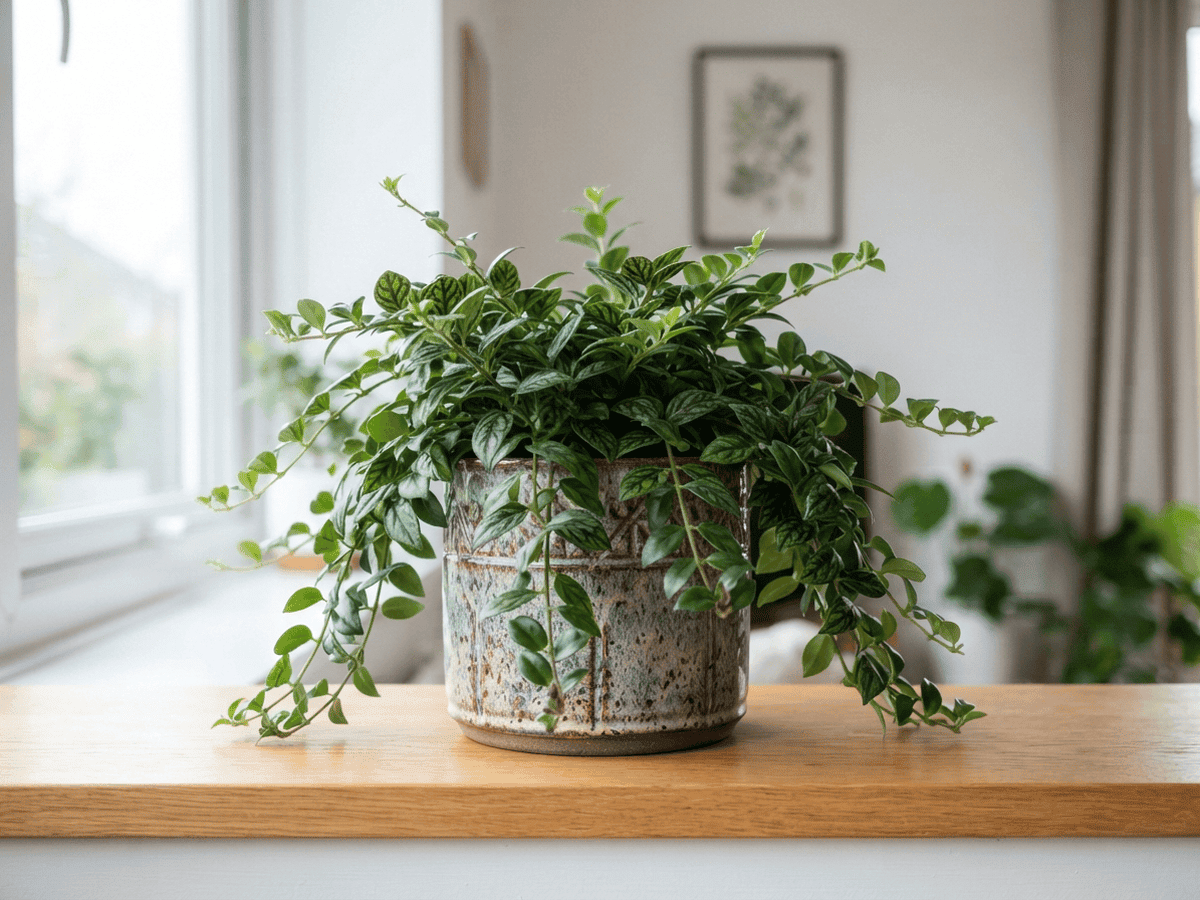 Lipstick PlantAeschynanthus longicaulis
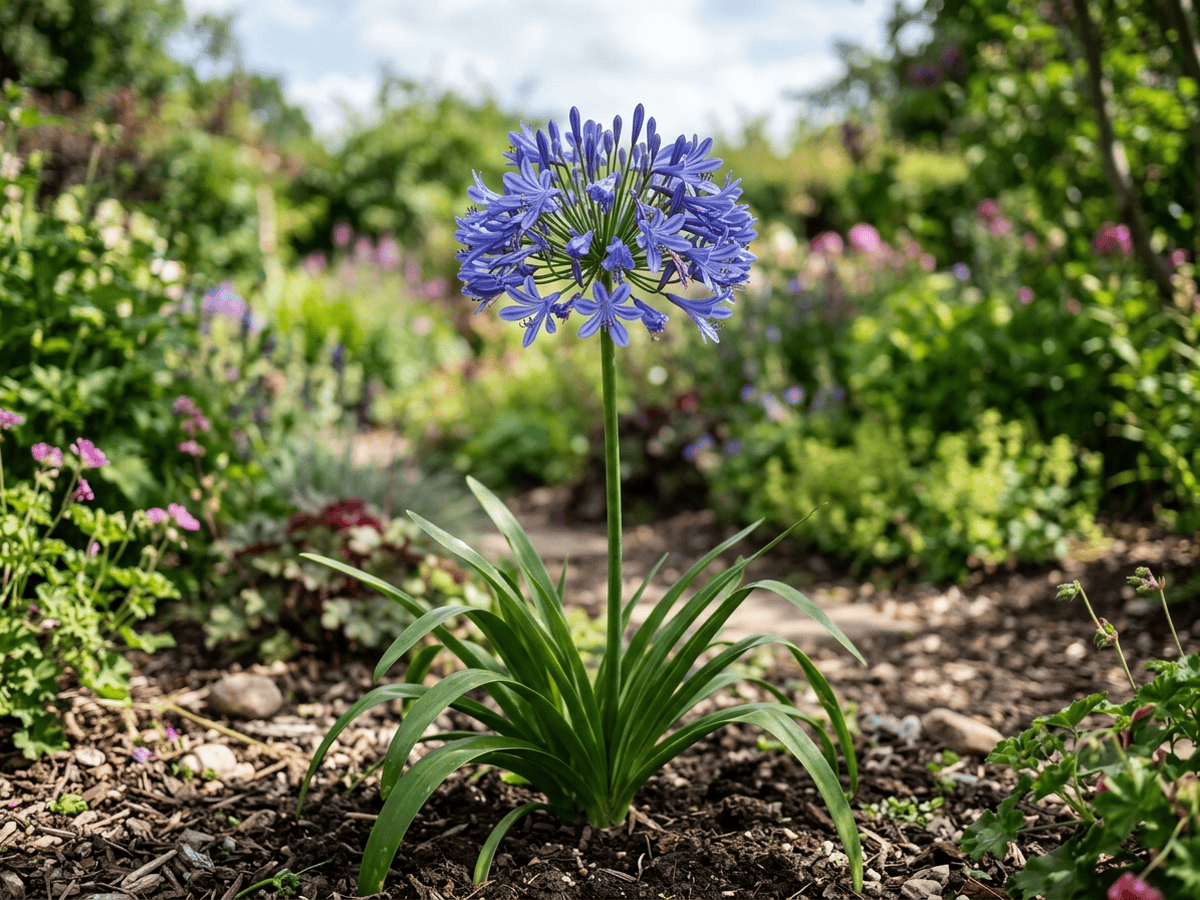 African LilyAgapanthus africanus
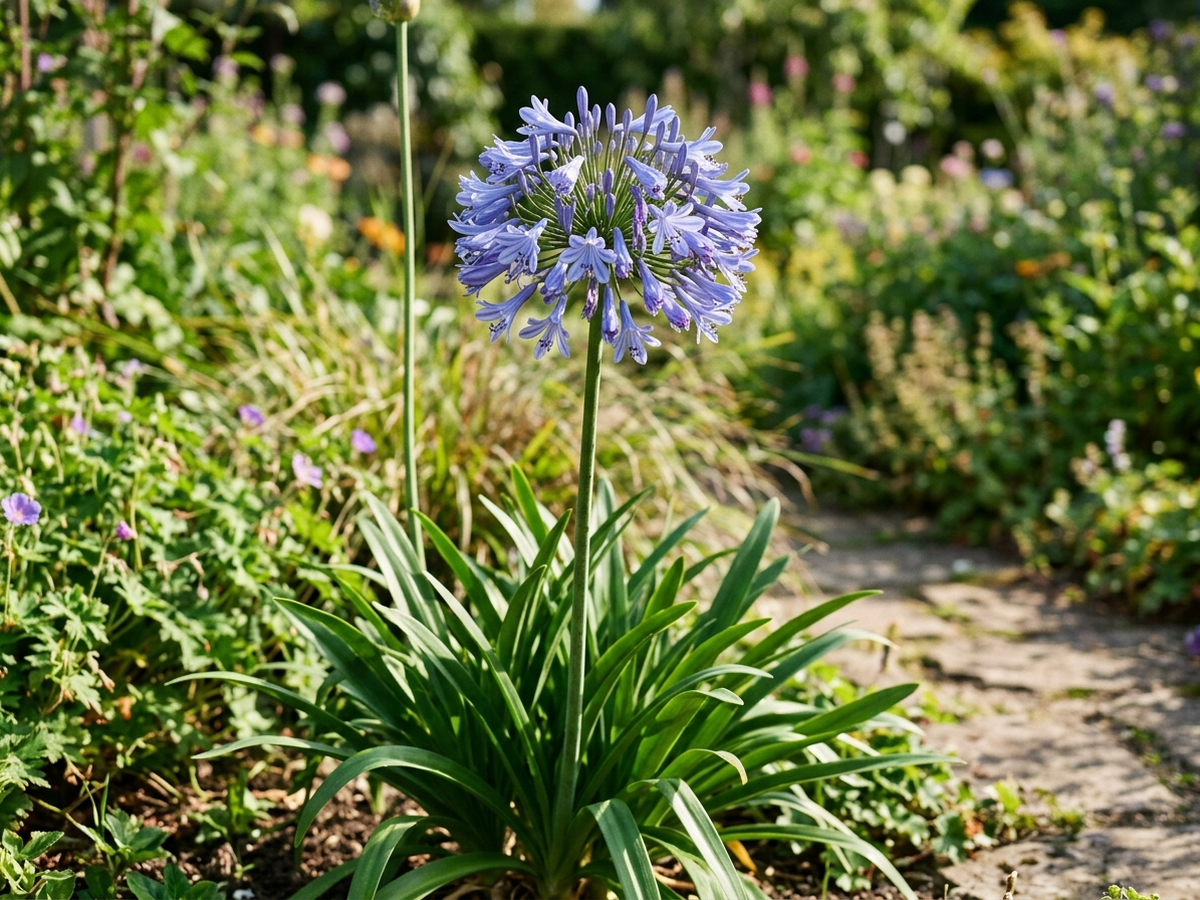 Bell AgapanthusAgapanthus campanulatus
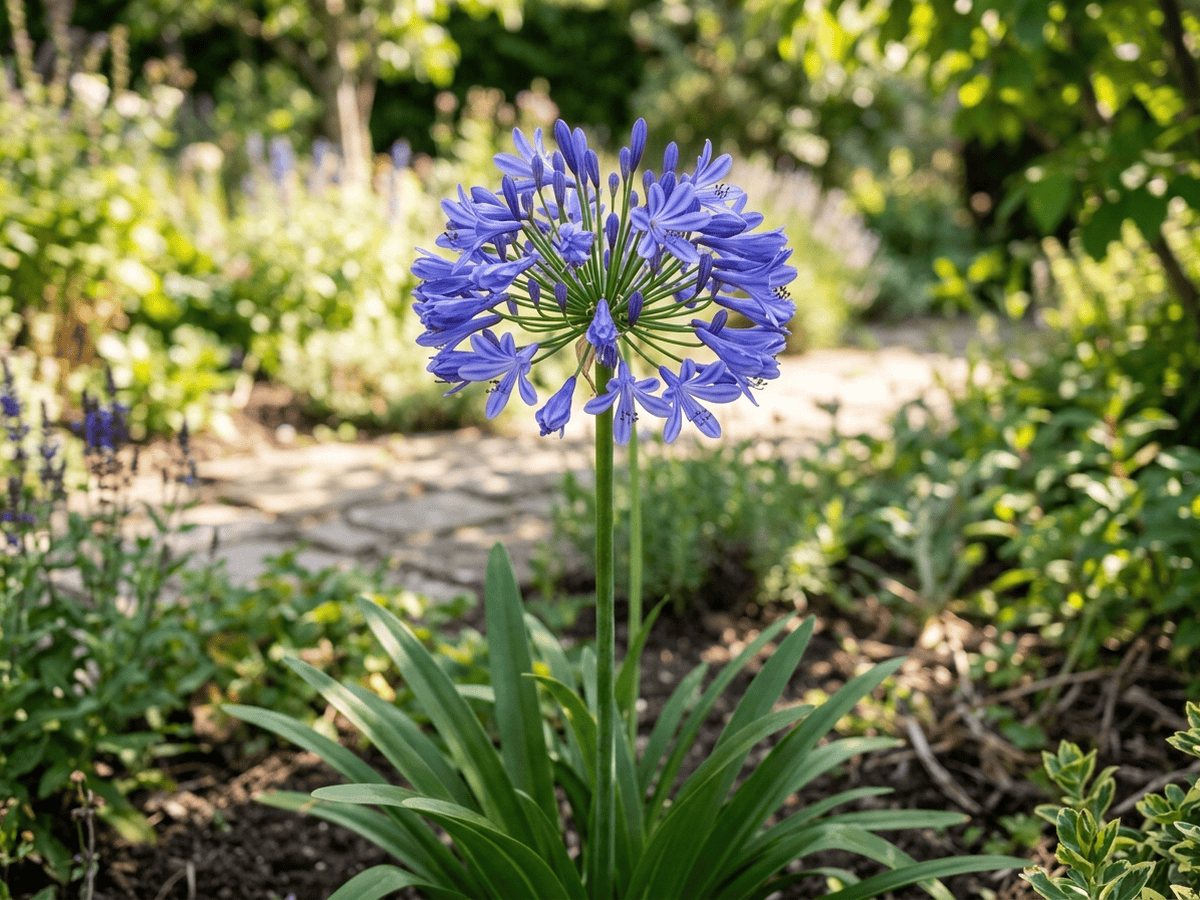 Common AgapanthusAgapanthus praecox
Frequently asked questions
How often should I water Lion's Ear?
Water about every 5 days during the growing season, and always let excess water drain away.
How much light does Lion's Ear need?
Part sun: 4–6 hrs direct. Watch the leaves — scorching or stretching means the light needs adjusting.
Is Lion's Ear toxic to cats or dogs?
No toxicity has been reported for this plant. Still, it is wise to keep pets from chewing on any houseplant. Educational information, not medical or veterinary advice. If exposure is suspected, contact a doctor or veterinarian.
Is Lion's Ear easy to grow?
It is considered challenging and rewards experienced growers.
When does Lion's Ear bloom?
It typically blooms Sep–Nov in the Northern Hemisphere.
YardMate
Identify any plant in seconds
Snap a photo — YardMate names the plant, diagnoses problems, and reminds you when to water.
Download on the App Store