 YardMate


Leopardplant
Ligularia dentata
Medium · Some experienceAbout Leopardplant
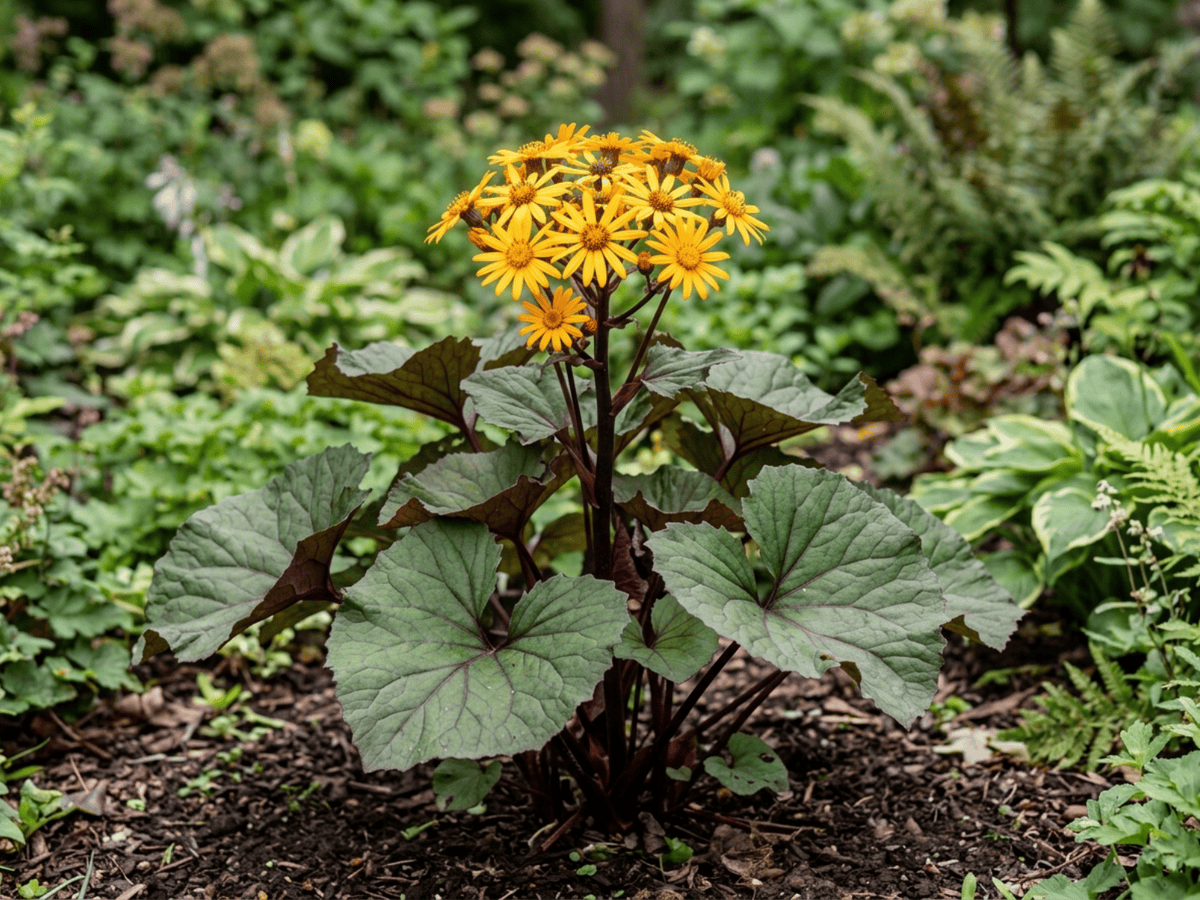
Bigleaf Ligularia is a perennial from China and Japan, 3–4 feet tall, with enormous round or heart-shaped leaves (often burgundy-backed) and tall panicles of bright orange-yellow daisy flowers in midsummer. 'Britt-Marie Crawford' (chocolate-purple leaves) and 'Desdemona' (purple undersides) are top American garden-center cultivars. Requires moist soil; wilts dramatically in heat. Hardy zones 4–8.
- Architectural
- Pollinator-friendly
How to care for Leopardplant
Watering
- Springevery 3 days
- Summerevery 2 days
- Fallevery 4 days
- Winterpause watering
Soil · Moisture-retentive
- Top dressingSphagnum moss10%
- Main mixPeat + coco coir 1:180%
- DrainagePerlite / gravel10%
Keep it evenly moist — but the drainage layer still matters.
FERTILIZER
Balanced Feed 14-14-14
An even feed covers all three needs at once, keeping leaves, roots and blooms moving together with nothing pushed out of balance.
- Nitrogen · Leaves
- Phosphorus · Roots + Blooms
- Potassium · Strength
- Springevery 30 days
- Summerevery 30 days
At a Glance
- NativeEast Asia
- Height3–4 ft (0.9–1.2 m)
- Spread2–4 ft (0.6–1.2 m)
- Flower colorYellow, Orange
- Foliage colorGreen, Purple, Bronze
- SoilLoamy, Moisture-retentive, Rich
- LocationsYard
Bloom time
BLOOM CYCLE
Peak bloom
Jun–Aug
Orange-yellow daisy panicles midsummer
Toxicity
Humans Moderate · Pets Moderate
pyrrolizidine alkaloids
Moderate
- All
- Ingestion
EXPOSURE Eating any part of the plant.
EFFECT Liver damage with chronic ingestion.
NOTE Contains hepatotoxic alkaloids typical of Senecioneae tribe.
Moderate
- All
- Ingestion
EXPOSURE Eating any part of the plant.
EFFECT Vomiting and liver toxicity.
NOTE Contains hepatotoxic alkaloids typical of Senecioneae tribe.
Moderate
- All
- Ingestion
EXPOSURE Eating any part of the plant.
EFFECT Vomiting and liver toxicity.
NOTE Contains hepatotoxic alkaloids typical of Senecioneae tribe.
Educational information, not medical or veterinary advice. If exposure is suspected, contact a doctor or veterinarian.
DISTRIBUTION

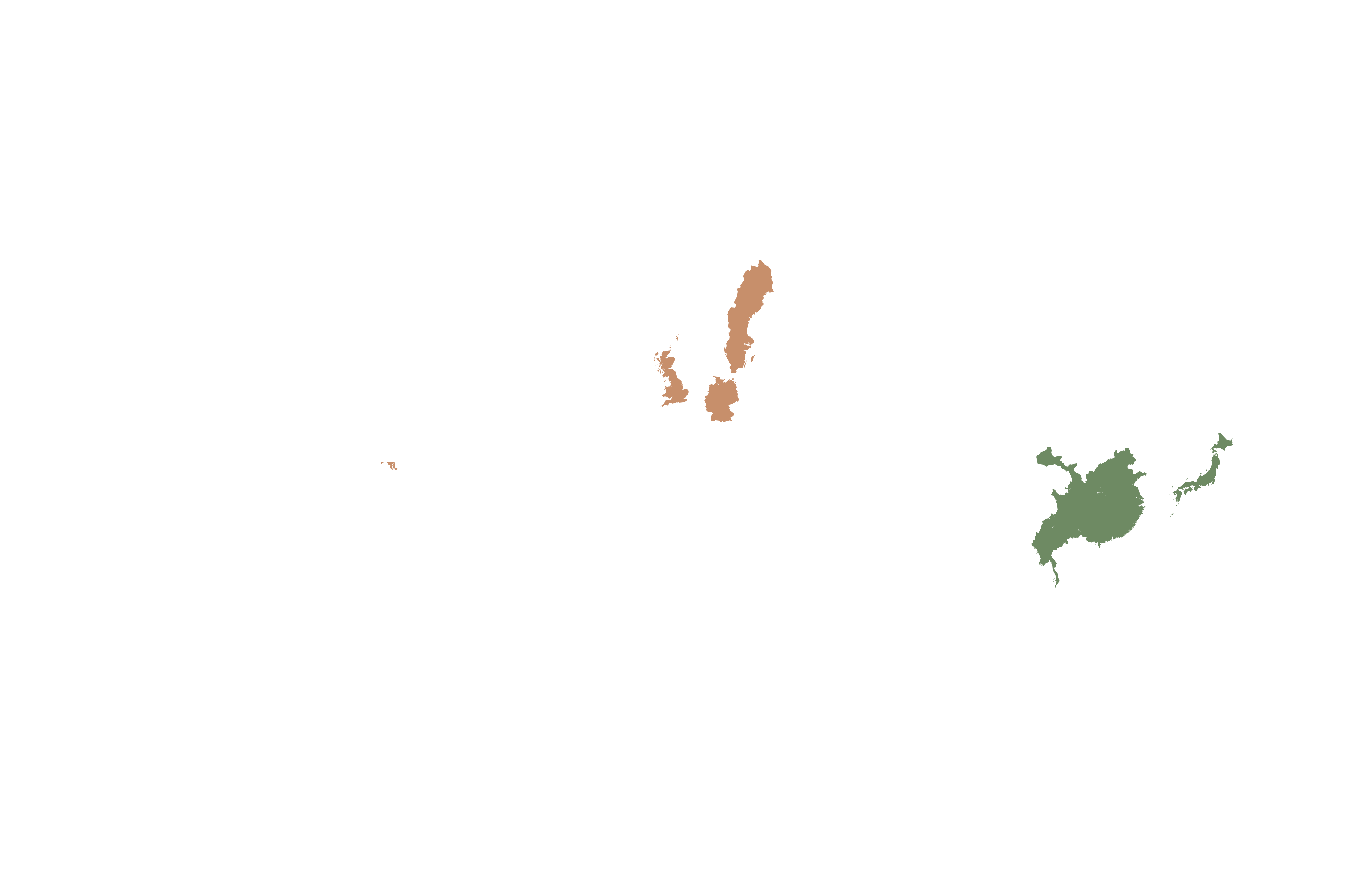
- Native
- Introduced
- East Asia
History
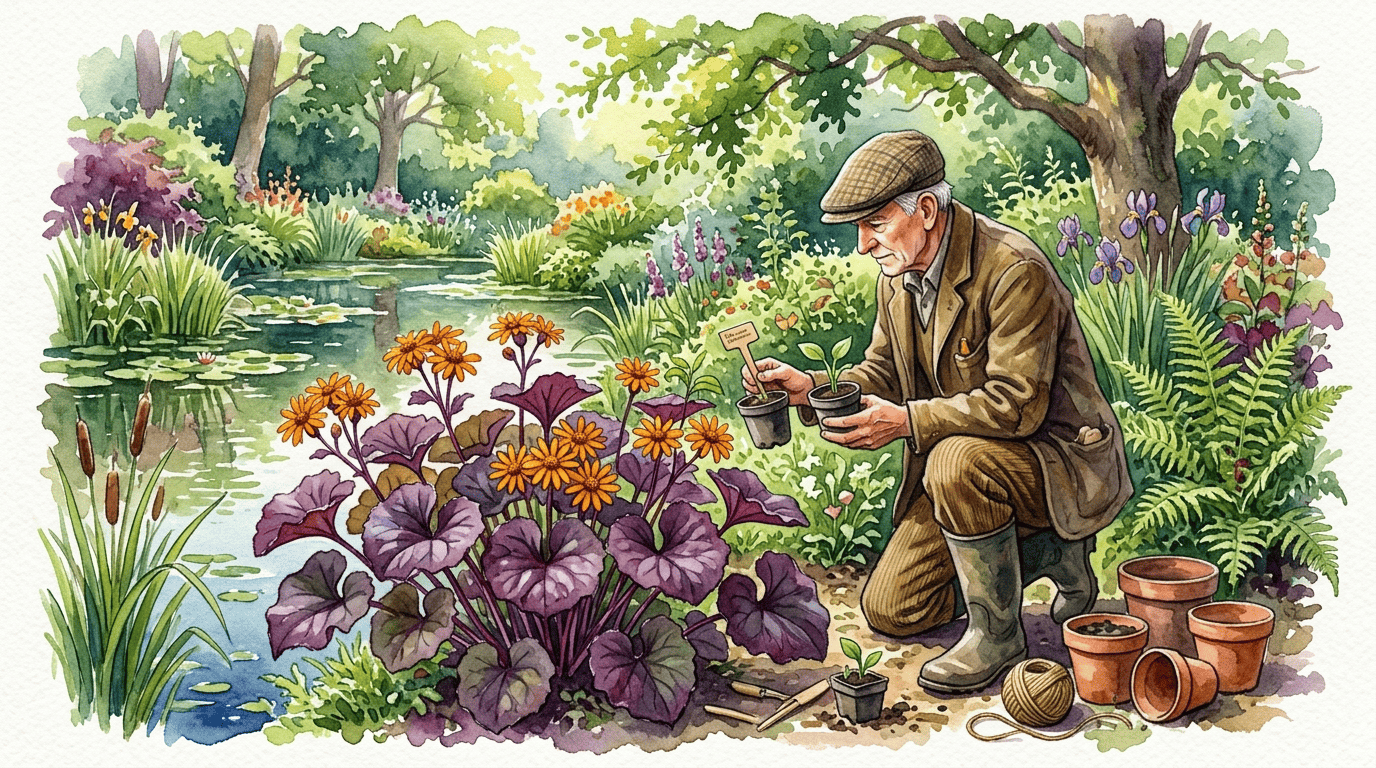
Ligularia dentata grows in moist meadows and streamsides across eastern China and parts of Japan. Scottish plant hunter Robert Fortune collected specimens during his 1843-45 China expedition for the Royal Horticultural Society. The species entered European cultivation and was initially classified under Senecio before the genus Ligularia was recognized.
In the 1940s British nurseries introduced the cultivars 'Desdemona' and 'Othello' with deep purple-burgundy leaves and orange daisy-like flowers, named after Shakespearean characters. These selections revolutionized its garden use, making it a staple of moist borders and pond margins in European and North American gardens. The genus name derives from Latin ligula for the strap-shaped ray florets. Japanese traditional cuisine uses young leaves of related species. 'Britt-Marie Crawford', a Scottish selection with near-black foliage, became one of the most popular new American shade perennials in the 2000s.
Symbolism & meaning
What It Symbolizes
Leopardplant makes a bold statement with it dramatic round leaves and tall stems of brilliant orange daisy flowers, refusing to be a quiet member of the shade border. It stands for abundance, a lush thriller for moist gardens whose entire presence evokes generosity. It is often read as a flower of confident scale, a perennial unafraid of taking up space, reminding us that some shade-loving plants are anything but shy.
- Bold statement — dramatic leaves and orange blooms
- Abundance — lush moist-garden thriller
Where the Name Comes From
Genus from Latin 'ligula' (small strap) for the ray flowers; 'dentata' means 'toothed' for the leaf edges.
Uses & Fun Facts
- Burgundy round leaves and orange daisies in moist shade
- Bold architectural perennial for pond edges and bogs
- Bright yellow-orange flowers attract butterflies and bees
Related plants
More Ligularia plants
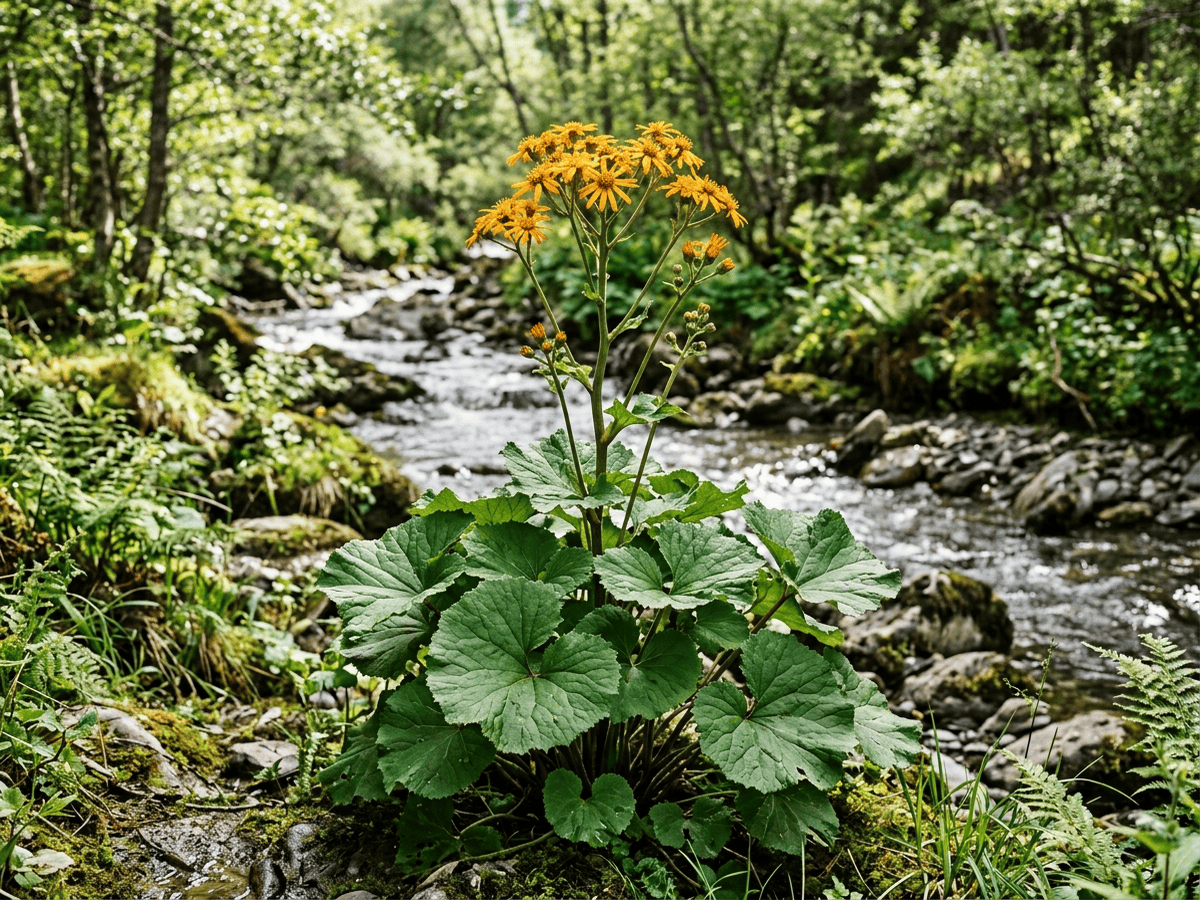 Fischer’s RagwortLigularia fischeri
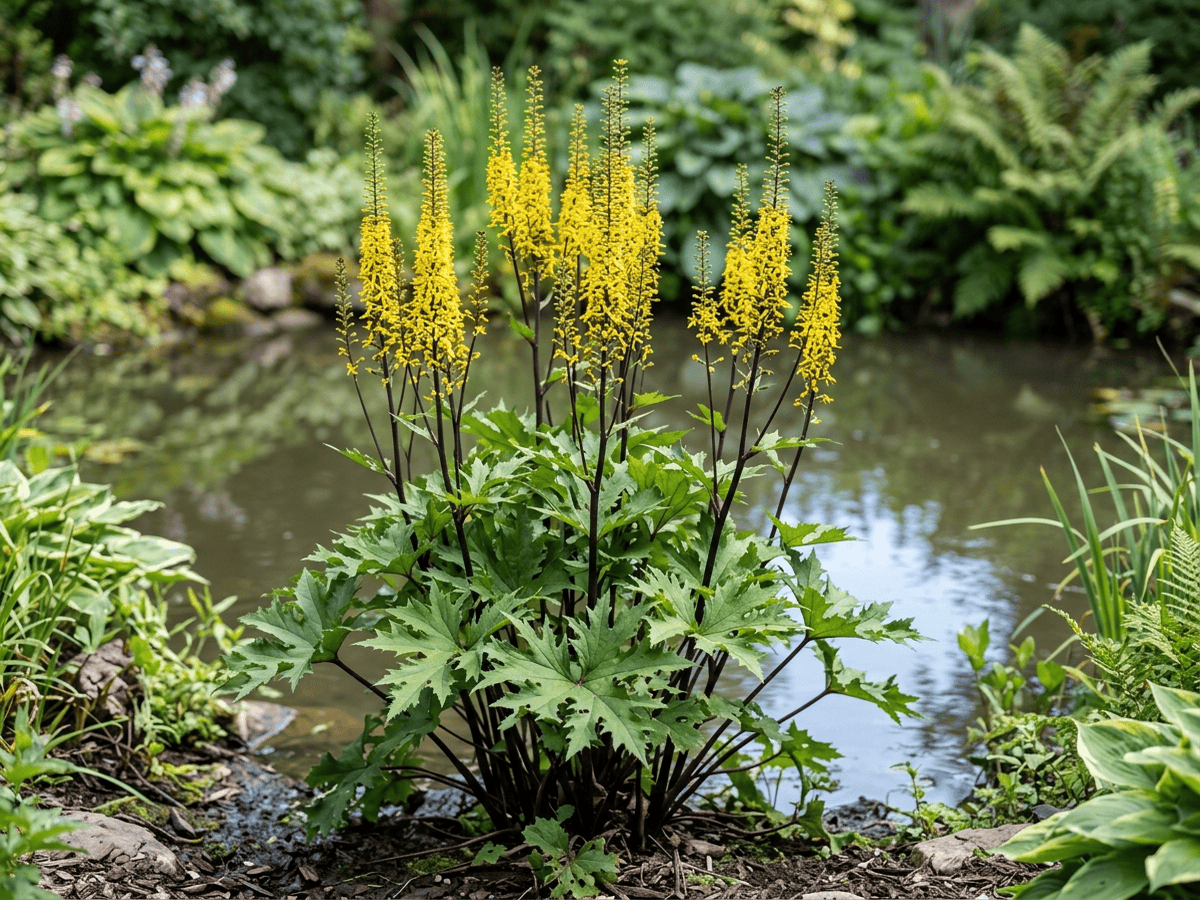 Przewalski's LeopardplantLigularia przewalskii
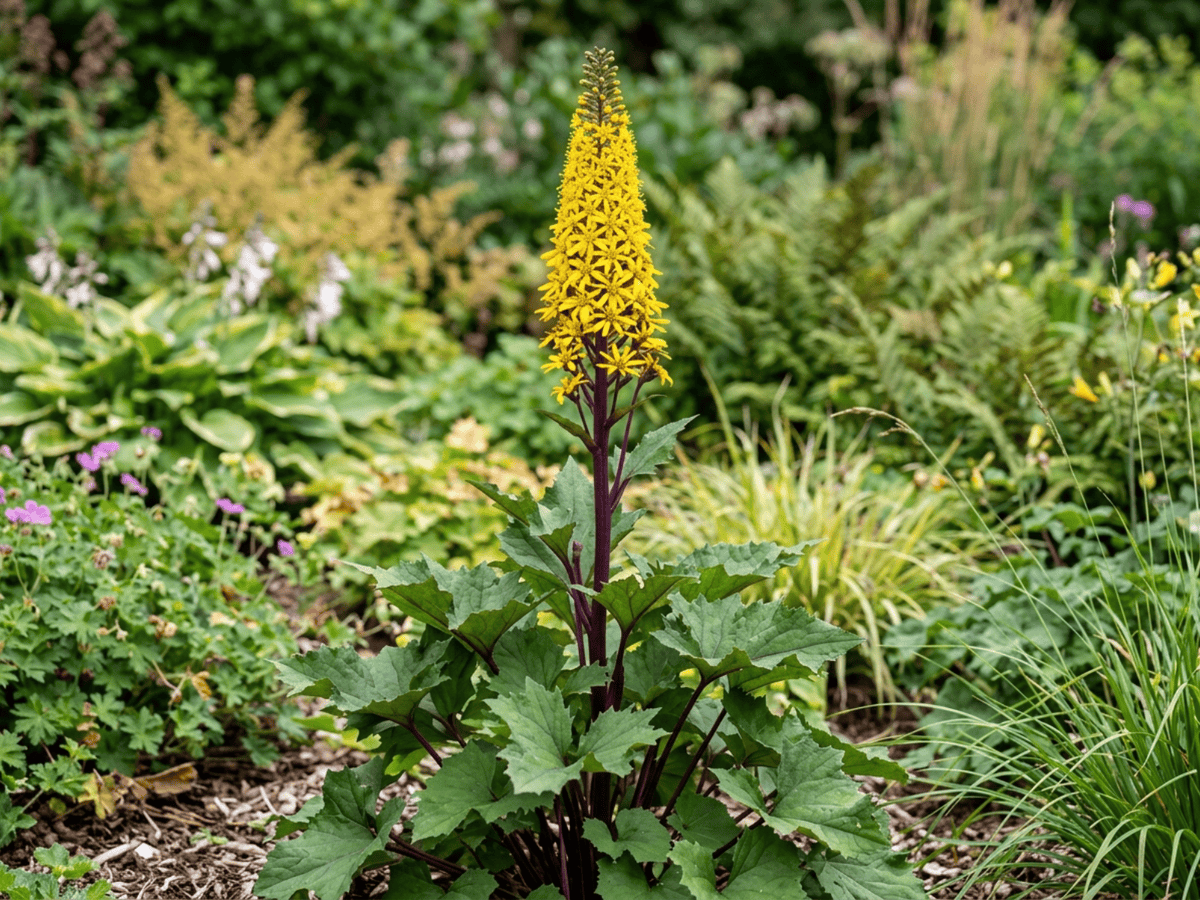 Narrow-Head RagwortLigularia stenocephala
Plants with similar care
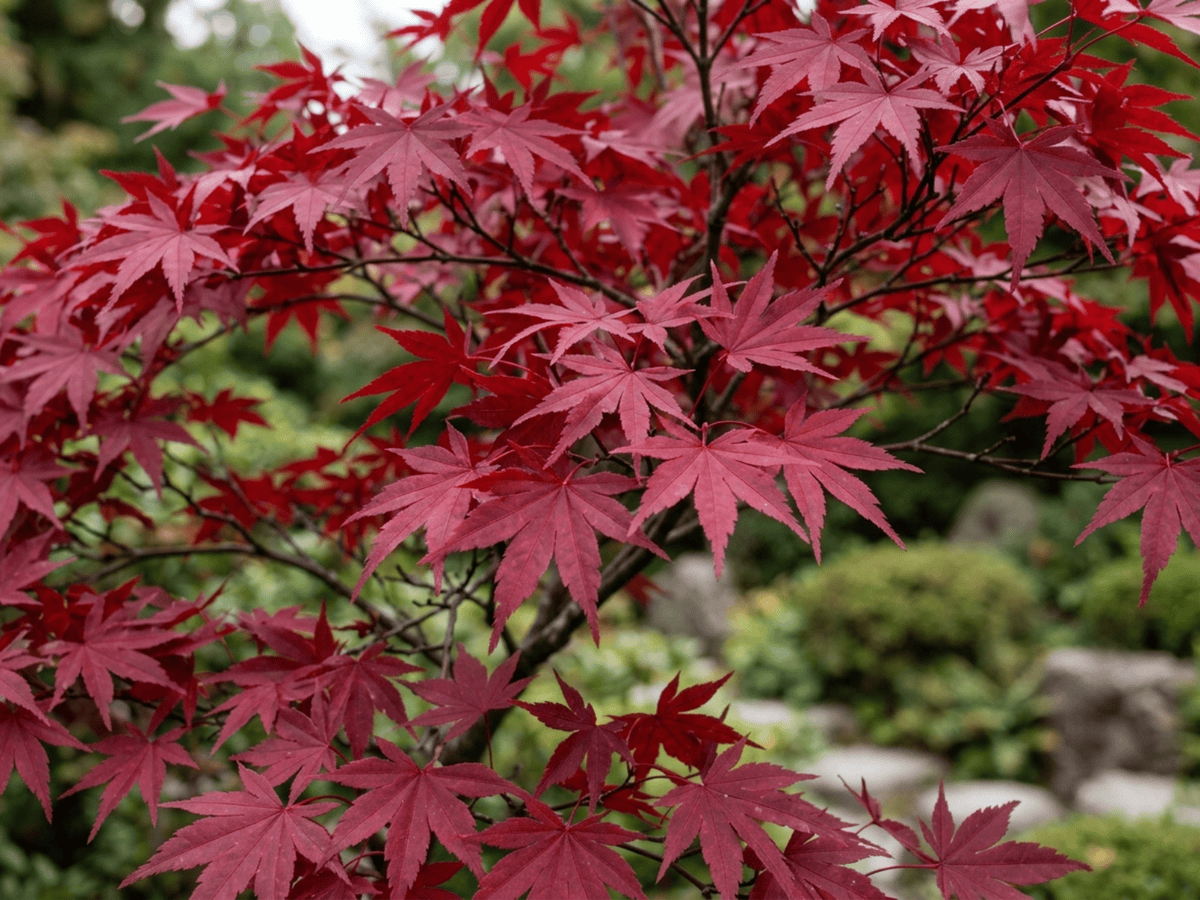 Japanese MapleAcer palmatum
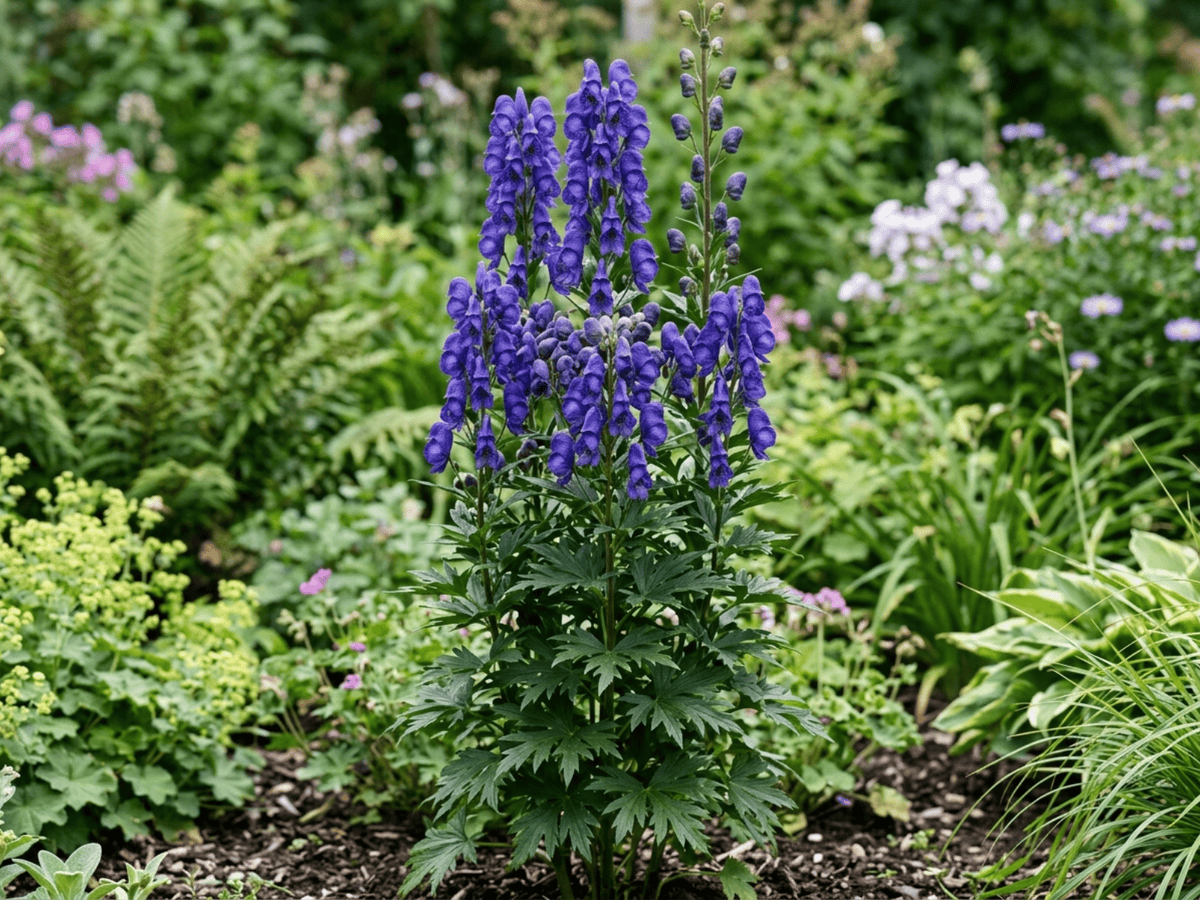 Azure MonkshoodAconitum carmichaelii
 Florida HobblebushAgarista populifolia
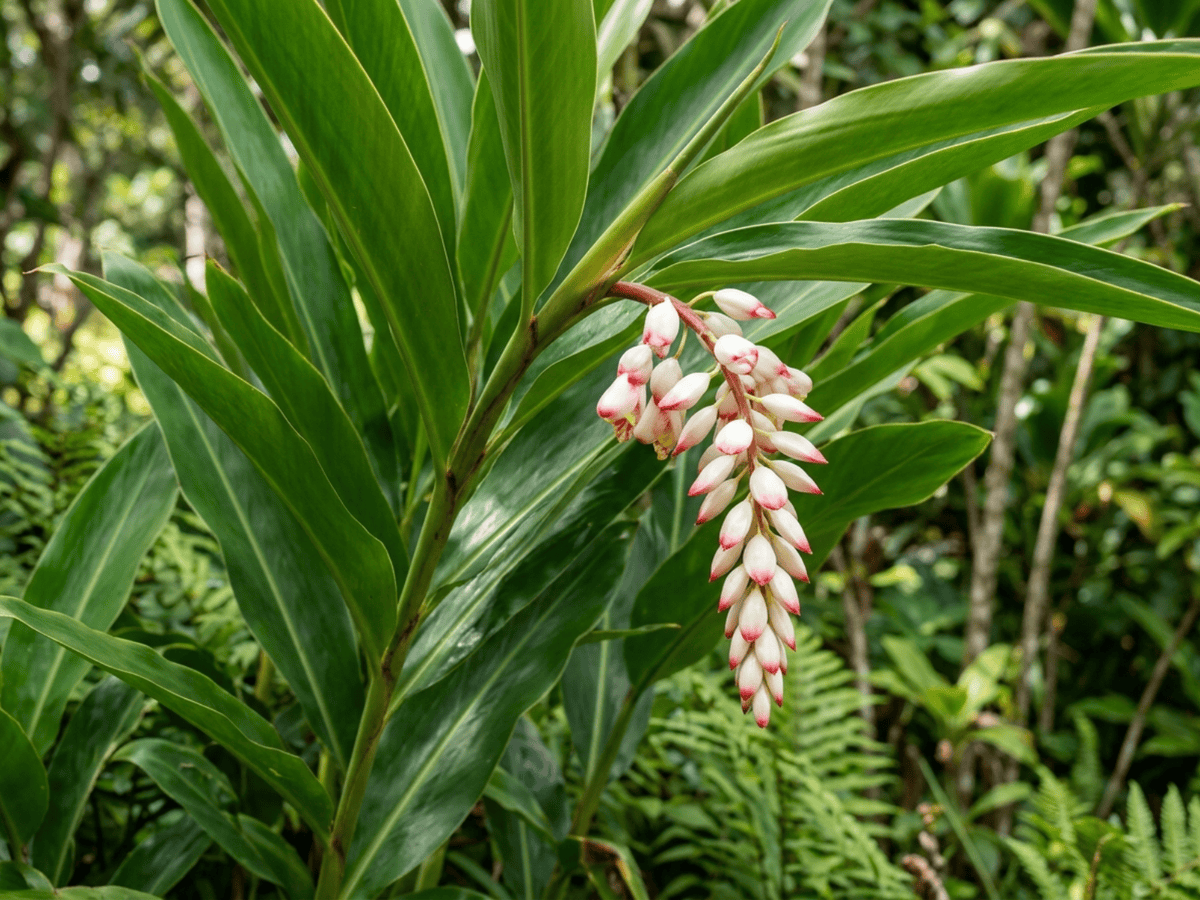 Shell GingerAlpinia zerumbet
Frequently asked questions
How often should I water Leopardplant?
Water about every 3 days during the growing season, and always let excess water drain away.
How much light does Leopardplant need?
Part shade: 2–4 hrs direct. Watch the leaves — scorching or stretching means the light needs adjusting.
Is Leopardplant toxic to cats or dogs?
Pets Moderate (Dogs Moderate · Cats Moderate) Educational information, not medical or veterinary advice. If exposure is suspected, contact a doctor or veterinarian.
Is Leopardplant easy to grow?
It is moderately demanding: a good choice once you have a little experience.
When does Leopardplant bloom?
It typically blooms Jun–Aug in the Northern Hemisphere.
YardMate
Identify any plant in seconds
Snap a photo — YardMate names the plant, diagnoses problems, and reminds you when to water.
Download on the App Store