 YardMate


Fischer’s Ragwort
Ligularia fischeri
Medium · Some experienceAbout Fischer’s Ragwort
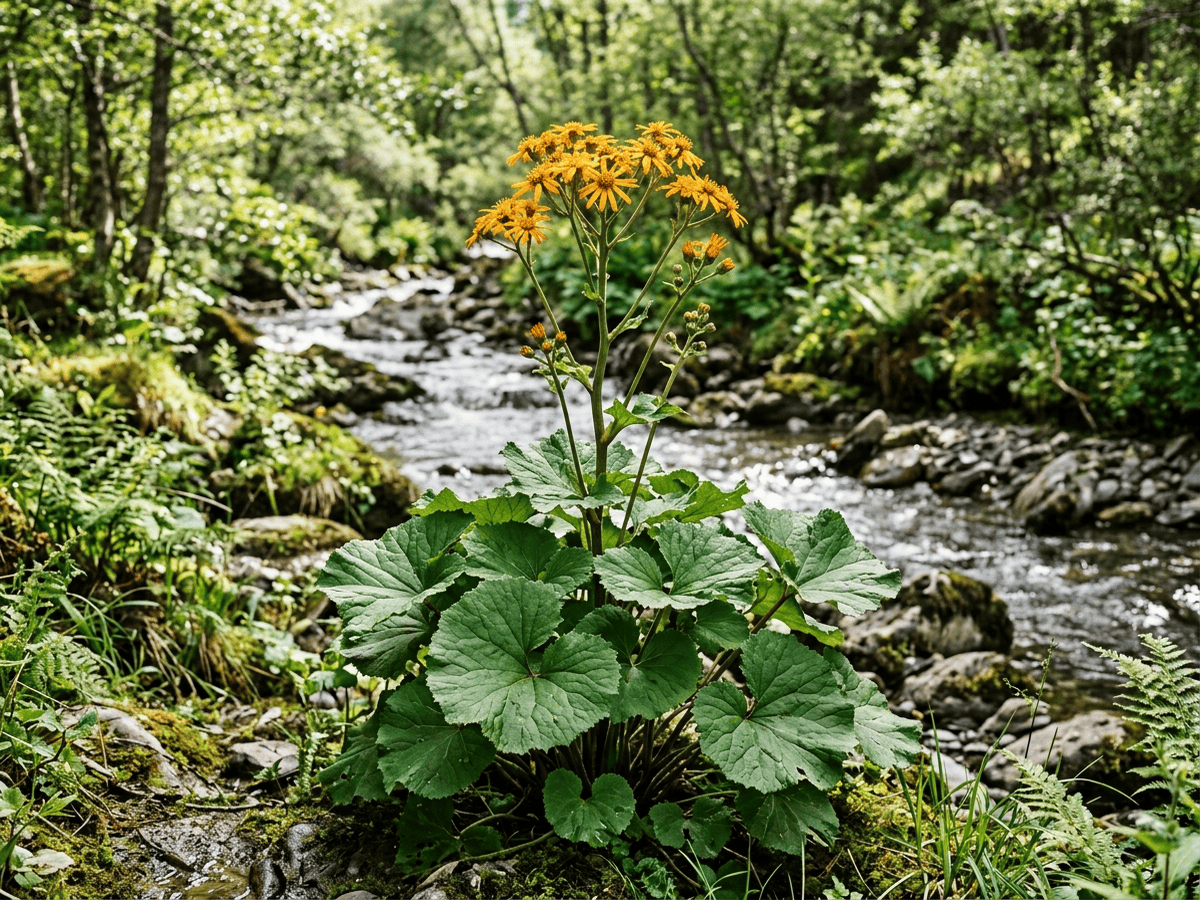
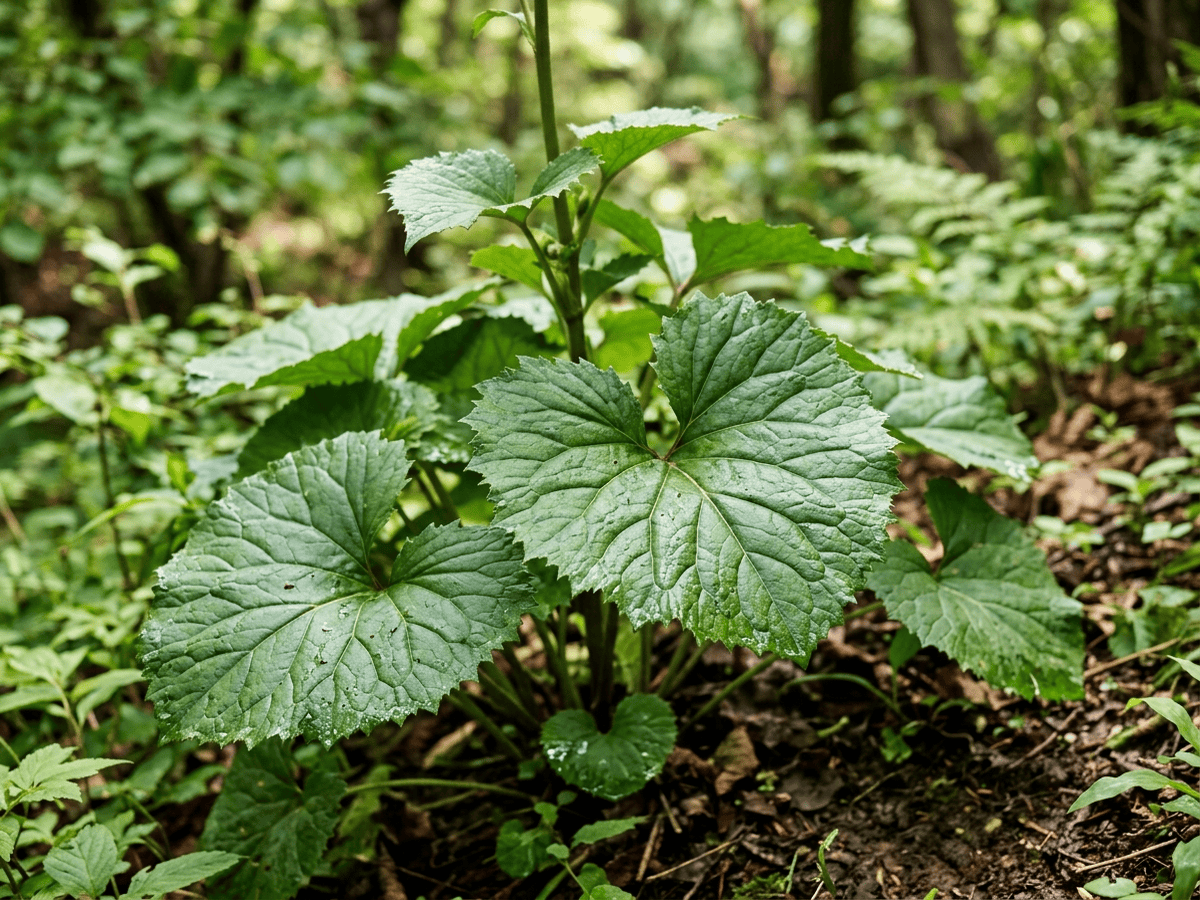
Fischer's Ligularia or Korean Gomchwi is an East Asian perennial grown both as an ornamental and as a traditional edible green. Forming clumps 3 to 4 feet tall with large kidney-shaped leaves, it produces branched spikes of yellow daisy flowers in late summer. Widely cultivated in Korea as the prized wild green 'gomchwi' used in bibimbap and ssam wraps, and gaining popularity in American edible-ornamental gardens.
- Edible
- Shade-tolerant
- Architectural
- Pollinator-friendly
How to care for Fischer’s Ragwort
Watering
- Springevery 3 days
- Summerevery 2 days
- Fallevery 5 days
- Winterevery 10 days
Soil · Rich & well-draining
- Top dressingCompost10%
- Main mixPotting soil + compost 3:180%
- DrainageGravel10%
Top up the compost layer each season.
FERTILIZER
Balanced Feed 14-14-14
An even feed covers all three needs at once, keeping leaves, roots and blooms moving together with nothing pushed out of balance.
- Nitrogen · Leaves
- Phosphorus · Roots + Blooms
- Potassium · Strength
- Springevery 30 days
- Summerevery 45 days
At a Glance
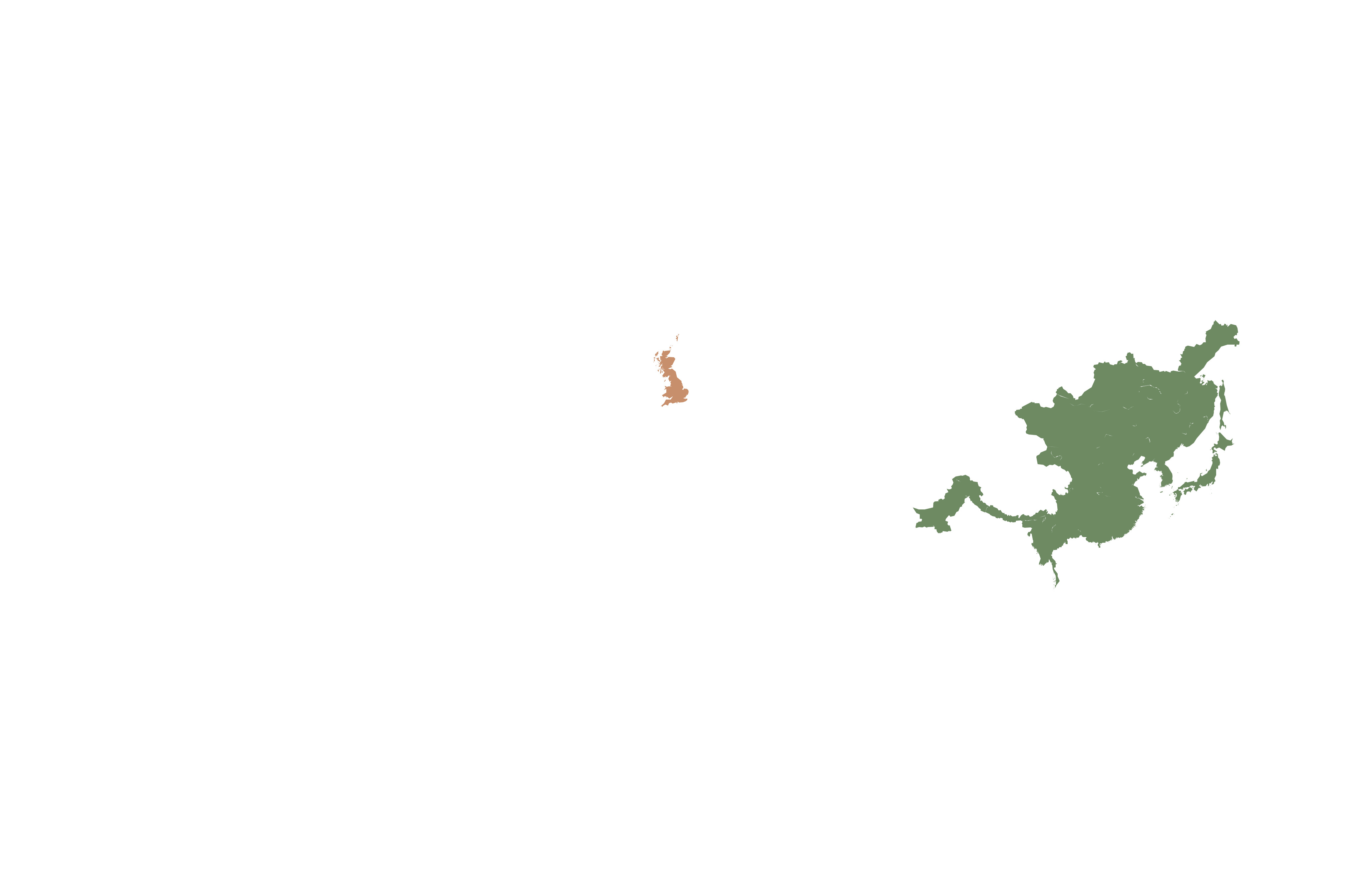
- NativeEast Asia, Europe
- Height3–5 ft (0.9–1.5 m)
- Spread2–3 ft (0.6–0.9 m)
- Flower colorYellow
- Foliage colorGreen
- SoilLoamy, Moisture-retentive, Rich
- LocationsYard
Bloom time
BLOOM CYCLE
Peak bloom
Aug–Sep
Branched yellow spikes August to September
Fragrance
MODERATE FRAGRANCE
Young leaves with distinct aromatic, slightly resinous scent valued in Korean cuisine.
Toxicity
No toxicity has been reported for this plant. Still, it is wise to keep pets from chewing on any houseplant.
Educational information, not medical or veterinary advice. If exposure is suspected, contact a doctor or veterinarian.
DISTRIBUTION

- Native
- Introduced
- East Asia
- Europe
History
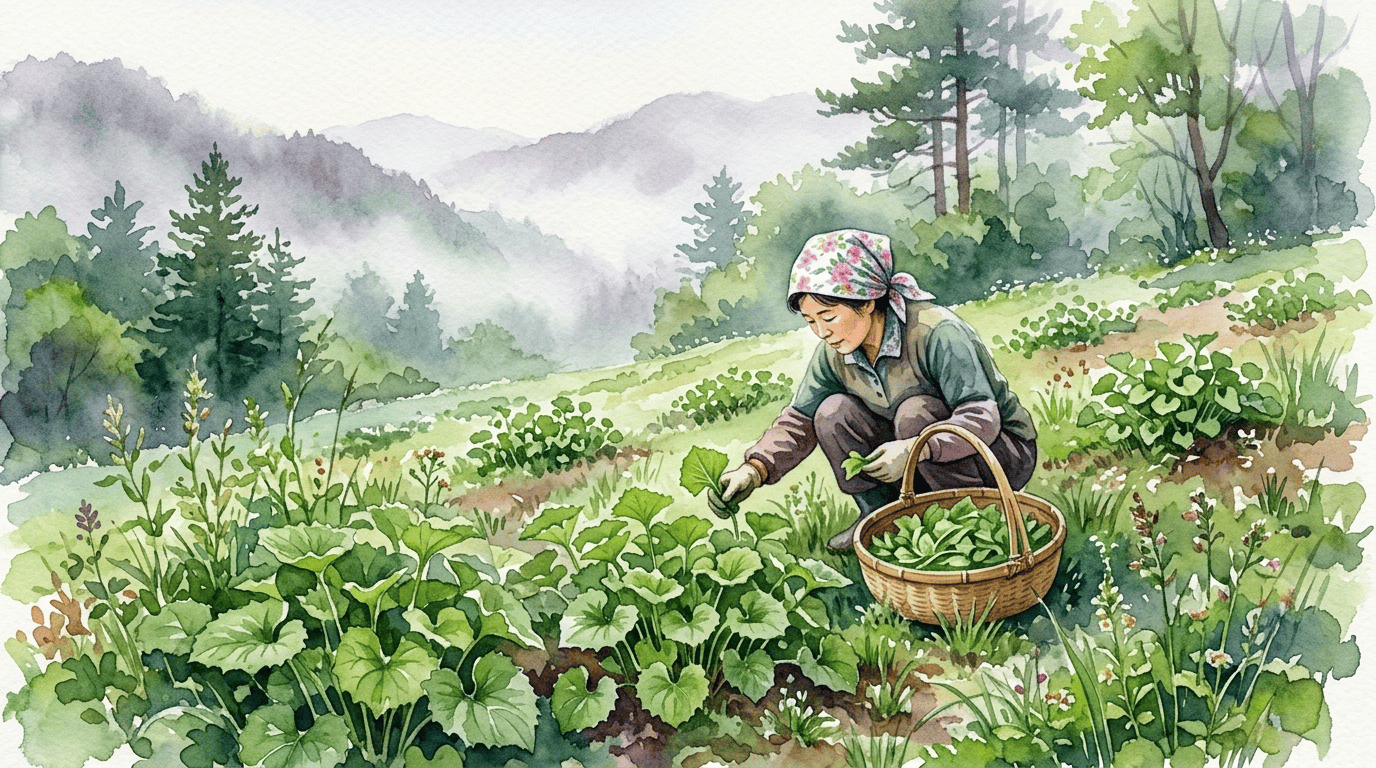
Ligularia fischeri grows across moist mountain meadows of Korea, Japan, northeastern China, and the Russian Far East. Nikolai Turczaninow described it in 1838, naming the species in honor of Friedrich Ernst Ludwig von Fischer, longtime director of the St. Petersburg Botanical Garden. In Korea, it is the most important wild mountain vegetable ('sanchae'): its tender spring leaves, called gomchwi, are blanched and dressed as namul, pickled, wrapped around rice (ssam), or dried for winter storage.
Traditional Korean medicine also used the roots for coughs and jaundice. It entered Western gardens through late-19th-century Russian botanic exchanges but remains more important culturally and culinarily in East Asia. Pharmacological studies show strong antioxidant and anti-inflammatory activity.
Native to Korea, northeast China, Japan, and eastern Russia. Known as 'gomchwi' in Korean cuisine for over a thousand years, its young leaves are wrapped around rice and meat in traditional ssam. Introduced to American ornamental gardens in the 20th century and to American Asian edible gardens with the growth of Korean-American communities.
Symbolism & meaning
What It Symbolizes
Fischer's Ragwort carries mountain wisdom, long wild-foraged in Korean mountain country where its young leaves are wrapped around rice as gondre namul. It offers edible beauty in a single plant — bold ornamental foliage and a place at the dinner table. A shade perennial that bridges traditional Korean cuisine and the Western ornamental border in one generous clump.
- Mountain wisdom — wild-foraged Korean mountain green
- Edible beauty — ornamental and food in one plant
Where the Name Comes From
'fischeri' honors Friedrich Ernst Ludwig von Fischer (1782-1854), German-Russian botanist and director of the St. Petersburg Botanical Garden.
Uses & Fun Facts
- Young leaves eaten as Korean gondre namul wrap
- Tall yellow daisy spikes feed late-season bumblebees
- Bold-leaved perennial for moist part-shade borders
Related plants
More Ligularia plants
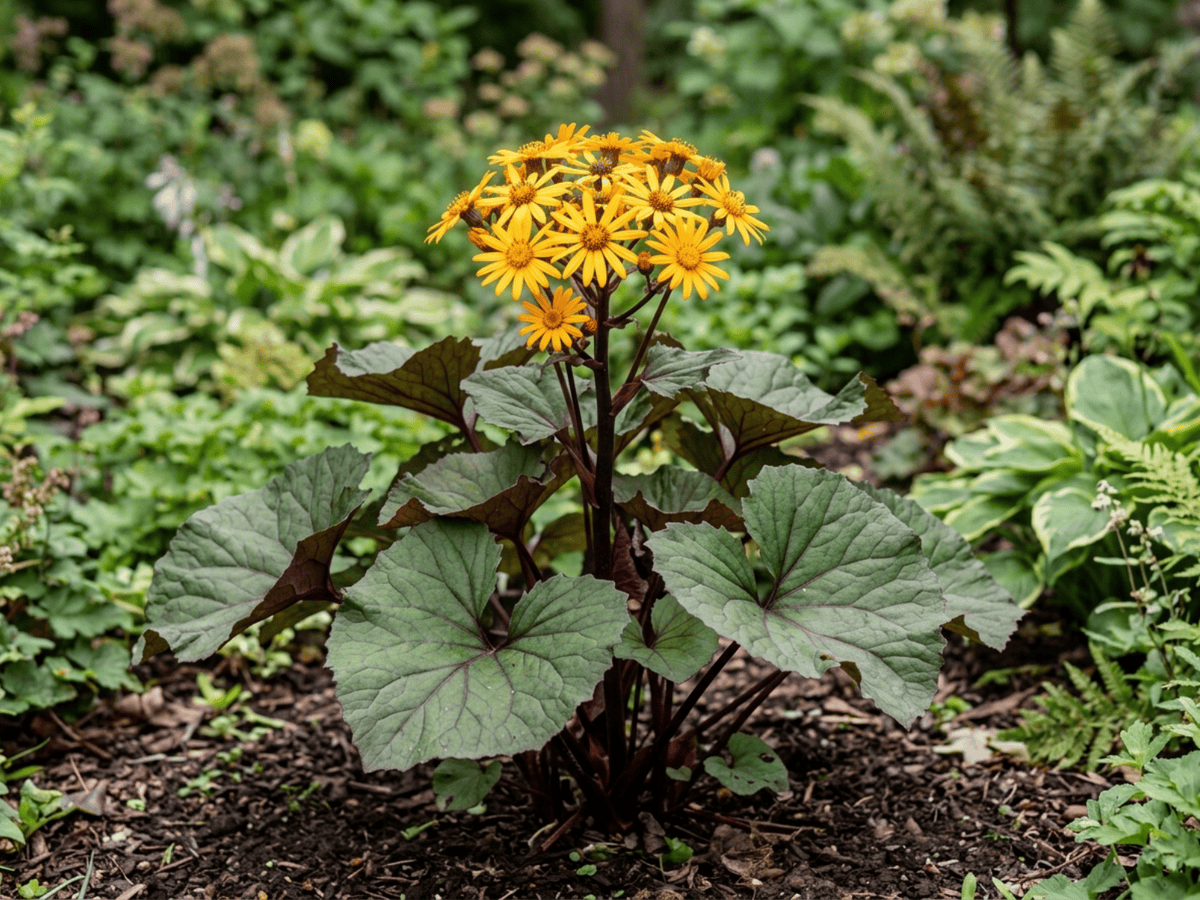 LeopardplantLigularia dentata
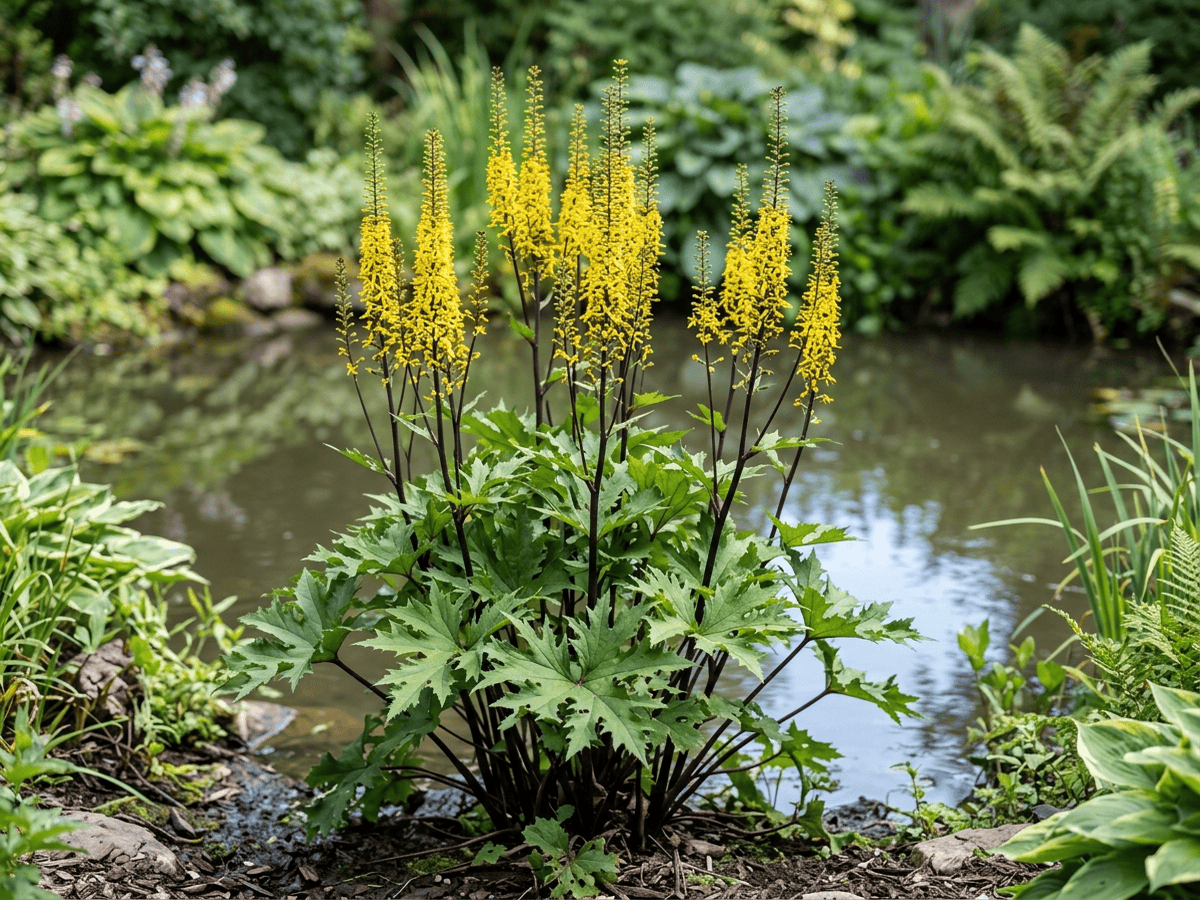 Przewalski's LeopardplantLigularia przewalskii
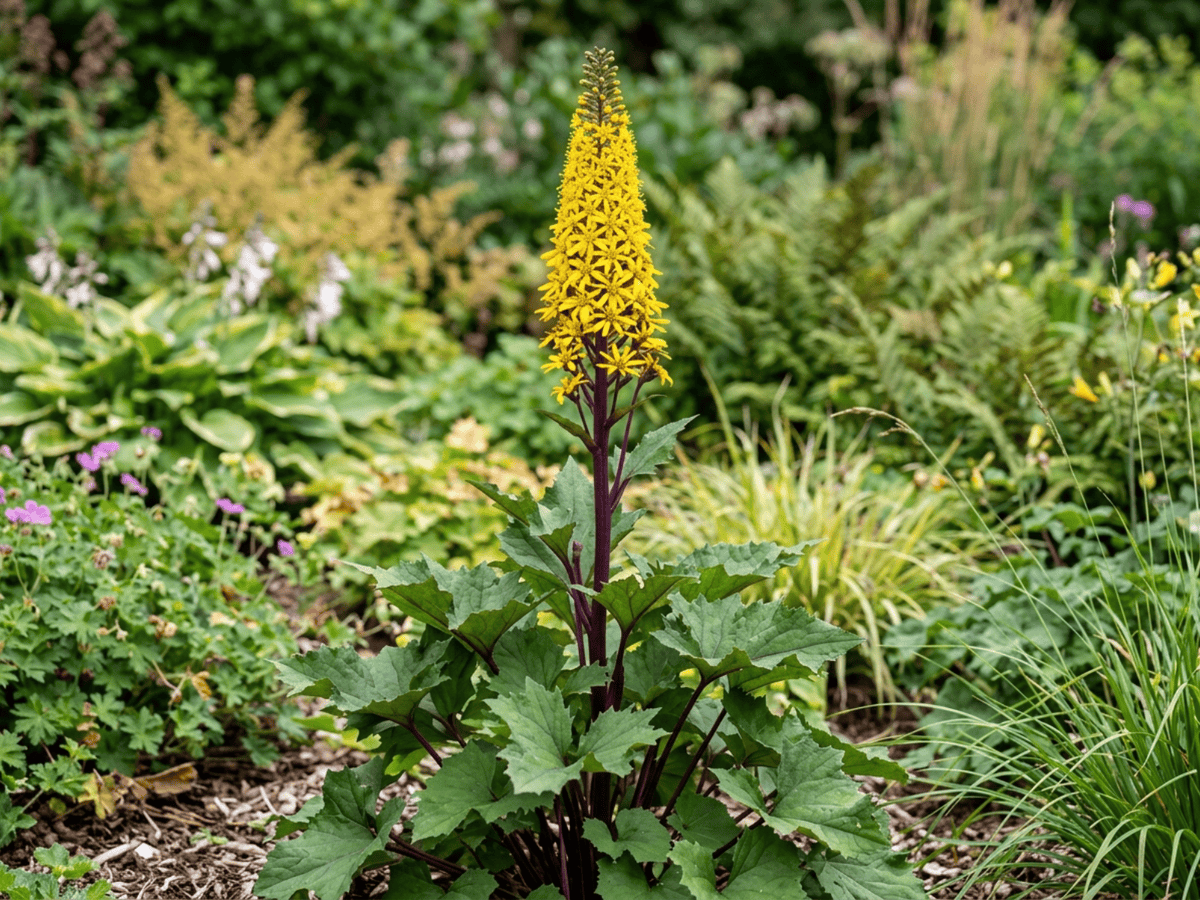 Narrow-Head RagwortLigularia stenocephala
Plants with similar care
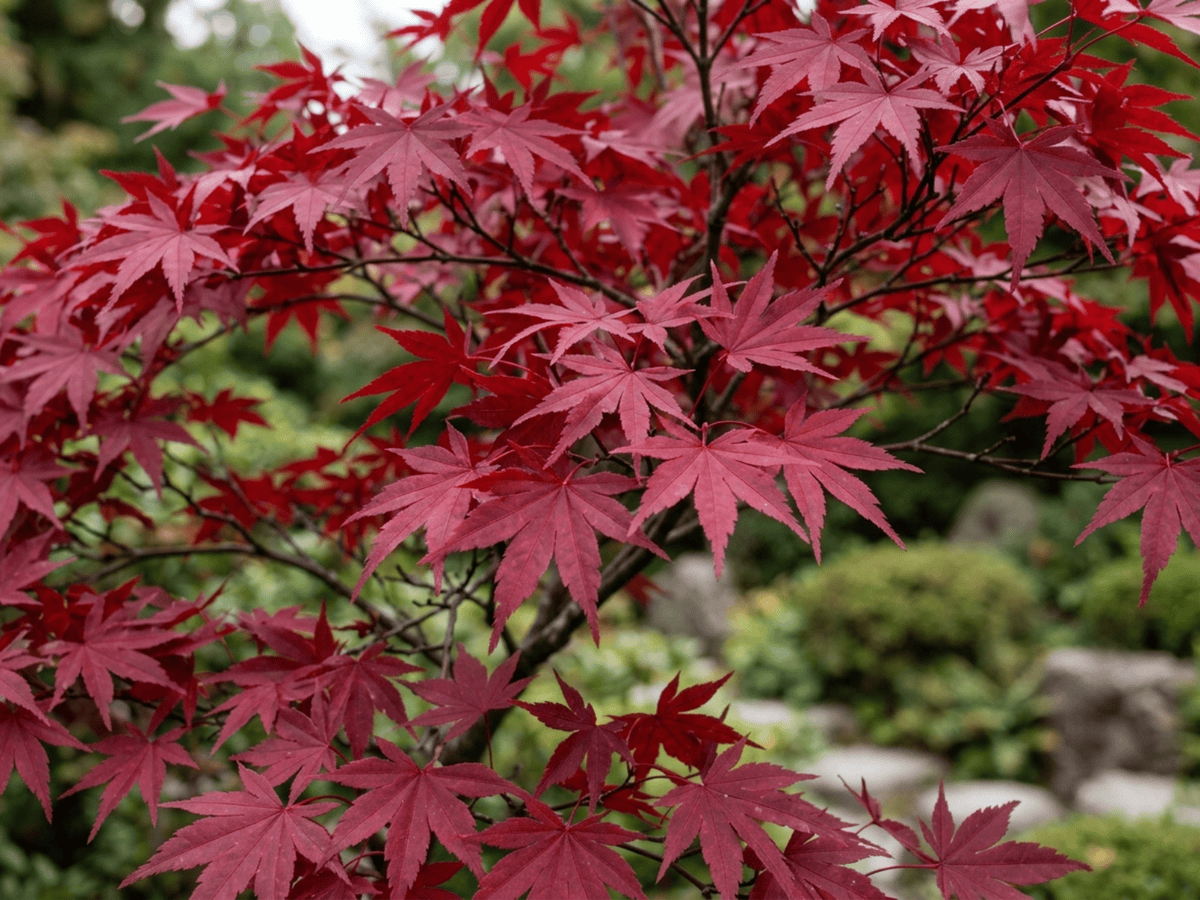 Japanese MapleAcer palmatum
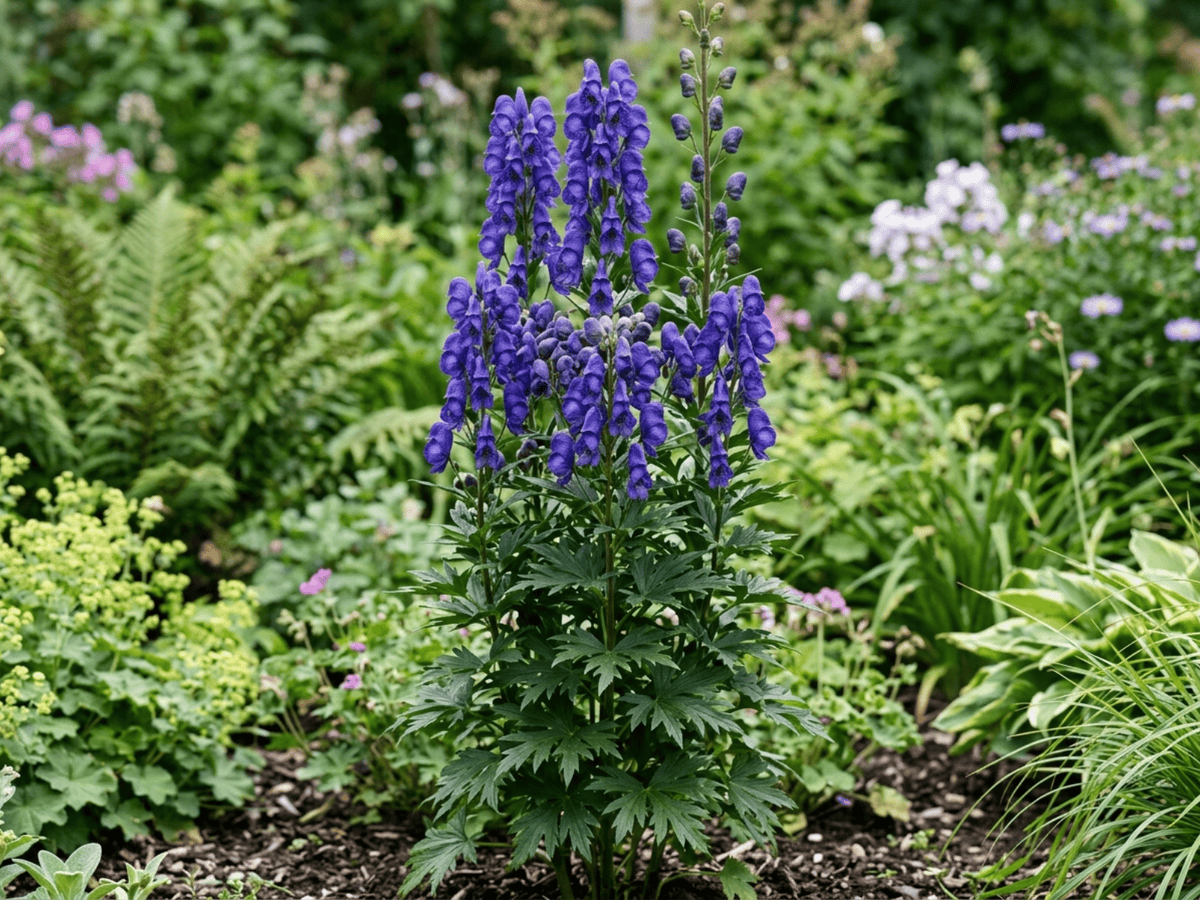 Azure MonkshoodAconitum carmichaelii
 Florida HobblebushAgarista populifolia
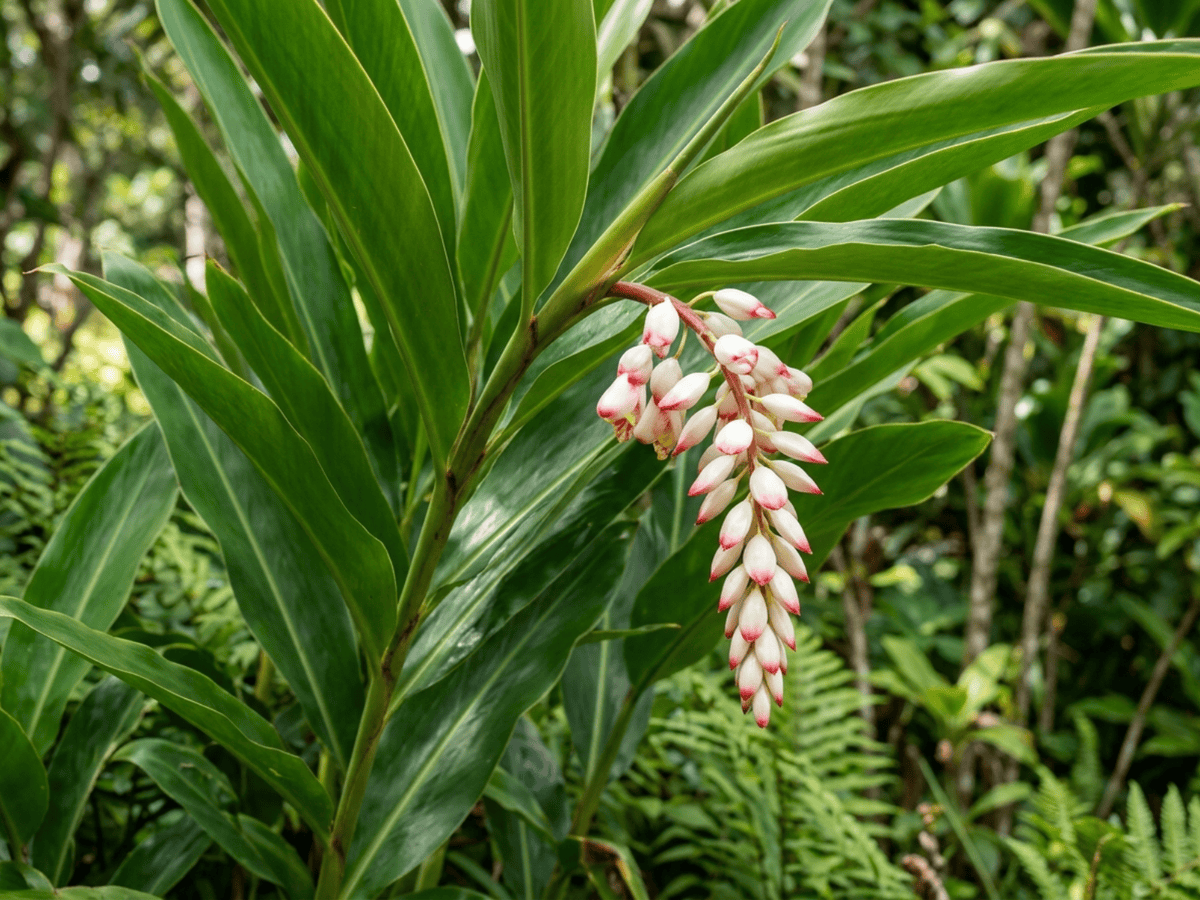 Shell GingerAlpinia zerumbet
Frequently asked questions
How often should I water Fischer’s Ragwort?
In summer, water about every 2 days; in winter, about every 10 days. Adjust for heat, pot size and drainage.
How much light does Fischer’s Ragwort need?
Part shade: 2–4 hrs direct. Watch the leaves — scorching or stretching means the light needs adjusting.
Is Fischer’s Ragwort toxic to cats or dogs?
No toxicity has been reported for this plant. Still, it is wise to keep pets from chewing on any houseplant. Educational information, not medical or veterinary advice. If exposure is suspected, contact a doctor or veterinarian.
Is Fischer’s Ragwort easy to grow?
It is moderately demanding: a good choice once you have a little experience.
When does Fischer’s Ragwort bloom?
It typically blooms Aug–Sep in the Northern Hemisphere.
YardMate
Identify any plant in seconds
Snap a photo — YardMate names the plant, diagnoses problems, and reminds you when to water.
Download on the App Store