 YardMate

Narrow-Head Ragwort
Ligularia stenocephala
Medium · Some experienceAbout Narrow-Head Ragwort
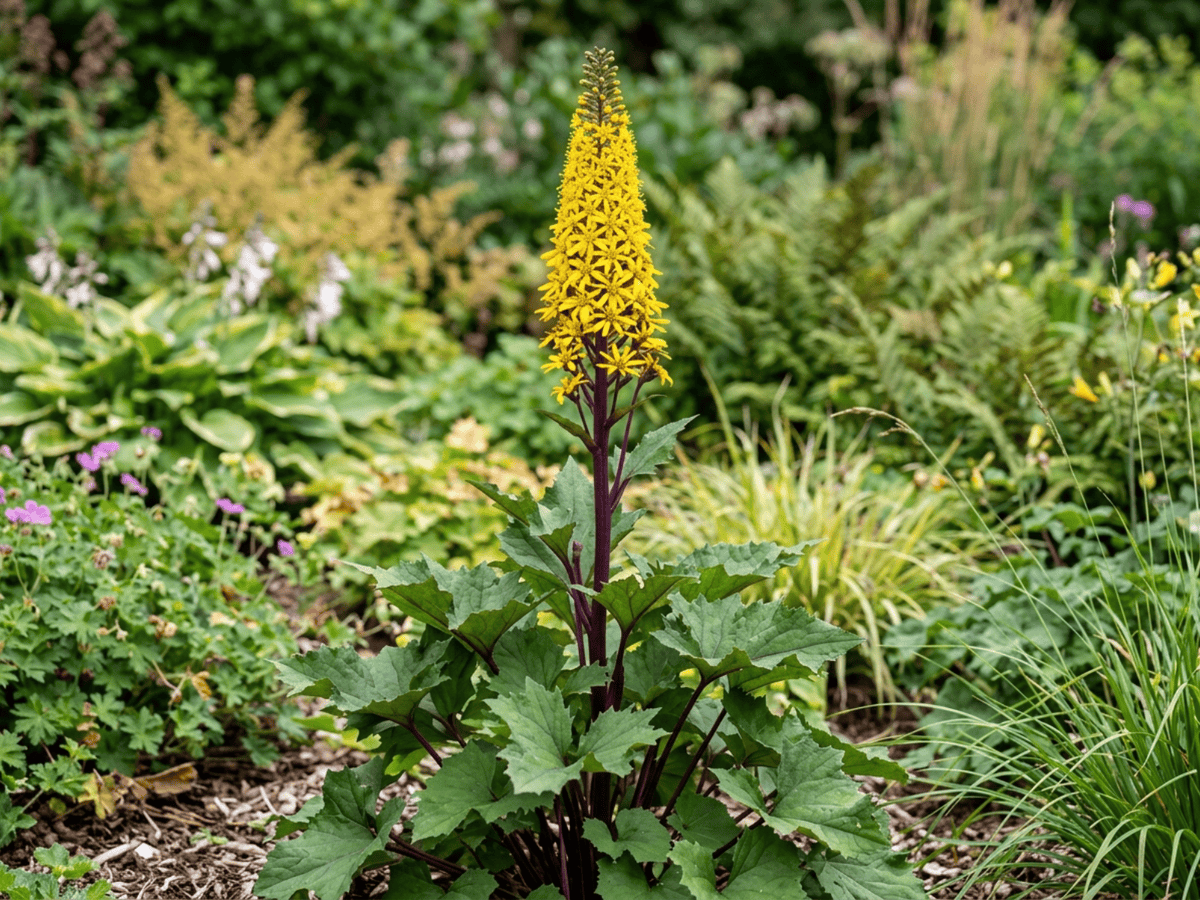
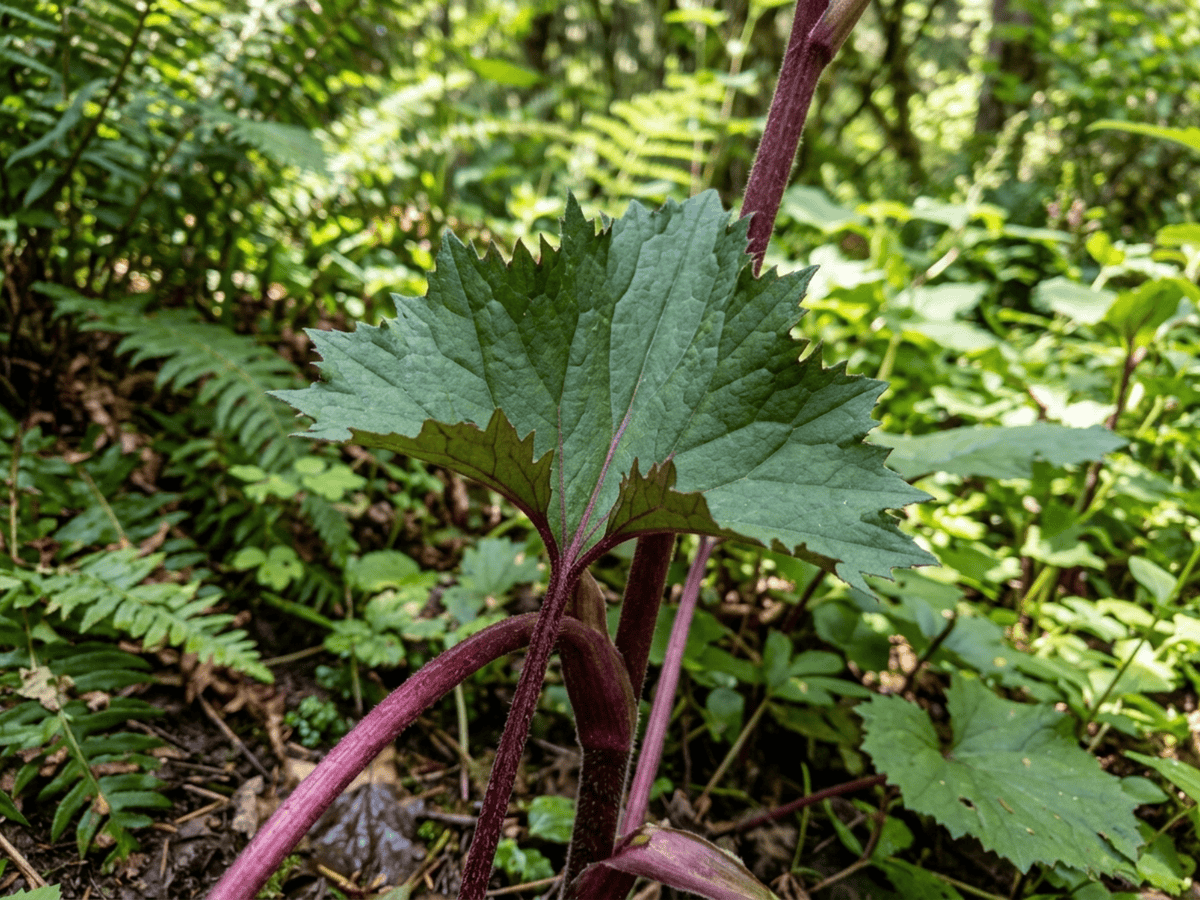
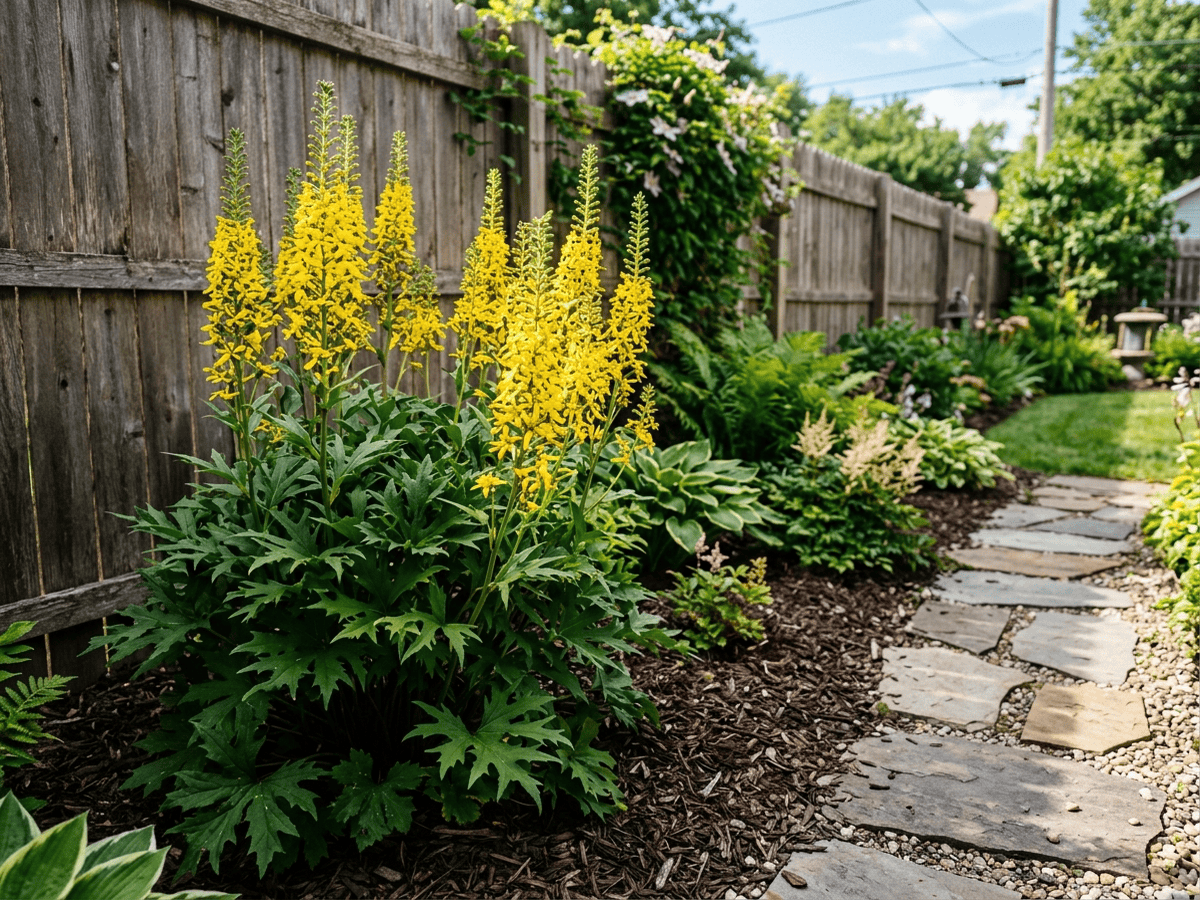
Narrow-spiked Ligularia is a stately perennial from Japan and China, 4–6 feet tall, with heart-shaped toothed leaves and dramatic vertical spikes of small yellow daisy flowers with dark stems in midsummer. The cultivar 'The Rocket' has become one of the most recognized architectural shade perennials in American gardens, reliably producing sharp upright flower spires over bold foliage. Requires moist soil. Hardy zones 4–8.
- Architectural
- Pollinator-friendly
How to care for Narrow-Head Ragwort
Watering
- Springevery 3 days
- Summerevery 2 days
- Fallevery 4 days
- Winterpause watering
Soil · Moisture-retentive
- Top dressingSphagnum moss10%
- Main mixPeat + coco coir 1:180%
- DrainagePerlite / gravel10%
Keep it evenly moist — but the drainage layer still matters.
FERTILIZER
Balanced Feed 14-14-14
An even feed covers all three needs at once, keeping leaves, roots and blooms moving together with nothing pushed out of balance.
- Nitrogen · Leaves
- Phosphorus · Roots + Blooms
- Potassium · Strength
- Springevery 30 days
- Summerevery 30 days
At a Glance
- NativeEast Asia
- Height3–5 ft (0.9–1.5 m)
- Spread2–3 ft (0.6–0.9 m)
- Flower colorYellow
- Foliage colorGreen
- SoilLoamy, Moisture-retentive, Rich
- LocationsYard
Bloom time
BLOOM CYCLE
Peak bloom
Jul
Yellow flower spikes midsummer
Toxicity
Humans Moderate · Pets Moderate
pyrrolizidine alkaloids
Moderate
- All
- Ingestion
EXPOSURE Eating any part of the plant.
EFFECT Liver damage with chronic ingestion.
NOTE Contains hepatotoxic alkaloids; avoid ingestion.
Moderate
- All
- Ingestion
EXPOSURE Eating any part of the plant.
EFFECT Vomiting and liver toxicity.
NOTE Contains hepatotoxic alkaloids; avoid ingestion.
Moderate
- All
- Ingestion
EXPOSURE Eating any part of the plant.
EFFECT Vomiting and liver toxicity.
NOTE Contains hepatotoxic alkaloids; avoid ingestion.
Educational information, not medical or veterinary advice. If exposure is suspected, contact a doctor or veterinarian.
DISTRIBUTION


- Native
- Introduced
- East Asia
History

Ligularia stenocephala inhabits moist mountain meadows and forest edges across China, Japan, Korea, and Taiwan. Franchet and Savatier published the name in 1879 based on Japanese collections. The species became horticulturally transformative when British nurseryman Alan Bloom at Bressingham Gardens introduced the cultivar 'The Rocket' around 1960.
This selection, with its towering 5-6 foot spires of lemon-yellow flowers held on striking near-black stems above jagged triangular leaves, became one of the defining plants of late 20th-century English bog gardens. It won awards including the RHS Award of Garden Merit. American designer Piet Oudolf and others adopted it for dramatic vertical accents in naturalistic plantings.
It requires consistent moisture and shade from hot afternoon sun to prevent wilting. Introduced from East Asia in the early 1900s. 'The Rocket' was bred in the 1930s and became an American garden standard for its striking upright form that few other perennials match. A fixture of PNW and New England moist shade gardens.
Symbolism & meaning
What It Symbolizes
The Narrow-Spiked Ligularia means reach for the sky — its tall yellow rocket-like spires aim straight up from broad jagged leaves, vertical drama in the shade garden where most plants choose to mound. It brings architectural lift to damp partial shade, a rare combination. It is the woodland perennial willing to play the role of exclamation point.
- Reach for the sky — rocket-like spires aim upward
- Drama — vertical architecture in shade garden
Where the Name Comes From
Genus from Latin 'ligula'; 'stenocephala' means 'narrow-headed'.
Uses & Fun Facts
- Architectural yellow spires anchor moist shaded back borders
- Tall daisy spikes attract bumblebees and butterflies in shade
Related plants
More Ligularia plants
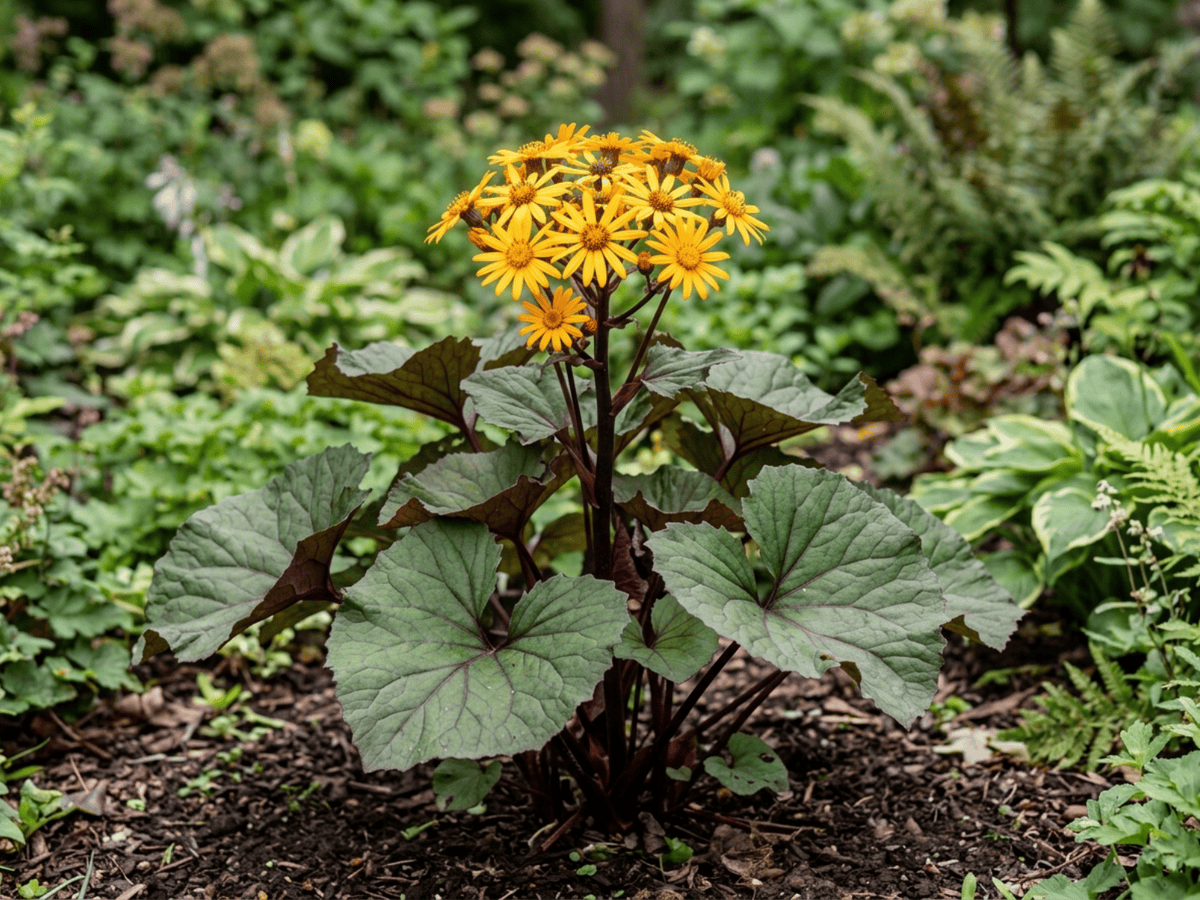 LeopardplantLigularia dentata
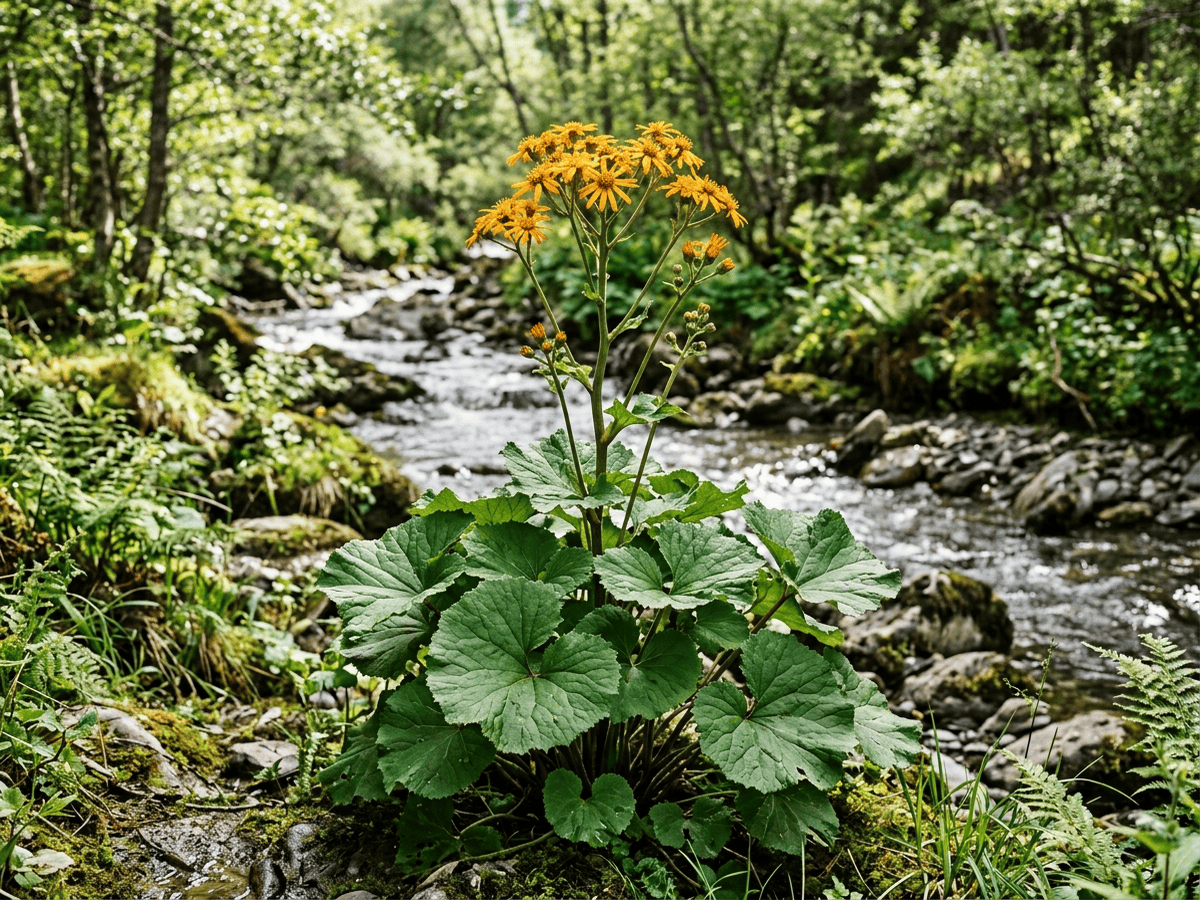 Fischer’s RagwortLigularia fischeri
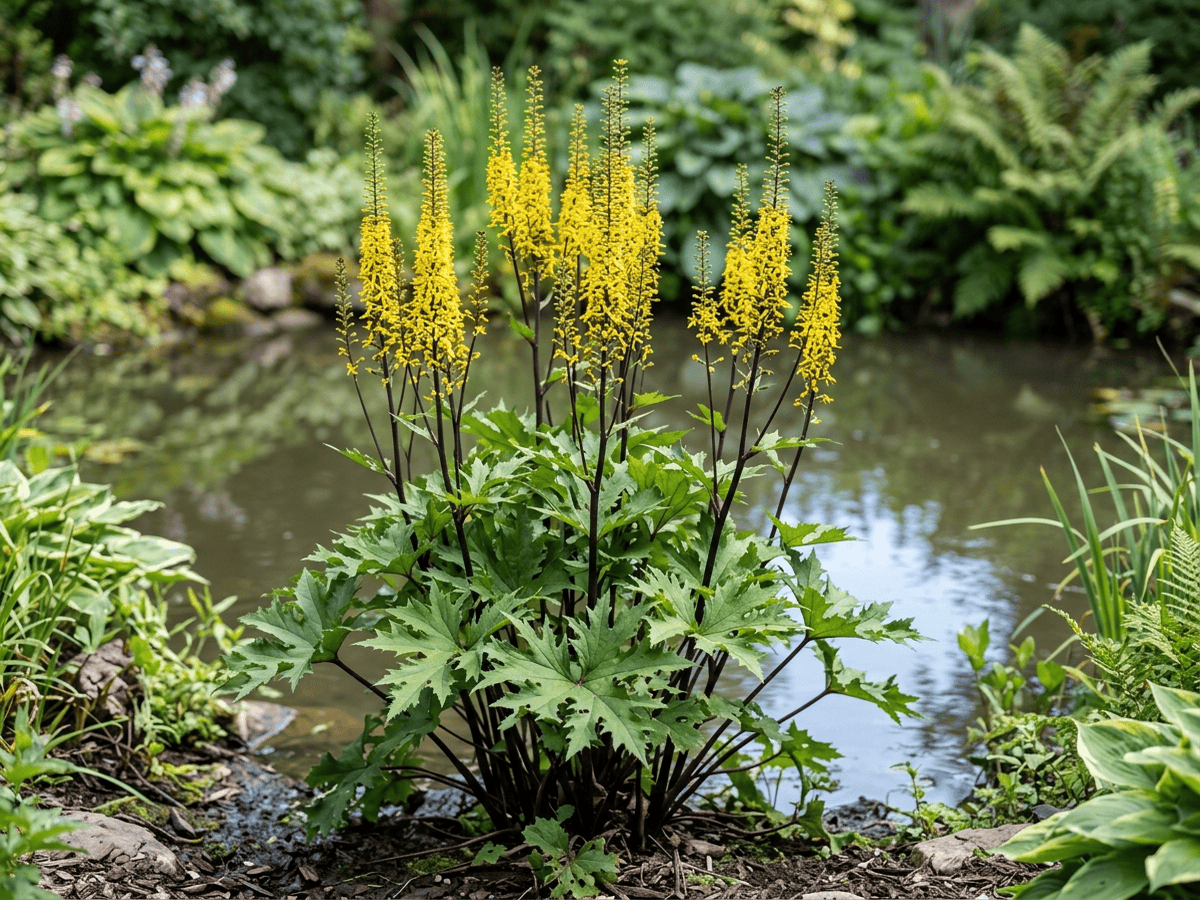 Przewalski's LeopardplantLigularia przewalskii
Plants with similar care
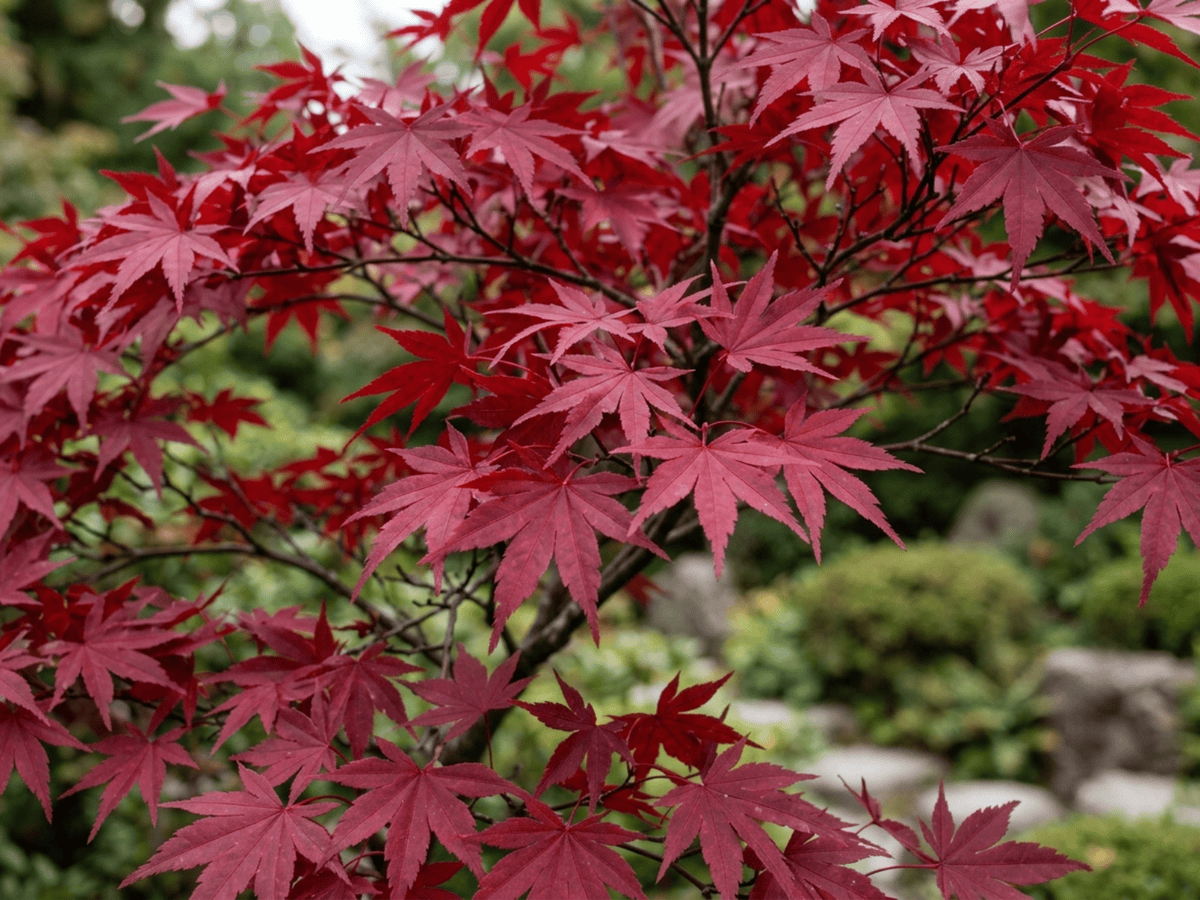 Japanese MapleAcer palmatum
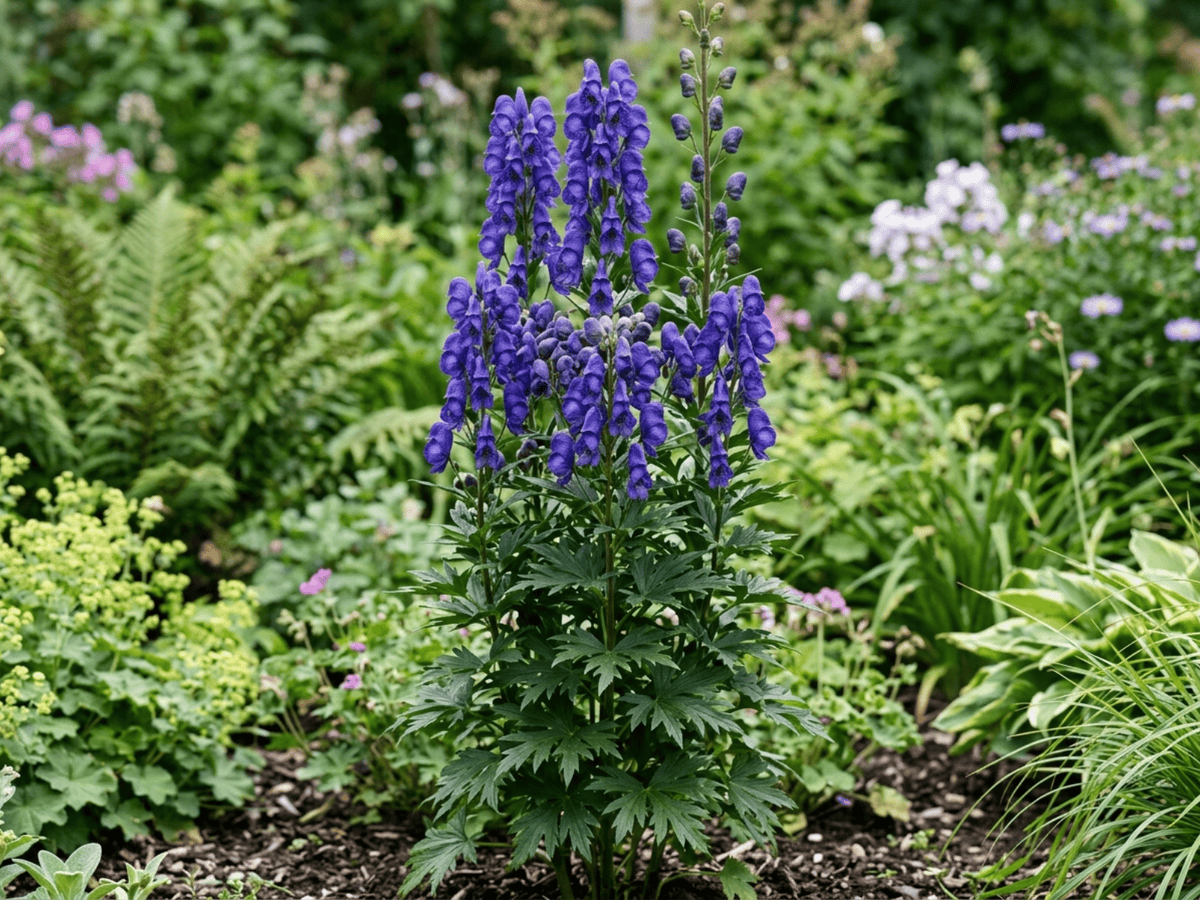 Azure MonkshoodAconitum carmichaelii
 Florida HobblebushAgarista populifolia
 Shell GingerAlpinia zerumbet
Frequently asked questions
How often should I water Narrow-Head Ragwort?
Water about every 3 days during the growing season, and always let excess water drain away.
How much light does Narrow-Head Ragwort need?
Part shade: 2–4 hrs direct. Watch the leaves — scorching or stretching means the light needs adjusting.
Is Narrow-Head Ragwort toxic to cats or dogs?
Pets Moderate (Dogs Moderate · Cats Moderate) Educational information, not medical or veterinary advice. If exposure is suspected, contact a doctor or veterinarian.
Is Narrow-Head Ragwort easy to grow?
It is moderately demanding: a good choice once you have a little experience.
When does Narrow-Head Ragwort bloom?
It typically blooms Jul in the Northern Hemisphere.
YardMate
Identify any plant in seconds
Snap a photo — YardMate names the plant, diagnoses problems, and reminds you when to water.
Download on the App Store