 YardMate

Przewalski's Leopardplant
Ligularia przewalskii
Medium · Some experienceAbout Przewalski's Leopardplant
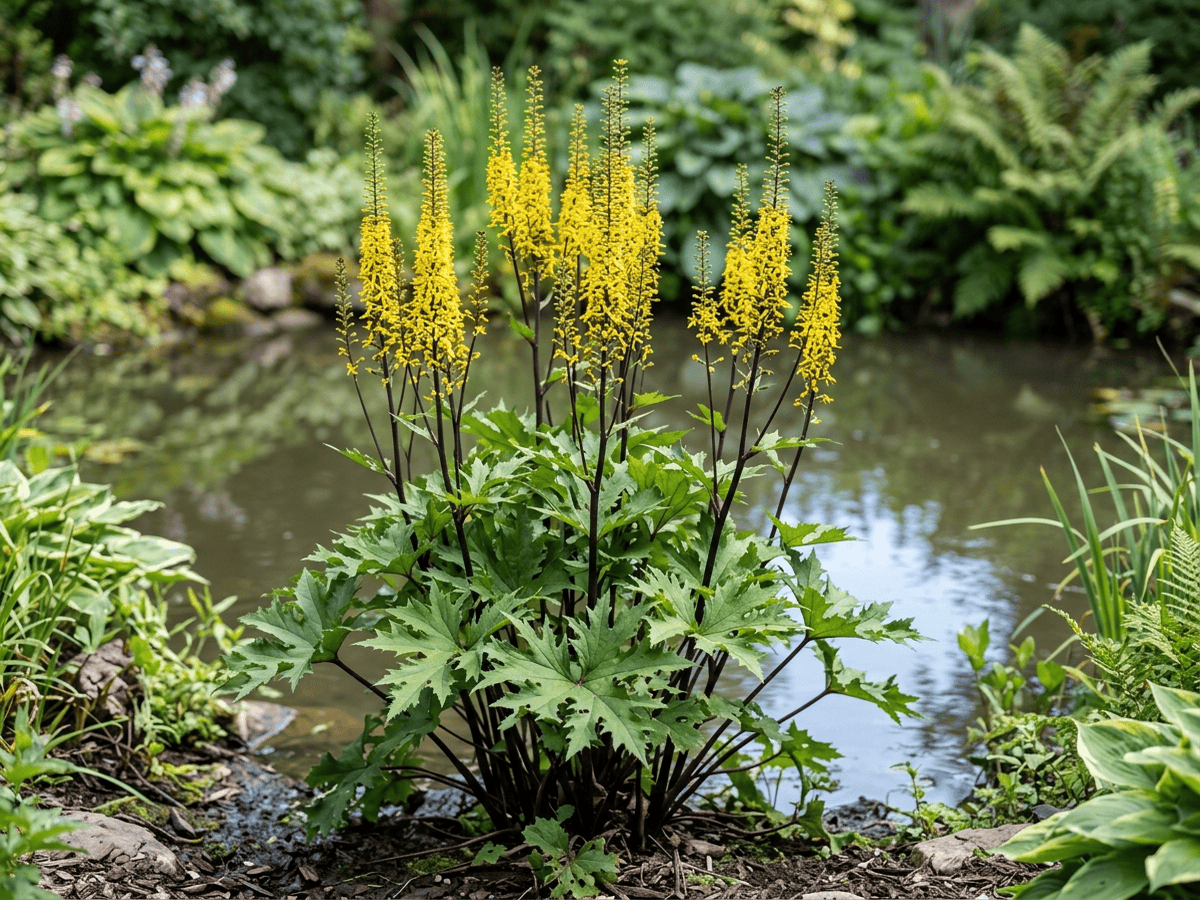
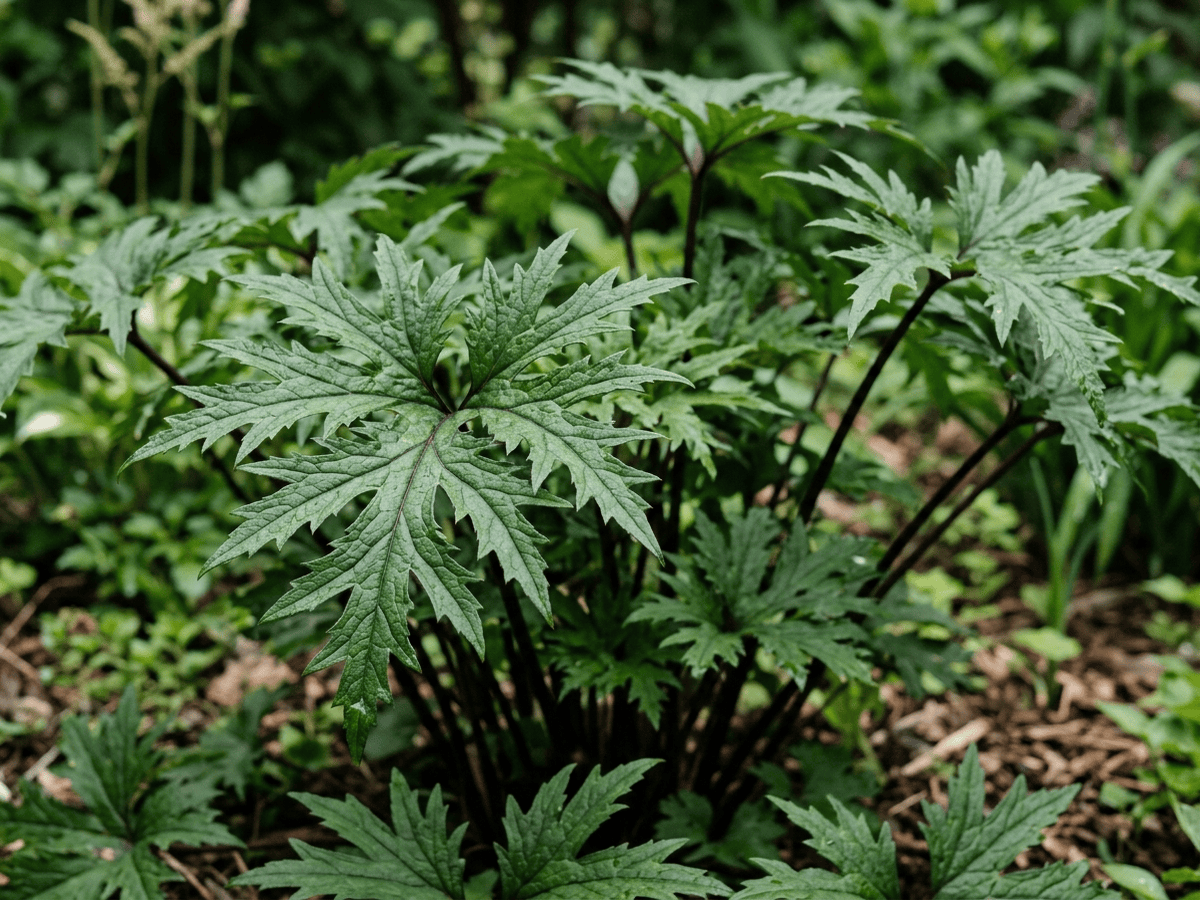
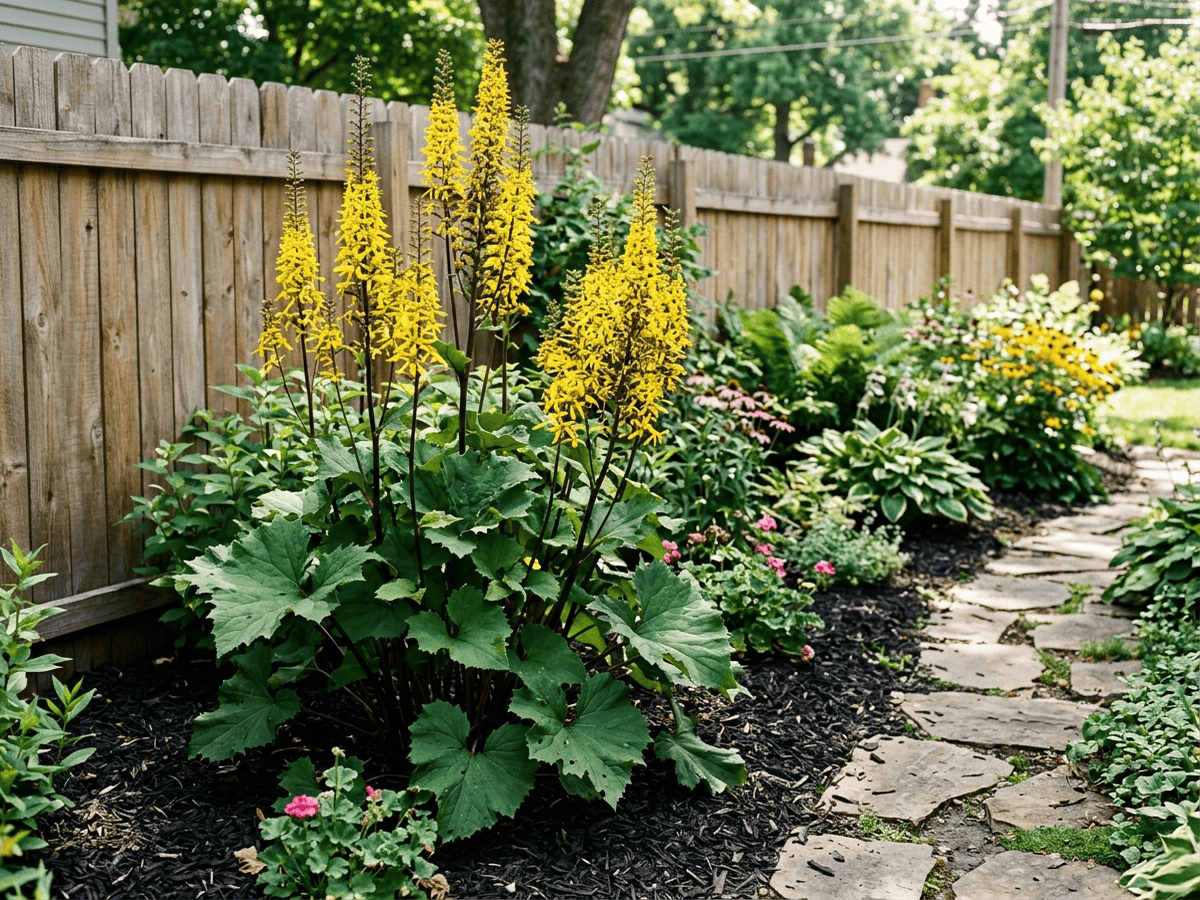
Przewalski's Ligularia is a dramatic Chinese perennial grown for architectural form, with deeply cut palmate leaves and tall slender black-stemmed spires of yellow daisy flowers reaching 5 to 6 feet tall. Thriving in moist rich soil at pond edges and woodland streams, it provides vertical drama in American shade and bog gardens. A signature plant for gardeners seeking bold tropical-looking foliage in cool-climate designs.
- Shade-tolerant
- Deer-resistant
- Architectural
- Pollinator-friendly
How to care for Przewalski's Leopardplant
Watering
- Springevery 3 days
- Summerevery 2 days
- Fallevery 5 days
- Winterevery 10 days
Soil · Moisture-retentive
- Top dressingSphagnum moss10%
- Main mixPeat + coco coir 1:180%
- DrainagePerlite / gravel10%
Keep it evenly moist — but the drainage layer still matters.
FERTILIZER
Balanced Feed 14-14-14
An even feed covers all three needs at once, keeping leaves, roots and blooms moving together with nothing pushed out of balance.
- Nitrogen · Leaves
- Phosphorus · Roots + Blooms
- Potassium · Strength
- Springevery 30 days
- Summerevery 45 days
At a Glance
- NativeEast Asia
- Height4–6 ft (1.2–1.8 m)
- Spread2–3 ft (0.6–0.9 m)
- Flower colorYellow
- Foliage colorGreen
- SoilRich, Moisture-retentive, Loamy
- LocationsYard
Bloom time
BLOOM CYCLE
Peak bloom
Jun–Sep
Tall black-stemmed yellow spires midsummer to late summer
Toxicity
No toxicity has been reported for this plant. Still, it is wise to keep pets from chewing on any houseplant.
Educational information, not medical or veterinary advice. If exposure is suspected, contact a doctor or veterinarian.
DISTRIBUTION

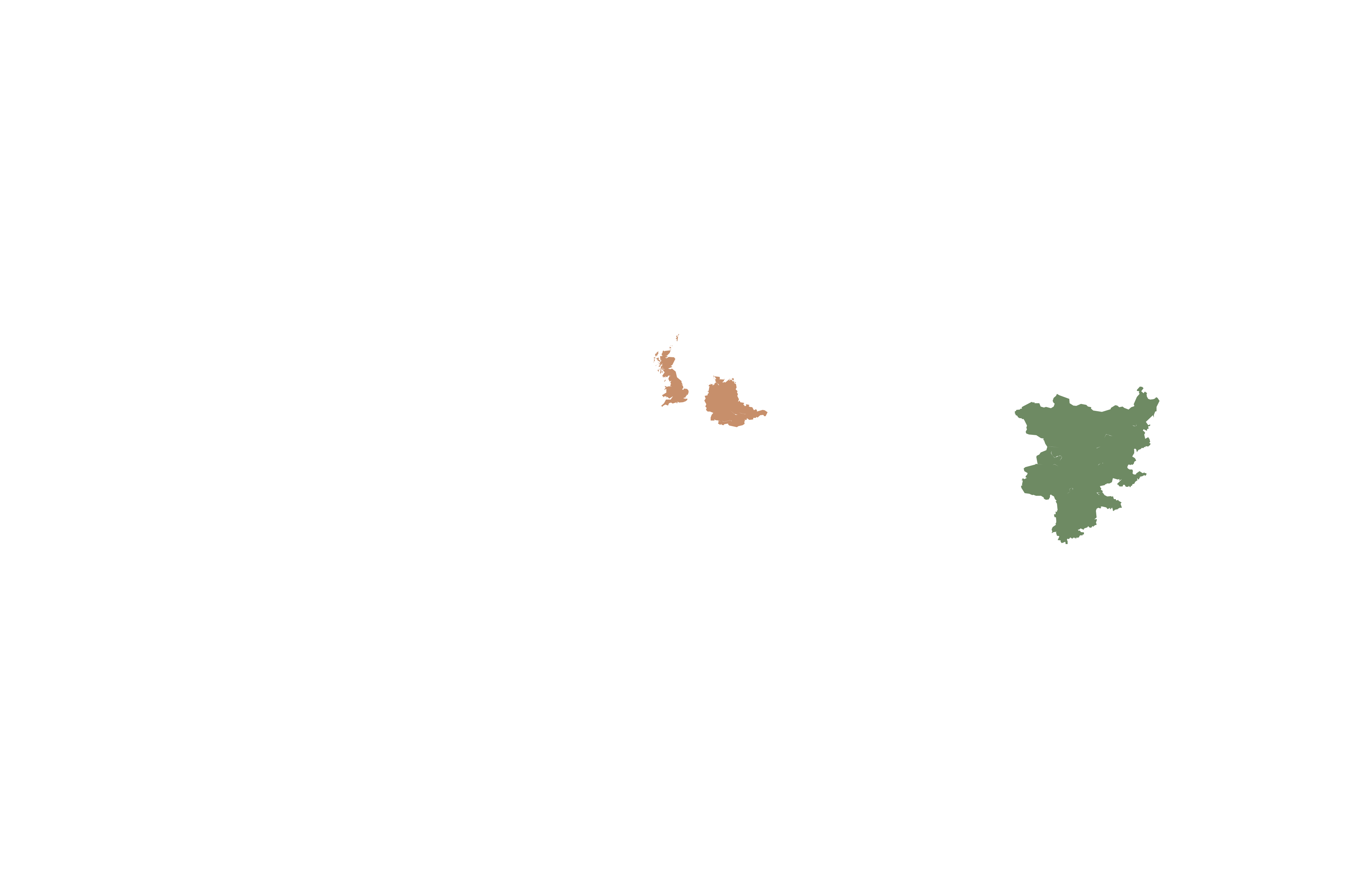
- Native
- Introduced
- East Asia
History
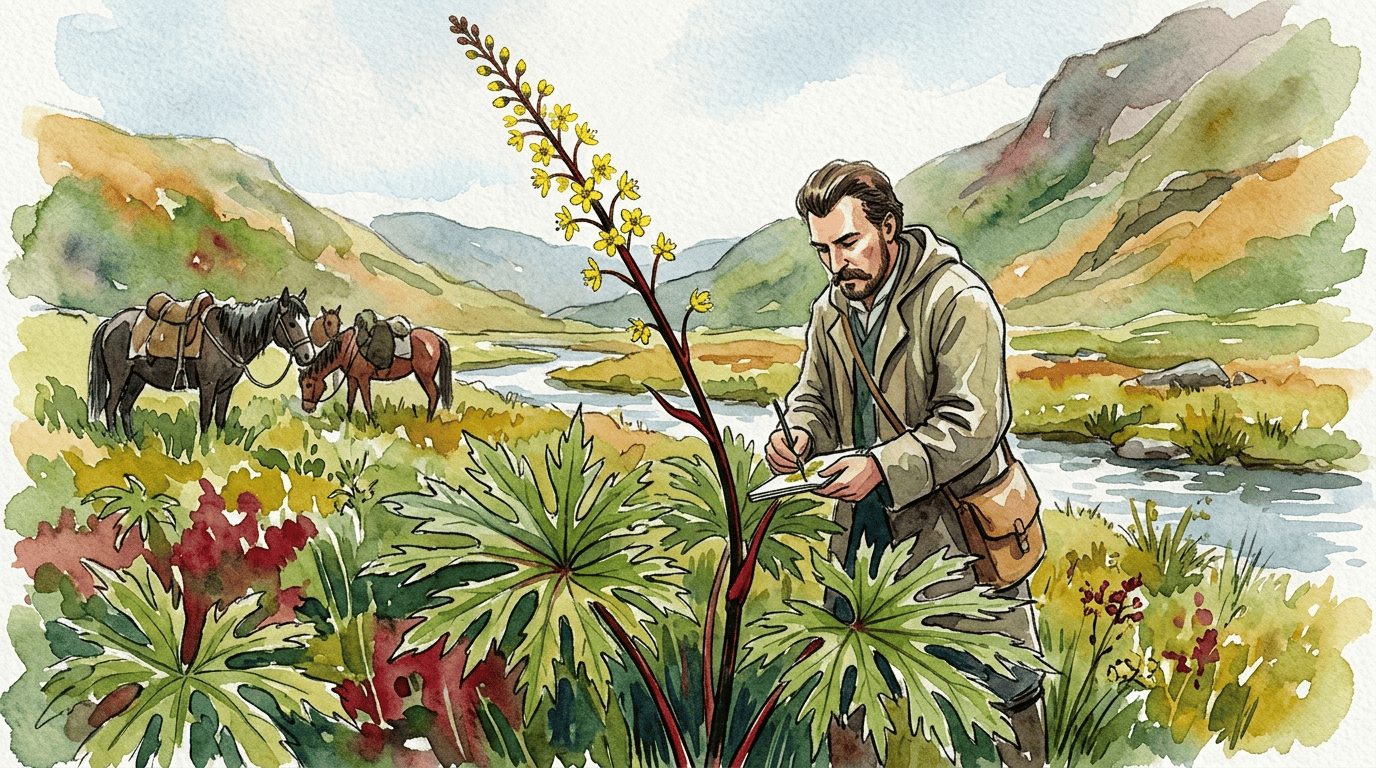
Ligularia przewalskii grows wild in wet meadows and streamside thickets of Gansu, Qinghai, Sichuan, and Tibet. The Russian explorer Nikolay Mikhailovich Przewalski collected the first specimens during his Central Asian expeditions, and Carl Johann Maximowicz of the St. Petersburg Botanical Garden formally described the species in 1881. It entered cultivation in Europe via St. Petersburg and Berlin botanic gardens in the 1890s.
Unlike the broader-leaved L. dentata, it has dramatically dissected palmate foliage and long black-stemmed racemes of small yellow flowers reaching 1.8 m. It became fashionable in large English water gardens under designers like Graham Stuart Thomas in the mid-20th century.
The cultivar 'The Rocket' (actually L. stenocephala × przewalskii) is widely grown today. Native to western China and Tibet, first collected by Russian explorer Nikolai Przhevalsky in the 1870s and introduced to American horticulture in the early 20th century. The 'The Rocket' cultivar is a modern hybrid that popularized the species in American shade gardens from the 1960s onward.
Symbolism & meaning
What It Symbolizes
Przewalski's Leopardplant strikes a bold spire — tall black-stemmed flower spikes rise above deeply cut leaves like dark exclamation points. Bold exploration runs in its name, honoring a nineteenth-century Russian explorer of inner Asia. At pond and stream edges it finds its waterside drama, glamour set against reflective water. Its meaning is the theatrical reach of plants that refuse to whisper.
- Bold spire — tall dramatic black-stemmed flower spikes
- Waterside drama — thrives at pond and stream edges
Where the Name Comes From
'Ligularia' from Latin 'ligula' meaning little tongue, for ray flower shape; 'przewalskii' honors Russian explorer Nikolai Przhevalsky (1839-1888).
Uses & Fun Facts
- Tall yellow flower spires feed bees and butterflies
- Bold deeply cut foliage adds drama to moist shade gardens
Related plants
More Ligularia plants
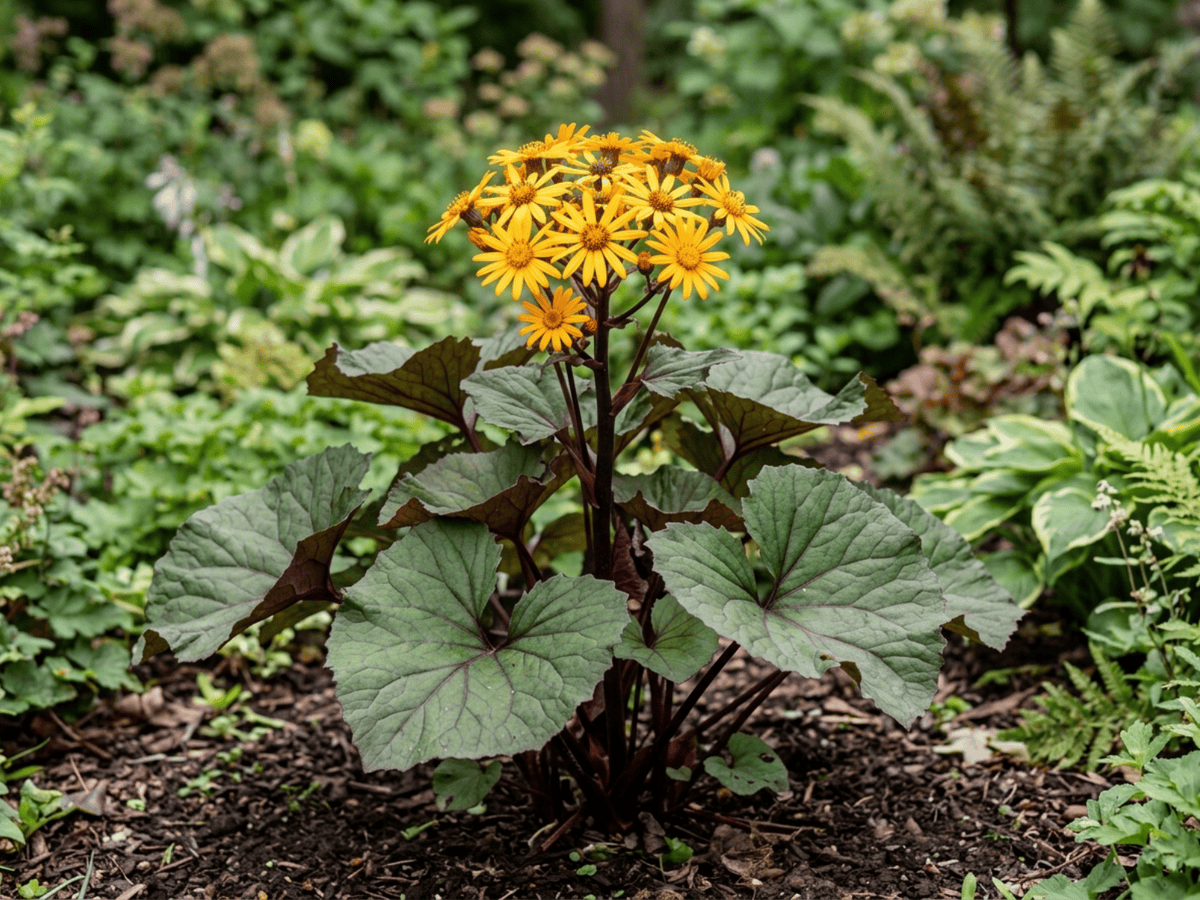 LeopardplantLigularia dentata
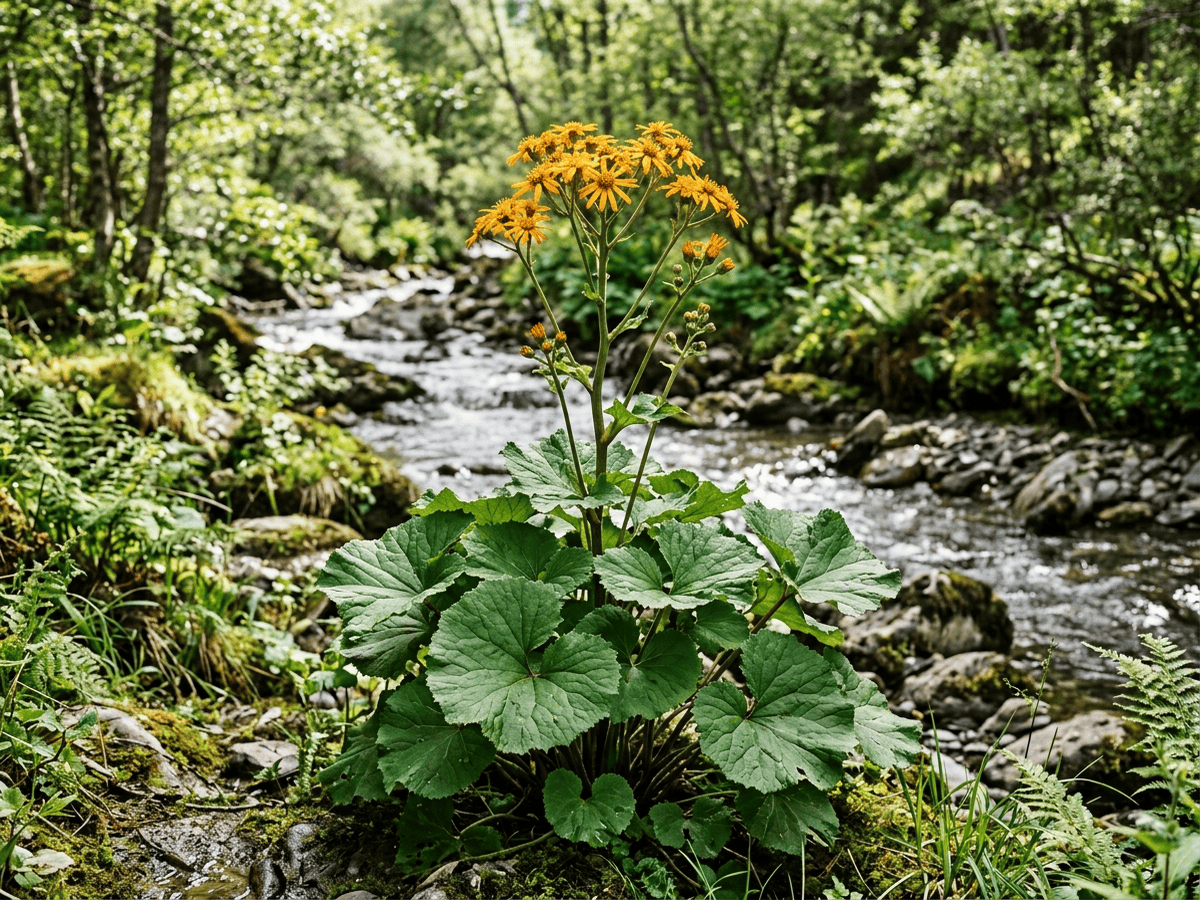 Fischer’s RagwortLigularia fischeri
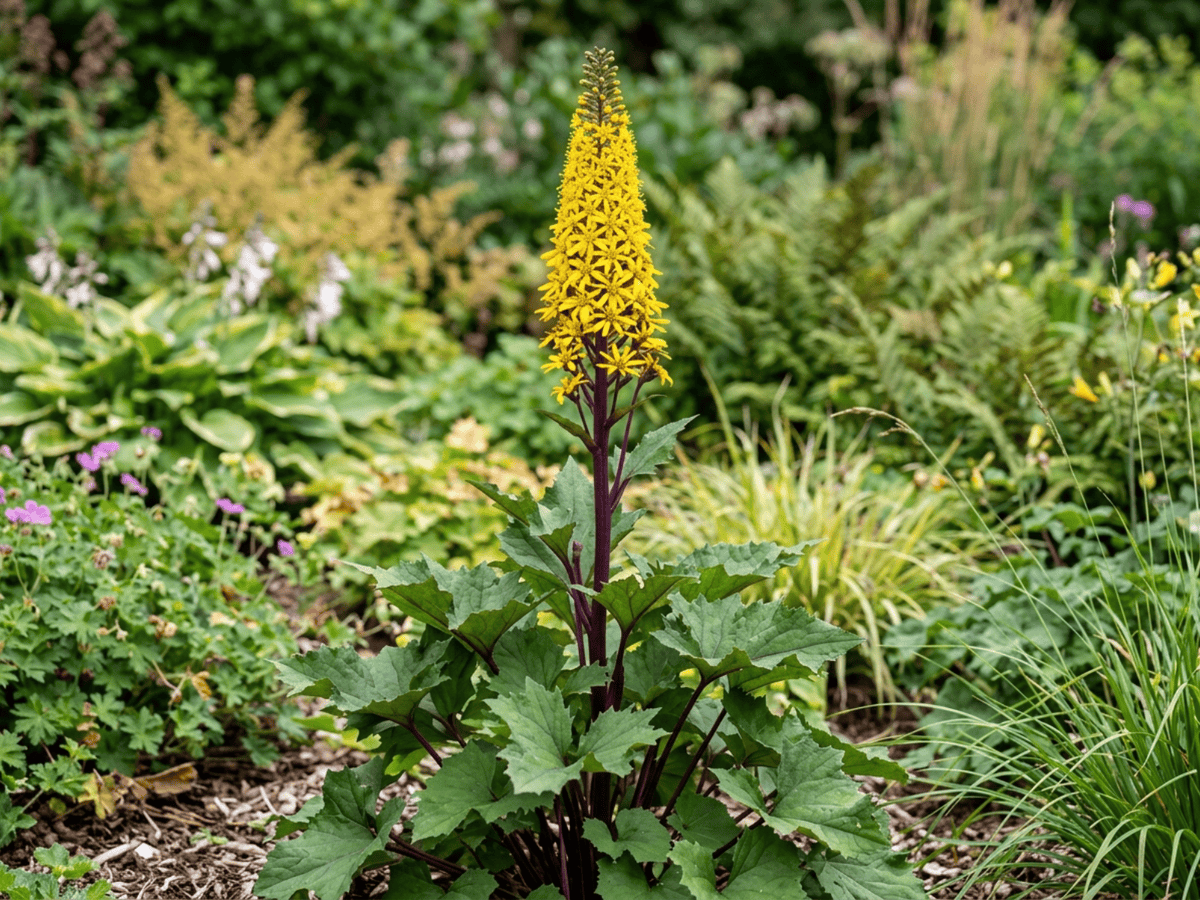 Narrow-Head RagwortLigularia stenocephala
Plants with similar care
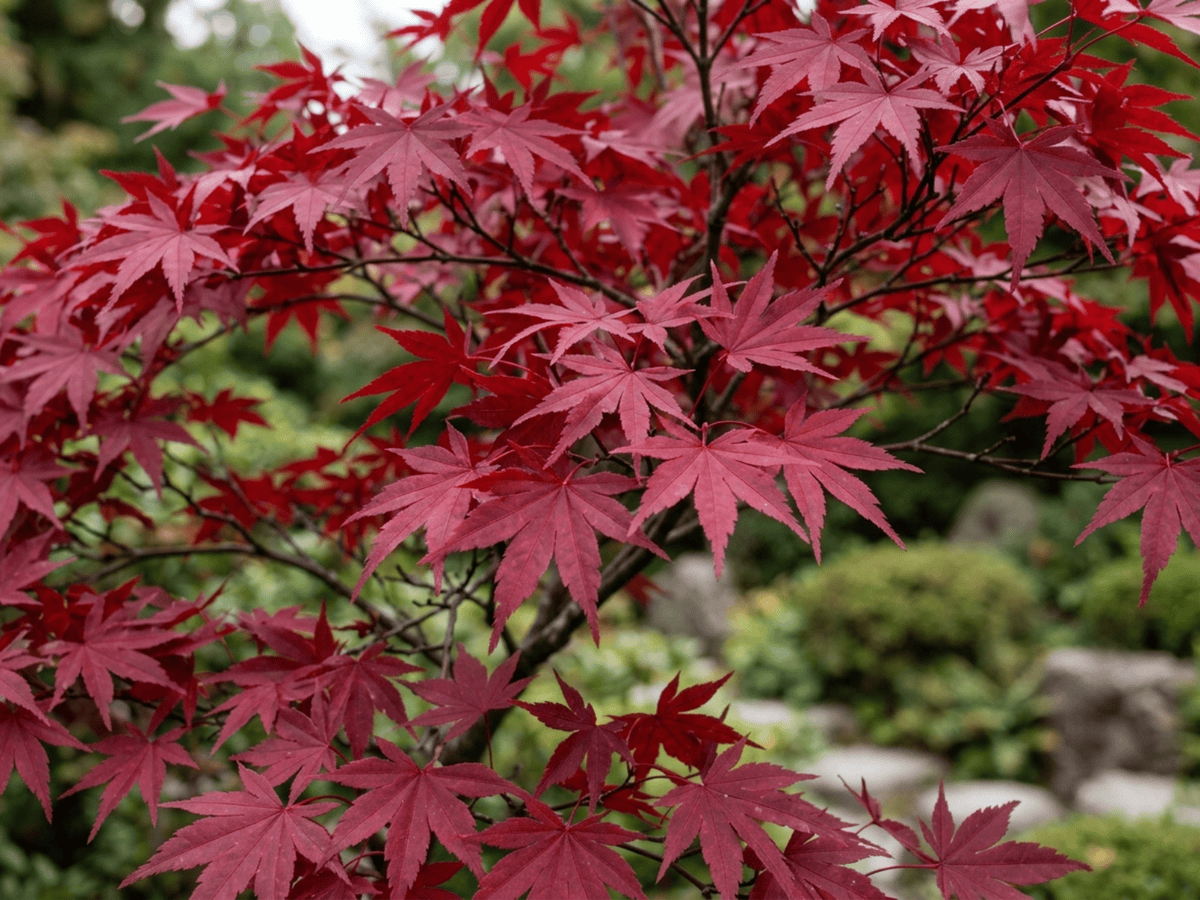 Japanese MapleAcer palmatum
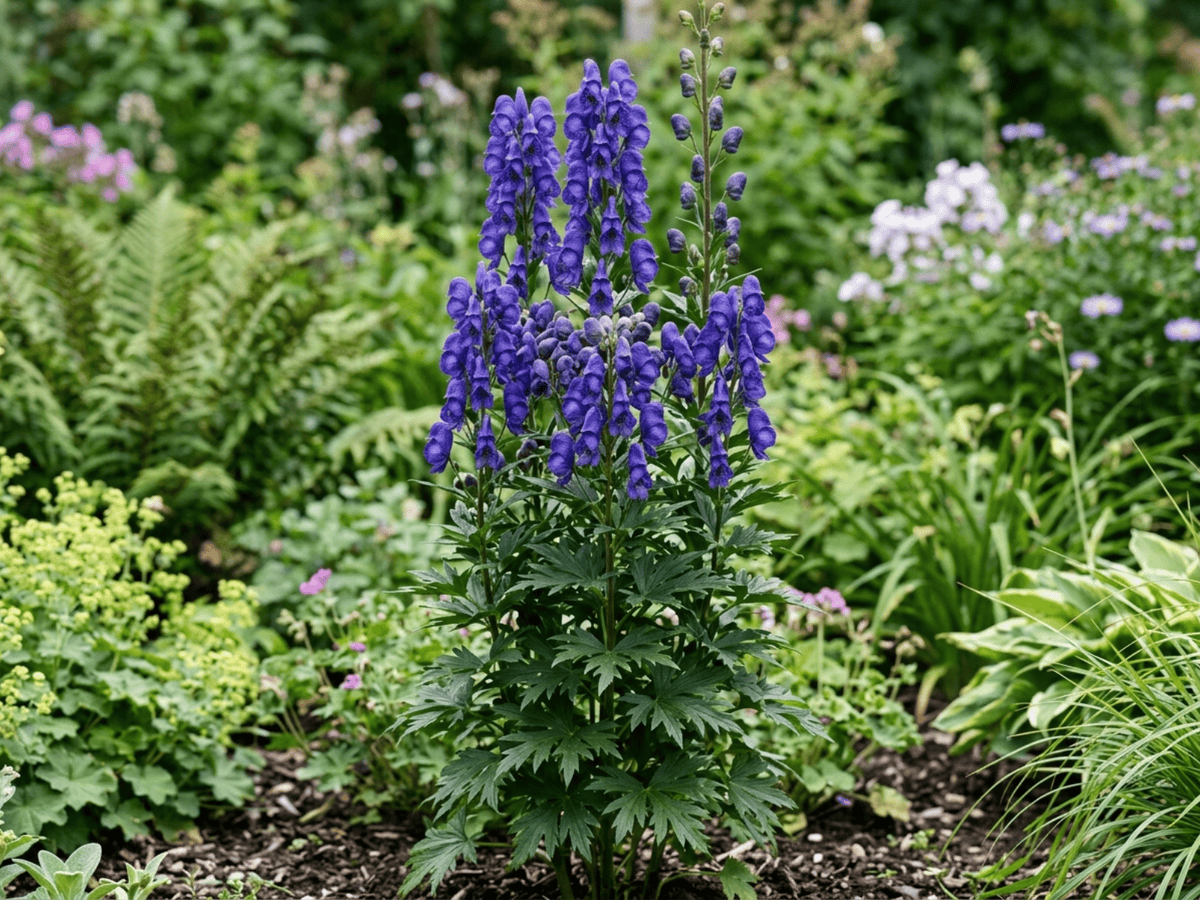 Azure MonkshoodAconitum carmichaelii
 Florida HobblebushAgarista populifolia
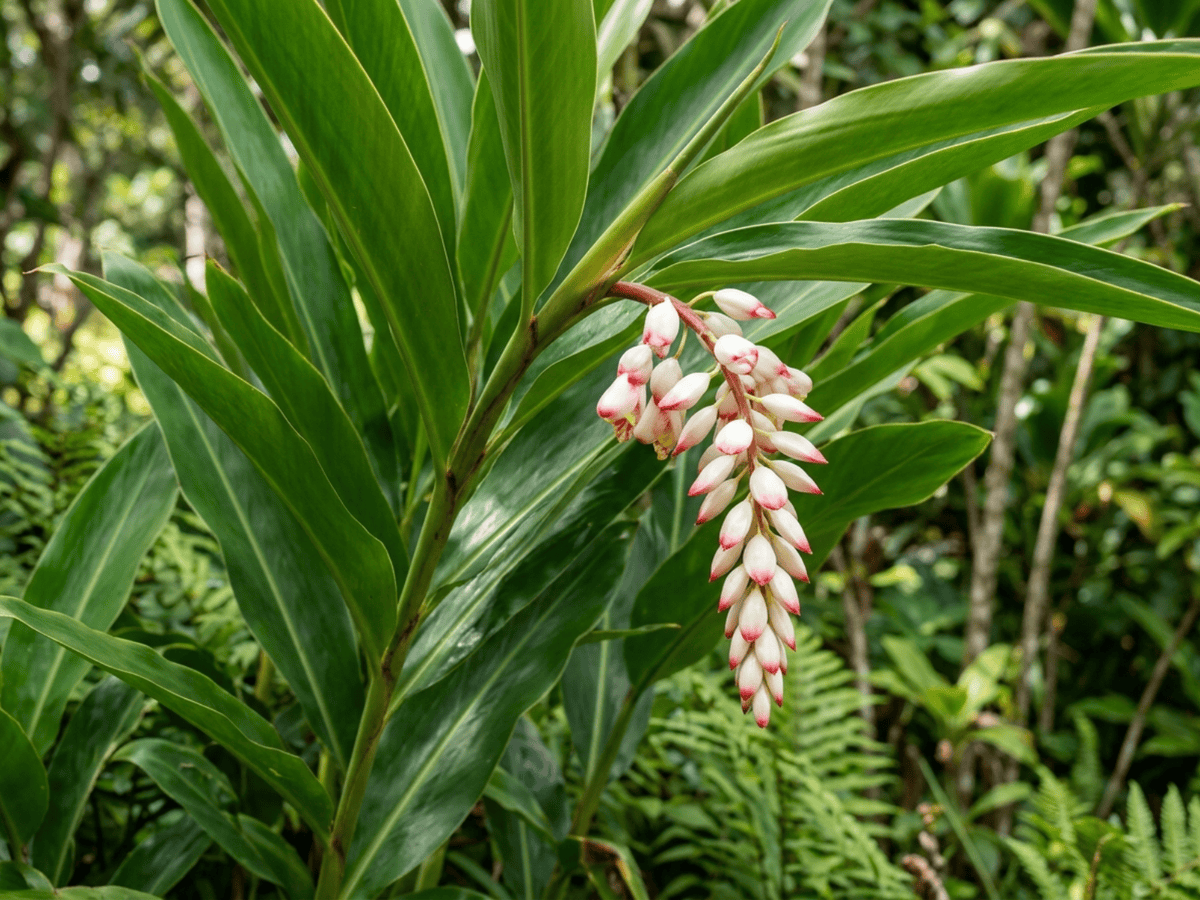 Shell GingerAlpinia zerumbet
Frequently asked questions
How often should I water Przewalski's Leopardplant?
In summer, water about every 2 days; in winter, about every 10 days. Adjust for heat, pot size and drainage.
How much light does Przewalski's Leopardplant need?
Part shade: 2–4 hrs direct. Watch the leaves — scorching or stretching means the light needs adjusting.
Is Przewalski's Leopardplant toxic to cats or dogs?
No toxicity has been reported for this plant. Still, it is wise to keep pets from chewing on any houseplant. Educational information, not medical or veterinary advice. If exposure is suspected, contact a doctor or veterinarian.
Is Przewalski's Leopardplant easy to grow?
It is moderately demanding: a good choice once you have a little experience.
When does Przewalski's Leopardplant bloom?
It typically blooms Jun–Sep in the Northern Hemisphere.
YardMate
Identify any plant in seconds
Snap a photo — YardMate names the plant, diagnoses problems, and reminds you when to water.
Download on the App Store