 YardMate



Garden Lobelia
Lobelia erinus
Medium · Some experienceAbout Garden Lobelia
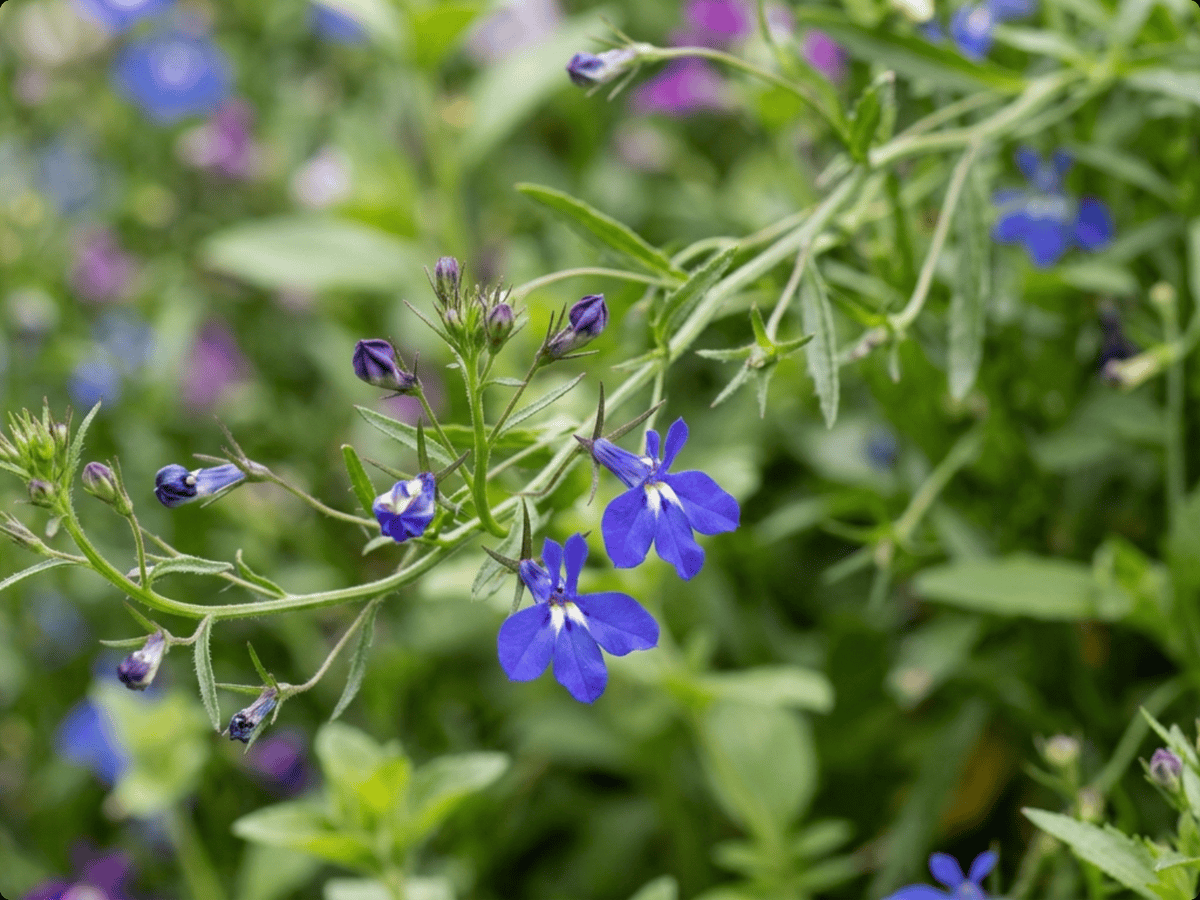
Lobelia erinus, the edging lobelia, produces masses of tiny, intense blue flowers (also available in white, pink, and purple) on compact or trailing plants. The vivid cobalt blue is one of the truest blues available in annual flowers — a color that's rare and highly valued in gardens. Native to South Africa, it blooms best in cool weather, often fading in midsummer heat but recovering in autumn. Compact types make excellent edging at 10–15 cm tall, while trailing types cascade beautifully from baskets and window boxes. It is one of the most popular container companion plants.
- Compact
How to care for Garden Lobelia
Watering
- Springevery 3 days
- Summerevery 2 days
- Fallevery 5 days
- Winterpause watering
Soil · Well-draining
- Top dressingPine bark mulch10%
- Main mixPotting soil + perlite 2:170%
- DrainageLECA / gravel20%
Never skip the drainage layer — standing water is the top cause of root rot.
FERTILIZER
Balanced Feed 14-14-14
An even feed covers all three needs at once, keeping leaves, roots and blooms moving together with nothing pushed out of balance.
- Nitrogen · Leaves
- Phosphorus · Roots + Blooms
- Potassium · Strength
- Springevery 14 days
- Summerevery 14 days
At a Glance
- NativeAfrica
- Height0.5–1 ft (0.2–0.3 m)
- Spread0.5–1 ft (0.2–0.3 m)
- Flower colorBlue, Purple, White, Pink
- Foliage colorGreen, Bronze
- SoilRich, Loamy, Well-drained
- LocationsBalcony · Yard
Bloom time
BLOOM CYCLE
Peak bloom
Jul, Sep, Oct, Nov
True blue flowers; prefers cool weather; cut back in midsummer for autumn rebloom
Fragrance
NO FRAGRANCE
No notable fragrance.
Toxicity
Humans Moderate · Pets Moderate
lobeline, lobelanine, and related pyridine alkaloids
Moderate
- All
- Ingestion
EXPOSURE Eating any part of the plant.
EFFECT Nausea, vomiting, salivation, weakness and contains pyridine alkaloids.
NOTE Genus Lobelia contains lobeline alkaloids with nicotine-like action; caution with pets and children.
Moderate
- All
- Ingestion
EXPOSURE Eating any part of the plant.
EFFECT Vomiting, diarrhea, depression, cardiac disturbance with large doses.
NOTE Genus Lobelia contains lobeline alkaloids with nicotine-like action; caution with pets and children.
Moderate
- All
- Ingestion
EXPOSURE Eating any part of the plant.
EFFECT Vomiting, diarrhea, depression, cardiac disturbance.
NOTE Genus Lobelia contains lobeline alkaloids with nicotine-like action; caution with pets and children.
Educational information, not medical or veterinary advice. If exposure is suspected, contact a doctor or veterinarian.
DISTRIBUTION

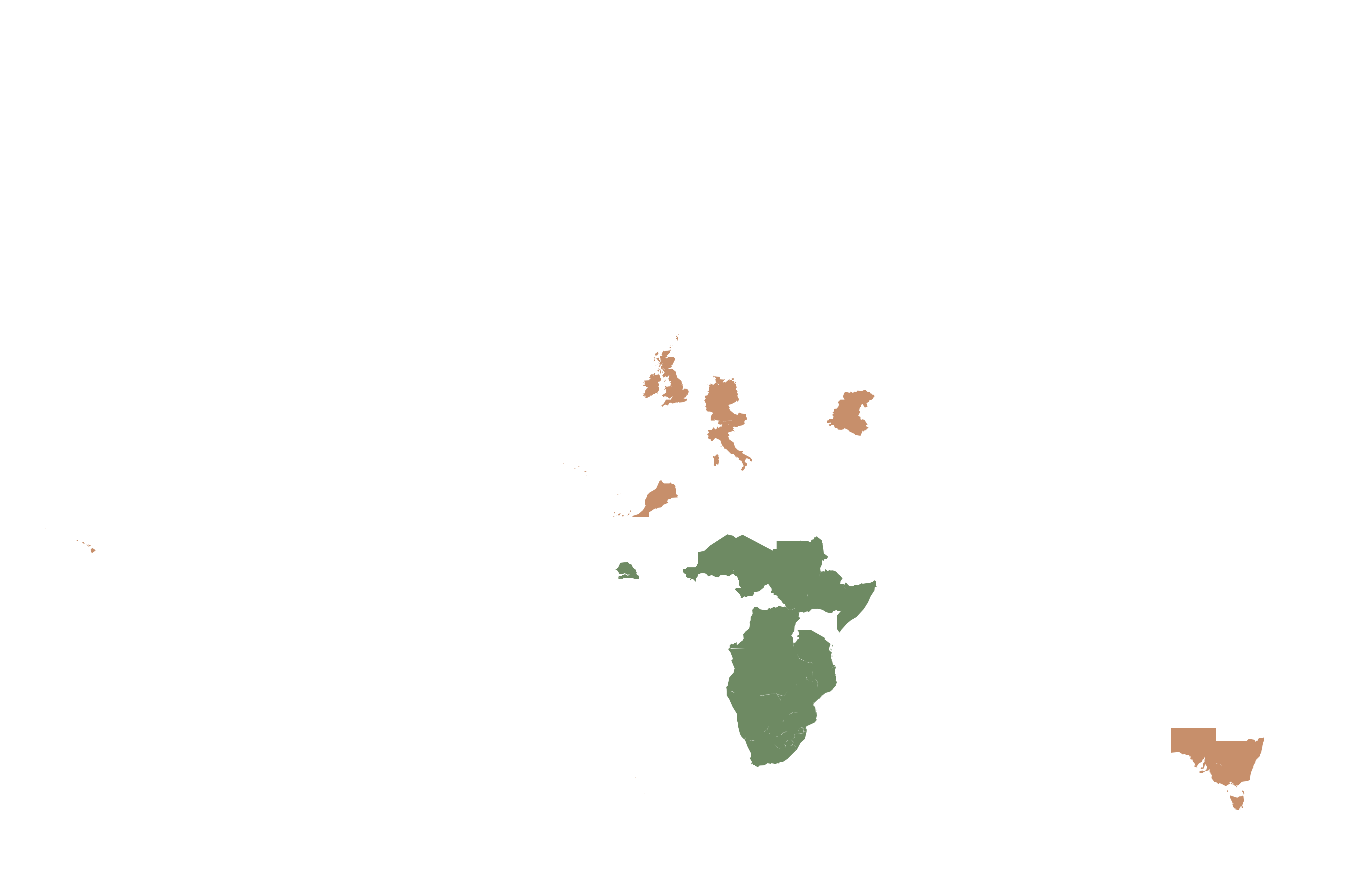
- Native
- Introduced
- Africa
History
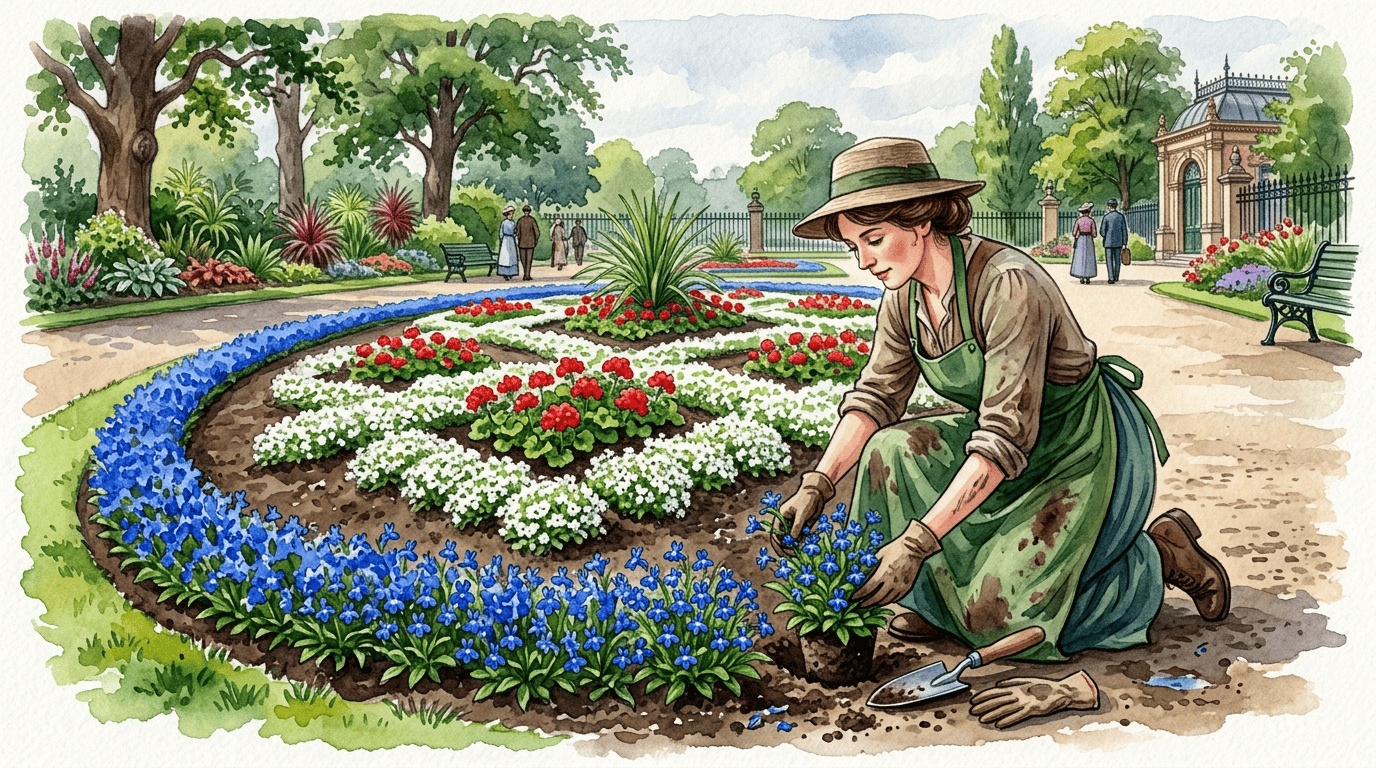
Lobelia erinus is native to the fynbos and grasslands of South Africa's Cape region. The genus honors Matthias de l'Obel, a 16th-century Flemish physician-botanist who served King James I of England. European gardeners began cultivating L. erinus in the 1700s, captivated by its intense blue flowers, a color still rare among summer annuals.
The Victorian bedding-out movement turned it into a design tool: low edging lines of lobelia framed alyssum, pelargoniums, and geometric carpet beds in public parks. Modern trailing forms such as 'Sapphire' and compact cultivars like 'Crystal Palace' keep that role alive in window boxes, hanging baskets, and cool-season containers. Other Lobelia species, especially North American L. inflata, have strong medicinal histories, but garden lobelia's fame rests on color: the small blue flower that made formal bedding glow.
Symbolism & meaning
What It Symbolizes
Garden Lobelia carries distinction in its rare true blue, a color most flowers approach only as violet or sky. That uniqueness gave it Victorian meaning: standing apart from the crowd, refusing the easier shades. Cascading from window boxes and hanging baskets, it brings a clean sapphire note that few other annuals can match — an unmistakable flower for those who admire what does not blend in.
- Distinction — Its rare true blue color stands apart from the crowd, representing uniqueness
Where the Name Comes From
Lobelia honors Matthias de l'Obel (1538–1616), Flemish botanist. Erinus from a Greek plant name used by Dioscorides.
Uses & Fun Facts
- Trailing blue flowers spill from hanging baskets and edges
- Clouds of cobalt-blue blooms cool shaded summer borders
Related plants
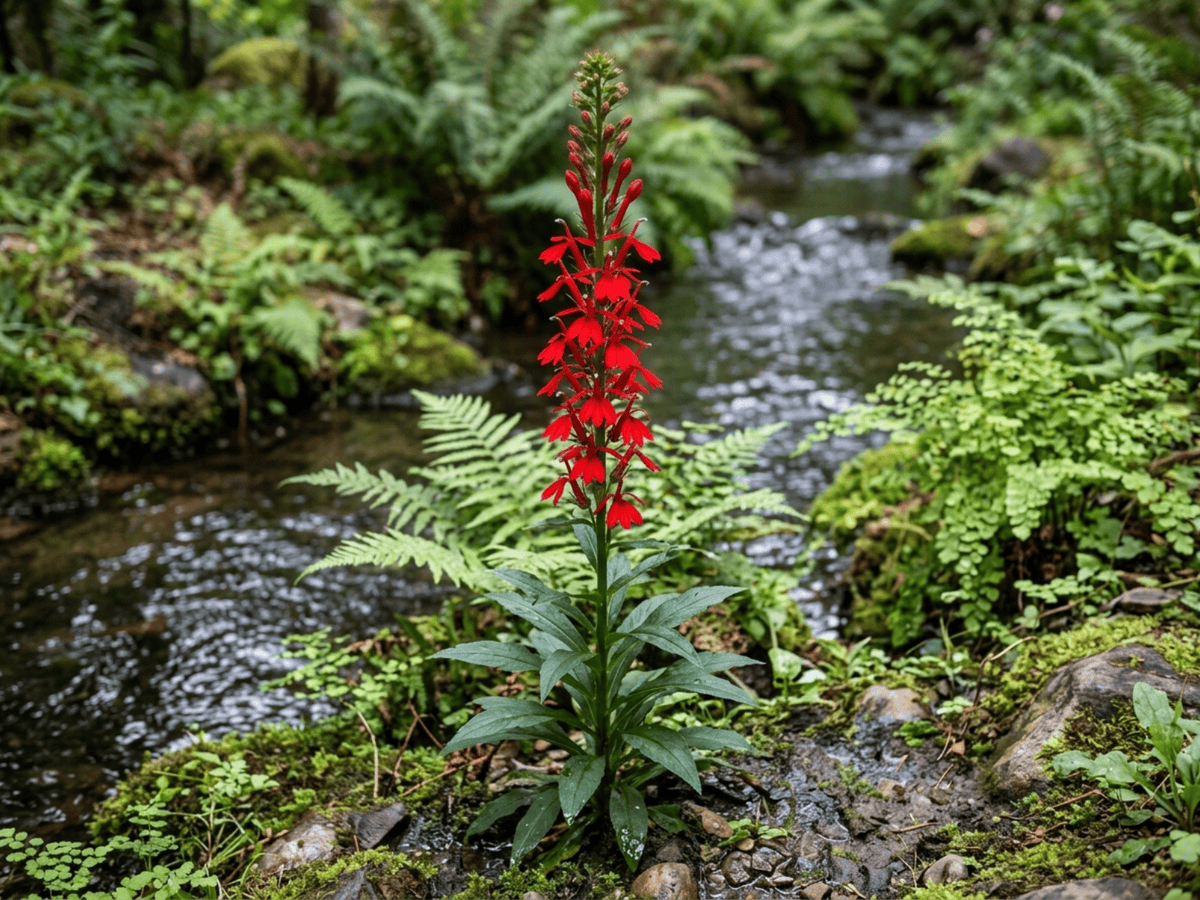
More Lobelia plants

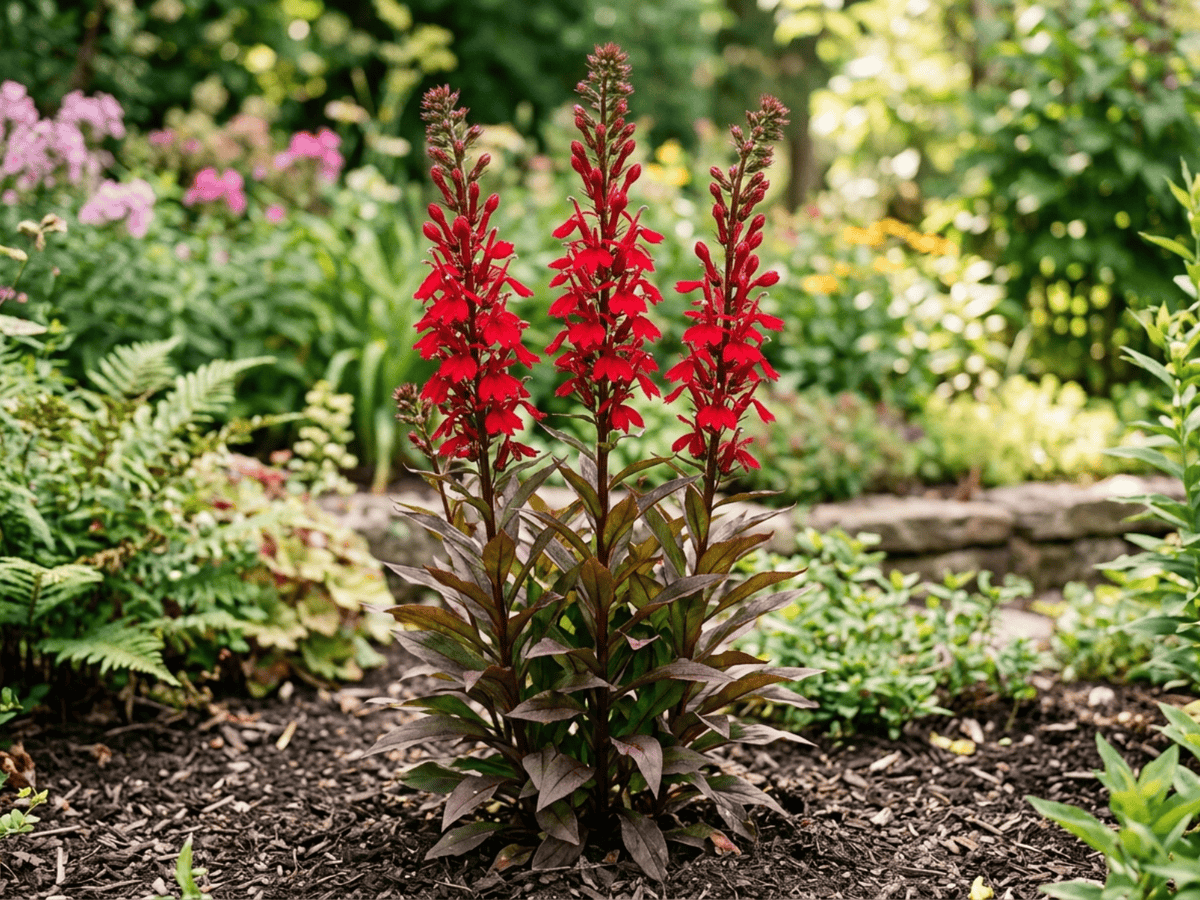
Plants with similar care
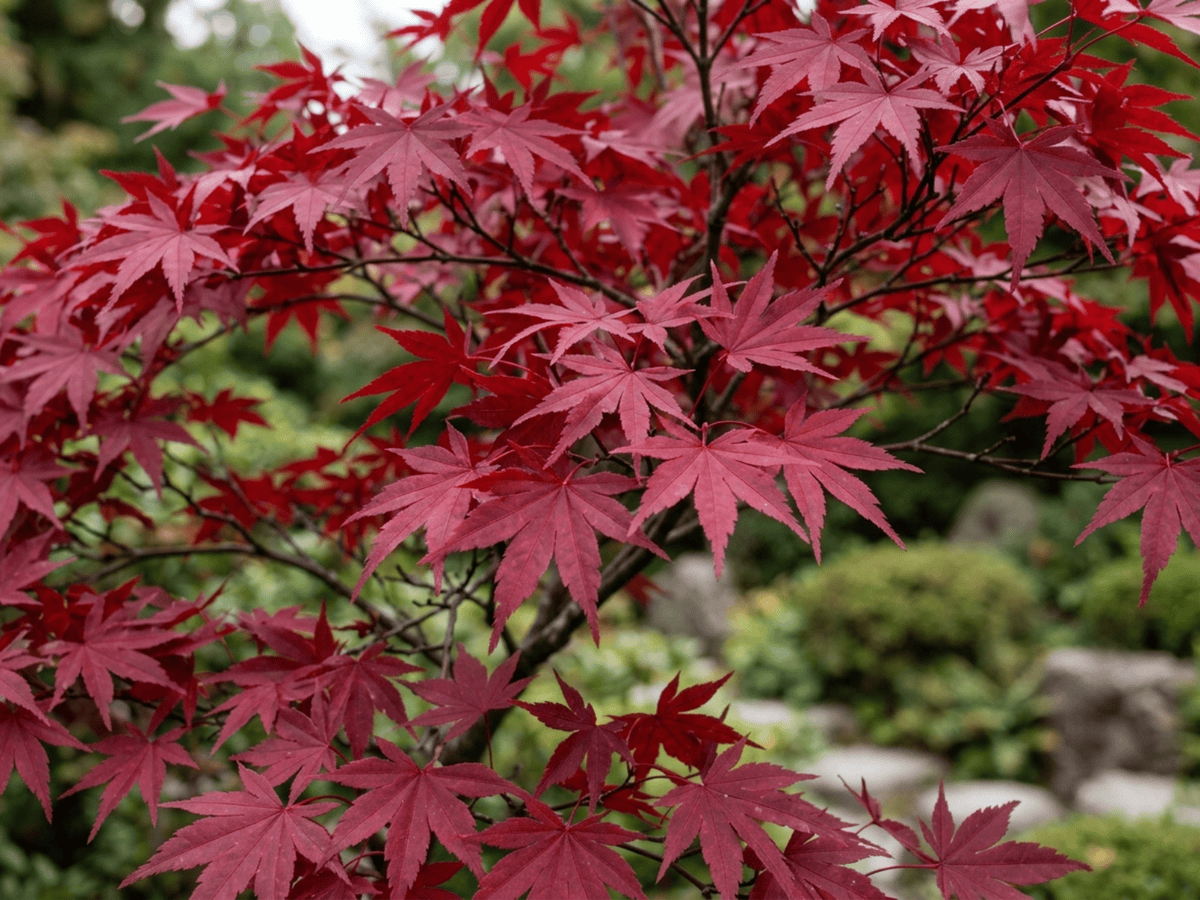 Japanese MapleAcer palmatum
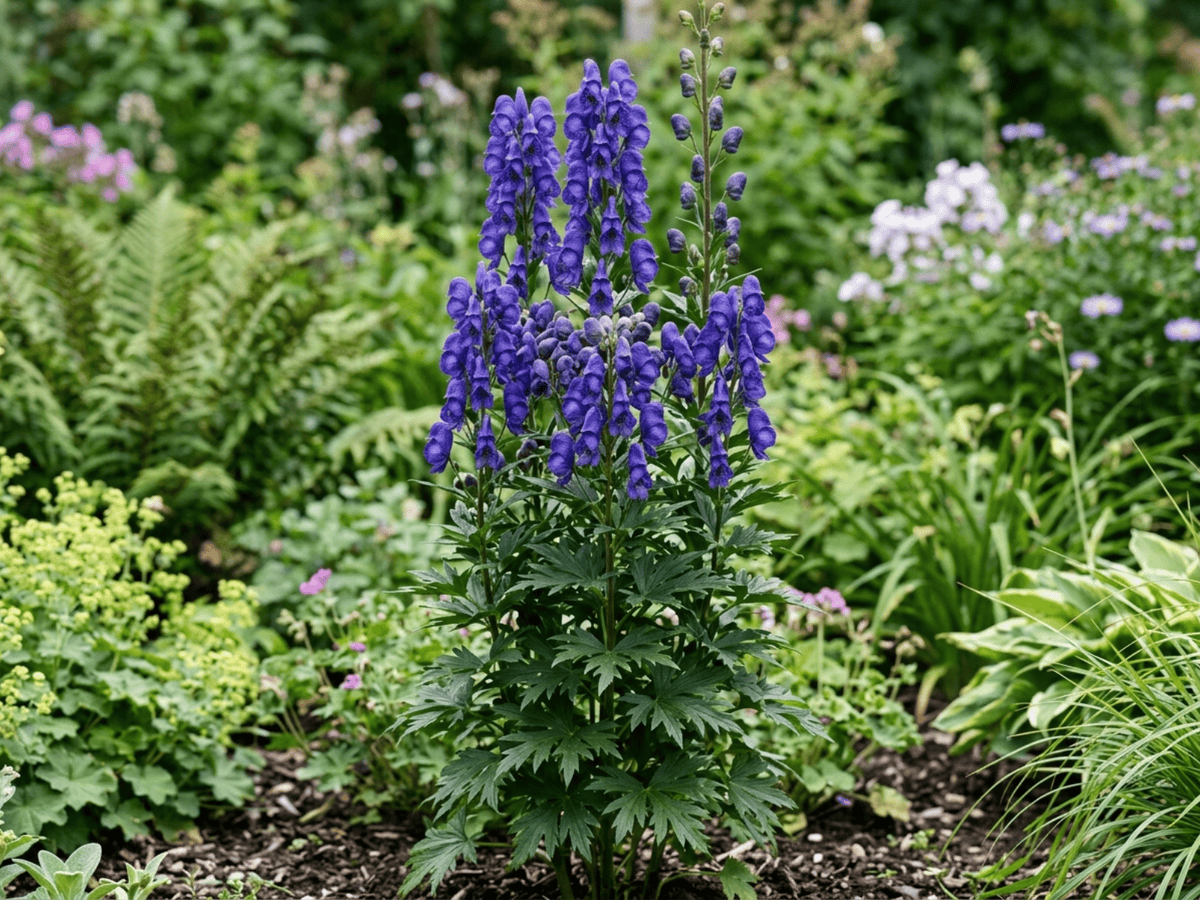 Azure MonkshoodAconitum carmichaelii
 Florida HobblebushAgarista populifolia
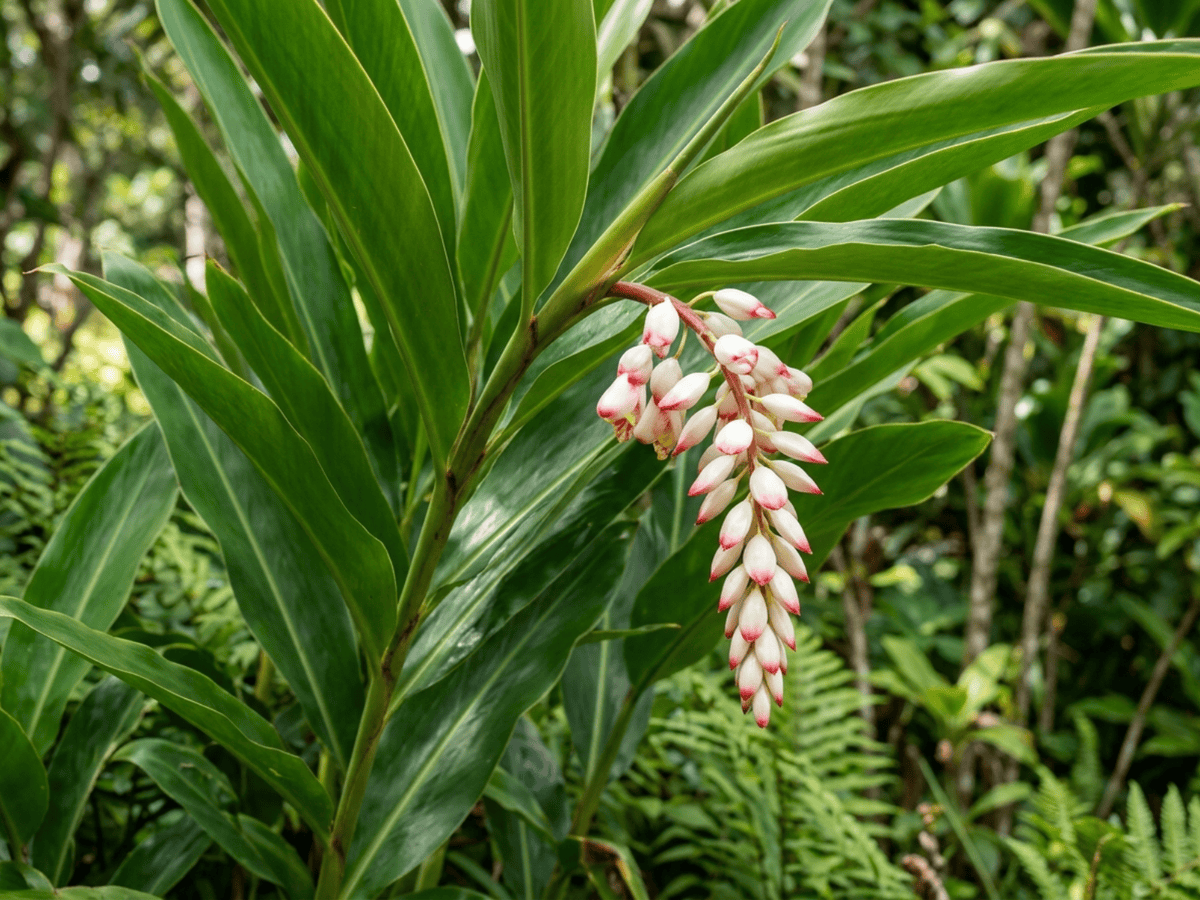 Shell GingerAlpinia zerumbet
Frequently asked questions
How often should I water Garden Lobelia?
Water about every 3 days during the growing season, and always let excess water drain away.
How much light does Garden Lobelia need?
Part shade: 2–4 hrs direct. Watch the leaves — scorching or stretching means the light needs adjusting.
Is Garden Lobelia toxic to cats or dogs?
Pets Moderate (Dogs Moderate · Cats Moderate) Educational information, not medical or veterinary advice. If exposure is suspected, contact a doctor or veterinarian.
Is Garden Lobelia easy to grow?
It is moderately demanding: a good choice once you have a little experience.
When does Garden Lobelia bloom?
It typically blooms Jul, Sep, Oct, Nov in the Northern Hemisphere.
YardMate
Identify any plant in seconds
Snap a photo — YardMate names the plant, diagnoses problems, and reminds you when to water.
Download on the App Store