 YardMate


Indian Tobacco
Lobelia inflata
Medium · Some experienceAbout Indian Tobacco
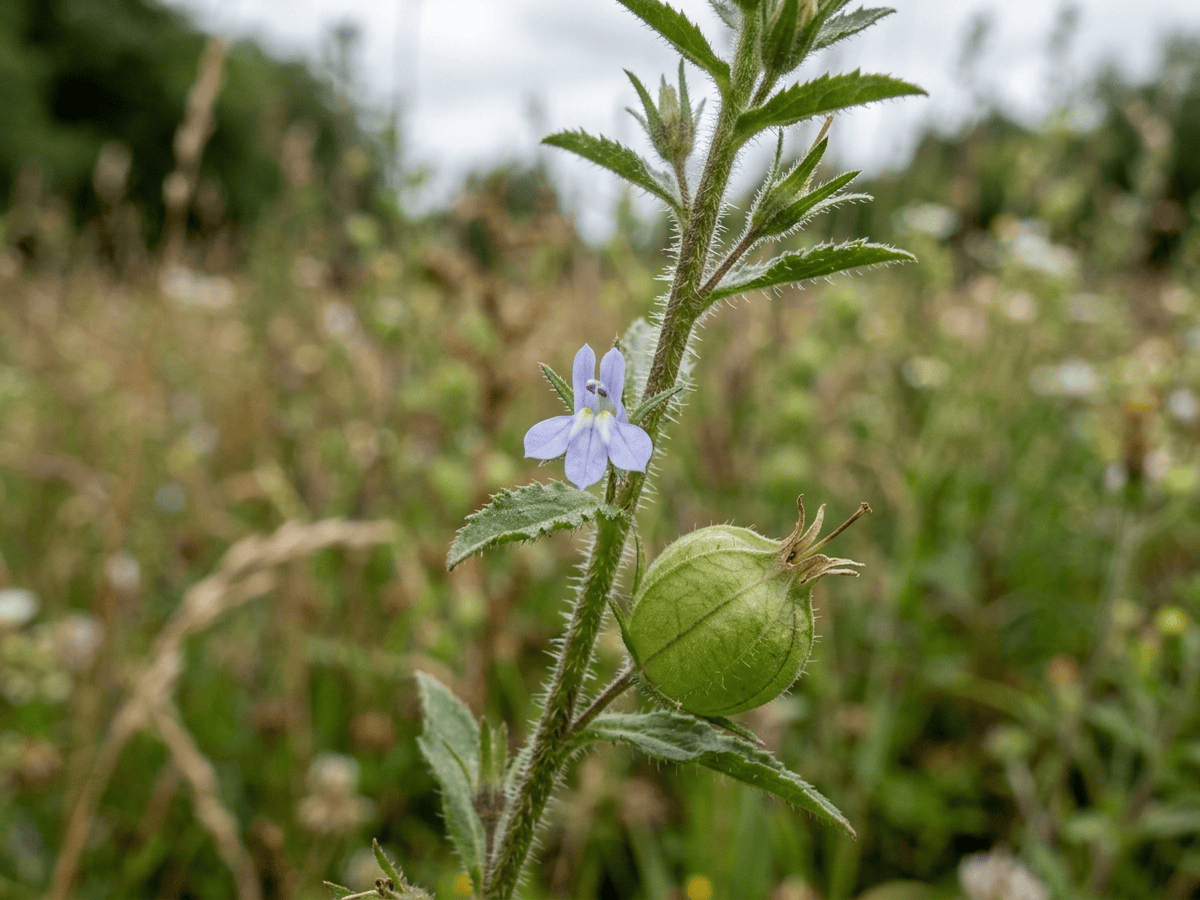
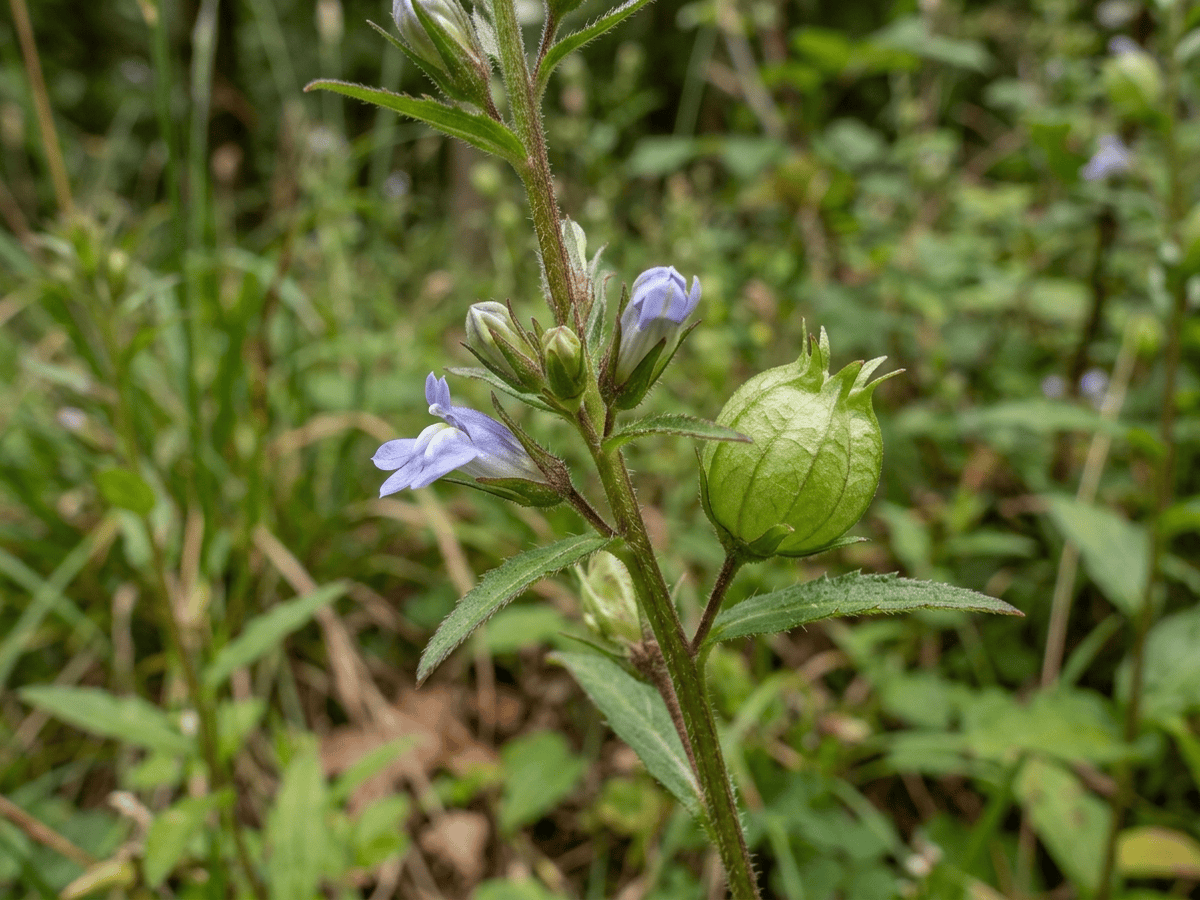
Lobelia inflata, Indian tobacco, is a slender annual or biennial native to eastern North America. Plants reach 30-100 cm with toothed leaves and small pale blue flowers in summer followed by distinctive inflated seed capsules (the source of 'inflata').
The species has a remarkable medical history: Samuel Thomson, the 19th-century American botanic medicine founder, made Lobelia inflata his signature herb for asthma, used as an emetic and respiratory stimulant. At therapeutic doses it acts as a bronchodilator; at high doses it causes violent vomiting and can be fatal.
Modern pharmacology extracts lobeline, a nicotinic-receptor partial agonist studied for smoking cessation and drug addiction research. Wild plants grow in disturbed woods, roadsides, and pastures across eastern and central North America.
- Medicinal
- Native
How to care for Indian Tobacco
Watering
- Springevery 7 days
- Summerevery 5 days
- Fallevery 10 days
- Winterpause watering
Soil · Well-draining
- Top dressingPine bark mulch10%
- Main mixPotting soil + perlite 2:170%
- DrainageLECA / gravel20%
Never skip the drainage layer — standing water is the top cause of root rot.
FERTILIZER
This plant needs little to no feeding.
At a Glance
- NativeNorth America
- Height1–3 ft (0.3–0.9 m)
- Spread0.5–1 ft (0.2–0.3 m)
- Flower colorBlue
- Foliage colorGreen
- Fruit colorBrown
- SoilLoamy, Moisture-retentive, Acidic
- LocationsYard
Bloom time
BLOOM CYCLE
Peak bloom
Jul–Sep
Small pale blue flowers July-September followed by inflated seed capsules.
Fragrance
NO FRAGRANCE
Not fragrant.
Toxicity
Humans Toxic · Pets Toxic
lobeline and lobelanine
Toxic
- All
- Ingestion
EXPOSURE Eating any part of the plant.
EFFECT Vomiting, diarrhea, sweating, convulsions, respiratory depression at high doses. Deaths reported.
NOTE Dangerous at high doses. Historic cases of fatal poisoning in Thomsonian medicine. Keep from children and pets.
Toxic
- All
- Ingestion
EXPOSURE Eating any part of the plant.
EFFECT Vomiting, weakness, respiratory distress.
NOTE Dangerous at high doses. Historic cases of fatal poisoning in Thomsonian medicine. Keep from children and pets.
Toxic
- All
- Ingestion
EXPOSURE Eating any part of the plant.
EFFECT Vomiting, weakness, respiratory distress.
NOTE Dangerous at high doses. Historic cases of fatal poisoning in Thomsonian medicine. Keep from children and pets.
Educational information, not medical or veterinary advice. If exposure is suspected, contact a doctor or veterinarian.
DISTRIBUTION


- Native
- Introduced
- North America
History
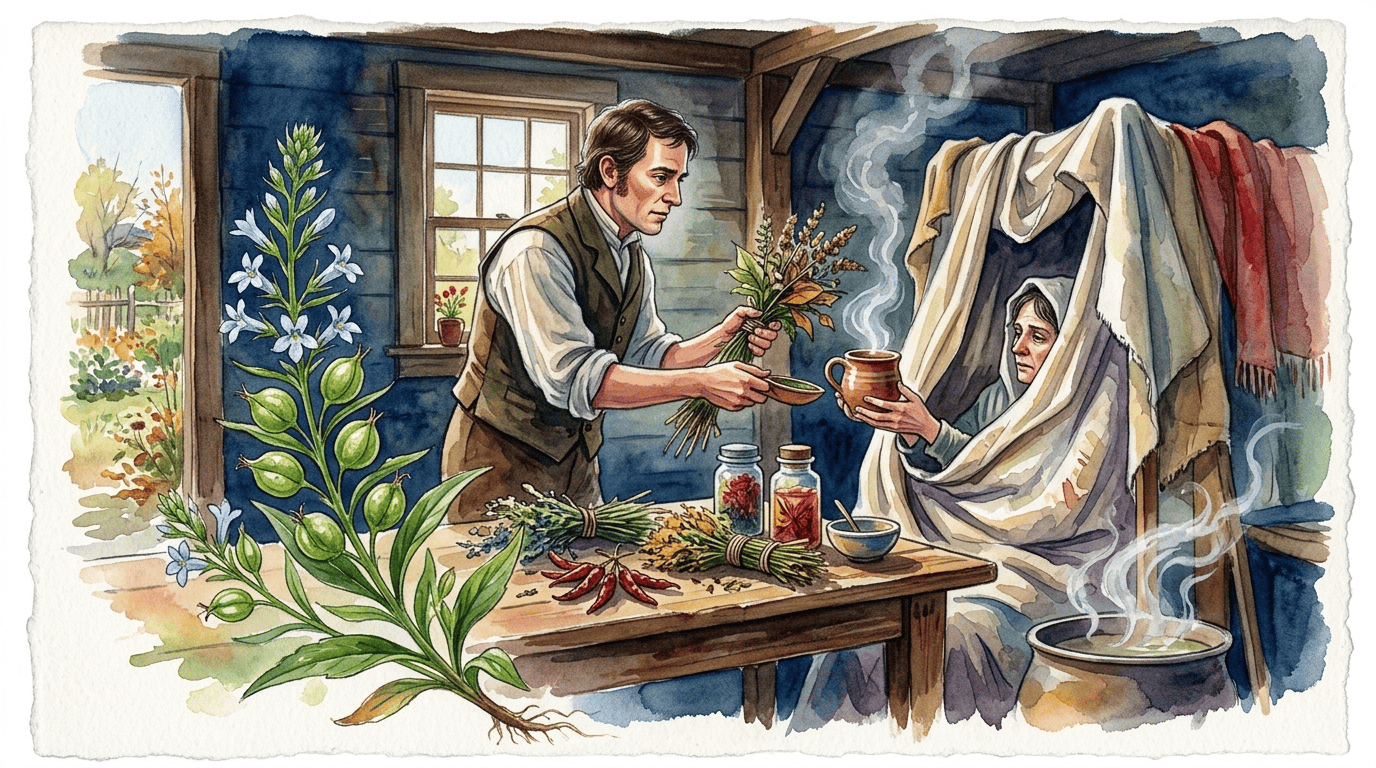
Lobelia inflata is native to eastern and central North America, growing in disturbed woods, pastures, and roadsides. Indigenous peoples used the plant medicinally for respiratory conditions before European contact. Samuel Thomson (1769-1843), a self-taught New Hampshire farmer who founded the Thomsonian school of American botanic medicine, made Lobelia inflata the central herb of his system.
His 'Course of Medicine' used lobelia as an emetic to purge the body, paired with steam baths and cayenne pepper. Thomsonianism peaked in the 1830s-1840s with an estimated three million adherents before fading as scientific medicine advanced.
Lobeline, the principal alkaloid, is a partial agonist at nicotinic acetylcholine receptors, which made it a 20th-century candidate for smoking cessation therapy (sold as Bantron and Nikoban in the 1960s-70s, later withdrawn for insufficient efficacy). It remains under research for treating methamphetamine addiction. The plant is dangerous at high doses — acute overdose causes violent vomiting, convulsions, and death.
Symbolism & meaning
What It Symbolizes
Indian Tobacco lives in ambivalence. Its small blue flowers look delicate, yet the plant's old uses and strong chemistry made it a figure of both help and harm in nineteenth-century herbal culture. Its symbolism is measure: the narrow line between tool and danger.
- Ambivalence — Healing and harm in the same plant depending on dose
- Frontier Medicine — Icon of 19th-century American botanic medicine
Where the Name Comes From
The name Indian Tobacco points to India. Lobelia honors Flemish botanist Matthias de l'Obel (1538-1616); 'inflata' refers to inflated seed capsules.
Uses & Fun Facts
- Native respiratory remedy and source of nicotinic alkaloid lobeline
Related plants
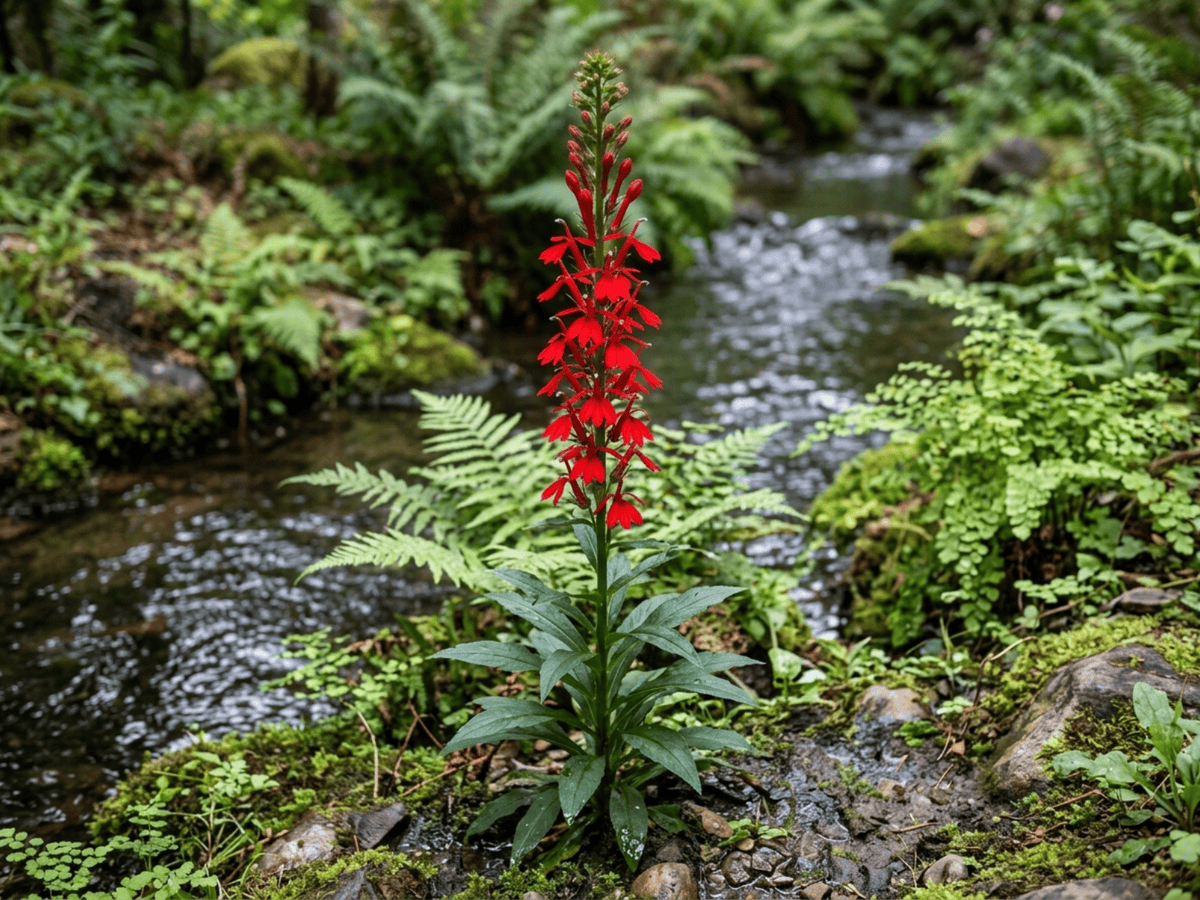
More Lobelia plants

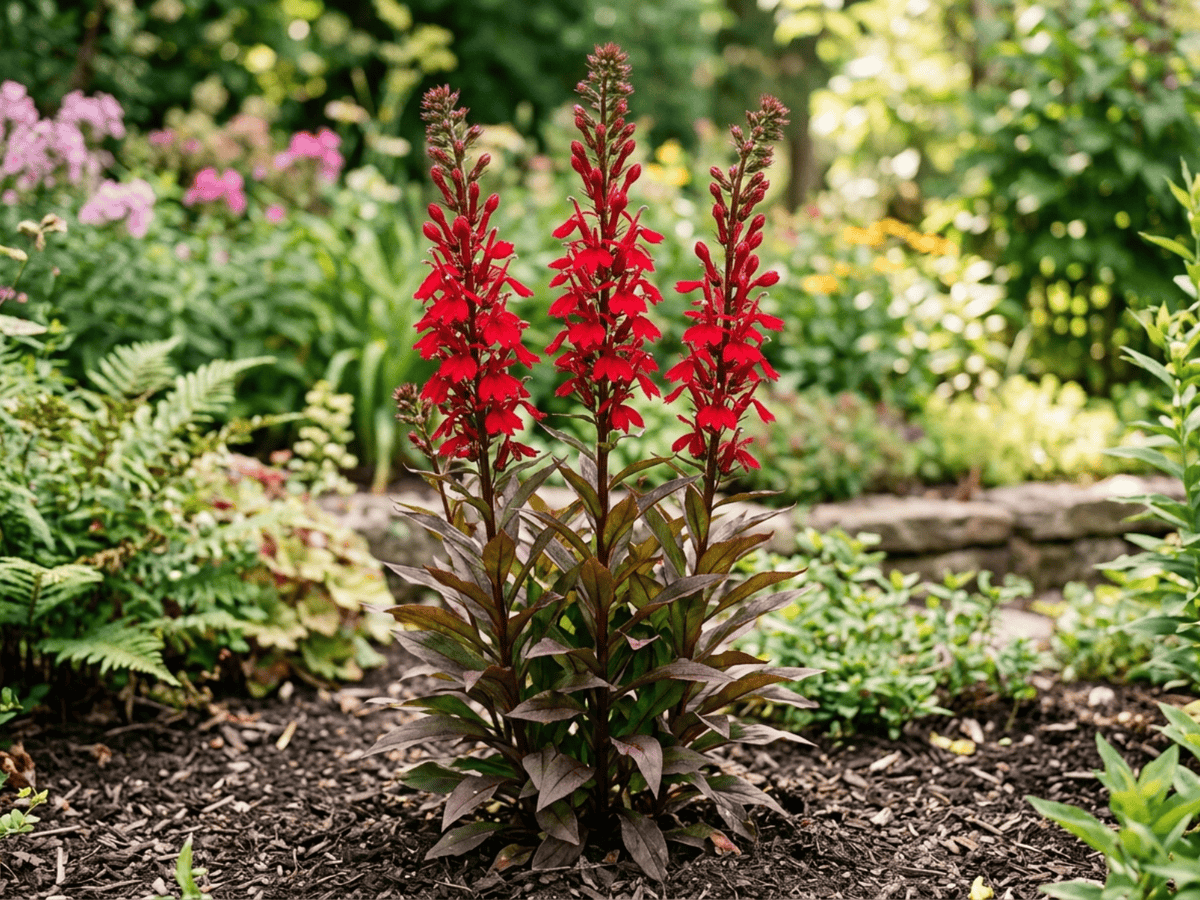
Plants with similar care
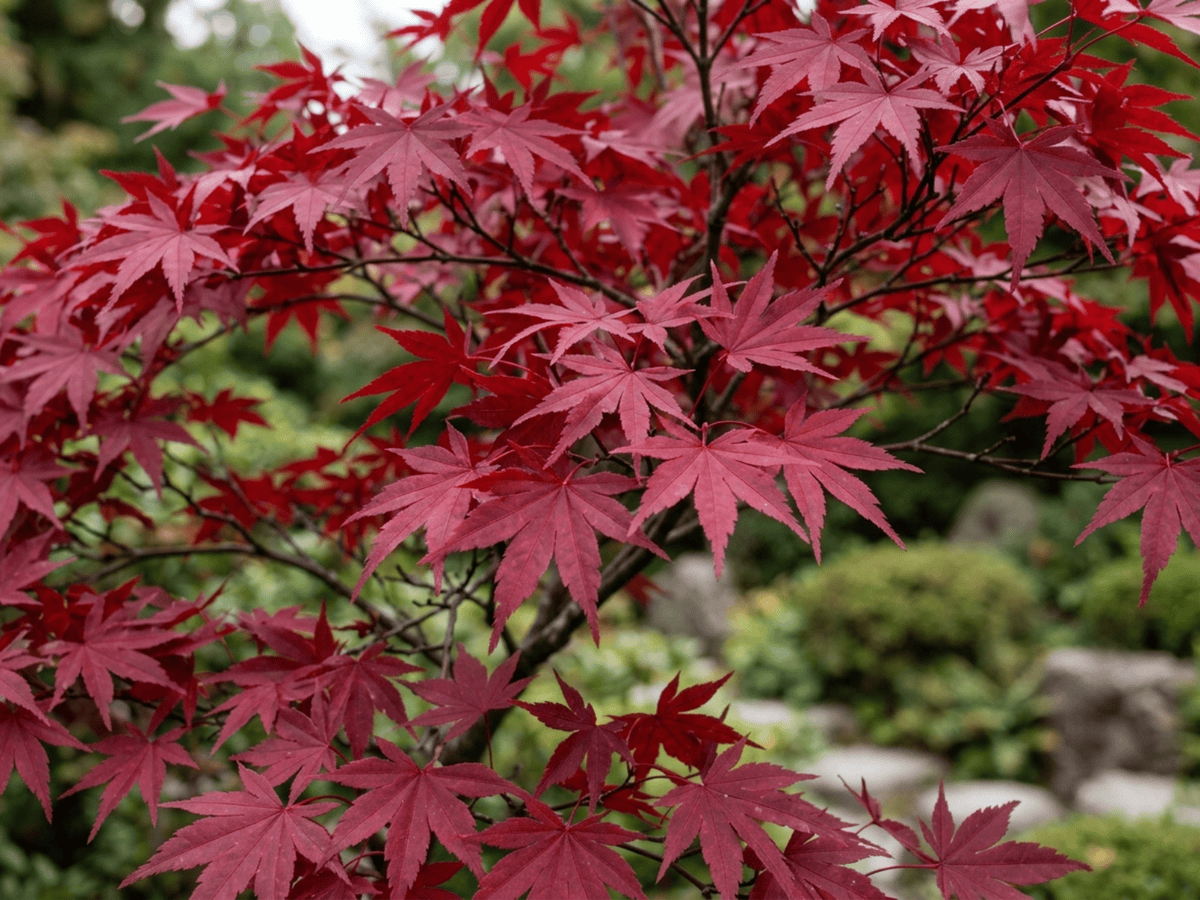 Japanese MapleAcer palmatum
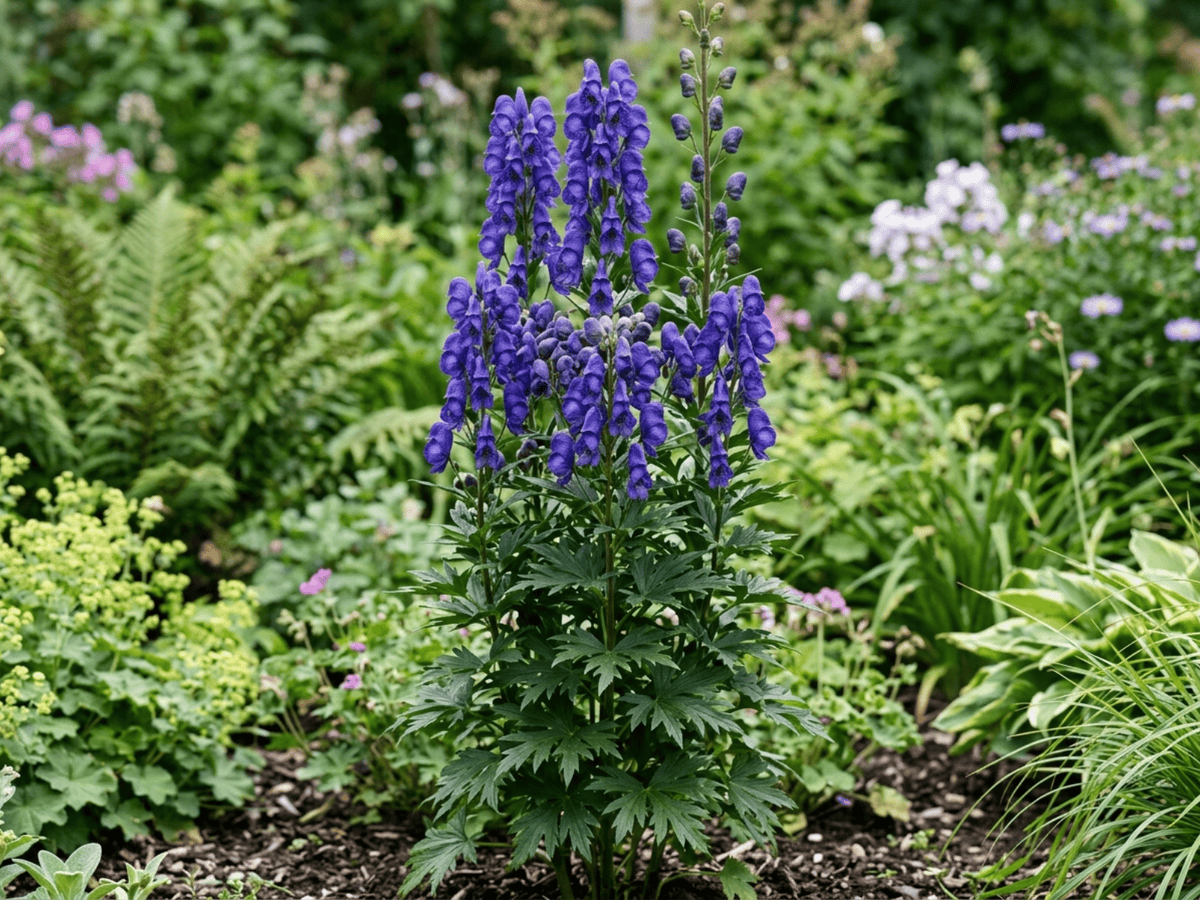 Azure MonkshoodAconitum carmichaelii
 Florida HobblebushAgarista populifolia
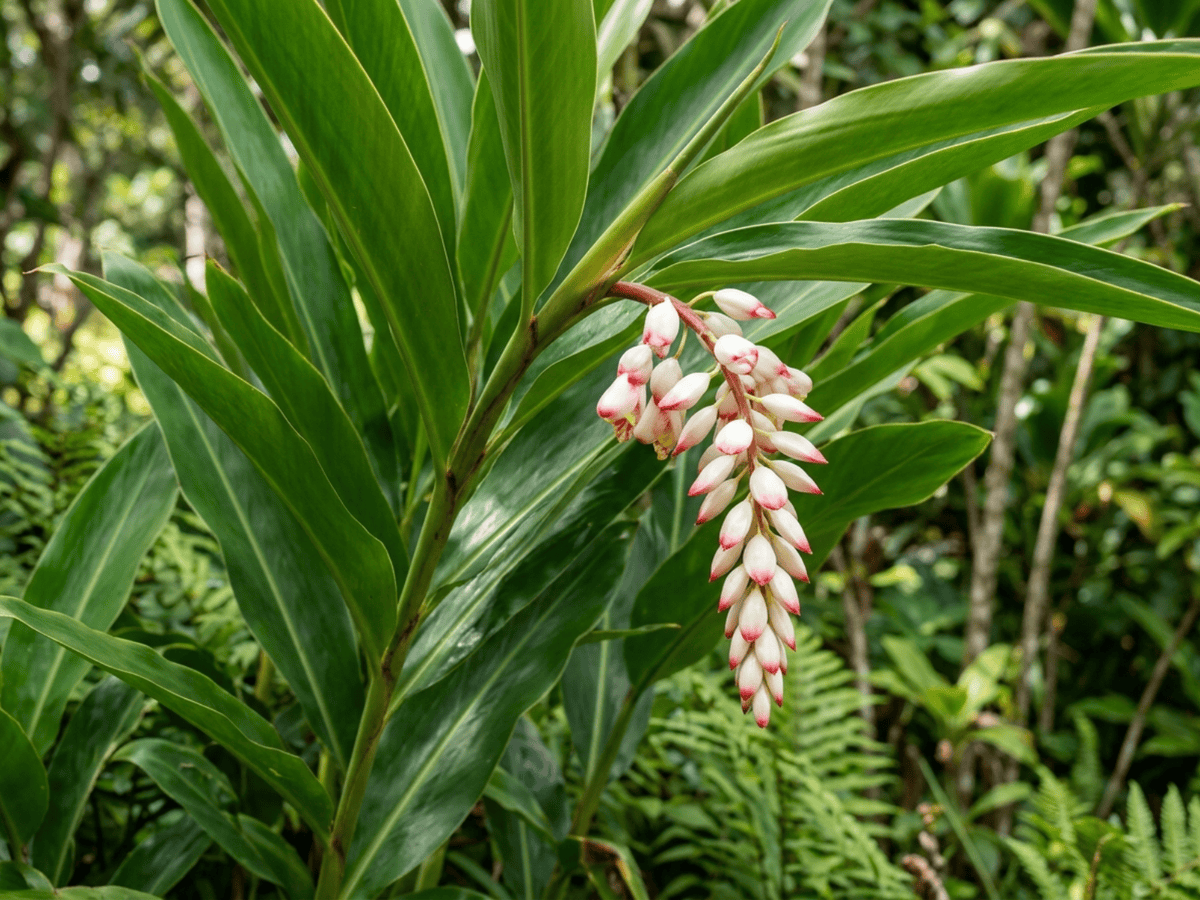 Shell GingerAlpinia zerumbet
Frequently asked questions
How often should I water Indian Tobacco?
Water about every 7 days during the growing season, and always let excess water drain away.
How much light does Indian Tobacco need?
Part shade: 2–4 hrs direct. Watch the leaves — scorching or stretching means the light needs adjusting.
Is Indian Tobacco toxic to cats or dogs?
Pets Toxic (Dogs Toxic · Cats Toxic) Educational information, not medical or veterinary advice. If exposure is suspected, contact a doctor or veterinarian.
Is Indian Tobacco easy to grow?
It is moderately demanding: a good choice once you have a little experience.
When does Indian Tobacco bloom?
It typically blooms Jul–Sep in the Northern Hemisphere.
YardMate
Identify any plant in seconds
Snap a photo — YardMate names the plant, diagnoses problems, and reminds you when to water.
Download on the App Store