 YardMate
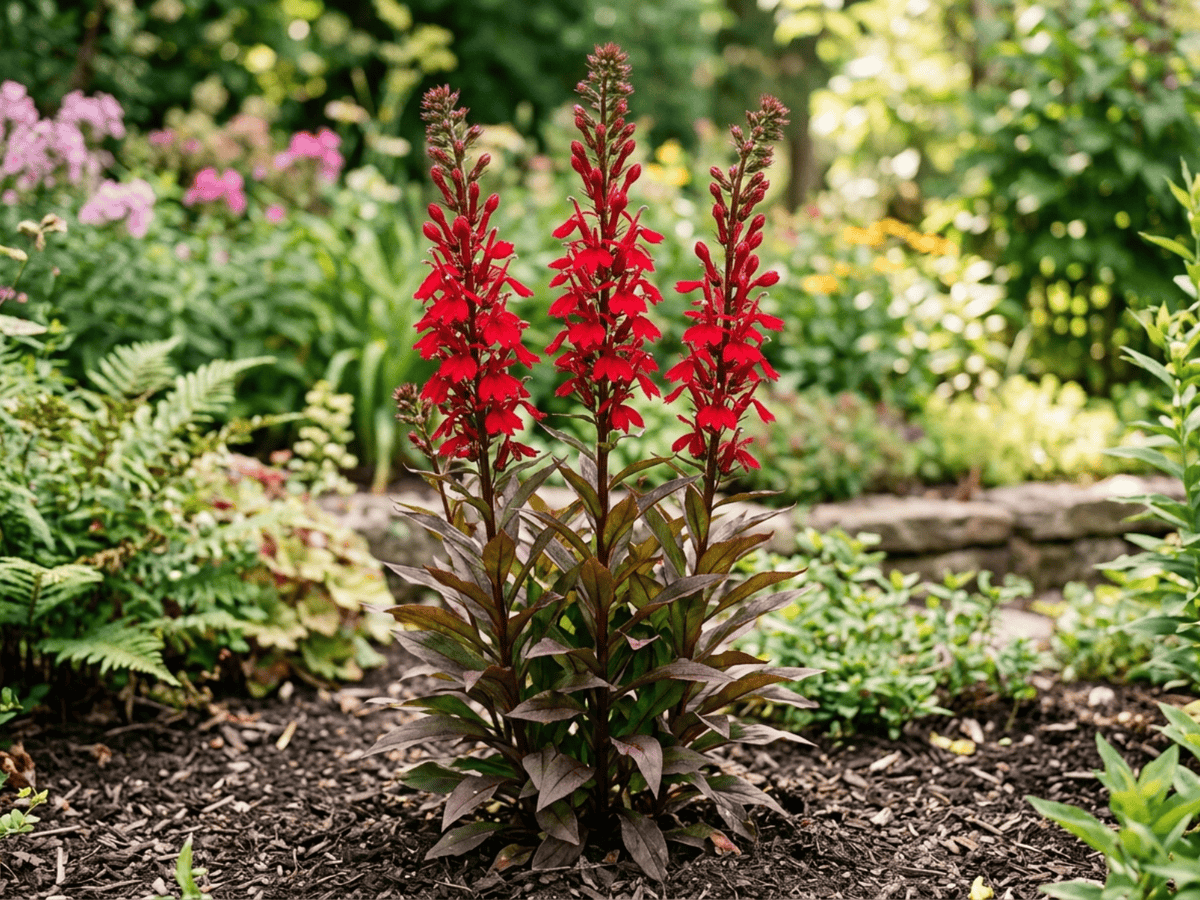


Showy Lobelia
Lobelia x speciosa
Medium · Some experienceAbout Showy Lobelia
Showy Lobelia is a hybrid perennial combining the hardiness of native Lobelia cardinalis (US native cardinal flower) with the color range of Lobelia siphilitica and L. fulgens, producing 2–4 foot spires of scarlet, pink, or purple tubular flowers from midsummer to early fall. Hardy in USDA zones 6–9, it thrives in moist borders, rain gardens, and pond edges. A hummingbird magnet. The 'Fan' series dominates US perennial markets.
- Deer-resistant
- Pollinator-friendly
- Native
How to care for Showy Lobelia
Watering
- Springevery 3 days
- Summerevery 2 days
- Fallevery 4 days
- Winterevery 7 days
Soil · Well-draining
- Top dressingPine bark mulch10%
- Main mixPotting soil + perlite 2:170%
- DrainageLECA / gravel20%
Never skip the drainage layer — standing water is the top cause of root rot.
FERTILIZER
Balanced Feed 14-14-14
An even feed covers all three needs at once, keeping leaves, roots and blooms moving together with nothing pushed out of balance.
- Nitrogen · Leaves
- Phosphorus · Roots + Blooms
- Potassium · Strength
- Springevery 21 days
- Summerevery 30 days
At a Glance
- NativeNorth America
- Height2–4 ft (0.6–1.2 m)
- Spread1–1.5 ft (0.3–0.5 m)
- Flower colorRed, Pink, Purple
- Foliage colorGreen, Bronze, Red
- SoilMoisture-retentive, Rich, Loamy
- LocationsYard
Bloom time
BLOOM CYCLE
Peak bloom
Jun–Nov
Scarlet or purple spires midsummer to fall
Toxicity
Humans Moderate · Pets Moderate
lobeline and lobelamine
Moderate
- All
- Ingestion
EXPOSURE Eating any part of the plant.
EFFECT Nausea, vomiting, and dizziness.
NOTE All Lobelia species contain nicotine-like alkaloids; avoid ingestion.
Moderate
- All
- Ingestion
EXPOSURE Eating any part of the plant.
EFFECT Vomiting, diarrhea, and weakness.
NOTE All Lobelia species contain nicotine-like alkaloids; avoid ingestion.
Moderate
- All
- Ingestion
EXPOSURE Eating any part of the plant.
EFFECT Vomiting, diarrhea, and weakness.
NOTE All Lobelia species contain nicotine-like alkaloids; avoid ingestion.
Educational information, not medical or veterinary advice. If exposure is suspected, contact a doctor or veterinarian.
DISTRIBUTION


- Native
- North America
History
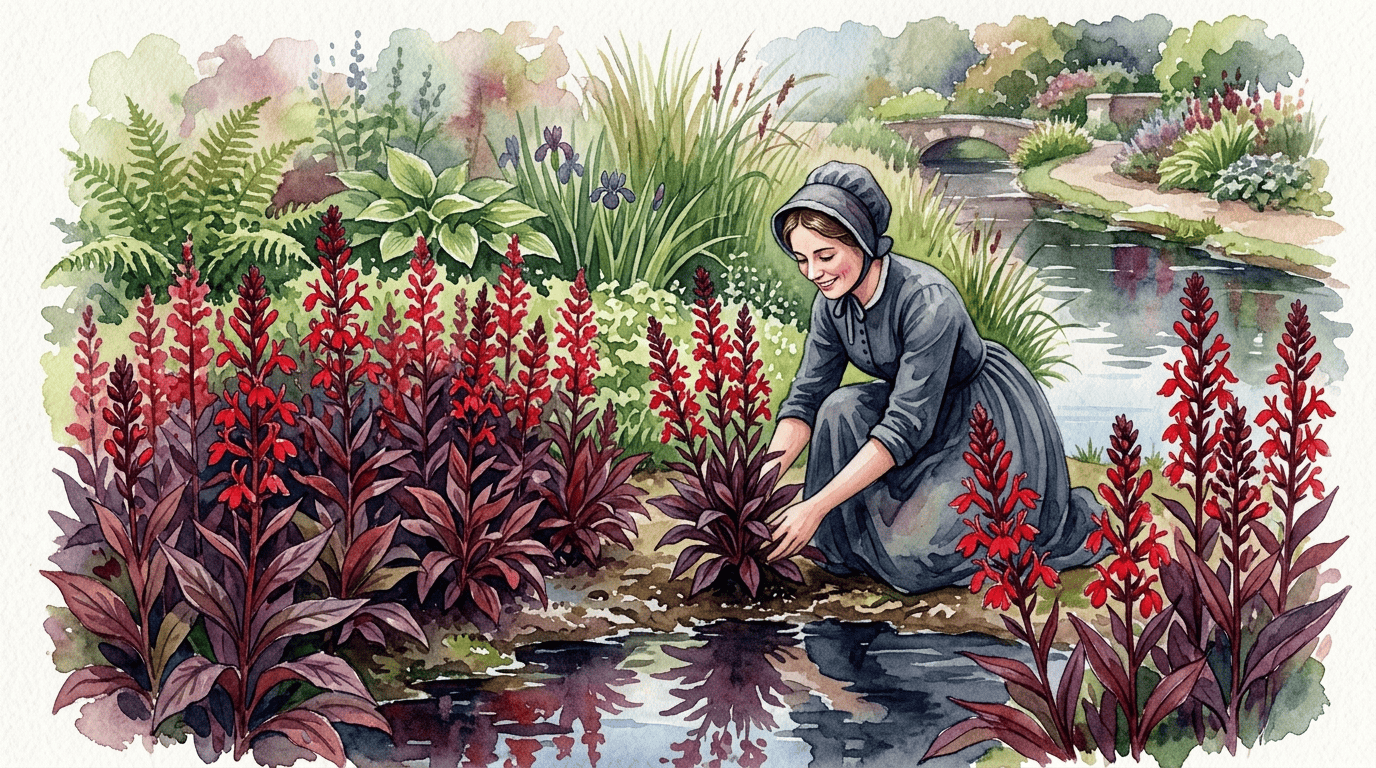
Lobelia x speciosa represents a cross between North American cardinal flower (L. cardinalis) and great blue lobelia (L. siphilitica), with some crosses also involving Mexican L. fulgens. Early 19th-century European breeders sought to combine cardinal flower's intense red with hardier parents. The dark-leaved cultivar 'Queen Victoria' was introduced in the 1870s and remains iconic.
Modern breeding programs in the 1980s produced the 'Compliment' and 'Fan' series for improved cold tolerance and vigor. The genus was named for Flemish botanist Matthias de l'Obel.
Native American peoples used parent species medicinally, though modern gardens treat these hybrids purely as ornamentals for wet borders and pondsides. The Fan series and similar hybrids were developed in the late 20th century by European and American perennial breeders by crossing the American native cardinal flower with Mexican species, giving gardeners vivid colors with the hardiness of North American natives.
Symbolism & meaning
What It Symbolizes
Showy Lobelia suggests Distinction — striking spires of red, blue, or violet that stand a head taller than the perennials around them. Its Generosity is just as marked, every flower a deep nectar well that feeds passing hummingbirds. A plant that combines unmistakable presence with practical kindness to wildlife.
- Distinction — striking spires stand above companions
- Generosity — abundant nectar feeds hummingbirds
Where the Name Comes From
Genus honors Matthias de l'Obel (1538–1616), Flemish botanist; 'speciosa' means 'showy'.
Uses & Fun Facts
- Tall scarlet or violet spikes light up moist borders
- Tubular flowers are favorites of ruby-throated hummingbirds
- Bold stems add vertical drama to summer arrangements
Related plants
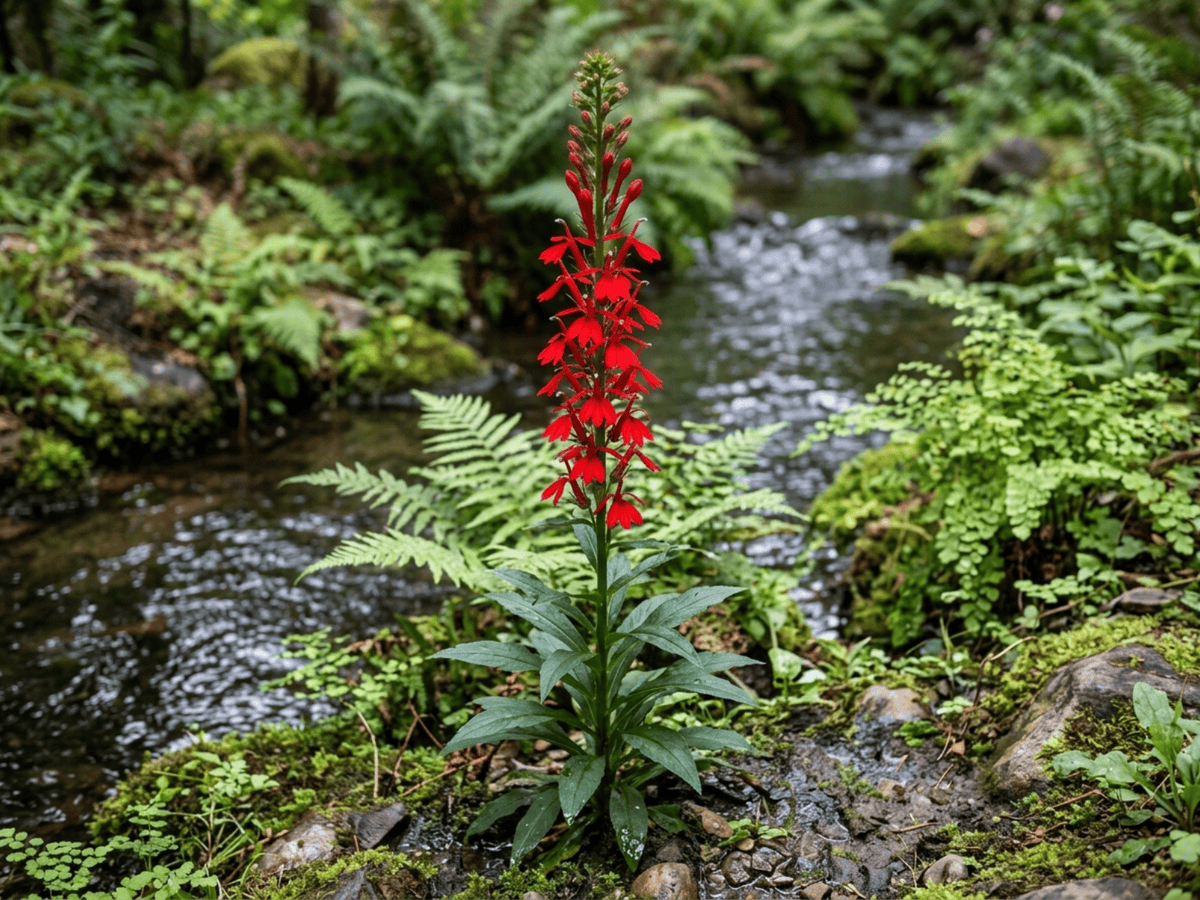
More Lobelia plants


Plants with similar care
 Mexican AbeliaAbelia floribunda
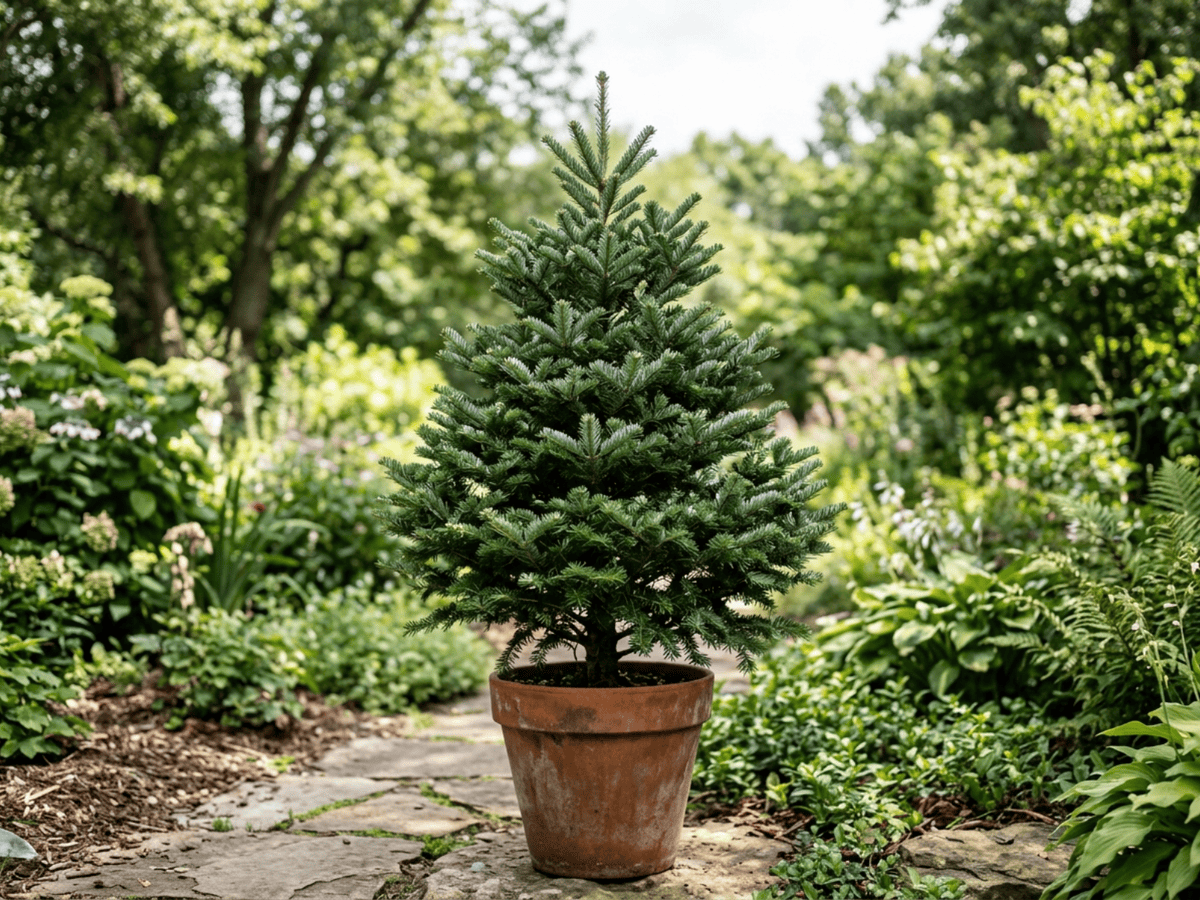 Fraser FirAbies fraseri
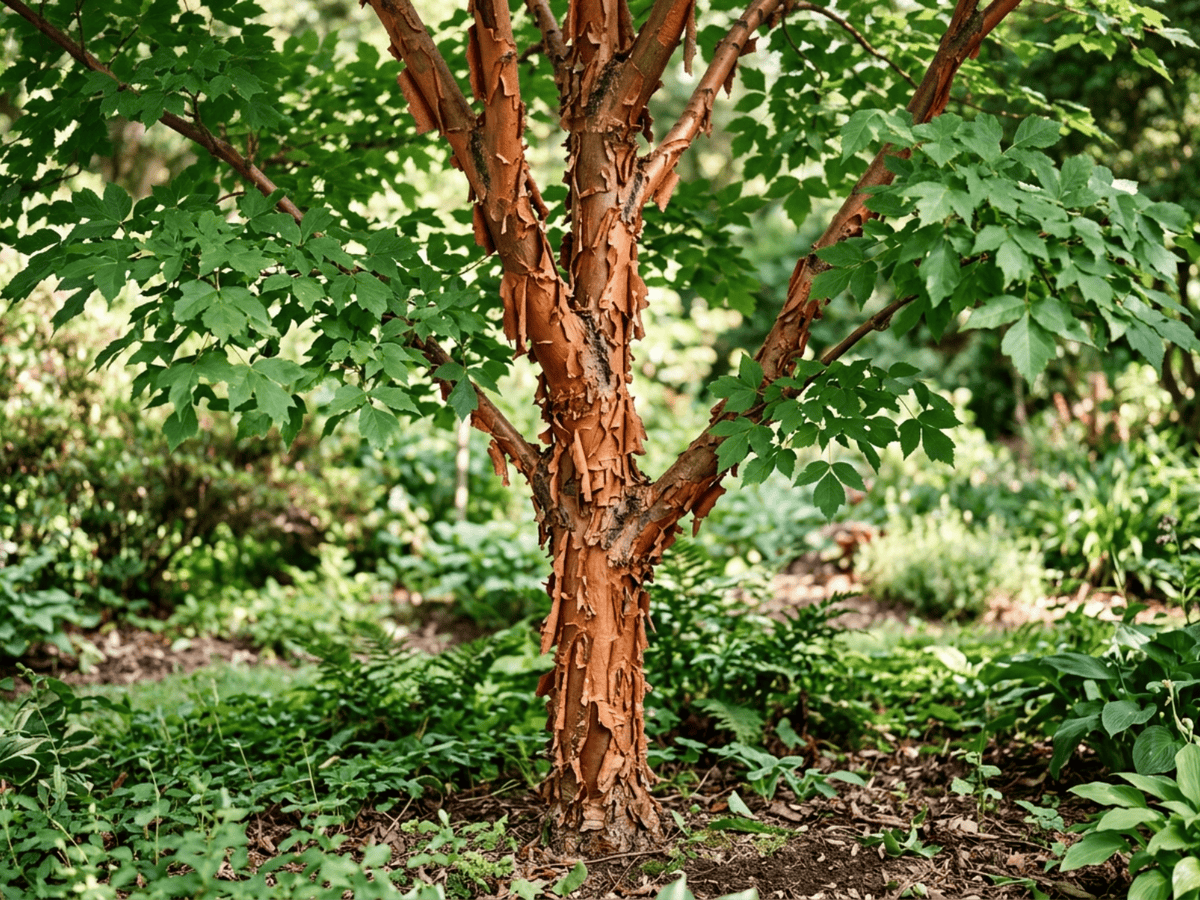 Paperbark MapleAcer griseum
 Sugar MapleAcer saccharum
Frequently asked questions
How often should I water Showy Lobelia?
In summer, water about every 2 days; in winter, about every 7 days. Adjust for heat, pot size and drainage.
How much light does Showy Lobelia need?
Full sun: 6+ hrs direct. Watch the leaves — scorching or stretching means the light needs adjusting.
Is Showy Lobelia toxic to cats or dogs?
Pets Moderate (Dogs Moderate · Cats Moderate) Educational information, not medical or veterinary advice. If exposure is suspected, contact a doctor or veterinarian.
Is Showy Lobelia easy to grow?
It is moderately demanding: a good choice once you have a little experience.
When does Showy Lobelia bloom?
It typically blooms Jun–Nov in the Northern Hemisphere.
YardMate
Identify any plant in seconds
Snap a photo — YardMate names the plant, diagnoses problems, and reminds you when to water.
Download on the App Store