 YardMate

Cardinal Flower
Lobelia cardinalis
Medium · Some experienceAbout Cardinal Flower
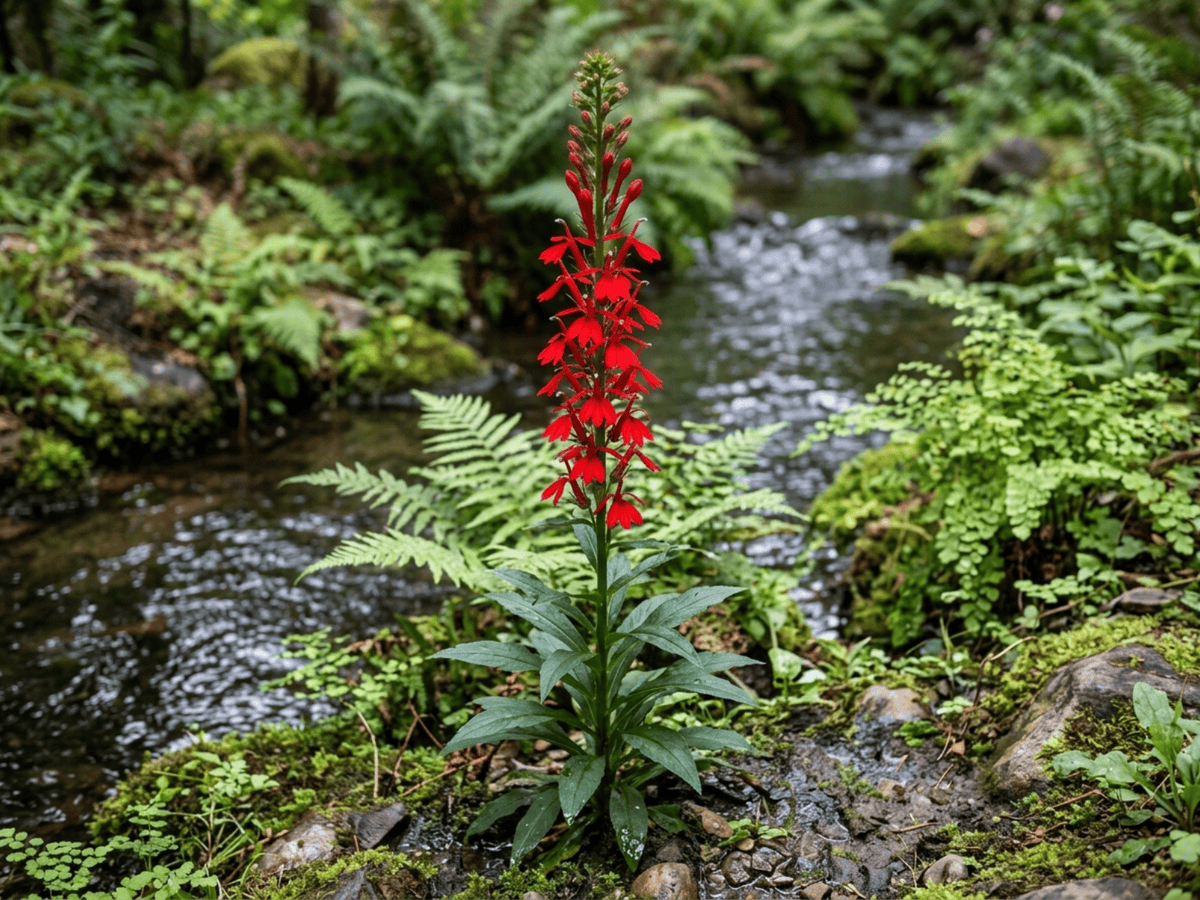
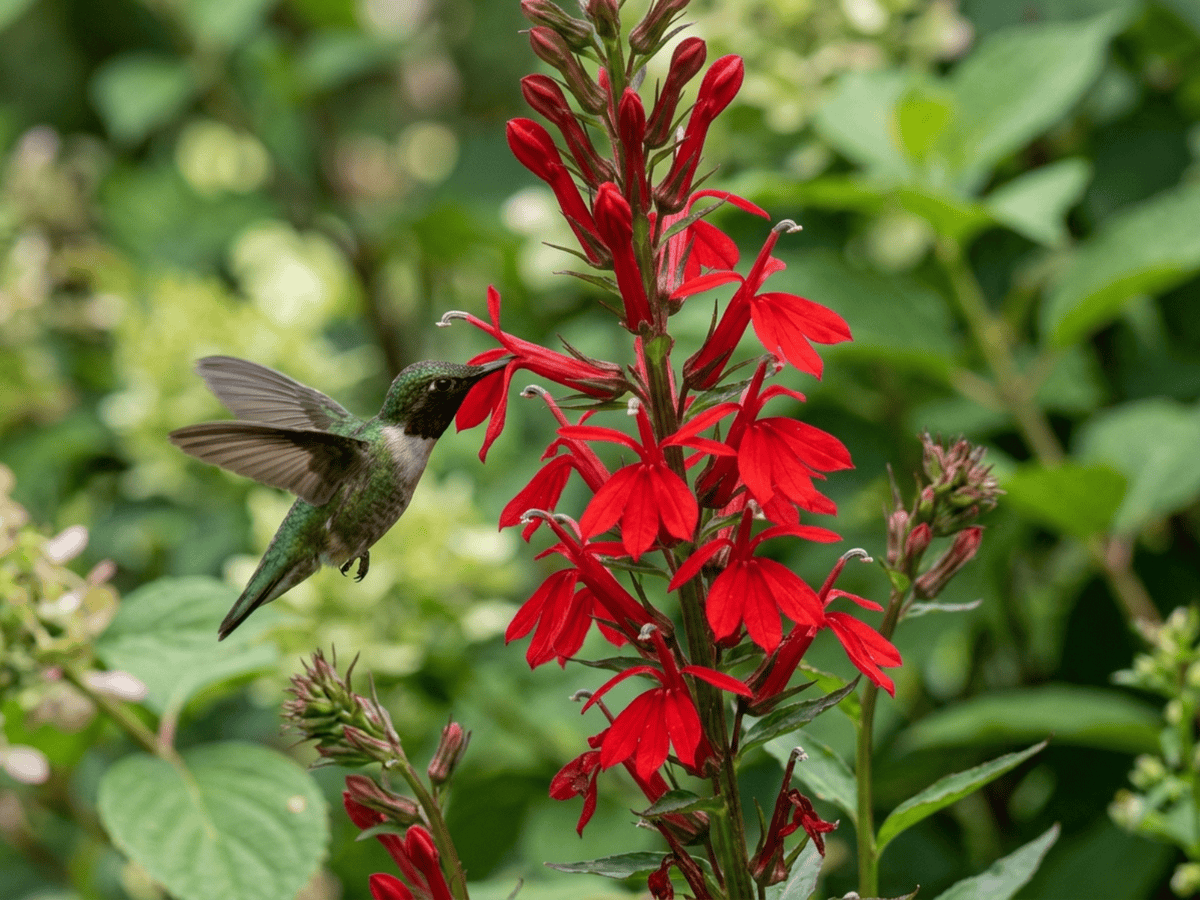
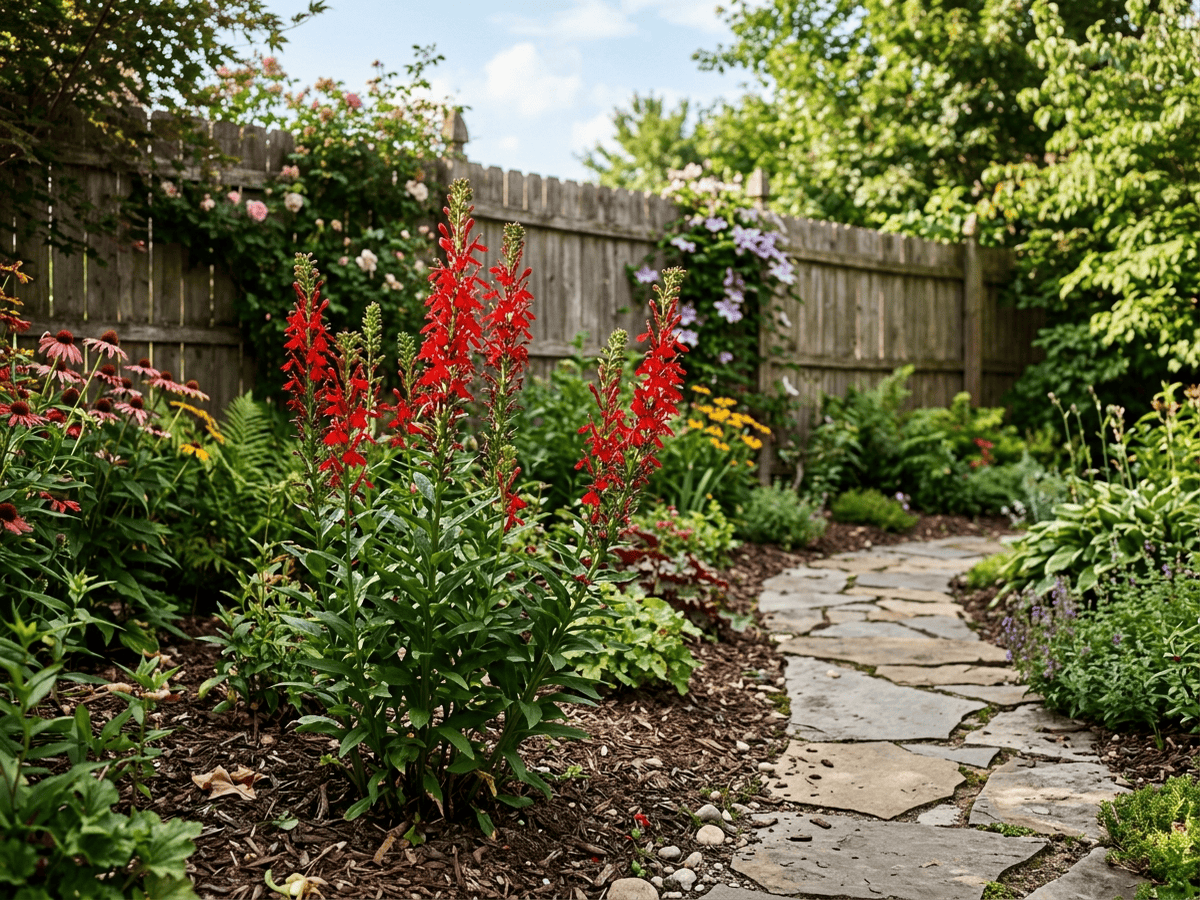
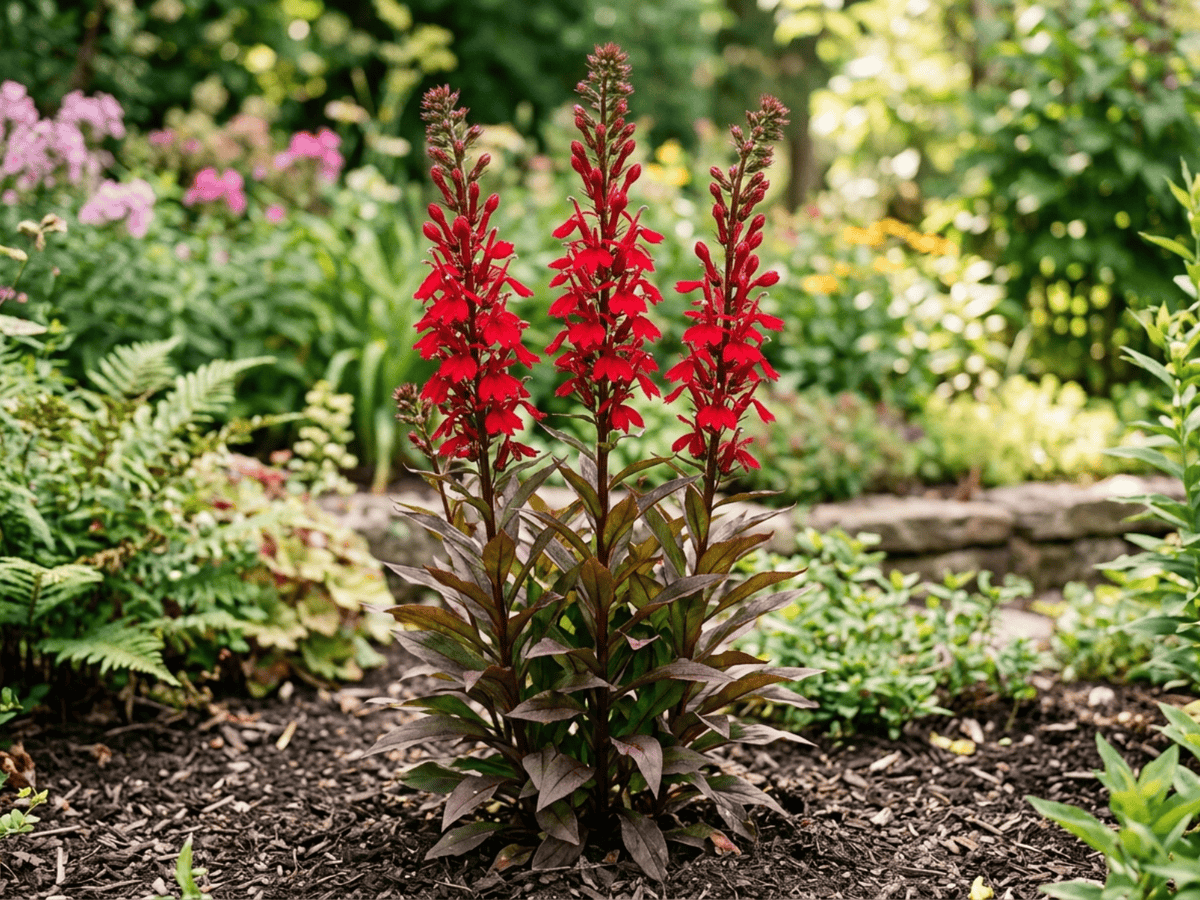
Lobelia cardinalis, the cardinal flower, is a breathtaking native perennial of the Americas renowned for its spikes of intensely scarlet flowers that seem to ignite moist woodland edges and stream banks. Growing 60 to 120 cm tall, it blooms in mid to late summer with a red so vivid it stops hikers in their tracks. The tubular flowers are perfectly designed for pollination by ruby-throated hummingbirds, whose bills match the flower's shape precisely — this is one of the most important hummingbird plants in eastern North America. Cardinal flower naturally grows in wet, partially shaded environments along streams, in swamp margins, and in moist meadows. Despite its spectacular beauty, it can be short-lived in the garden, typically persisting three to four years before declining. However, it self-sows readily and produces basal offsets that perpetuate the colony. The plant demands consistently moist soil and will not tolerate drought. Winter mulching protects the shallow-rooted crowns from frost heaving in cold climates.
- Native
How to care for Cardinal Flower
Watering
- Springevery 2 days
- Summerevery 2 days
- Fallevery 5 days
- Winterevery 30 days
Soil · Moisture-retentive
- Top dressingSphagnum moss10%
- Main mixPeat + coco coir 1:180%
- DrainagePerlite / gravel10%
Keep it evenly moist — but the drainage layer still matters.
FERTILIZER
Balanced Feed 14-14-14
An even feed covers all three needs at once, keeping leaves, roots and blooms moving together with nothing pushed out of balance.
- Nitrogen · Leaves
- Phosphorus · Roots + Blooms
- Potassium · Strength
- Springevery 60 days
At a Glance
- NativeNorth America
- Height3–4 ft (0.9–1.2 m)
- Spread1–2 ft (0.3–0.6 m)
- Flower colorRed
- Foliage colorGreen, Bronze
- SoilMoisture-retentive, Loamy, Rich
- LocationsYard
Bloom time
BLOOM CYCLE
Peak bloom
Jul–Sep
Allow self-sowing to maintain colony since individual plants are short-lived; mulch crowns in winter
Fragrance
NO FRAGRANCE
No notable fragrance.
Toxicity
Humans Moderate · Pets Moderate
lobeline and lobelamine (pyridine alkaloids)
Moderate
- All
- Ingestion
EXPOSURE Eating any part of the plant.
EFFECT Contains lobeline and related alkaloids and gI upset, sweating, lowered blood pressure, potentially dangerous in quantity.
NOTE Documented concern for humans: Contains lobeline and related alkaloids and gI upset, sweating, lowered blood pressure, potentially dangerous in quantity.
Moderate
- All
- Ingestion
EXPOSURE Eating any part of the plant.
EFFECT Vomiting, diarrhea, tremors, low blood pressure.
NOTE Not prominently listed by ASPCA but genus Lobelia is considered toxic; lobeline has historical medicinal use as a respiratory stimulant but narrow safety margin.
Moderate
- All
- Ingestion
EXPOSURE Eating any part of the plant.
EFFECT Same as dogs.
NOTE Not prominently listed by ASPCA but genus Lobelia is considered toxic; lobeline has historical medicinal use as a respiratory stimulant but narrow safety margin.
Educational information, not medical or veterinary advice. If exposure is suspected, contact a doctor or veterinarian.
DISTRIBUTION


- Native
- Introduced
- North America
History
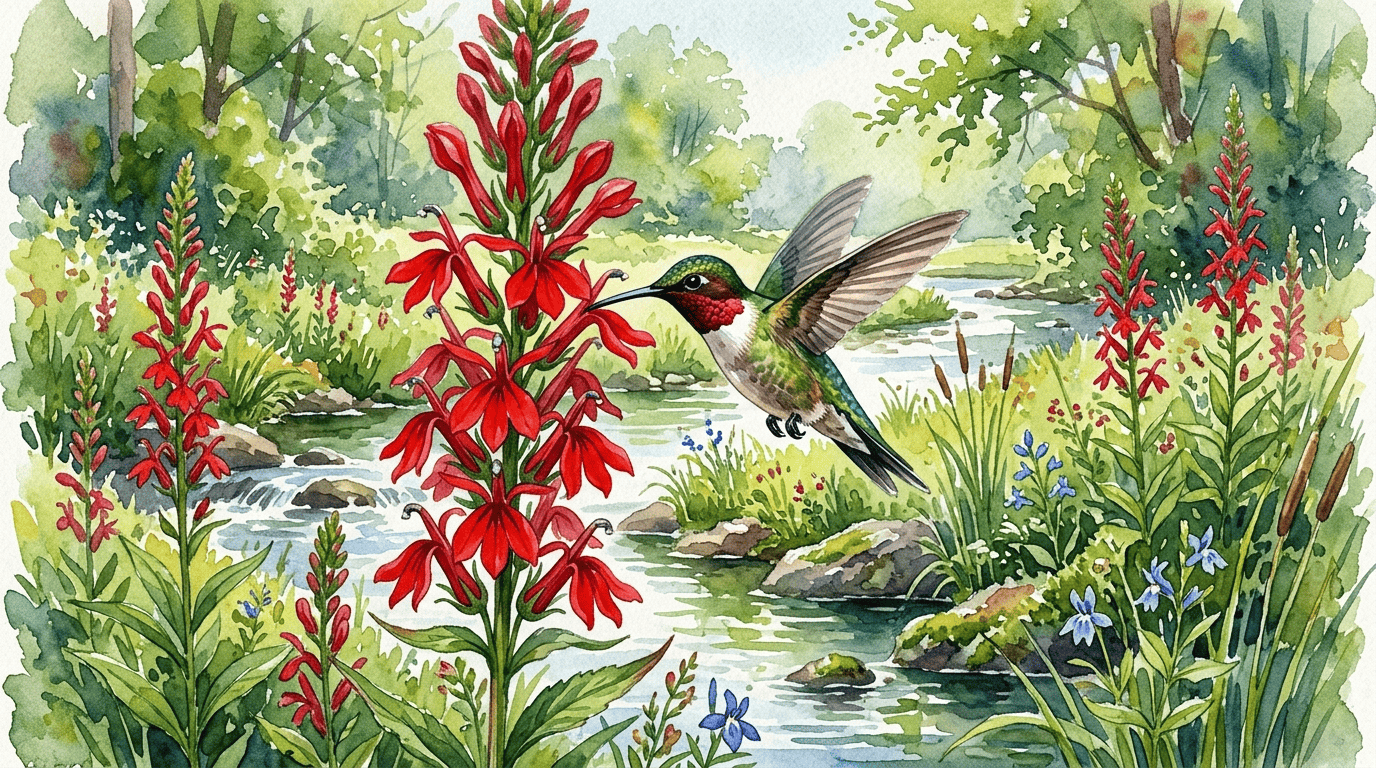
Lobelia cardinalis is native to an exceptionally broad range through the Americas — from southeastern Canada through the entire eastern and central United States, into Mexico, Central America, and northern South America as far as Colombia. It grows in moist meadows, streamside margins, wet ditches, and other consistently moist habitats. The species produces upright 60-120 cm flowering spikes densely set with 4-cm tubular scarlet-red flowers from mid-summer through early fall, with a characteristic dual-lip shape (three lower petals widely spread, two upper petals forming a smaller lip). The genus name honors 16th-century Flemish botanist Matthias de l'Obel (1538-1616); the species epithet "cardinalis" ("cardinal") refers to the flowers' color matching that of a Catholic cardinal's red robes.
The species is among the most important native hummingbird flowers of North America — ruby-throated hummingbirds (in the East), rufous hummingbirds (in the West), and various tropical hummingbird species in the southern range all depend on L. cardinalis as a key late-summer nectar source. The deep tubular flowers and vivid red color are classic hummingbird-pollinated traits that make the flowers more visible to birds than to most bee species. Indigenous peoples used L. cardinalis for various medicinal purposes, though its lobeline alkaloid content is toxic in quantity.
Notable cultivars include "Queen Victoria" (dark bronze foliage), "Fried Green Tomatoes," and the Starship series. When European botanists first encountered Lobelia cardinalis in North America in the 1620s, they sent specimens to Queen Henrietta Maria of England, who was so enchanted by the scarlet flowers that she reportedly laughed with delight. The plant was one of the first North American species cultivated in European gardens. Native Americans used it medicinally despite its toxicity — the Iroquois and Meskwaki prepared root decoctions as love charms and for treating various ailments. It remains one of the most coveted native plants for its unmatched red flower spikes.
Symbolism & meaning
What It Symbolizes
Cardinal Flower expresses devotion, its intense scarlet spike depending almost entirely on hummingbirds for pollination — a partnership of passionate dedication. It also carries distinction, bearing the most vivid red of any North American native wildflower, standing apart from softer woodland neighbors. A bog and stream-side native that does romance in pure flame red.
- Devotion — Its intense scarlet color and dependence on hummingbirds symbolize passionate dedication
- Distinction — The most vivid red of any native wildflower, standing apart from all others
Where the Name Comes From
Lobelia honors Matthias de l'Obel, a 16th-century Flemish botanist. Cardinalis refers to the cardinal-red color of the flowers, evoking the robes of Catholic cardinals.
Uses & Fun Facts
- Scarlet spikes are a signature ruby-throated hummingbird flower
- Native Cardinal Flower naturalizes in moist stream-side plantings
Related plants
More Lobelia plants


Plants with similar care
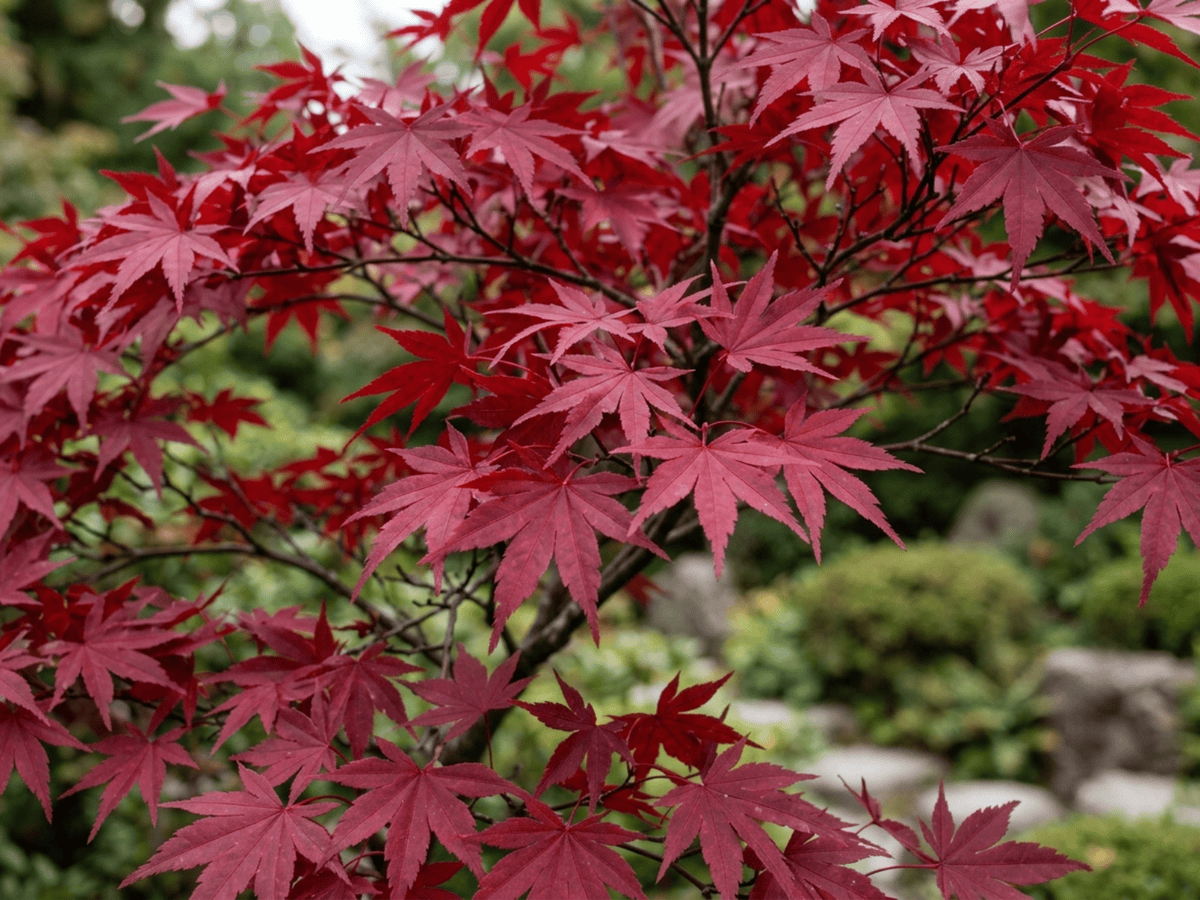 Japanese MapleAcer palmatum
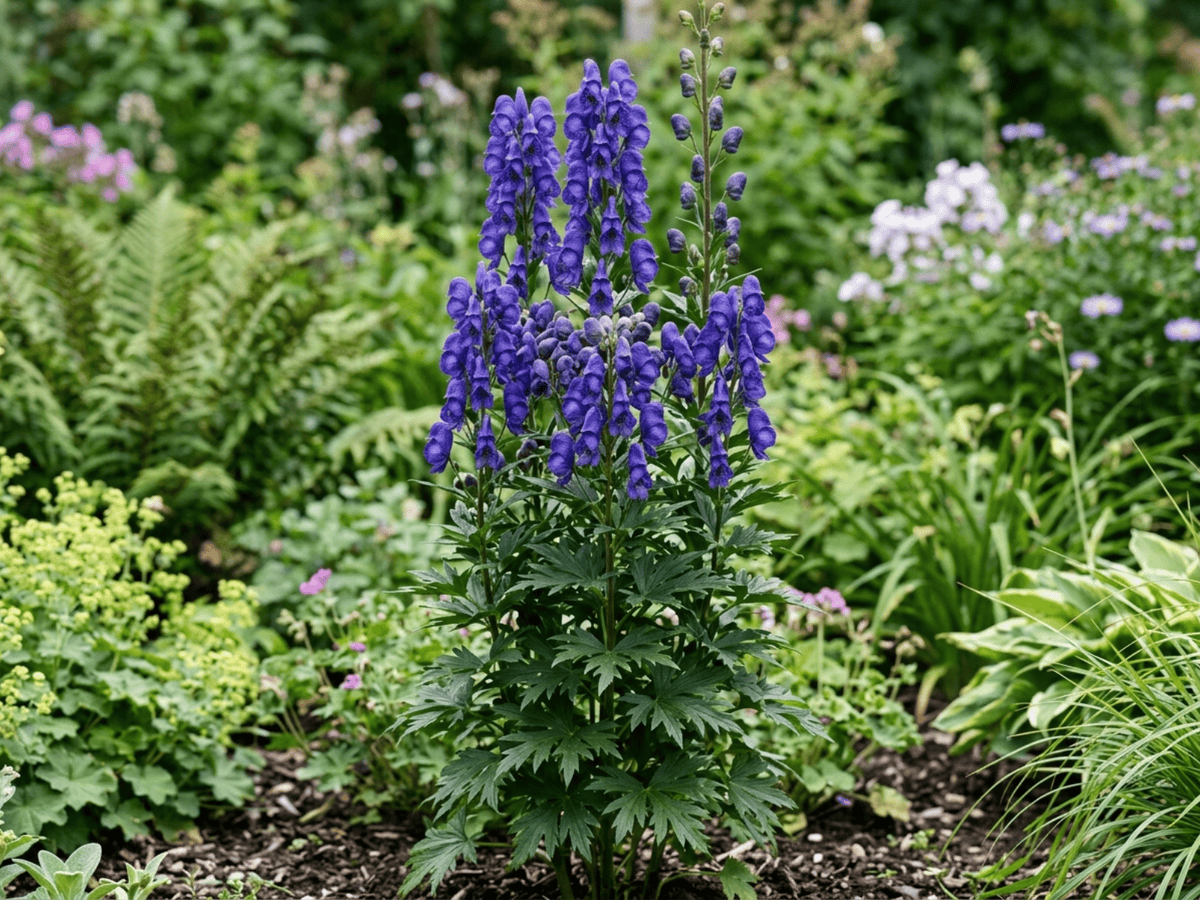 Azure MonkshoodAconitum carmichaelii
 Florida HobblebushAgarista populifolia
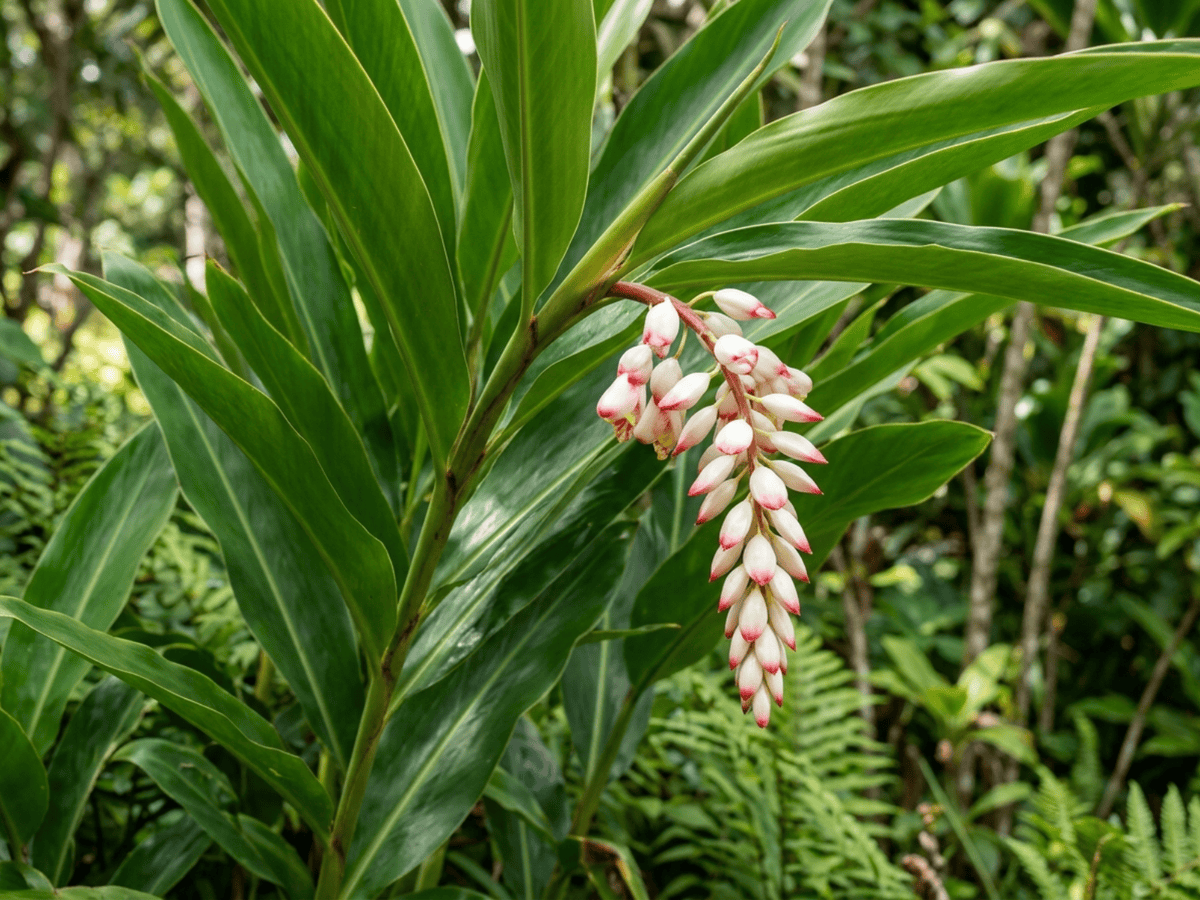 Shell GingerAlpinia zerumbet
Frequently asked questions
How often should I water Cardinal Flower?
In summer, water about every 2 days; in winter, about every 30 days. Adjust for heat, pot size and drainage.
How much light does Cardinal Flower need?
Part shade: 2–4 hrs direct. Watch the leaves — scorching or stretching means the light needs adjusting.
Is Cardinal Flower toxic to cats or dogs?
Pets Moderate (Dogs Moderate · Cats Moderate) Educational information, not medical or veterinary advice. If exposure is suspected, contact a doctor or veterinarian.
Is Cardinal Flower easy to grow?
It is moderately demanding: a good choice once you have a little experience.
When does Cardinal Flower bloom?
It typically blooms Jul–Sep in the Northern Hemisphere.
YardMate
Identify any plant in seconds
Snap a photo — YardMate names the plant, diagnoses problems, and reminds you when to water.
Download on the App Store