 YardMate


Common Honeysuckle
Lonicera periclymenum
Easy · Beginner friendlyAbout Common Honeysuckle
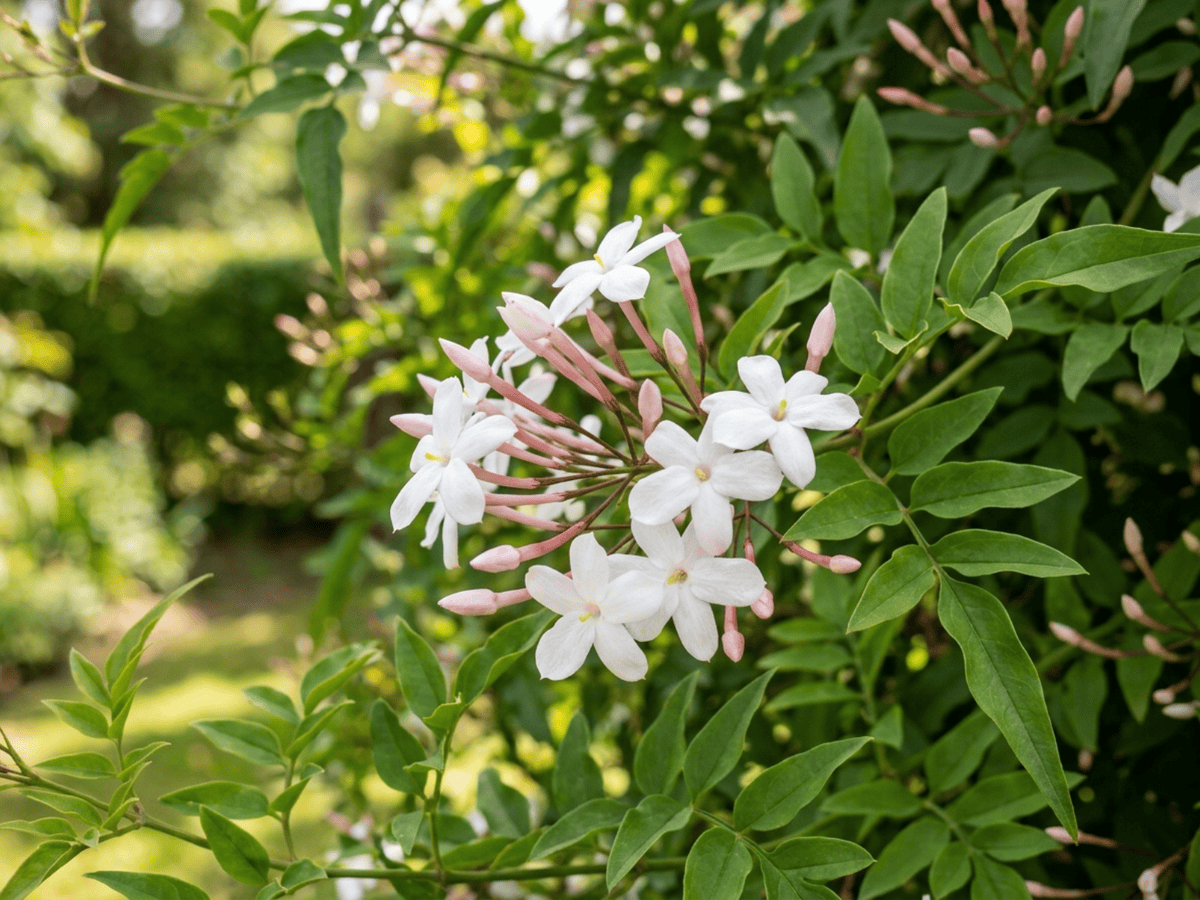
European Honeysuckle or Woodbine is a graceful twining vine reaching 10-20 feet, bearing fragrant tubular flowers in shades of cream, yellow, and pink-red from early summer through fall. Deeply scented especially at dusk, it has been cultivated in English gardens for centuries and immortalized by Shakespeare. Well-adapted to cool US climates in the Pacific Northwest and Northeast, valued for its rich perfume.
- Fragrant
- Climbing
- Long-blooming
- Pollinator-friendly
How to care for Common Honeysuckle
Watering
- Springevery 7 days
- Summerevery 5 days
- Fallevery 10 days
- Winterevery 21 days
Soil · Well-draining
- Top dressingPine bark mulch10%
- Main mixPotting soil + perlite 2:170%
- DrainageLECA / gravel20%
Never skip the drainage layer — standing water is the top cause of root rot.
FERTILIZER
Balanced Feed 14-14-14
An even feed covers all three needs at once, keeping leaves, roots and blooms moving together with nothing pushed out of balance.
- Nitrogen · Leaves
- Phosphorus · Roots + Blooms
- Potassium · Strength
- Springevery 30 days
- Summerevery 45 days
At a Glance
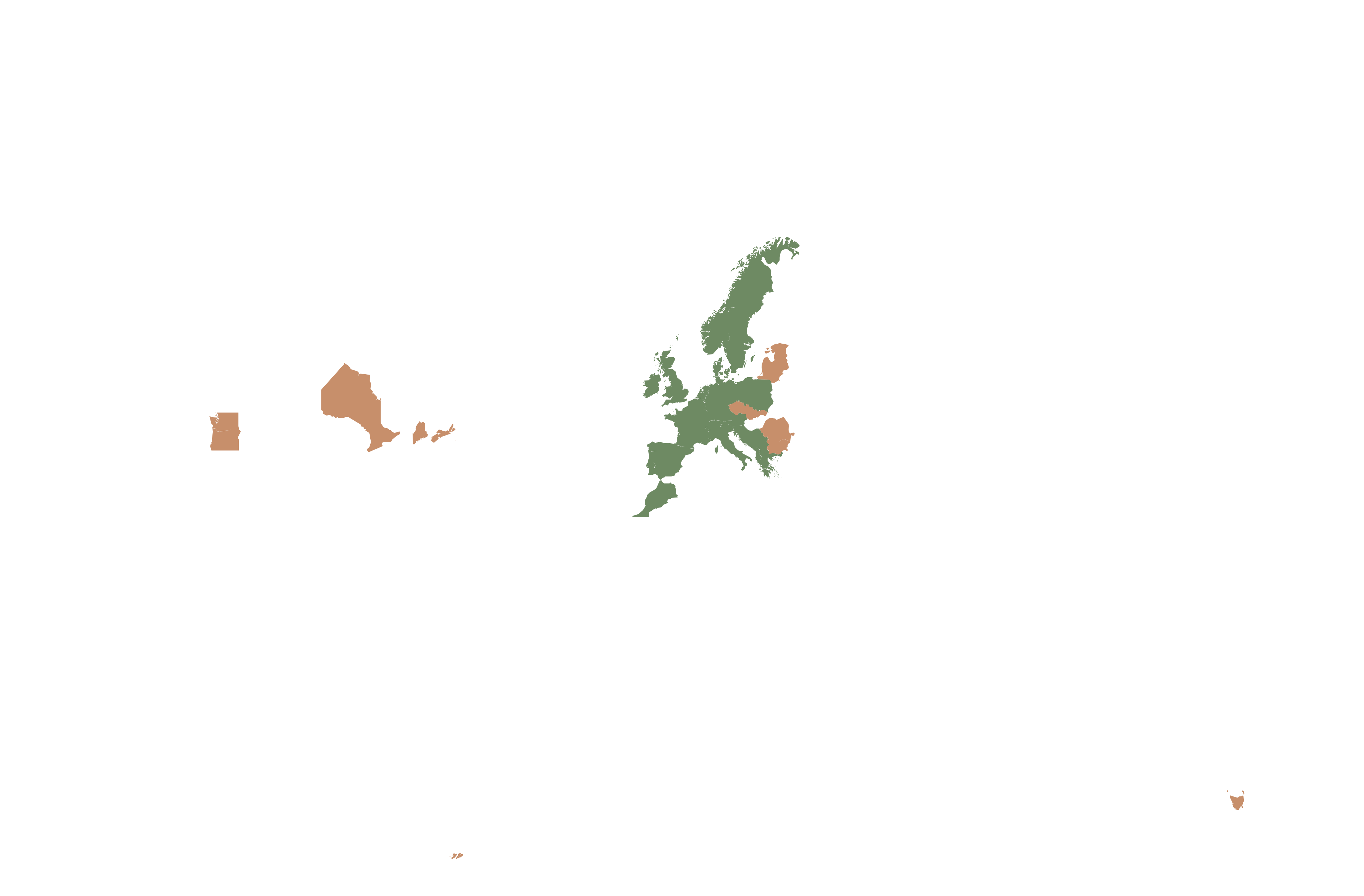
- NativeEurope, Africa, Western Asia
- Height10–20 ft (3–6.1 m)
- Spread3–6 ft (0.9–1.8 m)
- Flower colorCream, Yellow, Pink, Red
- Foliage colorGreen, Blue-green
- Fruit colorRed
- SoilLoamy, Well-drained, Rich
- LocationsYard
Bloom time
BLOOM CYCLE
Peak bloom
Jun–Sep
Cream-pink tubular fragrant flowers June to September
Fragrance
STRONG FRAGRANCE
Powerful sweet honey-jasmine-vanilla fragrance, strongest in the evening.
Toxicity
Humans Slight · Pets Slight
saponins
Slight
- Fruit
- Ingestion
EXPOSURE Eating fruit.
EFFECT Mild GI upset if berries eaten in quantity.
NOTE Berries contain saponins; not typical poisoning agents but not edible.
Slight
- Fruit
- Ingestion
EXPOSURE Eating fruit.
EFFECT Mild GI upset.
NOTE Berries contain saponins; not typical poisoning agents but not edible.
Slight
- Fruit
- Ingestion
EXPOSURE Eating fruit.
EFFECT Mild GI upset.
NOTE Berries contain saponins; not typical poisoning agents but not edible.
Educational information, not medical or veterinary advice. If exposure is suspected, contact a doctor or veterinarian.
DISTRIBUTION

- Native
- Introduced
- Europe
- Africa
- Western Asia
History
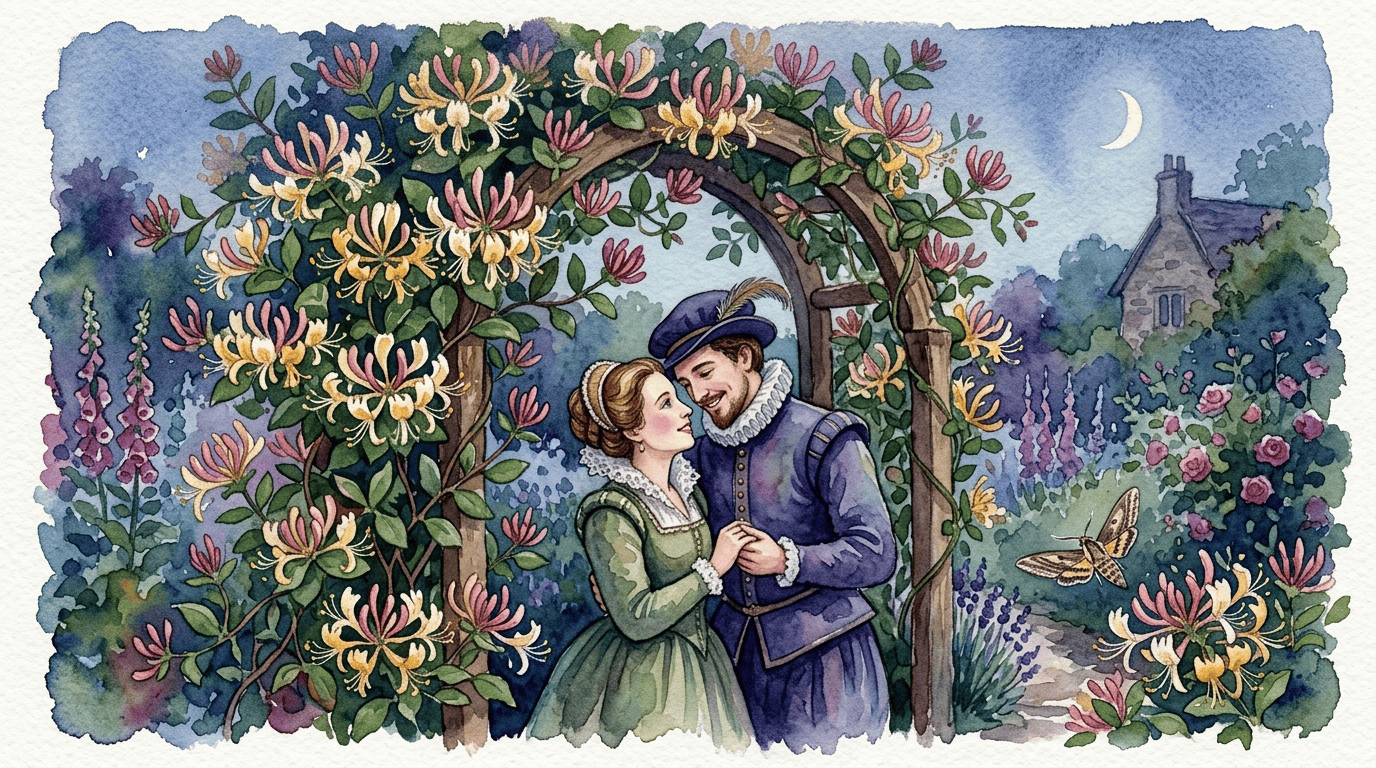
Lonicera periclymenum occurs naturally throughout most of Europe, North Africa (Morocco, Algeria), and southwestern Asia, in hedgerows, woodlands, and scrubland. Linnaeus described the species in Species Plantarum (1753); the genus name honors 16th-century German botanist Adam Lonicer, and the epithet periclymenum is the ancient Greek name for honeysuckle used by Dioscorides. In English tradition it is the woodbine (from Middle English wode-binde, wood-twiner), celebrated in pastoral and love poetry for at least a thousand years—Shakespeare refers to it in A Midsummer Night's Dream ('So doth the woodbine the sweet honeysuckle gently entwist'), and Keats praised its fragrance in Endymion.
The 5-7 meter deciduous twining vine produces whorled clusters of cream, yellow, and pink tubular flowers in midsummer, with a powerful sweet honey-jasmine-vanilla fragrance especially strong in the evening when moths pollinate them. Red berries follow.
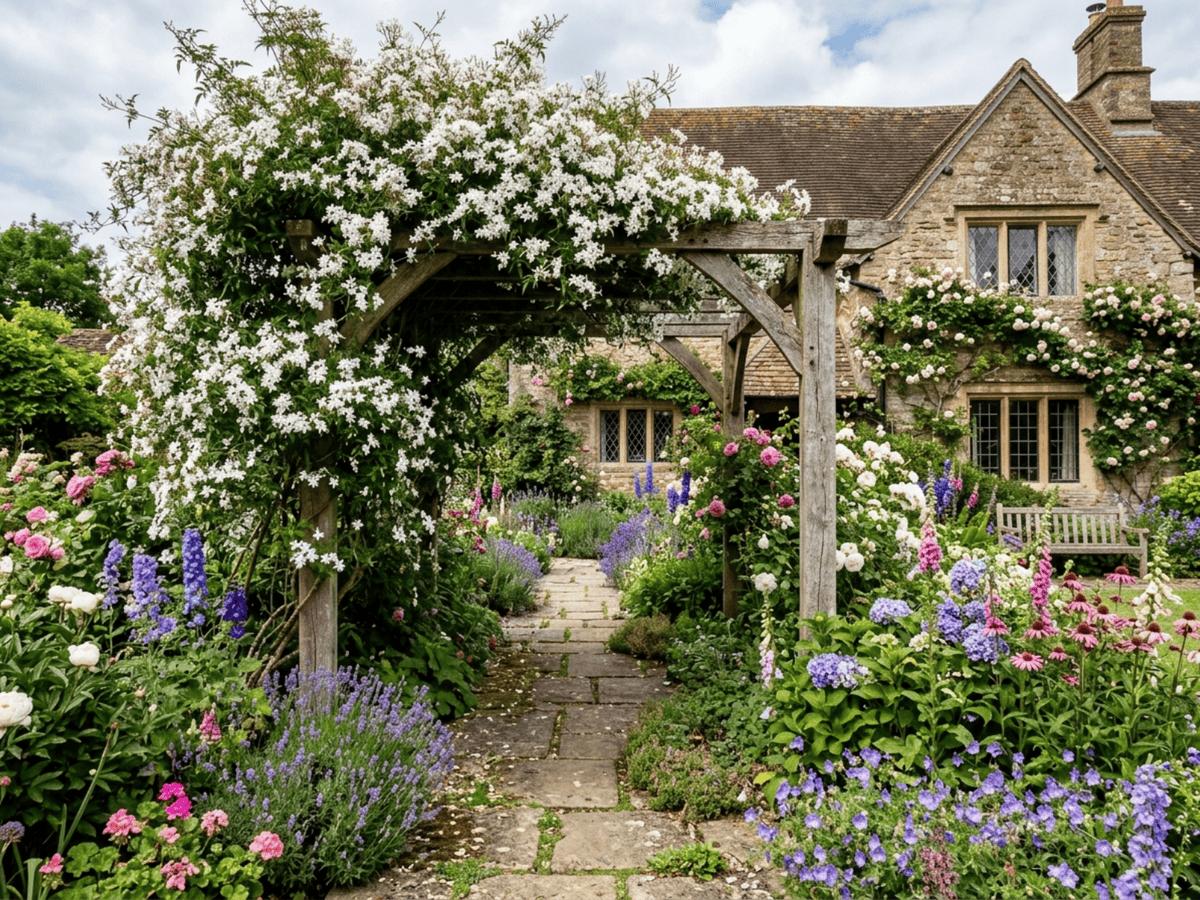
Classic cultivars include 'Serotina' (late Dutch honeysuckle, dark red-and-cream), 'Belgica' (early Dutch, pink), and 'Graham Thomas' (yellow). A quintessential English cottage garden climber for centuries.
Symbolism & meaning
What It Symbolizes
The Common Honeysuckle embodies devoted affection, its twining stems wrapping around trellises in a botanical embrace that has long suggested loving entwinement. As dusk falls its fragrance intensifies, calling moths and lovers into the same scented air. In the Victorian language of flowers, honeysuckle stood for the bonds of mutual affection — two lives growing together so tightly that neither can be untangled without harm.
- Devoted affection — twining together symbolizes loving embrace
- Dusk — fragrance intensifies as evening falls
Where the Name Comes From
The name Common Honeysuckle describes its tubular, nectar-rich flowers. From Greek 'peri' (around) and 'klymenos' (twined), referring to its climbing habit.
Uses & Fun Facts
- Evening honeysuckle fragrance perfumes arbors, gates, and cottage paths
- Sweet evening flowers feed moths, bees, and hummingbirds around arbors
- Twining stems clothe arbors and fences with fragrant bloom
Related plants
More Lonicera plants
 Japanese HoneysuckleLonicera japonica
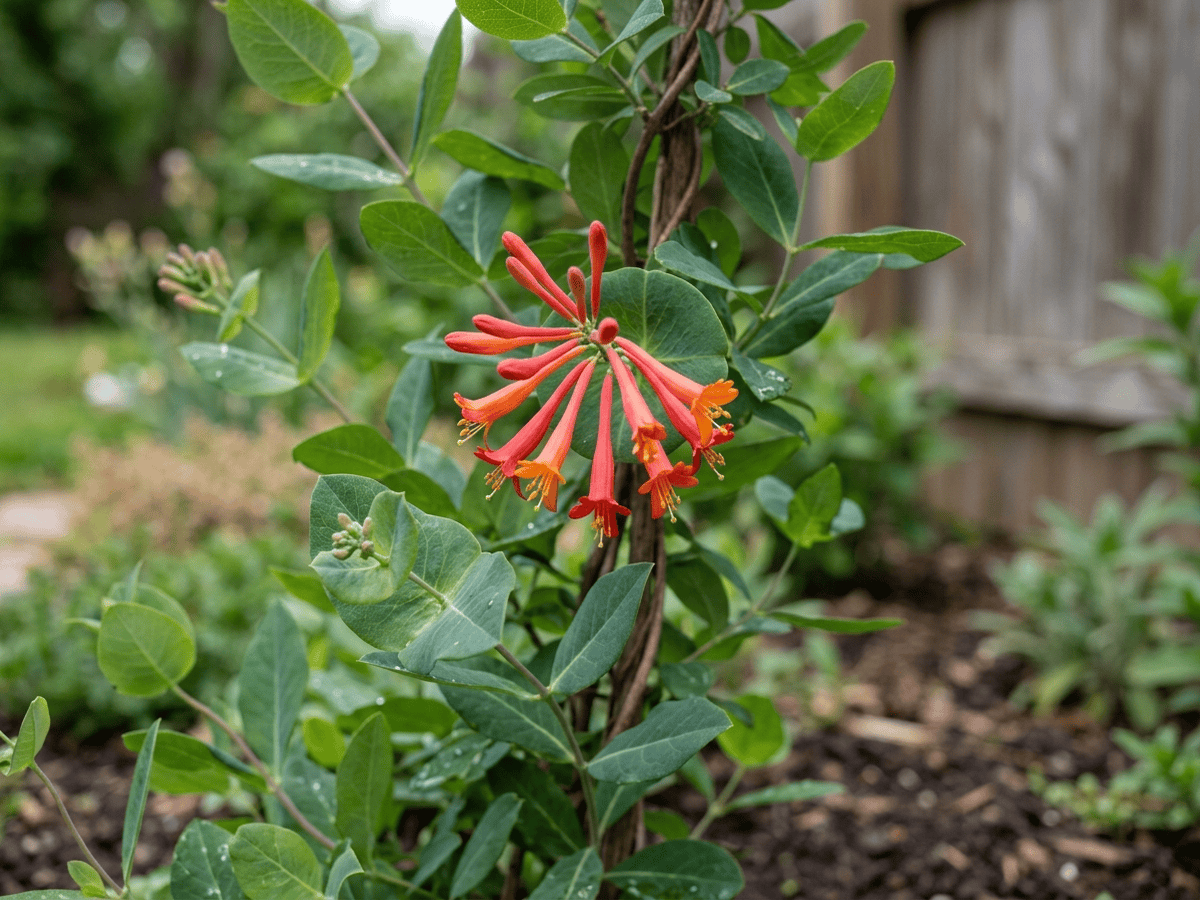 Coral HoneysuckleLonicera sempervirens
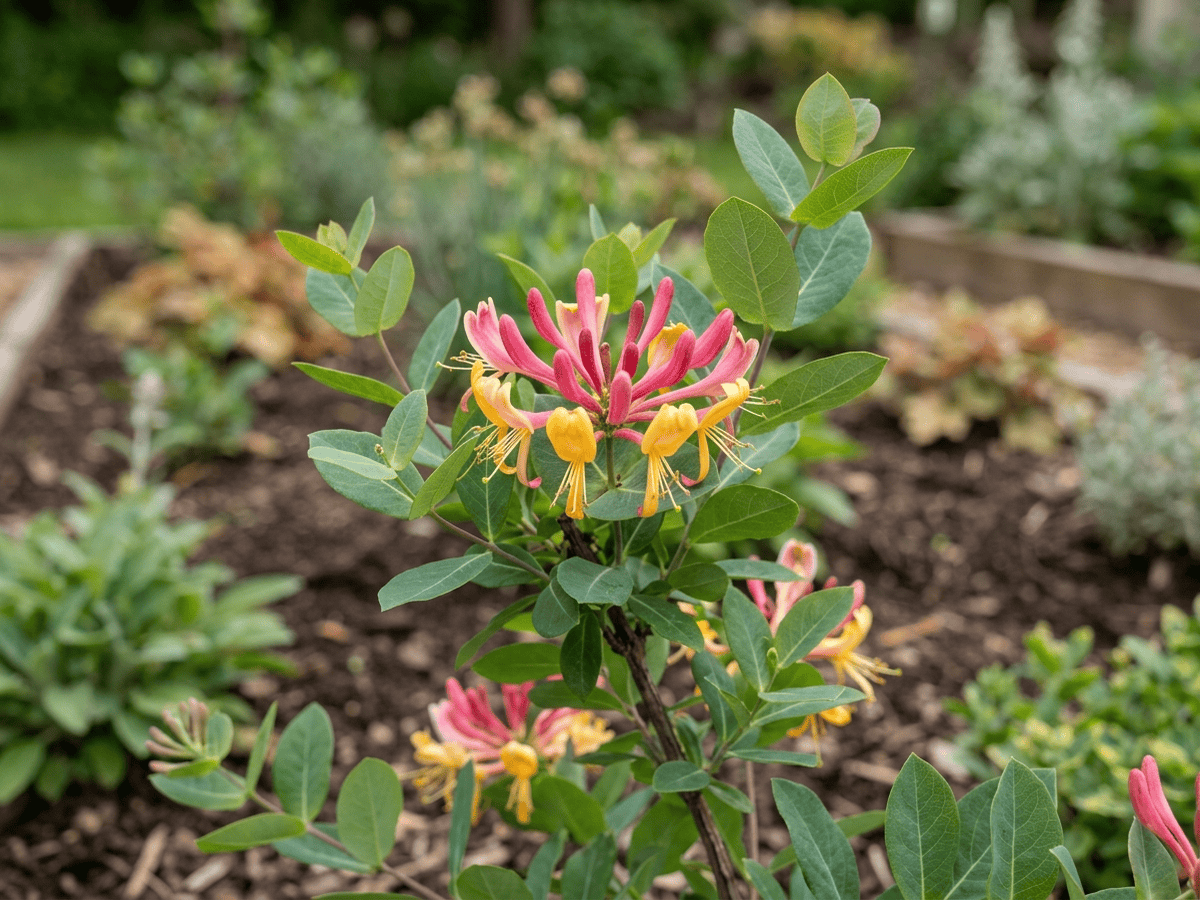 HoneysuckleLonicera x heckrottii
Plants with similar care
 Chinese AbeliaAbelia chinensis
 Fragrant AbeliaAbelia mosanensis
 Large-Flowered AbeliaAbelia uniflora
 Glossy AbeliaAbelia x grandiflora
Frequently asked questions
How often should I water Common Honeysuckle?
In summer, water about every 5 days; in winter, about every 21 days. Adjust for heat, pot size and drainage.
How much light does Common Honeysuckle need?
Full sun: 6+ hrs direct. Watch the leaves — scorching or stretching means the light needs adjusting.
Is Common Honeysuckle toxic to cats or dogs?
Pets Slight (Dogs Slight · Cats Slight) Educational information, not medical or veterinary advice. If exposure is suspected, contact a doctor or veterinarian.
Is Common Honeysuckle easy to grow?
Yes — it is considered an easy, beginner-friendly plant.
When does Common Honeysuckle bloom?
It typically blooms Jun–Sep in the Northern Hemisphere.
YardMate
Identify any plant in seconds
Snap a photo — YardMate names the plant, diagnoses problems, and reminds you when to water.
Download on the App Store