 YardMate

Coral Honeysuckle
Lonicera sempervirens
Easy · Beginner friendlyAbout Coral Honeysuckle
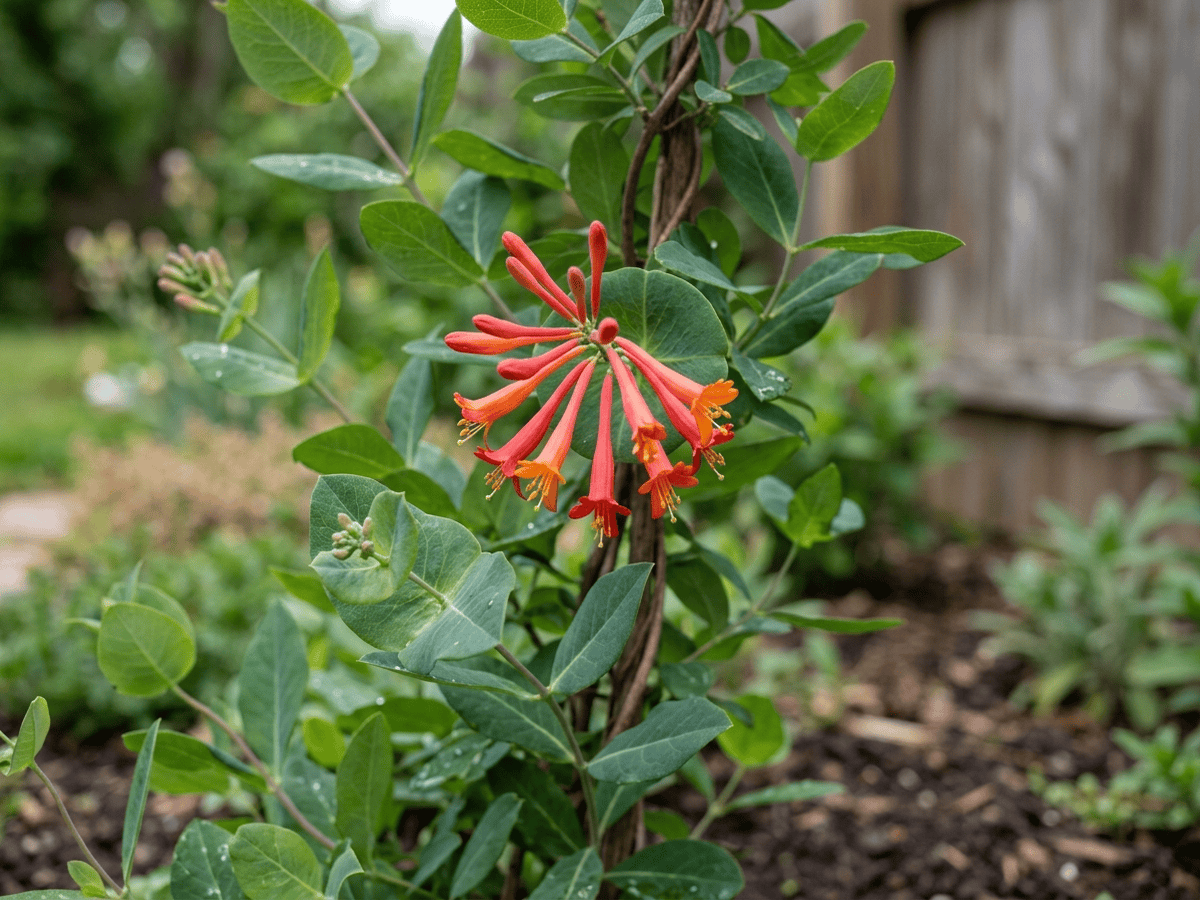
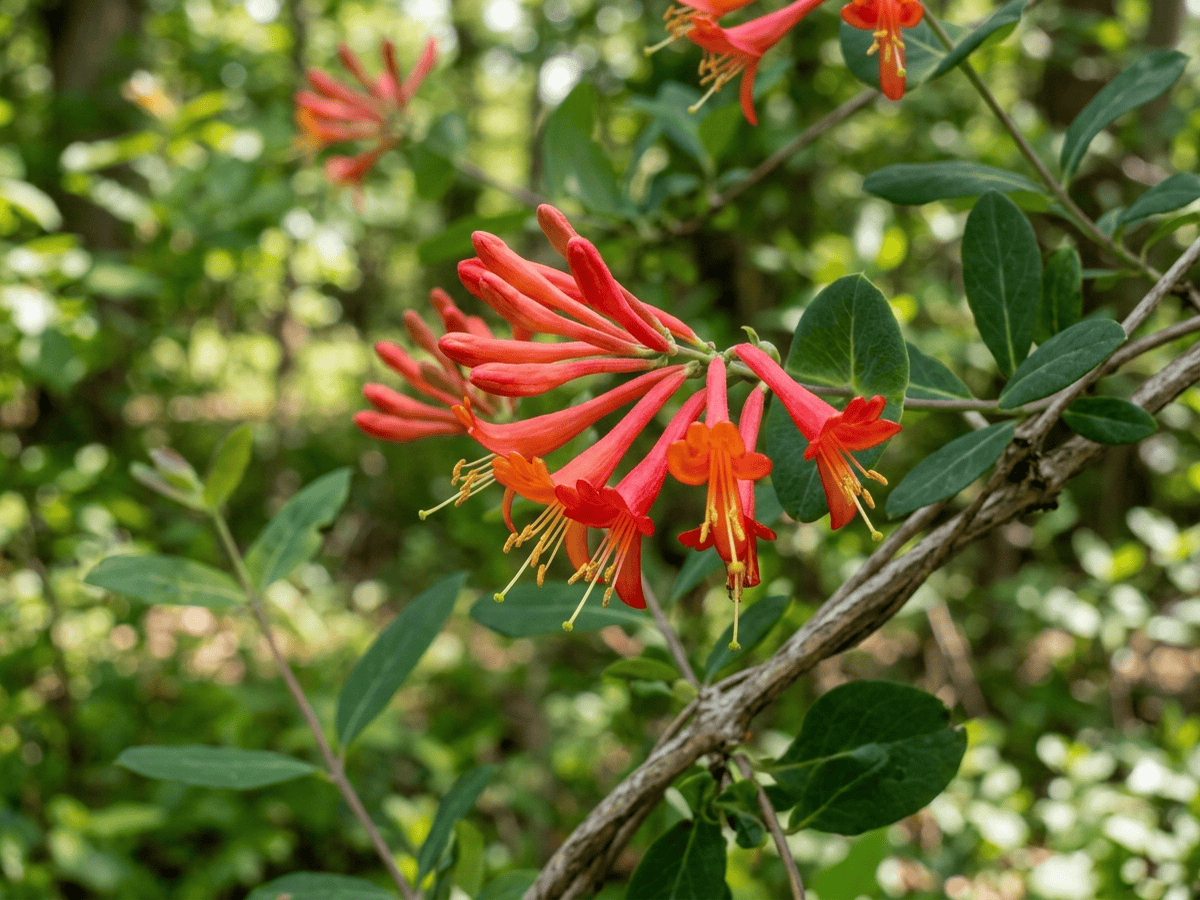
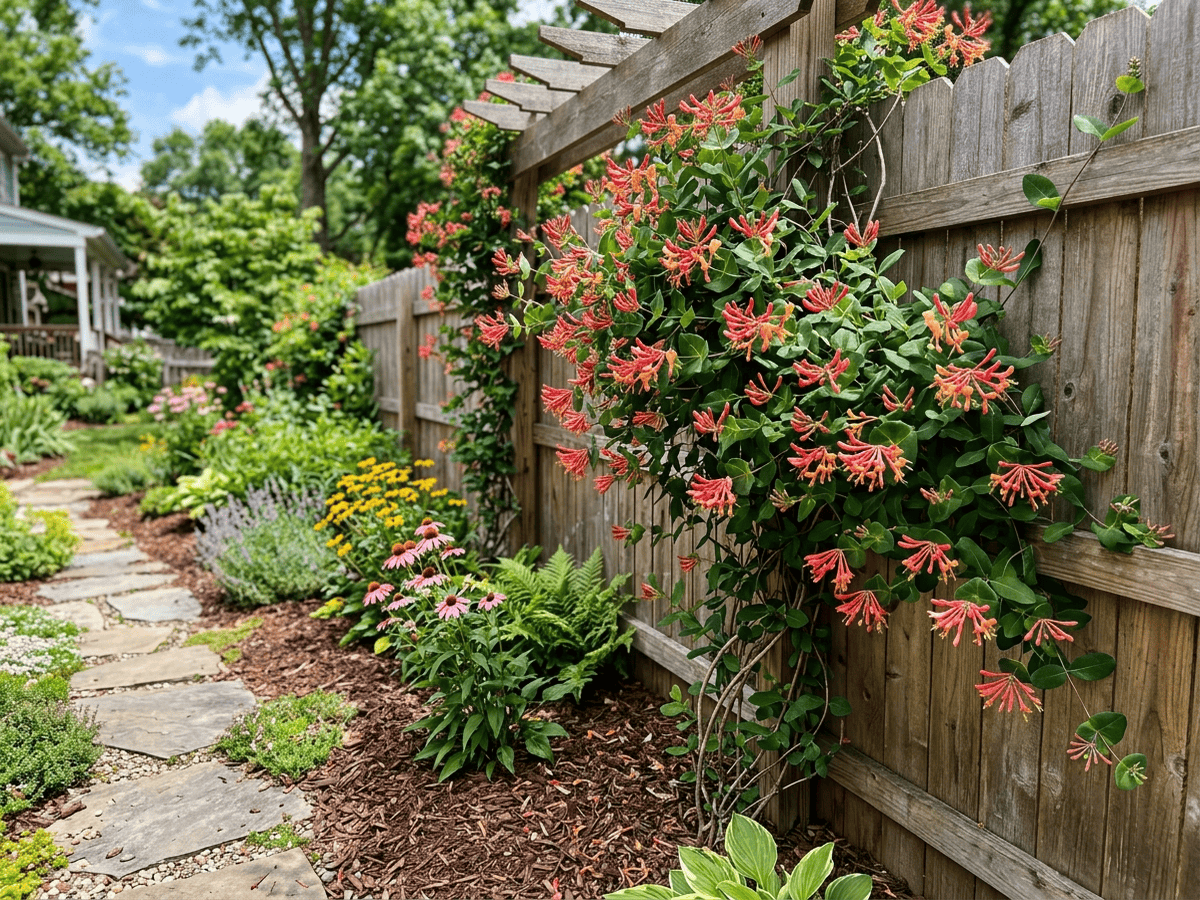
Trumpet Honeysuckle is an eastern and southern US native climbing vine reaching 10-20 feet, bearing clusters of striking tubular red-orange flowers with yellow throats from late spring through summer. A hummingbird favorite, it attracts both ruby-throated hummingbirds and butterflies. Unlike the invasive Japanese Honeysuckle, this native species is well-behaved and non-aggressive, making it a top pick for native gardens.
- Climbing
- Long-blooming
- Native
- Wildlife-friendly
How to care for Coral Honeysuckle
Watering
- Springevery 7 days
- Summerevery 5 days
- Fallevery 10 days
- Winterevery 21 days
Soil · Well-draining
- Top dressingPine bark mulch10%
- Main mixPotting soil + perlite 2:170%
- DrainageLECA / gravel20%
Never skip the drainage layer — standing water is the top cause of root rot.
FERTILIZER
Balanced Feed 14-14-14
An even feed covers all three needs at once, keeping leaves, roots and blooms moving together with nothing pushed out of balance.
- Nitrogen · Leaves
- Phosphorus · Roots + Blooms
- Potassium · Strength
- Springevery 30 days
- Summerevery 45 days
At a Glance
- NativeNorth America
- Height10–20 ft (3–6.1 m)
- Spread3–6 ft (0.9–1.8 m)
- Flower colorRed, Orange, Yellow, Pink
- Foliage colorBlue-green, Green
- Fruit colorRed
- SoilLoamy, Well-drained
- LocationsYard
Bloom time
BLOOM CYCLE
Peak bloom
May–Sep
Tubular red-orange flowers May to September
Fragrance
LIGHT FRAGRANCE
Faint or no scent—unlike the heavily fragrant L. japonica. Pollinated by hummingbirds (sight-based) rather than scent.
Toxicity
Humans Slight · Pets Slight
saponins
Slight
- Fruit
- Ingestion
EXPOSURE Eating fruit.
EFFECT Mild GI upset if eaten in quantity.
NOTE Documented concern for humans: Mild GI upset if eaten in quantity.
Slight
- Fruit
- Ingestion
EXPOSURE Eating fruit.
EFFECT Mild GI upset.
NOTE Not on ASPCA toxic list; berries contain saponins that may cause mild GI upset.
Slight
- Fruit
- Ingestion
EXPOSURE Eating fruit.
EFFECT Mild GI upset.
NOTE Not on ASPCA toxic list; berries contain saponins that may cause mild GI upset.
Educational information, not medical or veterinary advice. If exposure is suspected, contact a doctor or veterinarian.
DISTRIBUTION


- Native
- Introduced
- North America
History
Lonicera sempervirens is native to the eastern United States from southern New England west to Nebraska and south through Florida and east Texas, typically in open woodlands, thickets, and forest edges. Linnaeus described the species in Species Plantarum (1753), the epithet sempervirens meaning always-green referring to the semi-evergreen to evergreen foliage in mild climates. Unlike the invasive Asian L. japonica that has smothered much of the American southeast, the native L. sempervirens is a well-behaved twining vine, not smothering to 4-6 meters, with bluish-green oval leaves (the terminal pair fused around the stem like a pierced disc—perfoliate).
Clusters of bright coral-red, orange, or pink trumpet-shaped flowers 4-5 cm long with yellow throats begin opening in late April-May, timing that coincides with ruby-throated hummingbird spring migration up the East Coast. Red berries follow in fall for songbirds. Cultivars 'Major Wheeler' (continuous red bloom), 'John Clayton' (yellow), 'Alabama Crimson', and 'Magnifica' are widely grown.
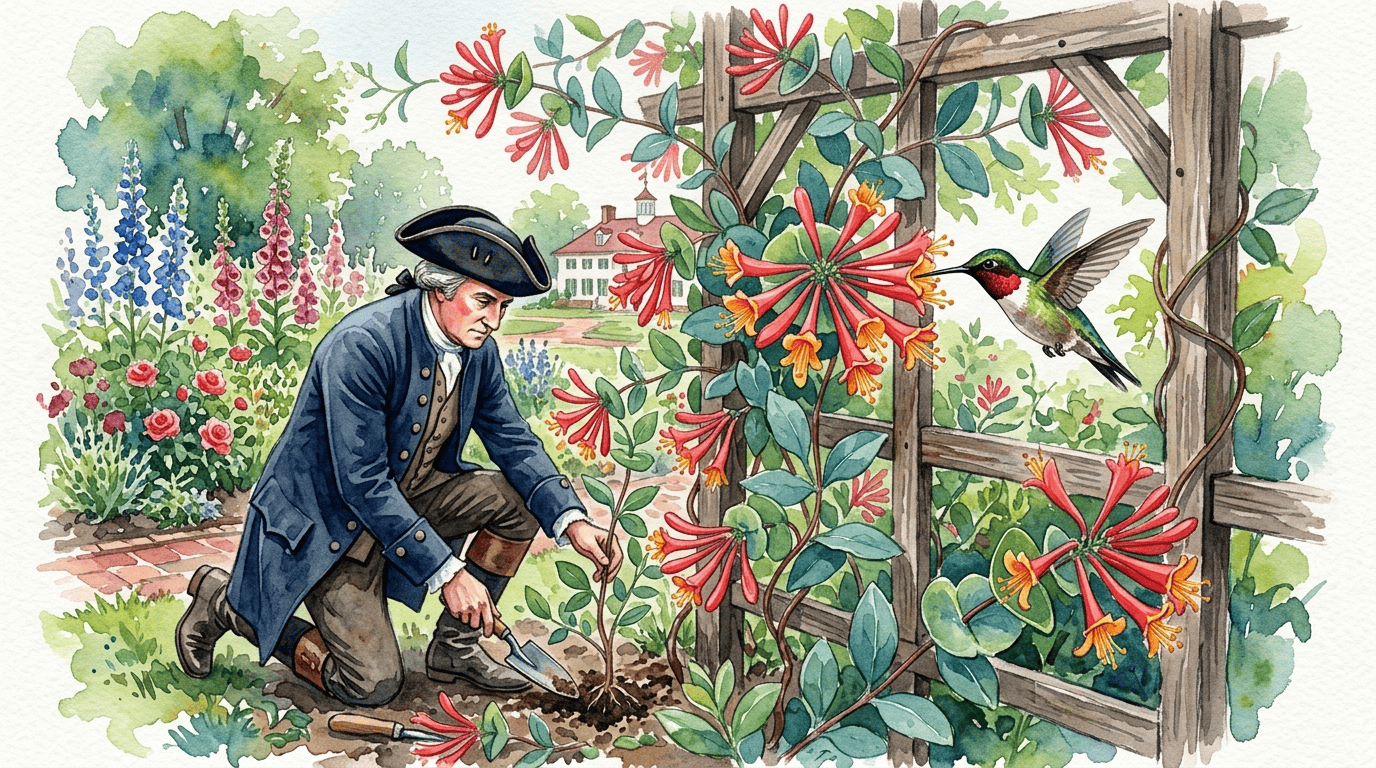
Attracts hummingbirds, swallowtails, and spring azures. A beloved native vine across the eastern US, planted at Mount Vernon by George Washington and at Monticello by Thomas Jefferson. Called 'Coral Honeysuckle' in many Southern states. Non-invasive.
Symbolism & meaning
What It Symbolizes
Coral Honeysuckle suggests bonds of love, its twining stems a long-standing emblem of enduring affection in the language of flowers. Paired with hospitality, it feeds hummingbirds throughout summer, an open table of orange-red trumpets. It is a vine whose meaning lives in both the embrace of the trellis and the welcome offered to every passing wing.
- Bonds of love — twining stems symbolize enduring affection
- Hospitality — feeds hummingbirds throughout summer
Where the Name Comes From
The name Coral Honeysuckle describes its tubular, nectar-rich flowers. Genus honors 16th-century German herbalist Adam Lonitzer; 'sempervirens' means evergreen.
Uses & Fun Facts
- Long red-orange tubes are favorite hummingbird feeders
- Red berries feed catbirds, finches, and migrating songbirds
- Twining native vine clothes trellises without smothering trees
Related plants
More Lonicera plants
 Japanese HoneysuckleLonicera japonica
 Common HoneysuckleLonicera periclymenum
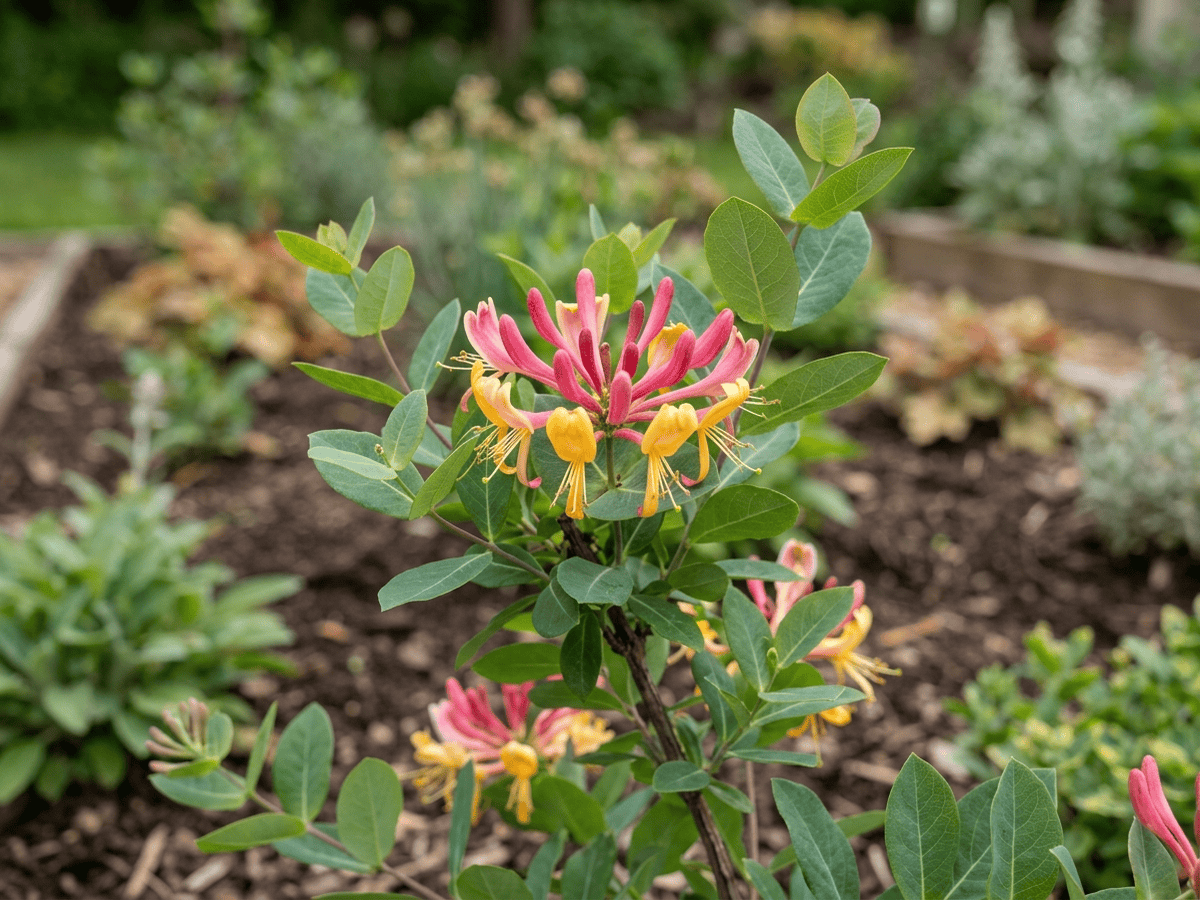 HoneysuckleLonicera x heckrottii
Plants with similar care
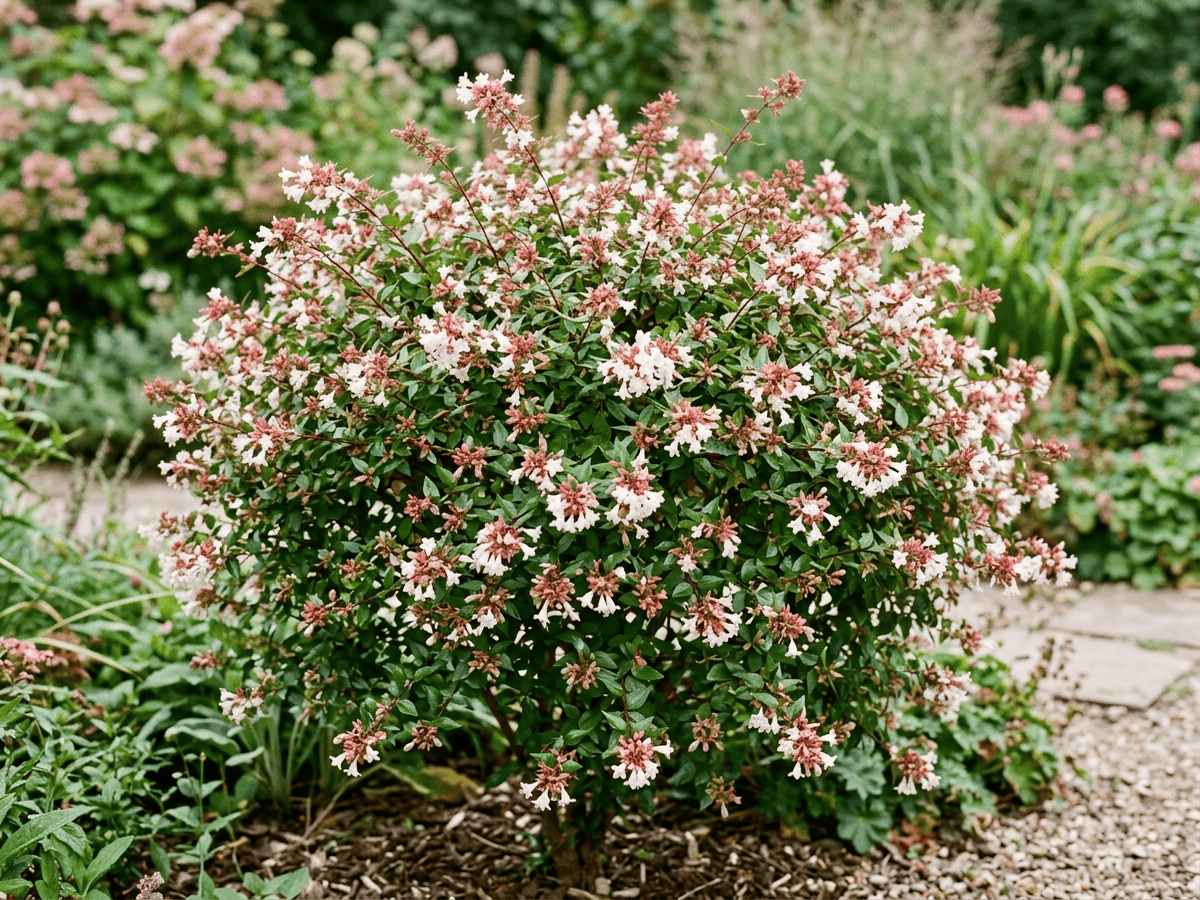 Chinese AbeliaAbelia chinensis
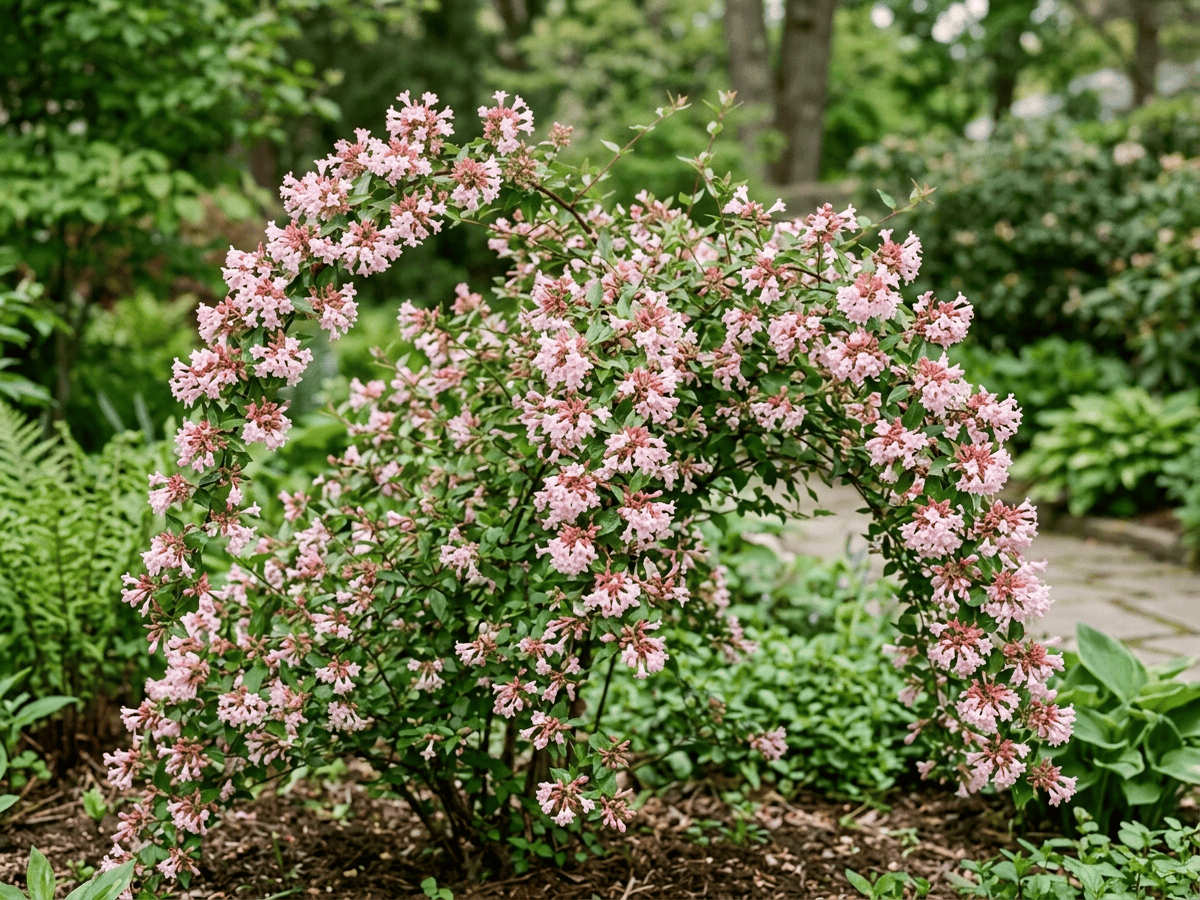 Fragrant AbeliaAbelia mosanensis
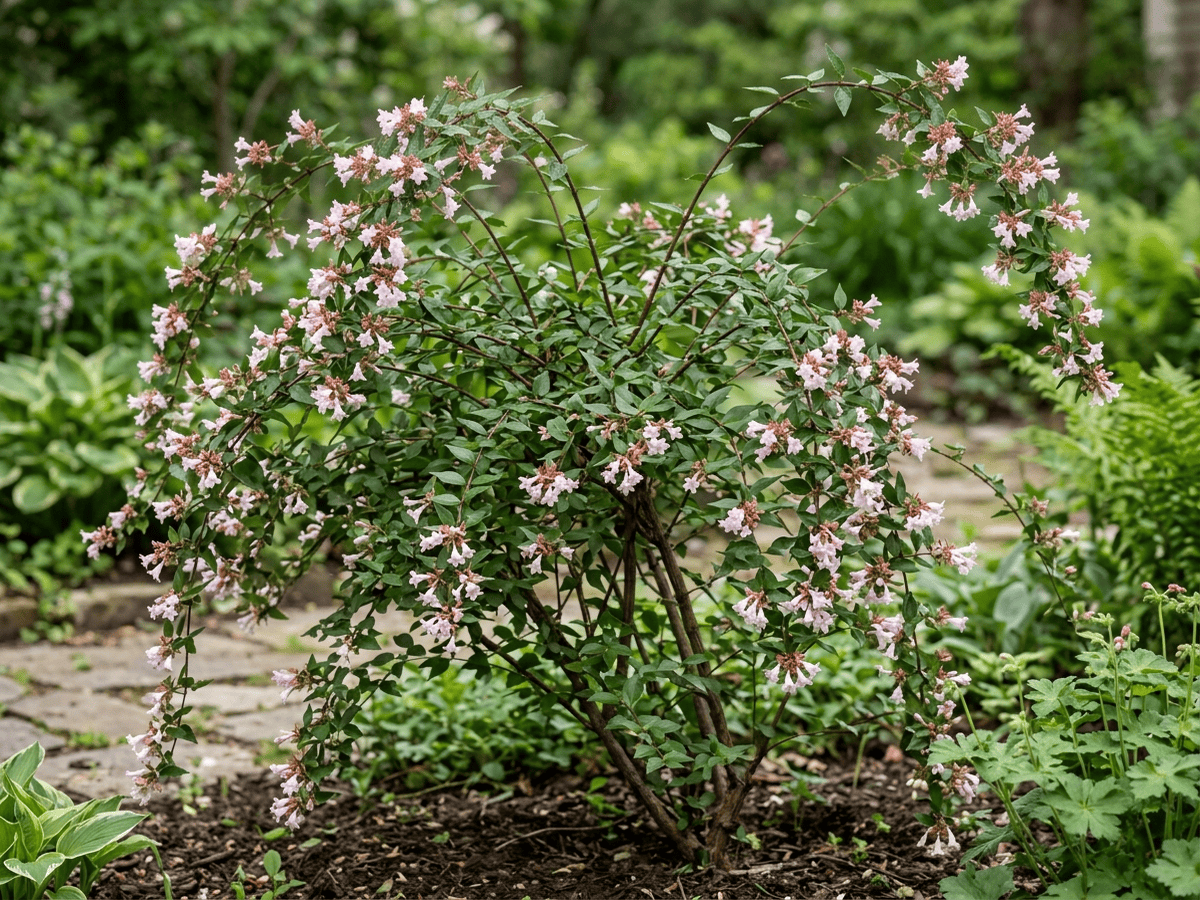 Large-Flowered AbeliaAbelia uniflora
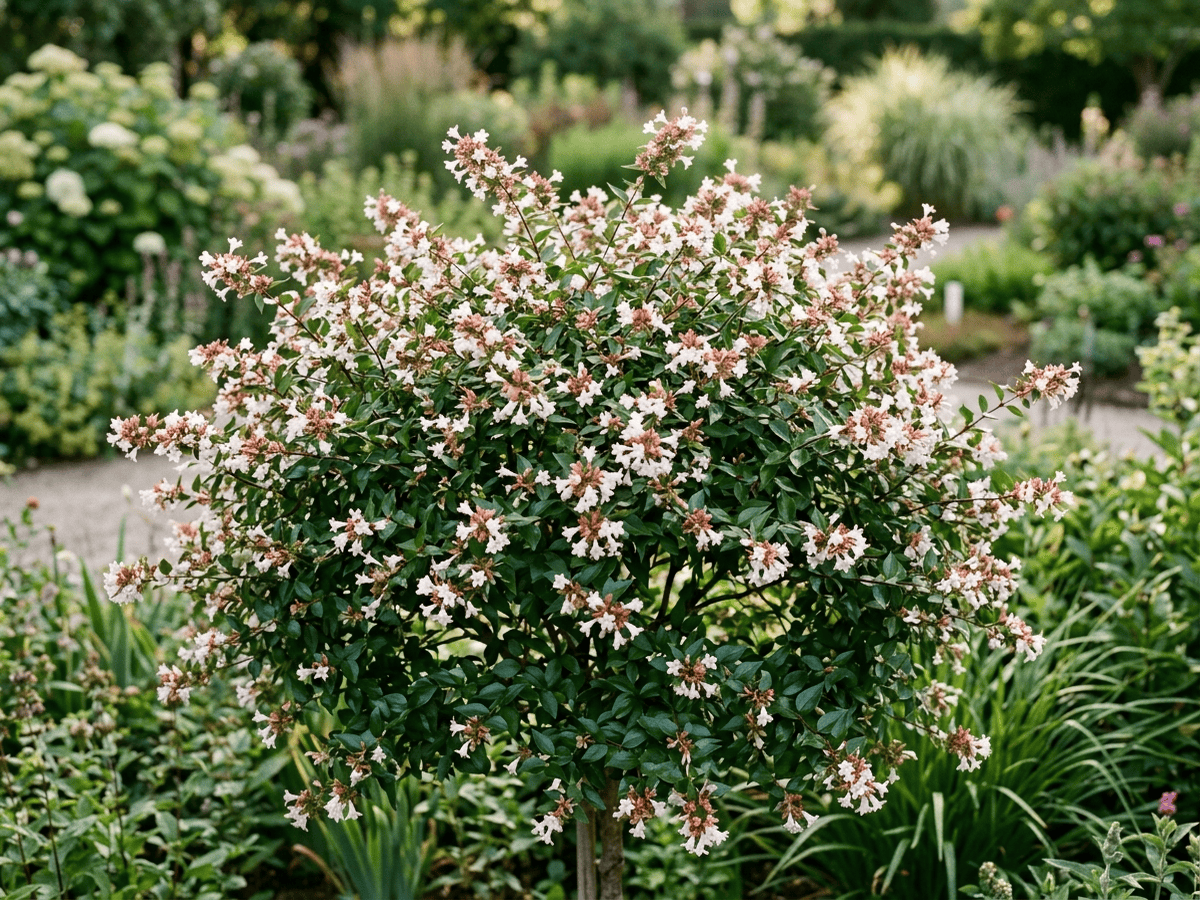 Glossy AbeliaAbelia x grandiflora
Frequently asked questions
How often should I water Coral Honeysuckle?
In summer, water about every 5 days; in winter, about every 21 days. Adjust for heat, pot size and drainage.
How much light does Coral Honeysuckle need?
Full sun: 6+ hrs direct. Watch the leaves — scorching or stretching means the light needs adjusting.
Is Coral Honeysuckle toxic to cats or dogs?
Pets Slight (Dogs Slight · Cats Slight) Educational information, not medical or veterinary advice. If exposure is suspected, contact a doctor or veterinarian.
Is Coral Honeysuckle easy to grow?
Yes — it is considered an easy, beginner-friendly plant.
When does Coral Honeysuckle bloom?
It typically blooms May–Sep in the Northern Hemisphere.
YardMate
Identify any plant in seconds
Snap a photo — YardMate names the plant, diagnoses problems, and reminds you when to water.
Download on the App Store