 YardMate


Sponge Gourd
Luffa aegyptiaca
Medium · Some experienceAbout Sponge Gourd
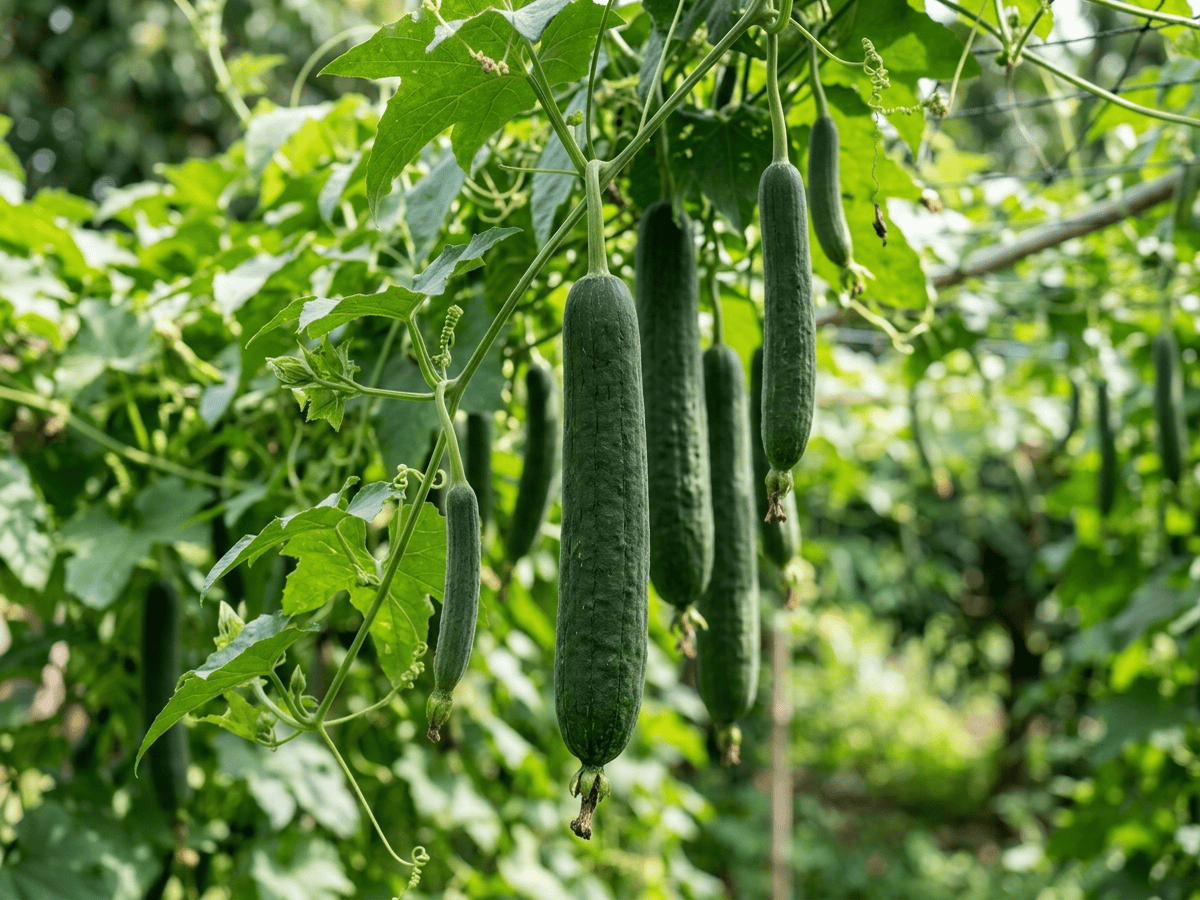
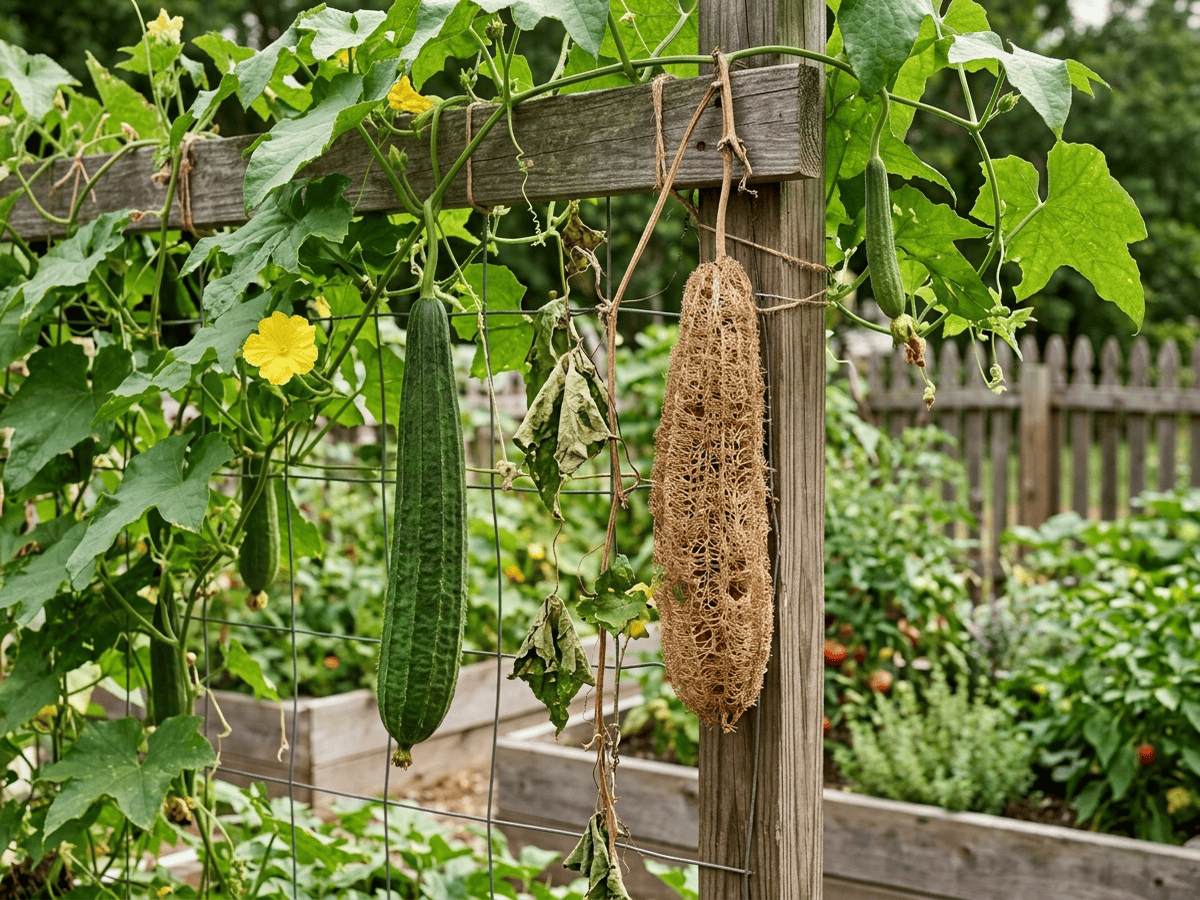
Sponge Gourd or Loofah is a tropical Asian vining annual reaching 15-30 feet, producing elongated cucumber-like green fruits that, when fully mature and dried, reveal a fibrous skeleton used as natural sponges and bath scrubbers. Young fruits are edible like zucchini in Asian cuisines. A favorite of zero-waste-conscious American gardeners who grow their own bath sponges. Requires a long warm growing season to mature fruits fully.
- Edible
- Climbing
How to care for Sponge Gourd
Watering
- Springevery 3 days
- Summerevery 3 days
- Fallevery 5 days
- Winterpause watering
Soil · Rich & well-draining
- Top dressingCompost10%
- Main mixPotting soil + compost 3:180%
- DrainageGravel10%
Top up the compost layer each season.
FERTILIZER
Balanced Feed 14-14-14
An even feed covers all three needs at once, keeping leaves, roots and blooms moving together with nothing pushed out of balance.
- Nitrogen · Leaves
- Phosphorus · Roots + Blooms
- Potassium · Strength
- Springevery 30 days
- Summerevery 30 days
At a Glance
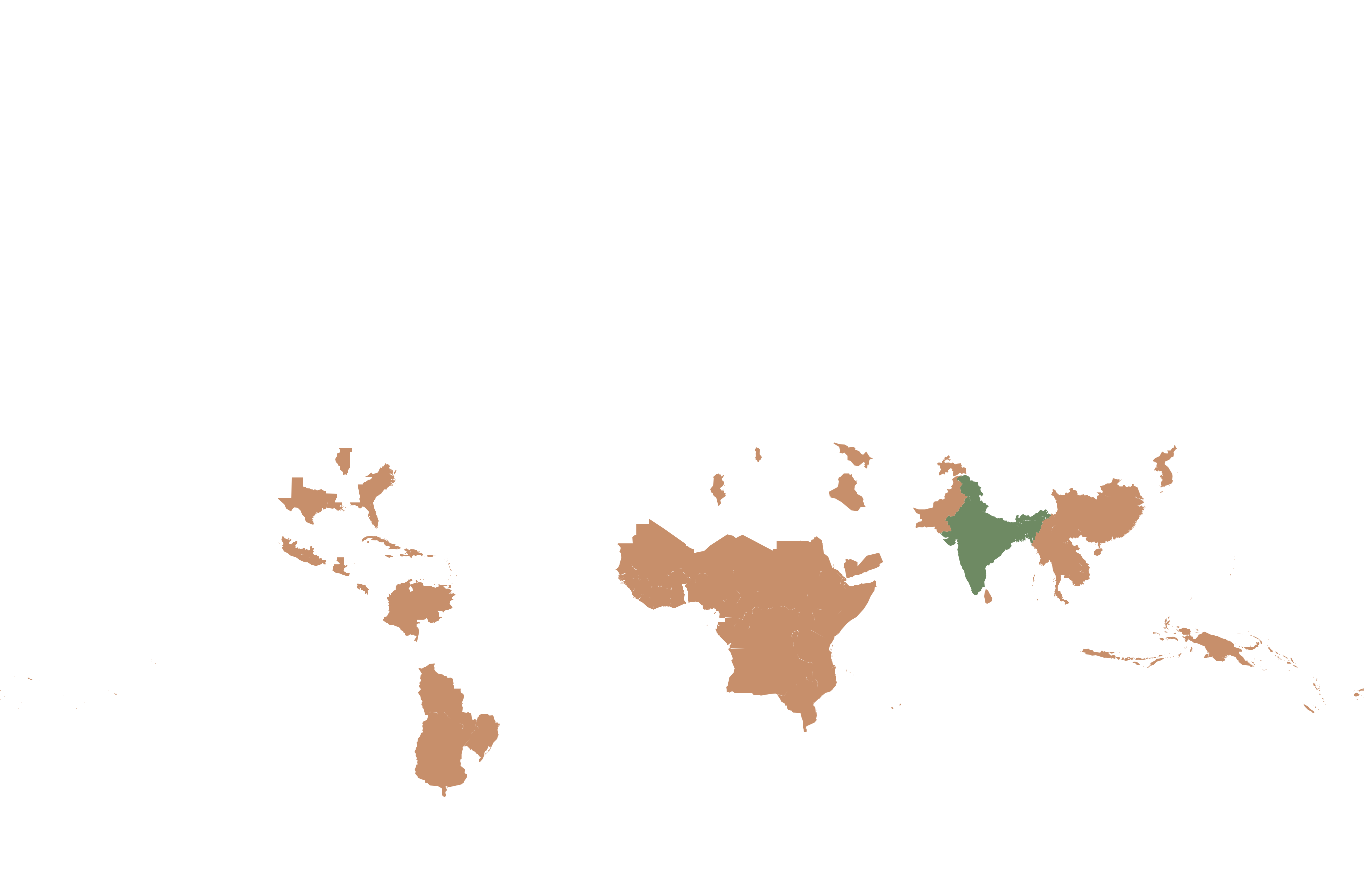
- NativeEast Asia, South Asia
- Height15–30 ft (4.6–9.1 m)
- Spread3–6 ft (0.9–1.8 m)
- Flower colorYellow
- Foliage colorGreen
- Fruit colorGreen
- SoilRich, Loamy, Well-drained
- LocationsYard
Bloom time
BLOOM CYCLE
Peak bloom
Jun–Aug
Large yellow flowers in summer
Toxicity
Humans Safe · Pets Safe
None reported
Safe
EXPOSURE No exposure route is reported.
EFFECT No toxic effect is reported.
NOTE Listed as non-toxic for humans; avoid eating ornamental plants unless confirmed edible.
Safe
EXPOSURE No exposure route is reported.
EFFECT No toxic effect is reported.
NOTE Listed as non-toxic for dogs; avoid eating ornamental plants unless confirmed edible.
Safe
EXPOSURE No exposure route is reported.
EFFECT No toxic effect is reported.
NOTE Listed as non-toxic for cats; avoid eating ornamental plants unless confirmed edible.
Educational information, not medical or veterinary advice. If exposure is suspected, contact a doctor or veterinarian.
DISTRIBUTION

- Native
- Introduced
- East Asia
- South Asia
History
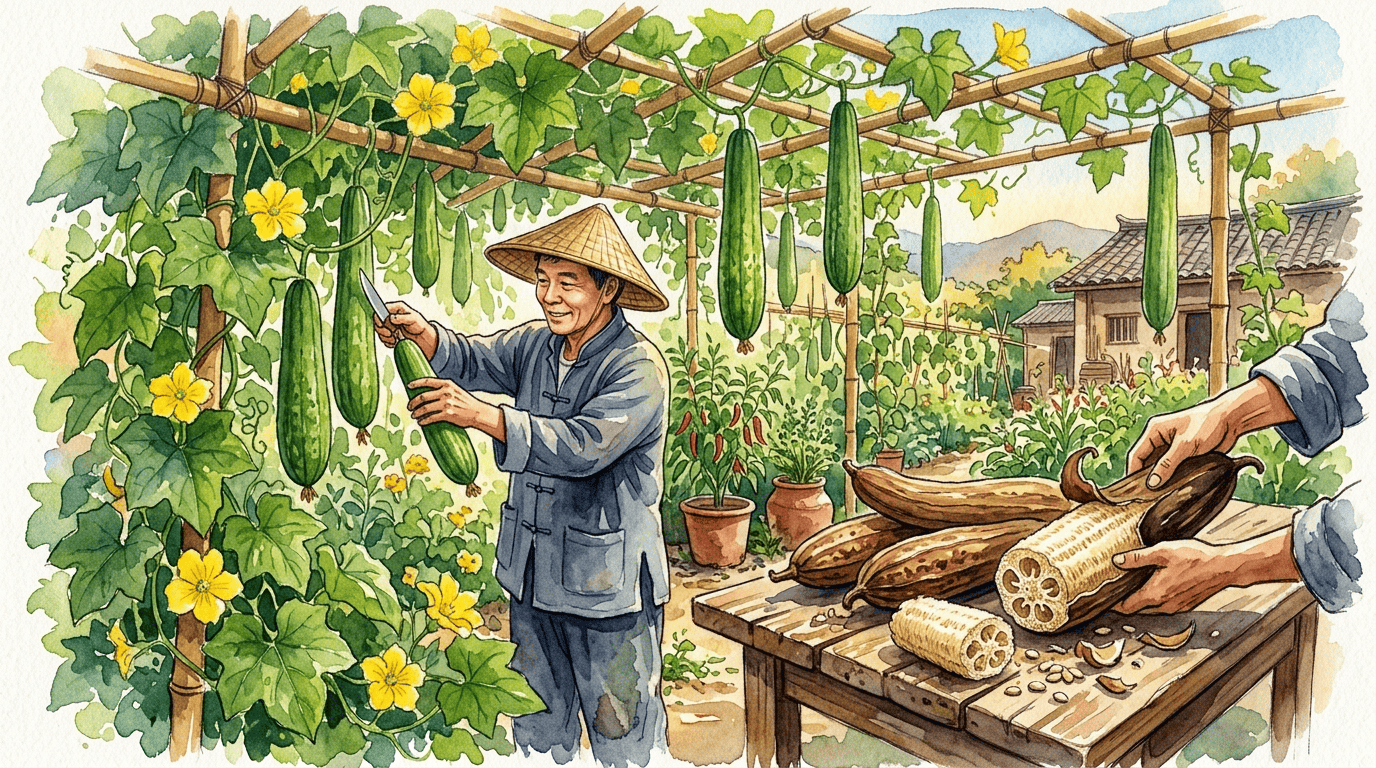
Luffa aegyptiaca, commonly called Egyptian cucumber, sponge gourd, loofah, or dishcloth gourd, is a vigorous annual climbing vine in the gourd family (Cucurbitaceae) with a native range debated but most likely originating in Southeast Asia or India, though ancient dispersal resulted in populations across tropical Asia and Africa. Scottish botanist Philip Miller described it in 1768 in the Gardeners Dictionary (often also called Luffa cylindrica in older literature). Synonym debate has continued—current treatments generally favor L. aegyptiaca.
Plants grow as robust tendrilled vines 3-6+ meters long with large lobed leaves and showy yellow 7-10 cm five-petaled flowers followed by elongated cucumber-like cylindrical green fruits 30-60 cm long. When young, fruits are eaten as vegetable throughout Asian cuisines (sigua in Mandarin, hechima in Japanese). When mature and dried, the fruits develop a dense fibrous interior that, once skin and seeds are removed, produces the familiar natural loofah sponge used worldwide for body exfoliation, dishwashing, and cleaning.
Commercial loofah farming is concentrated in China and Central America. Cultivated across Asia and Africa for both food and sponge production. Young loofahs are eaten in Chinese, Vietnamese, and Indian dishes. The dried mature fruits became the standard kitchen and bath sponge before synthetic alternatives. Increasingly popular in American sustainable-living gardens.
Symbolism & meaning
What It Symbolizes
Sponge Gourd is utility made beautiful — a grow-your-own bath sponge that turns a summer trellis into an exercise in sustainable living. Its heritage is dual: the same vine yields tender young fruits for the kitchen and tough fibrous skeletons for washing dishes and skin. Its meaning is practical generosity, a plant that has answered both food and household needs across continents for centuries.
- Utility — grow-your-own sponge for sustainable living
- Heritage — ancient dual-use food and craft plant
Where the Name Comes From
'Luffa' from the Arabic name; 'aegyptiaca' refers to Egypt where it was widely cultivated.
Uses & Fun Facts
- Young fruits eaten as vegetable in Asian cuisines
- Vigorous vine trained on sturdy trellises and arbors
- Mature fruits dried into natural sponges and scrubbers
Related plants
Plants with similar care
 Mexican AbeliaAbelia floribunda
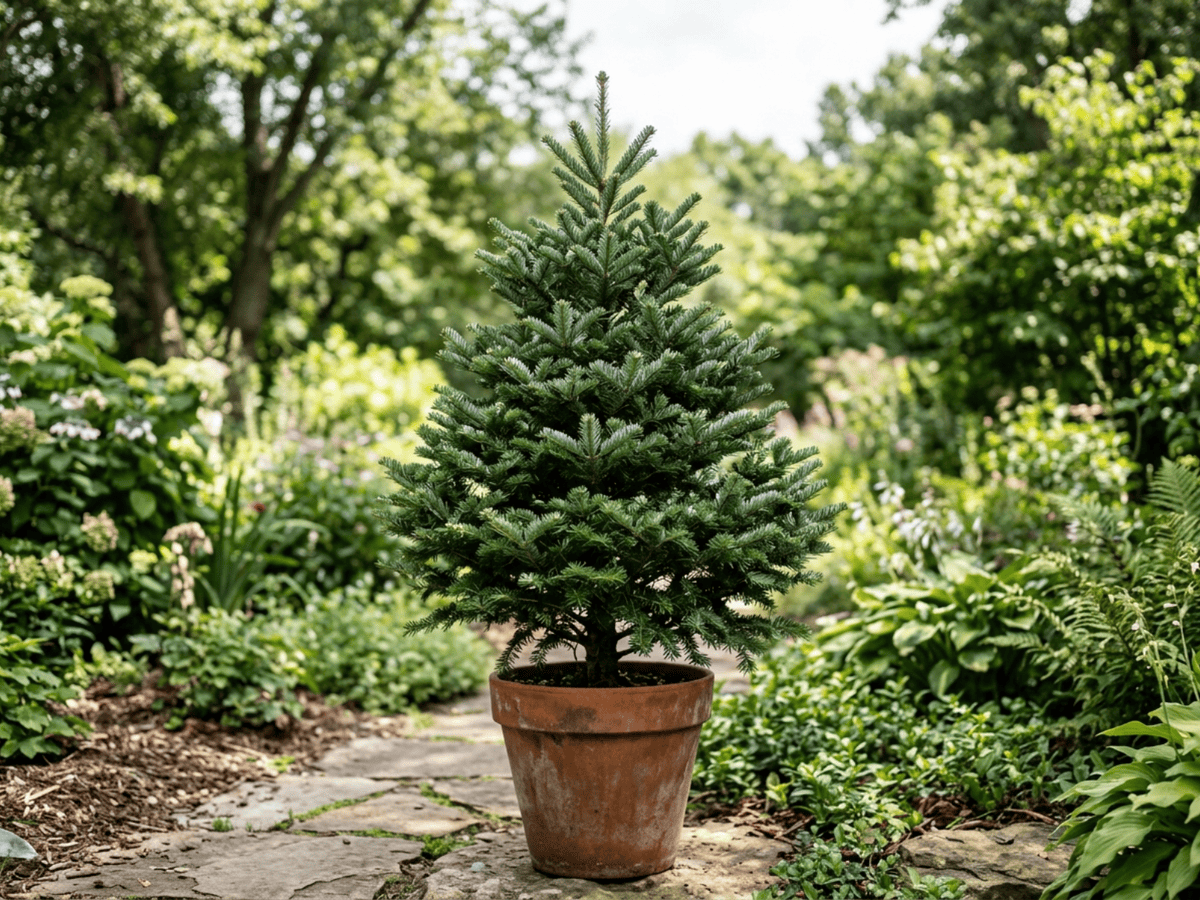 Fraser FirAbies fraseri
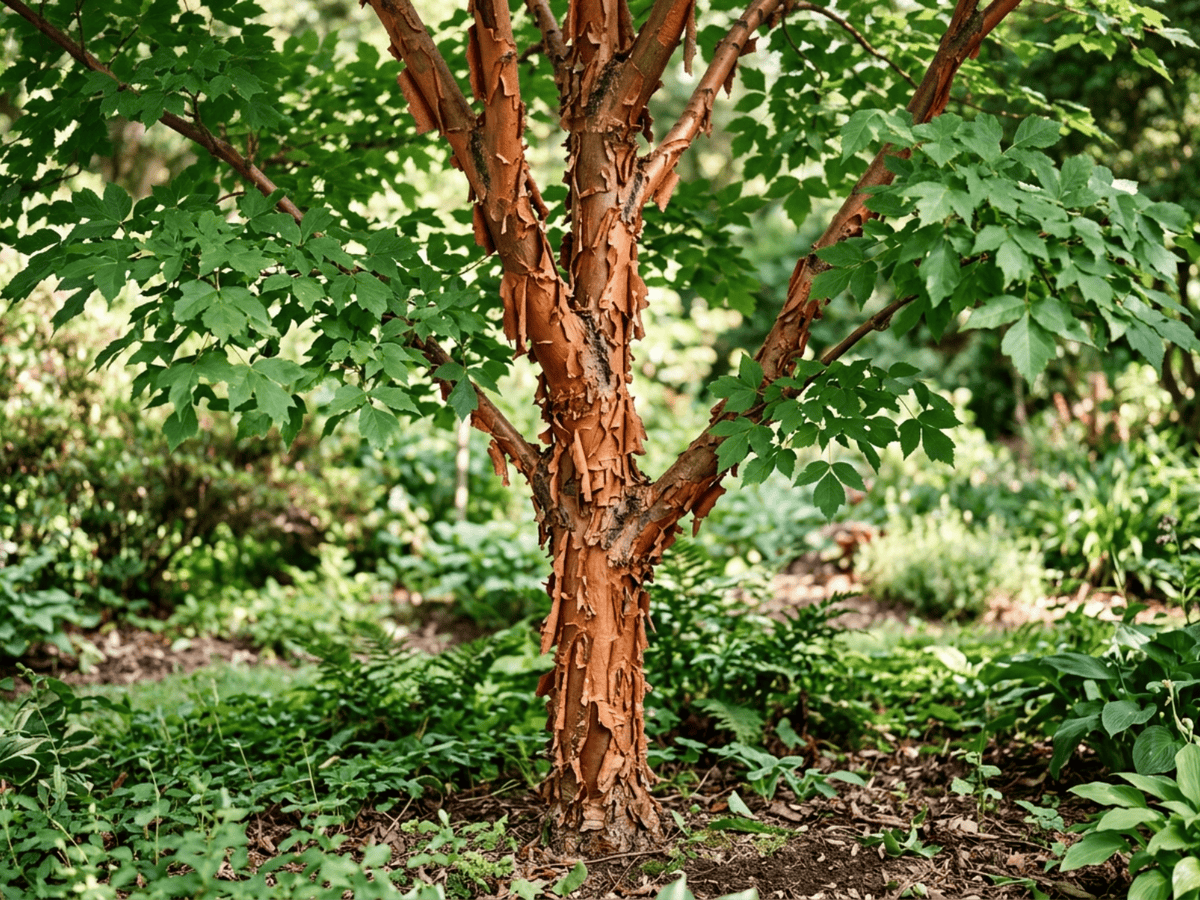 Paperbark MapleAcer griseum
 Sugar MapleAcer saccharum
Frequently asked questions
How often should I water Sponge Gourd?
Water about every 3 days during the growing season, and always let excess water drain away.
How much light does Sponge Gourd need?
Full sun: 6+ hrs direct. Watch the leaves — scorching or stretching means the light needs adjusting.
Is Sponge Gourd toxic to cats or dogs?
Pets Safe (Dogs Safe · Cats Safe) Educational information, not medical or veterinary advice. If exposure is suspected, contact a doctor or veterinarian.
Is Sponge Gourd easy to grow?
It is moderately demanding: a good choice once you have a little experience.
When does Sponge Gourd bloom?
It typically blooms Jun–Aug in the Northern Hemisphere.
YardMate
Identify any plant in seconds
Snap a photo — YardMate names the plant, diagnoses problems, and reminds you when to water.
Download on the App Store