 YardMate
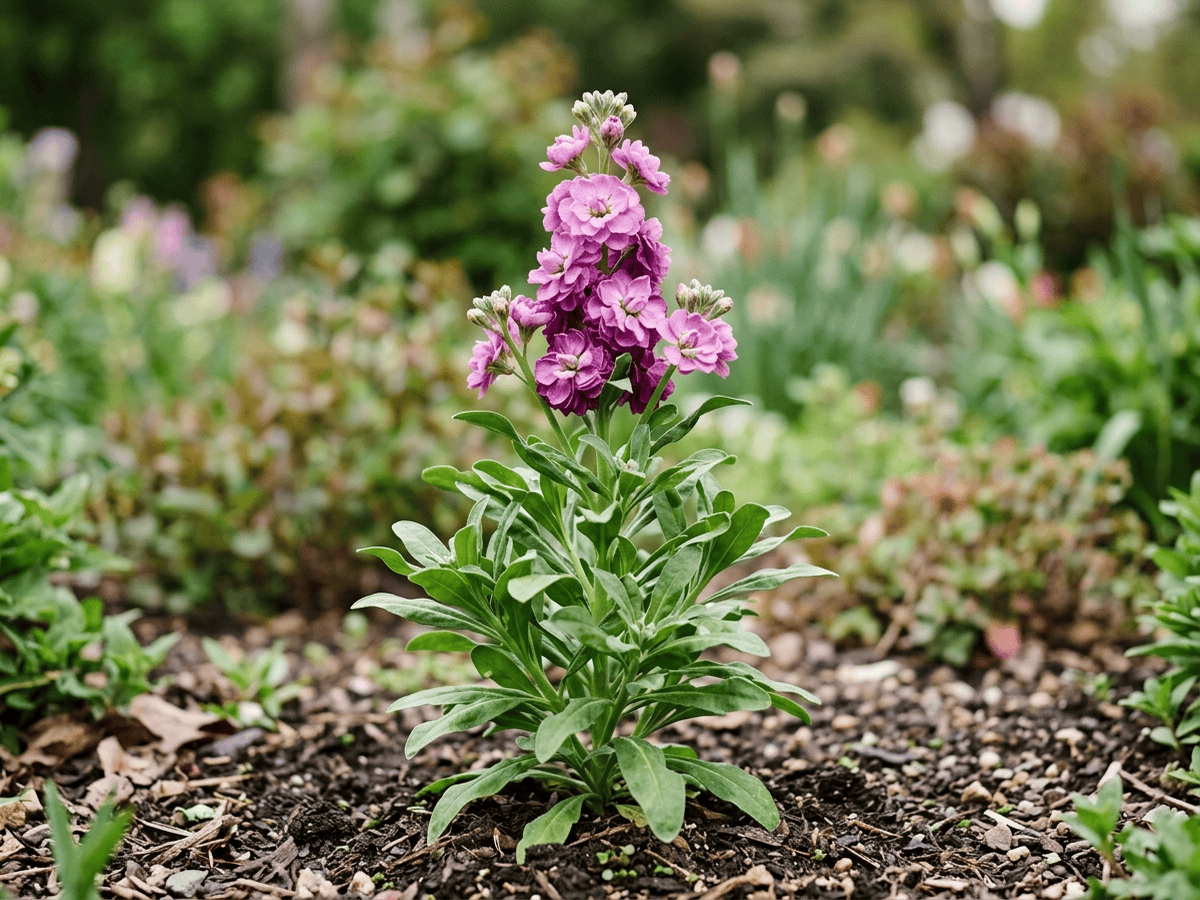


Hoary Stock
Matthiola incana
Medium · Some experienceAbout Hoary Stock
Matthiola incana, the stock or gillyflower, produces dense, fragrant spikes of flowers in purple, pink, white, cream, and red that release a rich, clove-like perfume, especially in the evening. Native to the Mediterranean, it has been grown in European gardens since the 16th century. Stocks are cool-season flowers that bloom best in spring and fall. The double-flowered forms are most valued, though only about 50-60% of seeds produce doubles. As cut flowers, they are highly prized for their fragrance and excellent vase life of 7-10 days.
- Fragrant
- Cut-flower
How to care for Hoary Stock
Watering
- Springevery 5 days
- Summerevery 3 days
- Fallevery 7 days
- Winterpause watering
Soil · Well-draining
- Top dressingPine bark mulch10%
- Main mixPotting soil + perlite 2:170%
- DrainageLECA / gravel20%
Never skip the drainage layer — standing water is the top cause of root rot.
FERTILIZER
Balanced Feed 14-14-14
An even feed covers all three needs at once, keeping leaves, roots and blooms moving together with nothing pushed out of balance.
- Nitrogen · Leaves
- Phosphorus · Roots + Blooms
- Potassium · Strength
- Springevery 21 days
- Summerevery 21 days
At a Glance
- NativeMediterranean
- Height1–2.5 ft (0.3–0.8 m)
- Spread1–1.5 ft (0.3–0.5 m)
- Flower colorPink, Purple, White, Red
- Foliage colorGreen
- SoilLoamy, Well-drained, Alkaline
- LocationsYard · Balcony
Bloom time
BLOOM CYCLE
Peak bloom
Jun–Aug
Evening-fragrant spikes; prefers cool weather; select double-flowered strains
Fragrance
STRONG FRAGRANCE
Intense sweet clove-spice fragrance, among the most powerfully scented cut flowers.
Toxicity
Humans Safe · Pets Safe
glucosinolates (typical of Brassicaceae)
Safe
EXPOSURE No exposure route is reported.
EFFECT No significant toxicity and flowers occasionally used as edible garnish.
NOTE Listed as non-toxic for humans; avoid eating ornamental plants unless confirmed edible.
Safe
EXPOSURE No exposure route is reported.
EFFECT Not listed as toxic.
NOTE Listed as non-toxic for dogs; avoid eating ornamental plants unless confirmed edible.
Safe
EXPOSURE No exposure route is reported.
EFFECT Not listed as toxic.
NOTE Listed as non-toxic for cats; avoid eating ornamental plants unless confirmed edible.
Educational information, not medical or veterinary advice. If exposure is suspected, contact a doctor or veterinarian.
DISTRIBUTION


- Native
- Introduced
- Mediterranean
History
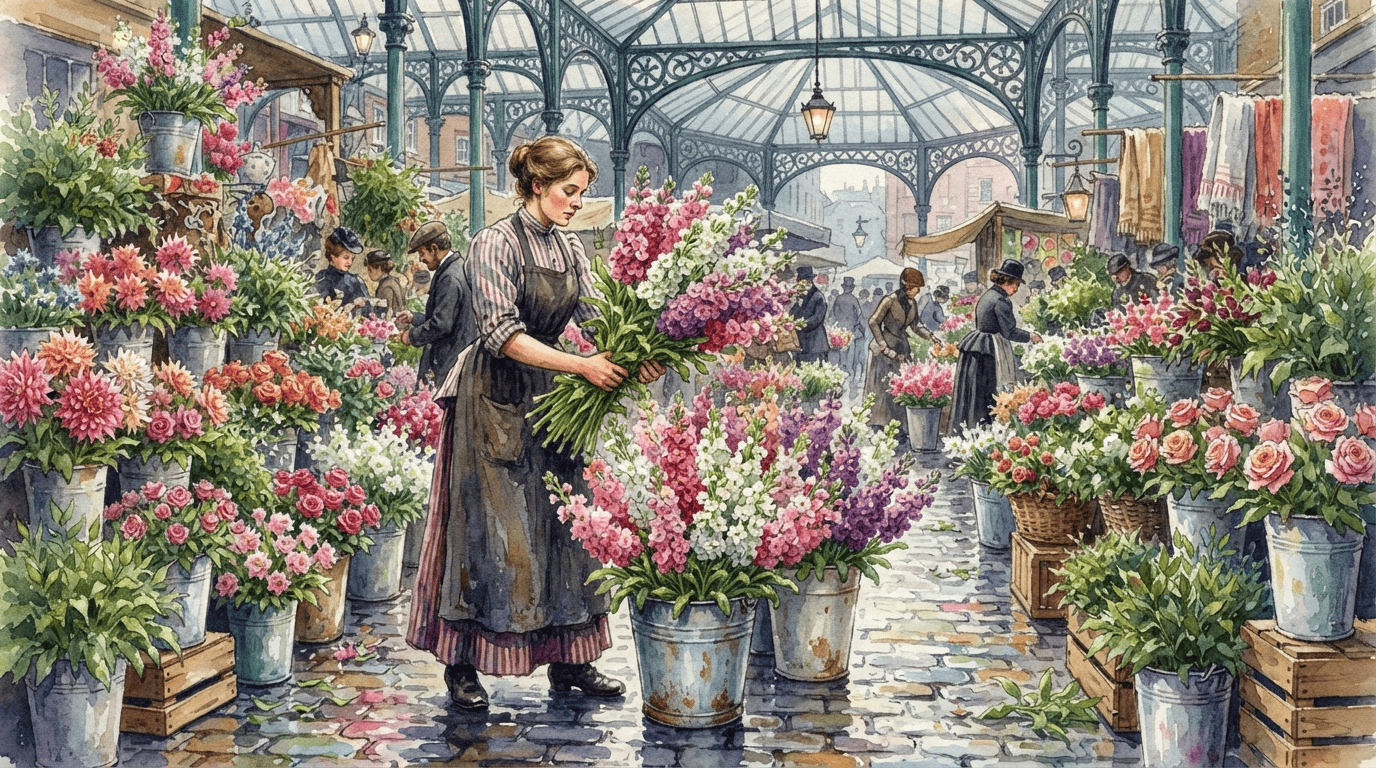
Matthiola incana is native to coastal cliffs and rocky areas of the Mediterranean, particularly southern Europe. Named by 16th-century Italian physician Pietro Andrea Mattioli (hence Matthiola), it entered English gardens by the reign of Elizabeth I and was widely grown by 1700. Gerard's 1597 Herball called it "gillofer" and praised its "pleasant sweet smell."
The double-flowered "ten-week stock" — produced through heterozygous genetics that cause segregation into single and double forms — was an 18th-century horticultural triumph, and German breeders (particularly Benary) refined selection techniques in the 19th century. Stocks were a mainstay of the British cut-flower market and cottage borders through the Edwardian era. The seeds still contain erucic acid and were a minor oil crop in antiquity.
Stocks were among the most prized flowers of the Elizabethan and Tudor gardens, called 'gillyflowers' from the French 'girofle' (clove) for their spicy fragrance. Henry VIII's gardeners grew them at Hampton Court Palace. The genetic trick for selecting double flowers was discovered by Dutch growers: seedlings with lighter green cotyledons tend to produce doubles, while dark green seedlings are singles. This allows growers to cull singles at seedling stage, increasing the percentage of valuable double-flowered plants. The 'Column' series produces a single, unbranched spike ideal for professional floristry.
Symbolism & meaning
What It Symbolizes
Hoary Stock expresses lasting beauty, its richly fragrant spires holding form for weeks in the vase long after lesser cut flowers have faded. Bred and treasured across centuries of European gardens, it stands for the enduring kind of loveliness — beauty deepened, rather than diminished, by time. This is often read as a flower of slow-burning charm, a reminder that some gifts grow more precious the longer they linger.
- Lasting beauty — Its enduring fragrance and long vase life represent beauty that persists through time
Where the Name Comes From
Matthiola honors Pietro Andrea Mattioli (1501–1577), Italian physician and botanist. Incana means 'gray-haired,' for the silvery pubescent leaves.
Uses & Fun Facts
- Clove-scented flowers perfume cool-season beds and cut stems
Related plants
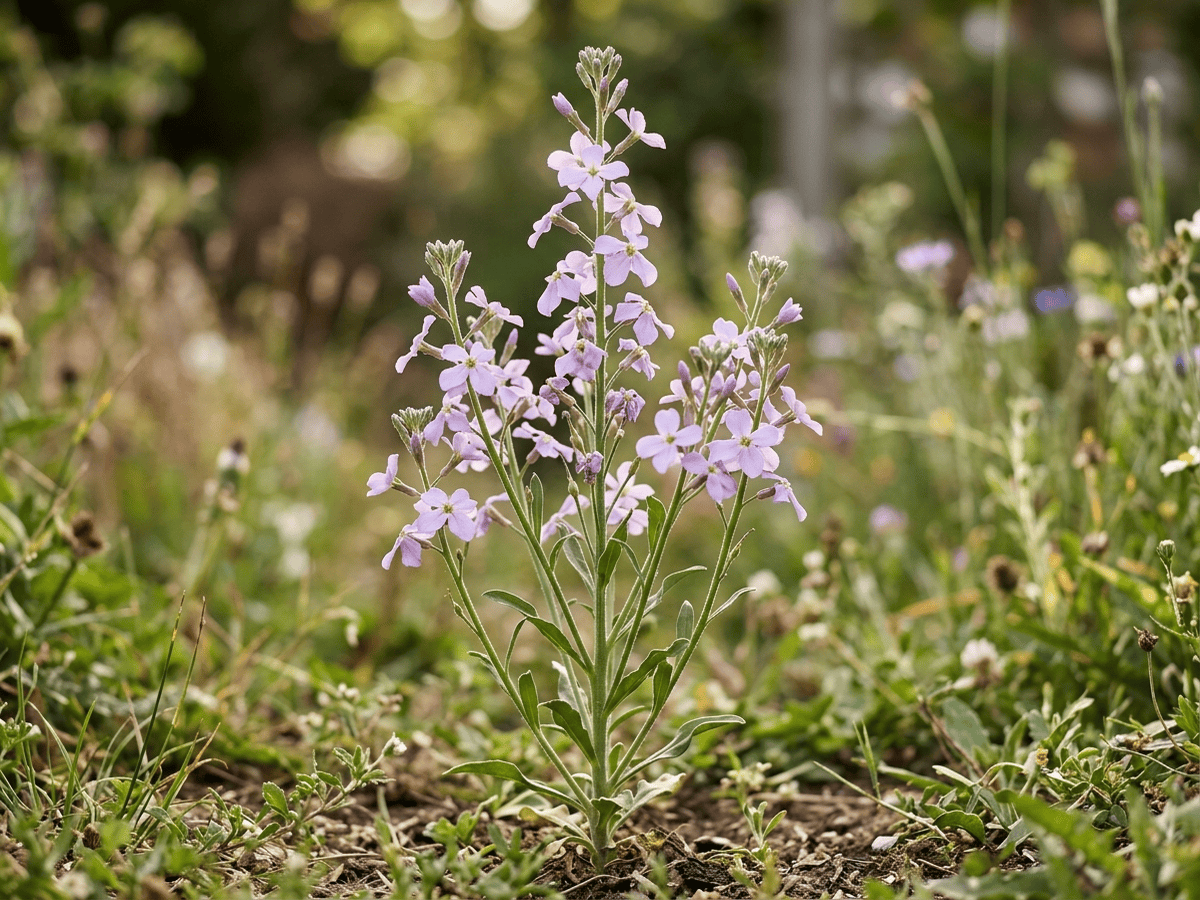
More Matthiola plants
Plants with similar care
 Mexican AbeliaAbelia floribunda
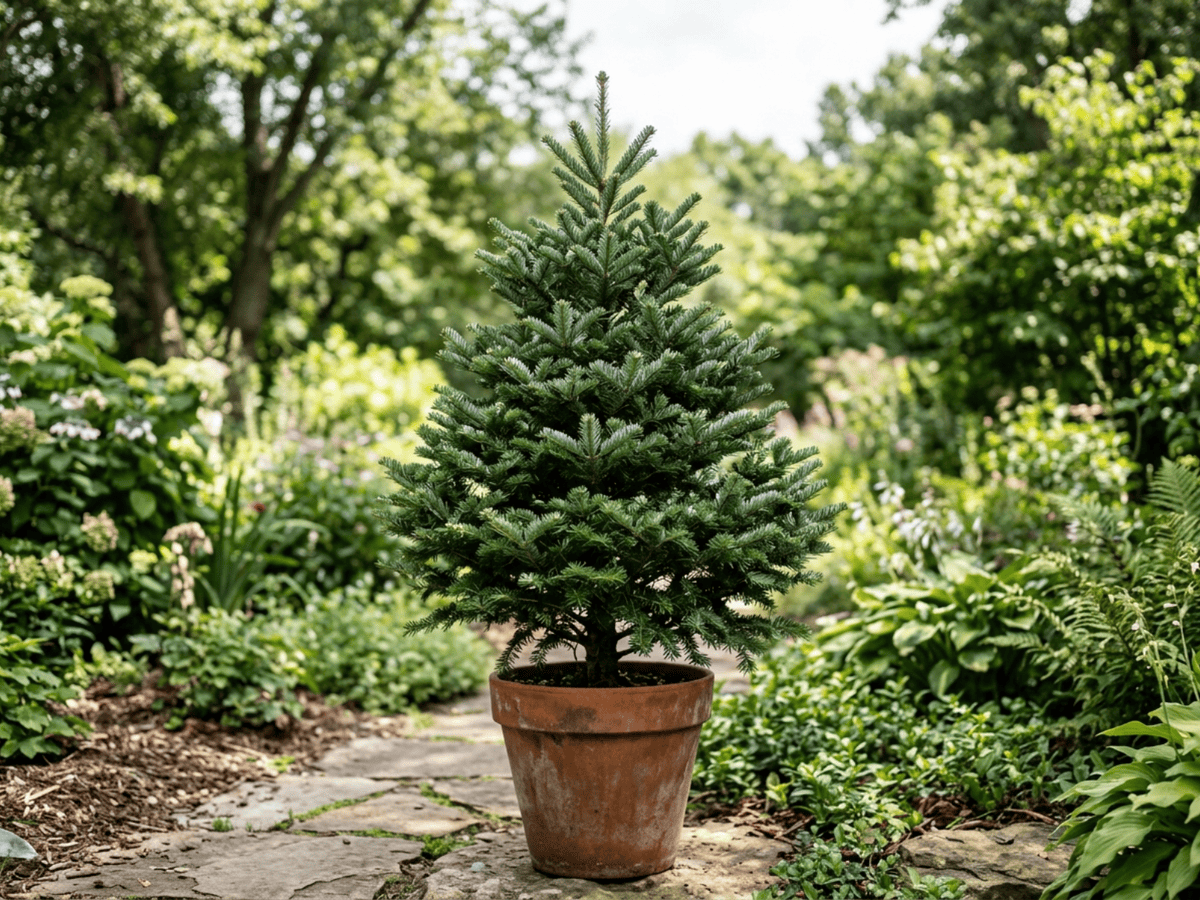 Fraser FirAbies fraseri
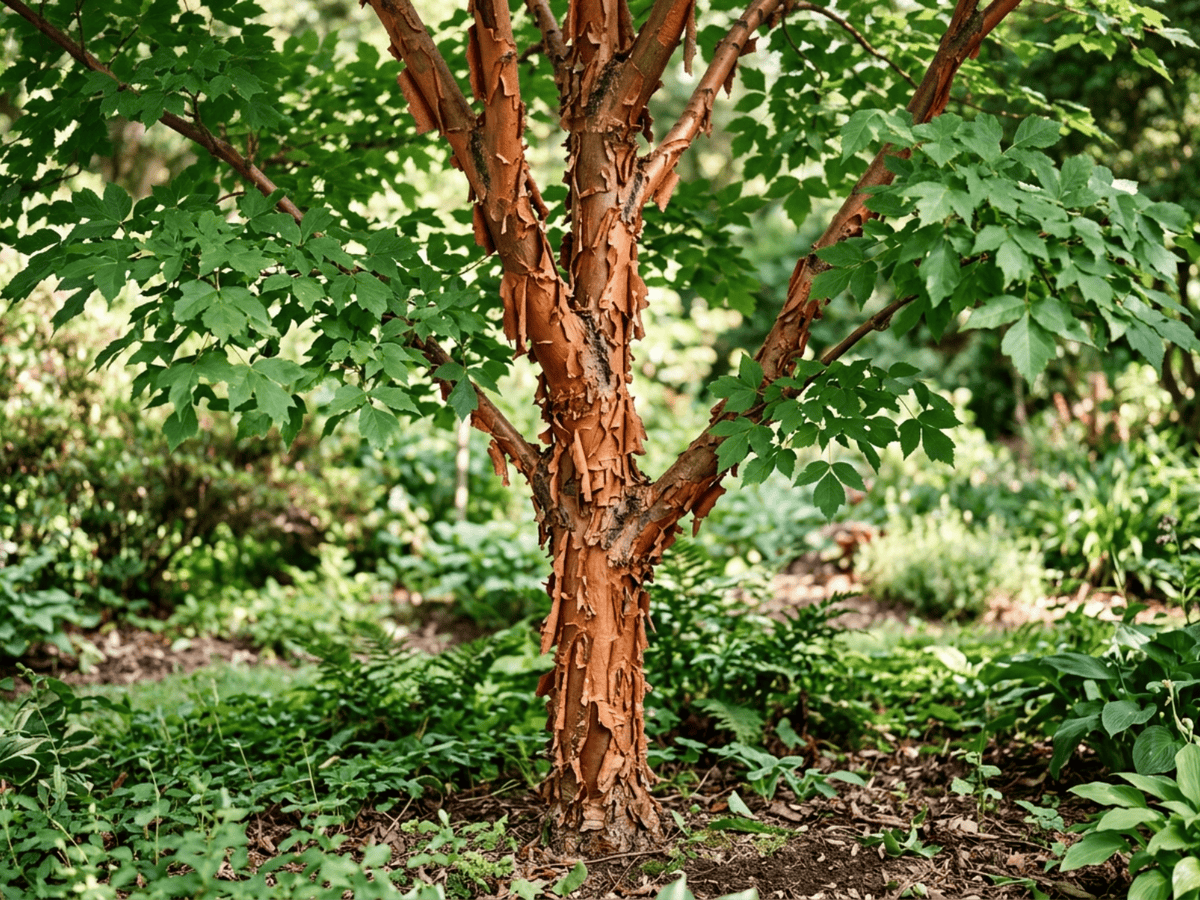 Paperbark MapleAcer griseum
 Sugar MapleAcer saccharum
Frequently asked questions
How often should I water Hoary Stock?
Water about every 5 days during the growing season, and always let excess water drain away.
How much light does Hoary Stock need?
Full sun: 6+ hrs direct. Watch the leaves — scorching or stretching means the light needs adjusting.
Is Hoary Stock toxic to cats or dogs?
Pets Safe (Dogs Safe · Cats Safe) Educational information, not medical or veterinary advice. If exposure is suspected, contact a doctor or veterinarian.
Is Hoary Stock easy to grow?
It is moderately demanding: a good choice once you have a little experience.
When does Hoary Stock bloom?
It typically blooms Jun–Aug in the Northern Hemisphere.
YardMate
Identify any plant in seconds
Snap a photo — YardMate names the plant, diagnoses problems, and reminds you when to water.
Download on the App Store