 YardMate
Small Melilot
Melilotus indicus
Hard · Experienced growersAbout Small Melilot
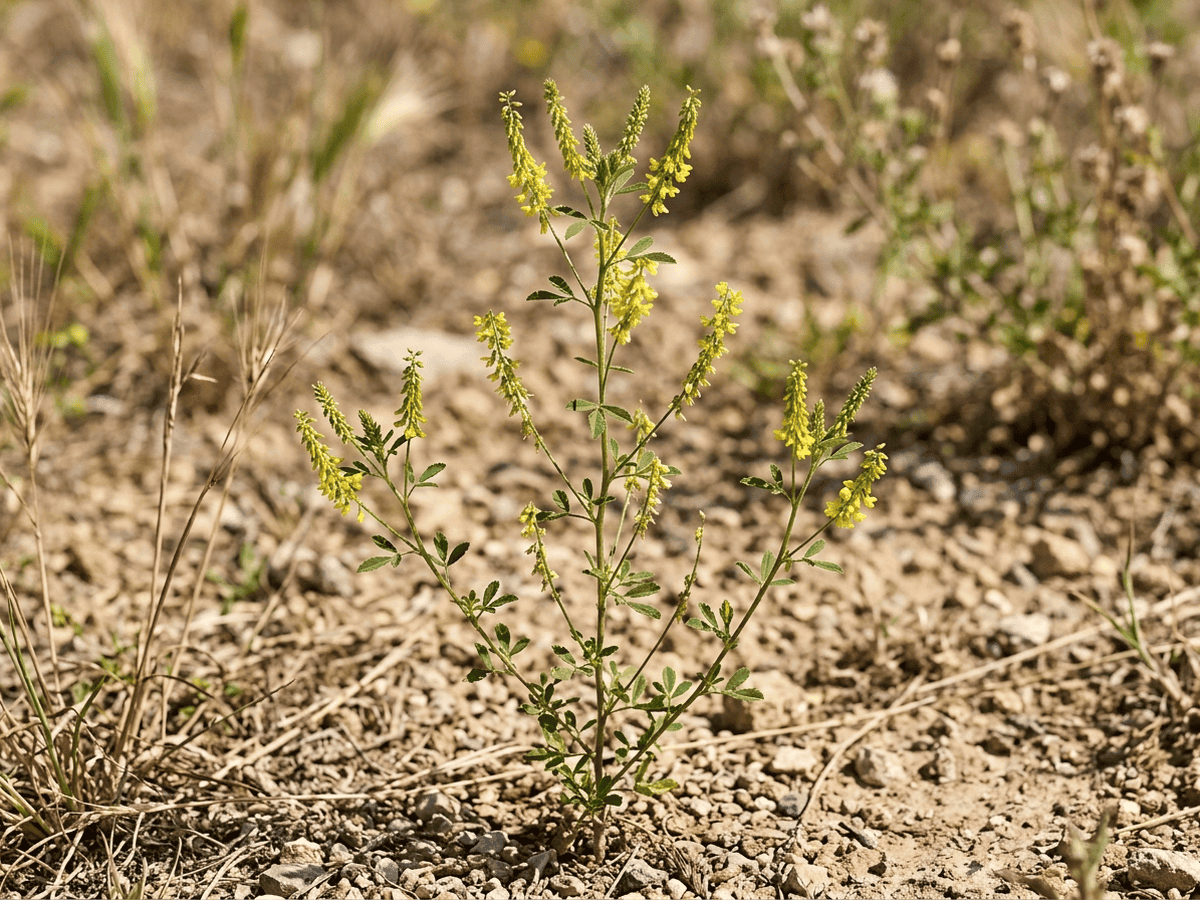
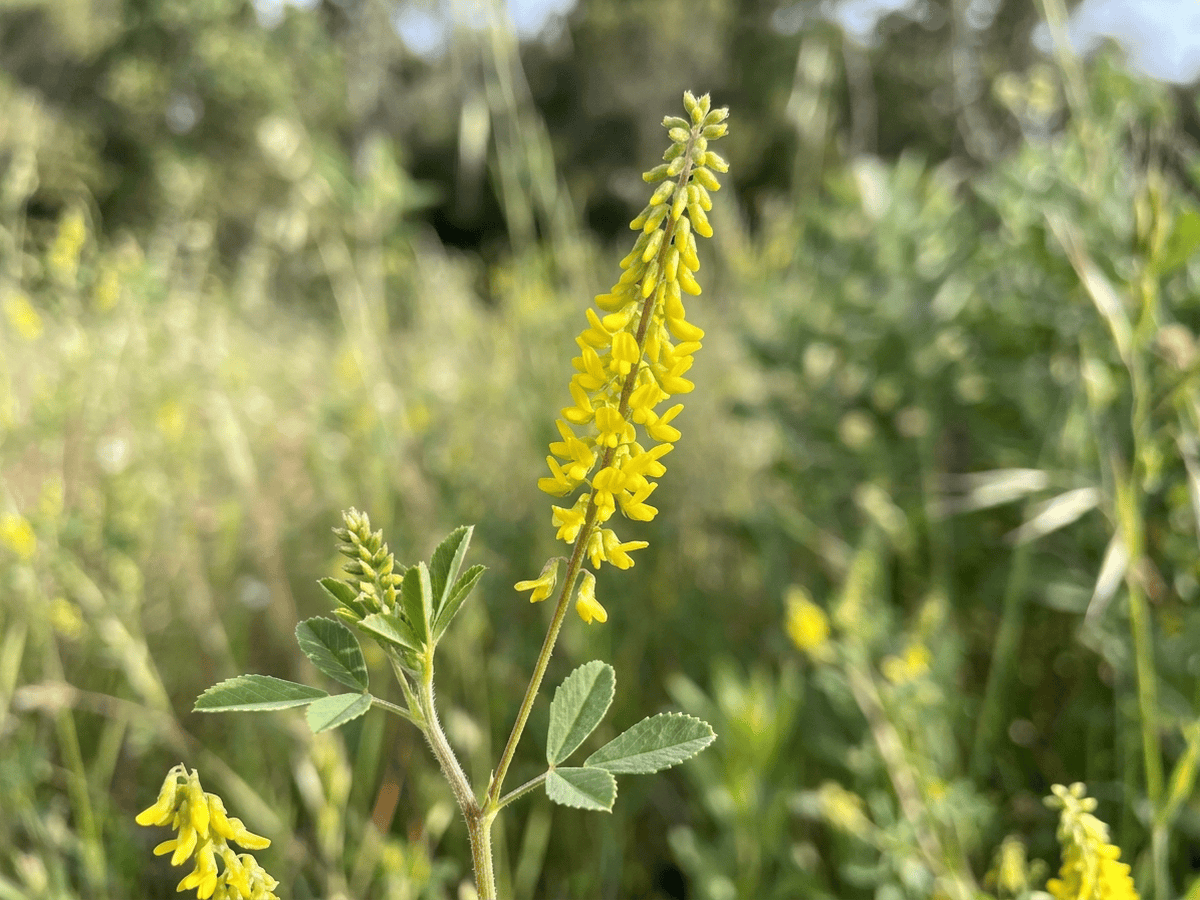
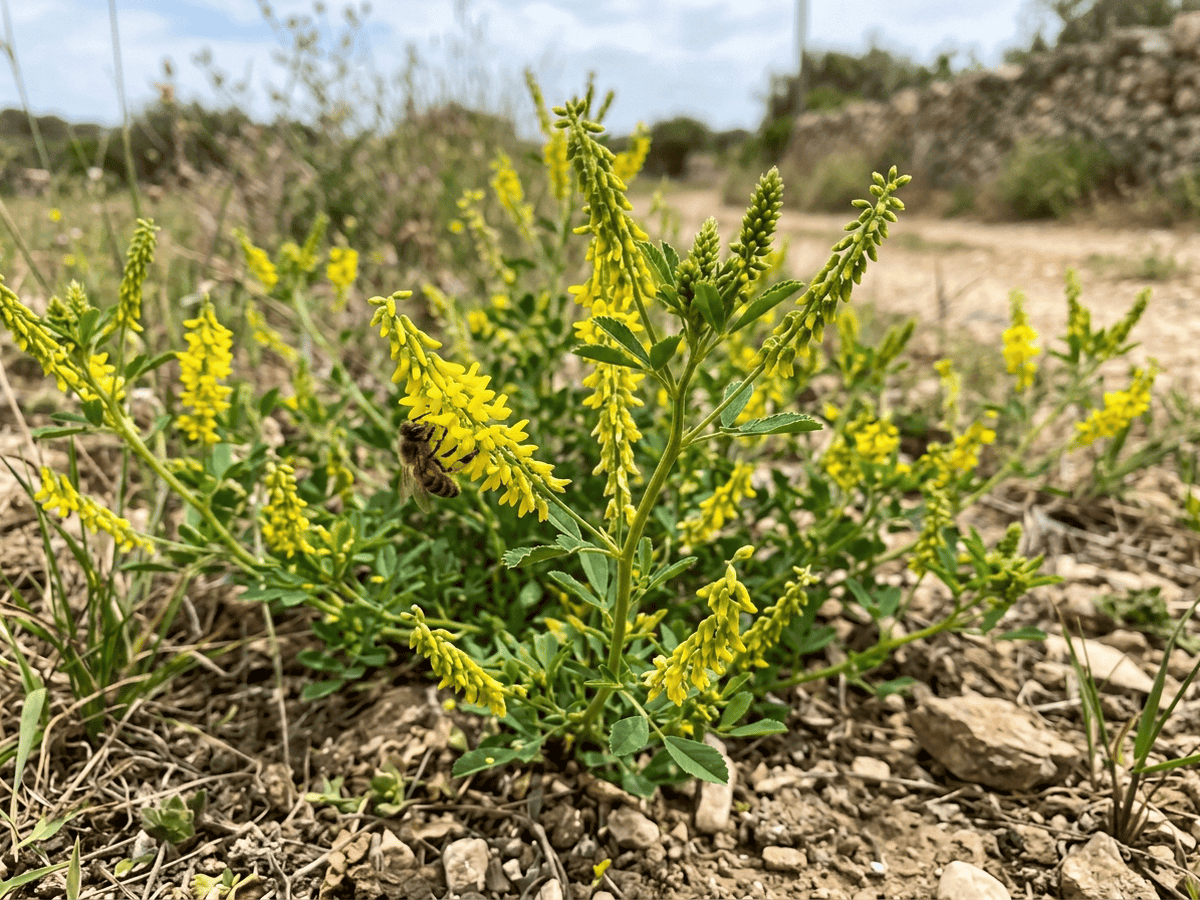
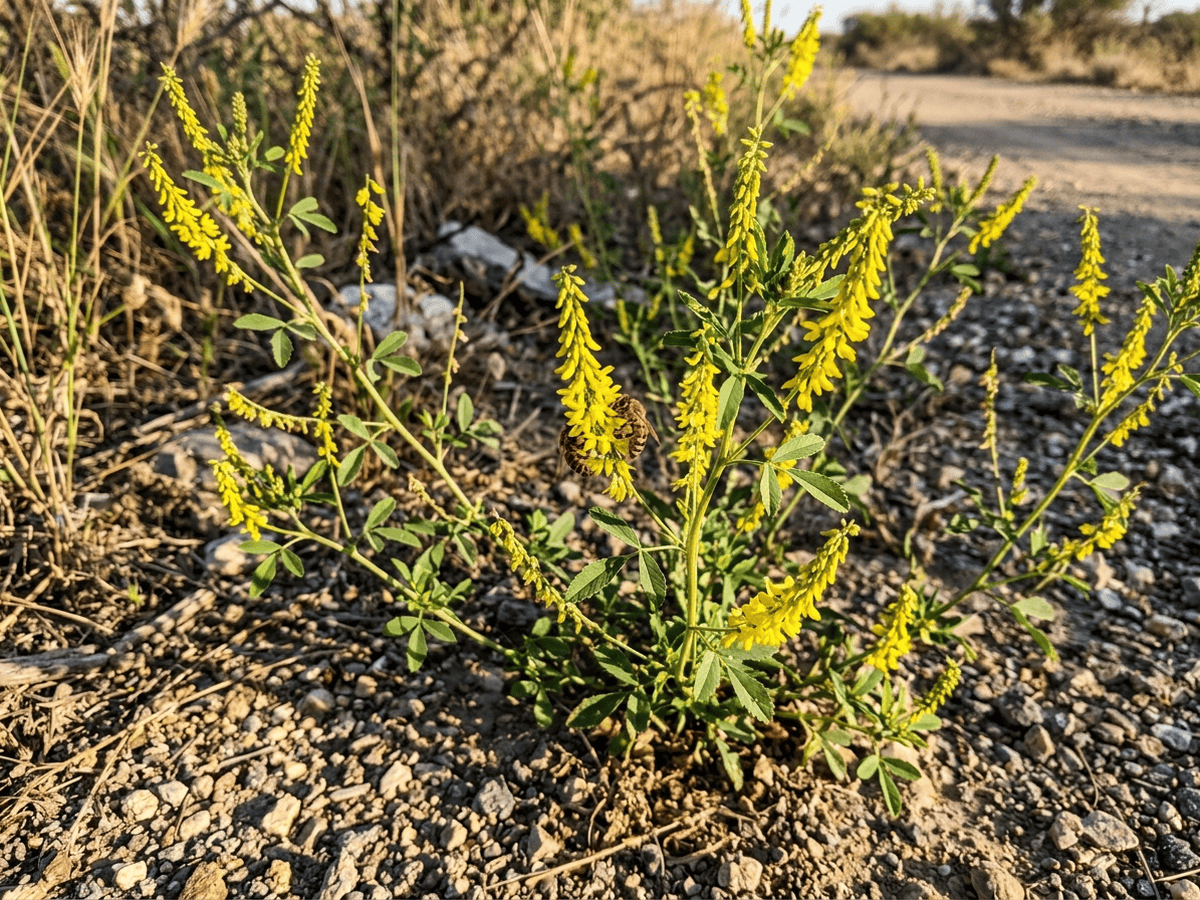
Melilotus indicus, Small Melilot, is the most compact of the sweetclovers—a slender annual native to the Mediterranean and western Asia, now naturalized on virtually every inhabited continent in dry, disturbed soils from roadsides to fallow fields. Growing 12–24 inches tall, it produces slender racemes of tiny yellow flowers from late spring through summer, releasing the characteristic sweet coumarin fragrance of the Melilotus genus when touched or dried. A prolific nitrogen-fixer and honey plant wherever it establishes, it thrives in heat and drought where few other legumes grow.
- Fragrant
- Drought-tolerant
- Pollinator-friendly
- Fast-growing
How to care for Small Melilot
Watering
- Springevery 7 days
- Summerevery 5 days
- Fallevery 14 days
- Winterevery 30 days
Soil · Well-draining
- Top dressingPine bark mulch10%
- Main mixPotting soil + perlite 2:170%
- DrainageLECA / gravel20%
Never skip the drainage layer — standing water is the top cause of root rot.
FERTILIZER
- Springevery 30 days
- Summerevery 30 days
At a Glance
- NativeSoutheast Asia, Australia
- Height1–2 ft (0.3–0.6 m)
- Spread2–3 ft (0.6–0.9 m)
- Flower colorYellow, White
- Foliage colorGreen
- SoilLoamy, Well-drained
- LocationsYard · Balcony · Indoor
Bloom time
BLOOM CYCLE
Peak bloom
May–Jul
This plant produces yellowish-white flowers during late spring to early summer.
Fragrance
MODERATE FRAGRANCE
Sweet coumarin 'new-mown hay' fragrance; released especially from dried stems and leaves, same chemistry as larger Melilotus species.
Toxicity
No toxicity has been reported for this plant. Still, it is wise to keep pets from chewing on any houseplant.
Educational information, not medical or veterinary advice. If exposure is suspected, contact a doctor or veterinarian.
DISTRIBUTION

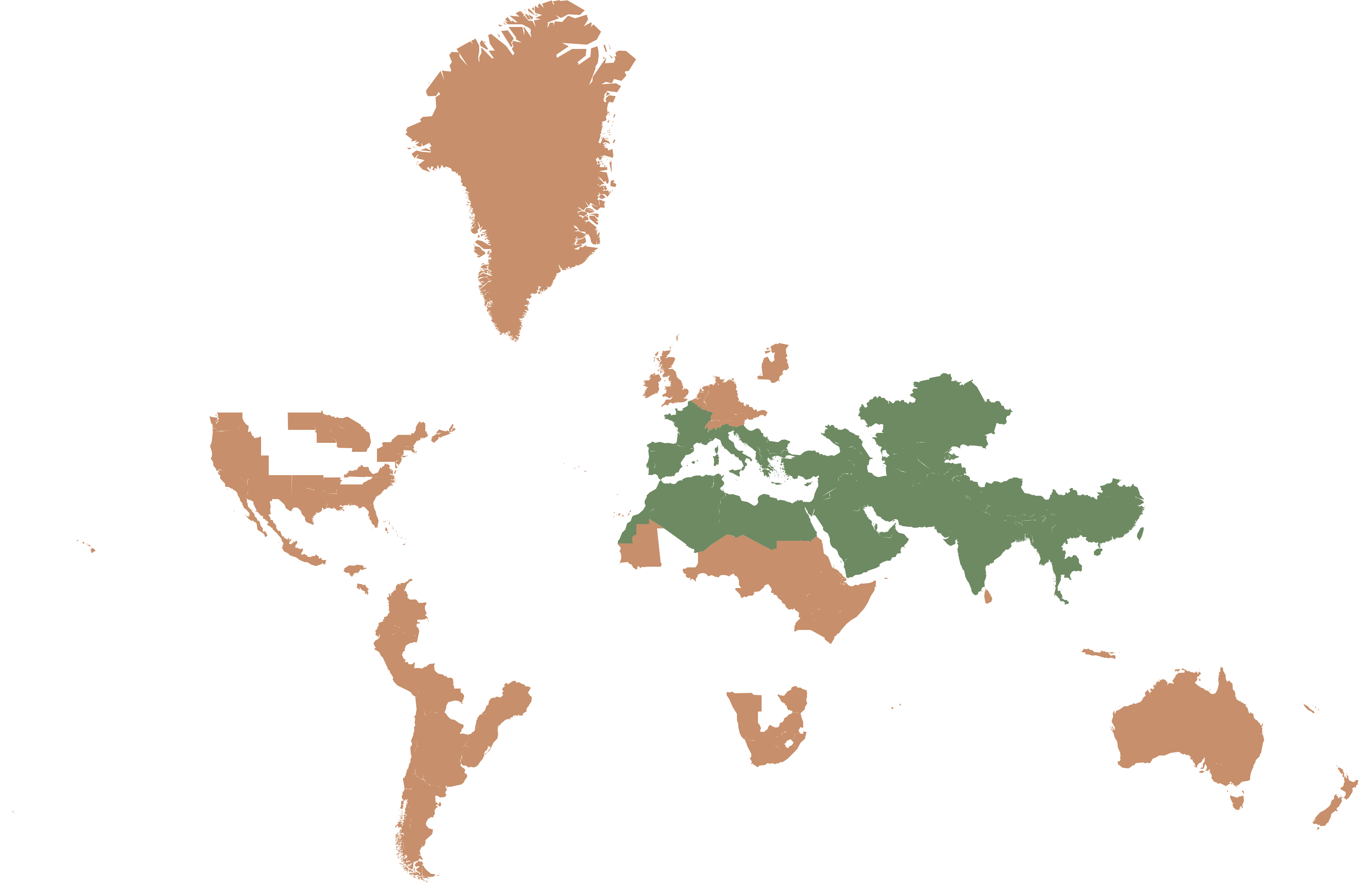
- Native
- Introduced
- Southeast Asia
- Australia
History
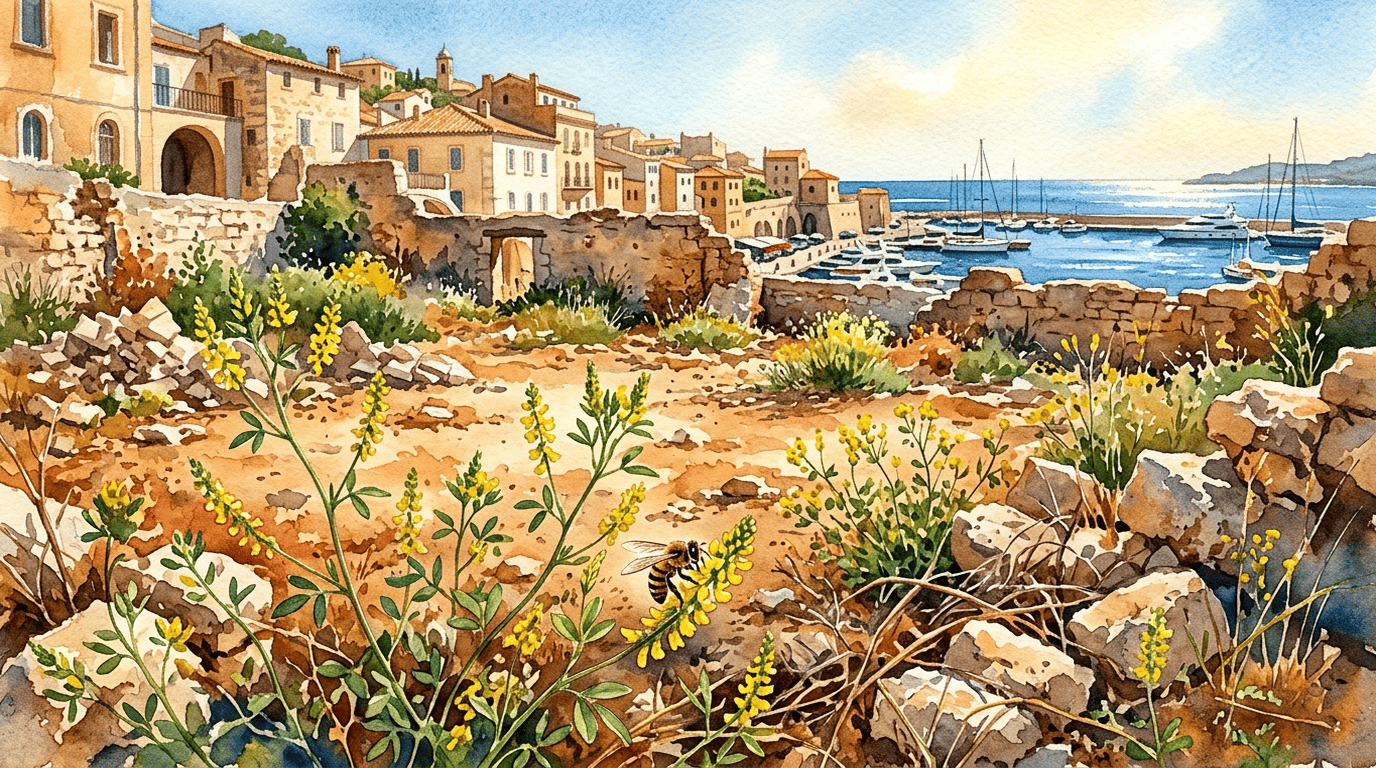
Melilotus indicus is native to the Mediterranean basin, North Africa, and western Asia, with its natural range extending to the Indian subcontinent—the 'indicus' epithet reflects this broad Old World distribution rather than an exclusively Indian origin. Within the Melilotus genus it is the smallest species, with finer stems, smaller leaves, and more delicate flower racemes than M. officinalis or M. albus.
Despite its modest stature, Small Melilot is among the most globally distributed annual plants alive, following human transportation networks and disturbed ground to every inhabited continent. It thrives in roadsides, waste ground, construction sites, and abandoned agricultural fields—any dry, nutrient-poor soil where competition from perennial plants is reduced. This ecological flexibility has made it extraordinarily successful.
Like all Melilotus species, M. indicus contains coumarin, the compound responsible for the genus' characteristic sweet 'new-mown hay' fragrance. This chemistry is identical across the genus, concentrated in leaves and stems and most noticeable when dried or bruised.
The plant serves as a cover crop and nitrogen-fixer in warm climates where M. officinalis and M. albus do not thrive, and its small flowers are an important nectar source for honeybees across the Mediterranean and in naturalized populations throughout Australia, the Americas, and sub-Saharan Africa.
Symbolism & meaning
What It Symbolizes
Small Melilot followed roads and ports and field margins to every warm continent on earth, fixed nitrogen in soils nobody tended, fed bees nobody managed, and smelled of something unmistakably alive—the sweet coumarin that drifts off dried hay and says: here there was once a meadow.
- ubiquity — Among the most globally distributed annual plants alive, found in every warm disturbed corner of the world wherever human activity went.
- humility — The smallest of its kind. Not celebrated, not cultivated—but extraordinarily persistent and quietly useful wherever it lands.
Where the Name Comes From
The genus Melilotus derives from Greek meli (honey) and lotos (clover), reflecting the genus' ancient importance as honey plants. The species epithet indicus means 'of India' or 'Eastern' in Latin, reflecting the plant's broad Old World distribution extending east to the Indian subcontinent.
Uses & Fun Facts
- Small yellow flowers provide an important nectar source for honeybees in warm climates; widely naturalized across Australia, the Americas, and the Mediterranean
- Same sweet coumarin 'new-mown hay' fragrance as larger Melilotus species; dried stems and leaves are aromatic
Related plants
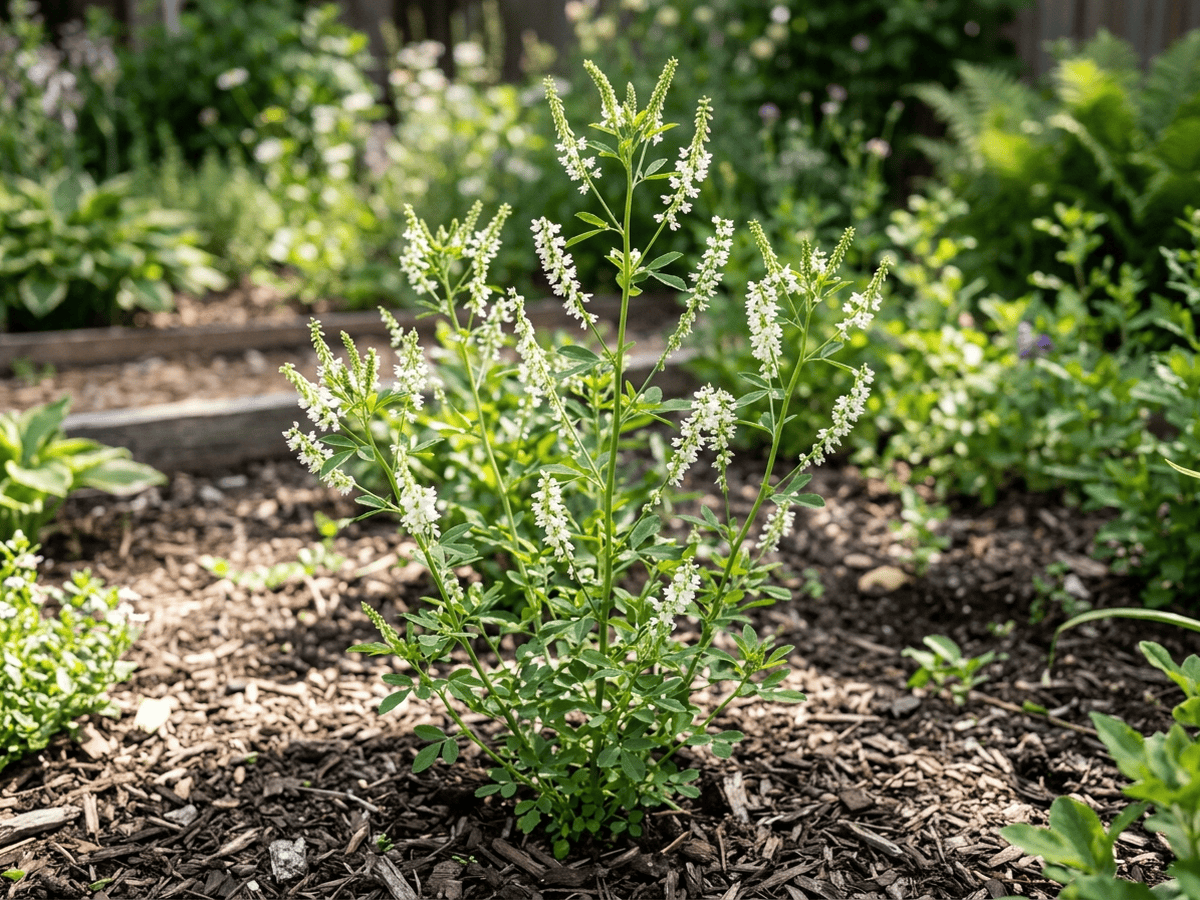
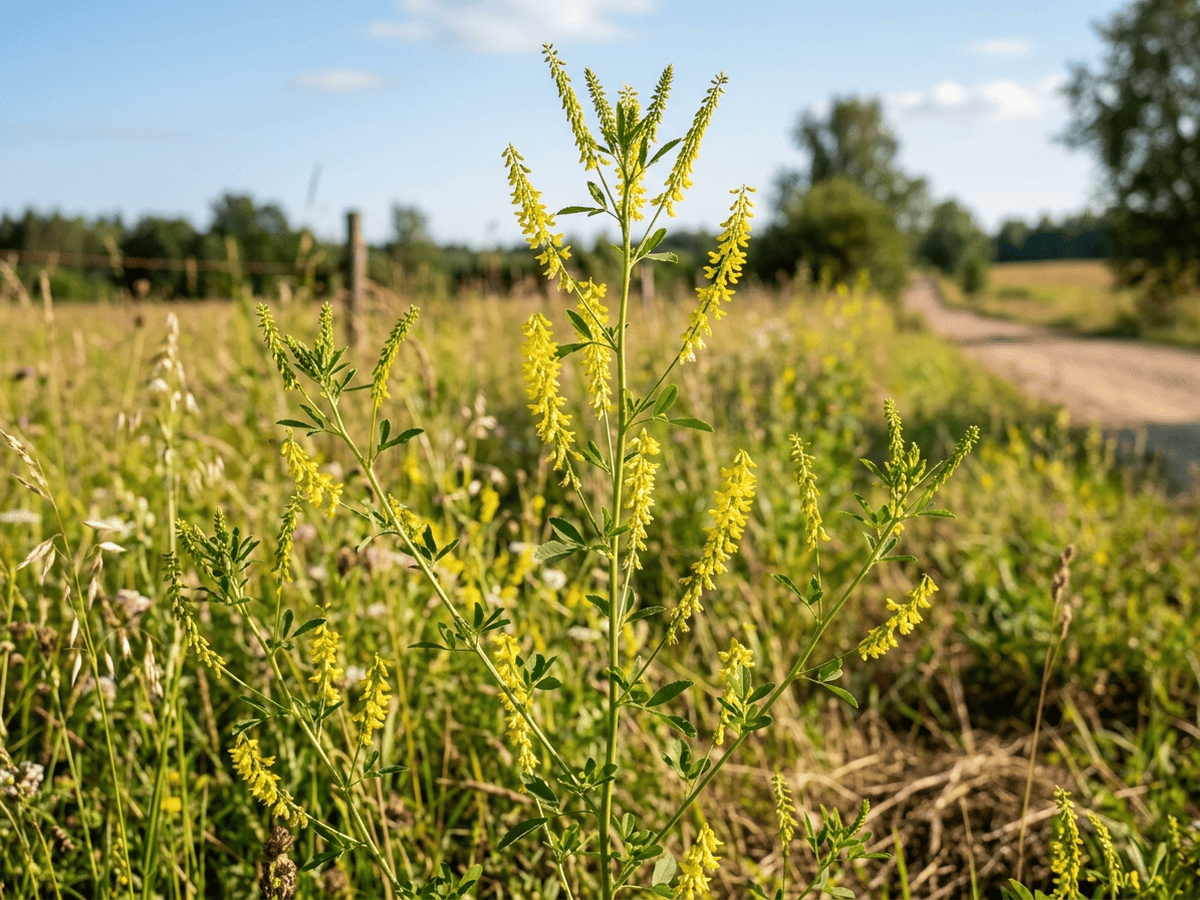
More Melilotus plants
Plants with similar care
 Lipstick PlantAeschynanthus longicaulis
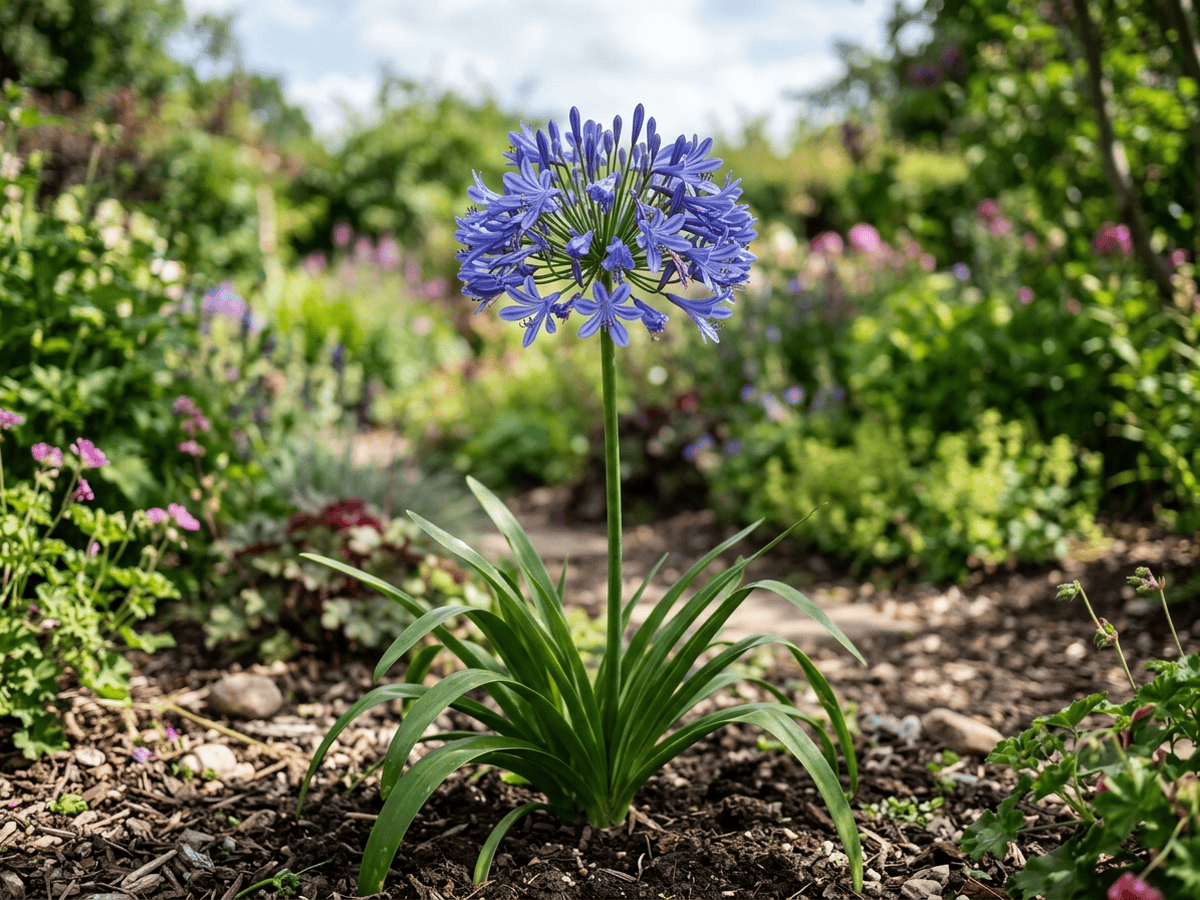 African LilyAgapanthus africanus
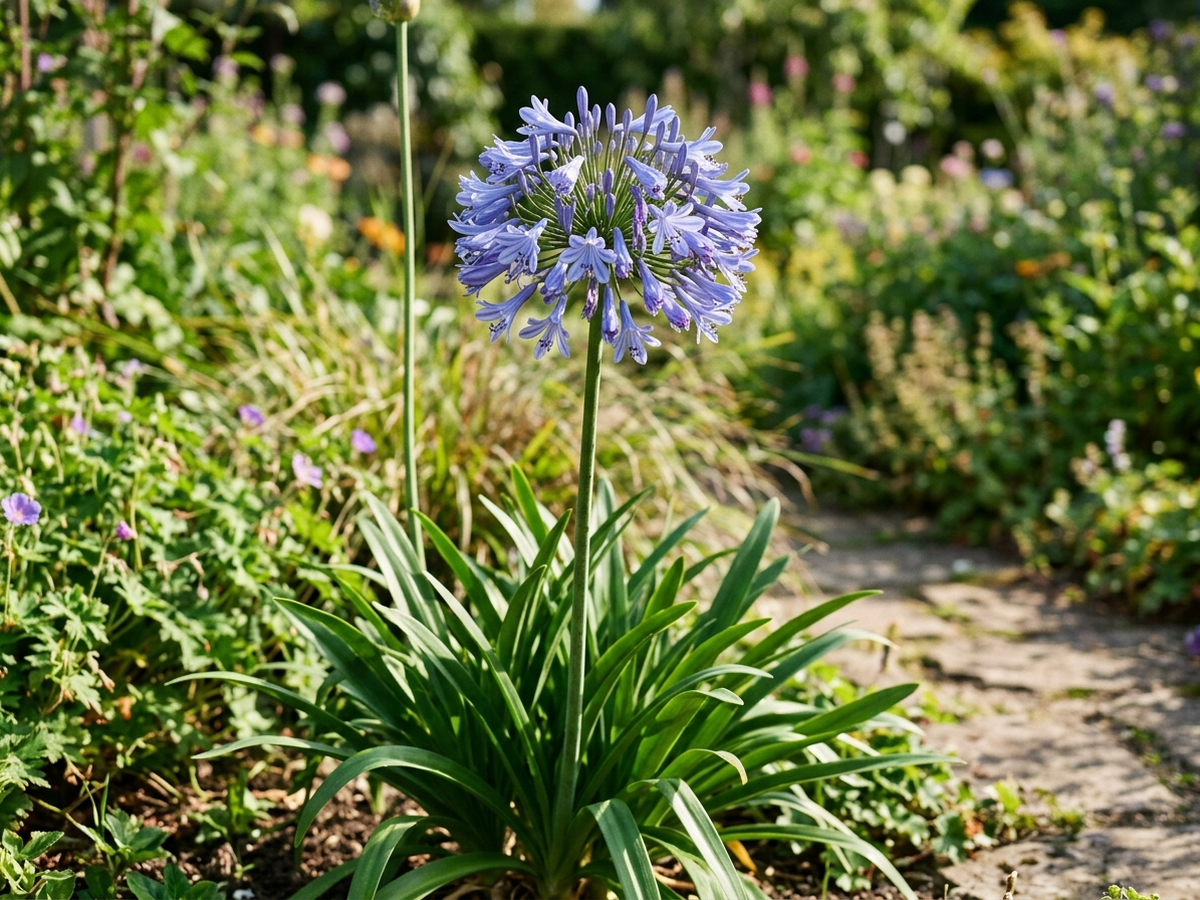 Bell AgapanthusAgapanthus campanulatus
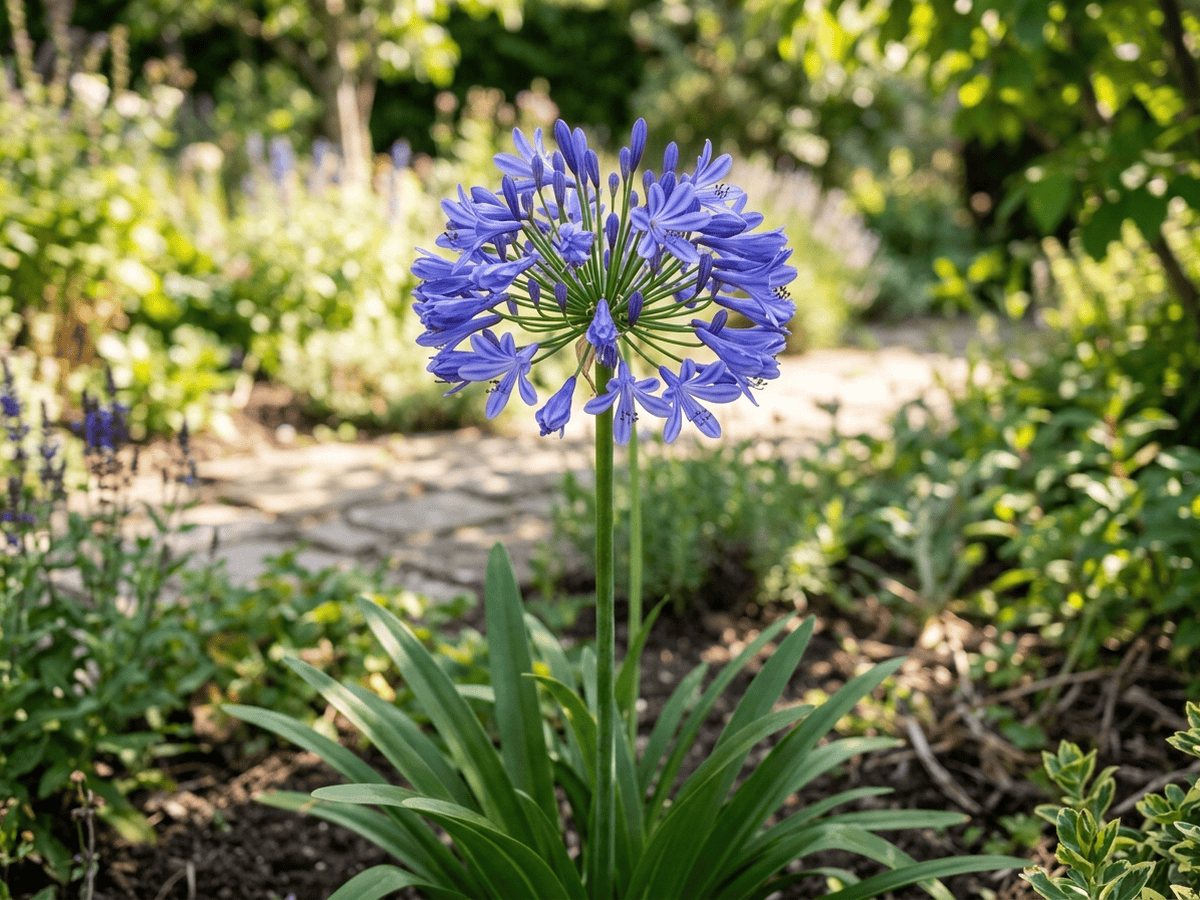 Common AgapanthusAgapanthus praecox
Frequently asked questions
How often should I water Small Melilot?
In summer, water about every 5 days; in winter, about every 30 days. Adjust for heat, pot size and drainage.
How much light does Small Melilot need?
Part sun: 4–6 hrs direct. Watch the leaves — scorching or stretching means the light needs adjusting.
Is Small Melilot toxic to cats or dogs?
No toxicity has been reported for this plant. Still, it is wise to keep pets from chewing on any houseplant. Educational information, not medical or veterinary advice. If exposure is suspected, contact a doctor or veterinarian.
Is Small Melilot easy to grow?
It is considered challenging and rewards experienced growers.
Can Small Melilot be grown indoors?
Yes, it adapts well to indoor growing given the right light.
When does Small Melilot bloom?
It typically blooms May–Jul in the Northern Hemisphere.
YardMate
Identify any plant in seconds
Snap a photo — YardMate names the plant, diagnoses problems, and reminds you when to water.
Download on the App Store