 YardMate


Lemon Balm
Melissa officinalis
Easy · Beginner friendlyAbout Lemon Balm
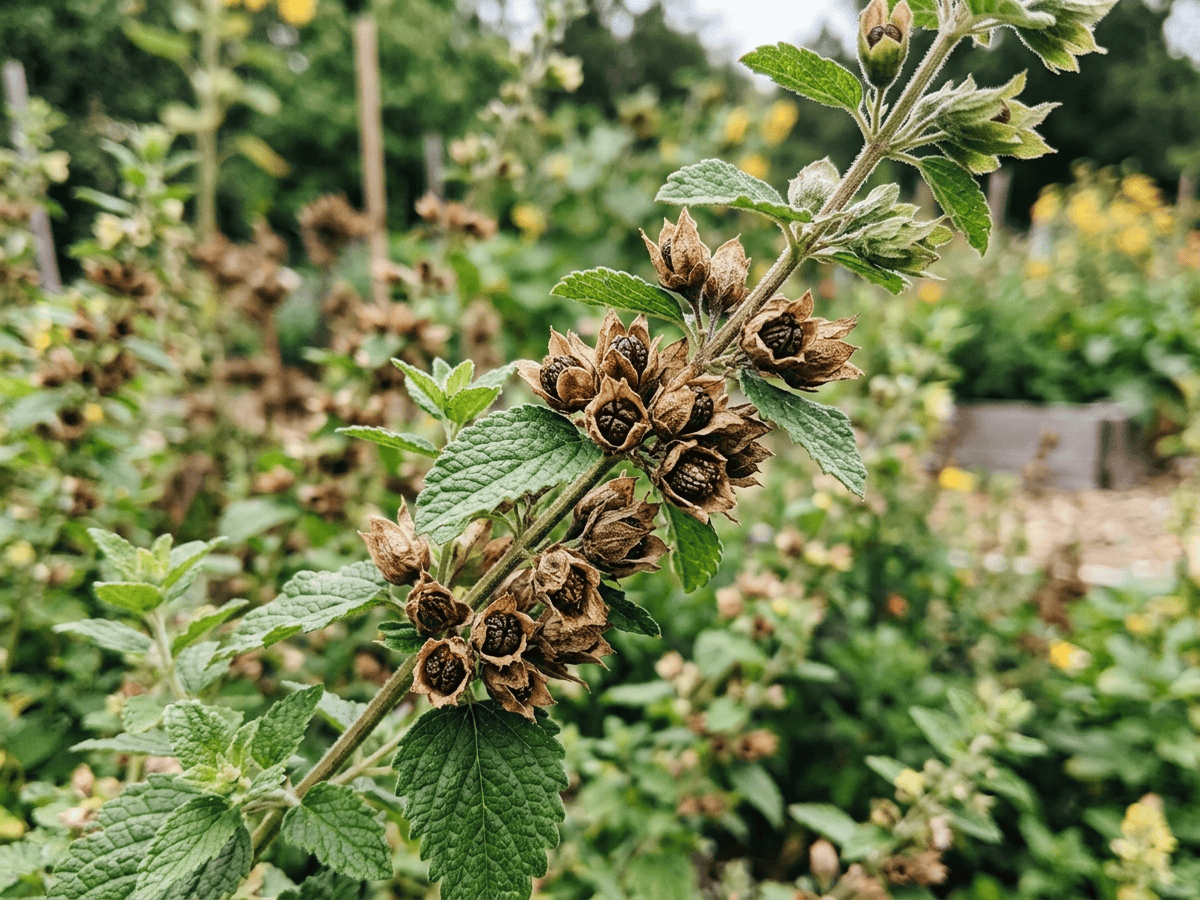
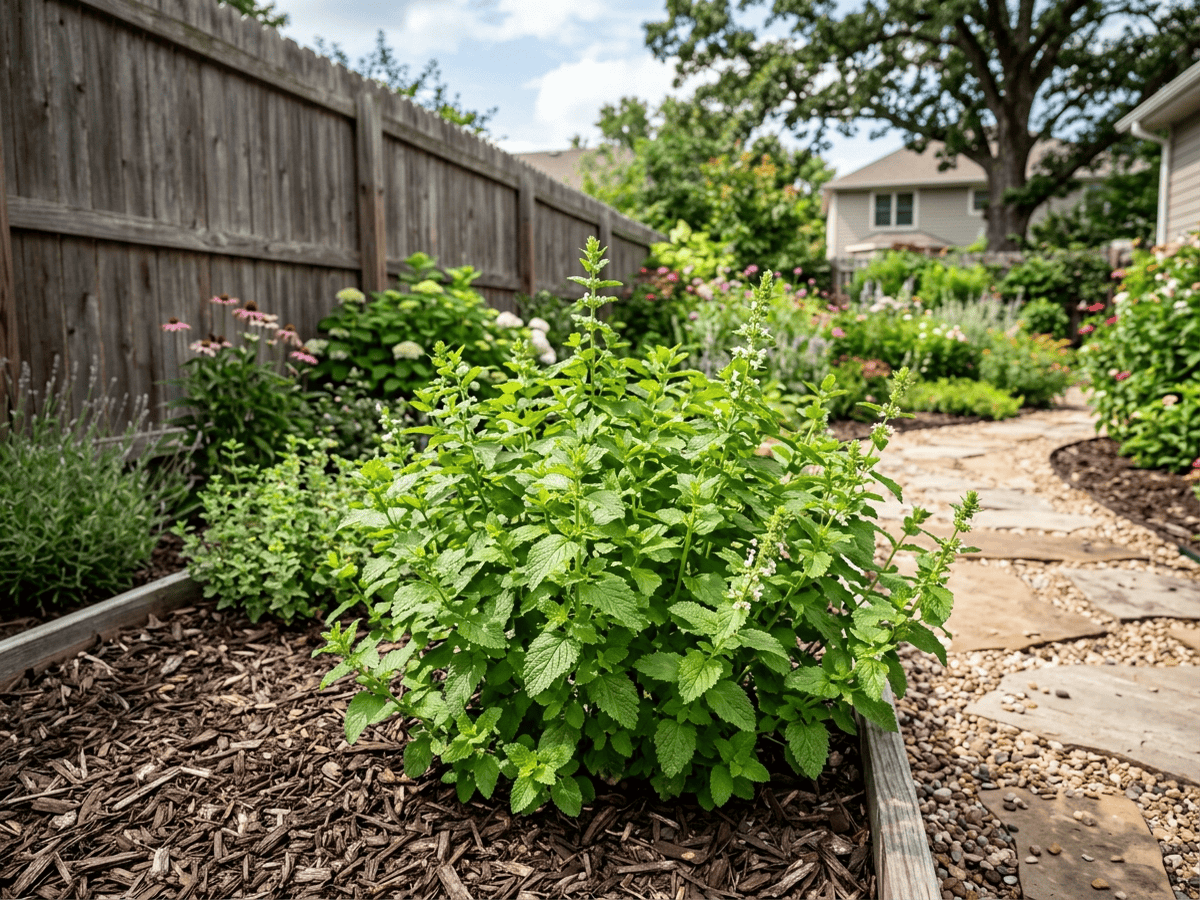
Melissa officinalis, lemon balm, is a bushy perennial herb with crinkled, lemon-scented leaves used in tea, cooking, and herbal medicine. Native to southern Europe, it grows 30–60 cm tall and spreads readily by self-seeding. The gentle lemon flavor is less intense than lemongrass, making it perfect for desserts, fruit salads, and calming teas. Traditional herbalists prescribe it for anxiety and insomnia. It has been a beekeeping herb for over 2,000 years — 'Melissa' is Greek for honeybee, as the flowers are an excellent nectar source.
- Edible
- Medicinal
- Fragrant
- Pollinator-friendly
How to care for Lemon Balm
Watering
- Springevery 3 days
- Summerevery 2 days
- Fallevery 4 days
- Winterevery 7 days
Soil · Rich & well-draining
- Top dressingCompost10%
- Main mixPotting soil + compost 3:180%
- DrainageGravel10%
Top up the compost layer each season.
FERTILIZER
Balanced Feed 14-14-14
An even feed covers all three needs at once, keeping leaves, roots and blooms moving together with nothing pushed out of balance.
- Nitrogen · Leaves
- Phosphorus · Roots + Blooms
- Potassium · Strength
- Springevery 21 days
- Summerevery 21 days
- Fallevery 30 days
At a Glance
- NativeMediterranean, Western Asia
- Height1.5–3 ft (0.5–0.9 m)
- Spread1.5–2.5 ft (0.5–0.8 m)
- Flower colorWhite, Yellow
- Foliage colorGreen, Variegated, Yellow
- SoilLoamy, Well-drained
- LocationsYard · Balcony
Bloom time
BLOOM CYCLE
Peak bloom
Jun–Aug
Small white flowers loved by bees; self-seeds prolifically; harvest before flowering
Fragrance
STRONG FRAGRANCE
Fresh lemon-mint aroma from citral and citronellal.
Toxicity
Humans Safe · Pets Safe
citral, citronellal, and rosmarinic acid
Safe
EXPOSURE No exposure route is reported.
EFFECT Widely used culinary and medicinal herb and generally safe.
NOTE Listed as non-toxic for humans; avoid eating ornamental plants unless confirmed edible.
Safe
EXPOSURE No exposure route is reported.
EFFECT Not listed as toxic.
NOTE Listed as non-toxic for dogs; avoid eating ornamental plants unless confirmed edible.
Safe
EXPOSURE No exposure route is reported.
EFFECT Not listed as toxic.
NOTE Listed as non-toxic for cats; avoid eating ornamental plants unless confirmed edible.
Educational information, not medical or veterinary advice. If exposure is suspected, contact a doctor or veterinarian.
DISTRIBUTION

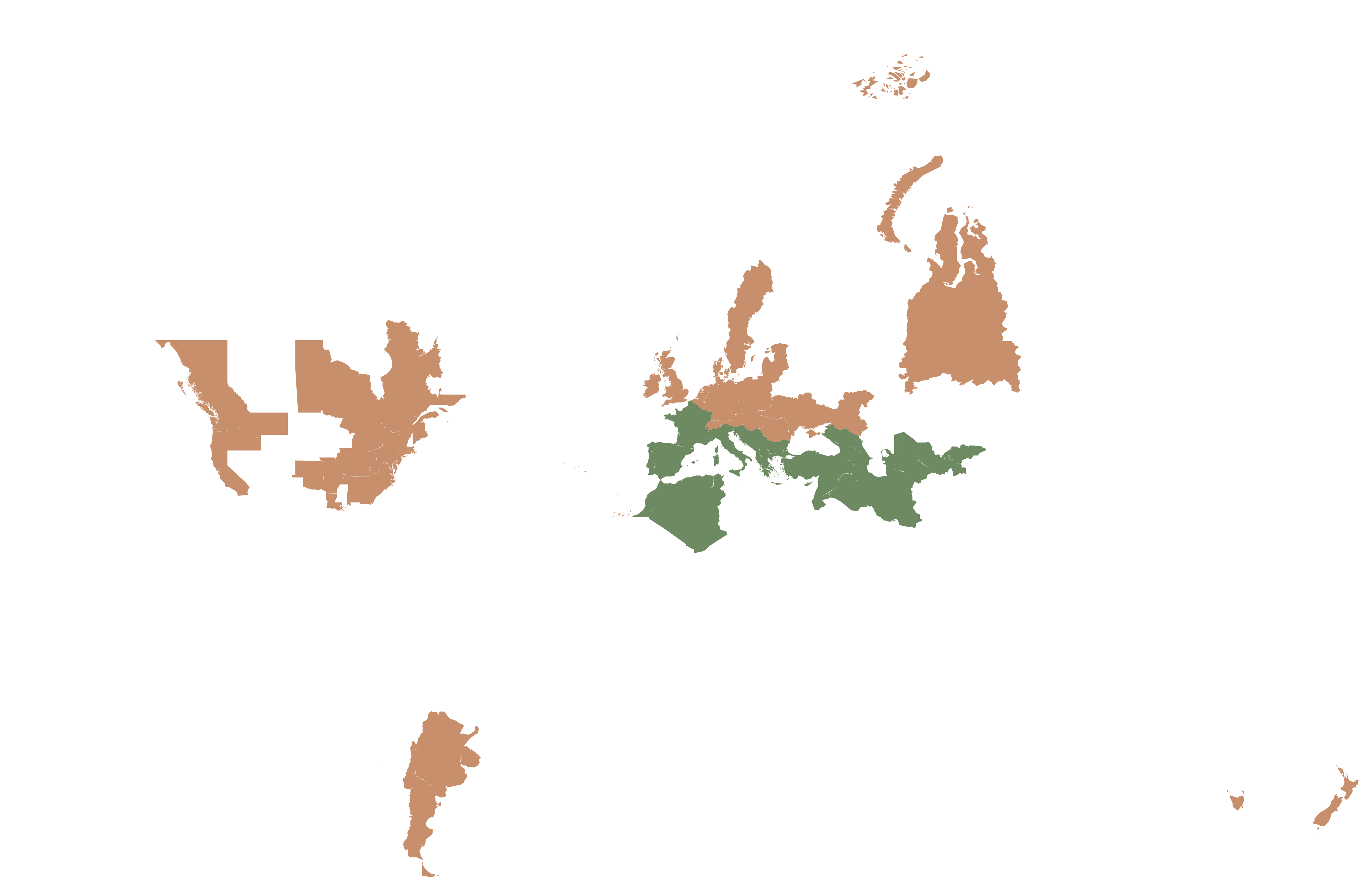
- Native
- Introduced
- Mediterranean
- Western Asia
History
Melissa officinalis is native to the southern Mediterranean and adjacent western Asia. The genus name derives from the Greek "melissa" (honey bee), reflecting the plant's long association with beekeeping — classical and medieval beekeepers rubbed the leaves on hive interiors to encourage bees to return, and the plant is a prolific nectar source. Pliny the Elder and Dioscorides both recorded its use for wounds and melancholy.
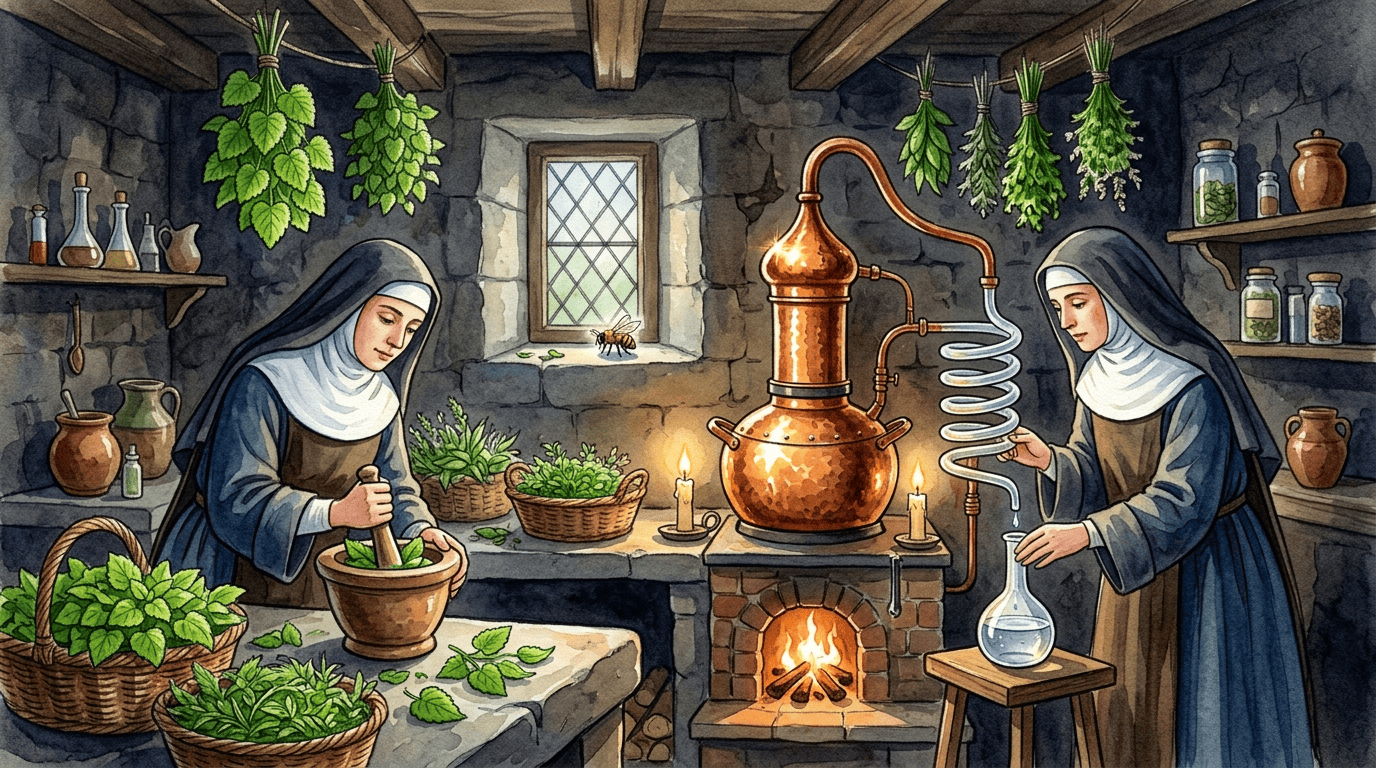
Medieval European monastic medicine made it central to the "Eau de Mélisse des Carmes" (Carmelite water), a distilled spirit tonic created by Paris Carmelite nuns in 1611 and used for centuries for fainting, indigestion, and nerves. It remains an ingredient in commercial herbal liqueurs (Benedictine, Chartreuse), in aromatherapy, and in traditional European kitchen gardens.
Modern research has validated traditional calmative and antiviral uses. Paracelsus (1493–1541) called it the 'elixir of life' and believed it could completely revive a person. Modern clinical trials have validated its anxiolytic effects — a 2004 study showed 600mg of lemon balm extract significantly reduced anxiety and improved mood.
Symbolism & meaning
What It Symbolizes
Lemon Balm can symbolize sympathy, its gentle, calming nature long associated with compassionate understanding and quiet comfort offered at hard moments. Crush a leaf and the bright lemon scent rises like a small, considerate hand, and the plant has accordingly earned its place in old monastic gardens as a herb for the troubled heart. In the cottage tradition, melissa is the friend you do not have to explain yourself to, the green companion of both the kitchen and the difficult evening.
- Sympathy — Its gentle, calming nature represents compassionate understanding and comfort
Where the Name Comes From
Melissa comes from Greek 'melissa' (honeybee), as the flowers attract bees. 'Officinalis' denotes apothecary use.
Uses & Fun Facts
- Lemon balm leaves brewed into calming herbal tea
- Traditional remedy for anxiety and sleeplessness
- Crushed leaves release bright lemon scent
- Tiny white flowers prized by honey bees
Related plants
Plants with similar care
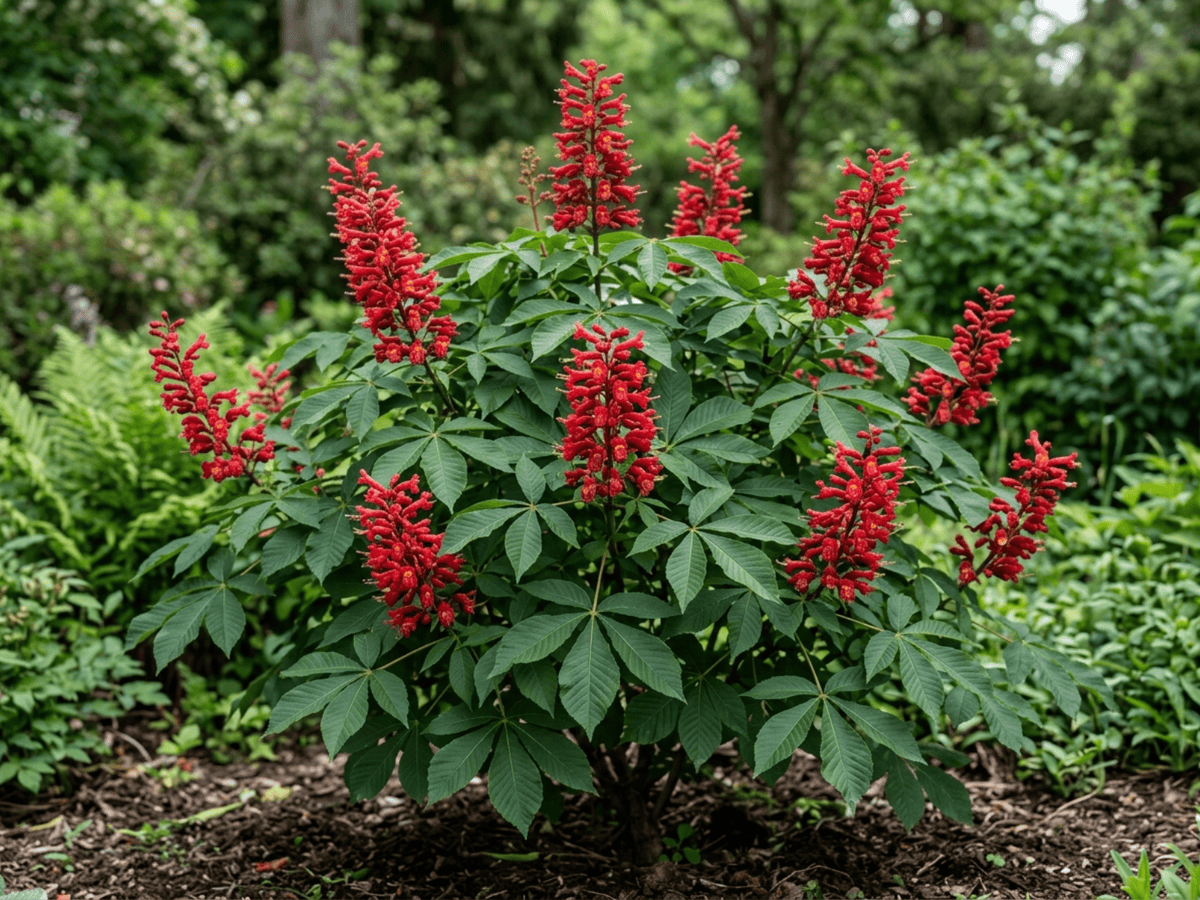 Red BuckeyeAesculus pavia
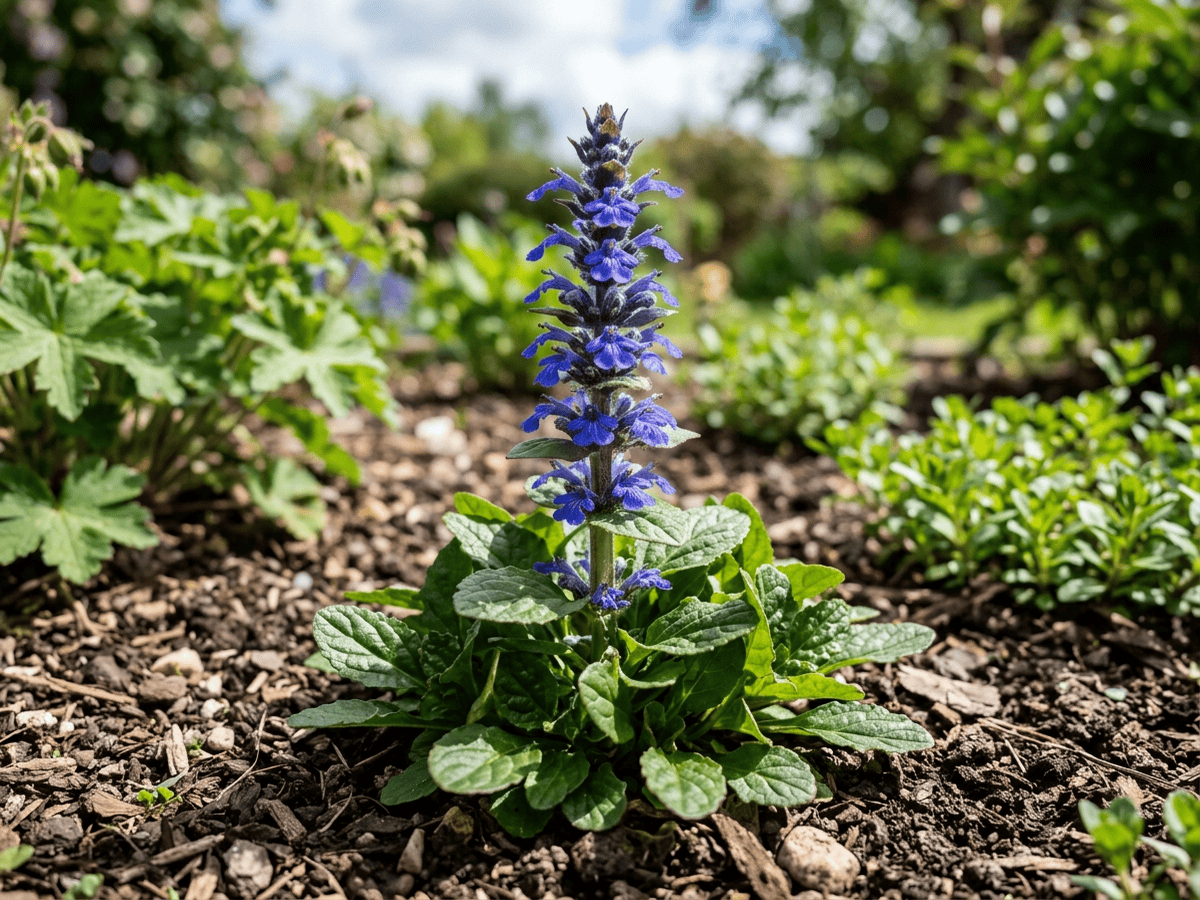 Blue BugleAjuga genevensis
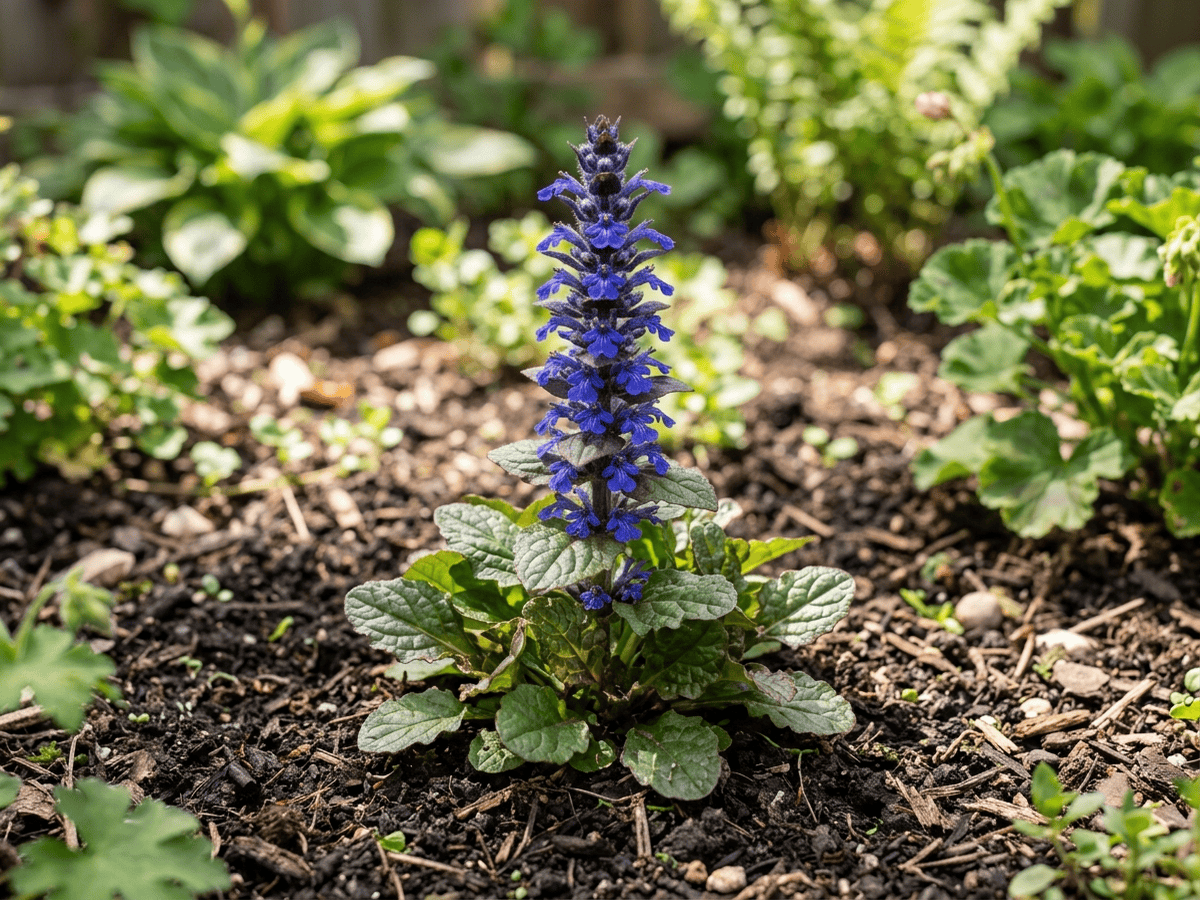 Pyramidal BugleAjuga pyramidalis
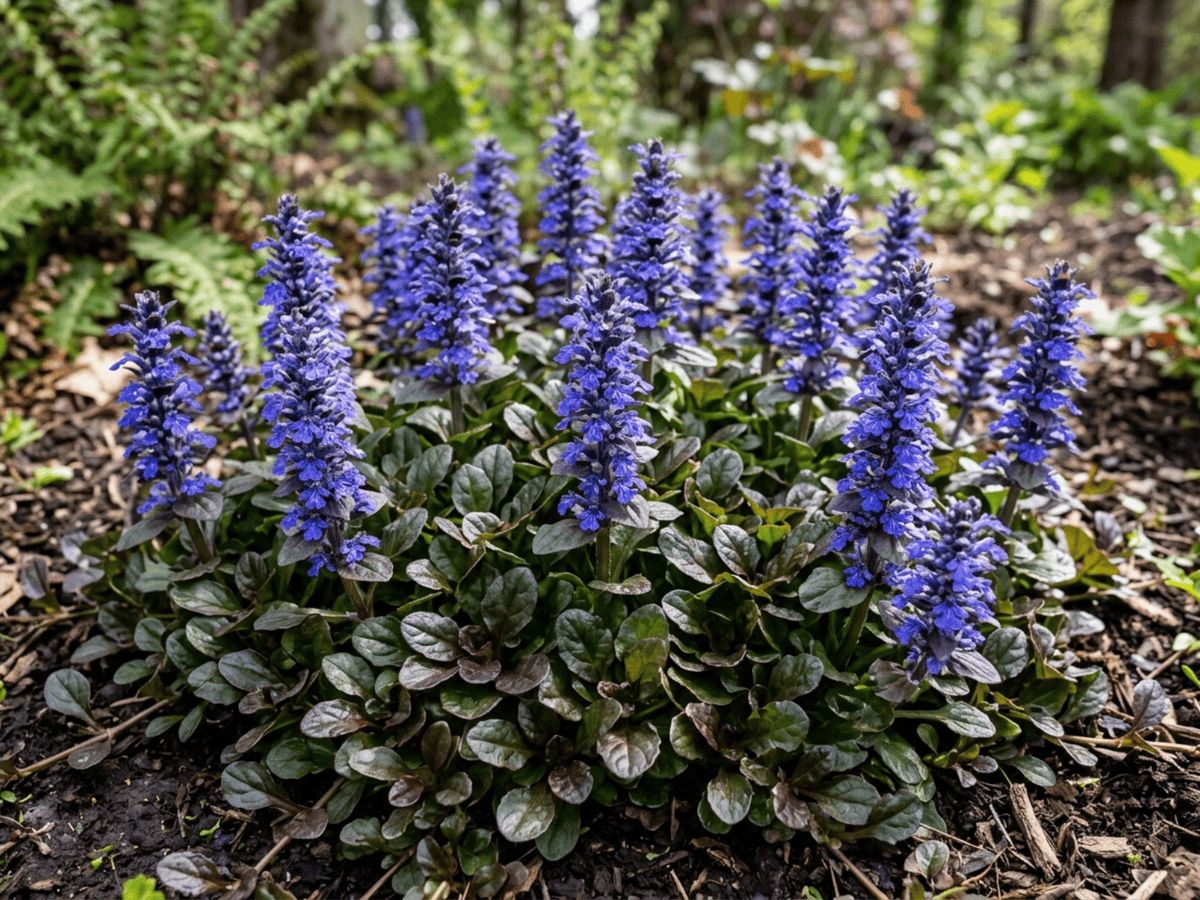 Carpet BugleAjuga reptans
Frequently asked questions
How often should I water Lemon Balm?
In summer, water about every 2 days; in winter, about every 7 days. Adjust for heat, pot size and drainage.
How much light does Lemon Balm need?
Part shade: 2–4 hrs direct. Watch the leaves — scorching or stretching means the light needs adjusting.
Is Lemon Balm toxic to cats or dogs?
Pets Safe (Dogs Safe · Cats Safe) Educational information, not medical or veterinary advice. If exposure is suspected, contact a doctor or veterinarian.
Is Lemon Balm easy to grow?
Yes — it is considered an easy, beginner-friendly plant.
When does Lemon Balm bloom?
It typically blooms Jun–Aug in the Northern Hemisphere.
YardMate
Identify any plant in seconds
Snap a photo — YardMate names the plant, diagnoses problems, and reminds you when to water.
Download on the App Store