 YardMate

Corsican Mint
Mentha requienii
Easy · Beginner friendlyAbout Corsican Mint
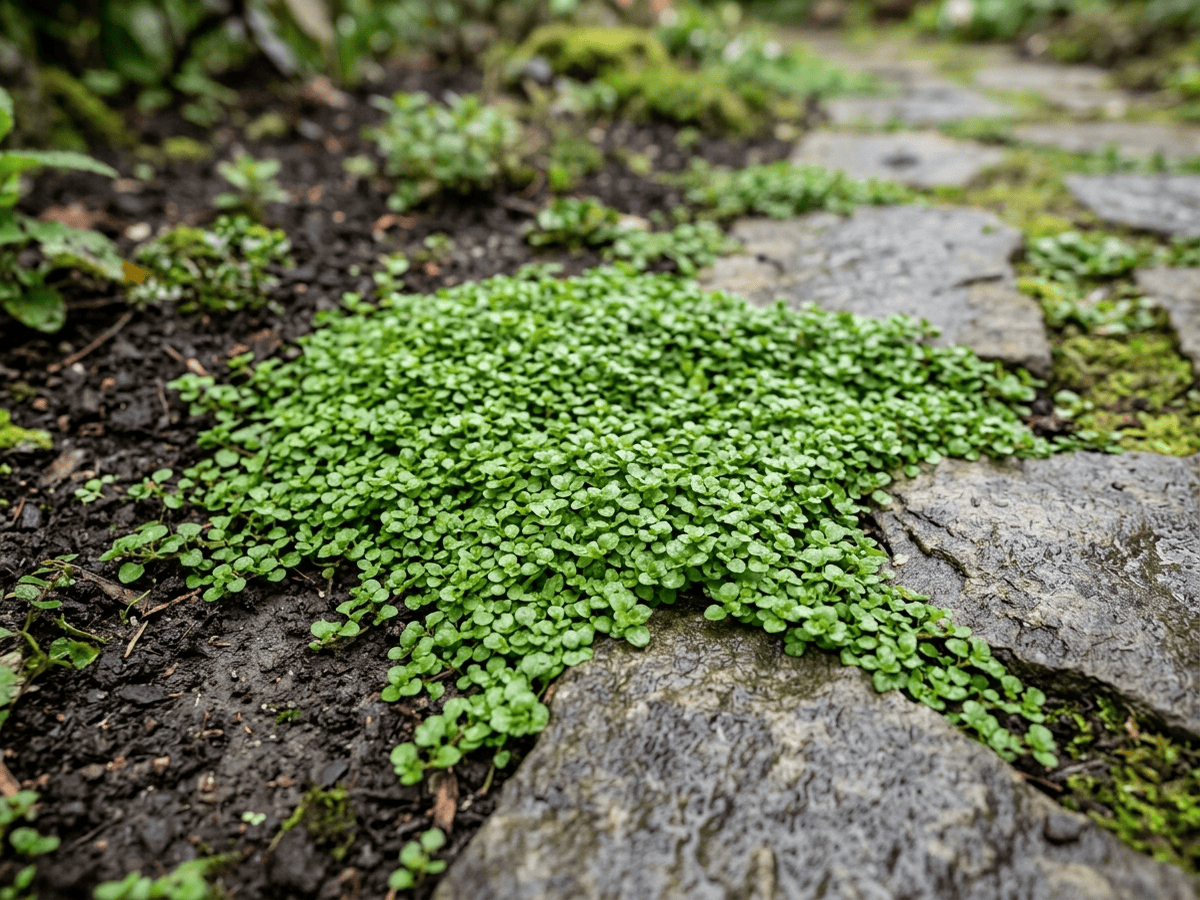
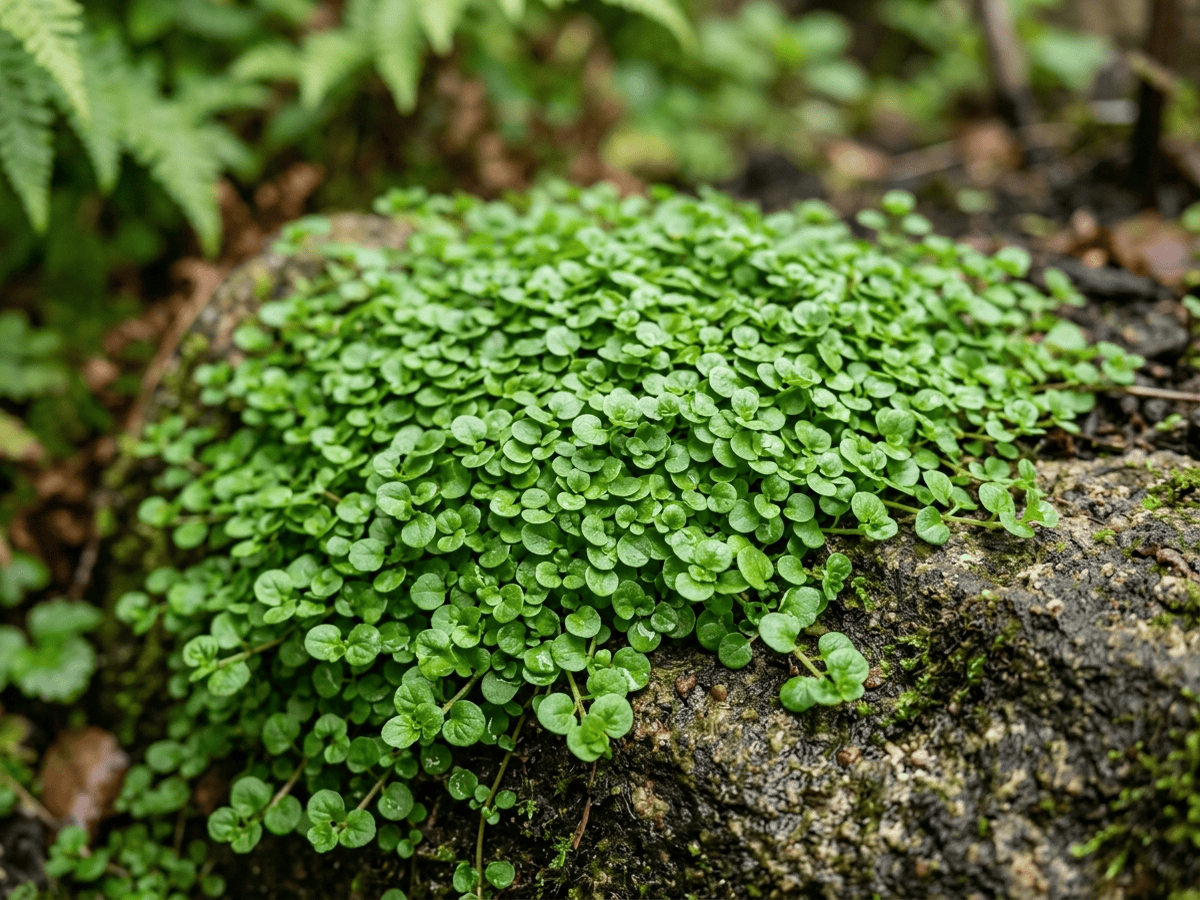
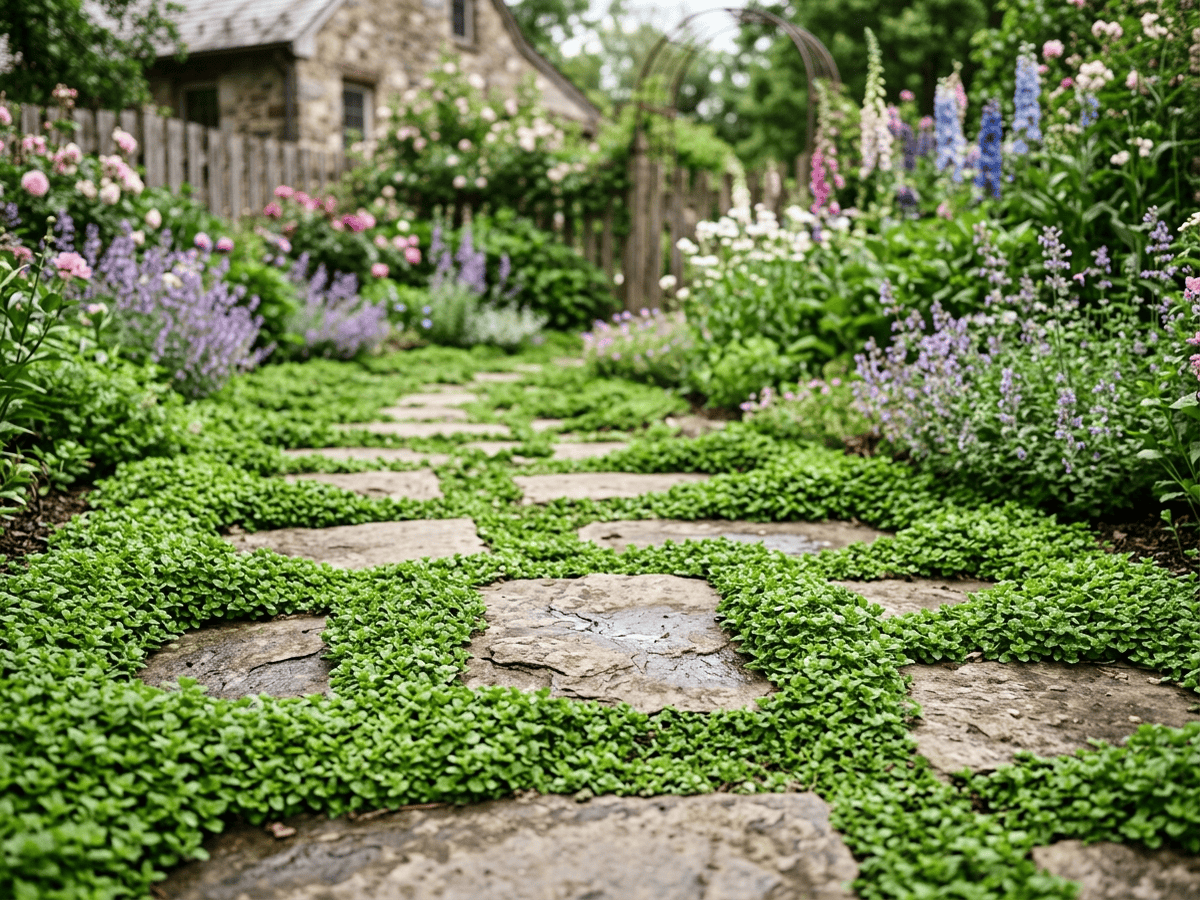
Corsican Mint is a tiny Mediterranean creeping mint reaching only 1/4 to 1/2 inch tall, forming a dense moss-like mat of minute bright-green leaves that release an intense crème de menthe fragrance when stepped on or brushed. Reaches just a few inches in spread per year. Beloved as a fragrant filler between paving stones, in fairy gardens, and as a delicate groundcover in shaded moist American gardens. The original ingredient in crème de menthe liqueur.
- Edible
- Fragrant
- Groundcover
- Compact
How to care for Corsican Mint
Watering
- Springevery 3 days
- Summerevery 3 days
- Fallevery 5 days
- Winterevery 10 days
Soil · Rich & well-draining
- Top dressingCompost10%
- Main mixPotting soil + compost 3:180%
- DrainageGravel10%
Top up the compost layer each season.
FERTILIZER
- Springevery 45 days
- Summerevery 45 days
At a Glance
- NativeMediterranean, Europe
- Height0.5 ft (0.2 m)
- Spread1–2 ft (0.3–0.6 m)
- Flower colorPurple
- Foliage colorGreen
- SoilLoamy, Moisture-retentive
- LocationsYard · Balcony
Bloom time
BLOOM CYCLE
Peak bloom
Jun–Aug
Tiny lilac flowers in summer (often hidden in foliage)
Fragrance
STRONG FRAGRANCE
Intense peppermint aroma released when brushed or walked on.
Toxicity
Pets Slight
pulegone and menthol
Not reported
EXPOSURE No exposure route is reported.
EFFECT No toxic effect is reported.
NOTE No human toxicity is reported in this catalog; avoid eating ornamental plants unless confirmed edible.
Slight
- Leaf
- Ingestion
EXPOSURE Eating leaves.
EFFECT Gastrointestinal upset (large amounts).
NOTE Contains pulegone; ASPCA lists Mentha as mildly toxic to pets in quantity.
Slight
- Leaf
- Ingestion
EXPOSURE Eating leaves.
EFFECT Gastrointestinal upset (large amounts).
NOTE Contains pulegone; ASPCA lists Mentha as mildly toxic to pets in quantity.
Educational information, not medical or veterinary advice. If exposure is suspected, contact a doctor or veterinarian.
DISTRIBUTION

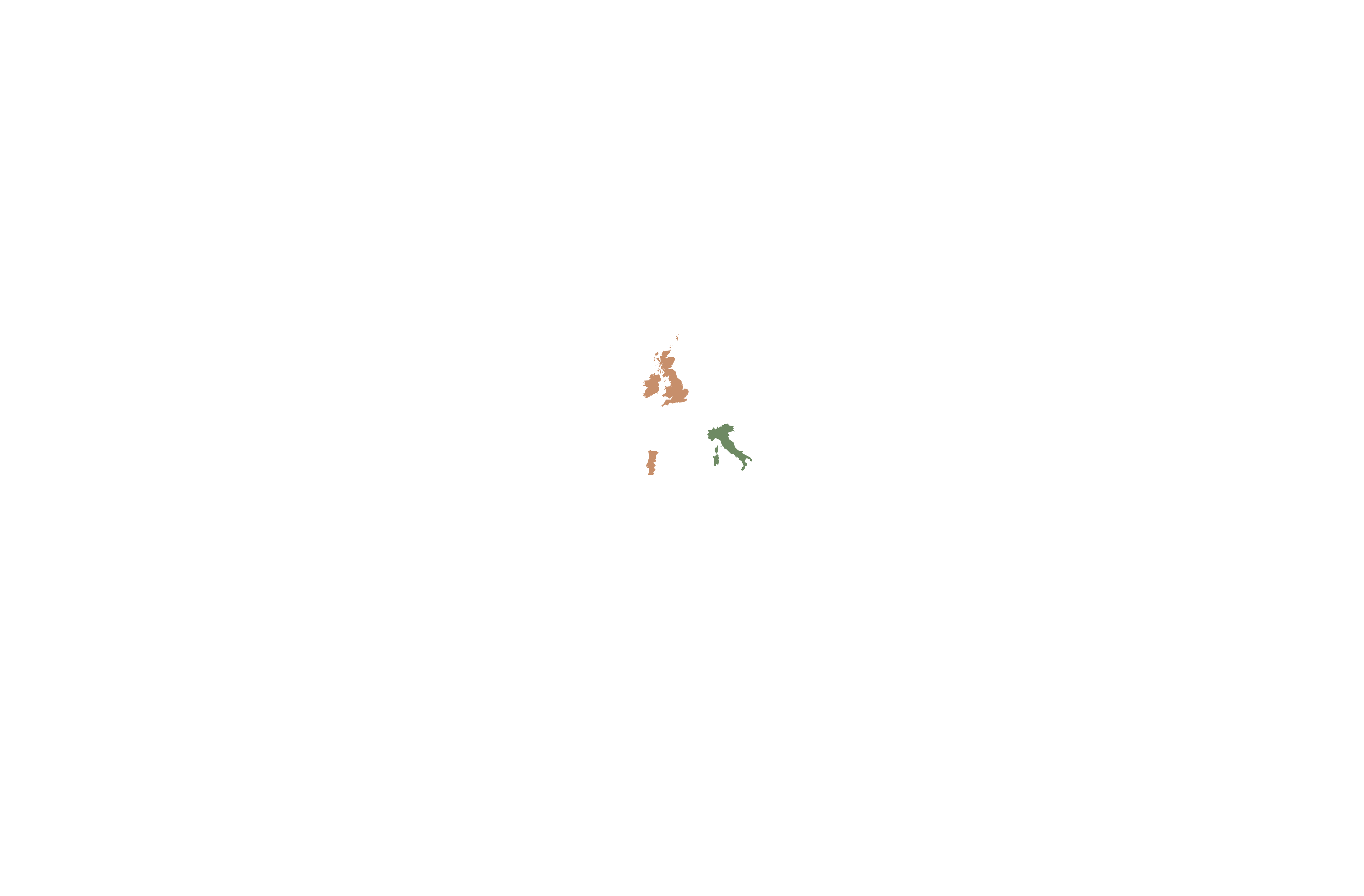
- Native
- Introduced
- Mediterranean
- Europe
History

Mentha requienii, commonly called Corsican mint or Spanish mint, is an extraordinarily diminutive creeping perennial in the mint family (Lamiaceae) native to the islands of Corsica, Sardinia, and parts of Italy and Spain, growing in moist shaded rocky crevices. English botanist George Bentham formally described the species in 1834, honoring French naturalist Esprit Requien (1788-1851) who discovered the plant in Corsica. Unlike its coarser relatives, Corsican mint forms extremely flat moss-like mats only 2-3 cm tall with minute 3-5 mm rounded medium-green leaves that emit a powerful pure peppermint aroma disproportionate to the plant's tiny size.
Tiny lavender-purple flowers appear as dots in summer. The plant is grown between flagstones, paving stones, in fairy gardens, and in terrariums for its fragrance released when walked on. It is also the traditional flavoring in crème de menthe liqueur production.
Not hardy in cold-winter climates—annual in zone 5 and colder, perennial in milder Mediterranean climates. Requires consistent moisture and partial shade. A favorite of cottage and fairy gardens since Victorian times, it remains popular in American gardens for its scent-when-touched effect along walkways.
Symbolism & meaning
What It Symbolizes
Corsican Mint embodies delicacy, the tiniest of all mints, forming a moss-like carpet between flagstones and along shaded paths. Step on it and surprise rises immediately — a sudden burst of crushed-mint fragrance from beneath the feet. This is the patron of small, hidden pleasures: a plant so modest it goes unnoticed until touched, then rewards the careless step with a whole lungful of green, peppermint air.
- Delicacy — tiniest of all mints
- Surprise — delights walkers with crushed-mint scent
Where the Name Comes From
The name Corsican Mint describes its mint-family scent or habit. 'Requienii' honors French naturalist Esprit Requien (1788-1851).
Uses & Fun Facts
- Peppermint-scented foliage releases fragrance underfoot between stones
- Corsican Mint spreads as low groundcover on banks and slopes
Related plants
More Mentha plants
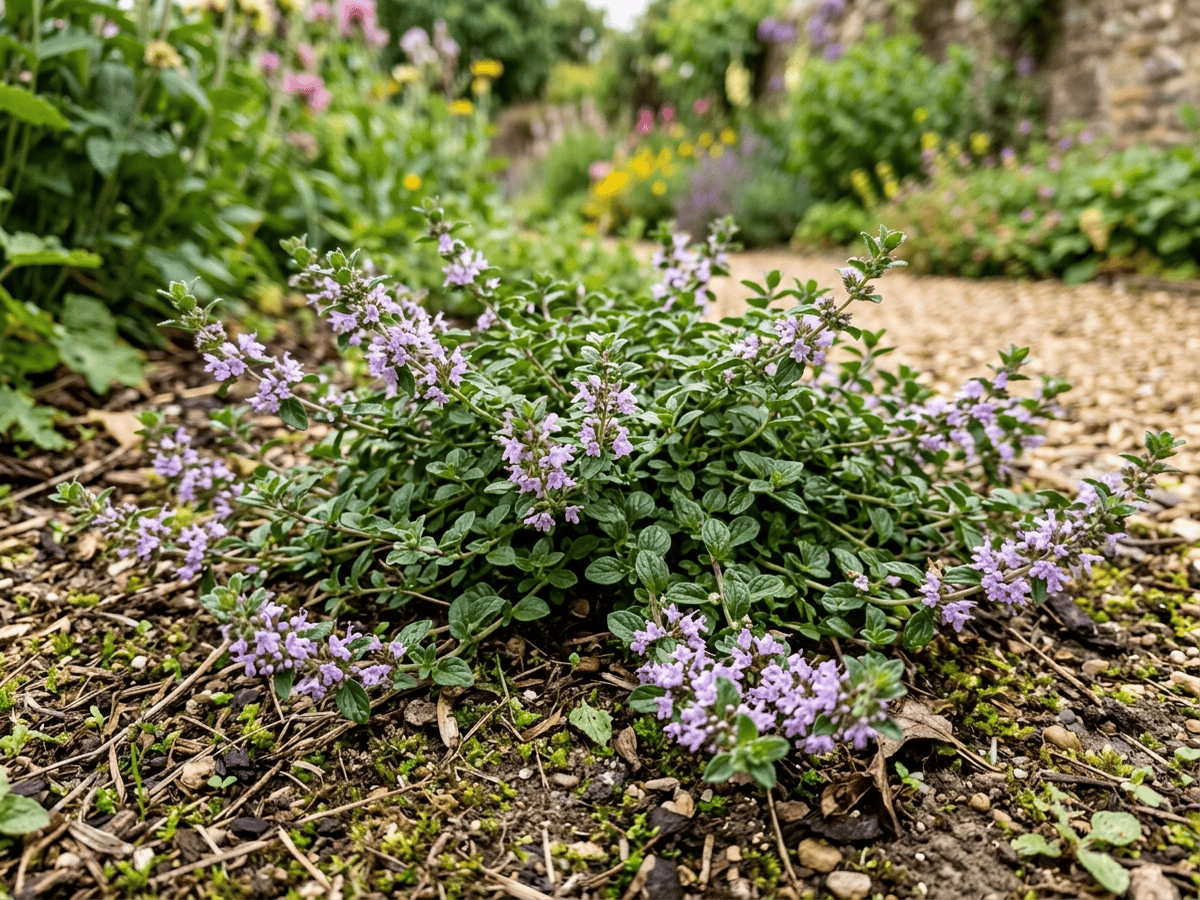 PennyroyalMentha pulegium
 SpearmintMentha spicata
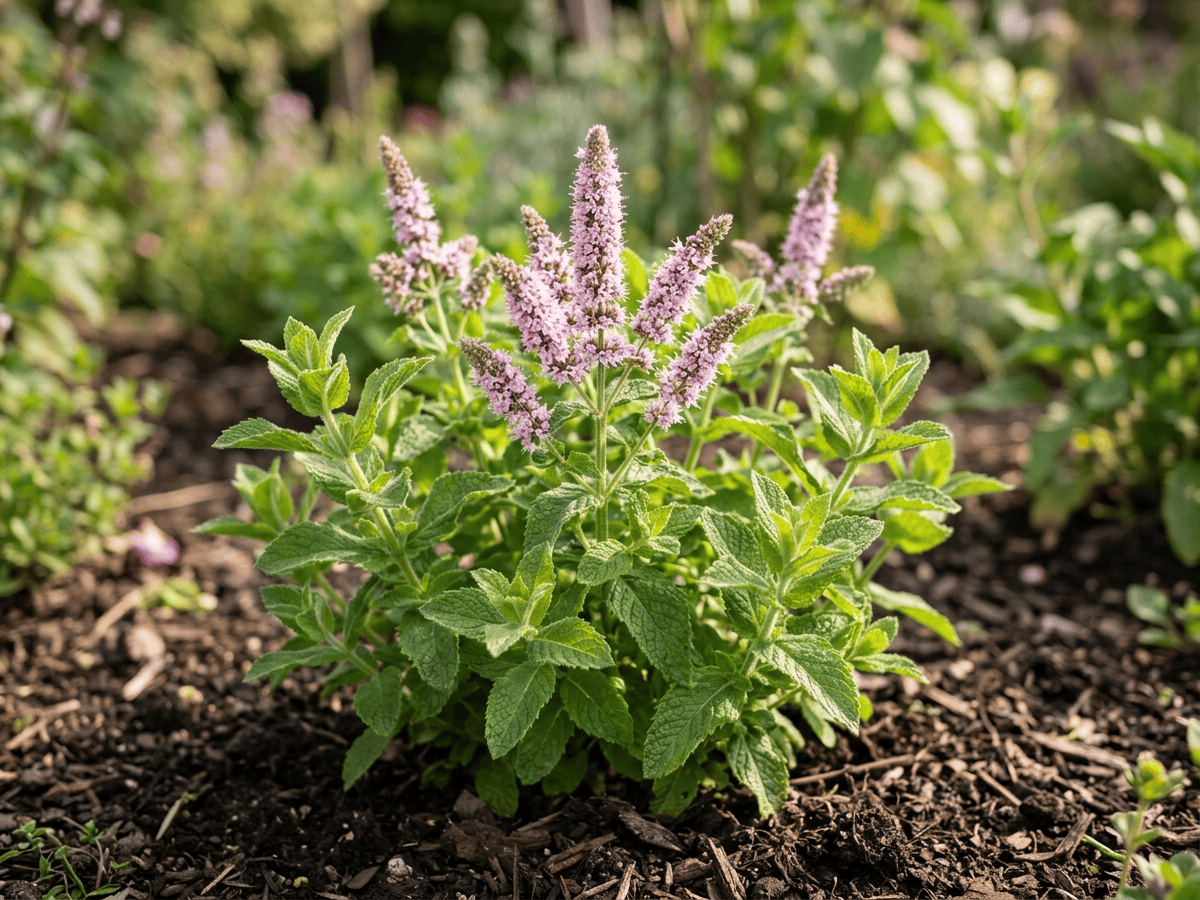 Apple MintMentha suaveolens
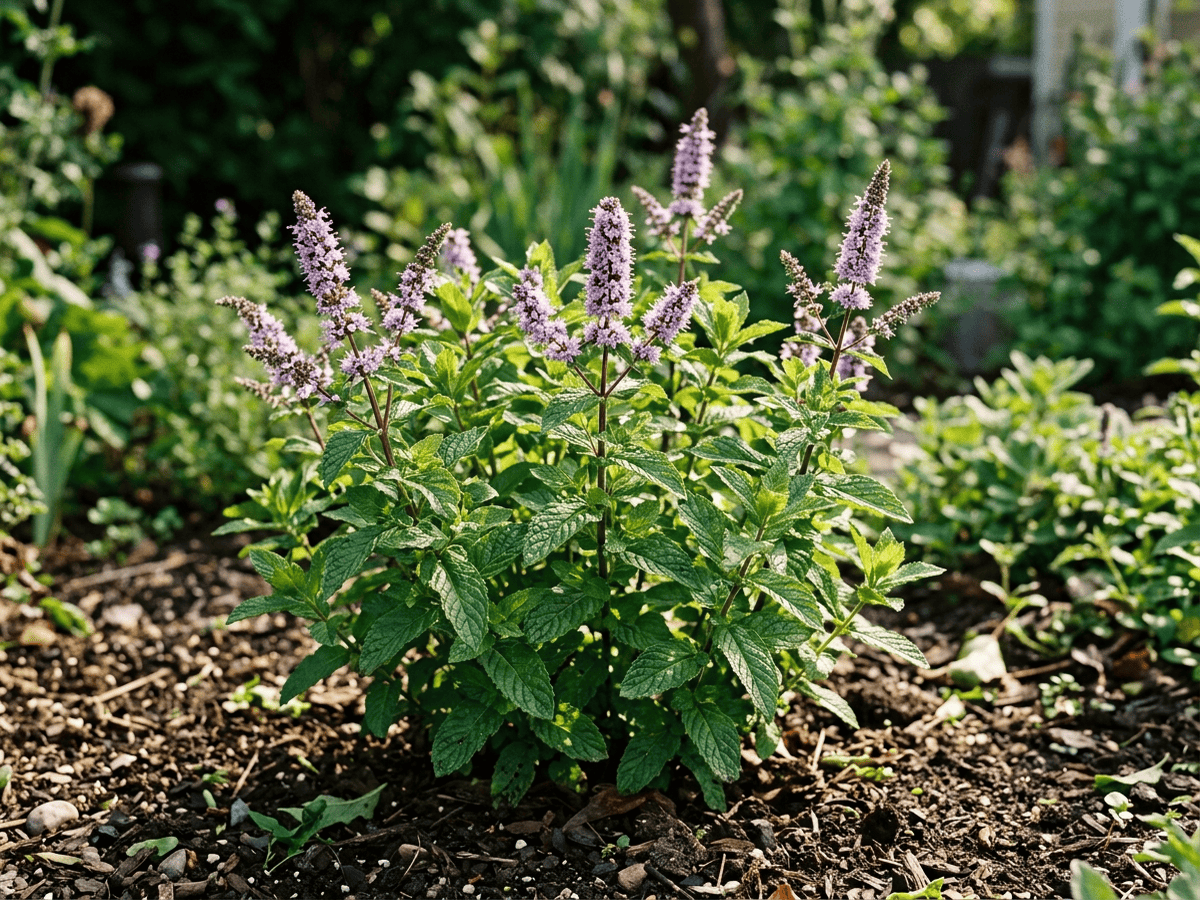 Black PeppermintMentha x piperita
Plants with similar care
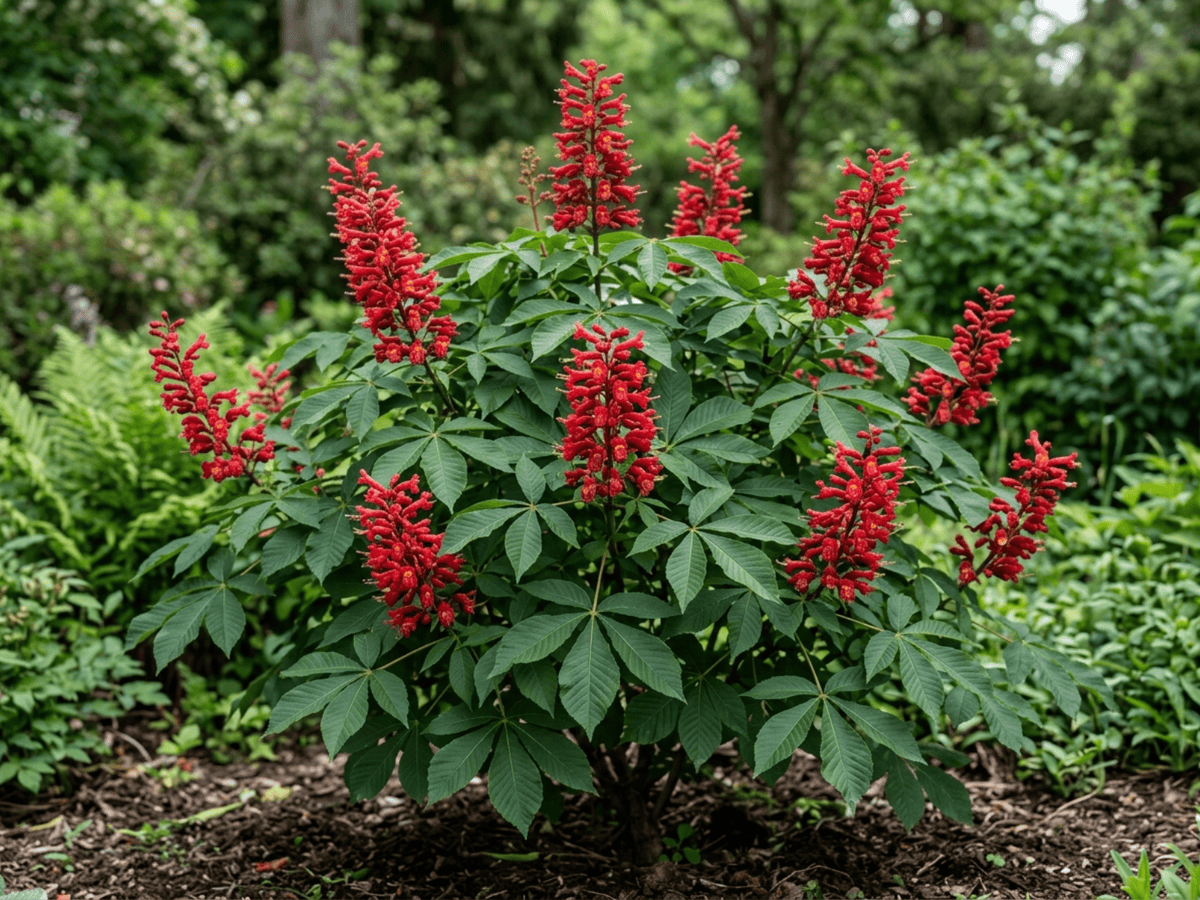 Red BuckeyeAesculus pavia
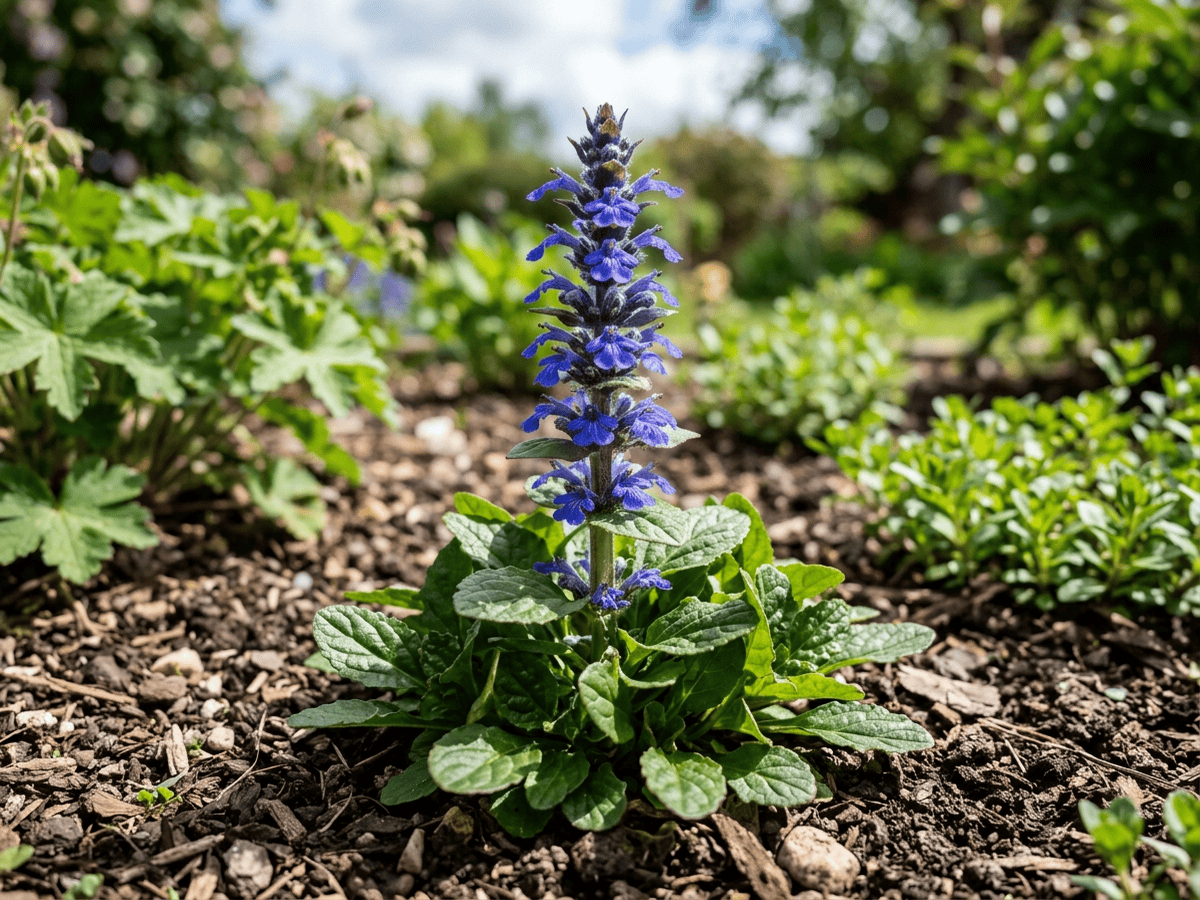 Blue BugleAjuga genevensis
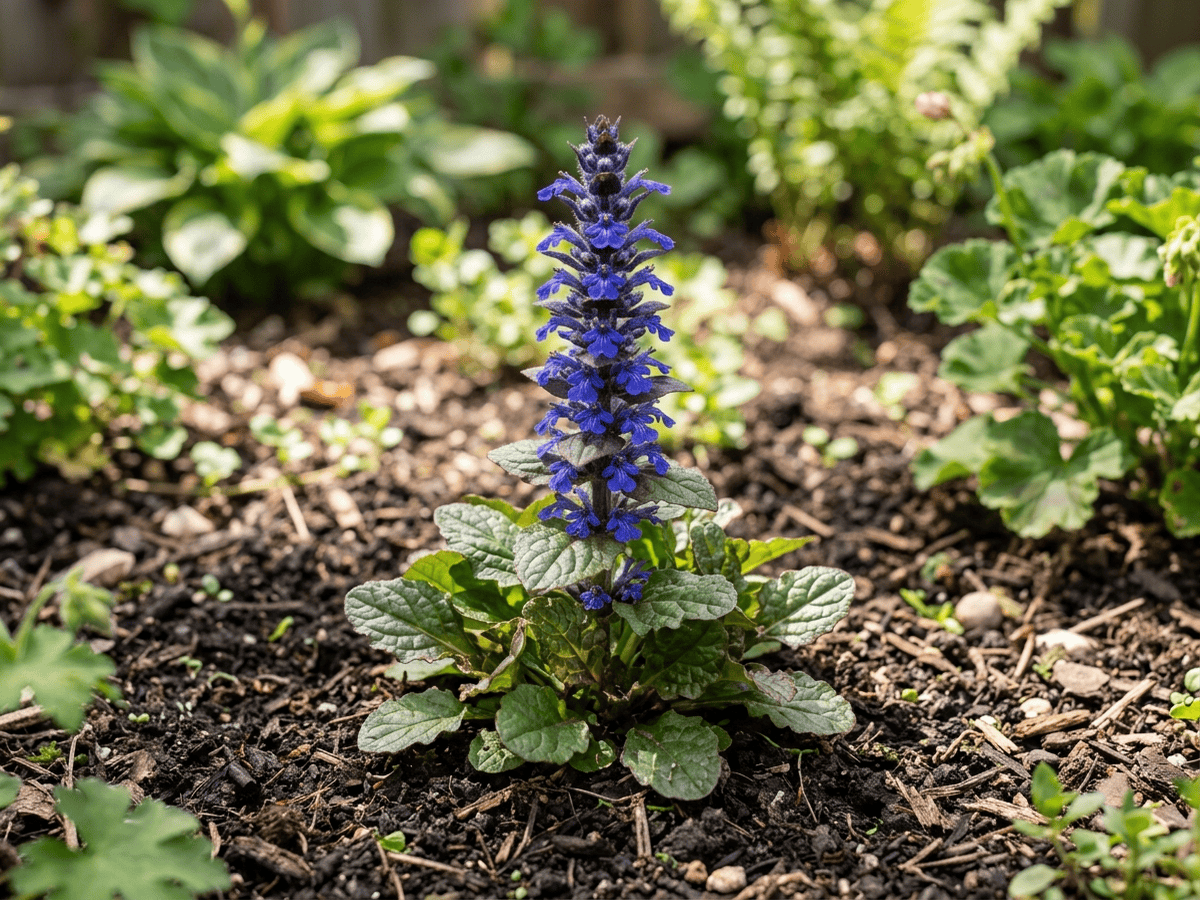 Pyramidal BugleAjuga pyramidalis
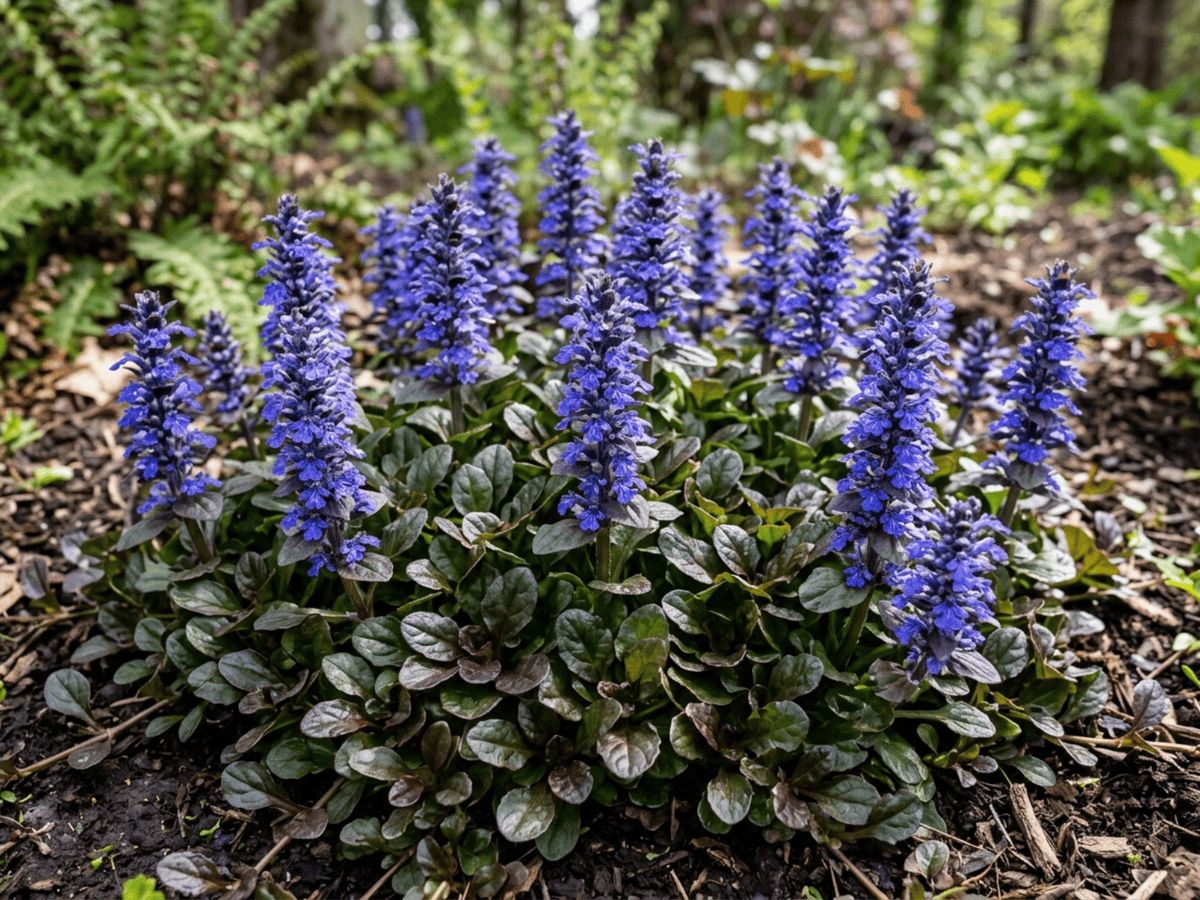 Carpet BugleAjuga reptans
Frequently asked questions
How often should I water Corsican Mint?
In summer, water about every 3 days; in winter, about every 10 days. Adjust for heat, pot size and drainage.
How much light does Corsican Mint need?
Part shade: 2–4 hrs direct. Watch the leaves — scorching or stretching means the light needs adjusting.
Is Corsican Mint toxic to cats or dogs?
Pets Slight (Dogs Slight · Cats Slight) Educational information, not medical or veterinary advice. If exposure is suspected, contact a doctor or veterinarian.
Is Corsican Mint easy to grow?
Yes — it is considered an easy, beginner-friendly plant.
When does Corsican Mint bloom?
It typically blooms Jun–Aug in the Northern Hemisphere.
YardMate
Identify any plant in seconds
Snap a photo — YardMate names the plant, diagnoses problems, and reminds you when to water.
Download on the App Store