 YardMate


Spearmint
Mentha spicata
Easy · Beginner friendlyAbout Spearmint
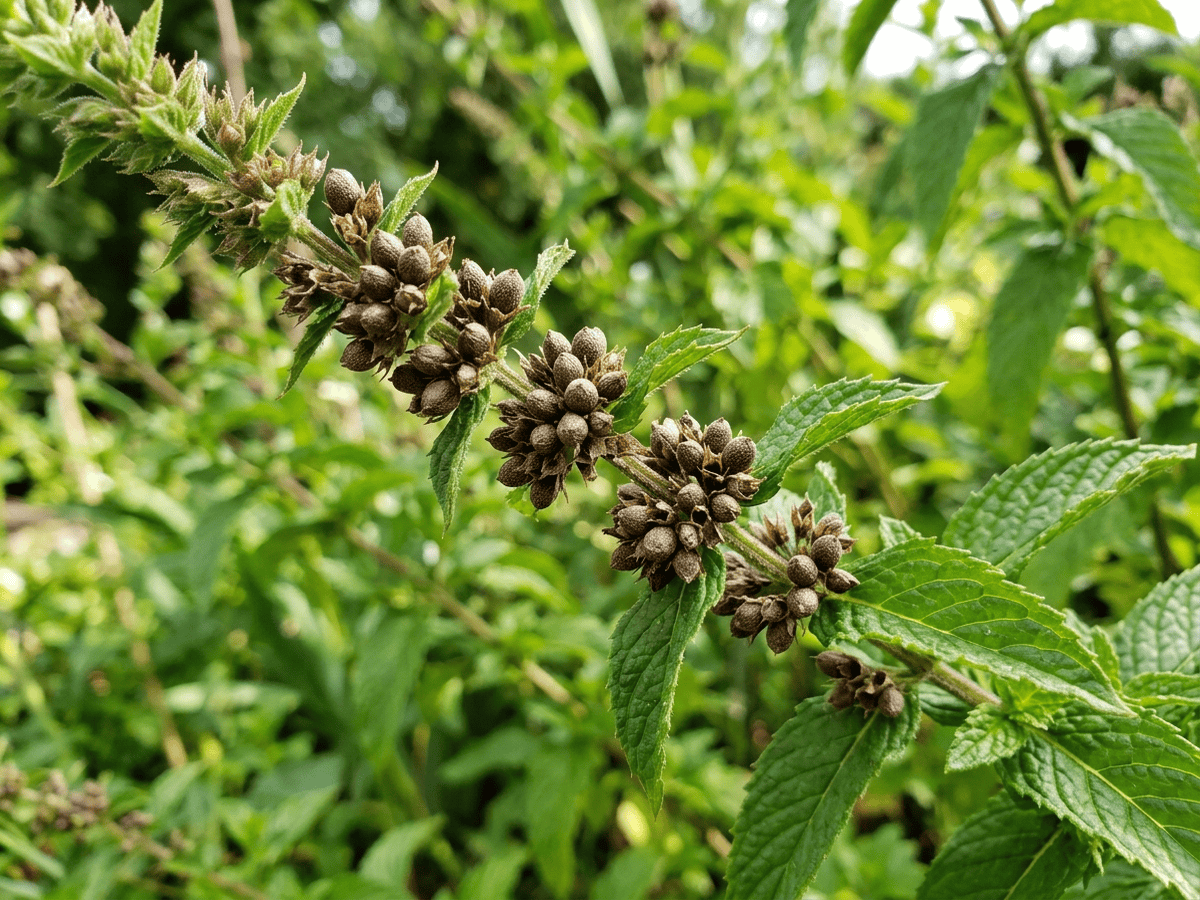
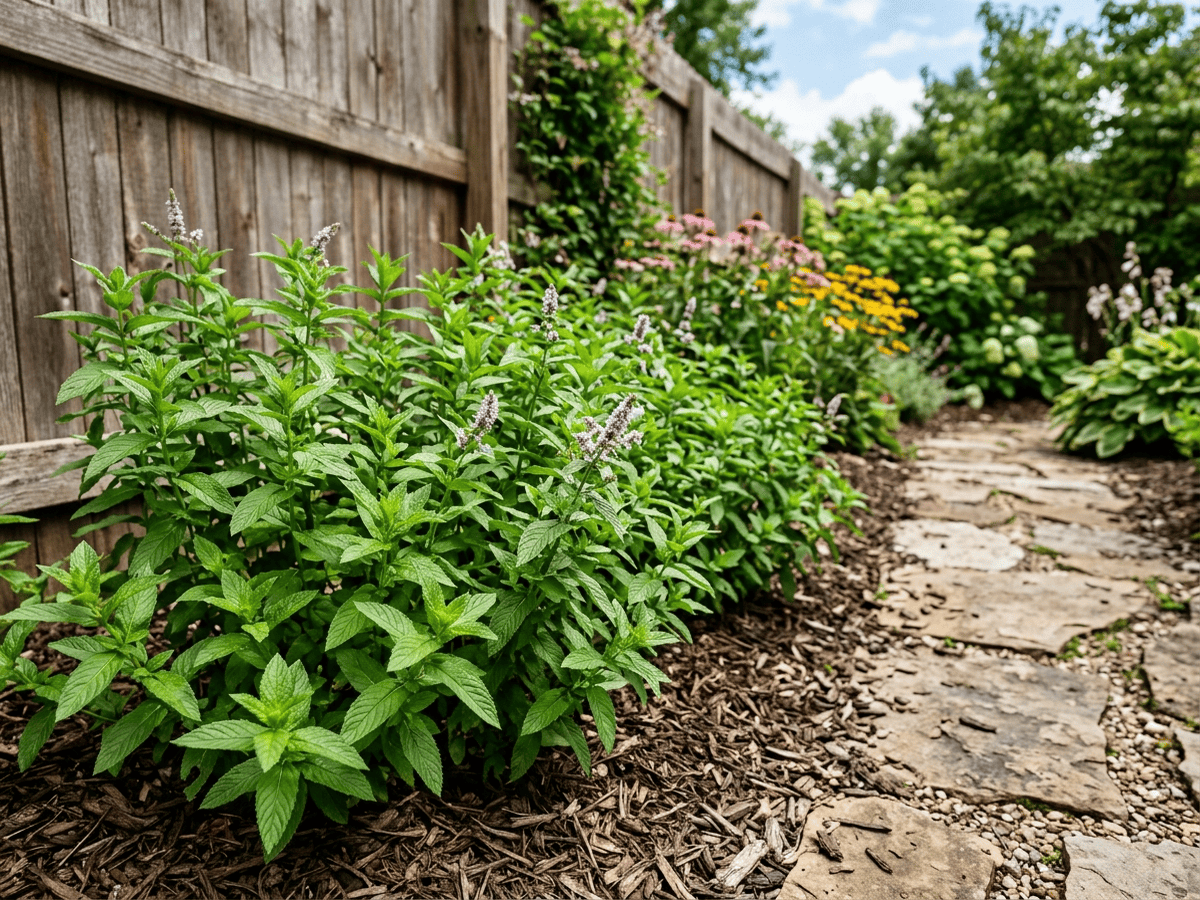
Mentha spicata, spearmint, is the gentler mint: bright green, wrinkled leaves, a clean sweet flavor, and far less menthol bite than peppermint. Native to Europe and western Asia, it has followed kitchens everywhere, from mint tea and tabbouleh to Vietnamese herbs, Indian chutneys, mojitos, and mint juleps. Pink-lilac flower spikes appear in late summer and feed bees if allowed to bloom. The essential oil is dominated by carvone, the compound that gives spearmint its rounded sweetness. Like nearly every mint, it spreads by underground runners with great enthusiasm. Grow it in a container or a contained bed unless you are prepared for a permanent mint patch.
- Edible
- Fragrant
How to care for Spearmint
Watering
- Springevery 3 days
- Summerevery 2 days
- Fallevery 4 days
- Winterevery 7 days
Soil · Rich & well-draining
- Top dressingCompost10%
- Main mixPotting soil + compost 3:180%
- DrainageGravel10%
Top up the compost layer each season.
FERTILIZER
Balanced Feed 14-14-14
An even feed covers all three needs at once, keeping leaves, roots and blooms moving together with nothing pushed out of balance.
- Nitrogen · Leaves
- Phosphorus · Roots + Blooms
- Potassium · Strength
- Springevery 21 days
- Summerevery 21 days
- Fallevery 30 days
At a Glance
- NativeEurope, Western Asia
- Height1.5–3 ft (0.5–0.9 m)
- Spread2–3 ft (0.6–0.9 m)
- Flower colorPurple, Pink, White
- Foliage colorGreen
- SoilLoamy, Moisture-retentive
- LocationsYard · Balcony
Bloom time
BLOOM CYCLE
Peak bloom
Jun–Sep
Pink flower spikes late summer; contain in pots; harvest regularly for bushiest growth
Fragrance
STRONG FRAGRANCE
Classic sweet spearmint aroma driven by carvone.
Toxicity
Pets Moderate
carvone and limonene
Not reported
EXPOSURE No exposure route is reported.
EFFECT Culinary herb widely consumed and no significant toxicity.
NOTE No toxicity is reported for humans in this catalog; this is not evidence that the plant is edible or harmless.
Slight
- All
- Ingestion
EXPOSURE Eating any part of the plant.
EFFECT Large ingestion may cause GI upset and essential oil more hazardous.
NOTE Leaf consumption low-risk; concentrated essential oil hazardous to pets.
Moderate
- All
- Ingestion
EXPOSURE Eating any part of the plant.
EFFECT Vomiting, diarrhea possible and essential oils particularly toxic.
NOTE Leaf consumption low-risk; concentrated essential oil hazardous to pets.
Educational information, not medical or veterinary advice. If exposure is suspected, contact a doctor or veterinarian.
DISTRIBUTION

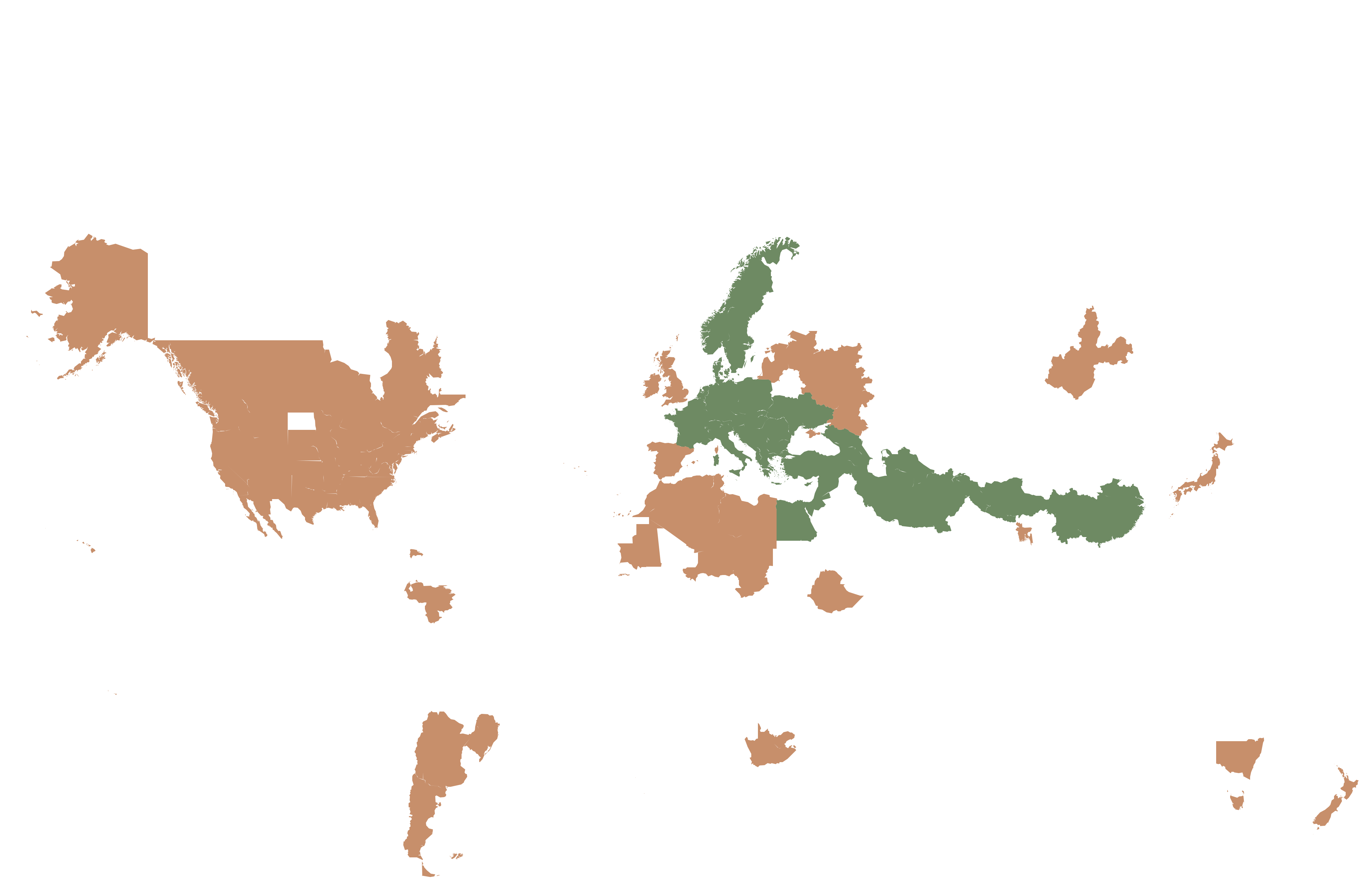
- Native
- Introduced
- Europe
- Western Asia
History

Mentha spicata is native to most of Europe and southwest Asia and naturalized throughout temperate regions. The genus name Mentha derives from the Greek nymph Minthe, transformed into a fragrant plant by a jealous Persephone in classical mythology. Ancient Greeks and Romans used it as a strewing herb, a temple offering, and a culinary flavoring; Ovid and Pliny the Elder record its use.
Spearmint is central to Maghreb tea culture — Moroccan, Tunisian, and Algerian thé à la menthe, brewed strong with gunpowder green tea and copious fresh mint leaves, is one of the defining social beverages of North Africa. It flavors Greek taramasalata and tzatziki, Middle Eastern tabbouleh and kibbeh, Vietnamese spring rolls, and the American mint julep and mojito. Lower menthol and higher carvone content give it a sweeter, gentler aroma than peppermint.
The iconic combination of spearmint with lamb dates to English medieval cooking. Wrigley's Spearmint gum, launched in 1893, remains one of the best-selling chewing gums 130+ years later. Spearmint tea is one of the few herbal remedies with strong clinical evidence — studies show it can reduce excess androgens in women with PCOS (polycystic ovary syndrome). Major commercial production is in the US Pacific Northwest, Canada, India, and North Africa.
Symbolism & meaning
What It Symbolizes
Spearmint carries the ancient meaning of virtue — Romans associated mint with hospitality and rubbed it on tables to welcome guests, a small gesture of moral and social grace. Its bright, cooling leaves spoke of cleanliness, courtesy, and ease. To grow spearmint is to keep that classical hospitality alive, steeped in a teapot or scattered in a bowl of fruit at the door.
- Virtue — Ancient Romans associated mint with virtue and served it to guests as a sign of welcome
Where the Name Comes From
The name Spearmint describes its mint-family scent or habit. Mentha from the nymph Minthe. Spicata means 'spiked,' for the flower spike shape.
Uses & Fun Facts
- Spearmint leaves brewed into tea and used in Middle Eastern cooking
- Crushed leaves release classic cooling Spearmint scent
- Traditional remedy for digestive upset and nausea
Related plants
More Mentha plants
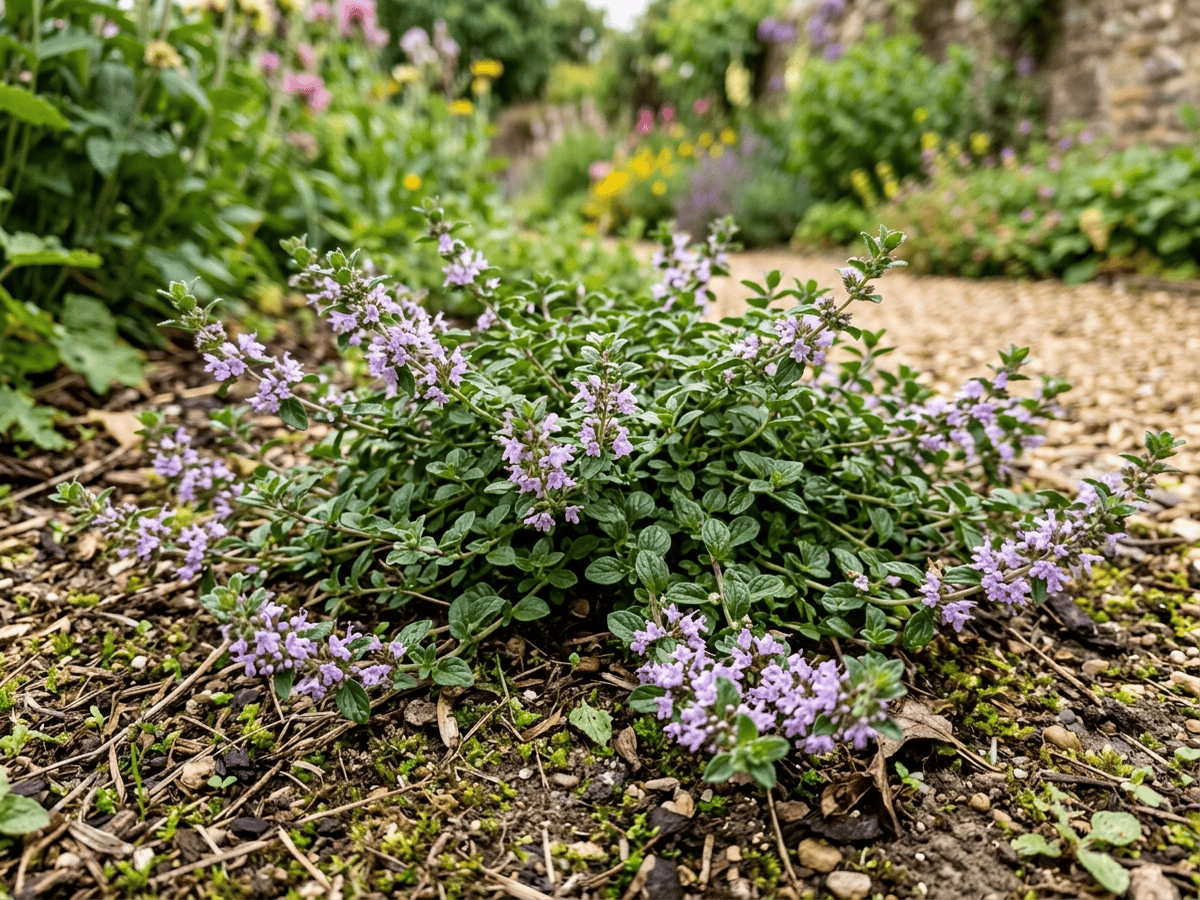 PennyroyalMentha pulegium
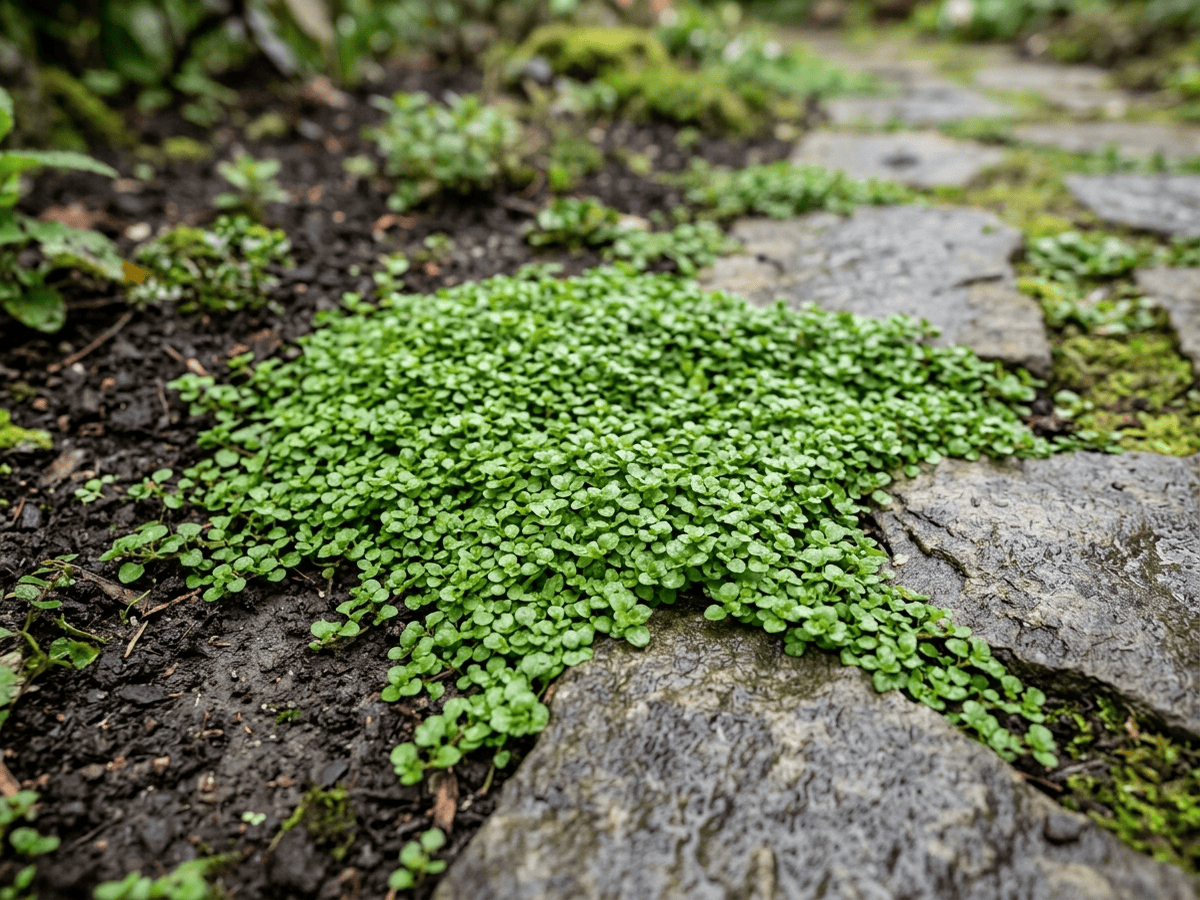 Corsican MintMentha requienii
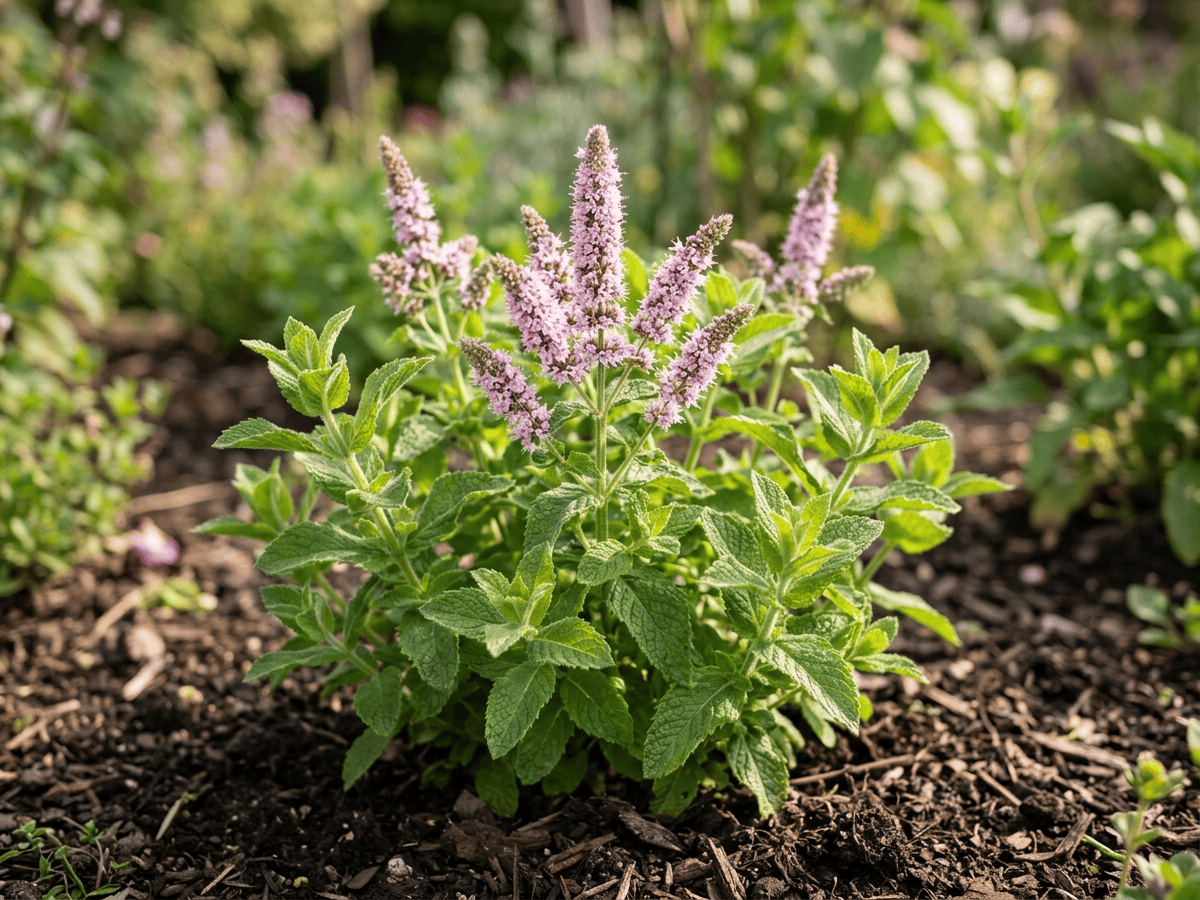 Apple MintMentha suaveolens
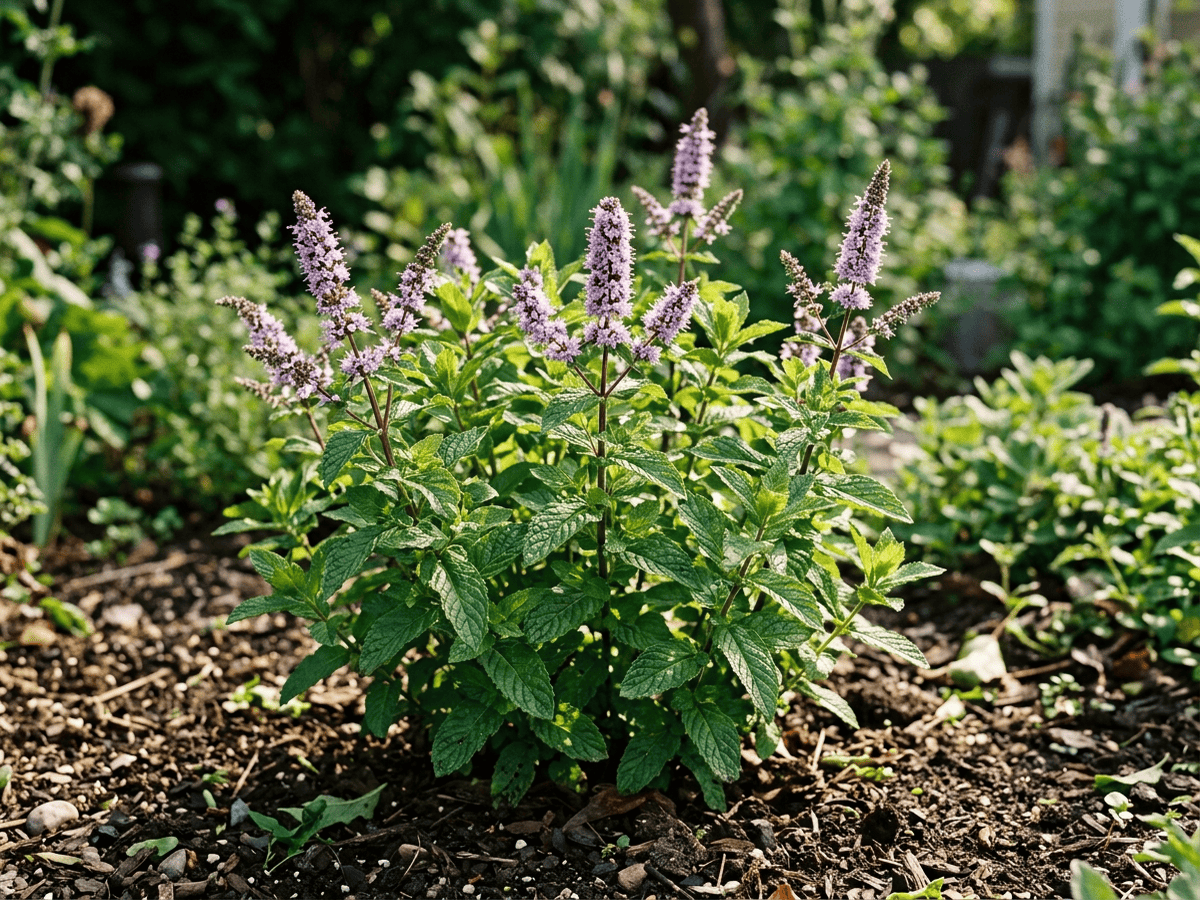 Black PeppermintMentha x piperita
Plants with similar care
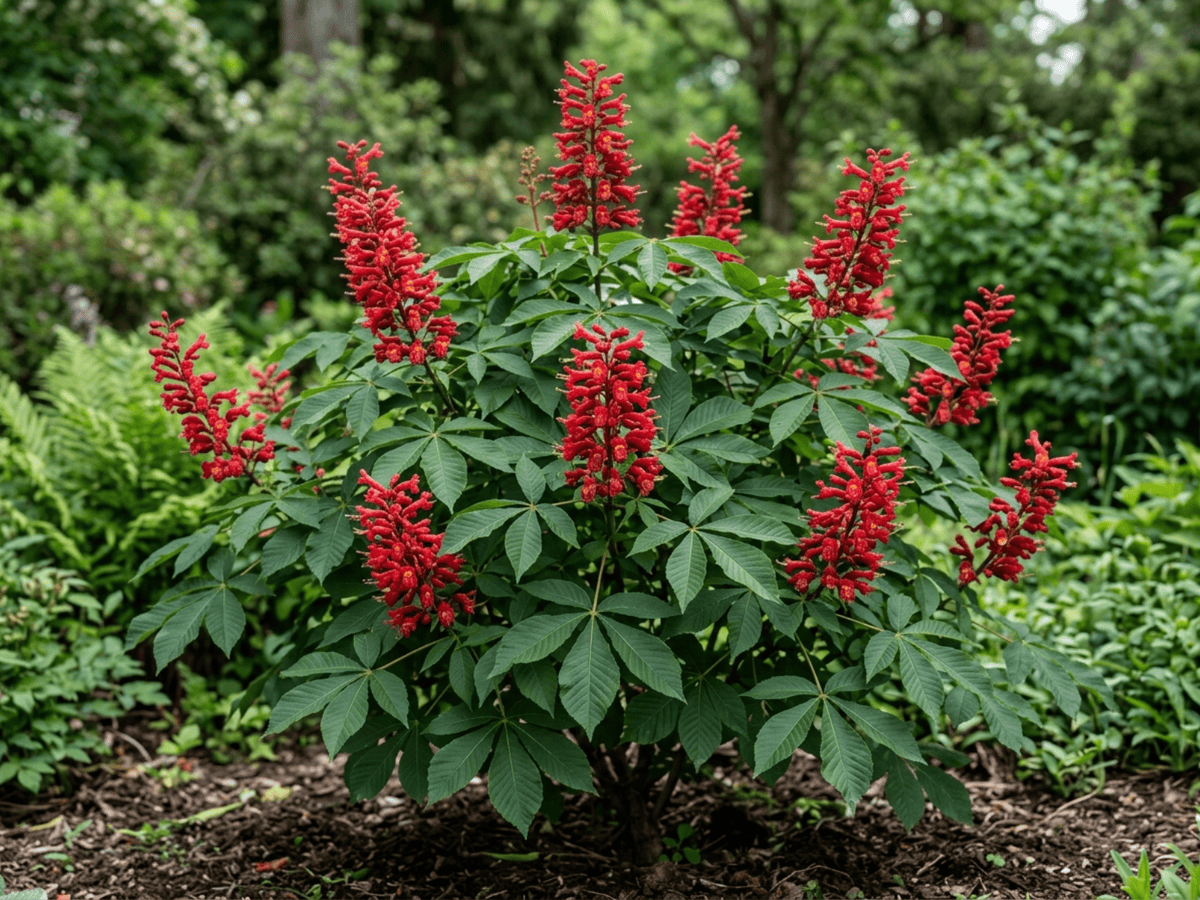 Red BuckeyeAesculus pavia
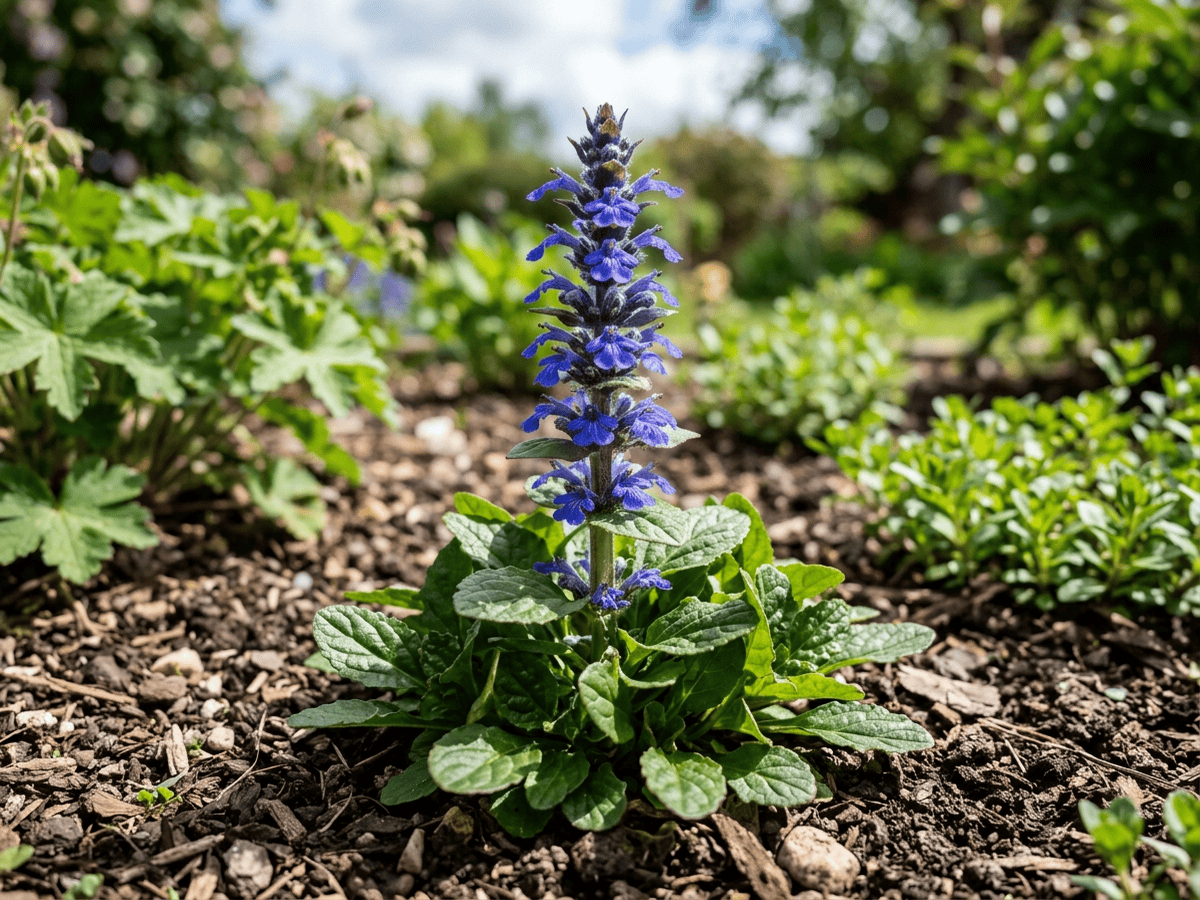 Blue BugleAjuga genevensis
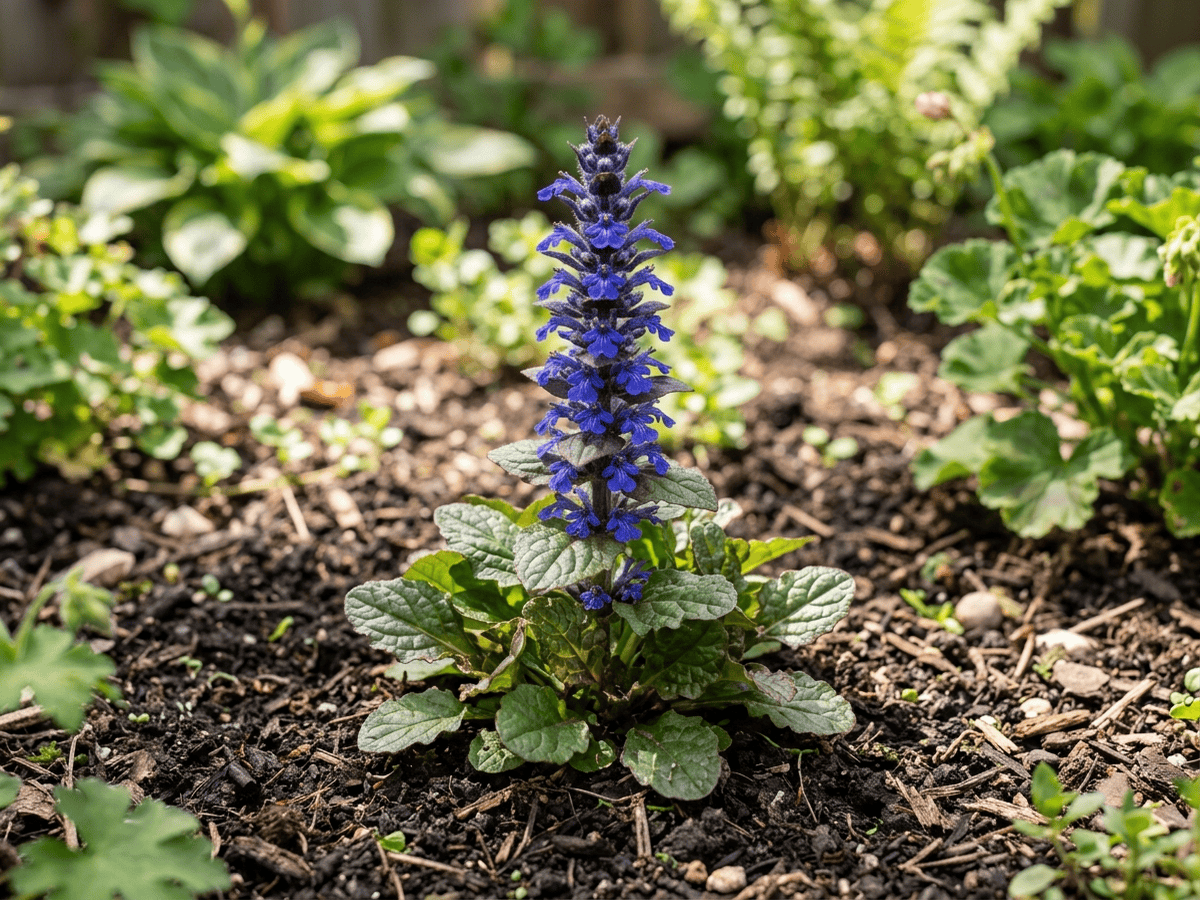 Pyramidal BugleAjuga pyramidalis
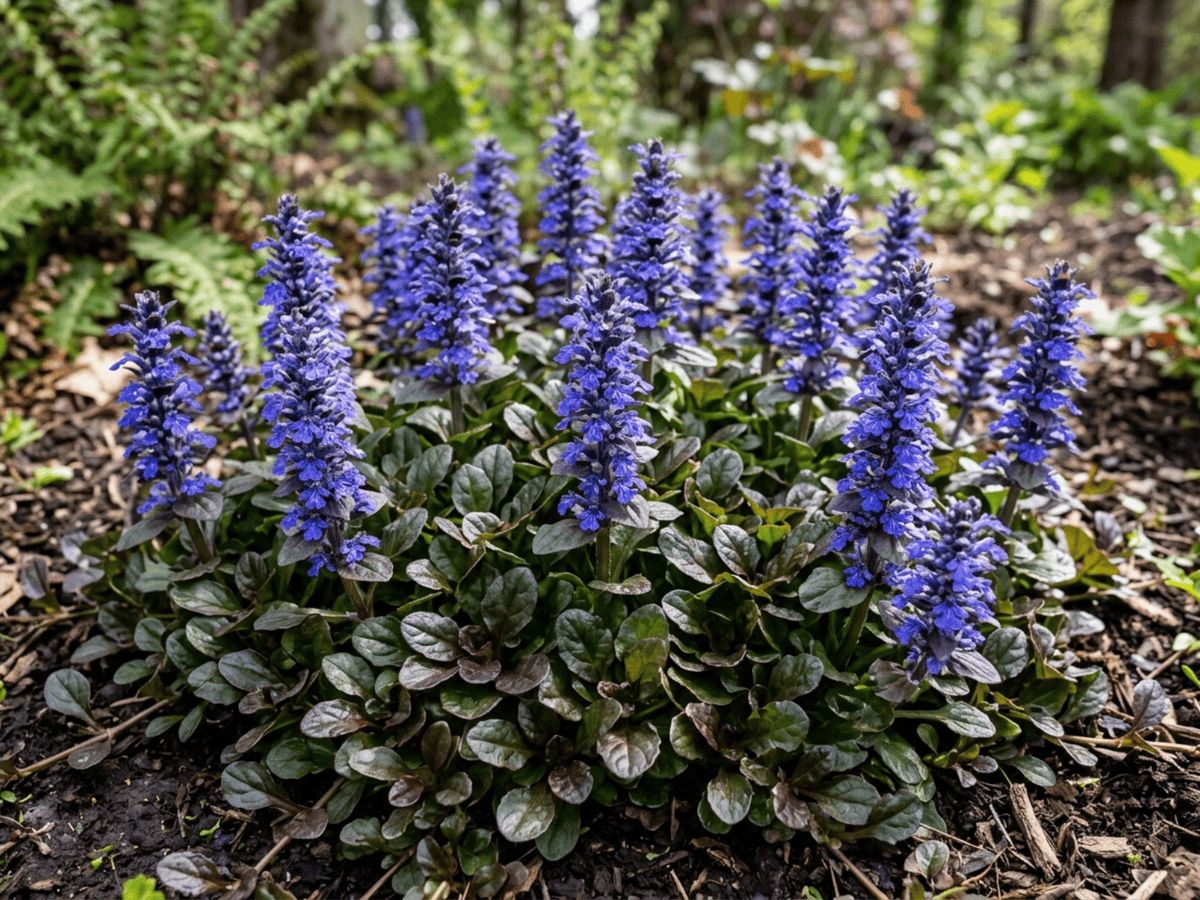 Carpet BugleAjuga reptans
Frequently asked questions
How often should I water Spearmint?
In summer, water about every 2 days; in winter, about every 7 days. Adjust for heat, pot size and drainage.
How much light does Spearmint need?
Part shade: 2–4 hrs direct. Watch the leaves — scorching or stretching means the light needs adjusting.
Is Spearmint toxic to cats or dogs?
Pets Moderate (Dogs Slight · Cats Moderate) Educational information, not medical or veterinary advice. If exposure is suspected, contact a doctor or veterinarian.
Is Spearmint easy to grow?
Yes — it is considered an easy, beginner-friendly plant.
When does Spearmint bloom?
It typically blooms Jun–Sep in the Northern Hemisphere.
YardMate
Identify any plant in seconds
Snap a photo — YardMate names the plant, diagnoses problems, and reminds you when to water.
Download on the App Store