 YardMate
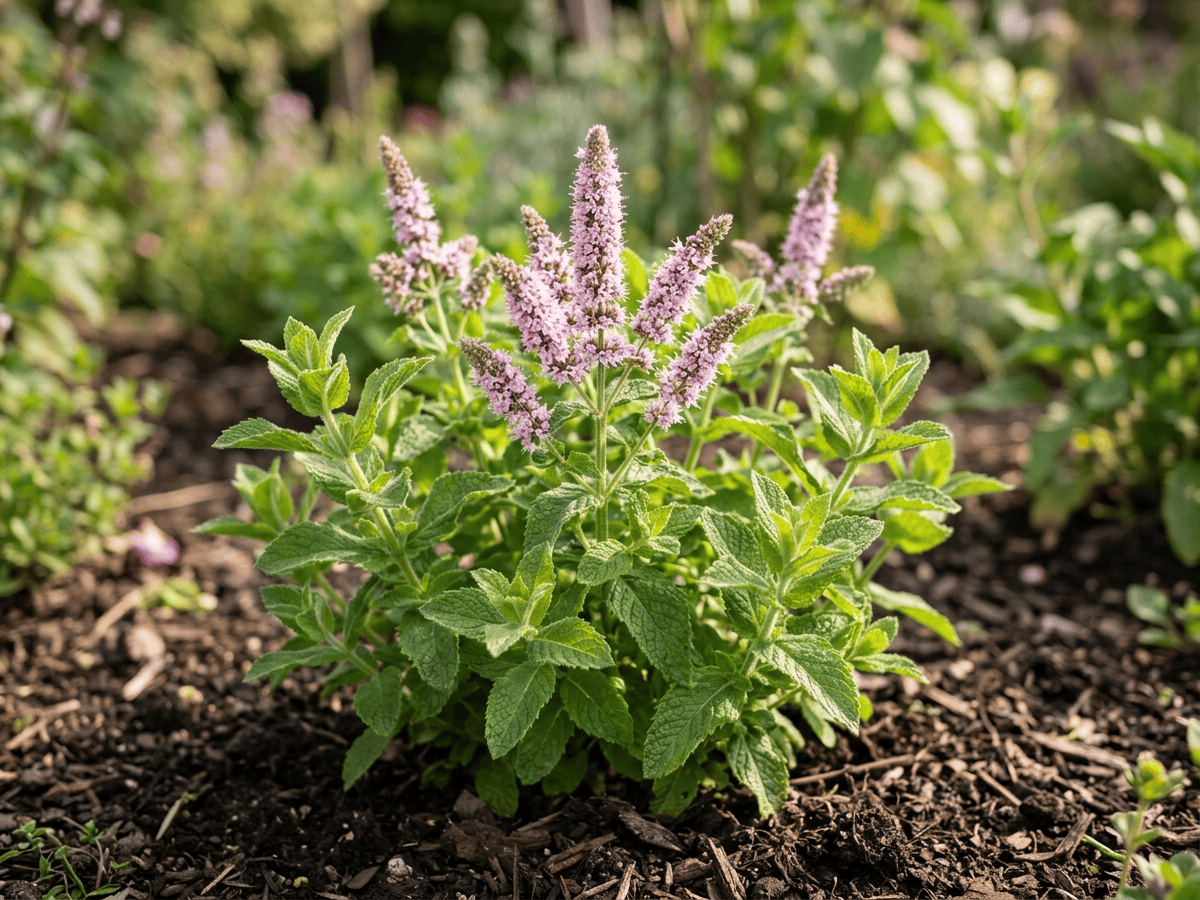


Apple Mint
Mentha suaveolens
Easy · Beginner friendlyAbout Apple Mint
Apple Mint is a Mediterranean and Western Asian culinary herb reaching 18-36 inches tall, with soft fuzzy round green leaves that emit a sweet apple-mint fragrance when crushed. Used in teas, fruit salads, summer cocktails, and as a garnish in American kitchens. The variegated 'Pineapple Mint' cultivar (with cream-edged leaves) is widely grown for its ornamental appeal. Like all mints, it spreads aggressively—best contained in pots or dedicated beds.
- Edible
- Fragrant
- Fast-growing
- Pollinator-friendly
How to care for Apple Mint
Watering
- Springevery 5 days
- Summerevery 7 days
- Fallevery 10 days
- Winterevery 21 days
Soil · Rich & well-draining
- Top dressingCompost10%
- Main mixPotting soil + compost 3:180%
- DrainageGravel10%
Top up the compost layer each season.
FERTILIZER
Balanced Feed 14-14-14
An even feed covers all three needs at once, keeping leaves, roots and blooms moving together with nothing pushed out of balance.
- Nitrogen · Leaves
- Phosphorus · Roots + Blooms
- Potassium · Strength
- Springevery 45 days
- Summerevery 45 days
At a Glance
- NativeEurope, Africa
- Height1–3 ft (0.3–0.9 m)
- Spread2–3 ft (0.6–0.9 m)
- Flower colorPink, White
- Foliage colorGreen, Variegated
- SoilLoamy, Moisture-retentive
- LocationsYard · Balcony · Indoor
Bloom time
BLOOM CYCLE
Peak bloom
Jun–Aug
White-pink flower spikes in summer attract pollinators
Fragrance
STRONG FRAGRANCE
Apple-mint to pineapple-mint aroma from crushed leaves.
Toxicity
Pets Slight
pulegone (trace), menthol, and piperitone
Not reported
EXPOSURE No exposure route is reported.
EFFECT No toxic effect is reported.
NOTE No human toxicity is reported in this catalog; avoid eating ornamental plants unless confirmed edible.
Slight
- Leaf
- Ingestion
EXPOSURE Eating leaves.
EFFECT Gastrointestinal upset (large amounts).
NOTE ASPCA lists Mentha as mildly toxic to pets in large quantities.
Slight
- Leaf
- Ingestion
EXPOSURE Eating leaves.
EFFECT Gastrointestinal upset (large amounts).
NOTE ASPCA lists Mentha as mildly toxic to pets in large quantities.
Educational information, not medical or veterinary advice. If exposure is suspected, contact a doctor or veterinarian.
DISTRIBUTION


- Native
- Introduced
- Europe
- Africa
History

Mentha suaveolens, commonly called apple mint or round-leaved mint, is a vigorous rhizomatous perennial in the mint family (Lamiaceae) native to southern and western Europe, North Africa, and parts of western Asia. German botanist Jakob Friedrich Ehrhart formally described the species in 1792. The epithet suaveolens means sweet-scented.
Plants grow 60-90 cm tall with characteristic rounded to broadly ovate wrinkled fuzzy-hairy medium-green leaves 2-5 cm long that emit a distinct apple-minty aroma when crushed—milder and fruitier than peppermint or spearmint. Small pale pink-to-white flowers in dense terminal spikes appear midsummer. The variegated cultivar 'Variegata' (commonly sold as pineapple mint) with cream-white leaf edges and stronger pineapple-mint fragrance is one of the most widely grown ornamental mints globally, attractive for both culinary and decorative use.
Used traditionally in Moroccan mint tea alongside spearmint and for flavoring sauces, desserts, and drinks. Aggressive spreader; best confined to containers or isolated beds. Long cultivated as a culinary and medicinal herb. The 'Variegata' or 'Pineapple Mint' cultivar with its cream-edged leaves became popular in American herb gardens in the late 20th century for both flavor and ornamental appeal.
Symbolism & meaning
What It Symbolizes
Apple Mint evokes refreshment, its sweet apple-tinged scent invigorating the senses on a warm afternoon when it is brushed in passing. It also carries hospitality, the traditional garnish for tea, lemonade, and the small social gestures that say a guest is welcome. It is often read as a flower of generous greeting, a herb whose meaning is the simple act of offering something cool, fragrant, and freely given.
- Refreshment — sweet apple-mint scent invigorates
- Hospitality — traditional garnish and tea herb
Where the Name Comes From
'Mentha' from Greek mythology (the nymph Minthe); 'suaveolens' means sweet-scented.
Uses & Fun Facts
- Apple-scented leaves flavor teas, salads, and cocktails
- Crushed foliage releases sweet apple-mint aroma
- Summer flowers feed honeybees and beneficial insects
- Spreading culinary mat in herb gardens and borders
Related plants
More Mentha plants
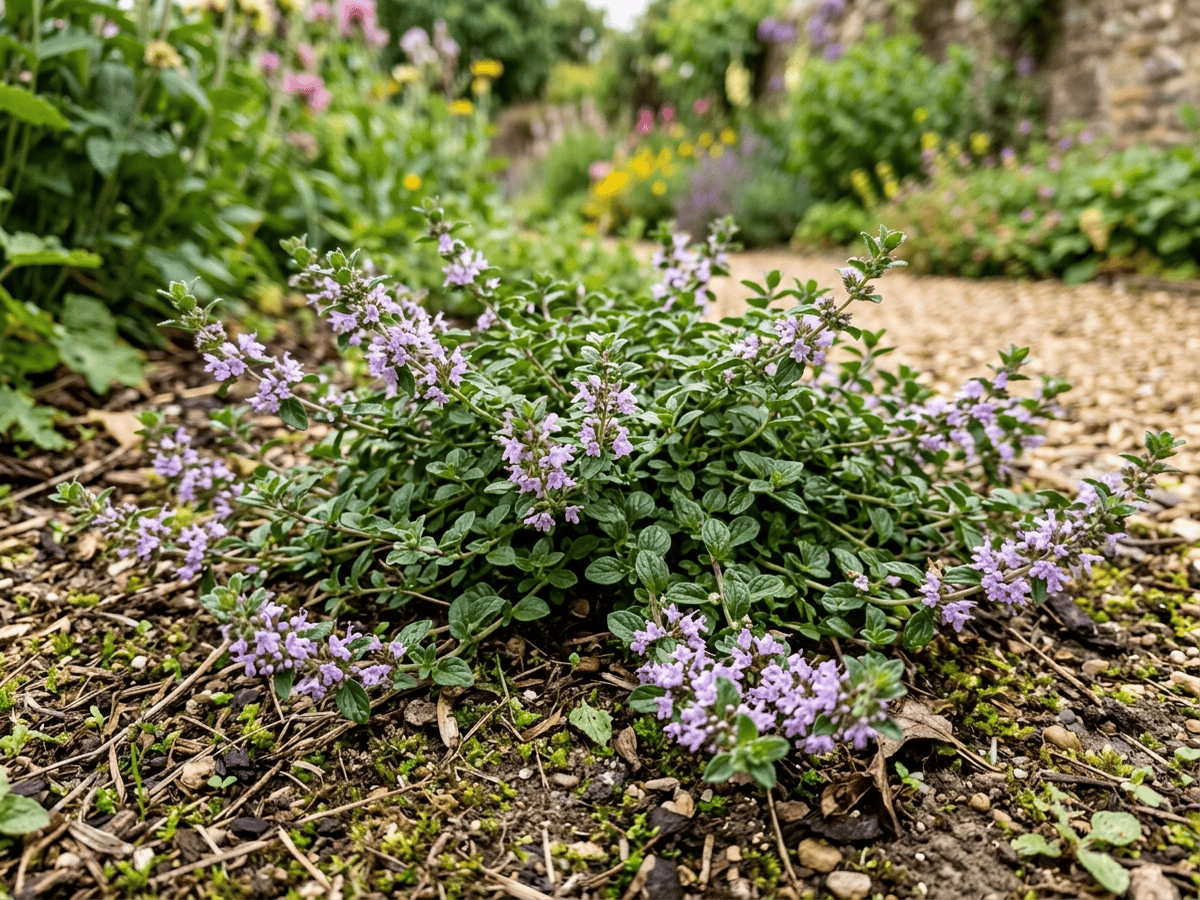 PennyroyalMentha pulegium
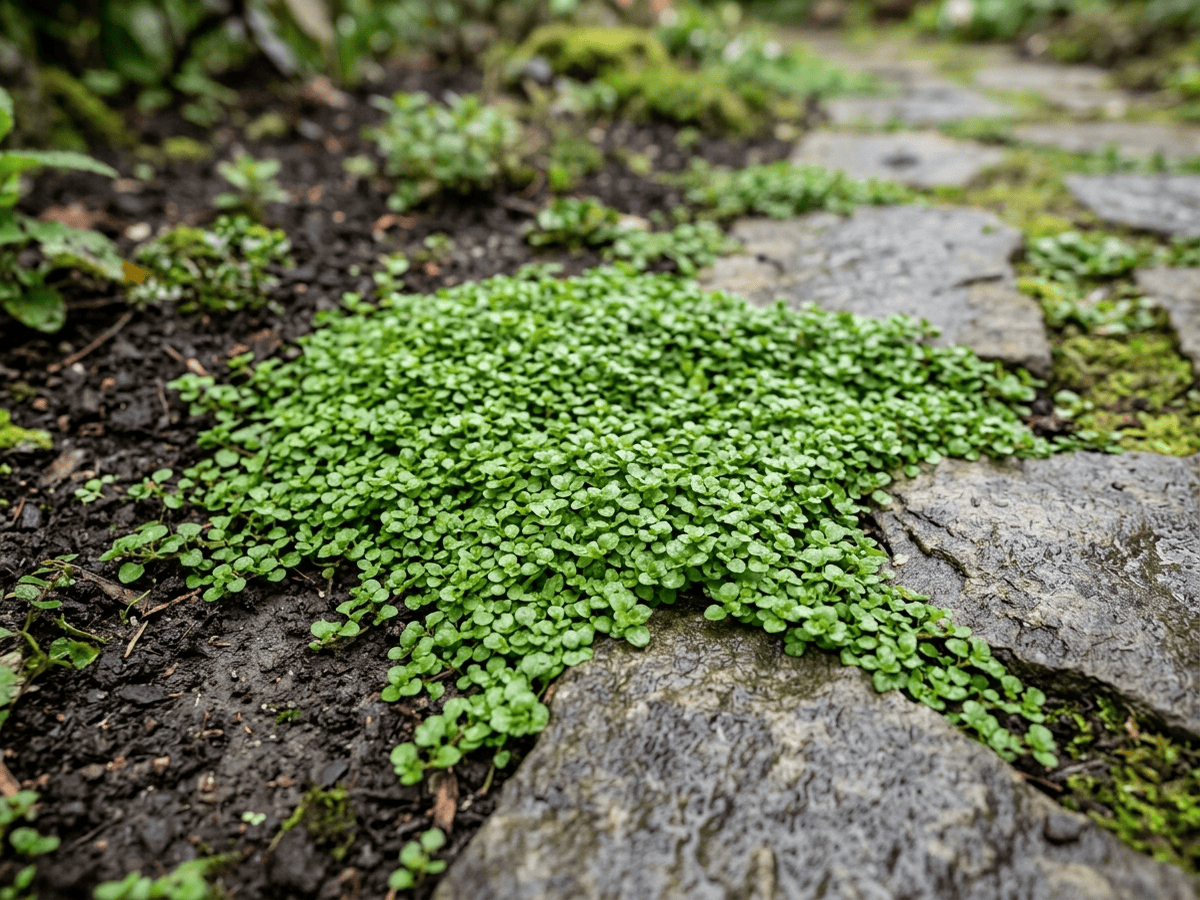 Corsican MintMentha requienii
 SpearmintMentha spicata
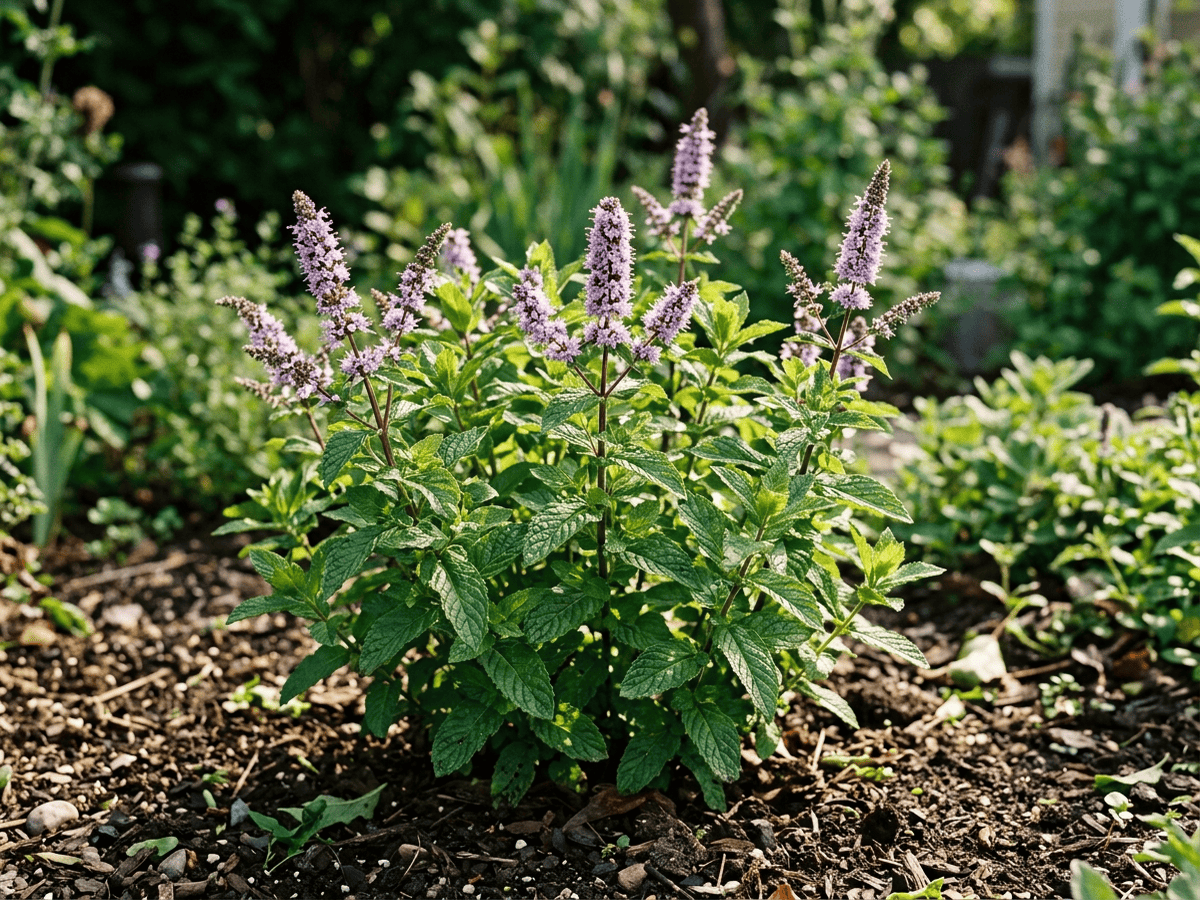 Black PeppermintMentha x piperita
Plants with similar care
 Chinese AbeliaAbelia chinensis
 Fragrant AbeliaAbelia mosanensis
 Large-Flowered AbeliaAbelia uniflora
 Glossy AbeliaAbelia x grandiflora
Frequently asked questions
How often should I water Apple Mint?
In summer, water about every 7 days; in winter, about every 21 days. Adjust for heat, pot size and drainage.
How much light does Apple Mint need?
Full sun: 6+ hrs direct. Watch the leaves — scorching or stretching means the light needs adjusting.
Is Apple Mint toxic to cats or dogs?
Pets Slight (Dogs Slight · Cats Slight) Educational information, not medical or veterinary advice. If exposure is suspected, contact a doctor or veterinarian.
Is Apple Mint easy to grow?
Yes — it is considered an easy, beginner-friendly plant.
Can Apple Mint be grown indoors?
Yes, it adapts well to indoor growing given the right light.
When does Apple Mint bloom?
It typically blooms Jun–Aug in the Northern Hemisphere.
YardMate
Identify any plant in seconds
Snap a photo — YardMate names the plant, diagnoses problems, and reminds you when to water.
Download on the App Store