 YardMate


Pennyroyal
Mentha pulegium
Easy · Beginner friendlyAbout Pennyroyal
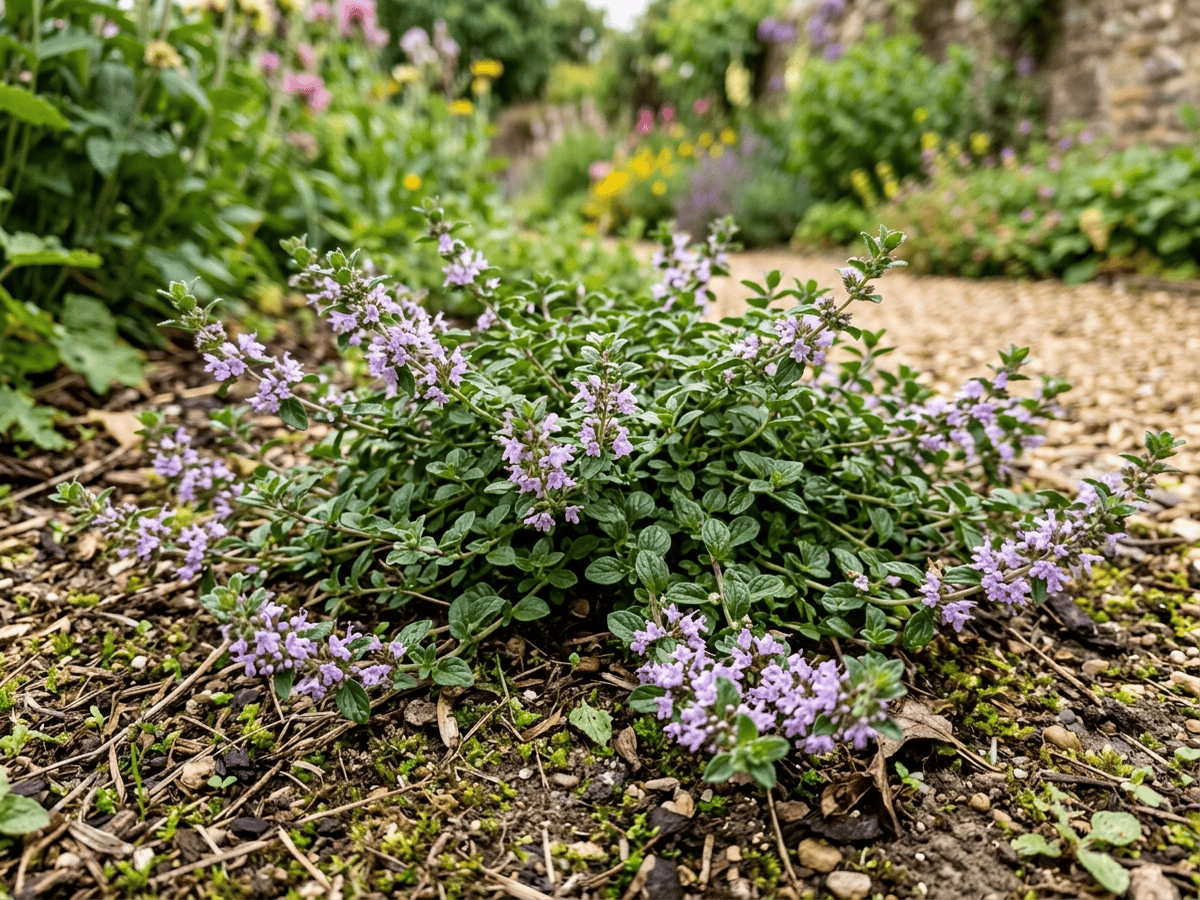
Pennyroyal is a Mediterranean herb reaching 6-12 inches tall, with small aromatic gray-green leaves and a strong distinctive minty fragrance. Historically used as a flea and pest repellent and in folk medicine, it is no longer recommended for culinary use due to toxic essential oils. Forms a low spreading groundcover that thrives in moist soils. Used cautiously in modern American gardens primarily as an ornamental groundcover and natural pest deterrent.
- Fragrant
- Groundcover
- Pollinator-friendly
How to care for Pennyroyal
Watering
- Springevery 5 days
- Summerevery 5 days
- Fallevery 10 days
- Winterevery 21 days
Soil · Rich & well-draining
- Top dressingCompost10%
- Main mixPotting soil + compost 3:180%
- DrainageGravel10%
Top up the compost layer each season.
FERTILIZER
- Springevery 45 days
- Summerevery 45 days
At a Glance
- NativeEurope, Africa, Western Asia
- Height0.5–1 ft (0.2–0.3 m)
- Spread1–2 ft (0.3–0.6 m)
- Flower colorPurple
- Foliage colorGreen
- SoilLoamy, Moisture-retentive
- LocationsYard
Bloom time
BLOOM CYCLE
Peak bloom
Jun–Aug
Whorled lilac-pink flower clusters in summer
Fragrance
STRONG FRAGRANCE
The foliage has a strong peppermint-menthol aroma.
Toxicity
Humans Toxic · Pets Toxic
pulegone and menthofuran
Toxic
- Leaf
- Oil
- Ingestion
EXPOSURE Eating leaves and oil.
EFFECT Liver damage, kidney damage, seizures, miscarriage, and death (concentrated oil).
NOTE Documented concern for humans: Liver damage, kidney damage, seizures, miscarriage, and death (concentrated oil).
Toxic
- Leaf
- Oil
- Ingestion
- Contact
EXPOSURE Eating leaves and oil. Touching leaves and oil.
EFFECT Liver failure, seizures, and death.
NOTE ASPCA lists pennyroyal as toxic. Essential oil can be fatal to pets and pregnant humans.
Toxic
- Leaf
- Oil
- Ingestion
- Contact
EXPOSURE Eating leaves and oil. Touching leaves and oil.
EFFECT Liver failure, seizures, and death.
NOTE ASPCA lists pennyroyal as toxic. Essential oil can be fatal to pets and pregnant humans.
Educational information, not medical or veterinary advice. If exposure is suspected, contact a doctor or veterinarian.
DISTRIBUTION

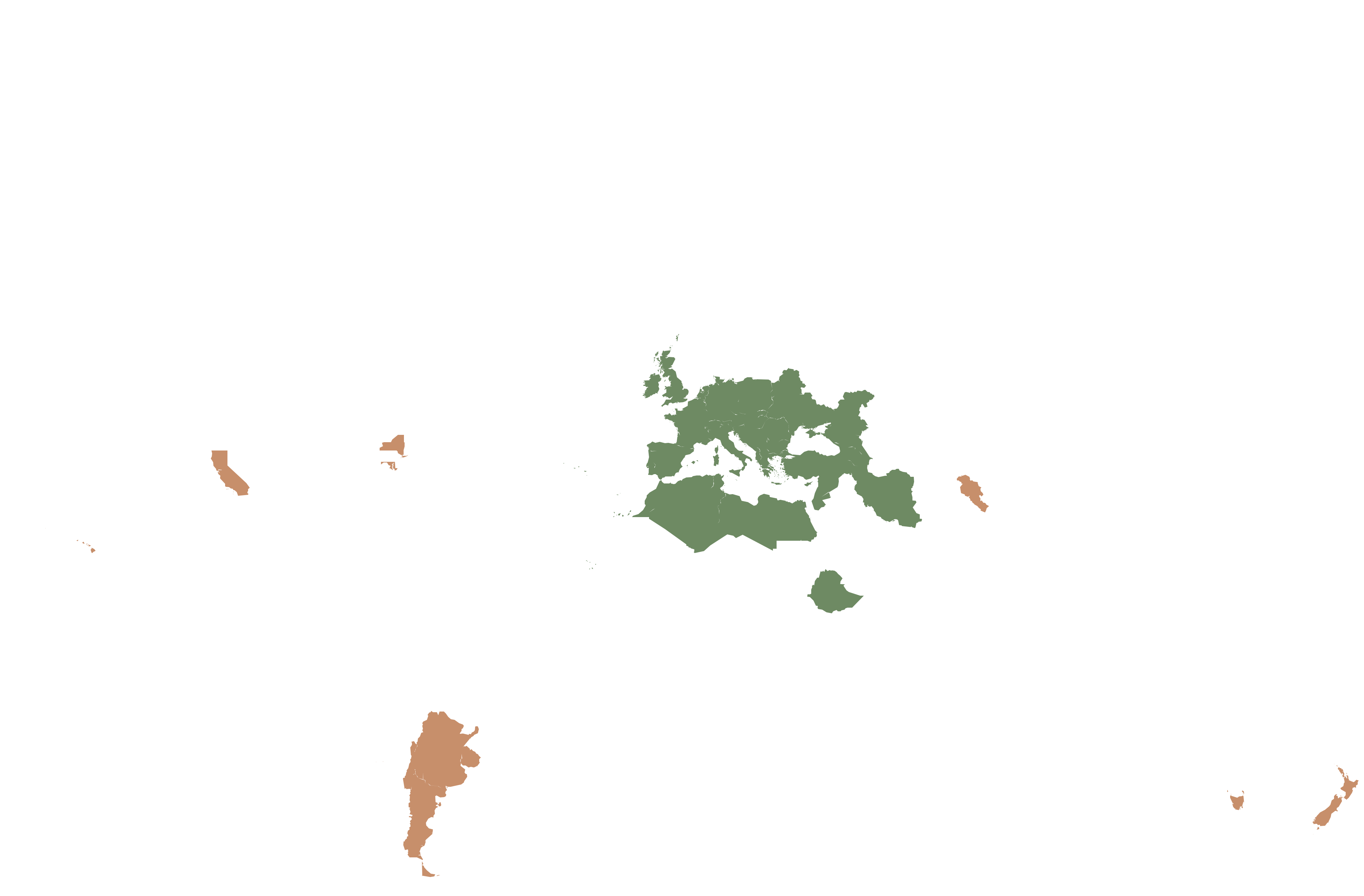
- Native
- Introduced
- Europe
- Africa
- Western Asia
History
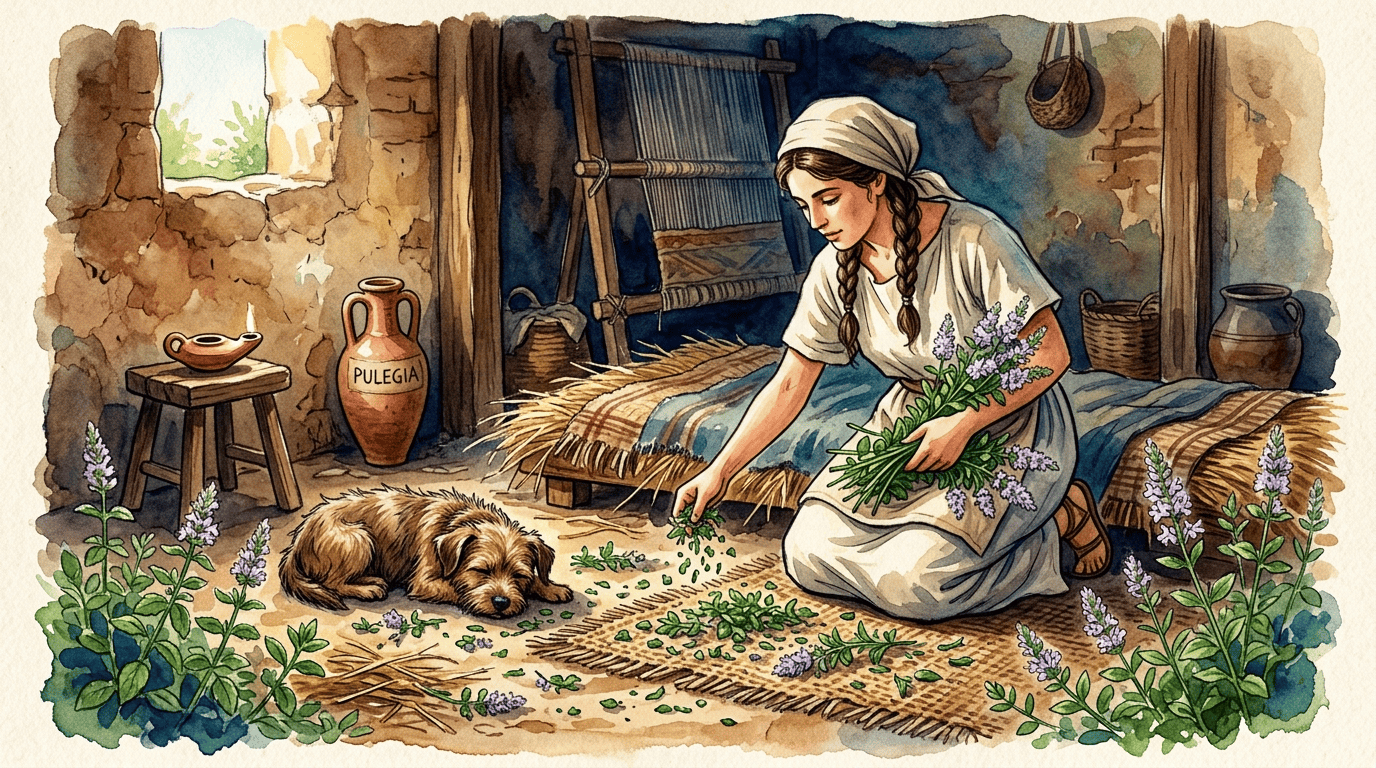
Mentha pulegium, commonly called pennyroyal or European pennyroyal, is a low-growing aromatic perennial in the mint family (Lamiaceae) native to southern and western Europe, North Africa, and western Asia, historically widespread in moist meadows and lake margins. Carl Linnaeus described it in Species Plantarum in 1753. The common English name pennyroyal derives via Old French from Latin pulegium, which itself comes from pulex (flea), referring to its ancient use since Roman times as an insect and flea repellent.
Plants grow 15-30 cm tall with tiny oval strongly peppermint-scented leaves on trailing or ascending square stems, producing whorls of small pale lilac flowers in summer. Traditional medicinal uses included as an emmenagogue (menstrual stimulant) and abortifacient—uses now known to be dangerous due to severe hepatotoxicity and nephrotoxicity from pulegone, the dominant essential oil. Historical cases of maternal death are well-documented.
Pennyroyal oil is also acutely toxic to dogs and cats; ingestion can be fatal. Still grown in small quantities for traditional insect-repellent use in herb gardens. Native to Europe and the Middle East. Used since ancient Greek and Roman times as a flea repellent—the name 'pulegium' derives from 'pulex' meaning flea. Once an important medicinal and culinary herb, modern science has identified its toxic compounds and use is now restricted to ornamental and pest-repellent purposes.
Symbolism & meaning
What It Symbolizes
Pennyroyal is protection in the old household sense: a sharp mint scent tucked into cupboards, bedding, and doorways to discourage fleas and flies. But its concentrated oils are severe, so the plant also carries a warning. Symbolically it is boundary work, fragrant and forceful, never casual.
- Protection — historic symbol of warding off pests and disease
- Caution — potent essential oils require careful handling
Where the Name Comes From
'Pulegium' from Latin 'pulex' (flea), for its traditional use repelling fleas.
Uses & Fun Facts
- Strong-smelling herb used historically for digestive ailments and as flea repellent
- Crushed foliage releases sharp Pennyroyal mint aroma
- Lavender flower whorls attract bees and small native pollinators
Related plants
More Mentha plants
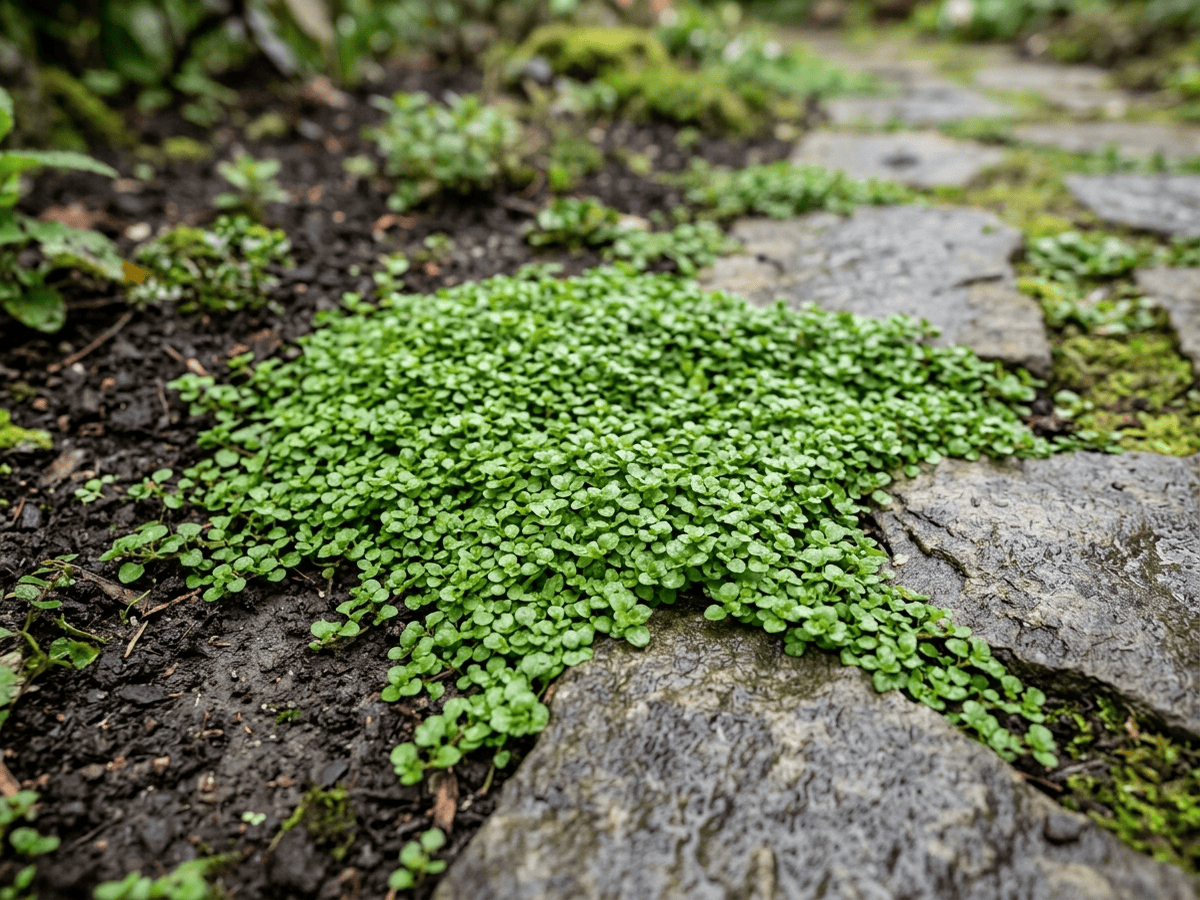 Corsican MintMentha requienii
 SpearmintMentha spicata
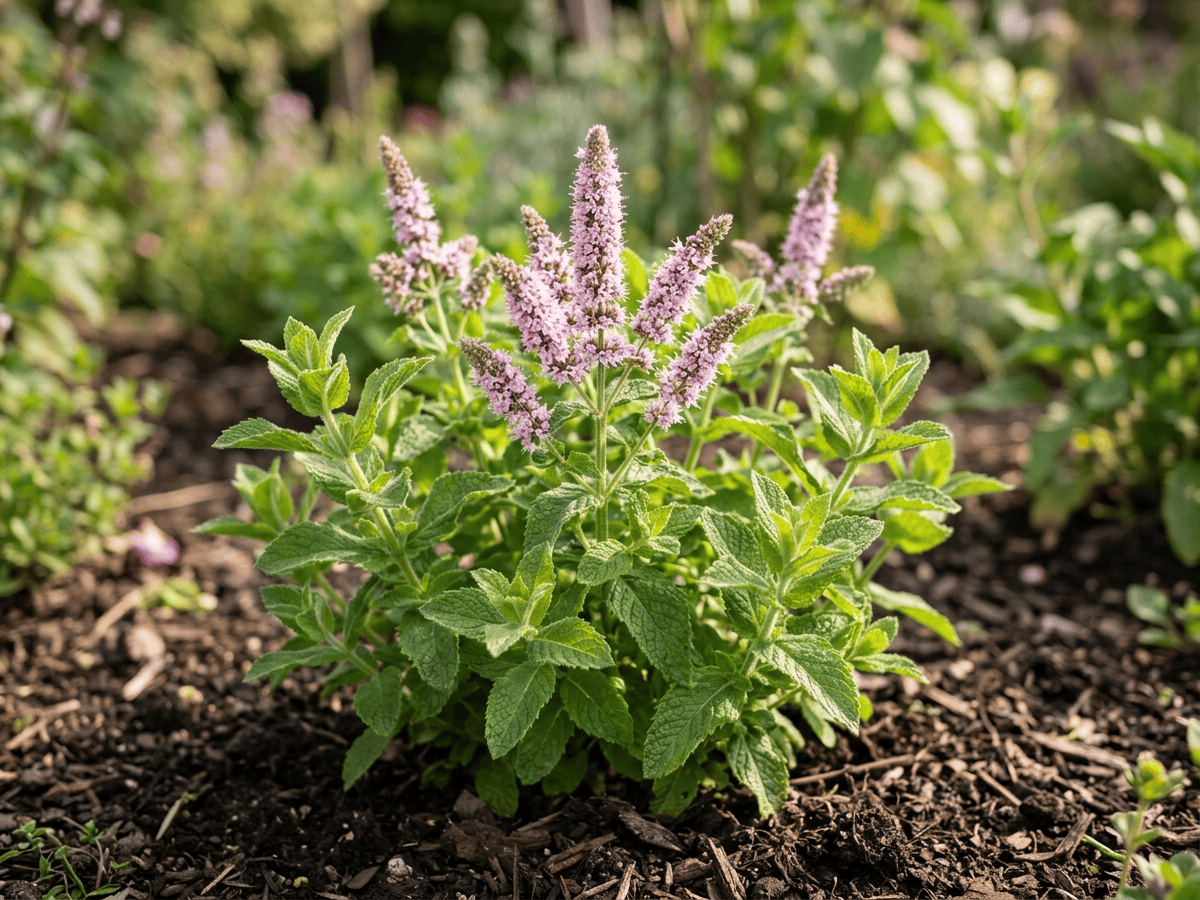 Apple MintMentha suaveolens
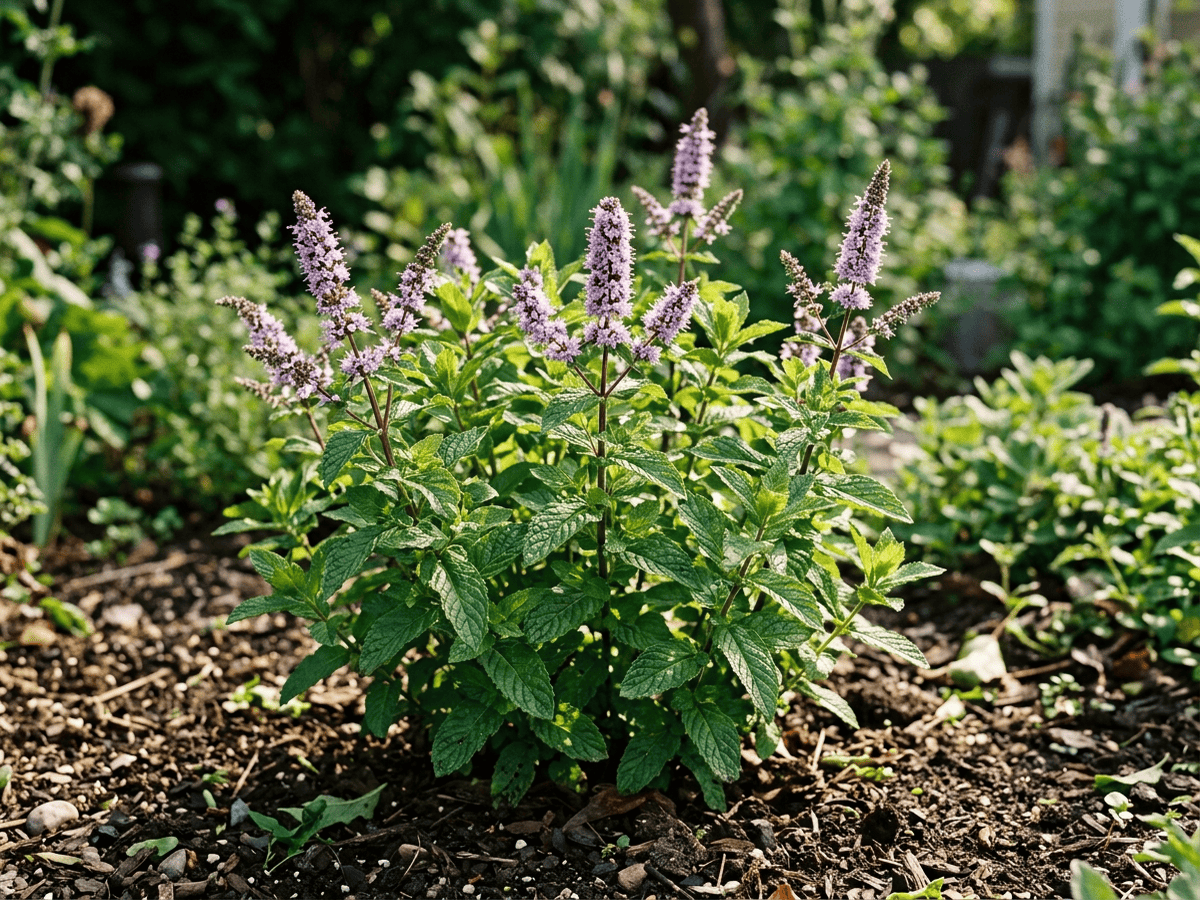 Black PeppermintMentha x piperita
Plants with similar care
 Chinese AbeliaAbelia chinensis
 Fragrant AbeliaAbelia mosanensis
 Large-Flowered AbeliaAbelia uniflora
 Glossy AbeliaAbelia x grandiflora
Frequently asked questions
How often should I water Pennyroyal?
In summer, water about every 5 days; in winter, about every 21 days. Adjust for heat, pot size and drainage.
How much light does Pennyroyal need?
Full sun: 6+ hrs direct. Watch the leaves — scorching or stretching means the light needs adjusting.
Is Pennyroyal toxic to cats or dogs?
Pets Toxic (Dogs Toxic · Cats Toxic) Educational information, not medical or veterinary advice. If exposure is suspected, contact a doctor or veterinarian.
Is Pennyroyal easy to grow?
Yes — it is considered an easy, beginner-friendly plant.
When does Pennyroyal bloom?
It typically blooms Jun–Aug in the Northern Hemisphere.
YardMate
Identify any plant in seconds
Snap a photo — YardMate names the plant, diagnoses problems, and reminds you when to water.
Download on the App Store