 YardMate

Black Peppermint
Mentha x piperita
Easy · Beginner friendlyAbout Black Peppermint
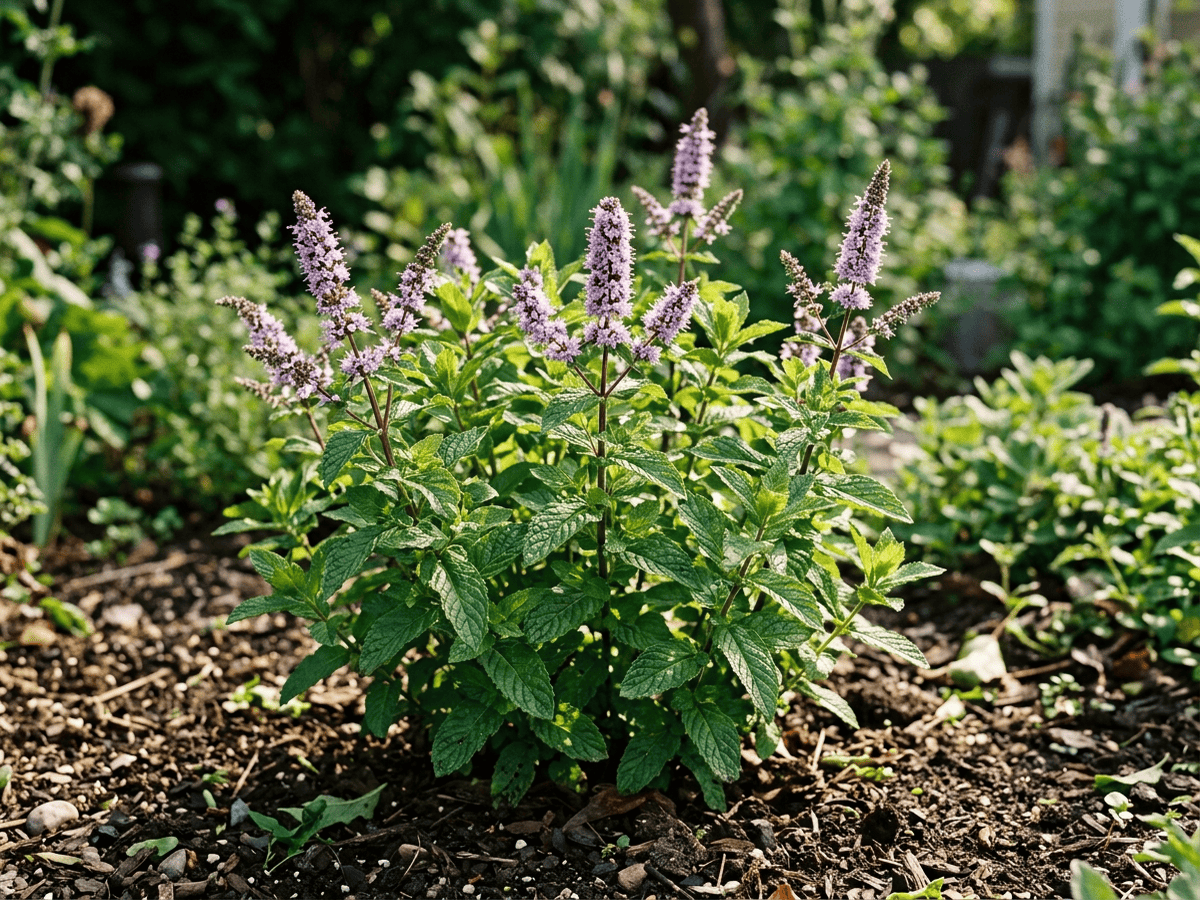
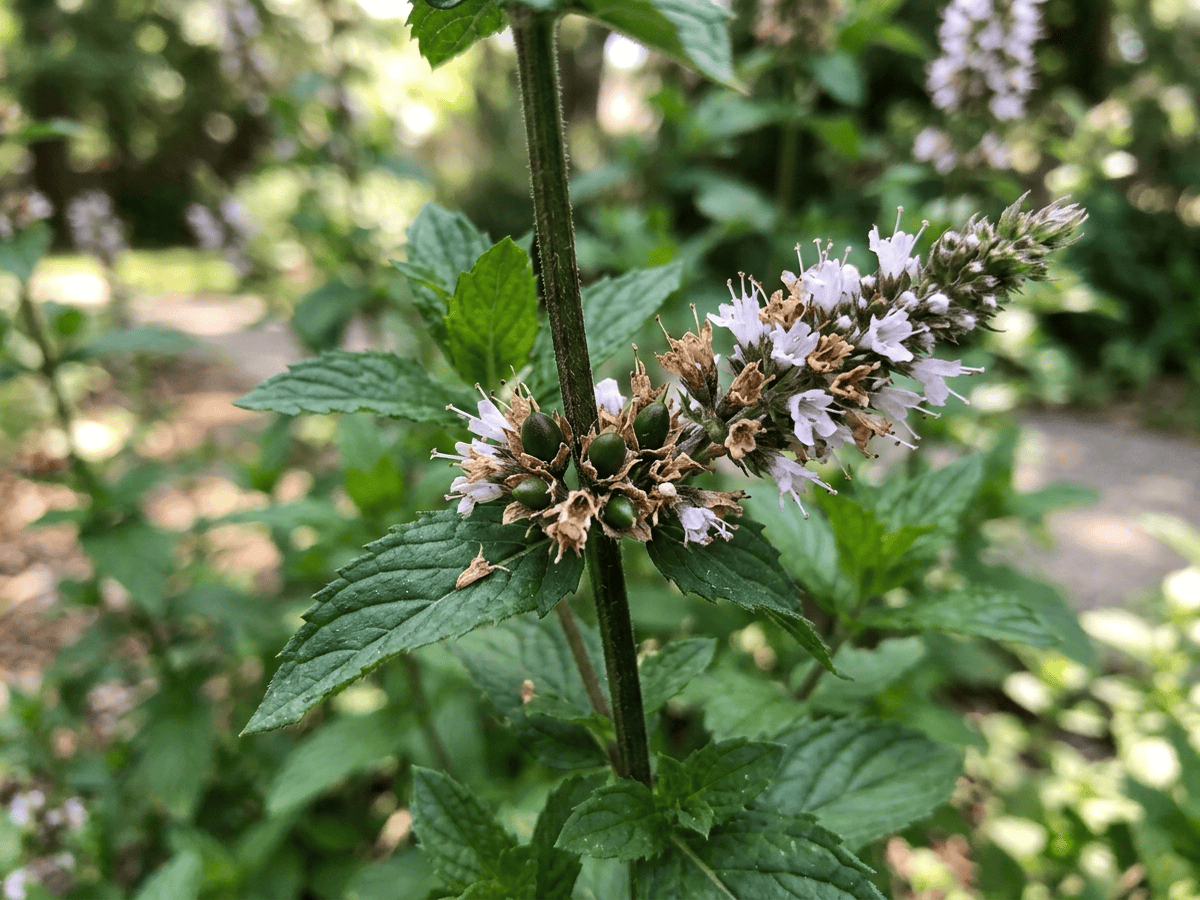
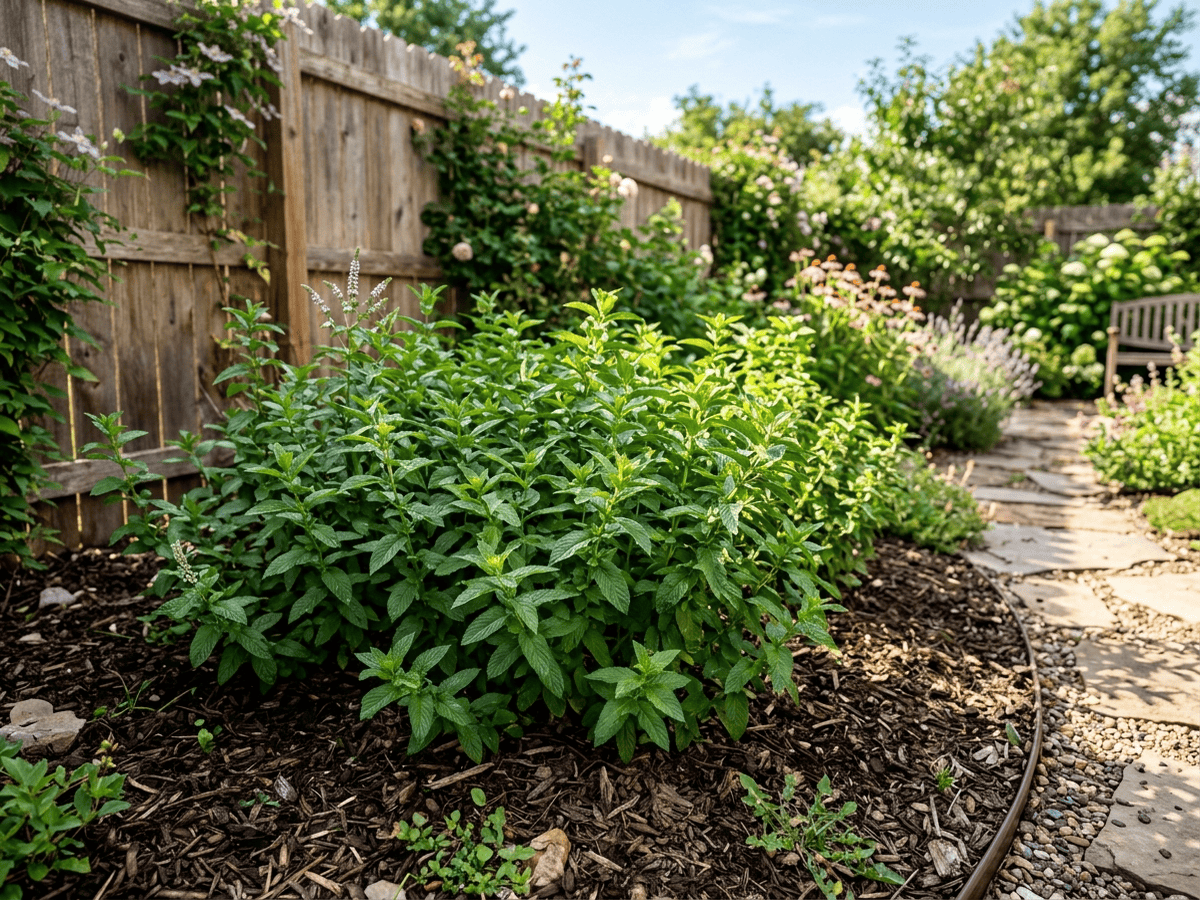
Mentha x piperita, peppermint, is a natural hybrid of watermint and spearmint, producing dark green, aromatic leaves with a strong, cooling menthol flavor. It is the most commercially important mint, cultivated for essential oil, tea, confections, and medicine worldwide. Growing 30–60 cm tall, it spreads aggressively via underground runners and should be grown in containers to prevent takeover. The purple-tinged stems and lilac flower spikes are attractive. Peppermint oil is used in everything from toothpaste to candy canes to digestive remedies.
- Edible
- Medicinal
- Fragrant
How to care for Black Peppermint
Watering
- Springevery 3 days
- Summerevery 2 days
- Fallevery 4 days
- Winterevery 7 days
Soil · Rich & well-draining
- Top dressingCompost10%
- Main mixPotting soil + compost 3:180%
- DrainageGravel10%
Top up the compost layer each season.
FERTILIZER
Balanced Feed 14-14-14
An even feed covers all three needs at once, keeping leaves, roots and blooms moving together with nothing pushed out of balance.
- Nitrogen · Leaves
- Phosphorus · Roots + Blooms
- Potassium · Strength
- Springevery 21 days
- Summerevery 21 days
- Fallevery 30 days
At a Glance
- NativeEurope
- Height1–2 ft (0.3–0.6 m)
- Spread1.5–3 ft (0.5–0.9 m)
- Flower colorPurple, Pink, White
- Foliage colorGreen
- SoilLoamy, Moisture-retentive, Rich
- LocationsYard · Balcony
Bloom time
BLOOM CYCLE
Peak bloom
Jun–Aug
Lilac flower spikes in summer; grow in containers to prevent aggressive spreading
Fragrance
STRONG FRAGRANCE
Intense cool menthol aroma from crushed leaves.
Toxicity
Pets Moderate
menthol, menthone, and pulegone
Not reported
EXPOSURE No exposure route is reported.
EFFECT Culinary herb and medicinal and concentrated peppermint oil can cause GI irritation and skin burns.
NOTE No toxicity is reported for humans in this catalog; this is not evidence that the plant is edible or harmless.
Slight
- All
- Ingestion
EXPOSURE Eating any part of the plant.
EFFECT Mild GI upset in large doses and essential oil particularly toxic.
NOTE Leaf consumption low-risk; concentrated essential oils hazardous to pets, especially cats and small dogs.
Moderate
- All
- Ingestion
EXPOSURE Eating any part of the plant.
EFFECT Vomiting, diarrhea and cats highly sensitive to mint essential oils.
NOTE Leaf consumption low-risk; concentrated essential oils hazardous to pets, especially cats and small dogs.
Educational information, not medical or veterinary advice. If exposure is suspected, contact a doctor or veterinarian.
DISTRIBUTION

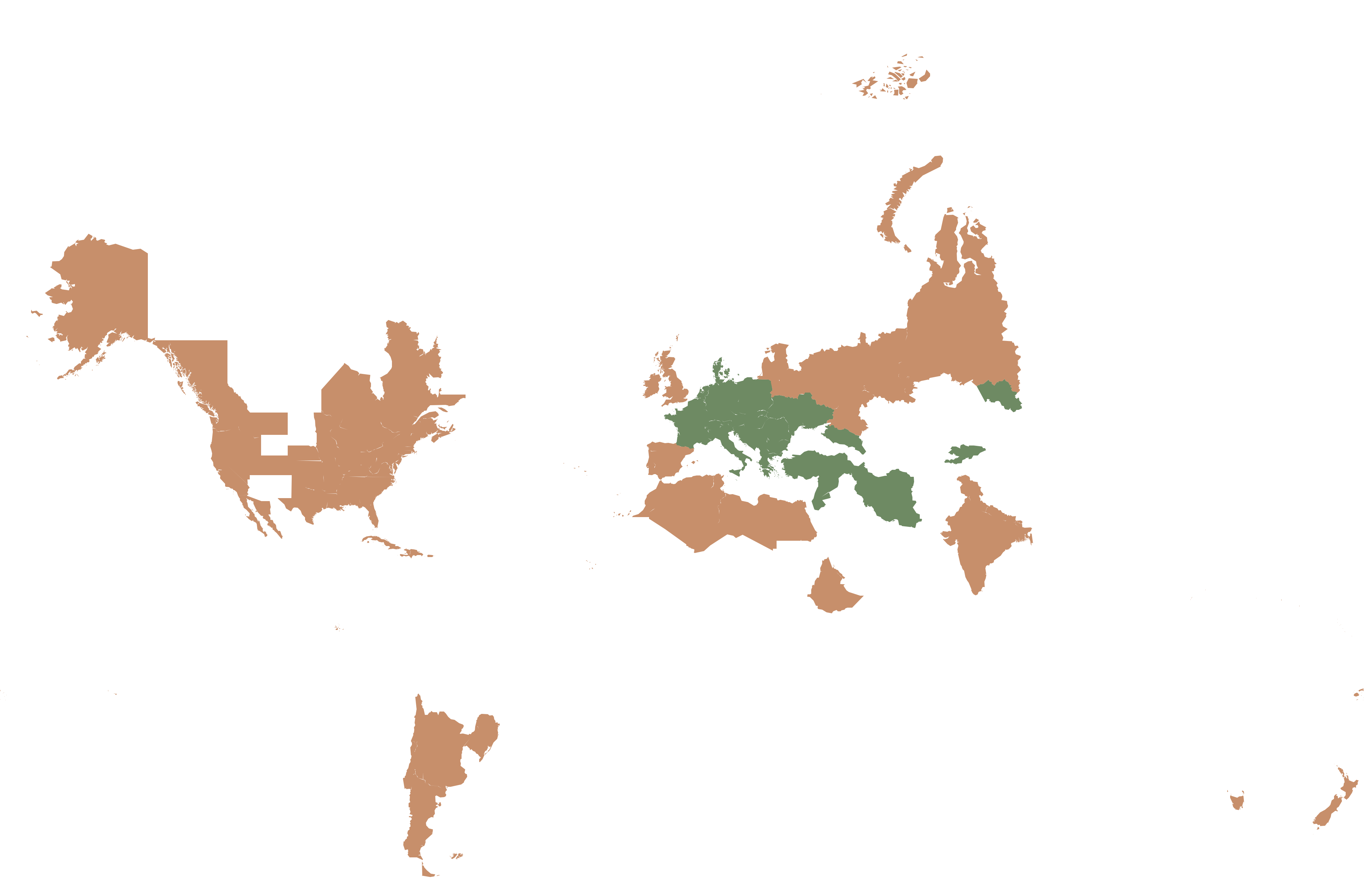
- Native
- Introduced
- Europe
History
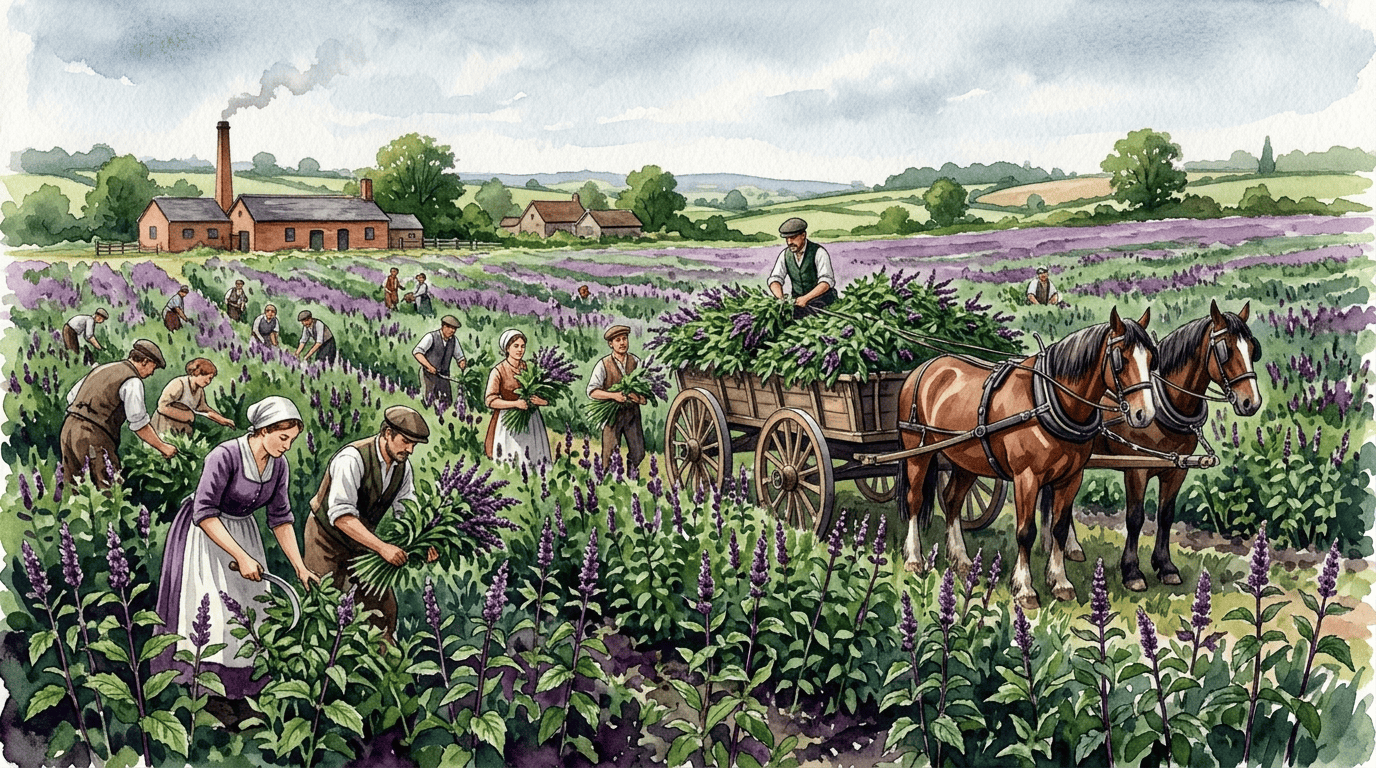
Mentha x piperita is a natural hybrid between Mentha aquatica (watermint) and Mentha spicata (spearmint), both native to Europe and Asia. John Ray, the English naturalist, identified and described peppermint in 1696, having found the plant near Hertfordshire. Its exceptionally high menthol content — up to 50% of the essential oil — distinguished it from parent species and drove both medicinal and commercial use. The British herbalists Nicholas Culpeper and John Gerard documented it for digestive complaints, headache, and colds.
By the 19th century it had become a major commercial crop: England (Mitcham), France, and Italy produced menthol oil, and in the 20th century the United States (Michigan, Oregon, Washington, Idaho) and India became global production leaders. Modern applications include toothpaste, chewing gum, confectionery, medicines, and aromatherapy. The plant's spread vegetatively through rhizomes makes it aggressively invasive in moist gardens.
Peppermint's cooling sensation is caused by menthol activating the TRPM8 cold receptor in skin and mucous membranes — tricking your body into feeling cold without any temperature change. Ancient Egyptians, Greeks, and Romans used mint medicinally. Peppermint was first commercially cultivated in England around 1750, and by the 1800s, Mitcham in Surrey was the peppermint capital of the world — 'Mitcham peppermint' remains the quality standard. Today, the US (particularly the Pacific Northwest), India, and China are the largest producers. Global peppermint oil production exceeds 30,000 tonnes annually, valued at over $1 billion.
Symbolism & meaning
What It Symbolizes
Black Peppermint signals warmth — despite its cooling sensation on the tongue, mint has long stood for hospitality and warm welcome across cultures, from Moroccan tea trays to American front porches. Few herbs work so hard for the comfort of guests. To grow peppermint by the kitchen door is to keep an old gesture of welcome quietly within arm's reach.
- Warmth — Despite its cooling sensation, mint represents hospitality and warm welcome
Where the Name Comes From
The name Black Peppermint describes its mint-family scent or habit. Mentha from Greek mythology — the nymph Minthe was transformed into the plant by Persephone. Piperita means 'peppery.'
Uses & Fun Facts
- Leaves brewed for peppermint tea and used in cooking
- Traditional remedy for digestive upset and tension headaches
- Menthol oils distilled for confectionery, balms, and aromatherapy
- Late-summer flower spikes attract bees and hoverflies
Related plants
More Mentha plants
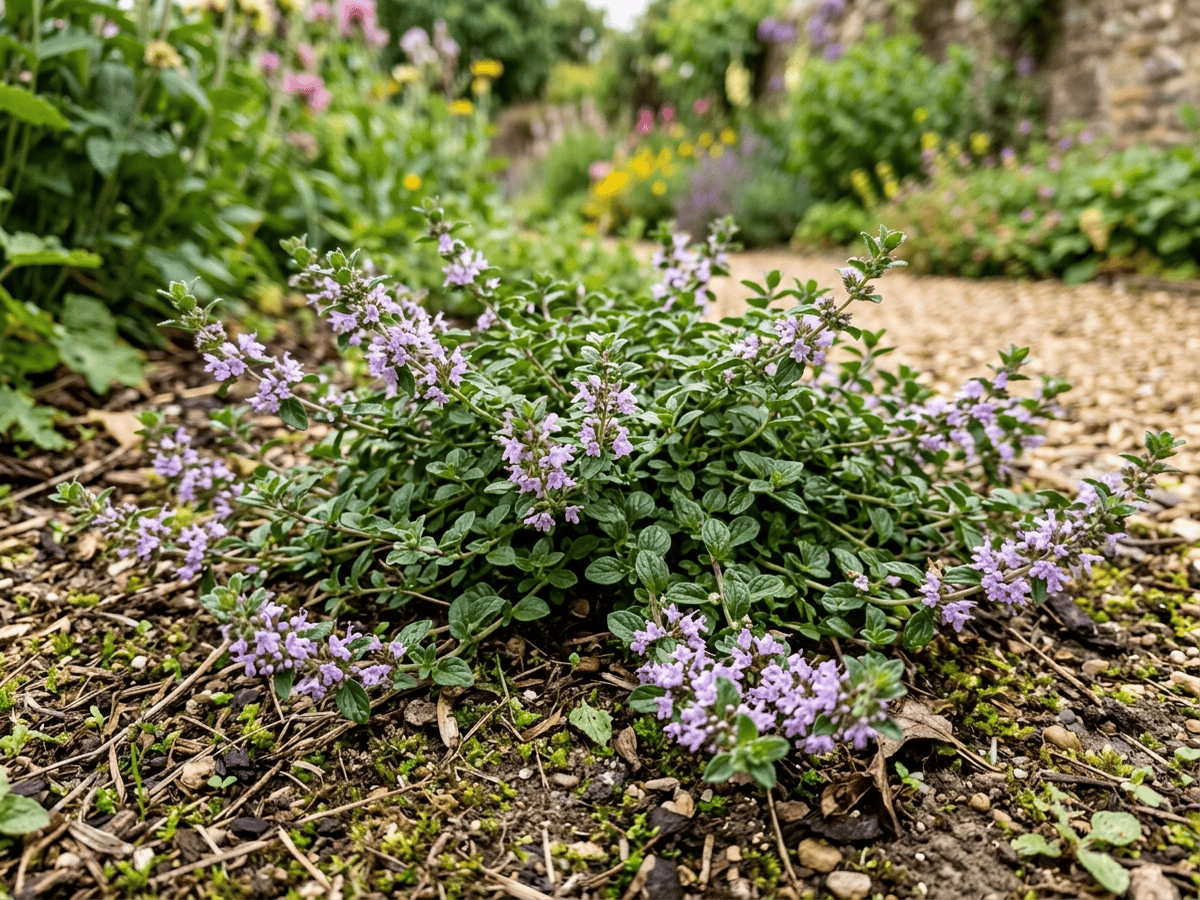 PennyroyalMentha pulegium
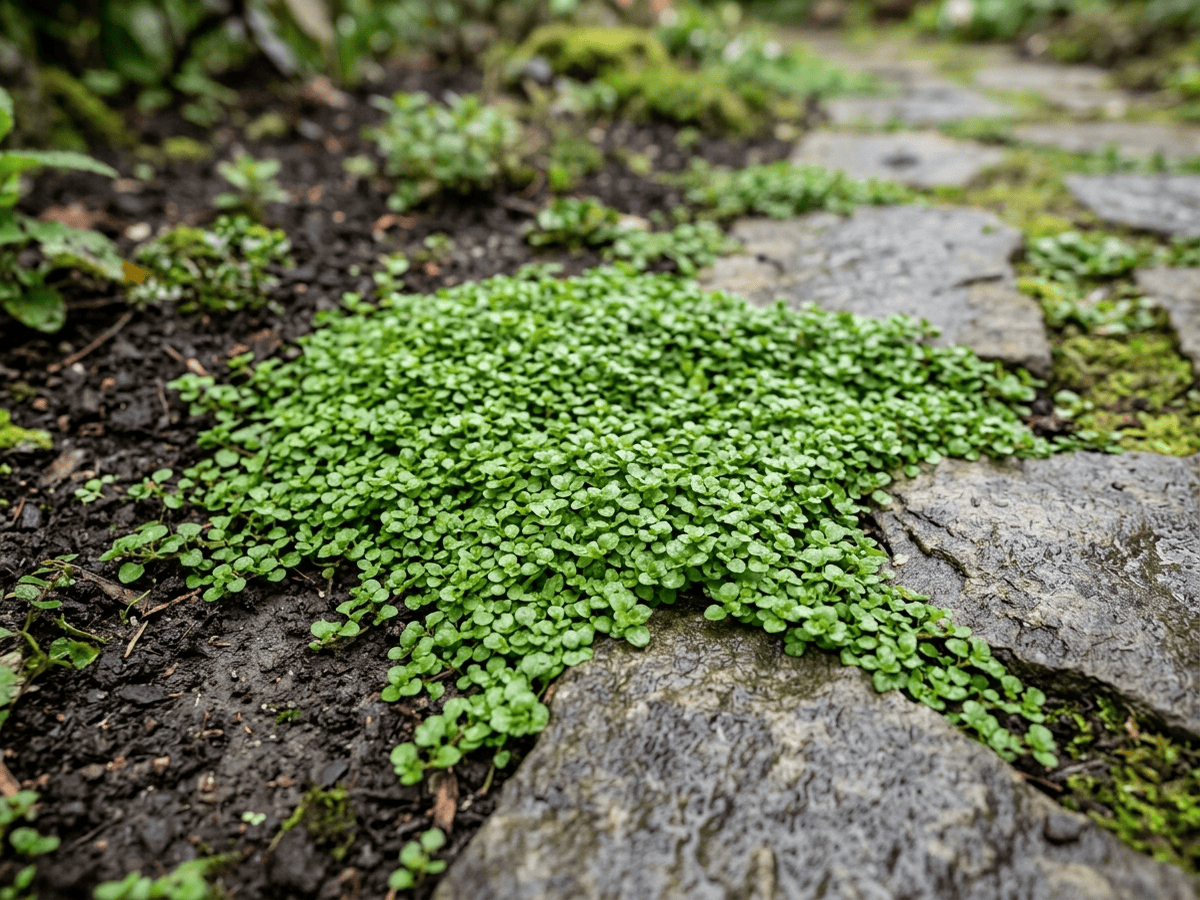 Corsican MintMentha requienii
 SpearmintMentha spicata
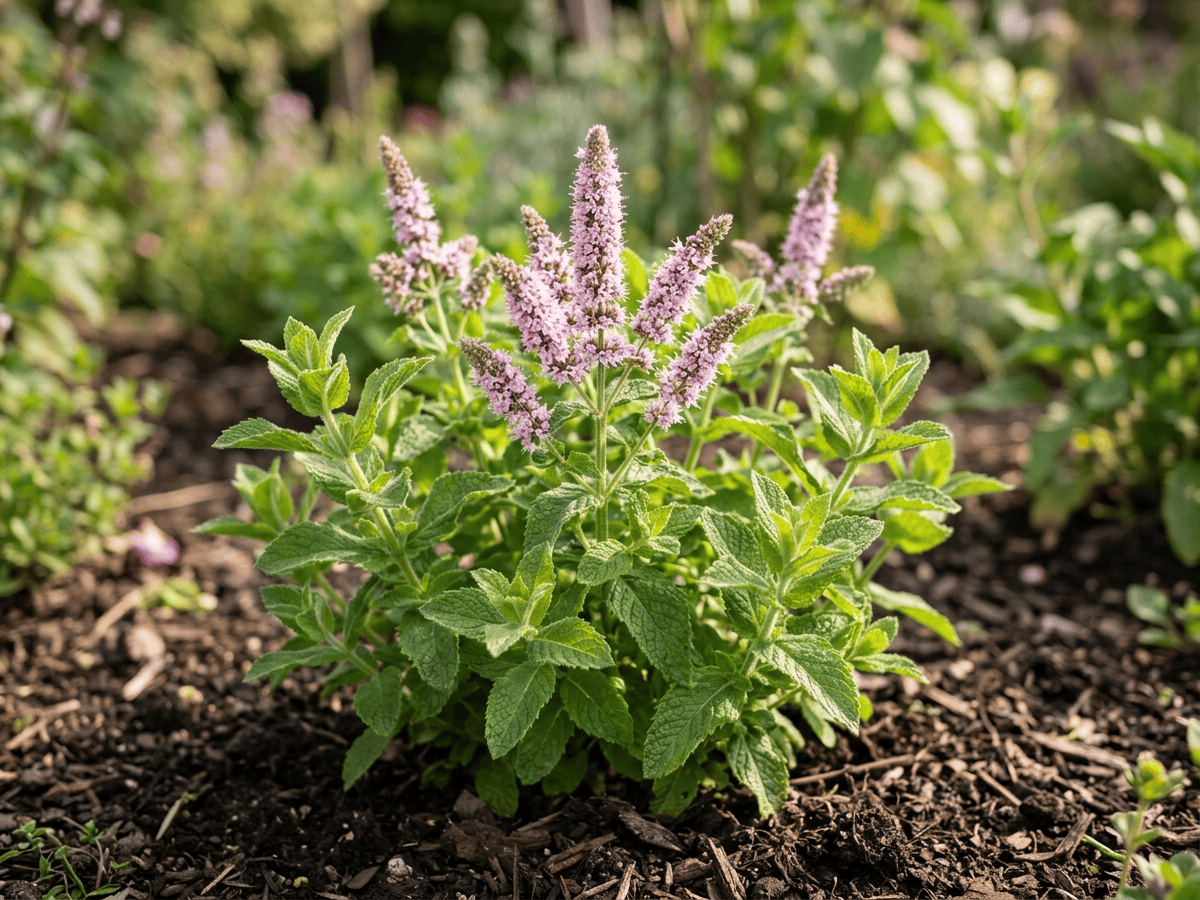 Apple MintMentha suaveolens
Plants with similar care
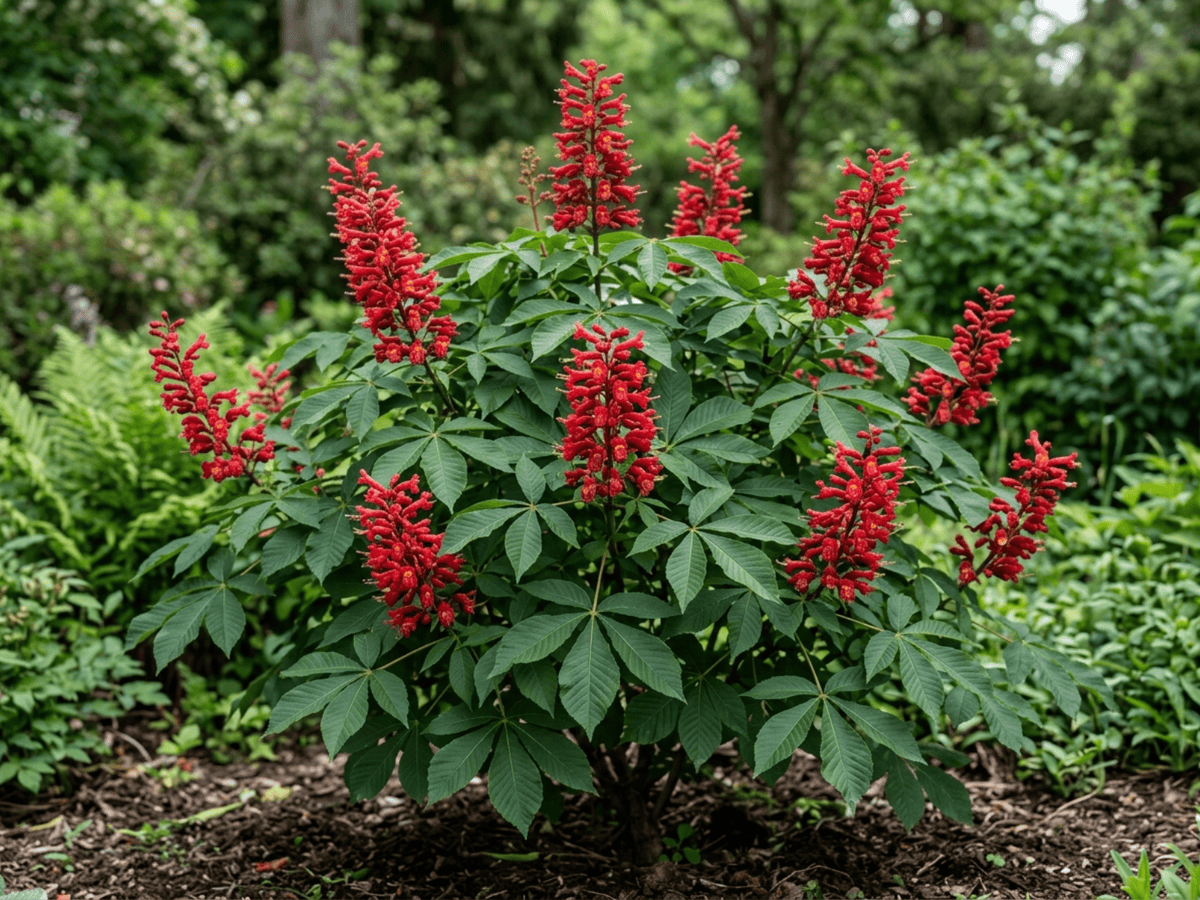 Red BuckeyeAesculus pavia
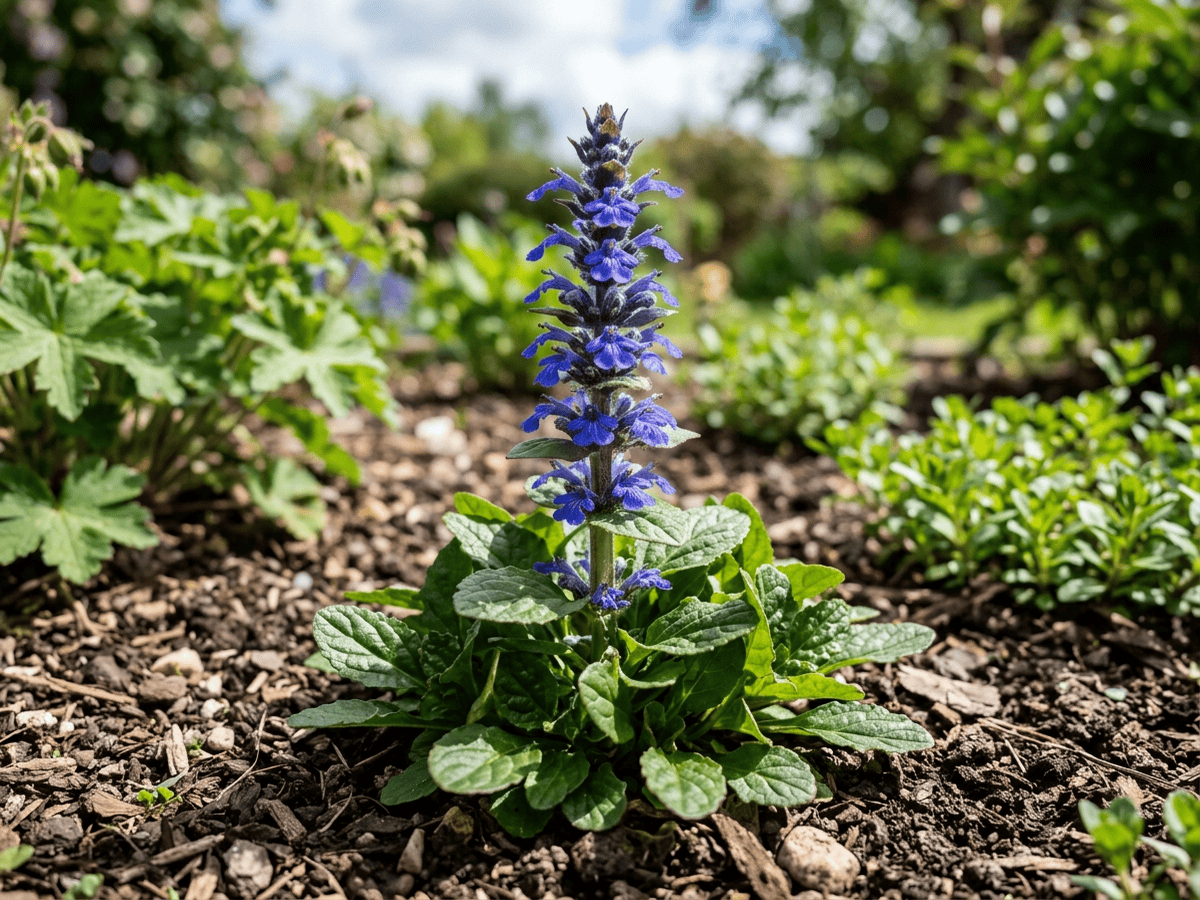 Blue BugleAjuga genevensis
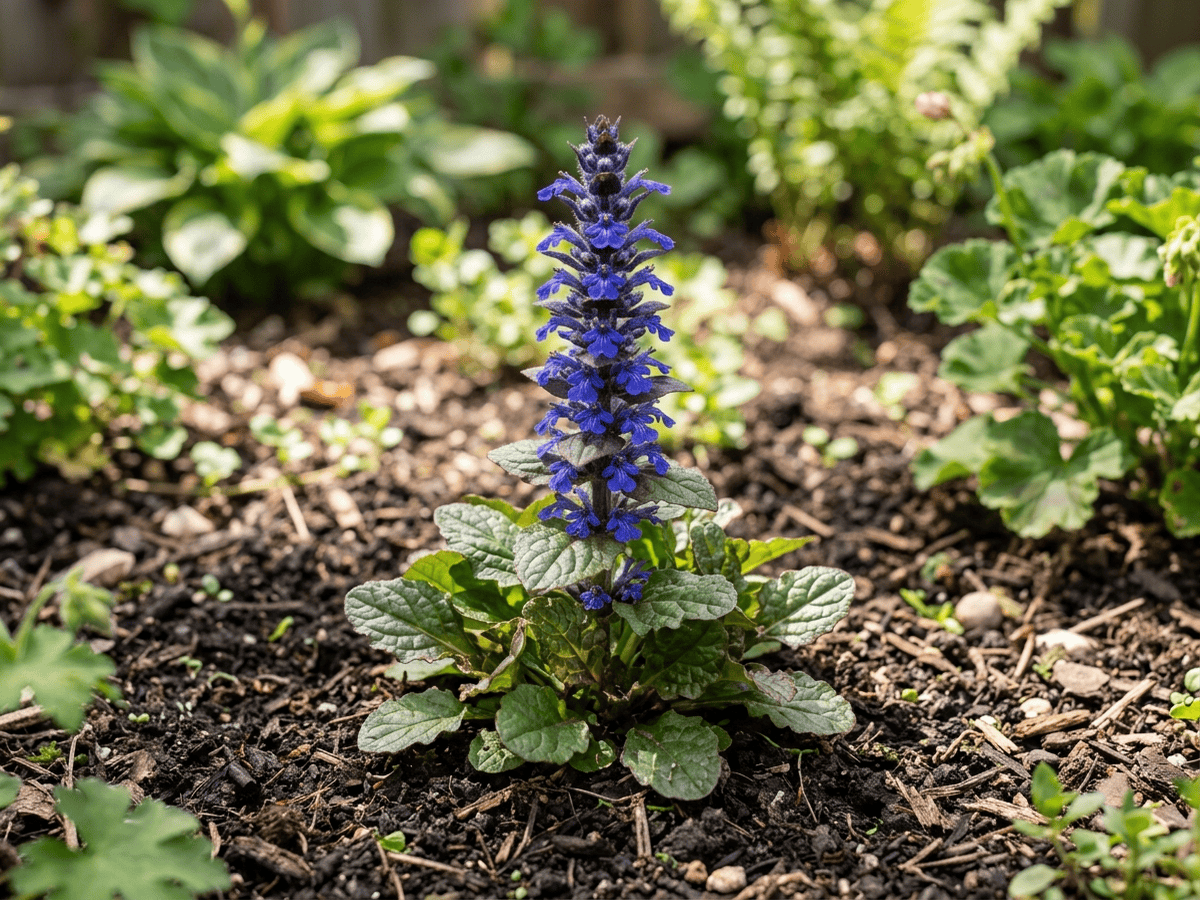 Pyramidal BugleAjuga pyramidalis
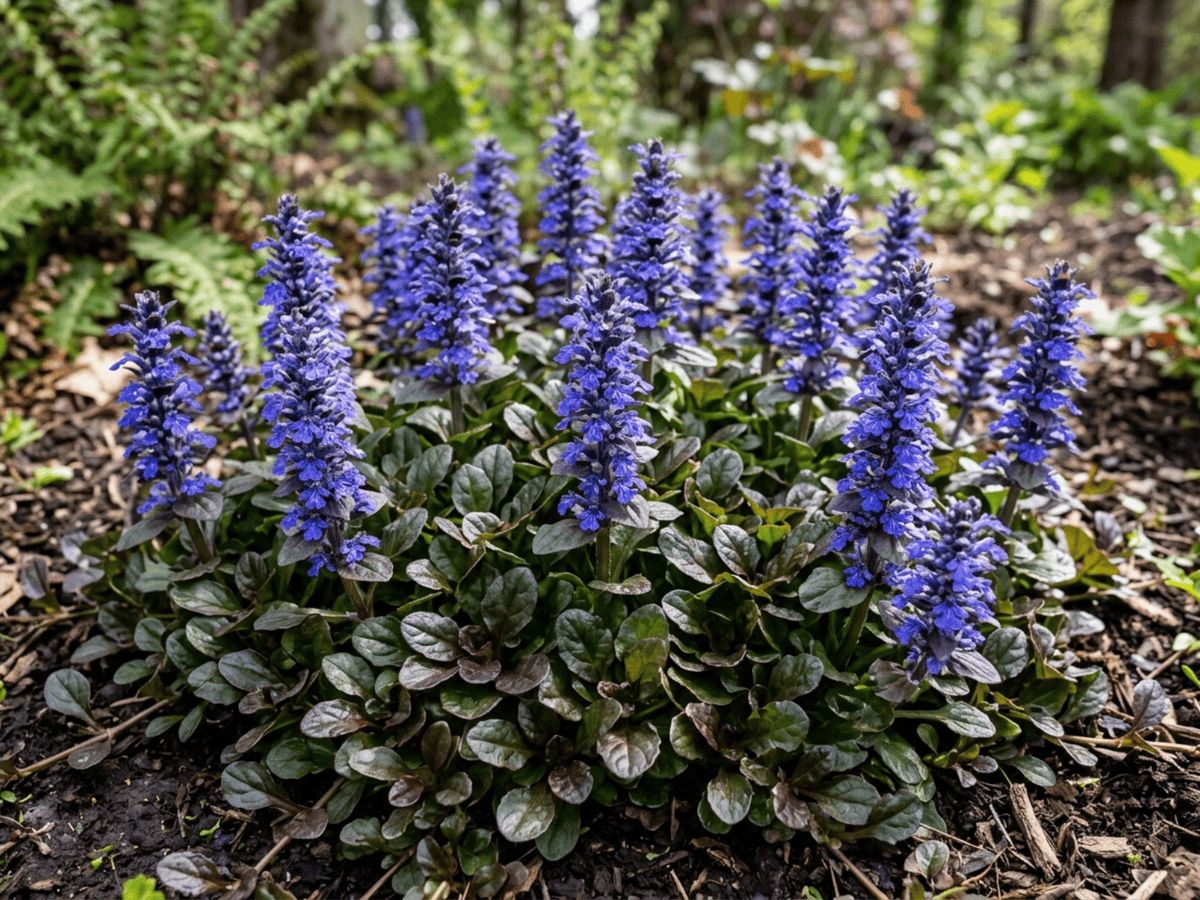 Carpet BugleAjuga reptans
Frequently asked questions
How often should I water Black Peppermint?
In summer, water about every 2 days; in winter, about every 7 days. Adjust for heat, pot size and drainage.
How much light does Black Peppermint need?
Part shade: 2–4 hrs direct. Watch the leaves — scorching or stretching means the light needs adjusting.
Is Black Peppermint toxic to cats or dogs?
Pets Moderate (Dogs Slight · Cats Moderate) Educational information, not medical or veterinary advice. If exposure is suspected, contact a doctor or veterinarian.
Is Black Peppermint easy to grow?
Yes — it is considered an easy, beginner-friendly plant.
When does Black Peppermint bloom?
It typically blooms Jun–Aug in the Northern Hemisphere.
YardMate
Identify any plant in seconds
Snap a photo — YardMate names the plant, diagnoses problems, and reminds you when to water.
Download on the App Store