 YardMate

White Bergamot
Monarda clinopodia
Easy · Beginner friendlyAbout White Bergamot
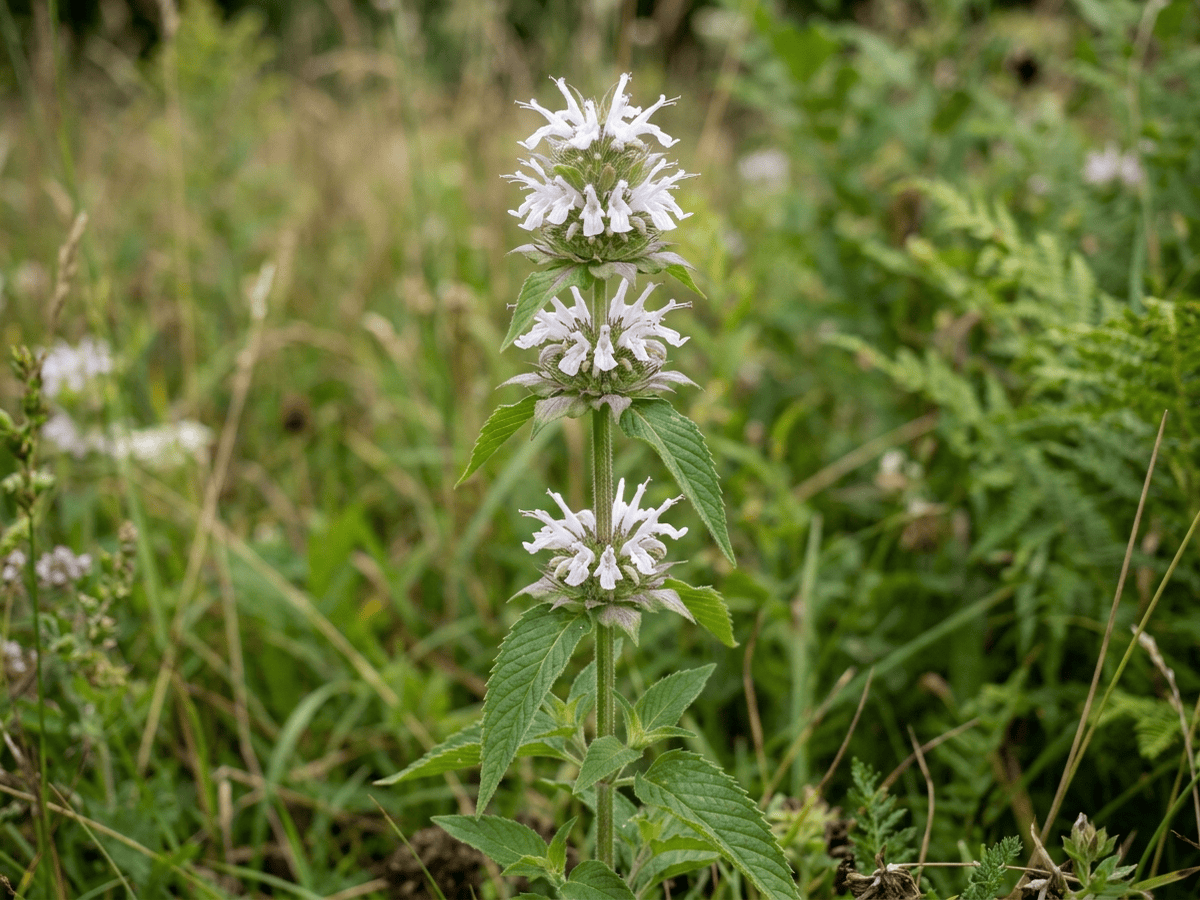
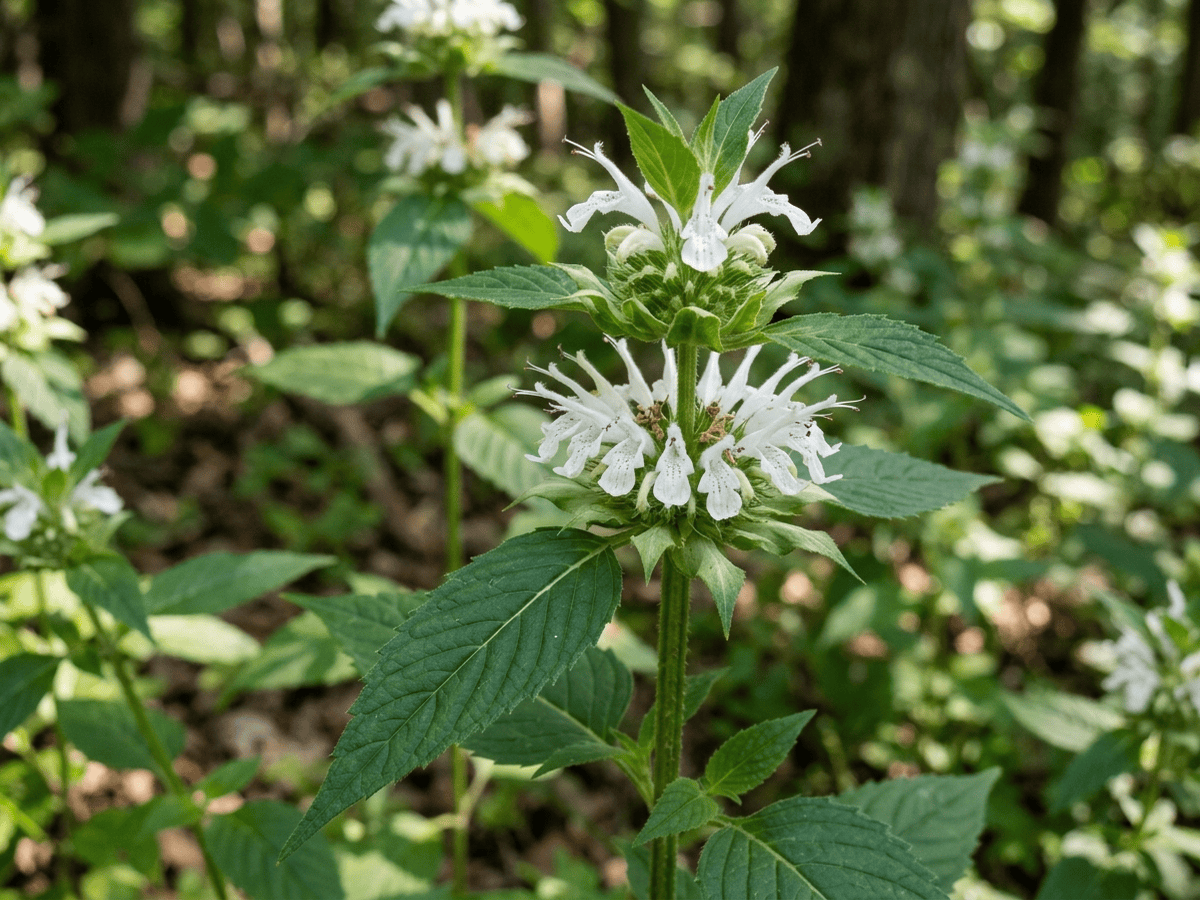
White Bergamot or Basil Bee Balm is an eastern US native perennial producing whorled heads of pale pink to white tubular flowers in summer. Growing 2 to 3 feet tall in moist woodland edges from New York through Georgia, it has sweet basil-scented foliage and supports native bees and hummingbirds. A specialty heritage native plant for shady American pollinator gardens.
- Fragrant
- Shade-tolerant
- Native
- Pollinator-friendly
How to care for White Bergamot
Watering
- Springevery 5 days
- Summerevery 3 days
- Fallevery 7 days
- Winterevery 14 days
Soil · Rich & well-draining
- Top dressingCompost10%
- Main mixPotting soil + compost 3:180%
- DrainageGravel10%
Top up the compost layer each season.
FERTILIZER
Balanced Feed 14-14-14
An even feed covers all three needs at once, keeping leaves, roots and blooms moving together with nothing pushed out of balance.
- Nitrogen · Leaves
- Phosphorus · Roots + Blooms
- Potassium · Strength
- Springevery 30 days
- Summerevery 45 days
At a Glance
- NativeNorth America
- Height2–4 ft (0.6–1.2 m)
- Spread1.5–2.5 ft (0.5–0.8 m)
- Flower colorWhite, Cream
- Foliage colorGreen
- SoilLoamy, Moisture-retentive
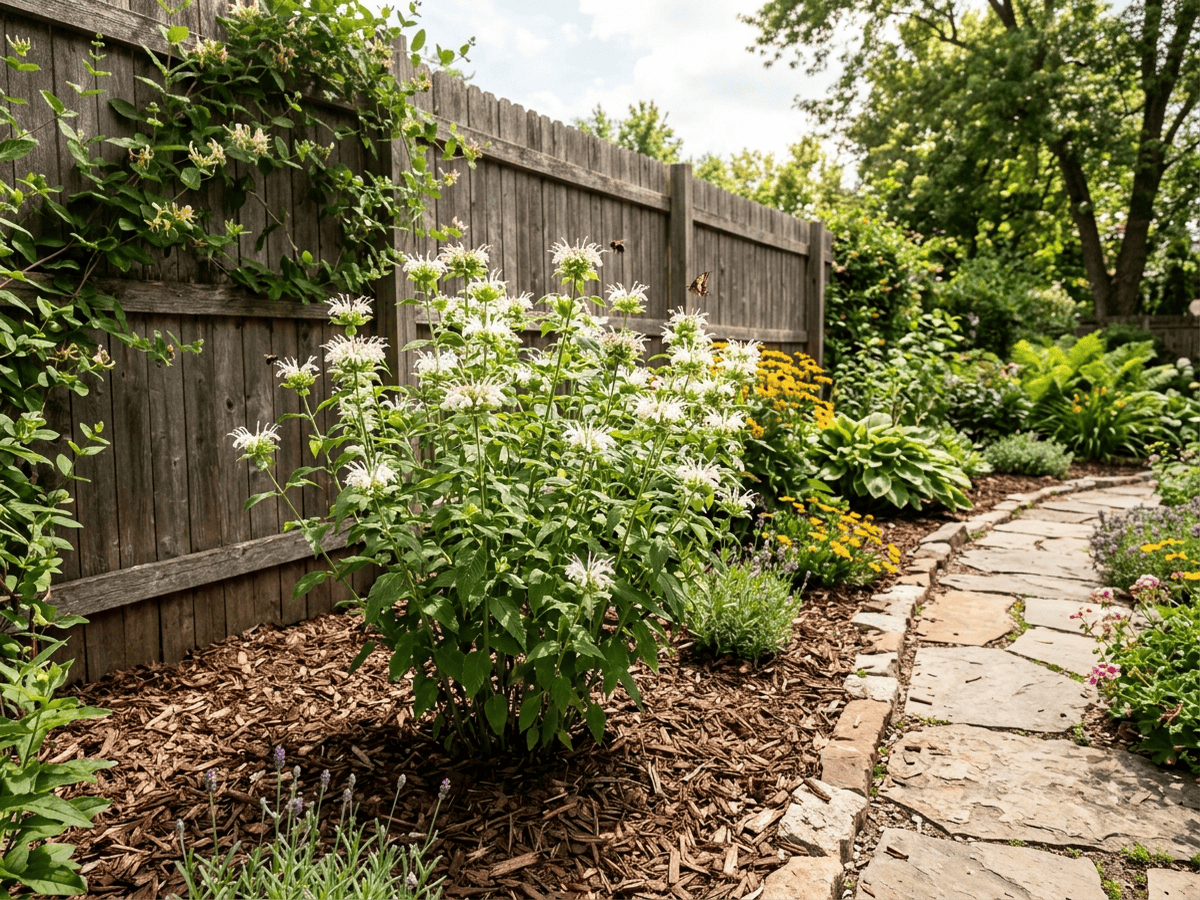
- LocationsYard
Bloom time
BLOOM CYCLE
Peak bloom
Jul–Aug
Pale pink to white whorled flowers midsummer
Fragrance
STRONG FRAGRANCE
Foliage strongly thyme- and oregano-scented when crushed.
Toxicity
No toxicity has been reported for this plant. Still, it is wise to keep pets from chewing on any houseplant.
Educational information, not medical or veterinary advice. If exposure is suspected, contact a doctor or veterinarian.
DISTRIBUTION


- Native
- North America
History

Monarda clinopodia, called basil bergamot or white bergamot, inhabits moist rich woods and streambanks from New York to Georgia. Linnaeus included it in Species Plantarum (1753), one of the earliest described species in the genus. Its mildly sweet, thyme-like leaves were brewed by Appalachian and Iroquois peoples into teas for colds, sore throats, and minor fevers, uses that carried over into early American folk medicine.
Unlike the showier scarlet M. didyma, its creamy-white flowers earned a quieter reputation, but botanists later recognized its value as a parent in mildew-resistant hybrids by breeders such as Piet Oudolf and Thompson & Morgan. It is now common in shaded native and pollinator gardens across the eastern United States.
Symbolism & meaning
What It Symbolizes
White Bergamot can symbolize gentle warmth through its softer, cream-white flower color, more reserved than the bold reds and purples of its bee balm relatives. Another layer is shade grace, for it is a rare shade-tolerant monarda, willing to bloom where its cousins refuse. In the eastern woodland garden, monarda clinopodia is the quiet bergamot, perfuming the dappled border with a hint of mint and lifting modest white whorls where most bee balms simply stop trying.
- Gentle warmth — softer flower colors than other bergamots
- Shade grace — rare shade-tolerant bee balm
Where the Name Comes From
The common name highlights its white coloring. 'clinopodia' from Greek means bed-foot, an old name for basil-like plants, referring to the basil-scented leaves.
Uses & Fun Facts
- Basil bee-balm leaves brewed into mint-oregano tea
- Foliage releases minty oregano scent when brushed
- Tubular pale flowers feed hummingbirds and bumblebees
- Seed heads provide late-season bird forage
Related plants
More Monarda plants
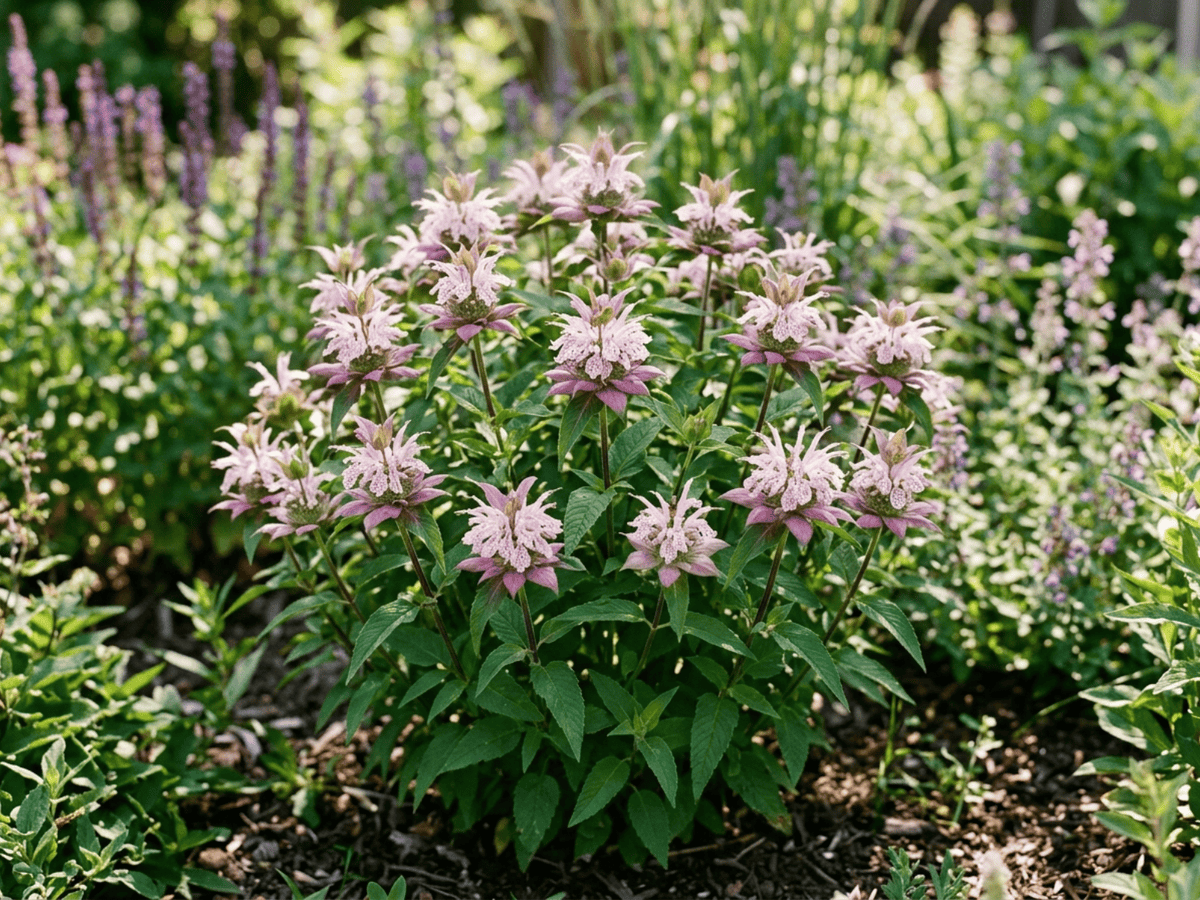 Eastern BeebalmMonarda bradburiana
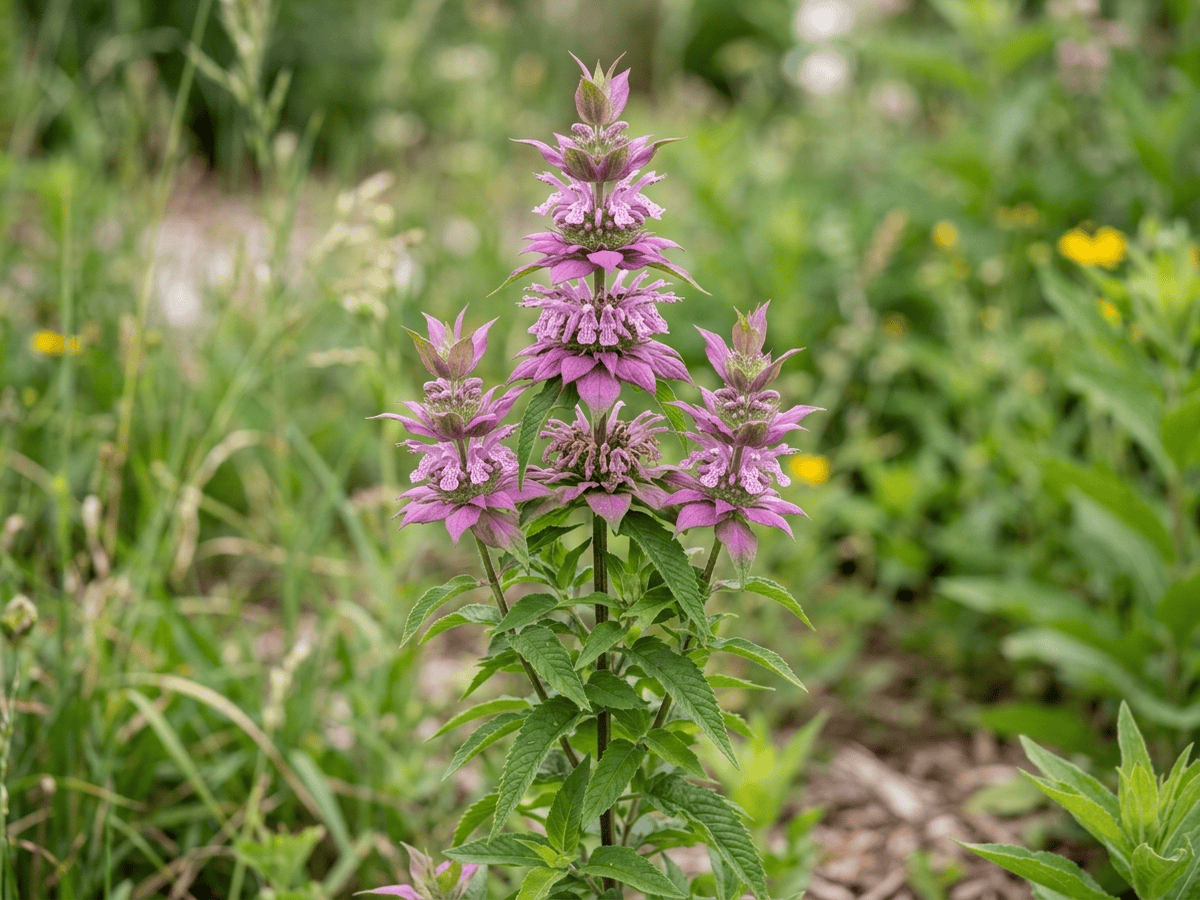 Lemon BeebalmMonarda citriodora
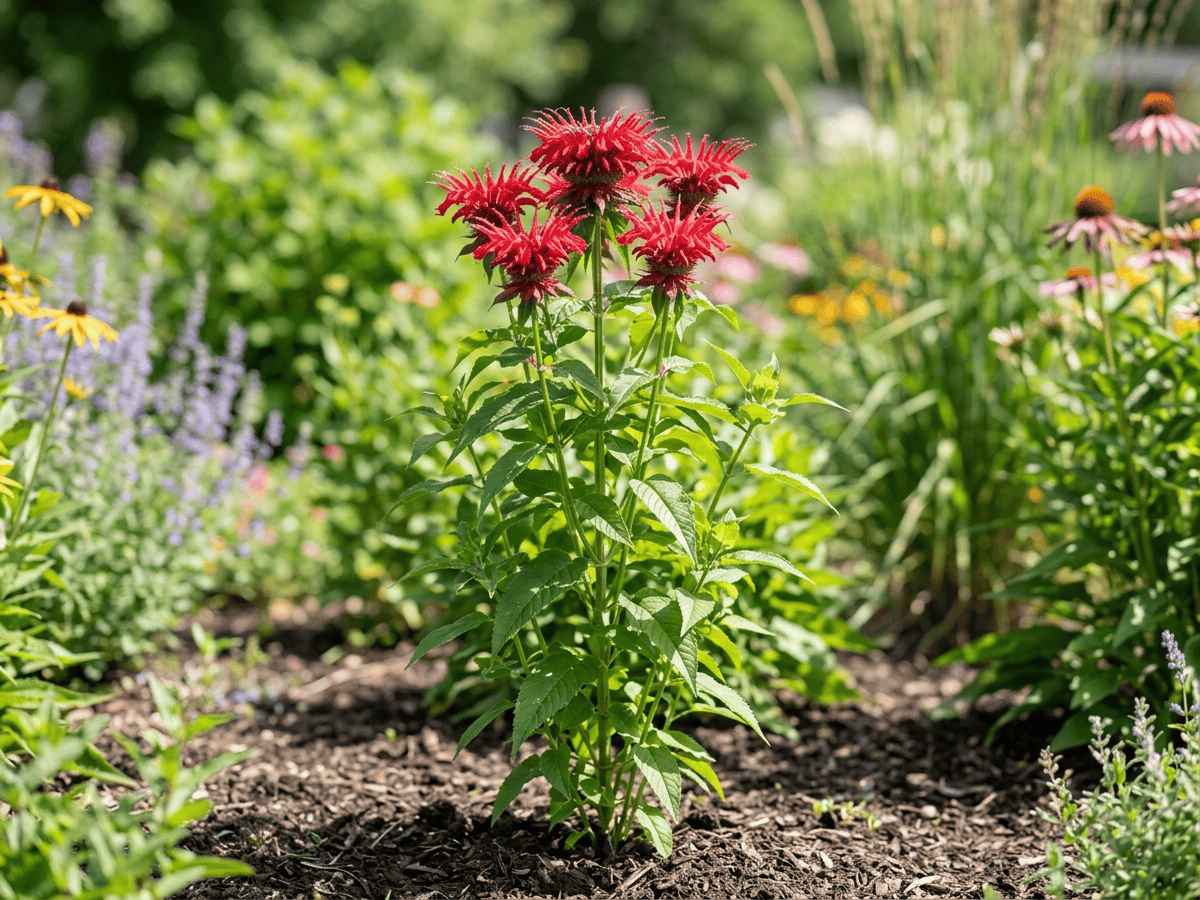 Scarlet BeebalmMonarda didyma
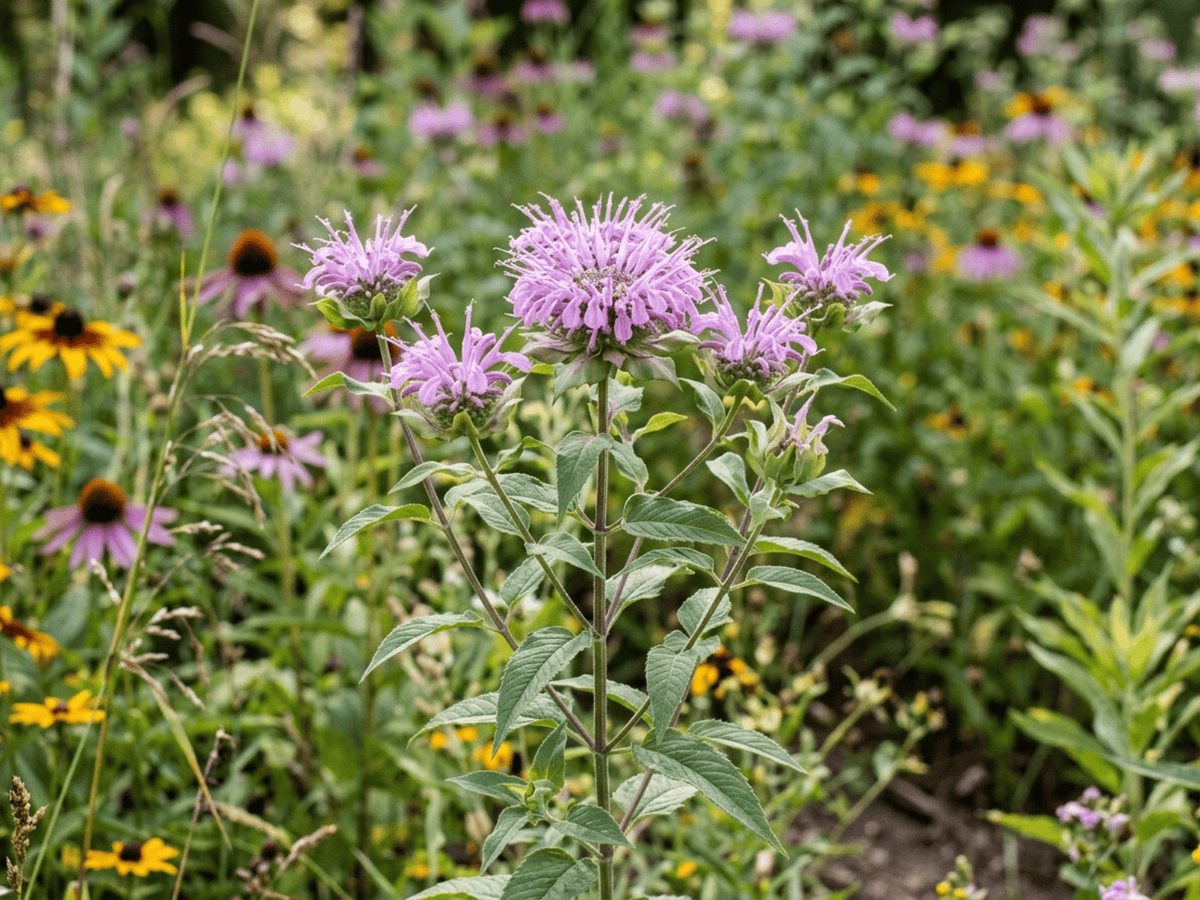 Wild BergamotMonarda fistulosa
Plants with similar care
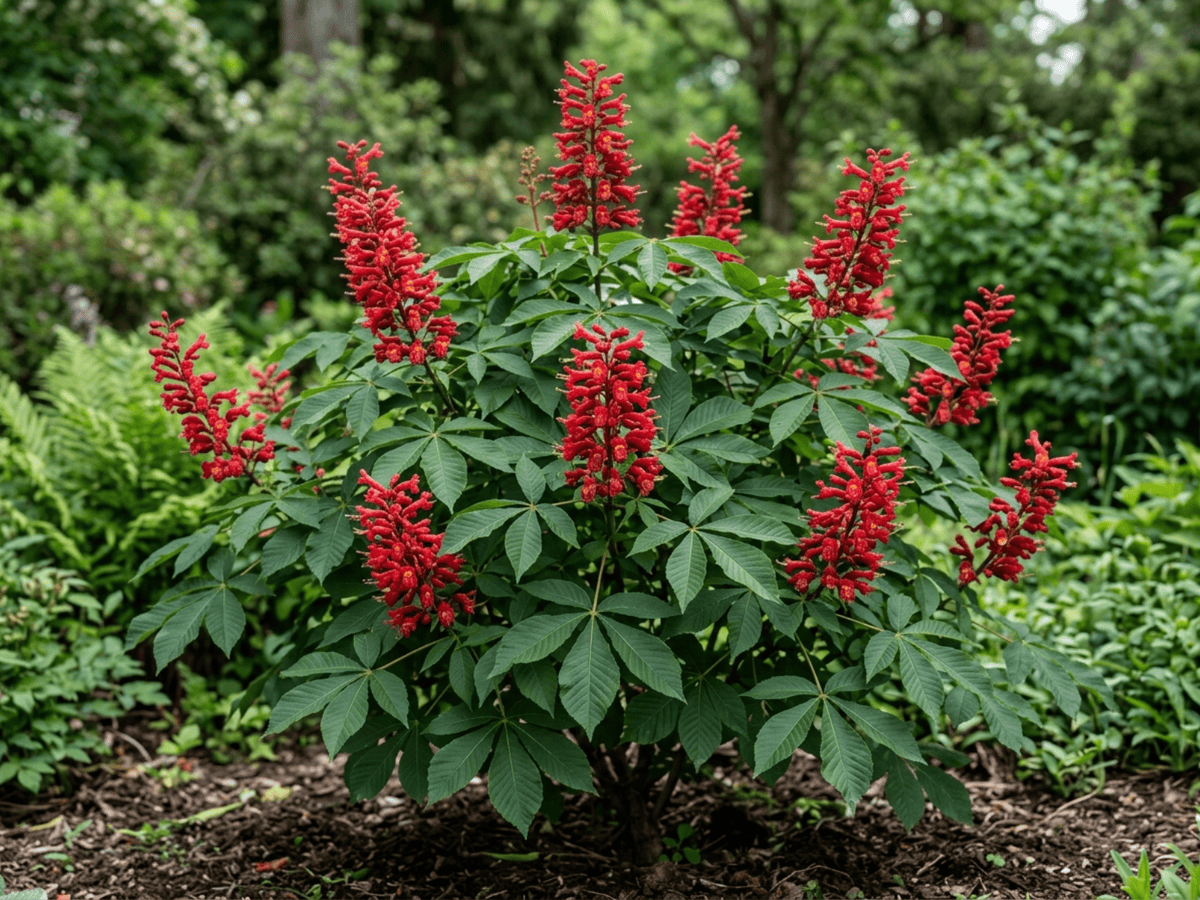 Red BuckeyeAesculus pavia
 Blue BugleAjuga genevensis
 Pyramidal BugleAjuga pyramidalis
 Carpet BugleAjuga reptans
Frequently asked questions
How often should I water White Bergamot?
In summer, water about every 3 days; in winter, about every 14 days. Adjust for heat, pot size and drainage.
How much light does White Bergamot need?
Part shade: 2–4 hrs direct. Watch the leaves — scorching or stretching means the light needs adjusting.
Is White Bergamot toxic to cats or dogs?
No toxicity has been reported for this plant. Still, it is wise to keep pets from chewing on any houseplant. Educational information, not medical or veterinary advice. If exposure is suspected, contact a doctor or veterinarian.
Is White Bergamot easy to grow?
Yes — it is considered an easy, beginner-friendly plant.
When does White Bergamot bloom?
It typically blooms Jul–Aug in the Northern Hemisphere.
YardMate
Identify any plant in seconds
Snap a photo — YardMate names the plant, diagnoses problems, and reminds you when to water.
Download on the App Store