 YardMate

Eastern Beebalm
Monarda bradburiana
Easy · Beginner friendlyAbout Eastern Beebalm
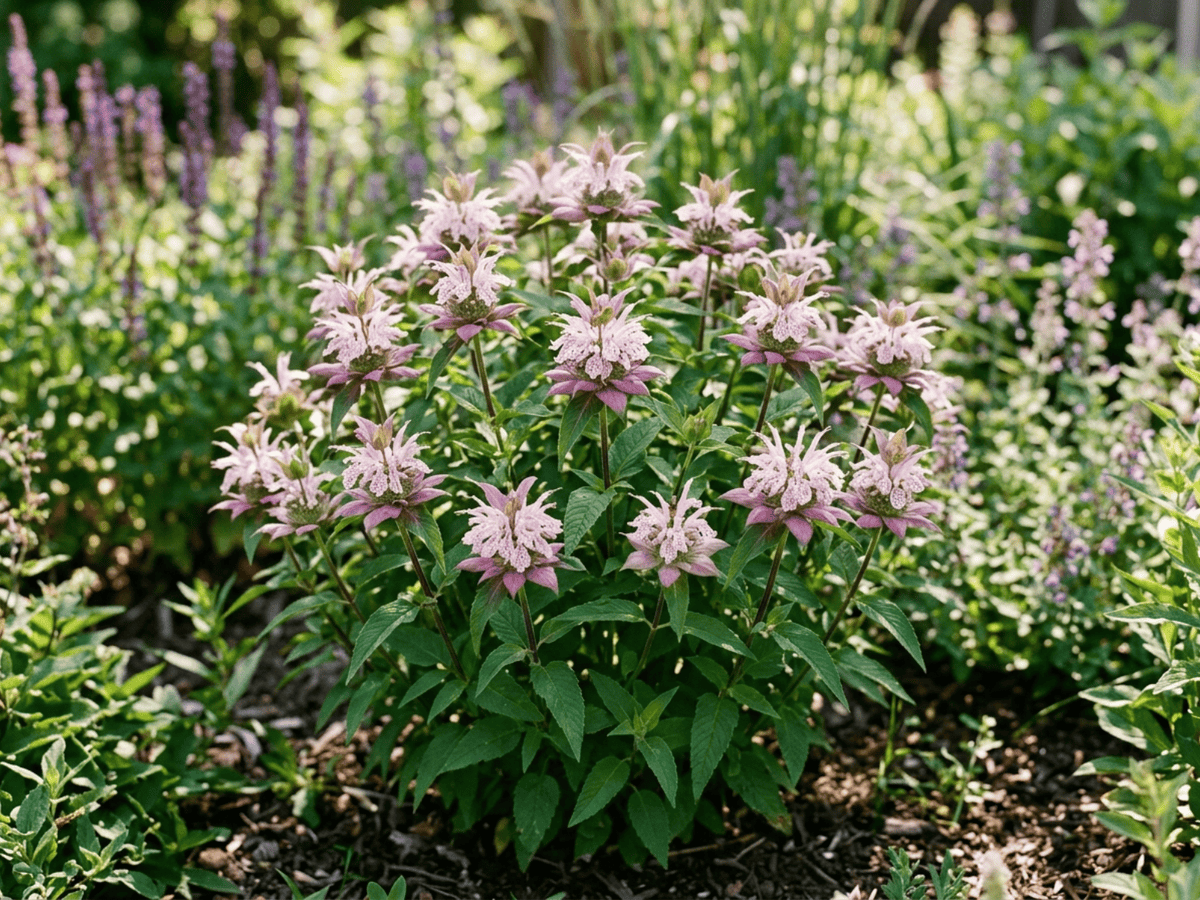
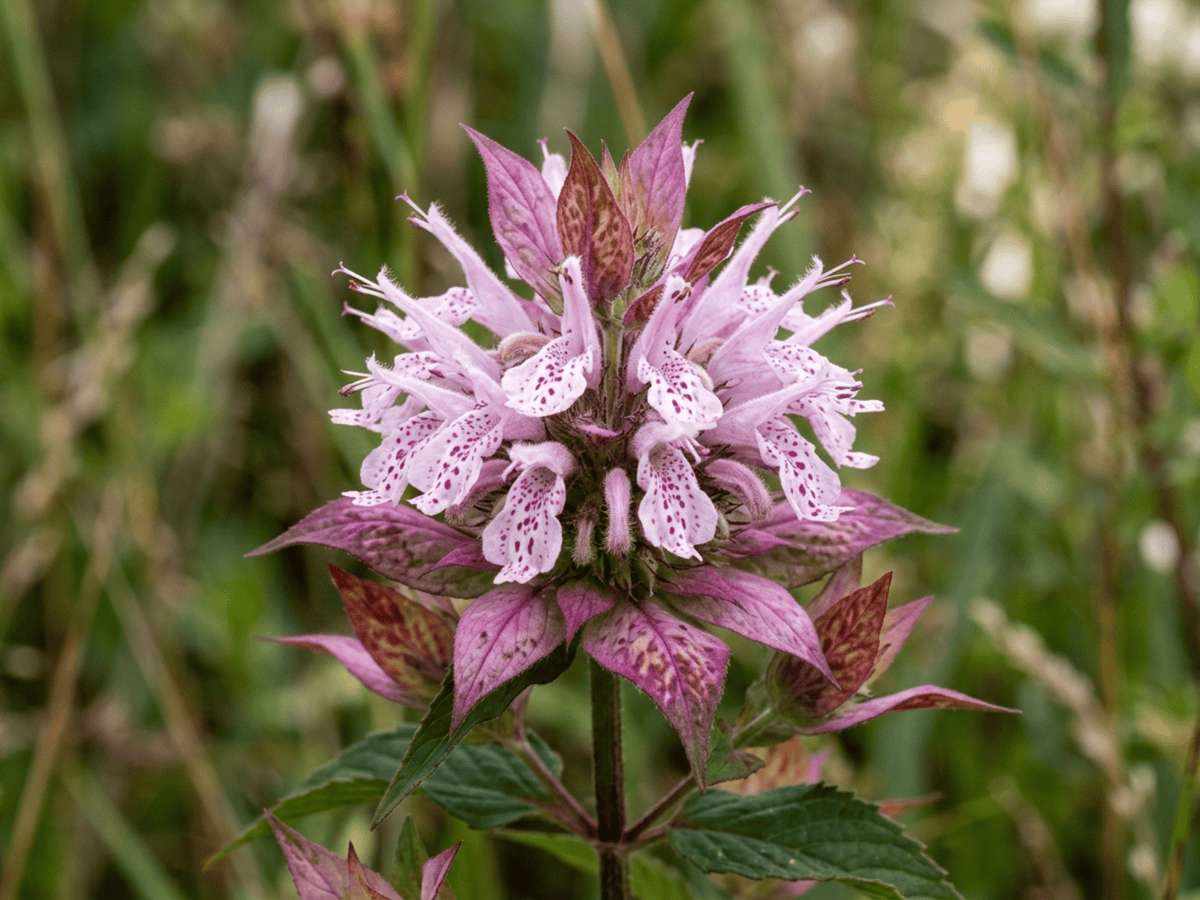
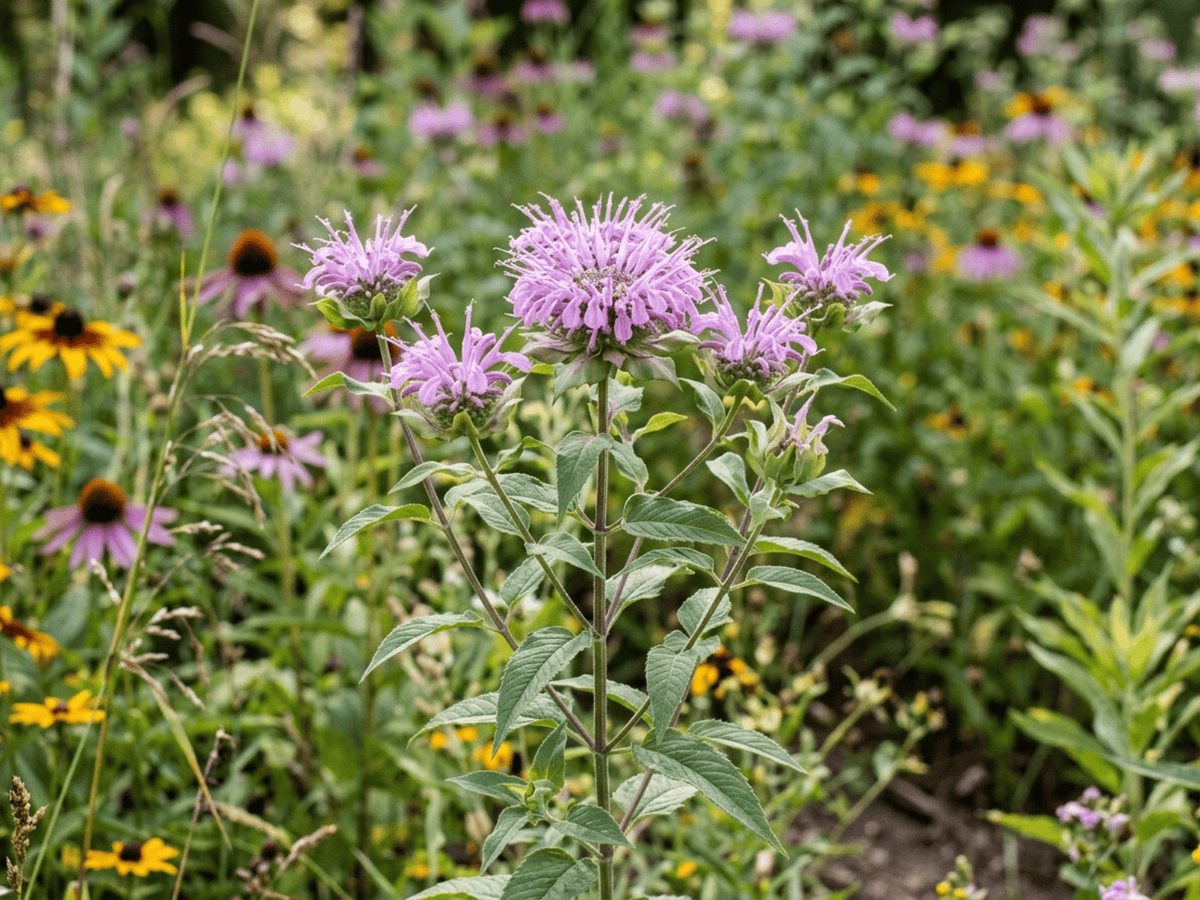
Eastern Bee Balm is a compact native American perennial from the south-central United States, growing 12-24 inches tall with aromatic foliage and showy pale pink flowers spotted with darker pink in early summer. Earlier blooming than most Monarda species and far more mildew-resistant, it is an underused gem for American woodland-edge and pollinator gardens from Missouri to the Mid-Atlantic.
- Drought-tolerant
- Deer-resistant
- Native
- Pollinator-friendly
How to care for Eastern Beebalm
Watering
- Springevery 5 days
- Summerevery 4 days
- Fallevery 7 days
- Winterpause watering
Soil · Well-draining
- Top dressingPine bark mulch10%
- Main mixPotting soil + perlite 2:170%
- DrainageLECA / gravel20%
Never skip the drainage layer — standing water is the top cause of root rot.
FERTILIZER
- Springevery 30 days
- Summerevery 30 days
At a Glance
- NativeNorth America
- Height1.5–2.5 ft (0.5–0.8 m)
- Spread1.5–2 ft (0.5–0.6 m)
- Flower colorPink, Purple
- Foliage colorGreen, Bronze
- SoilWell-drained, Loamy, Neutral
- LocationsYard
Bloom time
BLOOM CYCLE
Peak bloom
May–Jun
Pale pink spotted flowers May to June
Fragrance
MODERATE FRAGRANCE
The foliage has a minty, thyme-like scent.
Toxicity
Humans Slight · Pets Slight
thymol and carvacrol
Slight
- All
- Ingestion
EXPOSURE Eating any part of the plant.
EFFECT Mild GI upset in quantity.
NOTE Low toxicity; foliage is aromatic and traditionally used as herbal tea.
Slight
- All
- Ingestion
EXPOSURE Eating any part of the plant.
EFFECT Mild vomiting.
NOTE Low toxicity; foliage is aromatic and traditionally used as herbal tea.
Slight
- All
- Ingestion
EXPOSURE Eating any part of the plant.
EFFECT Mild vomiting.
NOTE Low toxicity; foliage is aromatic and traditionally used as herbal tea.
Educational information, not medical or veterinary advice. If exposure is suspected, contact a doctor or veterinarian.
DISTRIBUTION

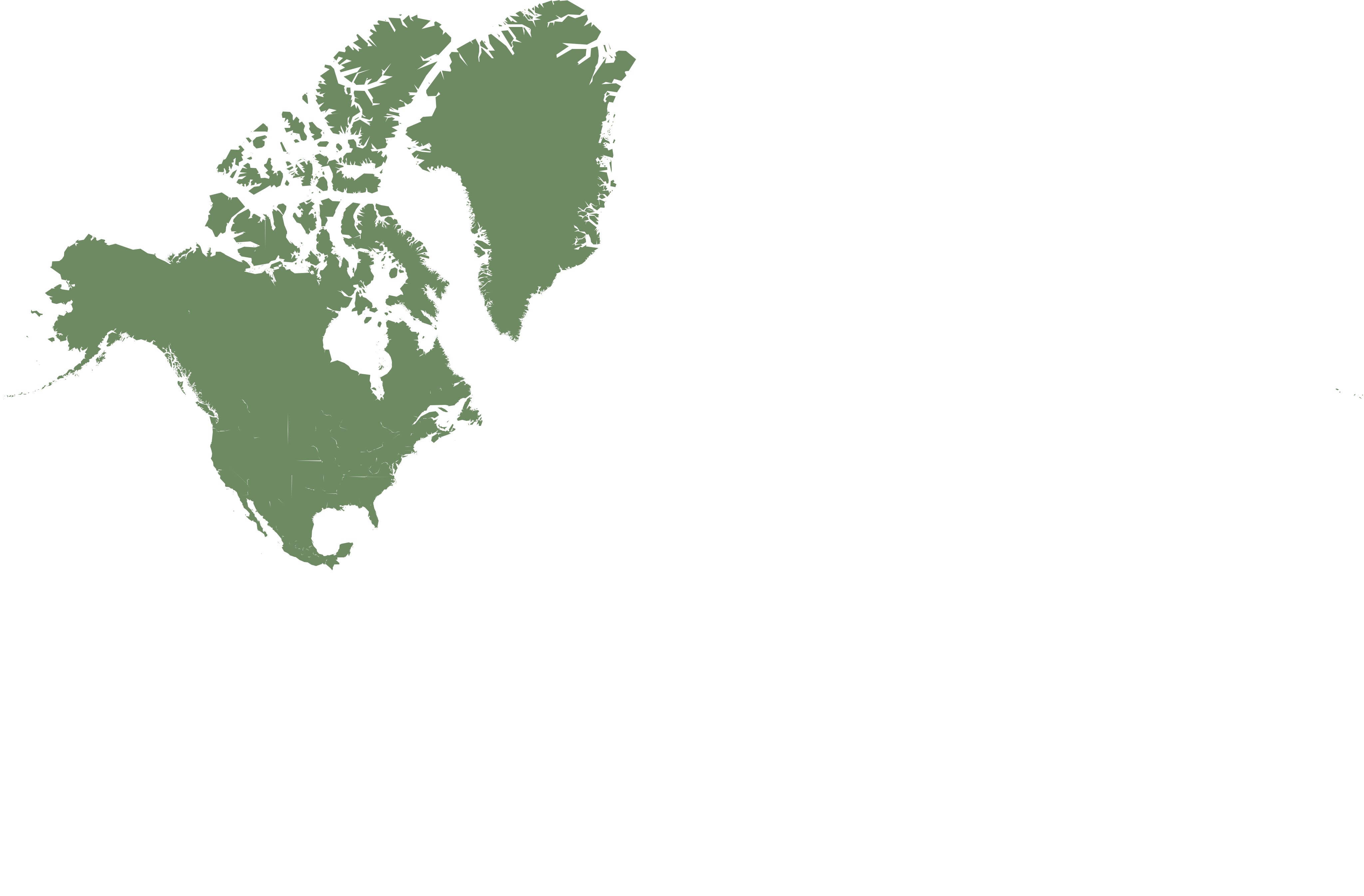
- Native
- North America
History
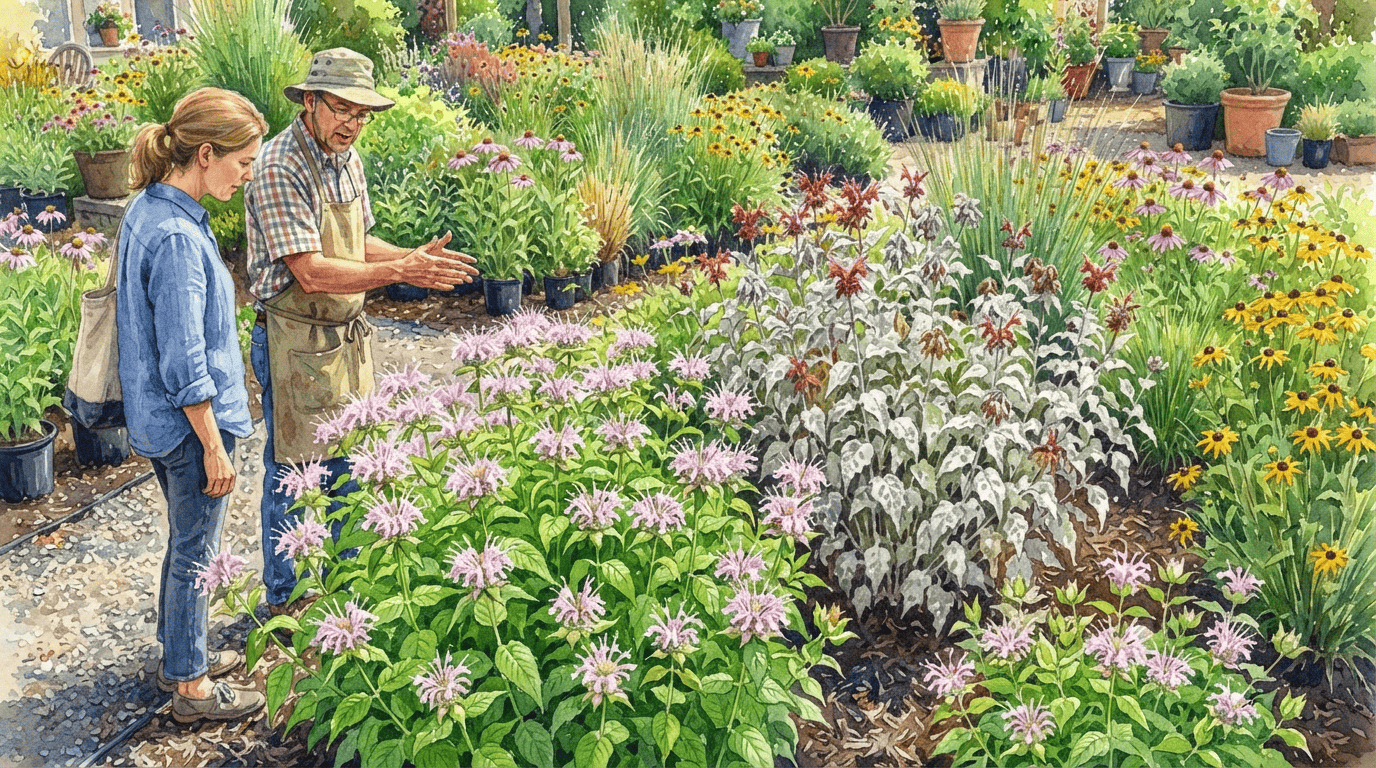
Monarda bradburiana grows in dry open woods and rocky glades of the central and south-central United States from Indiana to Texas. English botanist John Bradbury, who accompanied the Astor Pacific Fur Company expedition up the Missouri River in 1810-11, collected specimens that Lewis Beck formally named in 1826 to honor him. Bradbury's Travels in the Interior of America remains a classic frontier natural history.
The species gained horticultural attention in the late 20th century through prairie-garden advocates like Neil Diboll of Prairie Nursery, who promoted it for notably better powdery mildew resistance than M. didyma cultivars—a persistent problem with garden bee balms. Its pale pink-lavender flowers appear in May-June, earlier than most monardas, extending the genus's garden season. Increasingly popular in American native plant circles for its clean foliage and earlier bloom compared to Monarda didyma or M. fistulosa.
Symbolism & meaning
What It Symbolizes
Eastern Beebalm suggests Renewal — its lavender whorls opening in early summer, marking the bridge between spring ephemerals and high-summer bloom. It carries a heritage tied to the early American botanical exploration that first catalogued the rich Midwestern prairies and savannas. A small native bee plant standing at the seam between two seasons.
- Renewal — early summer bloom marking spring transition
- Heritage — connects to early American botanical exploration
Where the Name Comes From
The name Eastern Beebalm describes its bee-attracting flowers. 'Bradburiana' honors John Bradbury (1768–1823), Scottish-American naturalist.
Uses & Fun Facts
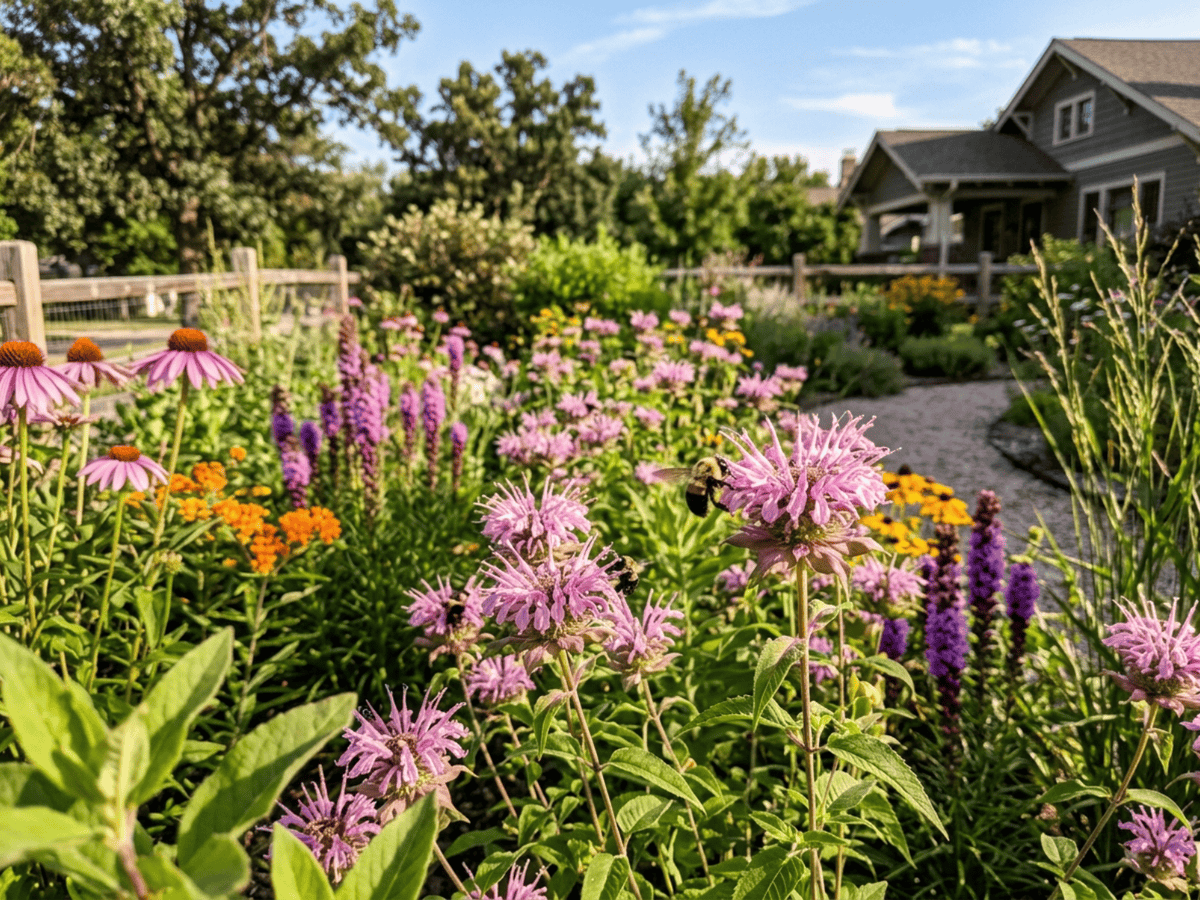
- Pink whorled flowers feed bees, butterflies, and hummingbirds
- Crushed leaves release minty oregano-like aroma
- Native bee balm used by Indigenous peoples for fevers
Related plants
More Monarda plants
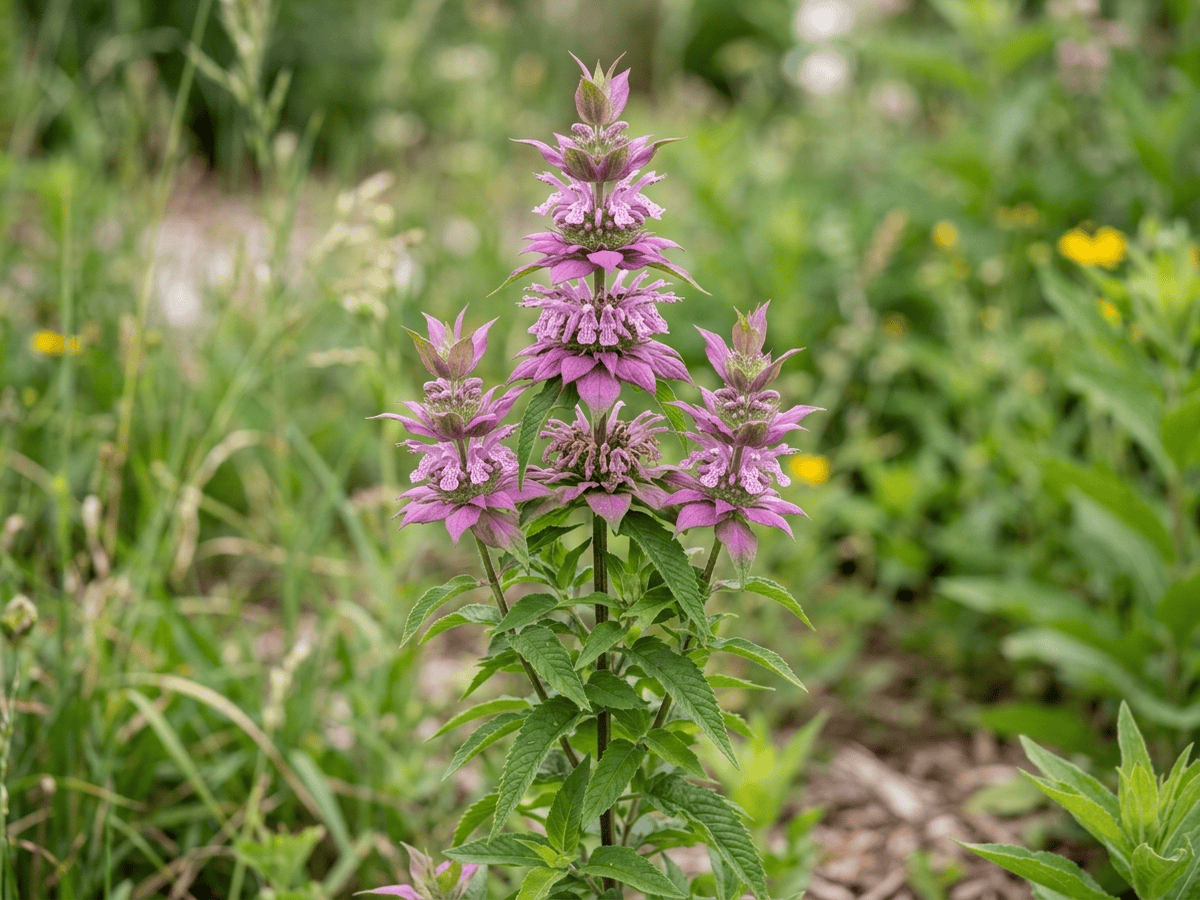 Lemon BeebalmMonarda citriodora
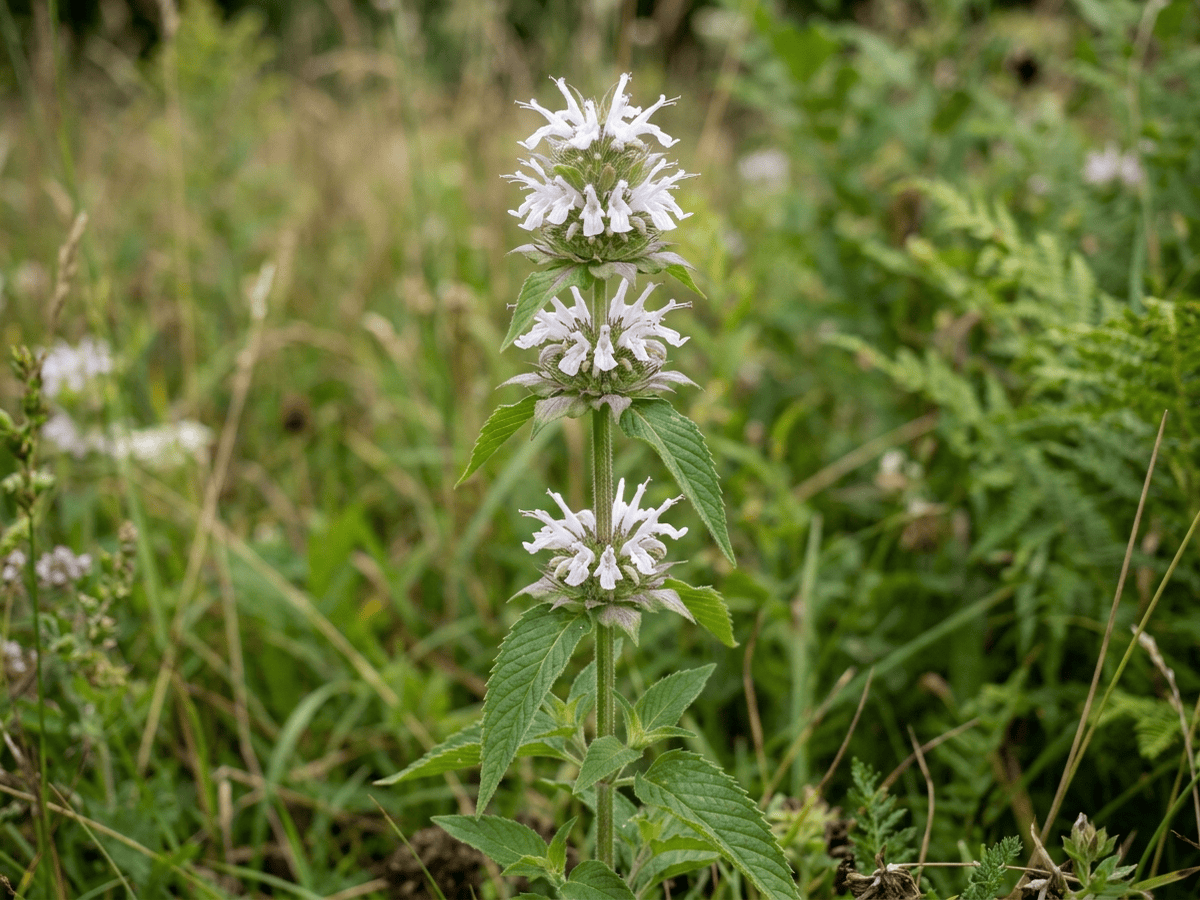 White BergamotMonarda clinopodia
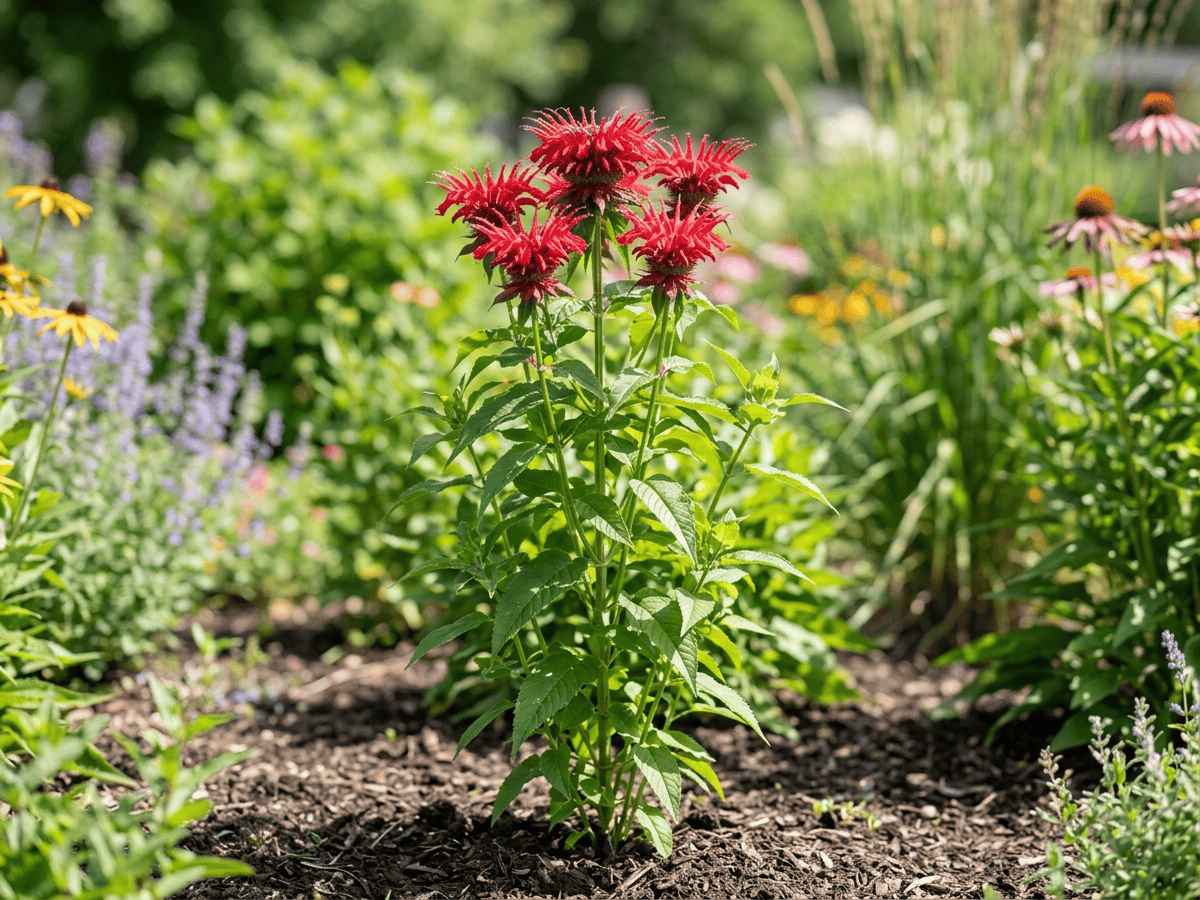 Scarlet BeebalmMonarda didyma
 Wild BergamotMonarda fistulosa
Plants with similar care
 Chinese AbeliaAbelia chinensis
 Fragrant AbeliaAbelia mosanensis
 Large-Flowered AbeliaAbelia uniflora
 Glossy AbeliaAbelia x grandiflora
Frequently asked questions
How often should I water Eastern Beebalm?
Water about every 5 days during the growing season, and always let excess water drain away.
How much light does Eastern Beebalm need?
Full sun: 6+ hrs direct. Watch the leaves — scorching or stretching means the light needs adjusting.
Is Eastern Beebalm toxic to cats or dogs?
Pets Slight (Dogs Slight · Cats Slight) Educational information, not medical or veterinary advice. If exposure is suspected, contact a doctor or veterinarian.
Is Eastern Beebalm easy to grow?
Yes — it is considered an easy, beginner-friendly plant.
When does Eastern Beebalm bloom?
It typically blooms May–Jun in the Northern Hemisphere.
YardMate
Identify any plant in seconds
Snap a photo — YardMate names the plant, diagnoses problems, and reminds you when to water.
Download on the App Store