 YardMate
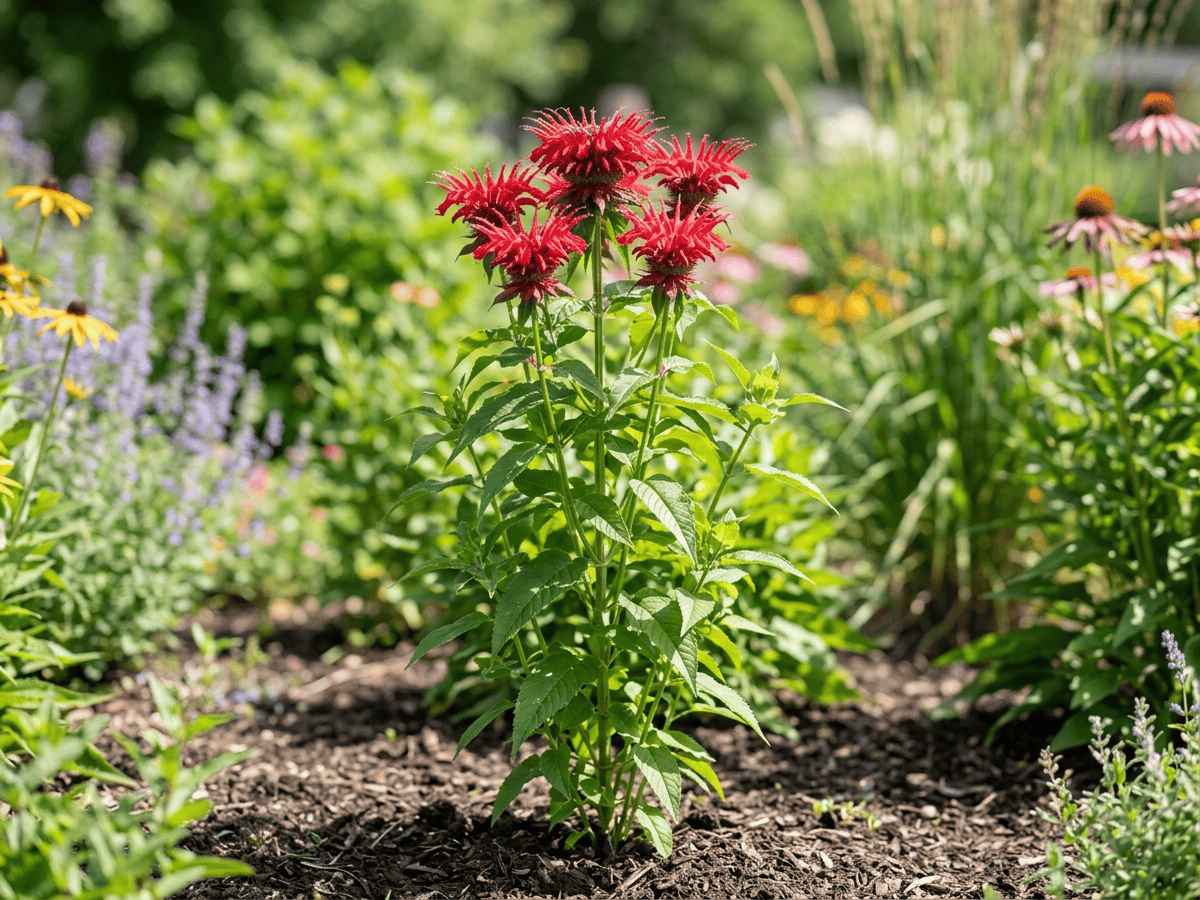


Scarlet Beebalm
Monarda didyma
Medium · Some experienceAbout Scarlet Beebalm
Monarda didyma, commonly known as bee balm, Oswego tea, or bergamot, is a clump-forming perennial in the Lamiaceae family native to eastern North America. It reaches 60–120 cm tall with square stems, aromatic lance-shaped leaves, and spectacular whorled flower heads in shades of red, pink, purple, or white. The tubular florets are irresistible to hummingbirds, butterflies, and bees.
Bee balm thrives in USDA zones 3–9, preferring moist, fertile soil in full sun to light shade. Good air circulation is essential because the species is prone to powdery mildew—mildew-resistant cultivars like 'Jacob Cline' and 'Raspberry Wine' are recommended. Divide clumps every 2–3 years to maintain vigour and prevent the centre from dying out. Deadheading prolongs bloom from midsummer into early autumn.
The leaves brew a pleasant, mildly citrus tea that the Oswego people of New York shared with early colonists—hence the common name. During the Boston Tea Party era, Oswego tea became a patriotic substitute for imported black tea. The plant is also used to flavour salads and as a garnish. In the ornamental garden, red bee balm is unsurpassed for attracting ruby-throated hummingbirds and makes a stunning mid-border statement.
- Edible
- Fragrant
- Cold-hardy
- Native
How to care for Scarlet Beebalm
Watering
- Springevery 3 days
- Summerevery 2 days
- Fallevery 4 days
- Winterevery 7 days
Soil · Rich & well-draining
- Top dressingCompost10%
- Main mixPotting soil + compost 3:180%
- DrainageGravel10%
Top up the compost layer each season.
FERTILIZER
Balanced Feed 14-14-14
An even feed covers all three needs at once, keeping leaves, roots and blooms moving together with nothing pushed out of balance.
- Nitrogen · Leaves
- Phosphorus · Roots + Blooms
- Potassium · Strength
- Springevery 30 days
- Summerevery 30 days
- Fallevery 45 days
At a Glance
- NativeNorth America
- Height2–4 ft (0.6–1.2 m)
- Spread1.5–3 ft (0.5–0.9 m)
- Flower colorRed, Pink, Purple, White
- Foliage colorGreen
- SoilLoamy, Moisture-retentive
- LocationsYard
Bloom time
BLOOM CYCLE
Peak bloom
Jun–Aug
Deadhead spent whorls promptly and thin stems for airflow to discourage mildew.
Fragrance
STRONG FRAGRANCE
The foliage has an oregano-bergamot aroma.
Toxicity
Humans Safe · Pets Safe
thymol and carvacrol
Safe
EXPOSURE No exposure route is reported.
EFFECT Traditional tea herb and no significant toxicity.
NOTE Listed as non-toxic for humans; avoid eating ornamental plants unless confirmed edible.
Safe
EXPOSURE No exposure route is reported.
EFFECT Not listed as toxic.
NOTE Listed as non-toxic for dogs; avoid eating ornamental plants unless confirmed edible.
Safe
EXPOSURE No exposure route is reported.
EFFECT Not listed as toxic.
NOTE Listed as non-toxic for cats; avoid eating ornamental plants unless confirmed edible.
Educational information, not medical or veterinary advice. If exposure is suspected, contact a doctor or veterinarian.
DISTRIBUTION


- Native
- Introduced
- North America
History

Monarda didyma is native to the moist woodlands and streamsides of eastern North America from southern Canada through the Appalachians. It was used by numerous Indigenous peoples — particularly the Iroquois-affiliated Oswego nation of upstate New York — as a medicinal and beverage tea. The genus honors the 16th-century Spanish physician-botanist Nicolás Monardes, who catalogued New World plants despite never visiting America.
After the Boston Tea Party of 1773 and subsequent colonial boycott of British tea, American colonists adopted M. didyma as "Oswego tea," learning the preparation from the Oswego people. It was exported back to Britain as a patriotic curiosity. The plant's name "bee balm" reflects the intense pollinator activity it attracts — hummingbirds in particular swarm the red-flowered forms.
Modern cultivars include mildew-resistant strains developed by the US National Arboretum and include "Jacob Cline," "Marshall's Delight," and the "Grand" series. The Oswego Nation taught colonists to brew the plant's leaves as tea. After the Boston Tea Party (1773), Americans adopted Oswego tea as a boycott alternative to British imports. John Bartram sent seeds to England in the 1740s, launching its European garden career.
Symbolism & meaning
What It Symbolizes
Scarlet Beebalm is compassion in color. The Oswego people shared its fragrant leaves with settlers, and the plant later lent its flavor to a tea of independence after Boston harbor turned political. Hummingbirds read the red blooms differently, as a summer signal of nectar. Its meaning is generous exchange.
- Compassion — Its use in healing teas and its shared heritage between Native Americans and settlers symbolize generous care
- Independence — As the patriotic tea of the American Revolution, it represents self-reliance and liberty
Where the Name Comes From
The name Scarlet Beebalm describes its bee-attracting flowers. Monarda honours Nicolás Monardes, a 16th-century Spanish botanist who documented New World plants; 'didyma' means 'in pairs', referring to the paired stamens.
Uses & Fun Facts
- Aromatic leaves brewed as Oswego tea by colonial Americans
- Crushed foliage smells of bergamot and citrus
- Shaggy red flower heads bring native flair to summer bouquets
- Tubular flowers favored by hummingbirds and clearwing moths
Related plants
More Monarda plants
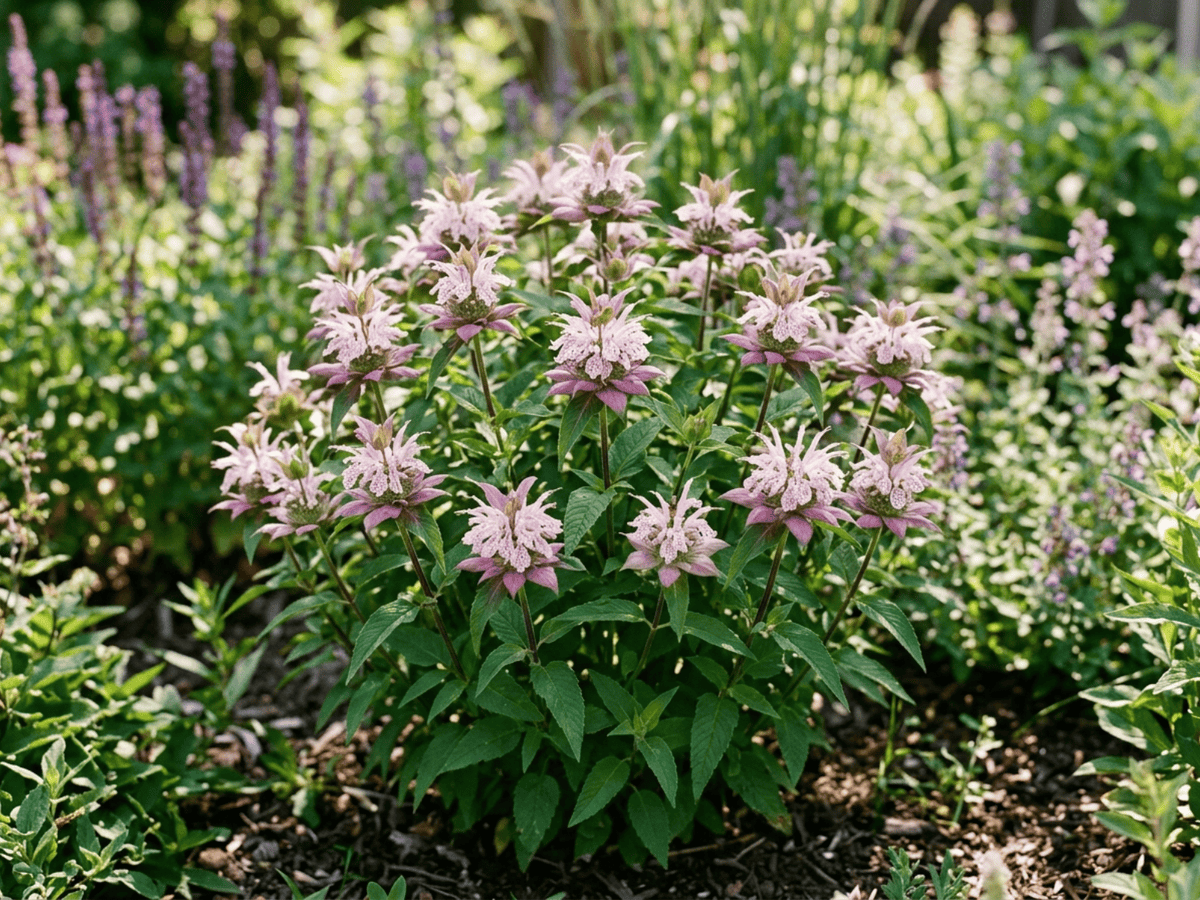 Eastern BeebalmMonarda bradburiana
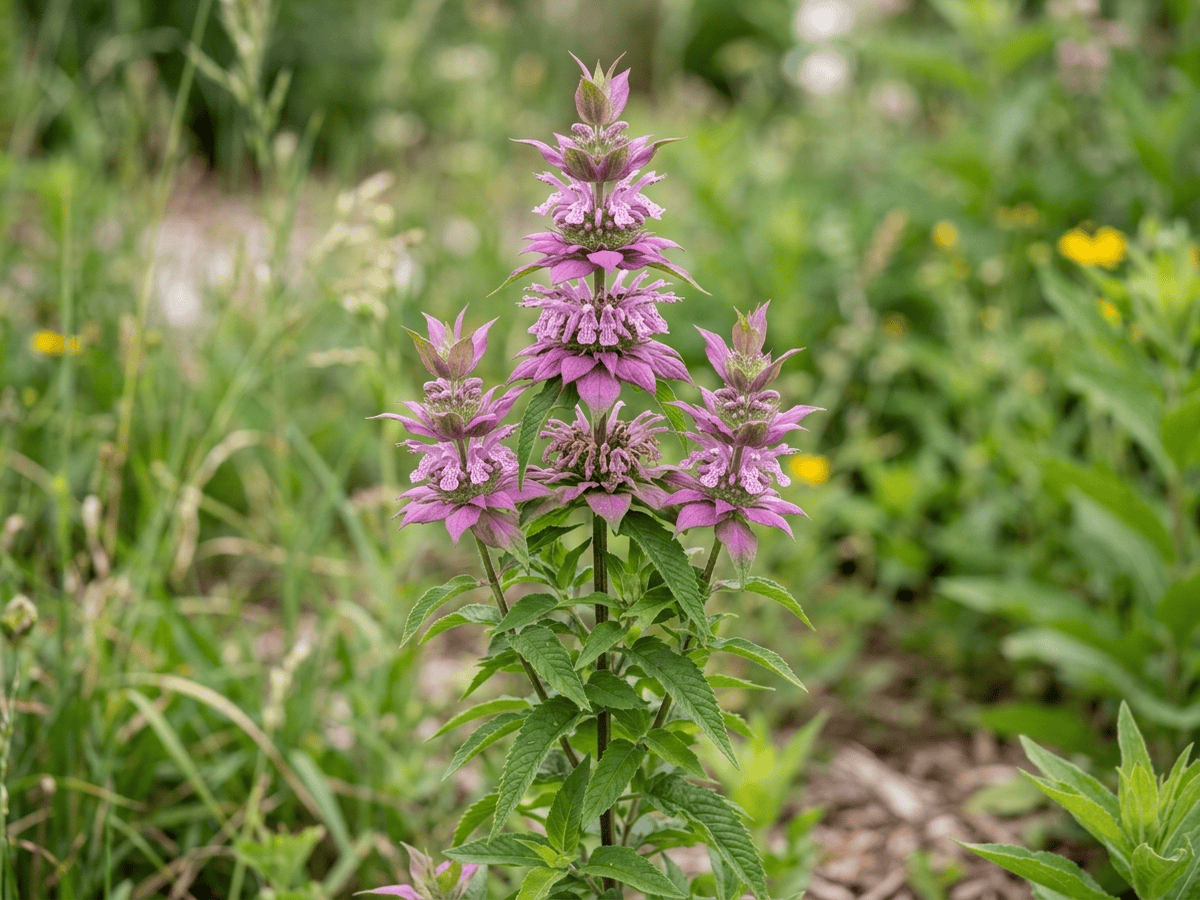 Lemon BeebalmMonarda citriodora
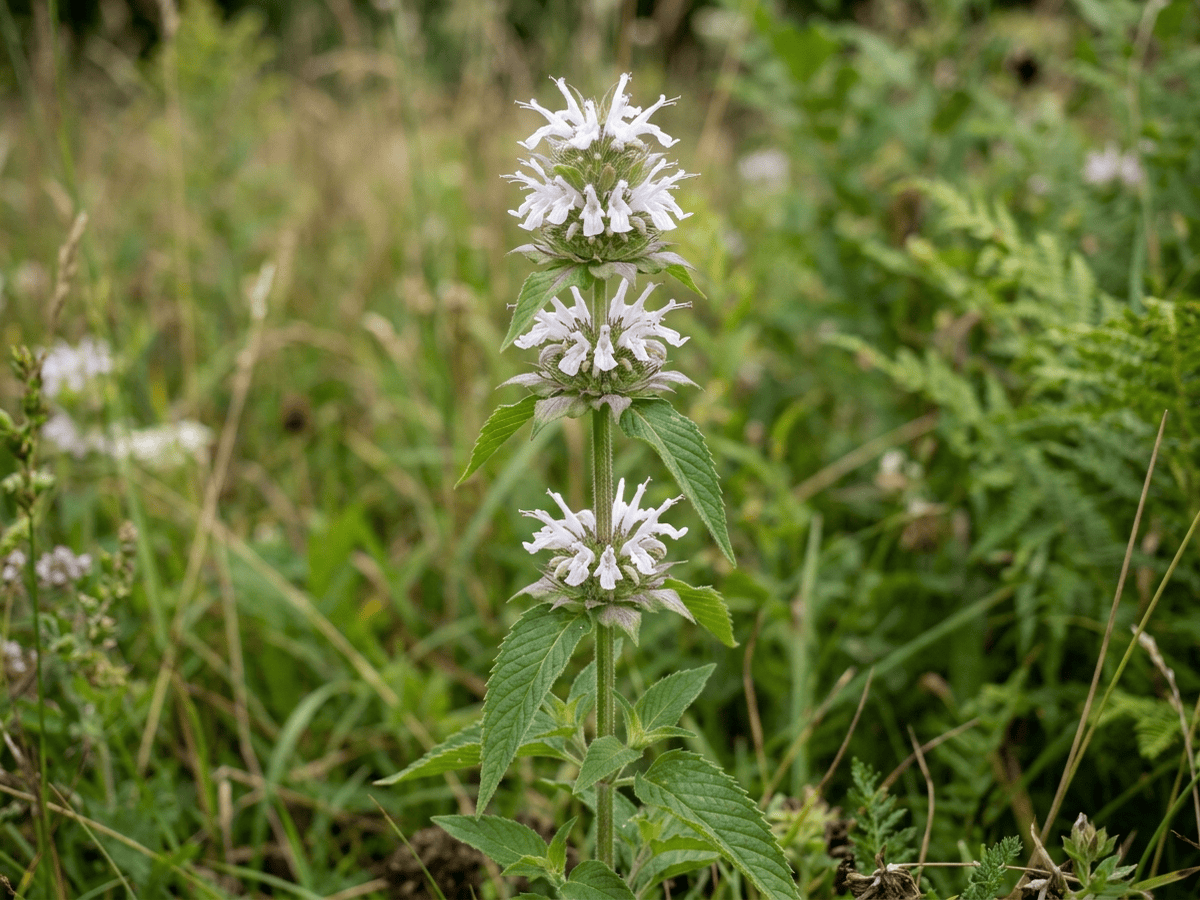 White BergamotMonarda clinopodia
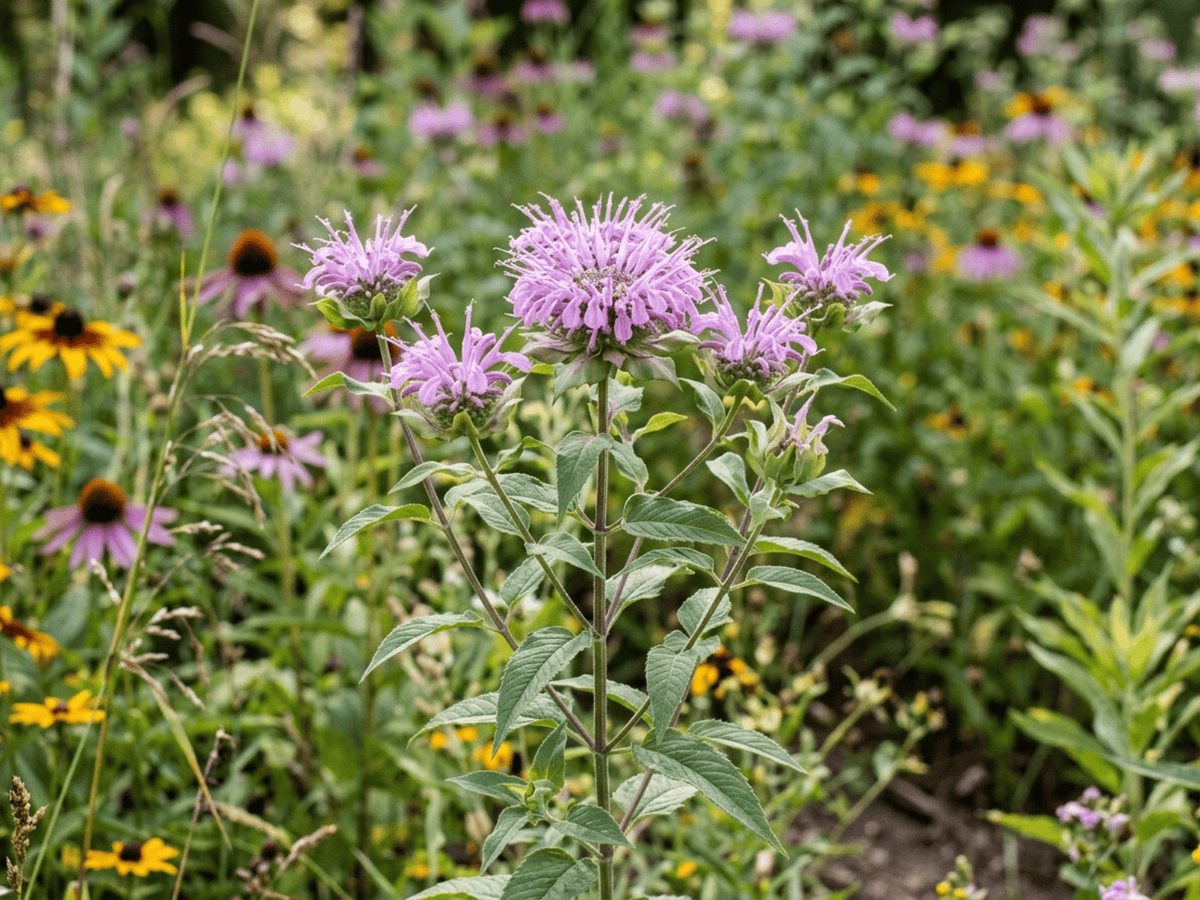 Wild BergamotMonarda fistulosa
Plants with similar care
 Mexican AbeliaAbelia floribunda
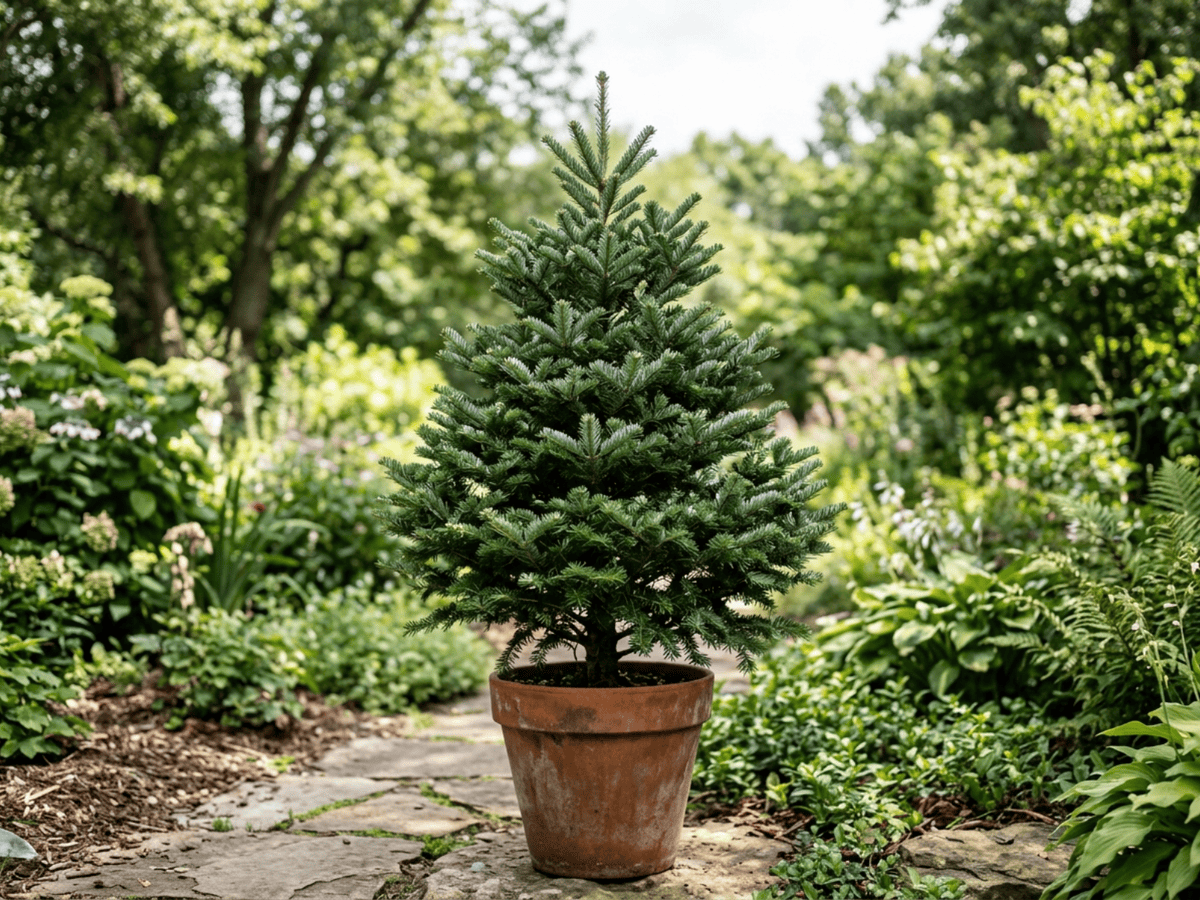 Fraser FirAbies fraseri
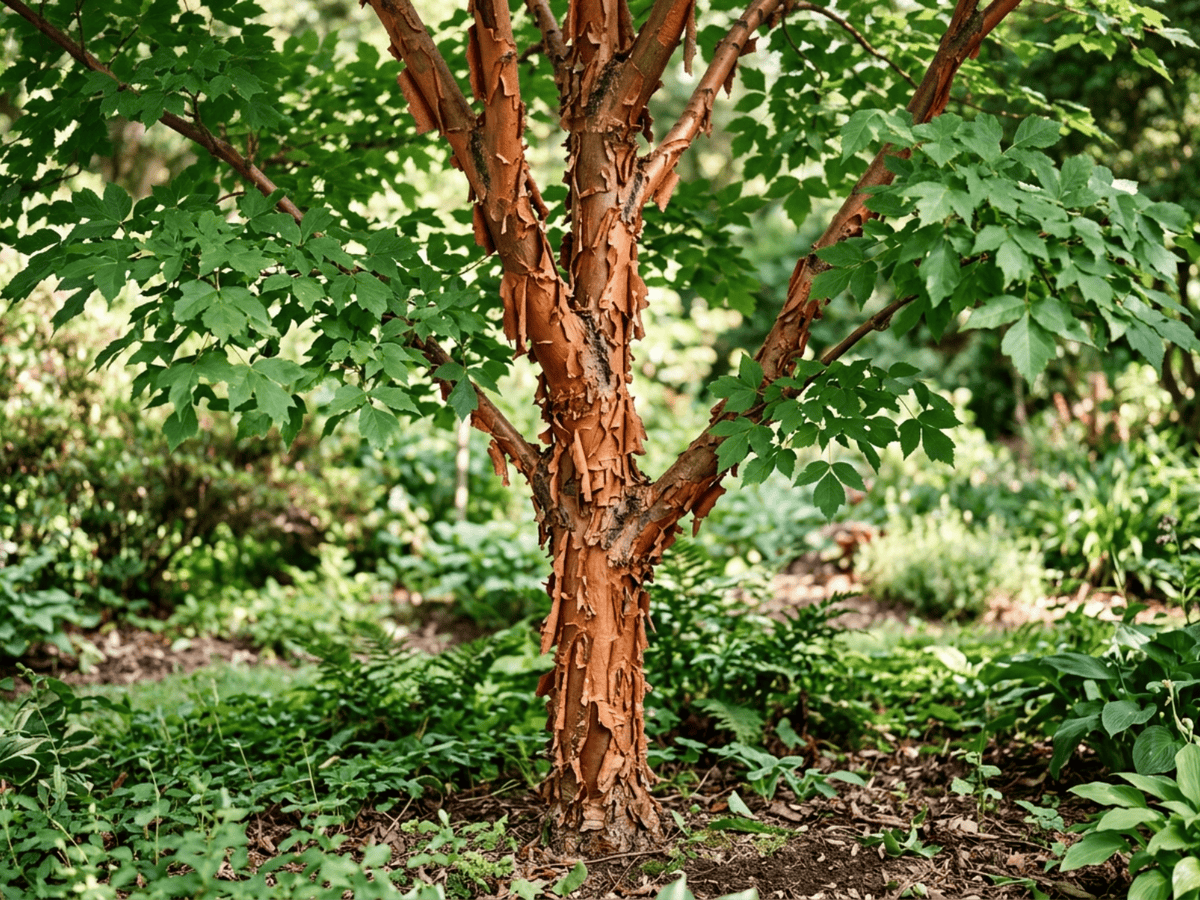 Paperbark MapleAcer griseum
 Sugar MapleAcer saccharum
Frequently asked questions
How often should I water Scarlet Beebalm?
In summer, water about every 2 days; in winter, about every 7 days. Adjust for heat, pot size and drainage.
How much light does Scarlet Beebalm need?
Full sun: 6+ hrs direct. Watch the leaves — scorching or stretching means the light needs adjusting.
Is Scarlet Beebalm toxic to cats or dogs?
Pets Safe (Dogs Safe · Cats Safe) Educational information, not medical or veterinary advice. If exposure is suspected, contact a doctor or veterinarian.
Is Scarlet Beebalm easy to grow?
It is moderately demanding: a good choice once you have a little experience.
When does Scarlet Beebalm bloom?
It typically blooms Jun–Aug in the Northern Hemisphere.
YardMate
Identify any plant in seconds
Snap a photo — YardMate names the plant, diagnoses problems, and reminds you when to water.
Download on the App Store