 YardMate


Lemon Beebalm
Monarda citriodora
Easy · Beginner friendlyAbout Lemon Beebalm
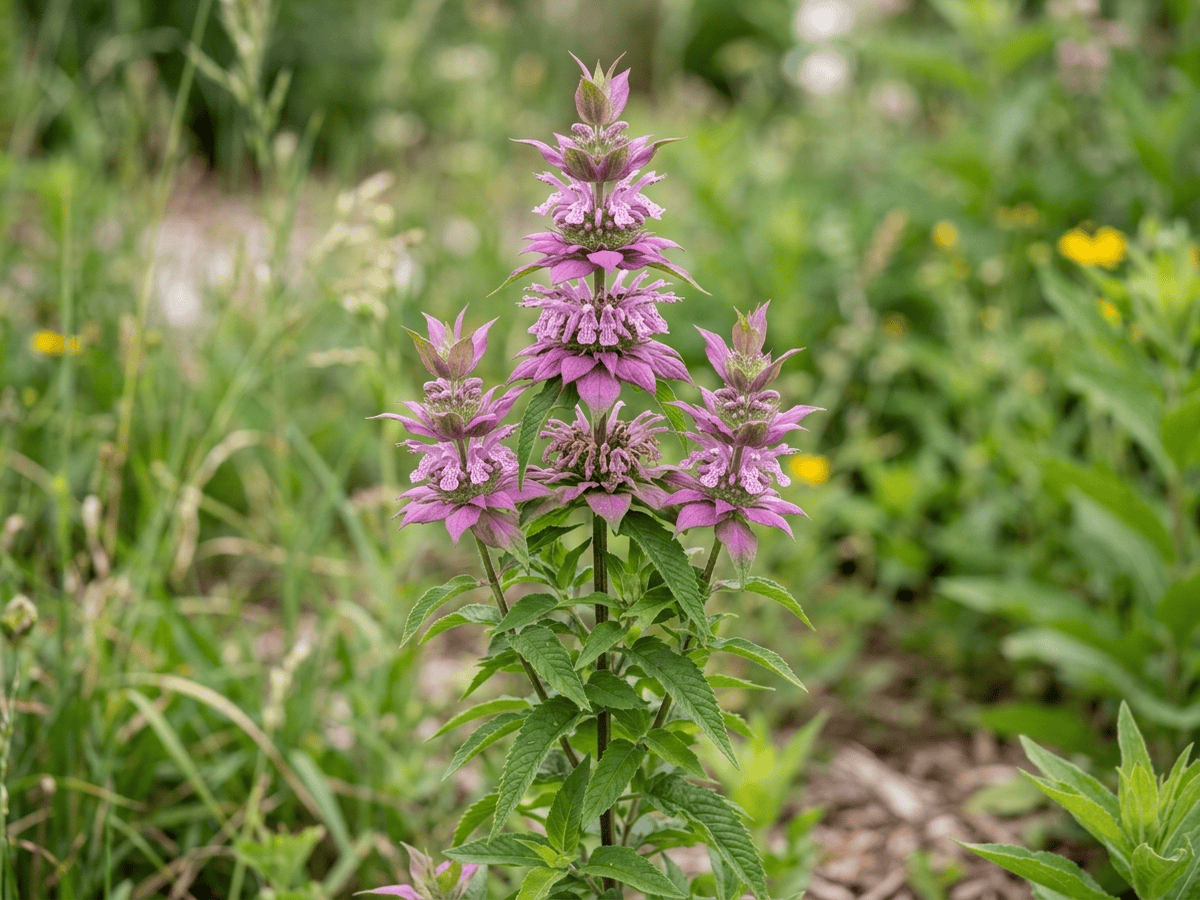
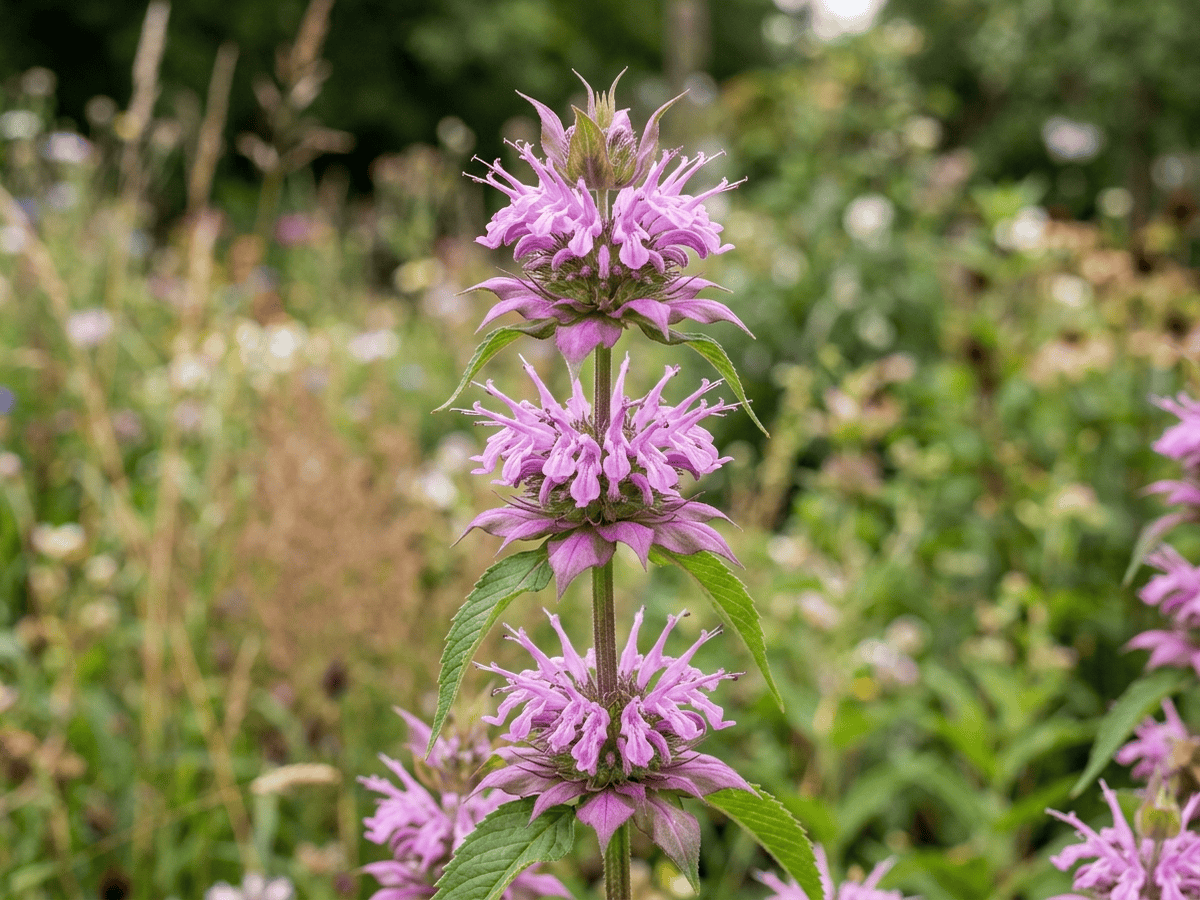
Lemon Bee Balm or Lemon Mint is an annual or short-lived perennial native to the south-central US, producing stacked whorls of pink-purple tubular flowers and lemon-scented foliage. Growing 1 to 3 feet tall, it blooms prolifically from late spring through summer and self-sows freely, naturalizing across meadows and wildflower gardens in Texas, Oklahoma, and surrounding states. A top-tier pollinator plant for American native and butterfly gardens.
- Fragrant
- Drought-tolerant
- Native
- Pollinator-friendly
How to care for Lemon Beebalm
Watering
- Springevery 7 days
- Summerevery 4 days
- Fallevery 10 days
- Winterpause watering
Soil · Rich & well-draining
- Top dressingCompost10%
- Main mixPotting soil + compost 3:180%
- DrainageGravel10%
Top up the compost layer each season.
FERTILIZER
- Springevery 30 days
- Summerevery 45 days
At a Glance
- NativeNorth America
- Height1–3 ft (0.3–0.9 m)
- Spread1–2 ft (0.3–0.6 m)
- Flower colorPink, Purple, White
- Foliage colorGreen
- SoilLoamy, Well-drained
- LocationsYard
Bloom time
BLOOM CYCLE
Peak bloom
May–Aug
Stacked whorls of pink-purple flowers late spring through summer
Fragrance
STRONG FRAGRANCE
Lemon-oregano scent when brushed or bloomed.
Toxicity
No toxicity has been reported for this plant. Still, it is wise to keep pets from chewing on any houseplant.
Educational information, not medical or veterinary advice. If exposure is suspected, contact a doctor or veterinarian.
DISTRIBUTION


- Native
- Introduced
- North America
History
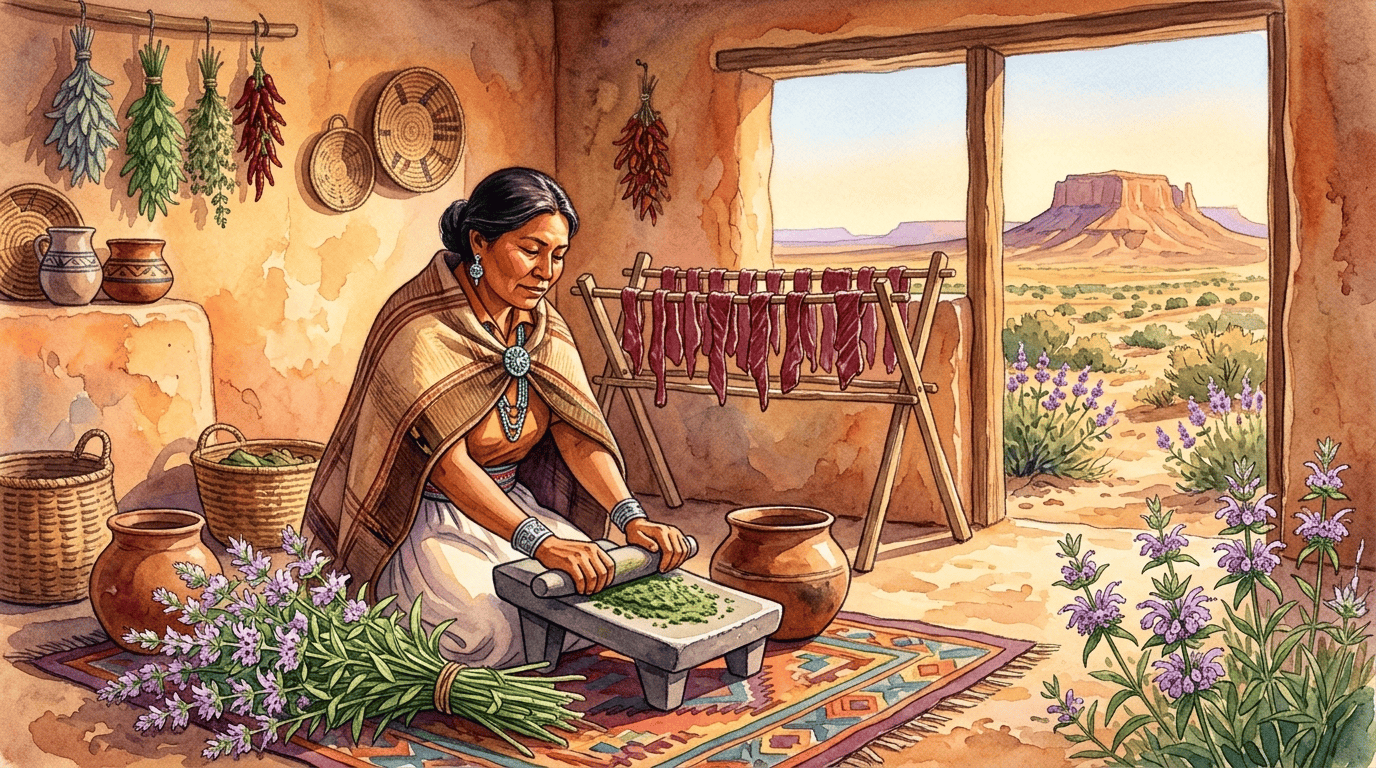
Monarda citriodora, lemon bee balm or lemon mint, grows wild on limestone prairies and roadsides from Nebraska through Texas and into northern Mexico. Mariano Cervantes and colleagues of the Royal Botanical Expedition to New Spain described it around 1800. Indigenous peoples of the Southwest, including Hopi and Tohono O'odham, used its lemon-scented leaves in meat seasoning, ceremonial offerings, and teas for colds.
Unlike perennial Monardas, it is a winter annual or short-lived biennial that self-sows prolifically, making it a staple in pollinator seed mixes. Its essential oil, rich in citronellal and geraniol, has drawn interest in natural insect-repellent research since the 1990s. Modern cultivars include 'Lambada' and the Bergamo strain. A signature Texas wildflower and key bloomer in the famed Texas Hill Country roadside seed mixes. Reliably grown from direct-sown seed in American wildflower plantings every spring.
Symbolism & meaning
What It Symbolizes
Lemon Beebalm is sunny zest in scent and silhouette, its citrus-fragrant leaves scenting the prairie air while its tower-stacked flower whorls climb each stem like a small lavender pagoda. Pollinators swarm its tiered crowns through hot Plains afternoons. To brush a hand across its foliage is to release a moment of summer cheer in pure lemon vapor.
- Sunny zest — lemon fragrance and prairie cheer
- Prairie stack — distinctive tower-stacked flower whorls
Where the Name Comes From
'citriodora' from Latin means lemon-scented, for the distinctive citrus fragrance when foliage is brushed.
Uses & Fun Facts
- Foliage releases bright lemon scent when crushed or brushed
- Whorled blooms feed bees, butterflies, and hummingbirds
- Lemon-scented leaves brewed into refreshing native herbal teas
- Stacked pink-purple flower whorls naturalize meadows and prairies
Related plants
More Monarda plants
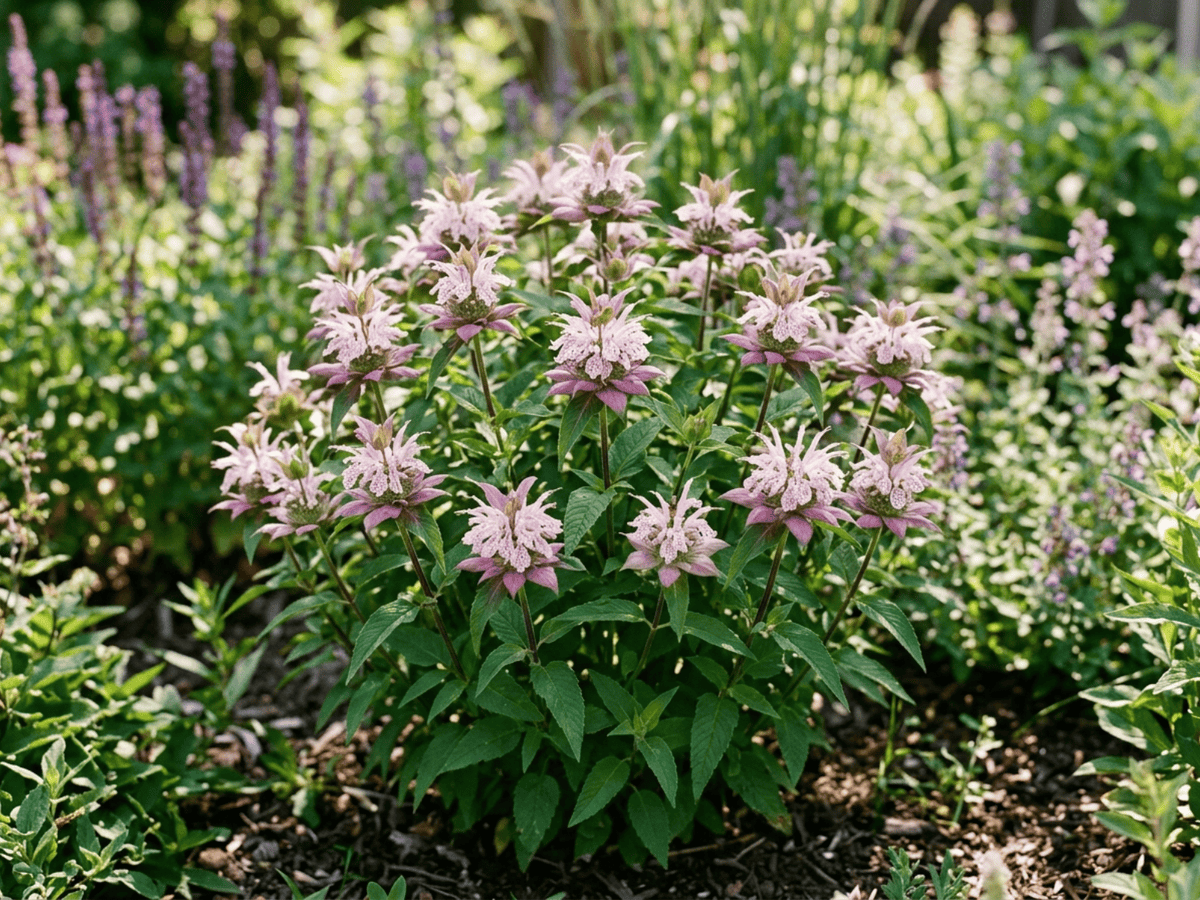 Eastern BeebalmMonarda bradburiana
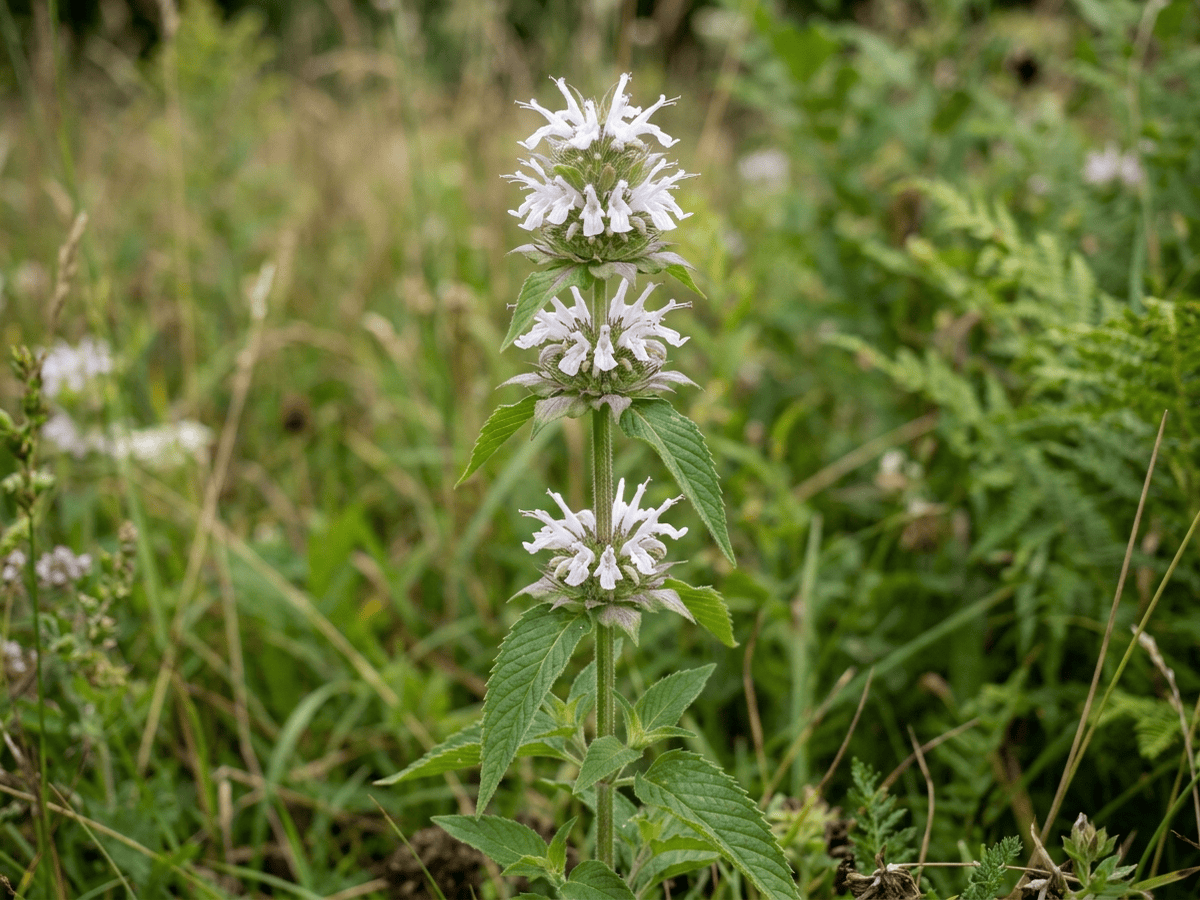 White BergamotMonarda clinopodia
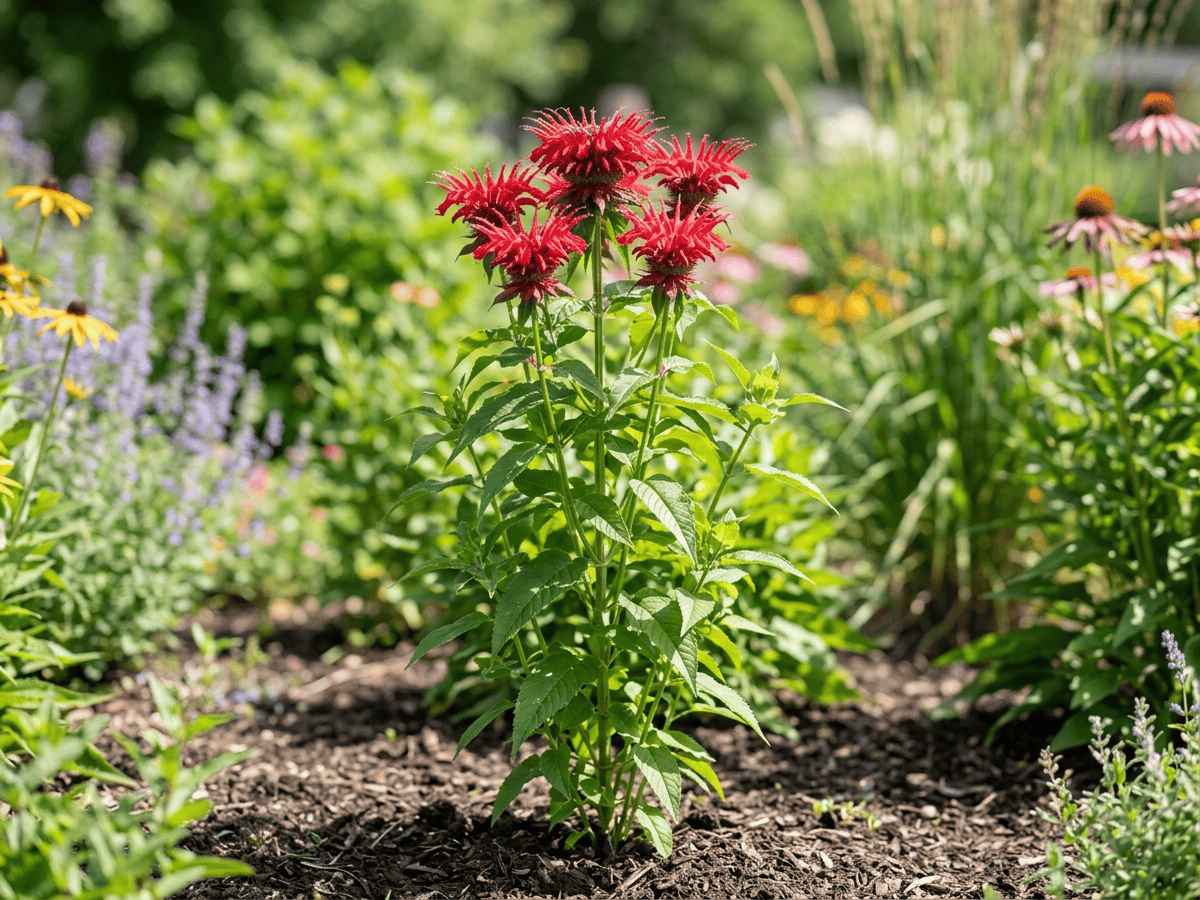 Scarlet BeebalmMonarda didyma
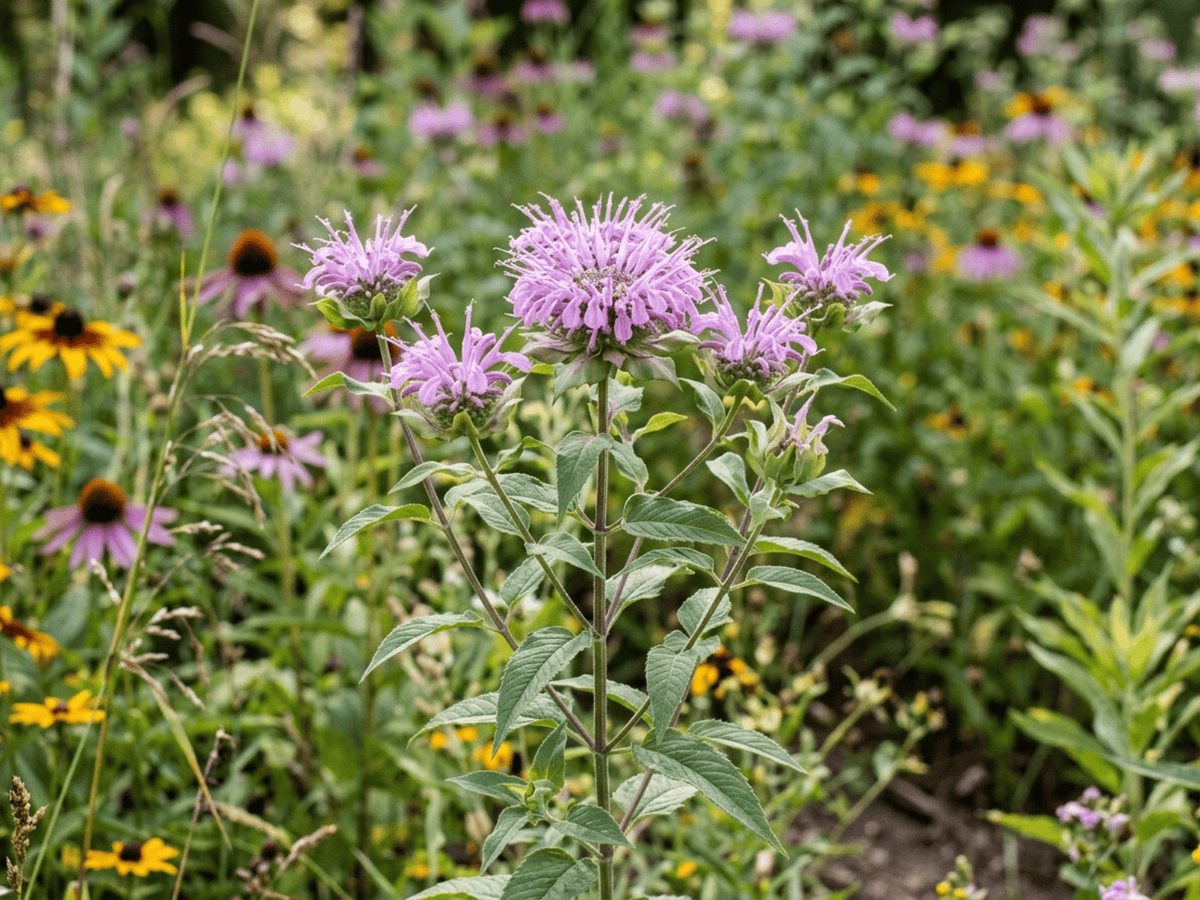 Wild BergamotMonarda fistulosa
Plants with similar care
 Chinese AbeliaAbelia chinensis
 Fragrant AbeliaAbelia mosanensis
 Large-Flowered AbeliaAbelia uniflora
 Glossy AbeliaAbelia x grandiflora
Frequently asked questions
How often should I water Lemon Beebalm?
Water about every 7 days during the growing season, and always let excess water drain away.
How much light does Lemon Beebalm need?
Full sun: 6+ hrs direct. Watch the leaves — scorching or stretching means the light needs adjusting.
Is Lemon Beebalm toxic to cats or dogs?
No toxicity has been reported for this plant. Still, it is wise to keep pets from chewing on any houseplant. Educational information, not medical or veterinary advice. If exposure is suspected, contact a doctor or veterinarian.
Is Lemon Beebalm easy to grow?
Yes — it is considered an easy, beginner-friendly plant.
When does Lemon Beebalm bloom?
It typically blooms May–Aug in the Northern Hemisphere.
YardMate
Identify any plant in seconds
Snap a photo — YardMate names the plant, diagnoses problems, and reminds you when to water.
Download on the App Store