 YardMate
White Mulberry
Morus alba
Easy · Beginner friendlyAbout White Mulberry
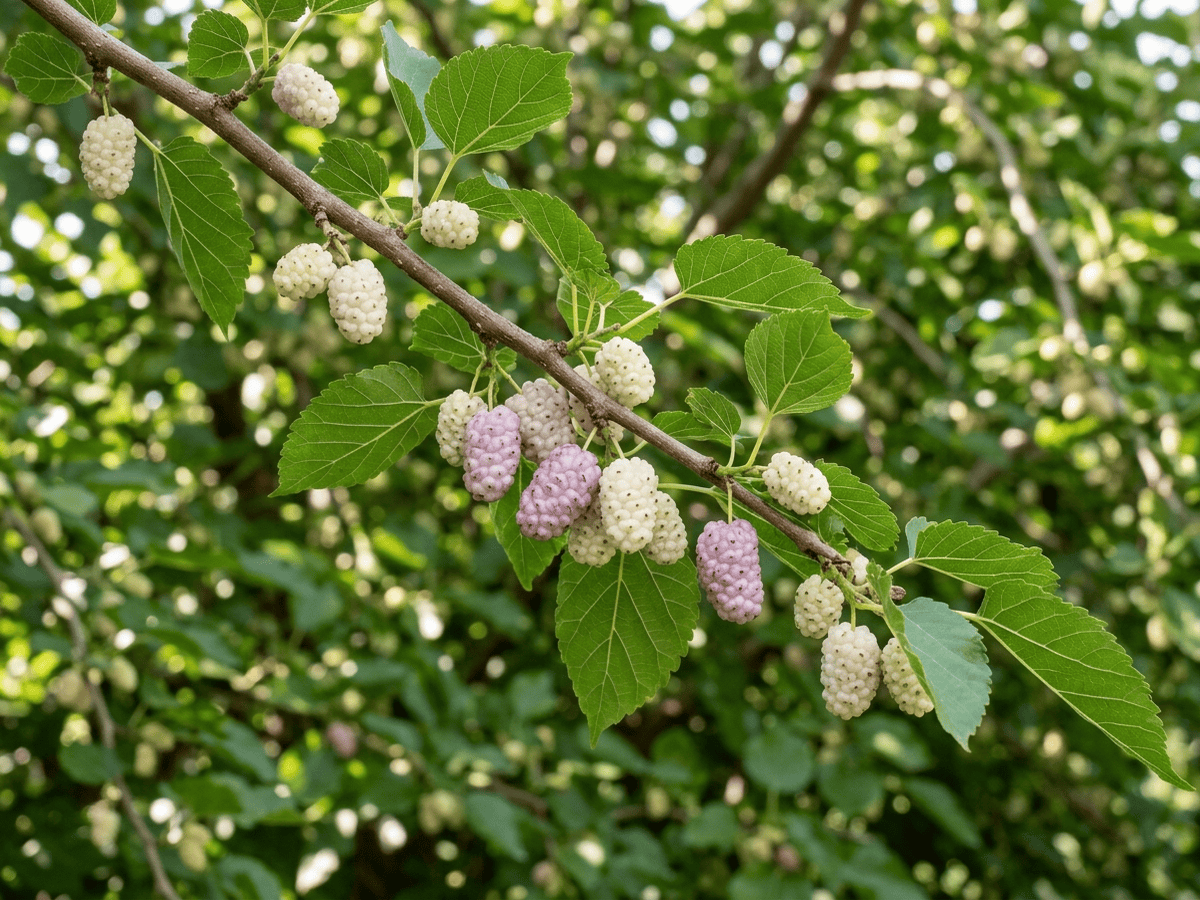
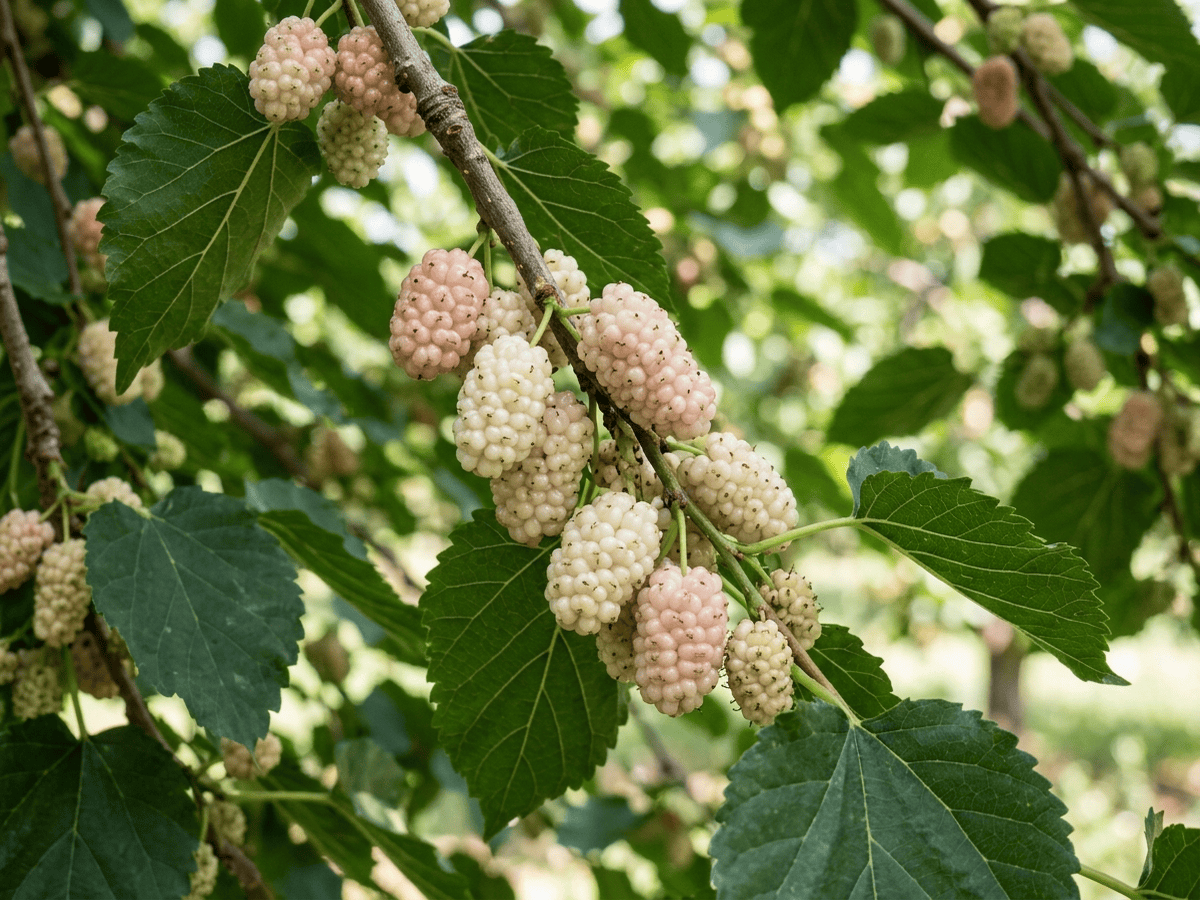
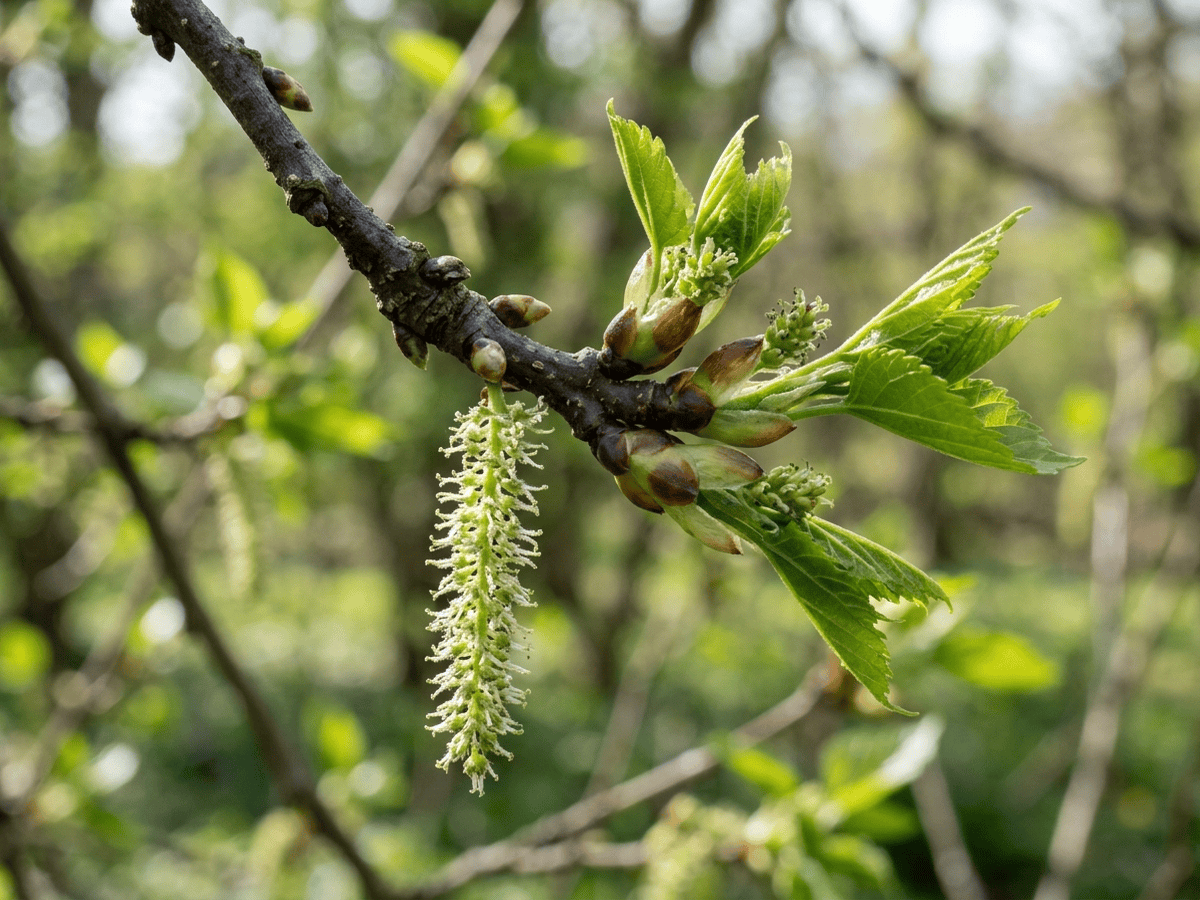
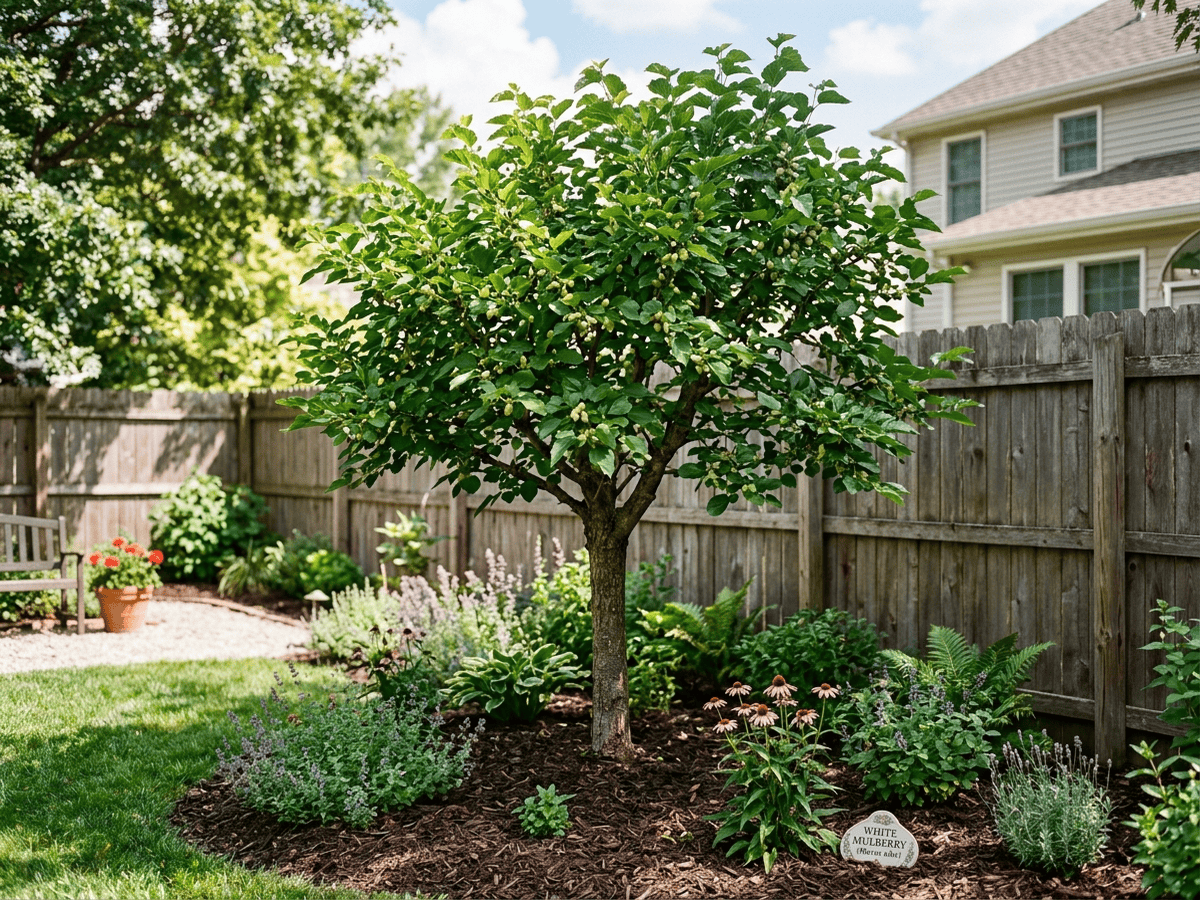
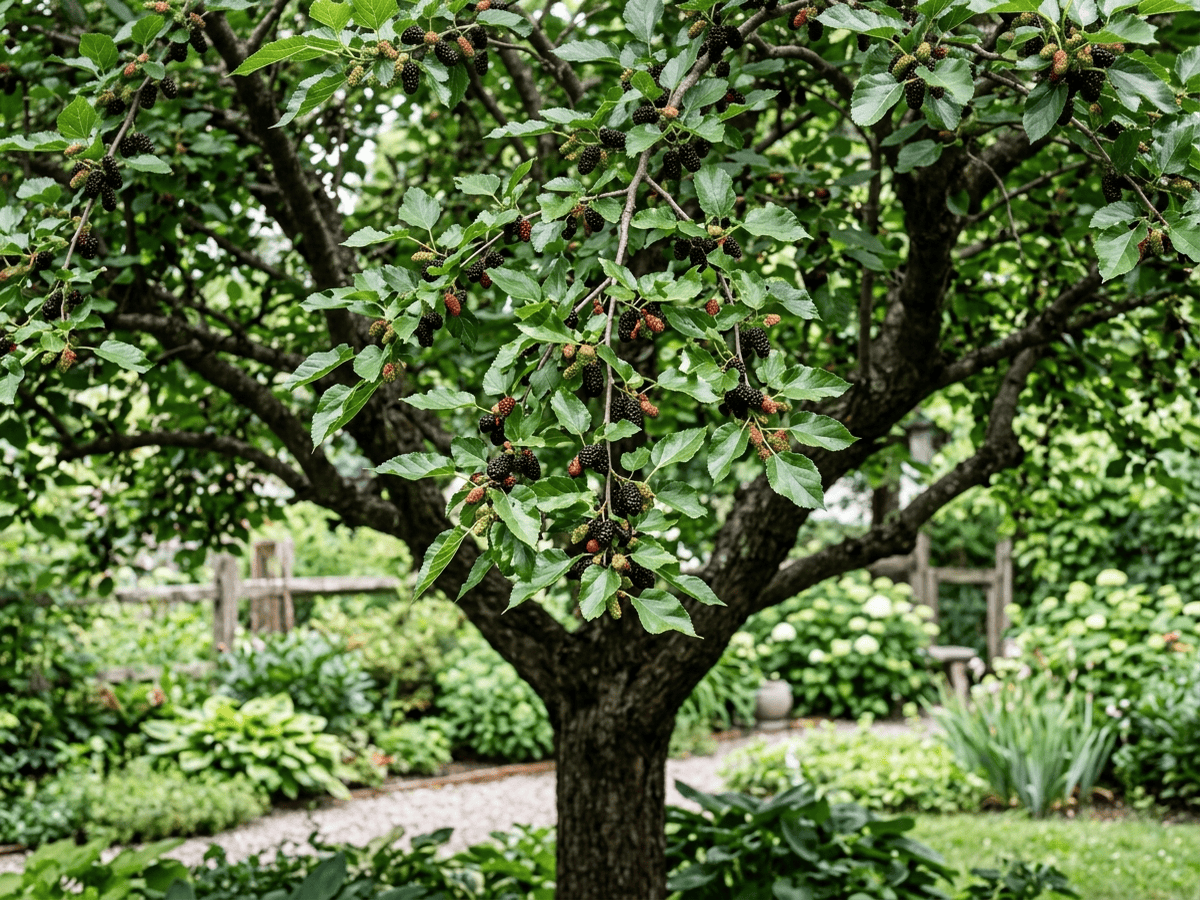
White Mulberry is an East Asian deciduous tree introduced to colonial America in the 1600s for silkworm cultivation, now one of the most widespread invasive trees in the eastern US. Growing 30 to 60 feet tall with variable (often mitten-shaped) toothed leaves and catkin-like flowers, it produces sweet white-to-purple fruits in summer that birds disperse widely. Hybridizes with and genetically swamps the native Red Mulberry (Morus rubra). Listed invasive in many eastern states.
- Edible
- Fast-growing
How to care for White Mulberry
Watering
- Springevery 14 days
- Summerevery 10 days
- Fallevery 14 days
- Winterevery 30 days
Soil · Well-draining
- Top dressingPine bark mulch10%
- Main mixPotting soil + perlite 2:170%
- DrainageLECA / gravel20%
Never skip the drainage layer — standing water is the top cause of root rot.
FERTILIZER
- Springevery 45 days
- Summerevery 45 days
At a Glance
- NativeEast Asia
- Height30–50 ft (9.1–15.2 m)
- Spread30–50 ft (9.1–15.2 m)
- Flower colorGreen, Yellow
- Foliage colorGreen, Yellow
- Fruit colorWhite, Pink, Purple
- SoilWell-drained, Loamy, Neutral
- LocationsYard
Bloom time
BLOOM CYCLE
Peak bloom
Mar–May
Inconspicuous catkin flowers spring
Toxicity
Humans Slight
latex alkaloids
Slight
- Unripe fruit
- Leaf
- Stem
- Sap
- Ingestion
EXPOSURE Eating unripe fruit, leaves, stems, and sap.
EFFECT Mild stomach upset and hallucinations from unripe fruit in quantity.
NOTE Documented concern for humans: Mild stomach upset and hallucinations from unripe fruit in quantity.
Safe
EXPOSURE No exposure route is reported.
EFFECT No toxic effect is reported.
NOTE Listed as non-toxic for dogs; avoid eating ornamental plants unless confirmed edible.
Safe
EXPOSURE No exposure route is reported.
EFFECT No toxic effect is reported.
NOTE Listed as non-toxic for cats; avoid eating ornamental plants unless confirmed edible.
Educational information, not medical or veterinary advice. If exposure is suspected, contact a doctor or veterinarian.
DISTRIBUTION


- Native
- Introduced
- East Asia
History
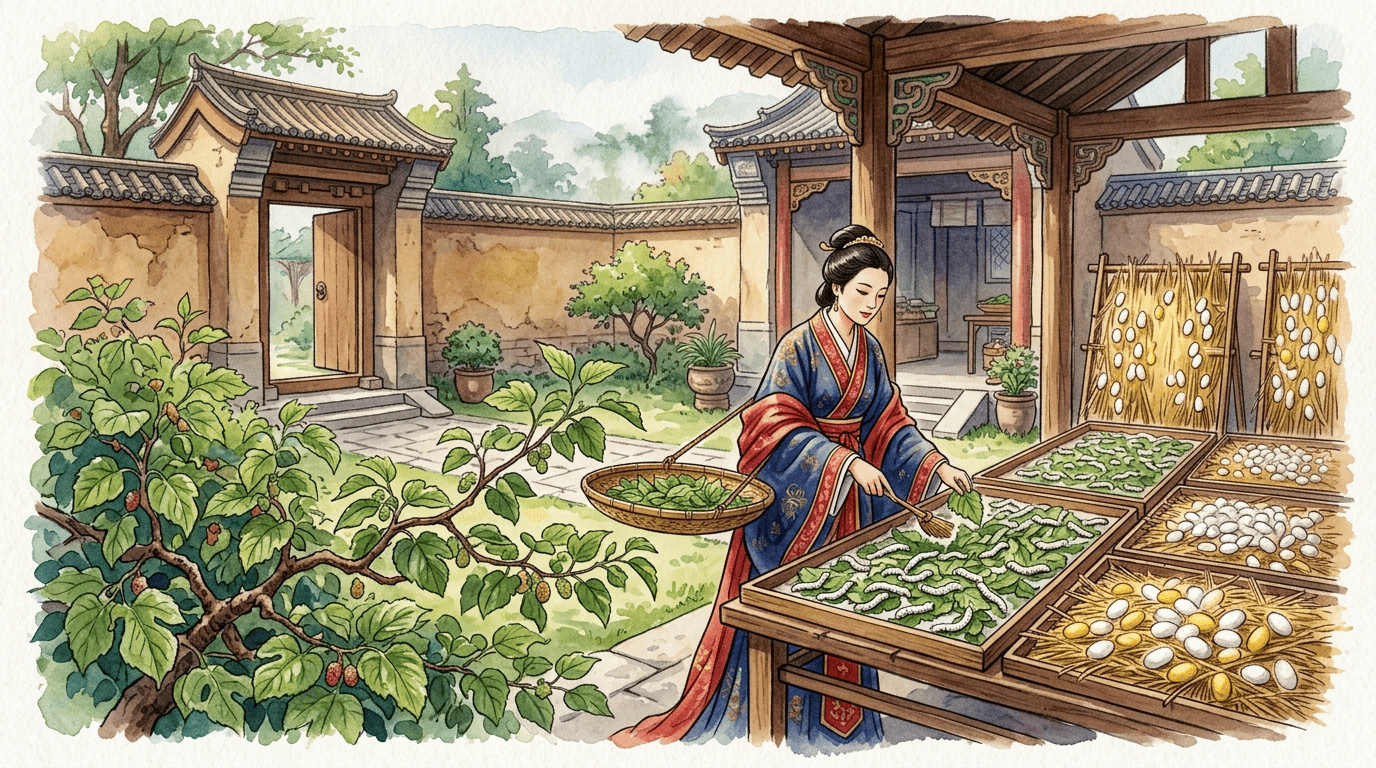
Morus alba, white mulberry, is a deciduous tree native to northern China where Neolithic silk production dates to at least 3500 BCE. The tree is the obligate food plant of the silkworm moth Bombyx mori, and Chinese emperors guarded the secret of sericulture for over a millennium, executing those who smuggled silkworm eggs abroad. Byzantine monks finally spirited eggs to Constantinople in 552 CE, launching European silk production.
English colonists planted white mulberry in Jamestown and Georgia in the 1600s hoping to start New World silk industries that repeatedly failed, but the tree naturalized widely. In the eastern United States it now hybridizes with the native Morus rubra, and many wild populations are genetically swamped.
Fruit is sweet and edible; pollen is a notorious aeroallergen. Native to China, White Mulberry was introduced to colonial America in the early 1600s in multiple failed attempts to establish American silk production. Escaped cultivation and now widespread across eastern US landscapes, where male trees are significant allergens in cities and where species hybridizes with the declining native Red Mulberry.
Symbolism & meaning
What It Symbolizes
White Mulberry carries the story of Genetic takeover — hybridizing so freely with the native red mulberry that pure native stands are now hard to find. It is also a relic of the Silk dream, introduced to feed silkworms in a failed American silk industry whose only lasting legacy is this tree itself. A plant left behind by a vanished ambition.
- Genetic takeover — hybridizes with and swamps native red mulberry
- Silk dream — introduced for failed American silk industry
Where the Name Comes From
'Morus' the classical Latin name for mulberry; 'alba' means white, for the typical pale fruit color and pale bark.
Uses & Fun Facts
- Sweet white-to-purple berries eaten fresh or dried
- Leaves are sole food of silkworms producing silk fiber
- Broad canopy shades courtyards and rural homes
- Heavy fruiting attracts numerous bird species
Related plants
More Morus plants
Plants with similar care
 Chinese AbeliaAbelia chinensis
 Fragrant AbeliaAbelia mosanensis
 Large-Flowered AbeliaAbelia uniflora
 Glossy AbeliaAbelia x grandiflora
Frequently asked questions
How often should I water White Mulberry?
In summer, water about every 10 days; in winter, about every 30 days. Adjust for heat, pot size and drainage.
How much light does White Mulberry need?
Full sun: 6+ hrs direct. Watch the leaves — scorching or stretching means the light needs adjusting.
Is White Mulberry toxic to cats or dogs?
Pets Safe (Dogs Safe · Cats Safe) Educational information, not medical or veterinary advice. If exposure is suspected, contact a doctor or veterinarian.
Is White Mulberry easy to grow?
Yes — it is considered an easy, beginner-friendly plant.
When does White Mulberry bloom?
It typically blooms Mar–May in the Northern Hemisphere.
YardMate
Identify any plant in seconds
Snap a photo — YardMate names the plant, diagnoses problems, and reminds you when to water.
Download on the App Store