 YardMate



Catnip
Nepeta cataria
Easy · Beginner friendlyAbout Catnip
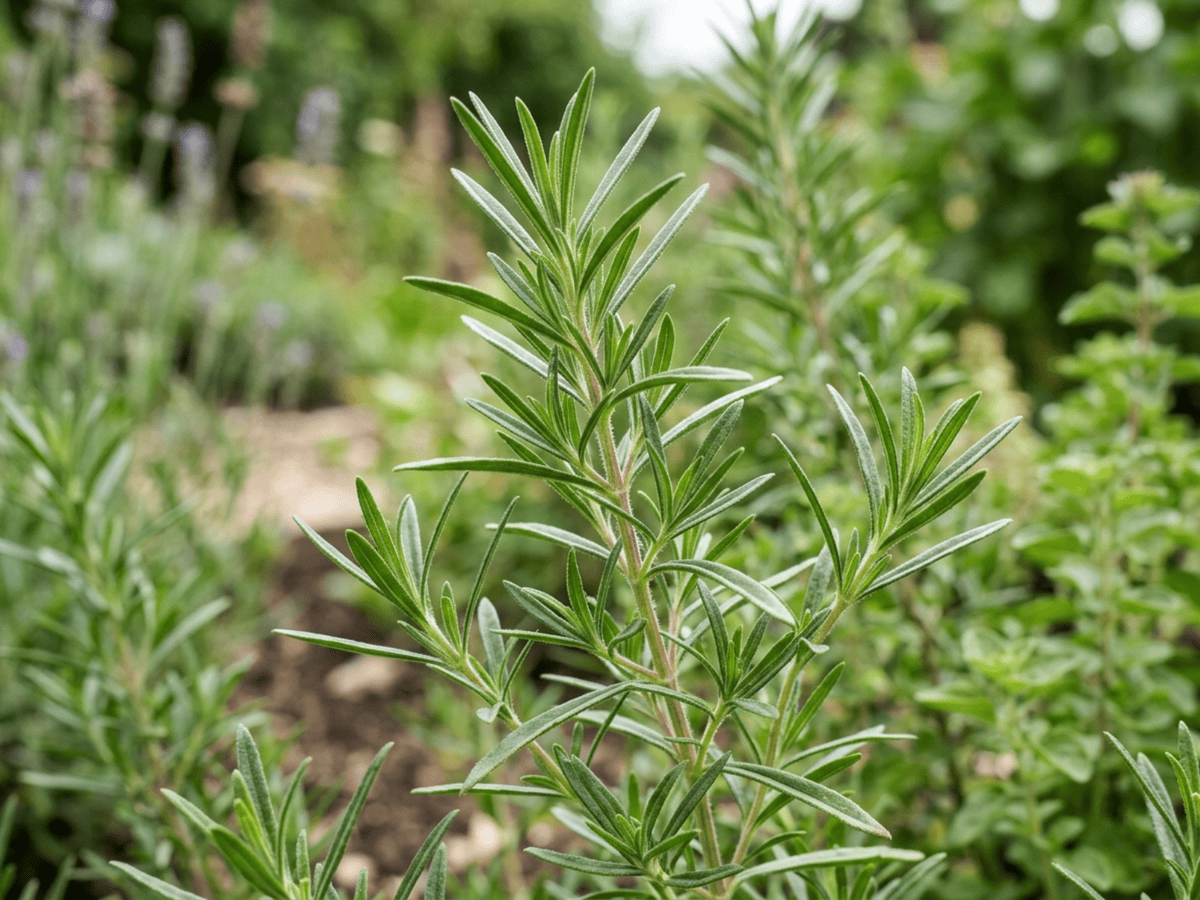
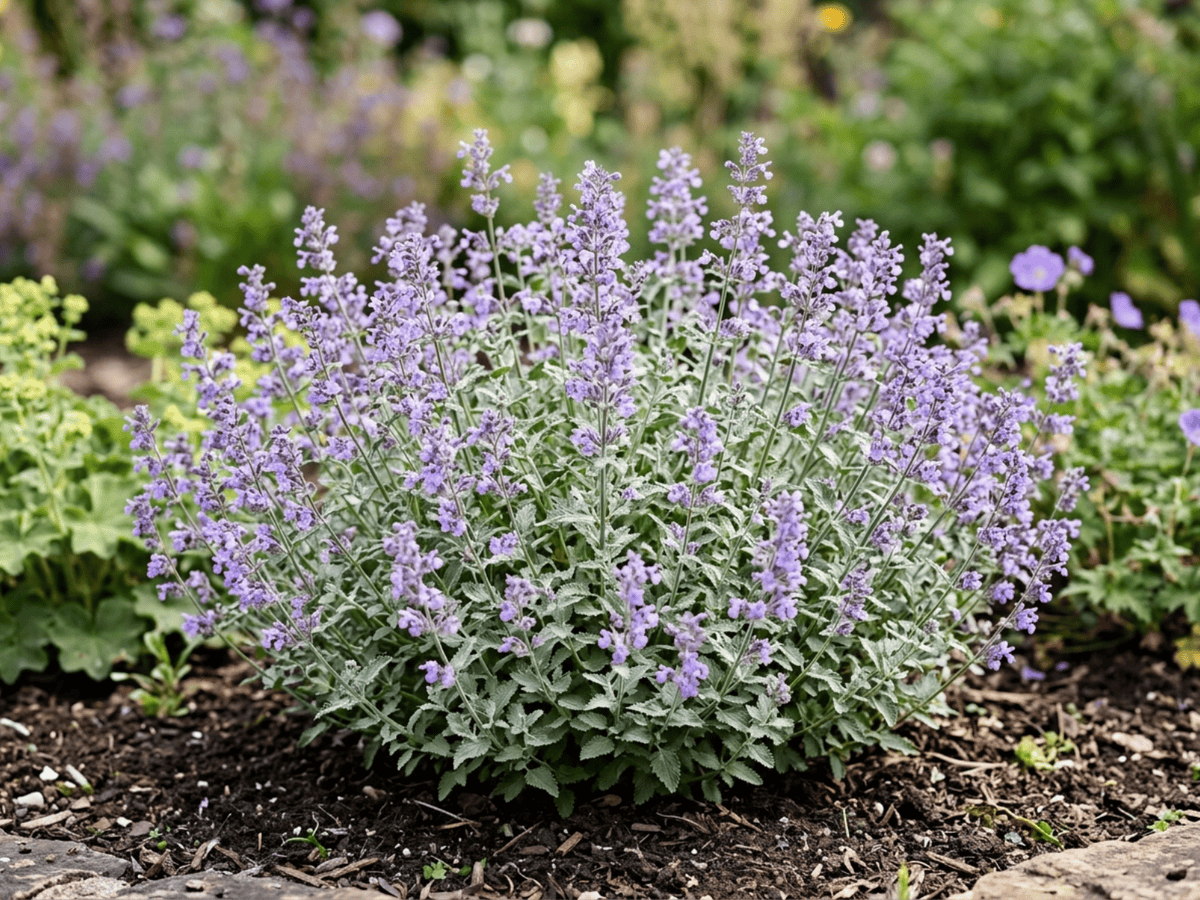
Nepeta cataria, commonly known as catnip or catmint, is a perennial herb in the Lamiaceae family native to Europe and Central Asia. It grows 50–100 cm tall with grey-green, heart-shaped, toothed leaves and spikes of small white flowers dotted with purple. The plant contains nepetalactone, a compound that famously triggers euphoric behaviour in roughly two-thirds of domestic cats.
Catnip is extremely easy to grow in USDA zones 3–9, thriving in average to poor, well-drained soil in full sun to light shade. It is drought-tolerant, deer-resistant, and cold-hardy. The plant can spread vigorously by self-seeding, so deadheading is advisable to control its enthusiasm. Cutting back after the first bloom encourages a fresh flush of growth and a second flowering.
Beyond its famous feline appeal, catnip has real value for humans. The leaves brew a mild, slightly minty tea that has been used for centuries as a calming bedtime drink and digestive aid. Research has shown nepetalactone to be a more effective mosquito repellent than DEET in laboratory tests. In the garden, catnip attracts bees and other beneficial insects while its scent deters aphids, squash bugs, and Japanese beetles, making it a useful companion plant.
- Fragrant
- Drought-tolerant
- Deer-resistant
- Cold-hardy
How to care for Catnip
Watering
- Springevery 5 days
- Summerevery 4 days
- Fallevery 7 days
- Winterevery 14 days
Soil · Rich & well-draining
- Top dressingCompost10%
- Main mixPotting soil + compost 3:180%
- DrainageGravel10%
Top up the compost layer each season.
FERTILIZER
Balanced Feed 14-14-14
An even feed covers all three needs at once, keeping leaves, roots and blooms moving together with nothing pushed out of balance.
- Nitrogen · Leaves
- Phosphorus · Roots + Blooms
- Potassium · Strength
- Springevery 30 days
- Summerevery 30 days
- Fallevery 45 days
At a Glance
- NativeEurope, Western Asia
- Height2–3 ft (0.6–0.9 m)
- Spread1.5–2 ft (0.5–0.6 m)
- Flower colorWhite, Pink, Purple
- Foliage colorGreen
- SoilWell-drained, Sandy, Loamy
- LocationsYard
Bloom time
BLOOM CYCLE
Peak bloom
Jun–Aug
Cut back by half after first bloom for a compact second flush and extended flowering.
Fragrance
MODERATE FRAGRANCE
Mint-camphor aroma with distinctive feline-attractant compound.
Toxicity
Cats Slight
nepetalactone
Not reported
EXPOSURE No exposure route is reported.
EFFECT Used in traditional herbal teas and no significant toxicity.
NOTE No human toxicity is reported in this catalog; avoid eating ornamental plants unless confirmed edible.
Not reported
EXPOSURE No exposure route is reported.
EFFECT Does not produce euphoric response and may have mild calmative effect.
NOTE No toxicity is reported for dogs in this catalog; this is not evidence that the plant is edible or harmless.
Slight
- Leaf
- Stem
- Flower
- Ingestion
EXPOSURE Eating leaves, stems, and flowers.
EFFECT Vomiting or diarrhea if eaten in excess and sedation or overstimulation possible.
NOTE ASPCA and NC State list catnip as toxic/problematic for cats, usually mild and dose-related. Behavioral response is expected; excessive ingestion may cause GI upset.
Educational information, not medical or veterinary advice. If exposure is suspected, contact a doctor or veterinarian.
DISTRIBUTION


- Native
- Introduced
- Europe
- Western Asia
History
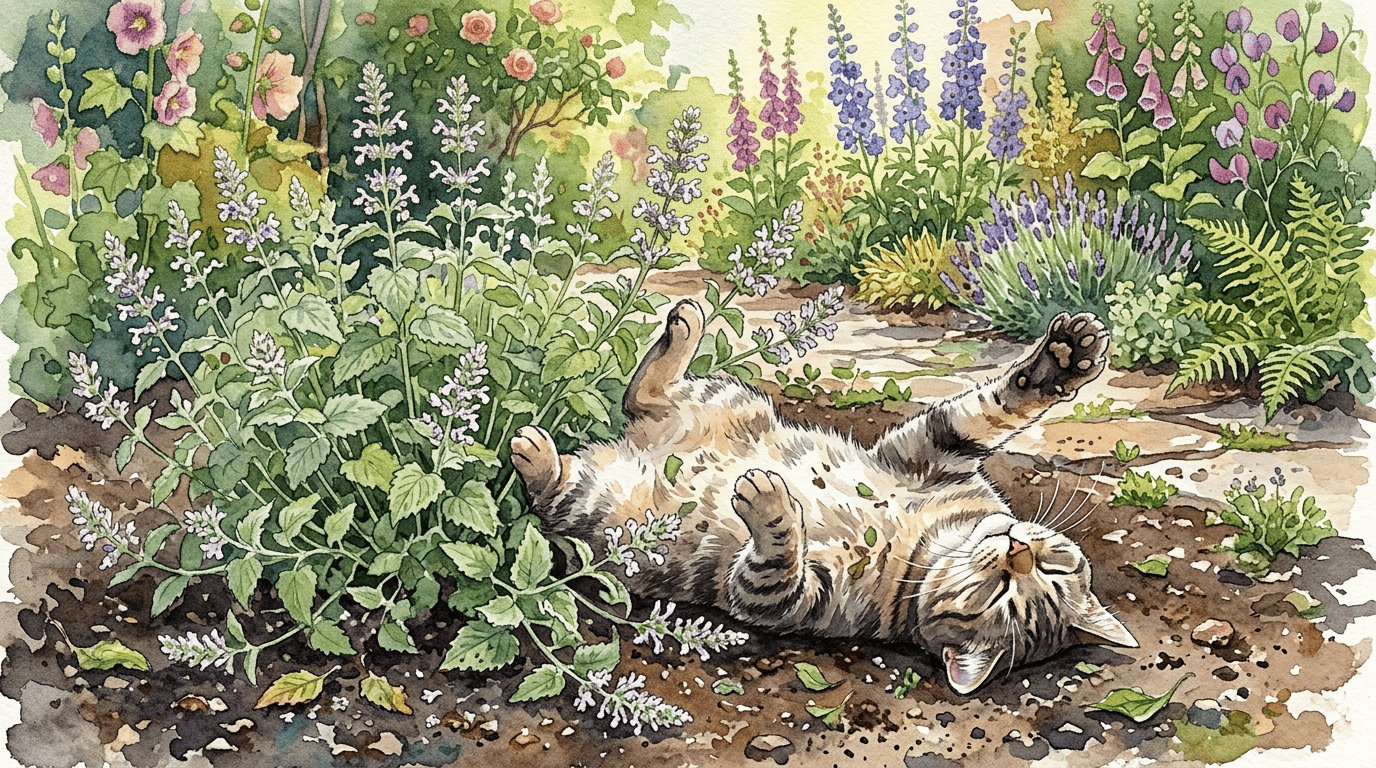
Nepeta cataria is native to Europe, southwest Asia, and the Middle East, and has been naturalized across North America. The name "Nepeta" may derive from the Etruscan town of Nepete (modern Nepi, Italy) where the plant reportedly grew abundantly. The characteristic feline response — rolling, purring, drooling, and playful behavior — is produced by the iridoid compound nepetalactone, which binds to feline olfactory receptors in a pathway analogous to opioid activation.
About 50-75% of domestic cats show the response, and susceptibility is an inherited autosomal dominant trait; kittens under approximately six months do not respond. Big cats including lions, leopards, and jaguars show similar responses. The plant was used in medieval European herbal medicine for colic, colds, and insomnia — a use preserved in the English common name "catmint tea."
Catnip essential oil is a more effective mosquito repellent than DEET in some laboratory studies. Catnip was widely used in European folk medicine before the arrival of Chinese tea. An old English rhyme warns: 'If you set it, the cats will eat it / If you sow it, the cats won't know it.' Native Americans adopted it from colonists as a tea for colic and fevers.
Symbolism & meaning
What It Symbolizes
Catnip is playfulness given to plants: cats roll, leap, and tumble in unrestrained joy at its scent, making it a natural emblem of lighthearted fun. For humans, the same herb has long carried a meaning of relaxation, brewed into gentle teas for calm evenings and easier sleep. Its meaning bridges the household — joy for the cat curled on the sofa, repose for the person reading beside it.
- Playfulness — The joy cats display around catnip makes it a natural symbol of lighthearted fun
- Relaxation — Herbal tea traditions associate catnip with calm and gentle repose
Where the Name Comes From
Nepeta possibly from Nepete (now Nepi), an Etruscan town where the herb grew abundantly; 'cataria' from Latin 'catus' (cat), acknowledging its well-known feline attraction.
Uses & Fun Facts
- Aromatic leaves brewed into mild calming herbal tea
- Minty foliage releases scent that delights cats
- Small white flowers feed bees through long summer bloom
- Traditional folk remedy for colds and digestive complaints
Related plants
More Nepeta plants
Plants with similar care
 Chinese AbeliaAbelia chinensis
 Fragrant AbeliaAbelia mosanensis
 Large-Flowered AbeliaAbelia uniflora
 Glossy AbeliaAbelia x grandiflora
Frequently asked questions
How often should I water Catnip?
In summer, water about every 4 days; in winter, about every 14 days. Adjust for heat, pot size and drainage.
How much light does Catnip need?
Full sun: 6+ hrs direct. Watch the leaves — scorching or stretching means the light needs adjusting.
Is Catnip toxic to cats or dogs?
Pets Slight (Dogs Not reported · Cats Slight) Educational information, not medical or veterinary advice. If exposure is suspected, contact a doctor or veterinarian.
Is Catnip easy to grow?
Yes — it is considered an easy, beginner-friendly plant.
When does Catnip bloom?
It typically blooms Jun–Aug in the Northern Hemisphere.
YardMate
Identify any plant in seconds
Snap a photo — YardMate names the plant, diagnoses problems, and reminds you when to water.
Download on the App Store