 YardMate
Eastern Cat-Mint
Nepeta racemosa
Easy · Beginner friendlyAbout Eastern Cat-Mint
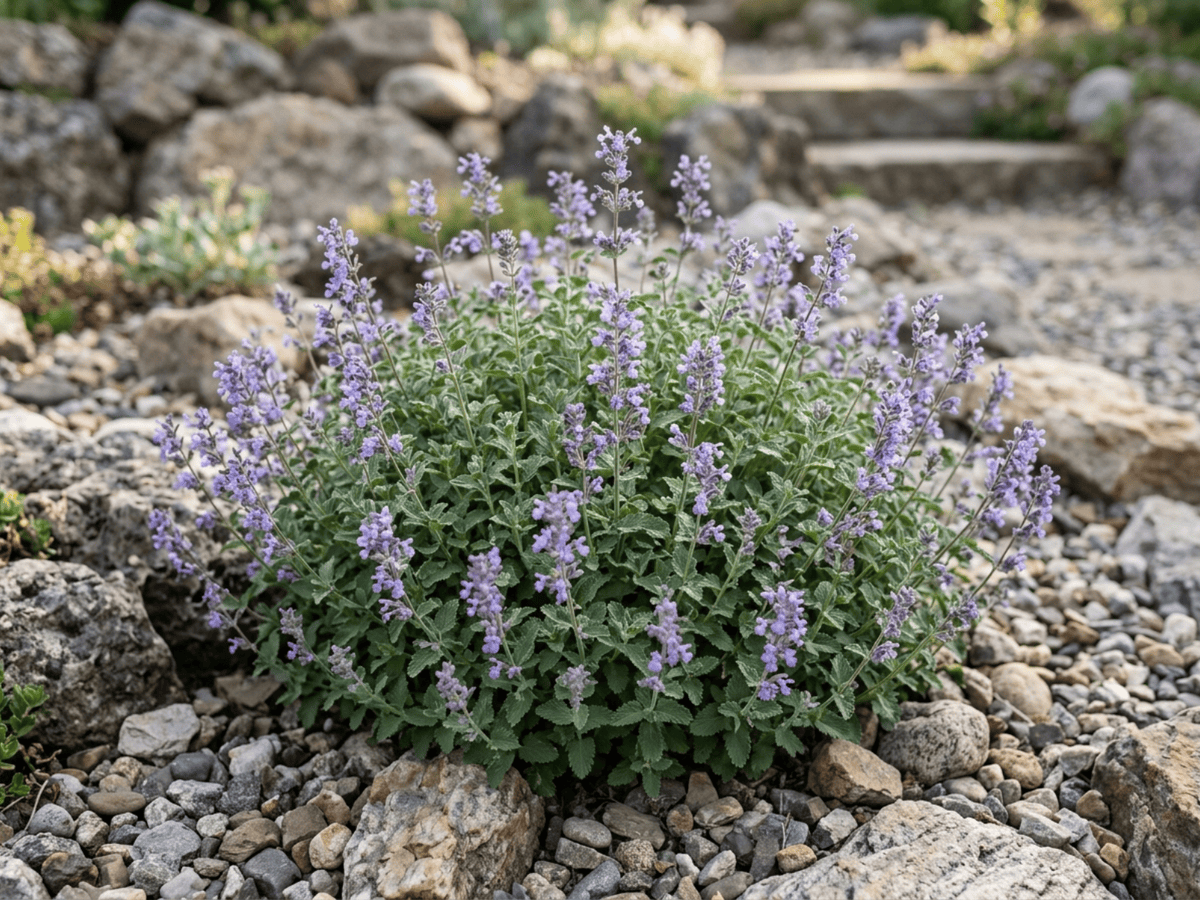
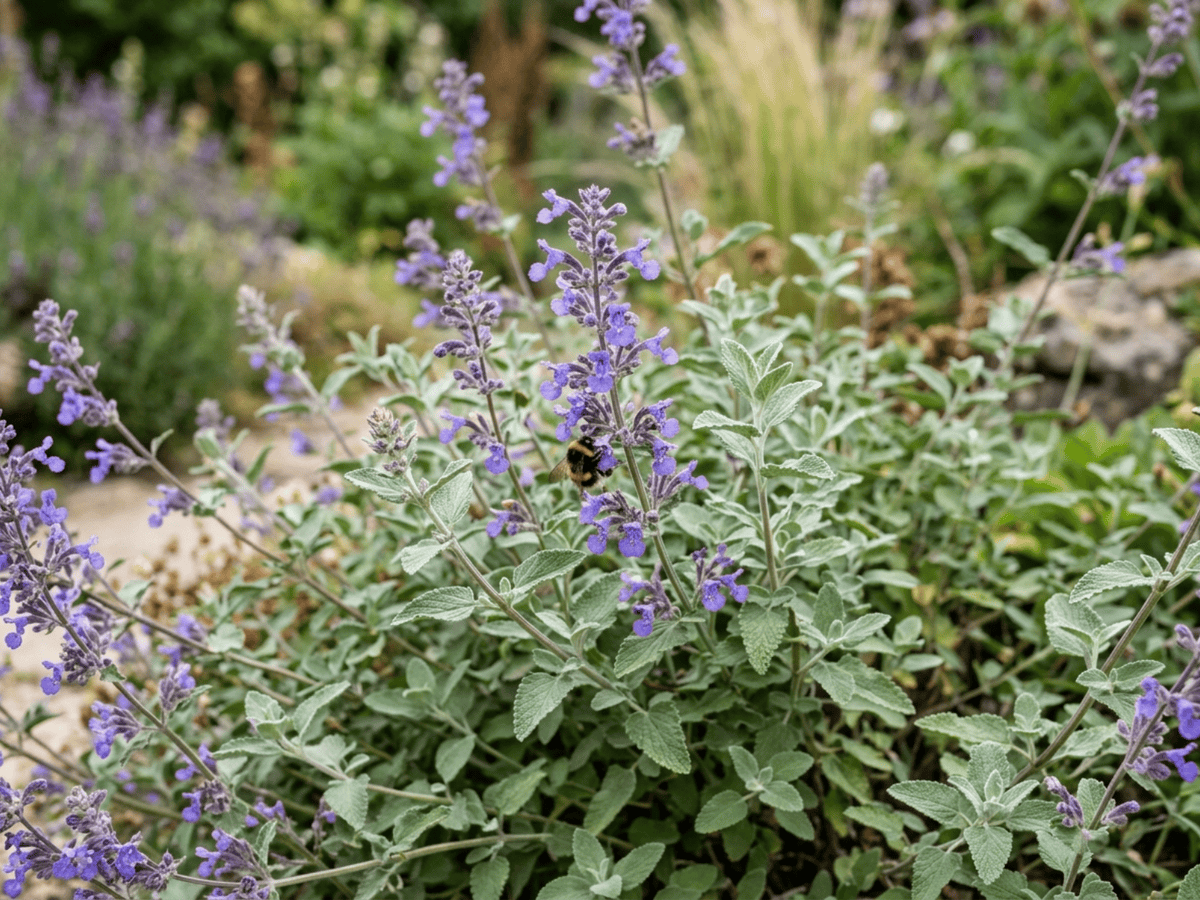
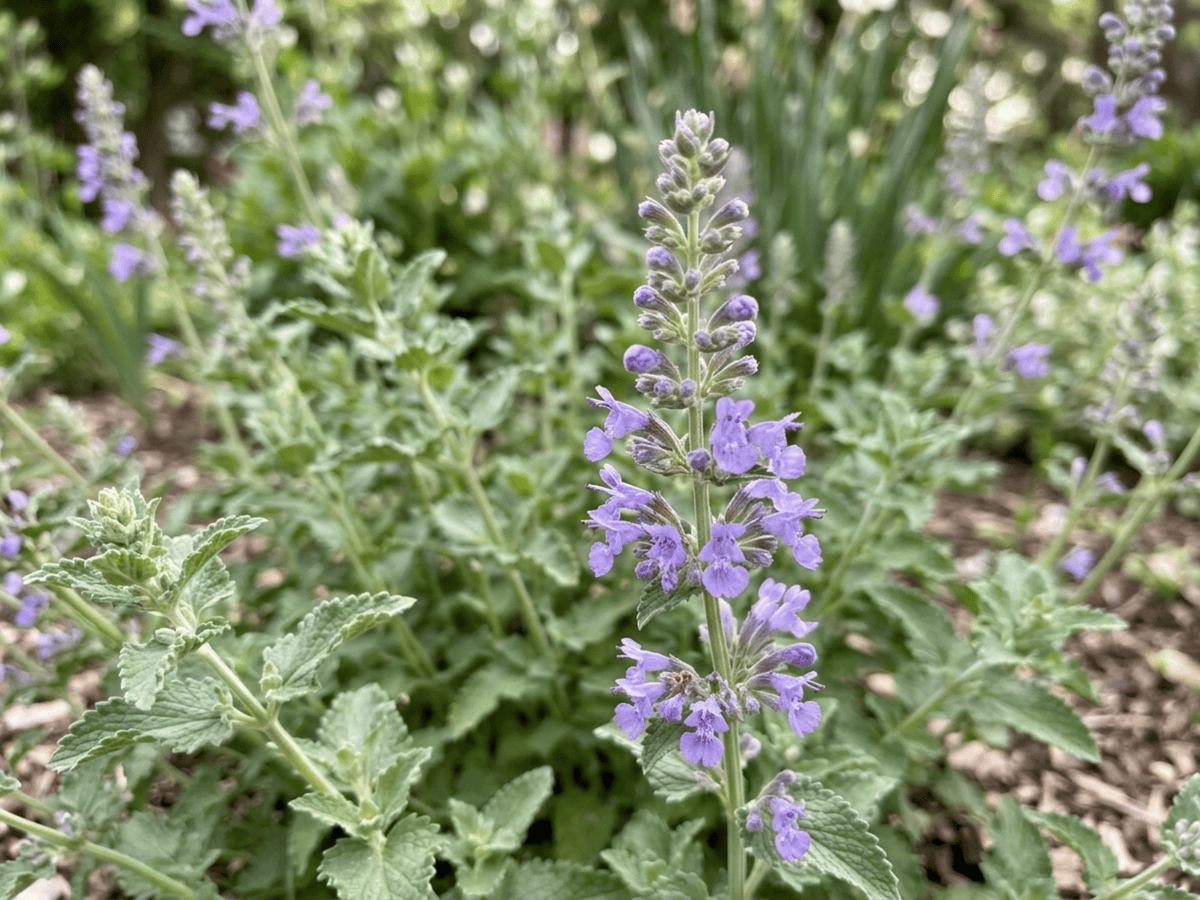
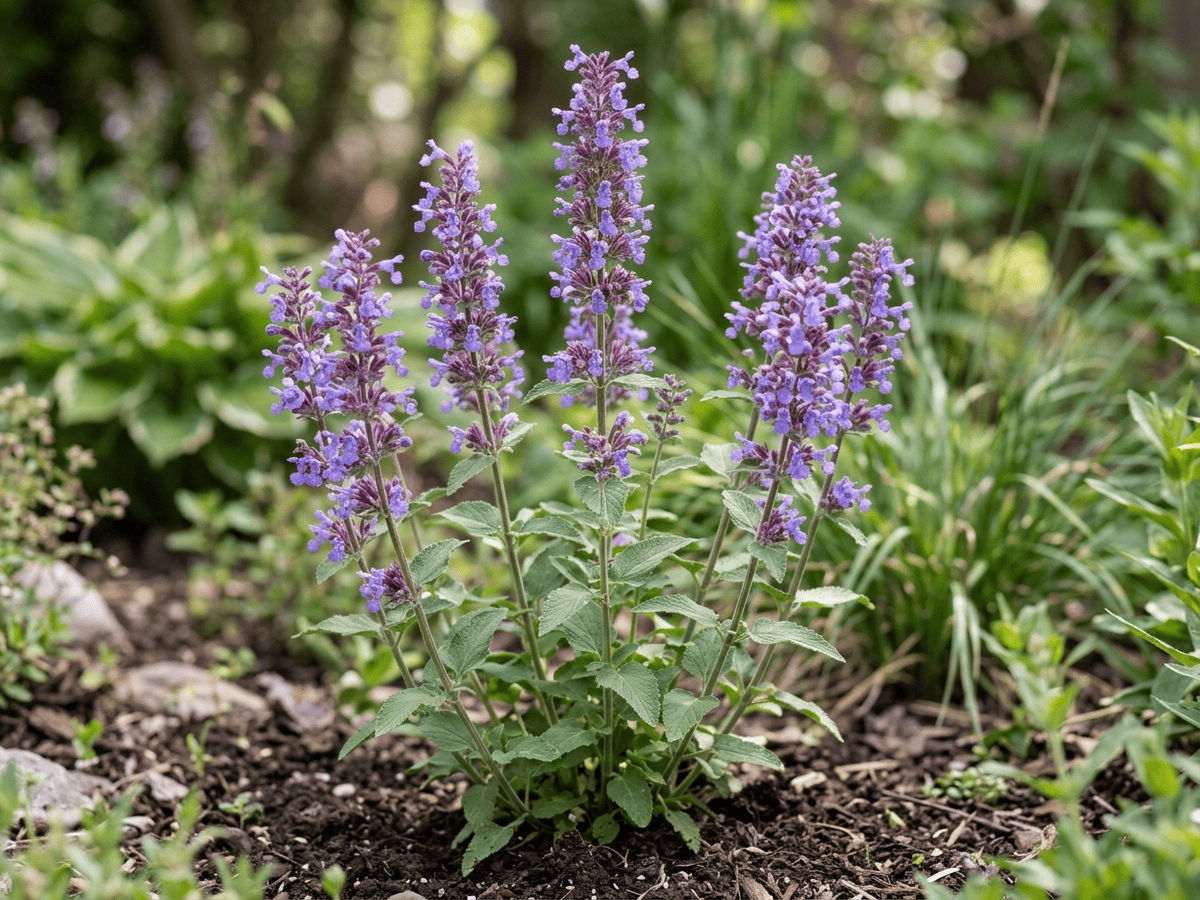
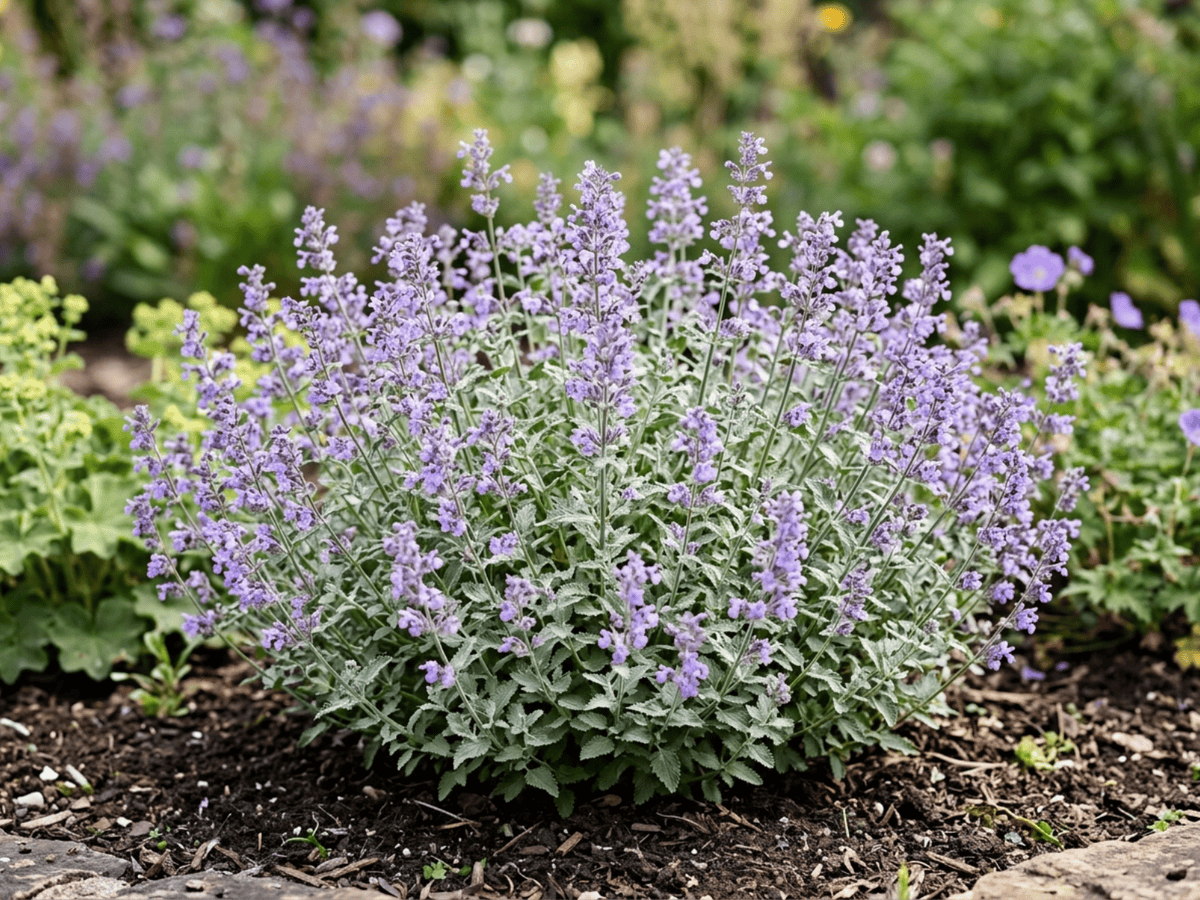
Raceme Catmint is a compact aromatic perennial native to the Caucasus and northern Iran, widely grown in American gardens for its tidy mounds of small gray-green leaves and dense racemes of violet-blue flowers. Growing 10-18 inches tall, it blooms from late spring into summer and reblooms reliably when sheared back. One parent of the popular hybrid Nepeta x faassenii, it remains a garden favorite in its own right for dry sunny borders.
- Fragrant
- Drought-tolerant
- Deer-resistant
- Pollinator-friendly
How to care for Eastern Cat-Mint
Watering
- Springevery 7 days
- Summerevery 5 days
- Fallevery 10 days
- Winterpause watering
Soil · Well-draining
- Top dressingPine bark mulch10%
- Main mixPotting soil + perlite 2:170%
- DrainageLECA / gravel20%
Never skip the drainage layer — standing water is the top cause of root rot.
FERTILIZER
- Springevery 30 days
- Summerevery 30 days
At a Glance
- NativeWestern Asia
- Height1–2 ft (0.3–0.6 m)
- Spread1.5–2.5 ft (0.5–0.8 m)
- Flower colorBlue, Purple
- Foliage colorGreen
- SoilLoamy, Well-drained, Sandy
- LocationsYard
Bloom time
BLOOM CYCLE
Peak bloom
May–Aug
Violet-blue racemes May to August
Fragrance
MODERATE FRAGRANCE
The foliage has a minty, catnip-like scent.
Toxicity
No toxicity has been reported for this plant. Still, it is wise to keep pets from chewing on any houseplant.
Educational information, not medical or veterinary advice. If exposure is suspected, contact a doctor or veterinarian.
DISTRIBUTION


- Native
- Introduced
- Western Asia
History

Nepeta racemosa grows wild across the Caucasus, Anatolia, Iran, and Central Asia on rocky slopes and dry meadows. Known in older literature as N. mussinii, the species reached European cultivation through Russian collecting expeditions in the 18th century. It became a parent of N. x faassenii.
The cultivar 'Walker's Low', though derived from this species rather than the hybrid as sometimes claimed, was named Perennial Plant of the Year in 2007 by the Perennial Plant Association. This recognition made it one of the most widely planted perennials in American gardens. Its aromatic gray-green foliage deters deer while long lavender-blue bloom attracts pollinators through summer.
Modern selections like 'Little Titch' and 'Dropmore' provide additional size options. Introduced to Western horticulture in the 19th century from the Caucasus and Iran. The cultivar 'Walker's Low', despite its name, typically reaches 30 inches and was named after a garden rather than the plant's stature. Widely confused with Nepeta mussinii—the two are sometimes treated as synonyms.
Symbolism & meaning
What It Symbolizes
Catmint is joy in lavender clouds — long-blooming, drought-tolerant, loved by bees and indifferent to neglect, the simple low-care performer every busy gardener eventually adopts. Its simplicity is its gift: a soft purple haze that goes with almost any planting and reliably returns each year. It is the perennial that asks nothing and gives everything it has, every summer.
- Joy — abundant cheerful blooms
- Simplicity — reliable low-care performer
Where the Name Comes From
The name Eastern Cat-Mint describes its mint-family scent or habit. 'Racemosa' refers to the raceme-shaped flower clusters.
Uses & Fun Facts
- Long bloom season feeds bumblebees and honeybees reliably
- Gray mint-scented foliage releases fragrance along dry edging
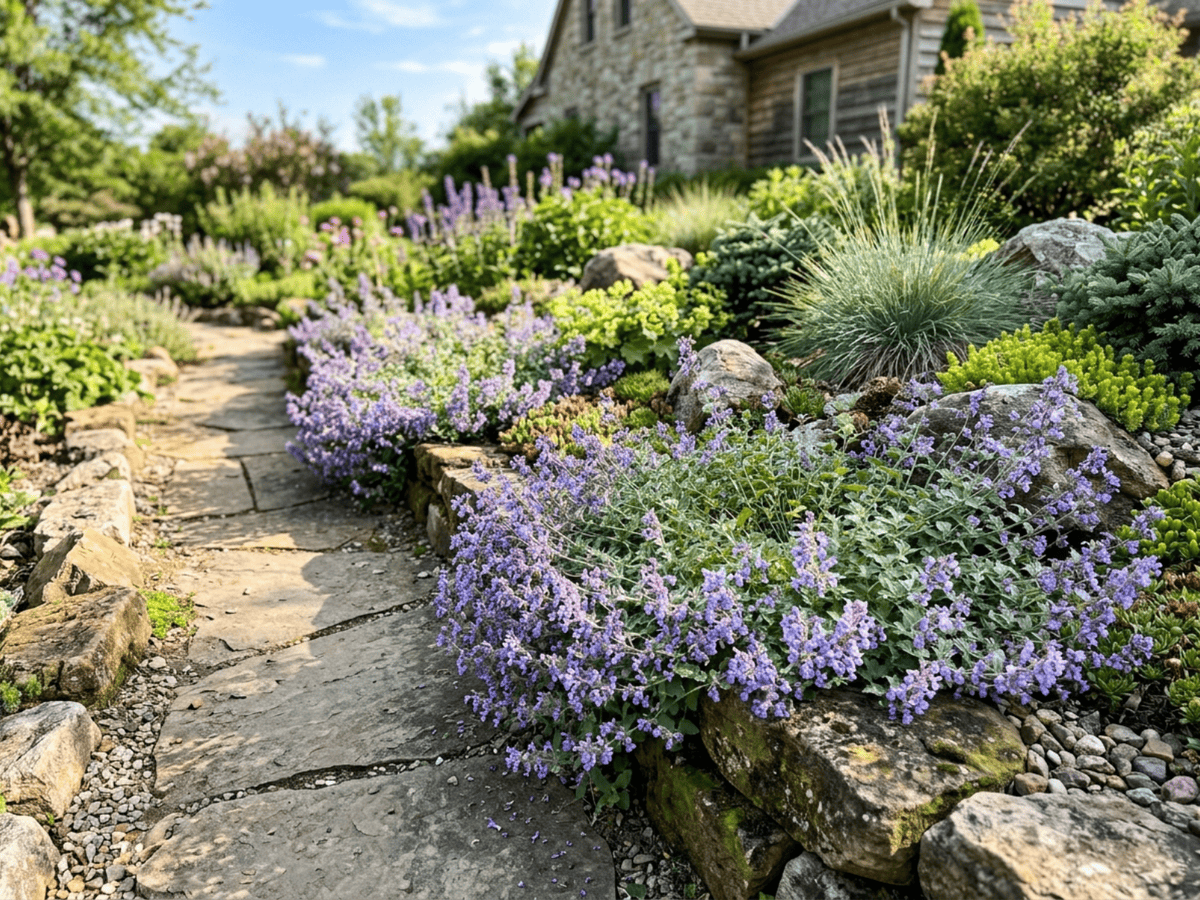
- Compact mounds edge sunny perennial borders and paths
Related plants
More Nepeta plants

Plants with similar care
 Chinese AbeliaAbelia chinensis
 Fragrant AbeliaAbelia mosanensis
 Large-Flowered AbeliaAbelia uniflora
 Glossy AbeliaAbelia x grandiflora
Frequently asked questions
How often should I water Eastern Cat-Mint?
Water about every 7 days during the growing season, and always let excess water drain away.
How much light does Eastern Cat-Mint need?
Full sun: 6+ hrs direct. Watch the leaves — scorching or stretching means the light needs adjusting.
Is Eastern Cat-Mint toxic to cats or dogs?
No toxicity has been reported for this plant. Still, it is wise to keep pets from chewing on any houseplant. Educational information, not medical or veterinary advice. If exposure is suspected, contact a doctor or veterinarian.
Is Eastern Cat-Mint easy to grow?
Yes — it is considered an easy, beginner-friendly plant.
When does Eastern Cat-Mint bloom?
It typically blooms May–Aug in the Northern Hemisphere.
YardMate
Identify any plant in seconds
Snap a photo — YardMate names the plant, diagnoses problems, and reminds you when to water.
Download on the App Store