 YardMate
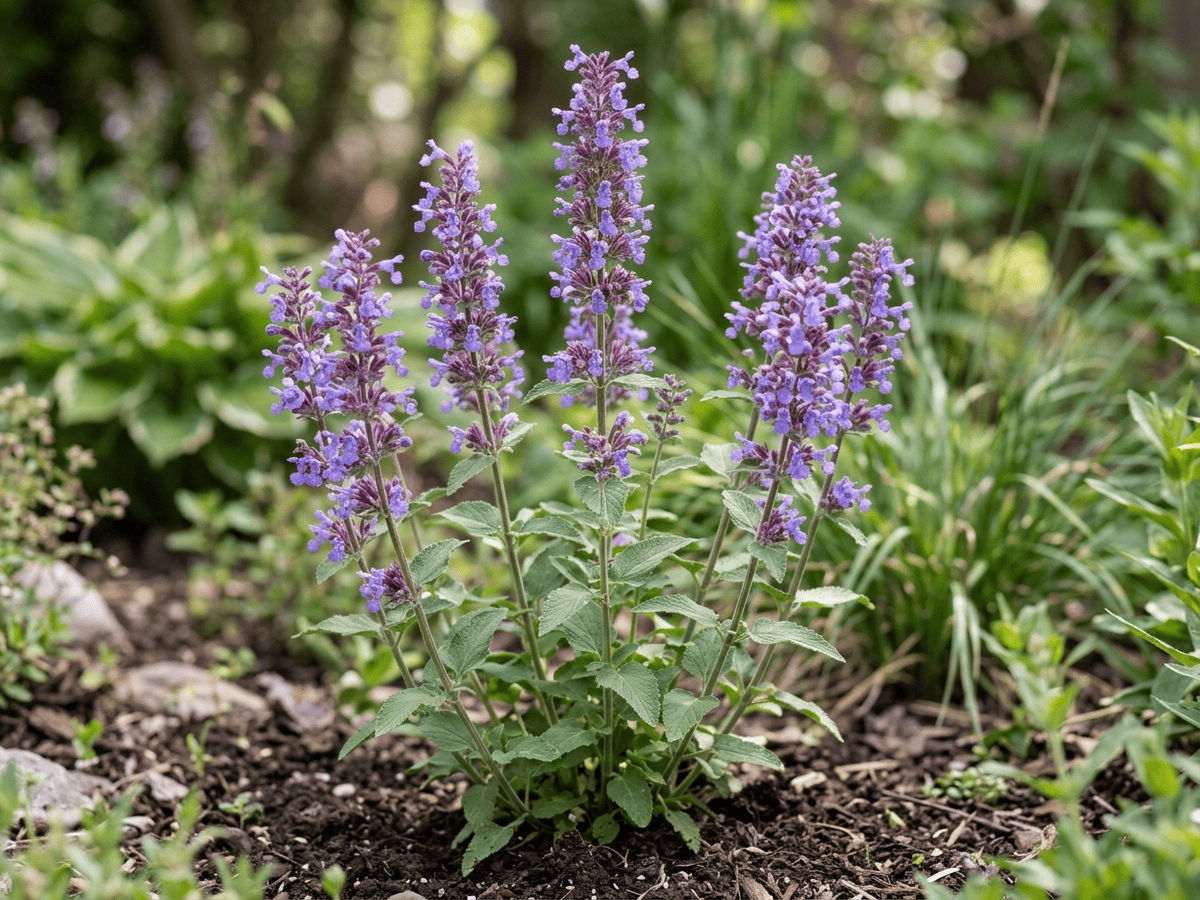


Siberian Catmint
Nepeta sibirica
Easy · Beginner friendlyAbout Siberian Catmint
Siberian Catmint is a robust Asian perennial producing tall spikes of large violet-blue flowers above aromatic gray-green foliage. Growing 2 to 3 feet tall, it blooms in early to midsummer and reblooms if cut back. Less floppy than common catmint, it is a stately border perennial increasingly popular in American perennial gardens. The 'Souvenir d'Andre Chaudron' cultivar is the most widely grown form.
- Drought-tolerant
- Deer-resistant
- Cold-hardy
- Long-blooming
How to care for Siberian Catmint
Watering
- Springevery 7 days
- Summerevery 5 days
- Fallevery 10 days
- Winterevery 21 days
Soil · Well-draining
- Top dressingPine bark mulch10%
- Main mixPotting soil + perlite 2:170%
- DrainageLECA / gravel20%
Never skip the drainage layer — standing water is the top cause of root rot.
FERTILIZER
- Springevery 45 days
- Summerevery 60 days
At a Glance
- NativeMediterranean, Western Asia, East Asia
- Height1.5–3 ft (0.5–0.9 m)
- Spread1.5–2 ft (0.5–0.6 m)
- Flower colorBlue, Purple
- Foliage colorGreen
- SoilWell-drained, Loamy, Neutral
- LocationsYard
Bloom time
BLOOM CYCLE
Peak bloom
Jun–Aug
Large violet-blue flowers early to midsummer, rebloom with trim
Fragrance
MODERATE FRAGRANCE
Minty-herbal scent when foliage is crushed; attracts cats.
Toxicity
No toxicity has been reported for this plant. Still, it is wise to keep pets from chewing on any houseplant.
Educational information, not medical or veterinary advice. If exposure is suspected, contact a doctor or veterinarian.
DISTRIBUTION


- Native
- Introduced
- Mediterranean
- Western Asia
- East Asia
History
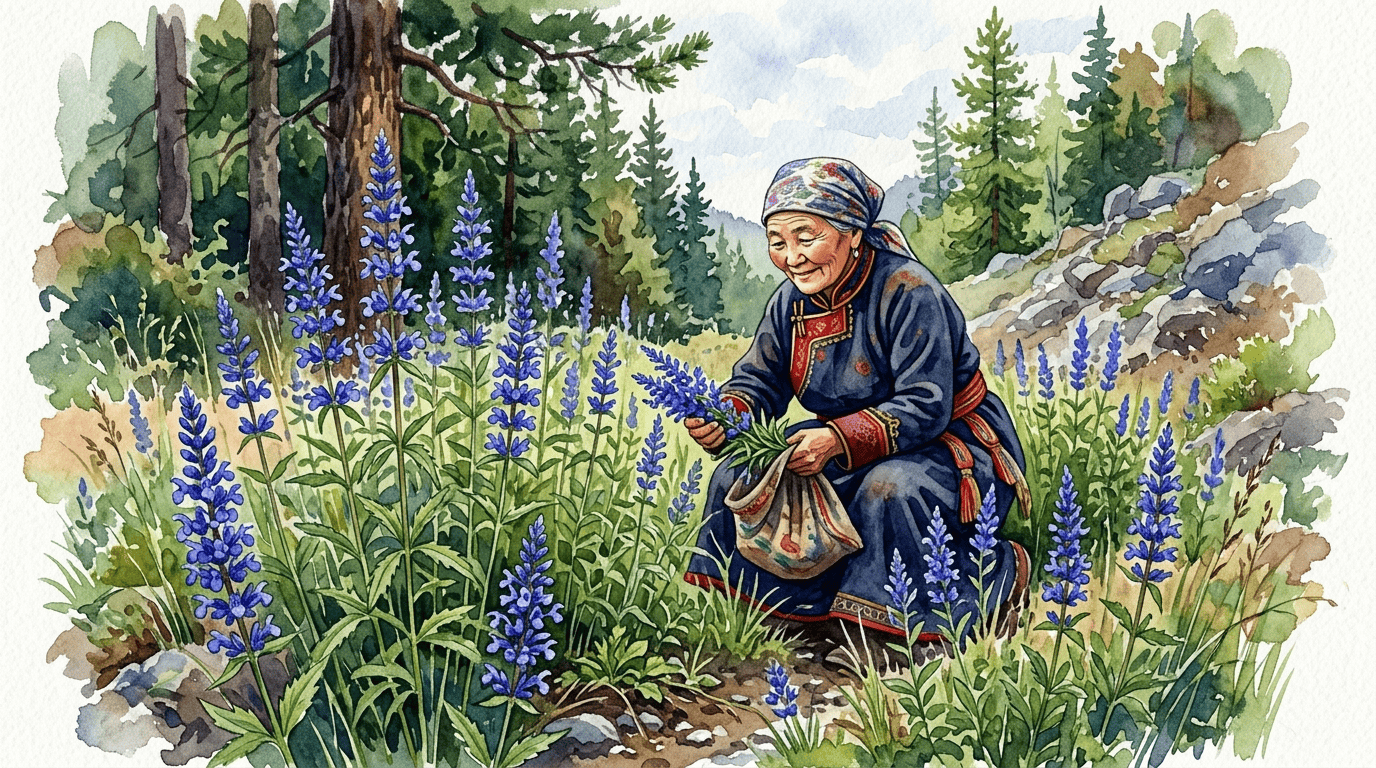
Nepeta sibirica is native to stony slopes and open conifer forests from the Altai and Sayan mountains of Siberia across Mongolia and northwestern China. Linnaeus included it in Species Plantarum (1753) based on collections sent to him from St. Petersburg. Russian and Mongolian traditional medicine used it as a mild sedative and cold remedy.
Seeds and live plants reached London's Chelsea Physic Garden and Kew by the late 1700s through Academy of Sciences exchanges. Unlike its shorter cousin N. × faassenii, it forms upright stems to 90 cm, valued in mixed borders for vivid blue flowers from June through August.
The 1980s cultivar 'Souvenir d'André Chaudron' (sometimes listed as 'Blue Beauty') remains the most popular form. The 'Souvenir d'Andre Chaudron' cultivar has been grown in American estate and perennial gardens for generations, valued for its upright form that doesn't flop like other catmints.
Symbolism & meaning
What It Symbolizes
Siberian Catmint is a Steady companion — upright stems holding their form rather than flopping outward like its more rambunctious cousins by midsummer. Its Siberian strength comes from a homeland of brutal winters, leaving the plant almost indifferent to American cold snaps. A reliable, well-mannered perennial for the long-haul border, asking very little in return.
- Steady companion — upright form stays tidy
- Siberian strength — survives severe cold with dependable vigor
Where the Name Comes From
'Nepeta' possibly from the Italian town Nepi where it was cultivated; 'sibirica' refers to Siberian origin.
Uses & Fun Facts
- Long-lasting blue spikes are bee and butterfly magnets
- Tall catmint anchors mid-border perennial summer plantings
- Aromatic foliage releases minty scent when brushed
Related plants
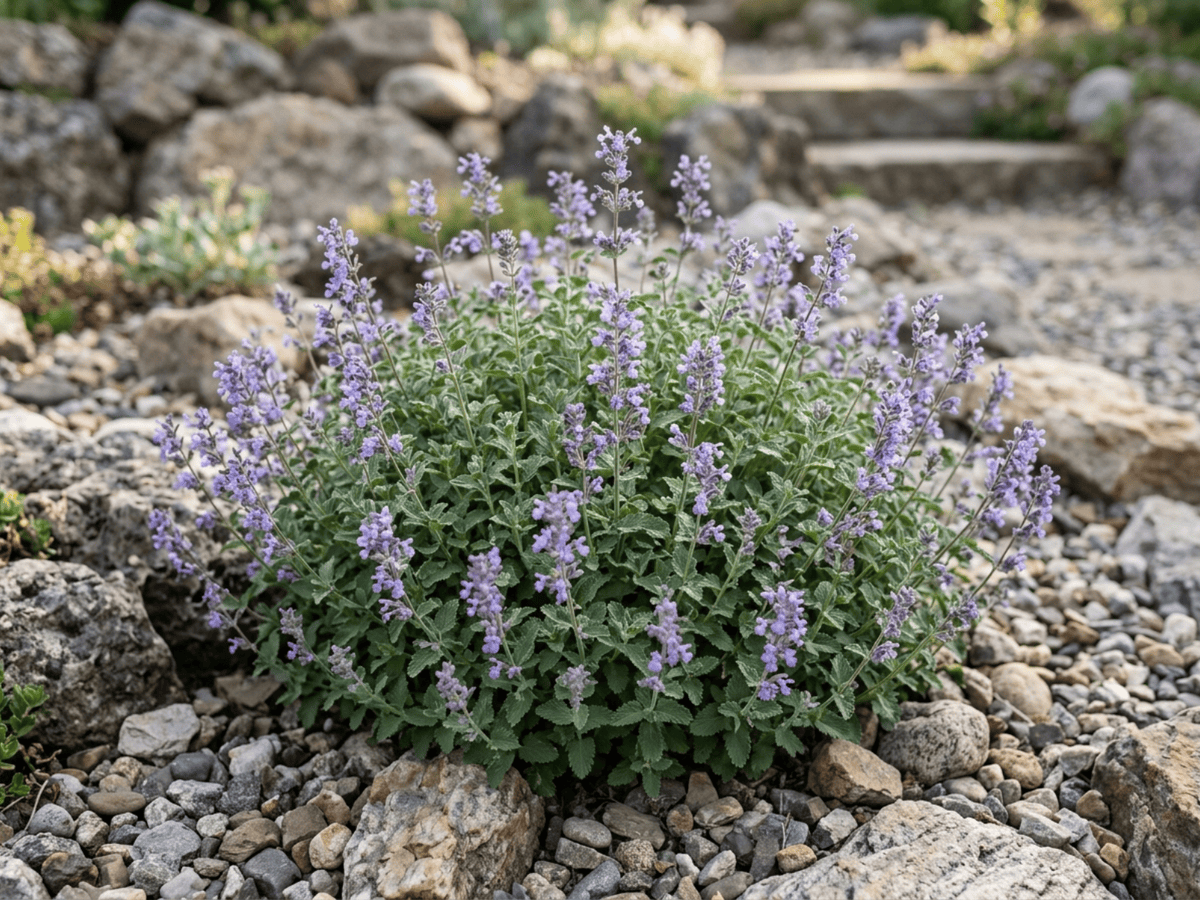
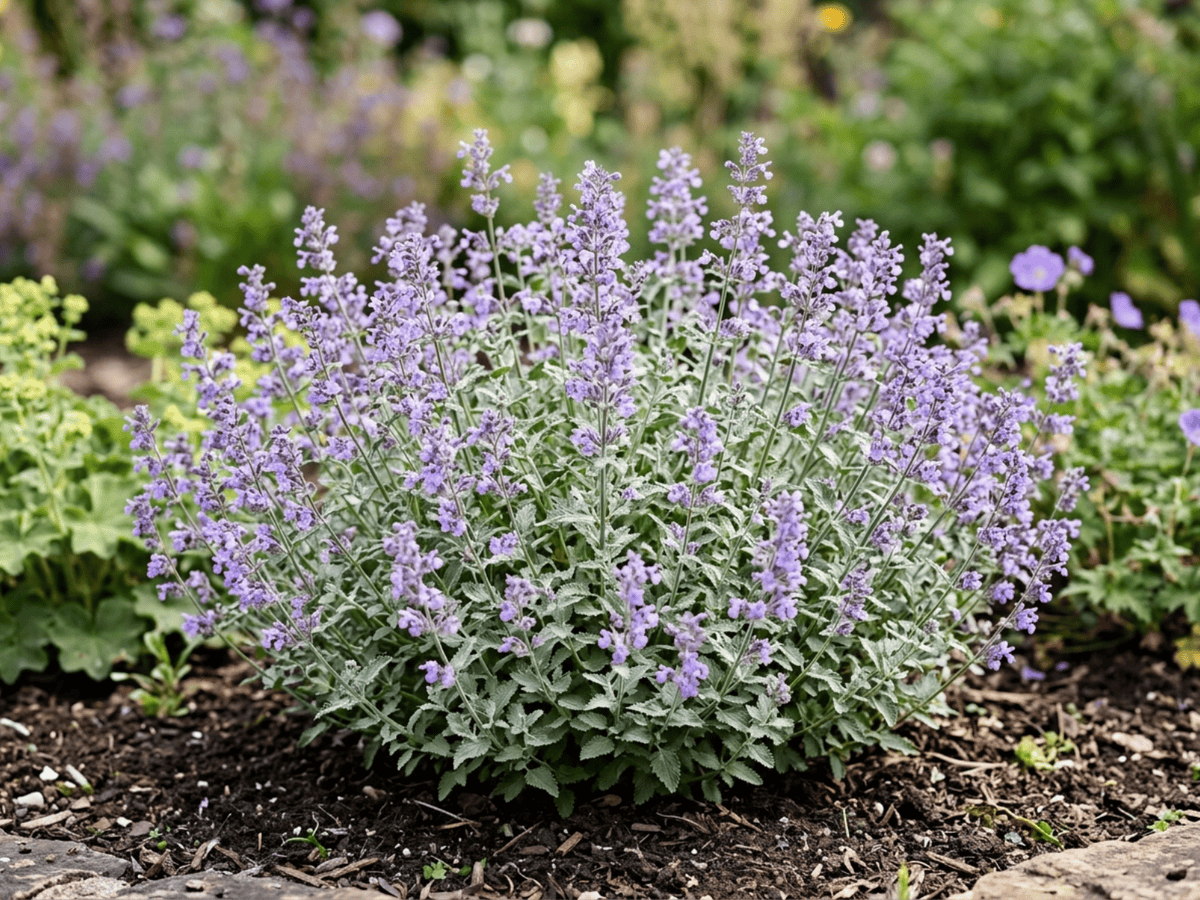
More Nepeta plants

Plants with similar care
 Chinese AbeliaAbelia chinensis
 Fragrant AbeliaAbelia mosanensis
 Large-Flowered AbeliaAbelia uniflora
 Glossy AbeliaAbelia x grandiflora
Frequently asked questions
How often should I water Siberian Catmint?
In summer, water about every 5 days; in winter, about every 21 days. Adjust for heat, pot size and drainage.
How much light does Siberian Catmint need?
Full sun: 6+ hrs direct. Watch the leaves — scorching or stretching means the light needs adjusting.
Is Siberian Catmint toxic to cats or dogs?
No toxicity has been reported for this plant. Still, it is wise to keep pets from chewing on any houseplant. Educational information, not medical or veterinary advice. If exposure is suspected, contact a doctor or veterinarian.
Is Siberian Catmint easy to grow?
Yes — it is considered an easy, beginner-friendly plant.
When does Siberian Catmint bloom?
It typically blooms Jun–Aug in the Northern Hemisphere.
YardMate
Identify any plant in seconds
Snap a photo — YardMate names the plant, diagnoses problems, and reminds you when to water.
Download on the App Store