 YardMate
Hartweg's Sundrops
Oenothera hartwegii
Hard · Experienced growersAbout Hartweg's Sundrops
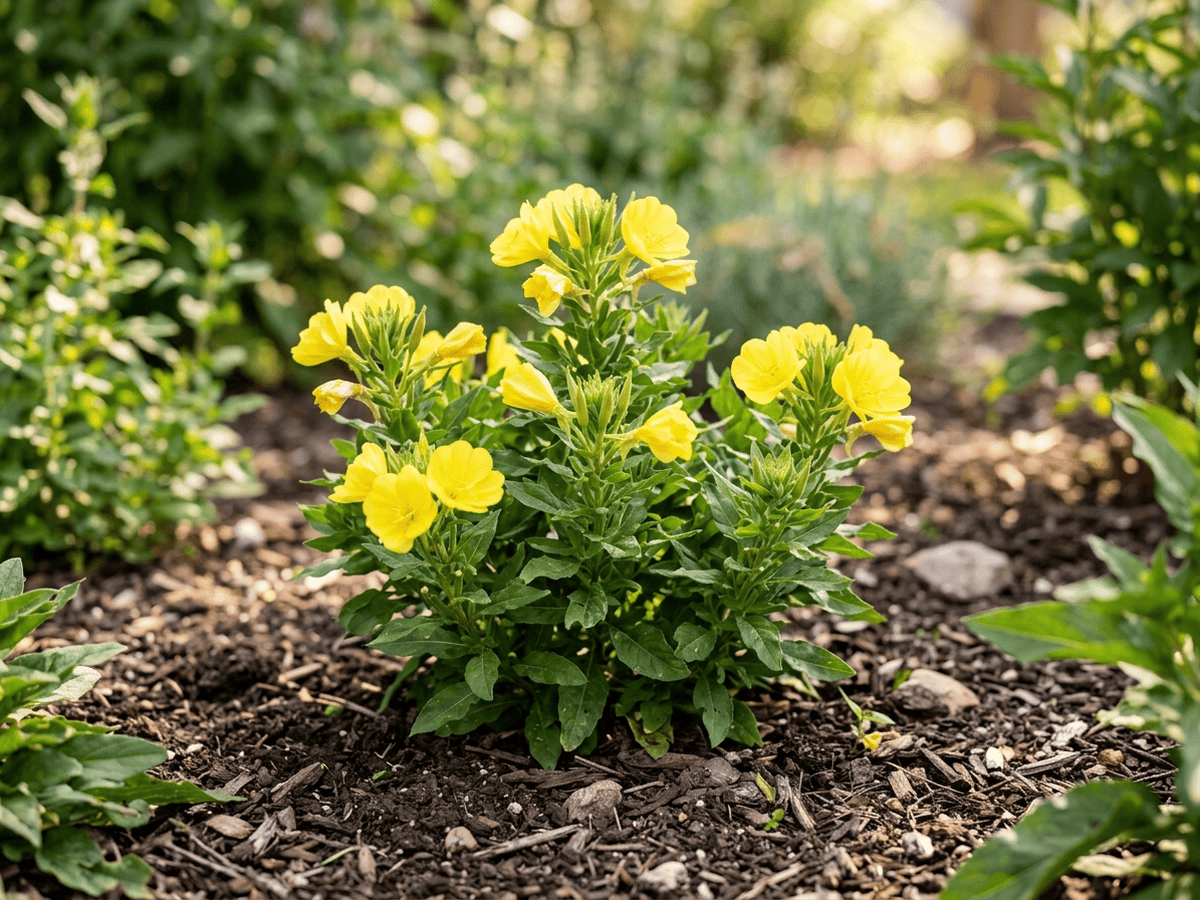
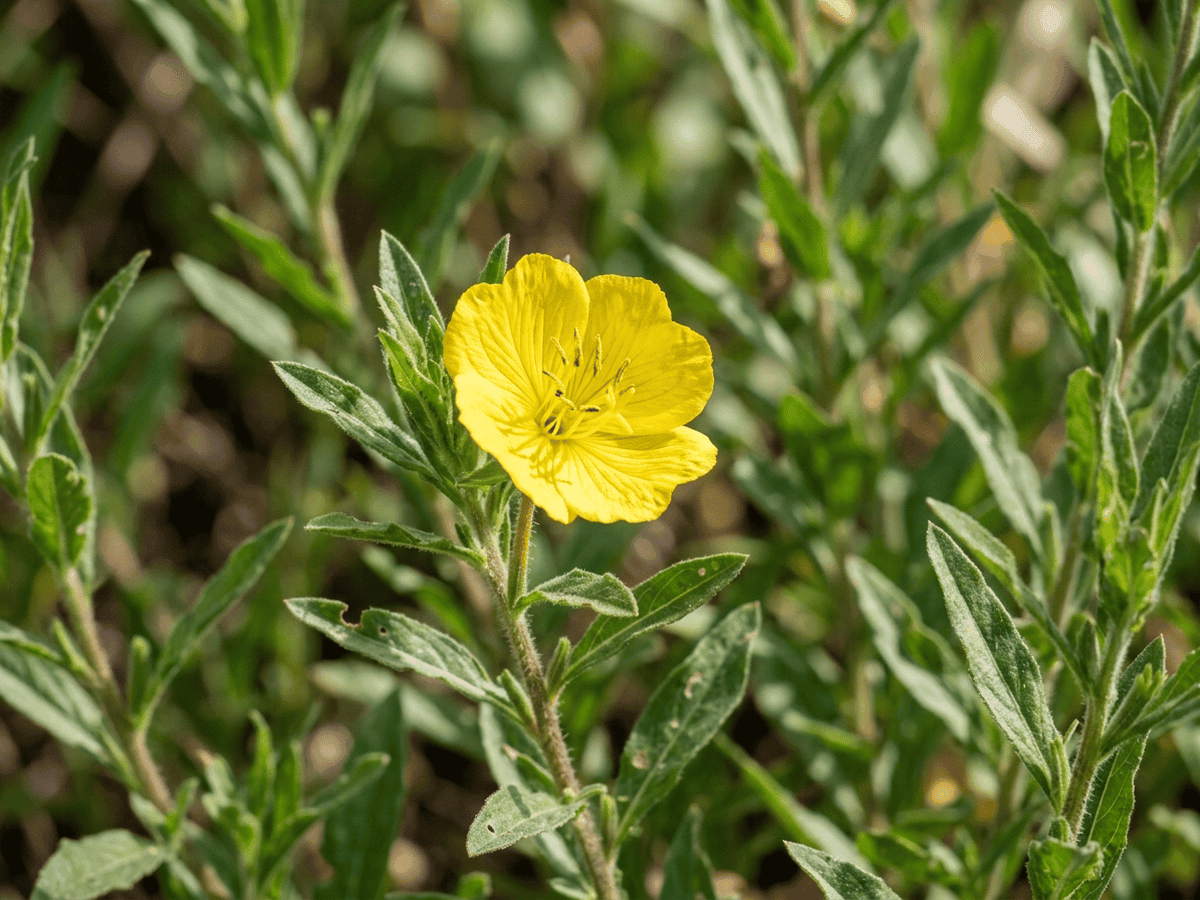
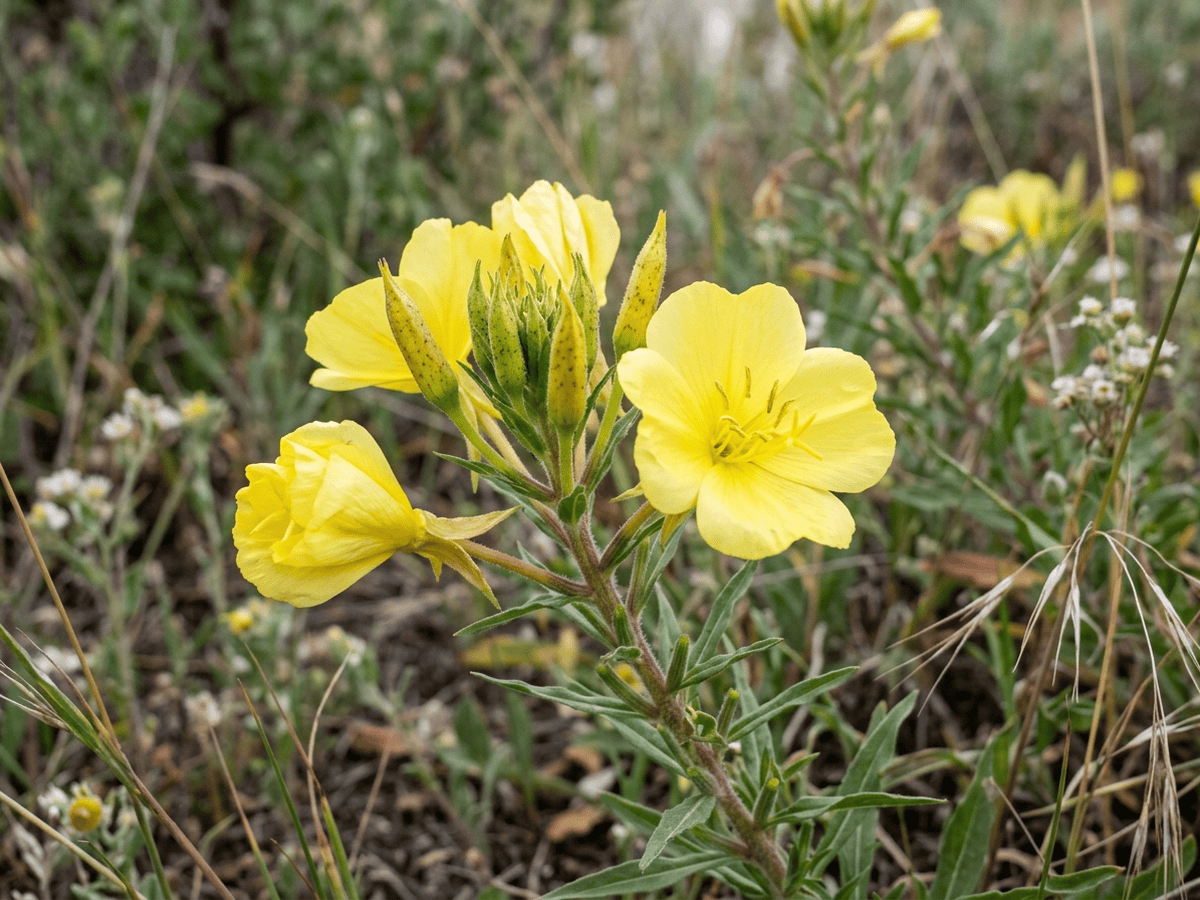
Oenothera hartwegii, Hartweg's Sundrops, is a subshrubby perennial native to the rocky limestone slopes and desert grasslands of Texas, New Mexico, and northern Mexico. Unlike most evening primroses—which open at dusk—Hartweg's Sundrops blooms freely in full daylight, producing cheerful golden-yellow four-petaled flowers atop wiry branching stems from May through September. Growing 1–3 feet tall, it bears narrow lance-shaped leaves and handles intense summer heat and drought with ease. A reliable long-season bloomer for xeric and native plant gardens.
- Drought-tolerant
- Long-blooming
- Pollinator-friendly
- Showy-fruit
- Compact
How to care for Hartweg's Sundrops
Watering
- Springevery 10 days
- Summerevery 7 days
- Fallevery 15 days
- Winterpause watering
Soil · Well-draining
- Top dressingPine bark mulch10%
- Main mixPotting soil + perlite 2:170%
- DrainageLECA / gravel20%
Never skip the drainage layer — standing water is the top cause of root rot.
FERTILIZER
Balanced Feed 14-14-14
An even feed covers all three needs at once, keeping leaves, roots and blooms moving together with nothing pushed out of balance.
- Nitrogen · Leaves
- Phosphorus · Roots + Blooms
- Potassium · Strength
- Springevery 30 days
- Summerevery 60 days
At a Glance
- NativeNorth America
- Height1–3 ft (0.3–0.9 m)
- Spread1–2 ft (0.3–0.6 m)
- Flower colorYellow
- Foliage colorGreen
- SoilWell-drained, Loamy
- LocationsYard · Balcony
Bloom time
BLOOM CYCLE
Peak bloom
May–Sep
This perennial produces bright yellow flowers throughout the summer months.
Fragrance
NO FRAGRANCE
Unscented flowers.
Toxicity
No toxicity has been reported for this plant. Still, it is wise to keep pets from chewing on any houseplant.
Educational information, not medical or veterinary advice. If exposure is suspected, contact a doctor or veterinarian.
DISTRIBUTION


- Native
- North America
History
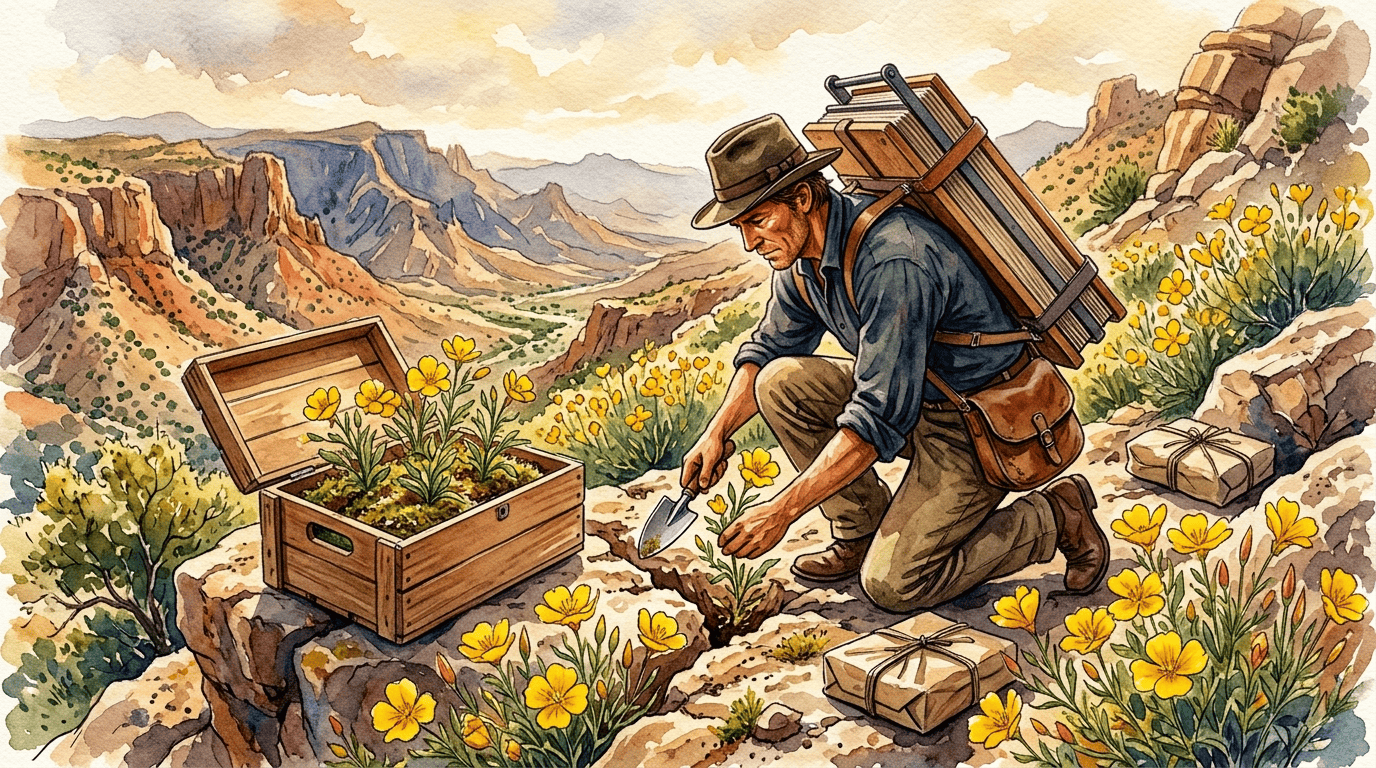
Oenothera hartwegii takes its species name from Karl Theodor Hartweg (1812–1871), a German-Swiss botanist who made two landmark plant-collecting expeditions on behalf of the Horticultural Society of London. Between 1836 and 1843, and again from 1845 to 1848, Hartweg traversed Mexico, Guatemala, Colombia, Ecuador, and California in search of ornamental and economically significant plants unknown to European horticulture.
Hartweg was a meticulous field collector operating in some of the most challenging terrain of the Americas—climbing Andean peaks, crossing arid Mexican plateaus, and navigating politically turbulent newly independent republics. He introduced dozens of plants to European gardens, including several conifer species and orchids, sending live specimens and dried herbarium sheets back to London on ships that sometimes took months to arrive.
The rocky limestone hills of northern Mexico and Texas, where Hartweg's Sundrops grows natively, were precisely the kind of terrain Hartweg explored. The plant's resilience—thriving in thin soils under blazing summer sun, blooming prolifically without irrigation—embodies the rugged beauty of the landscapes he documented.
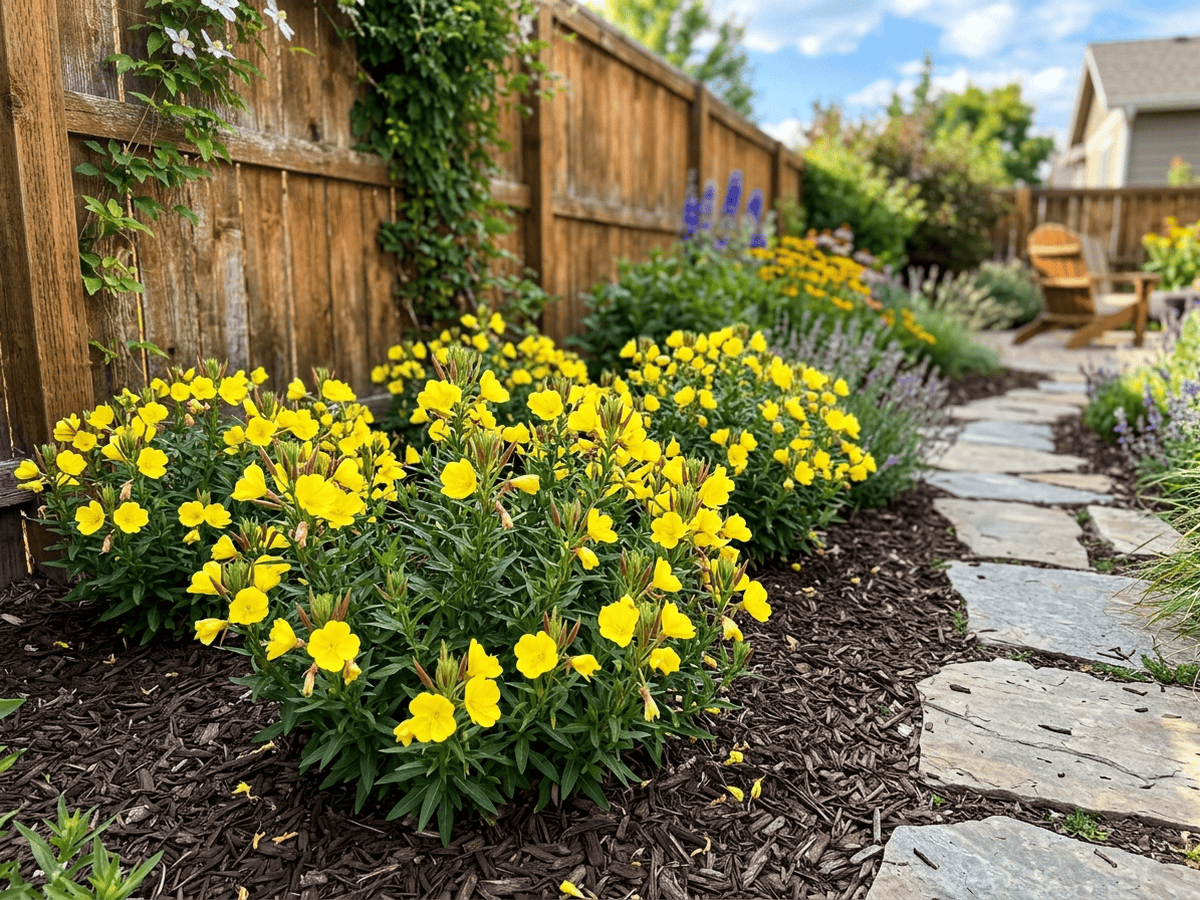
In cultivation, Hartweg's Sundrops has become a valued component of water-wise and native plant gardens throughout the American Southwest and Great Plains, where its long flowering season and drought tolerance make it an ideal choice for low-maintenance summer color.
Symbolism & meaning
What It Symbolizes
Most evening primroses wait for dark. Hartweg's Sundrops doesn't. It opens wide in full afternoon sun, yellow and uncomplicated, on a hillside where little else volunteers to bloom in July. A plant that seems to have decided the heat isn't a problem.
- sunlit persistence — Blooms in full summer sun without relief from shade or extra water—cheerful and unwavering through the hottest months.
- named discovery — A plant named for the man who found it in a remote landscape—a small act of botanical immortality for a collector few people remember today.
Where the Name Comes From
Oenothera derives from Greek oinos (wine) and thera (prey/hunt), possibly referring to an ancient belief that the roots flavored wine, or from an older plant name. The species epithet hartwegii honors Karl Theodor Hartweg (1812–1871), German-Swiss botanical collector who explored Mexico and Central America for the Horticultural Society of London.
Uses & Fun Facts
- Day-blooming yellow flowers attract bumblebees, native bees, and butterflies throughout the long summer season; excellent for pollinators in hot, dry gardens
- Long-blooming perennial for xeric gardens, rock gardens, and native plant borders; tolerates poor rocky soils and prolonged drought once established
Related plants
More Oenothera plants
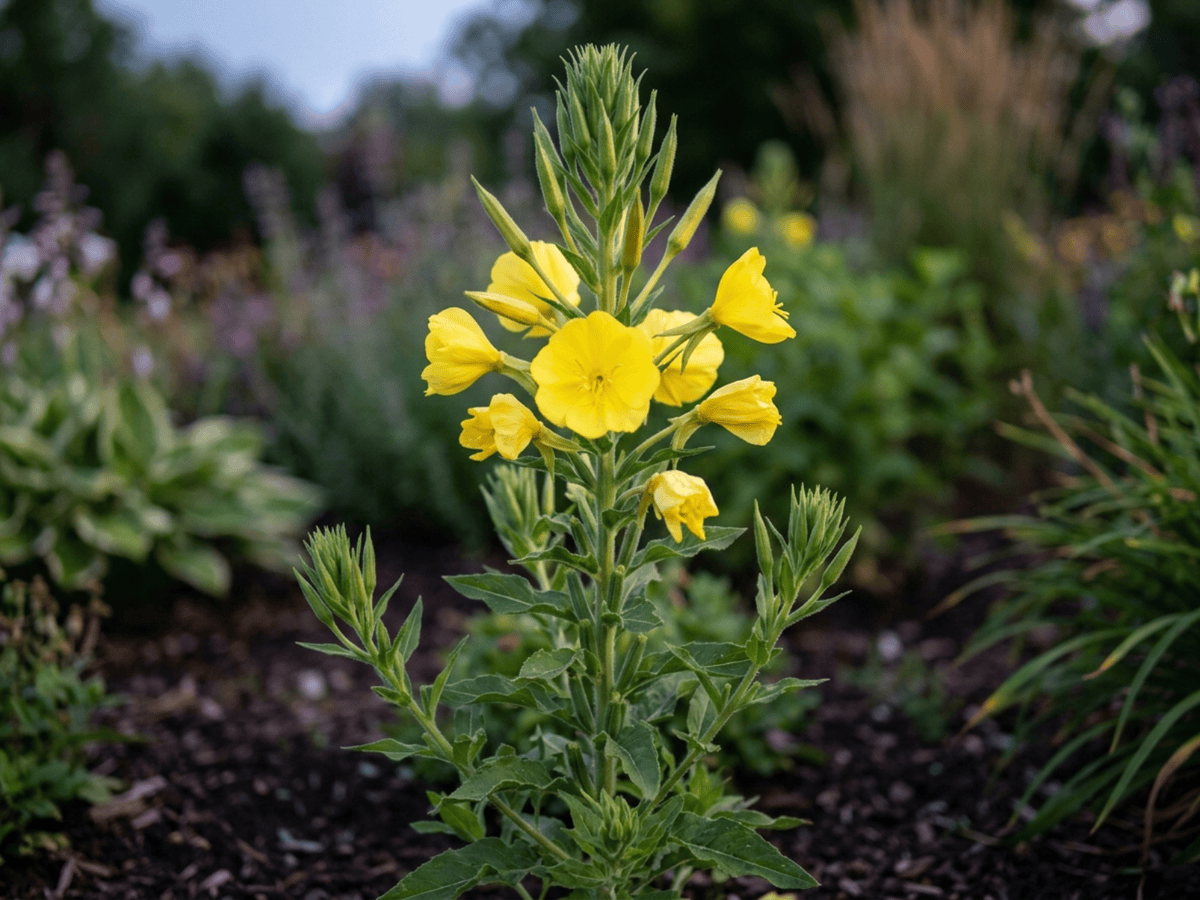 Common Evening-PrimroseOenothera biennis
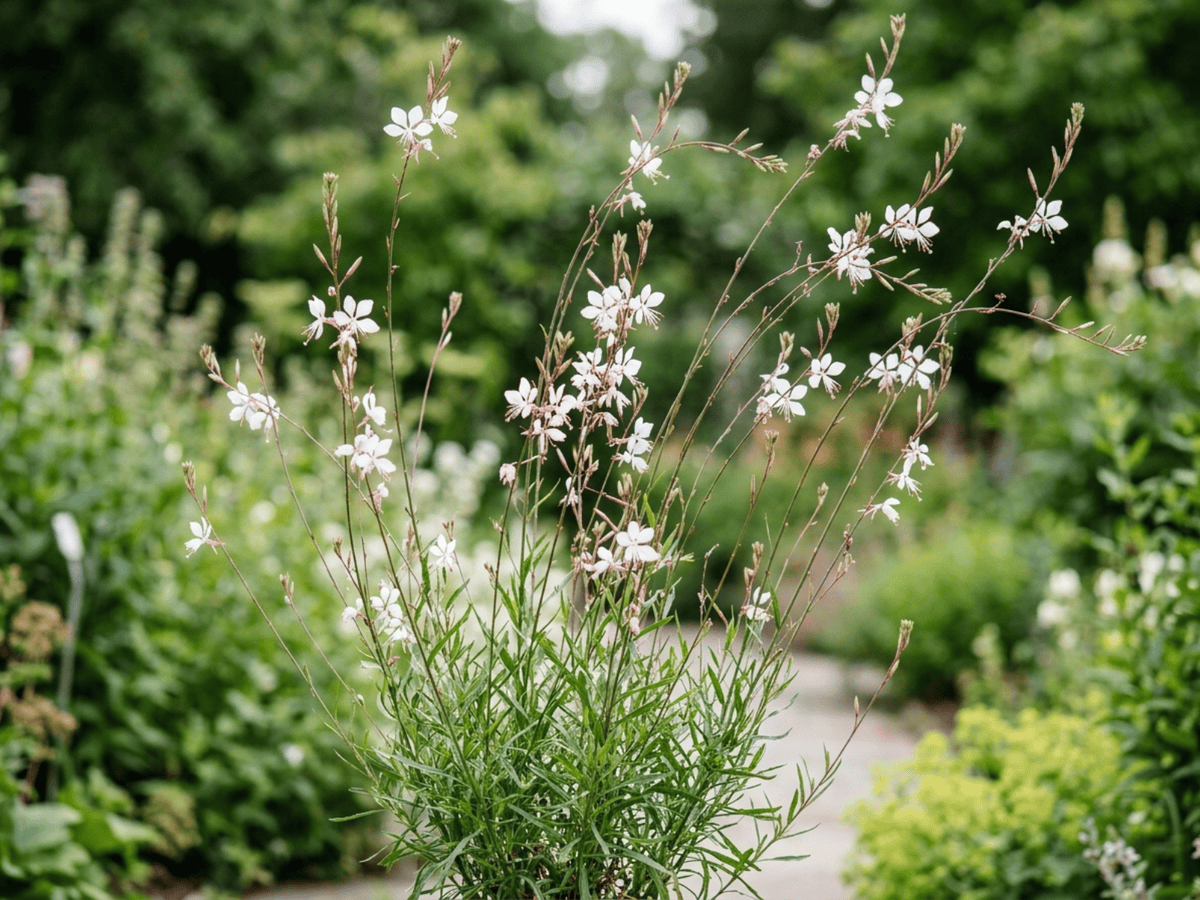 ClockweedOenothera lindheimeri
 Pink Evening PrimroseOenothera speciosa
Plants with similar care
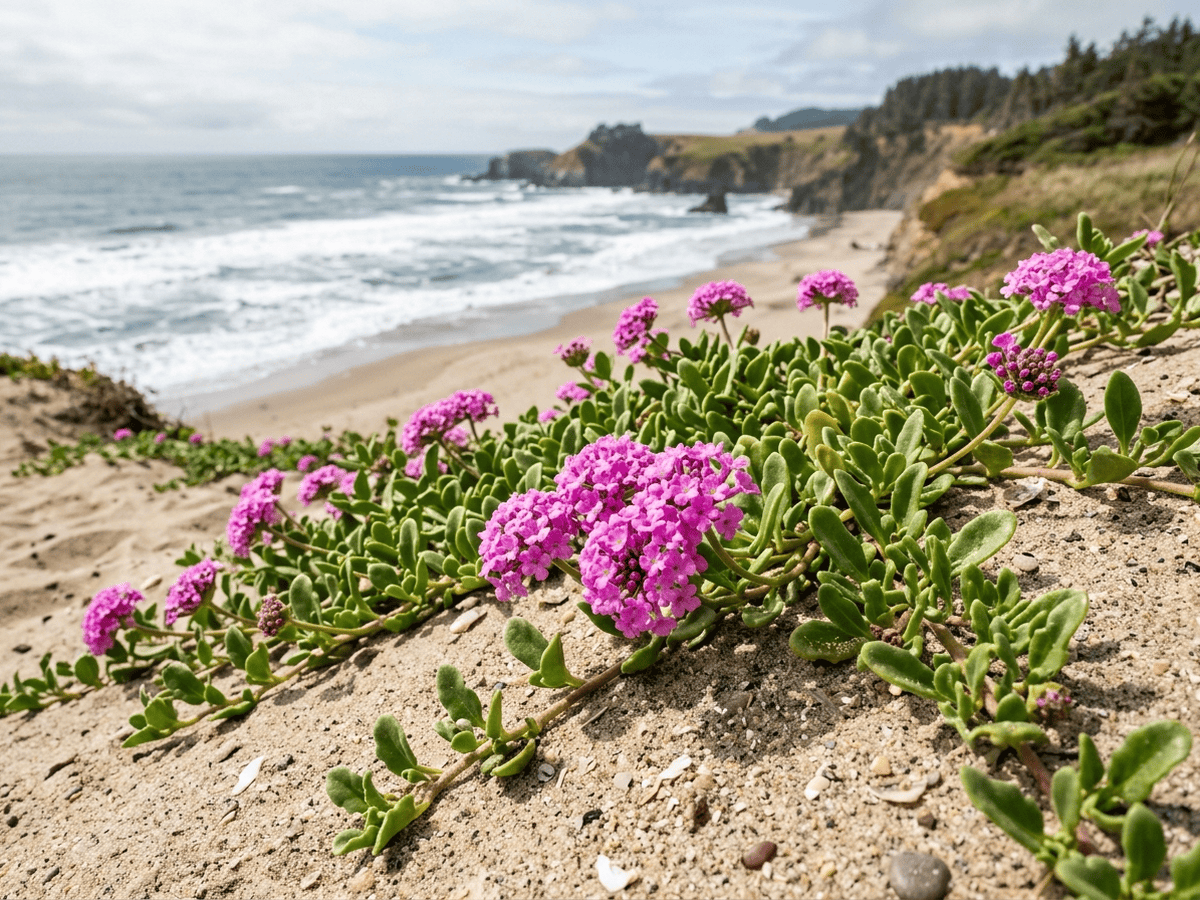 Pink Sand VerbenaAbronia umbellata
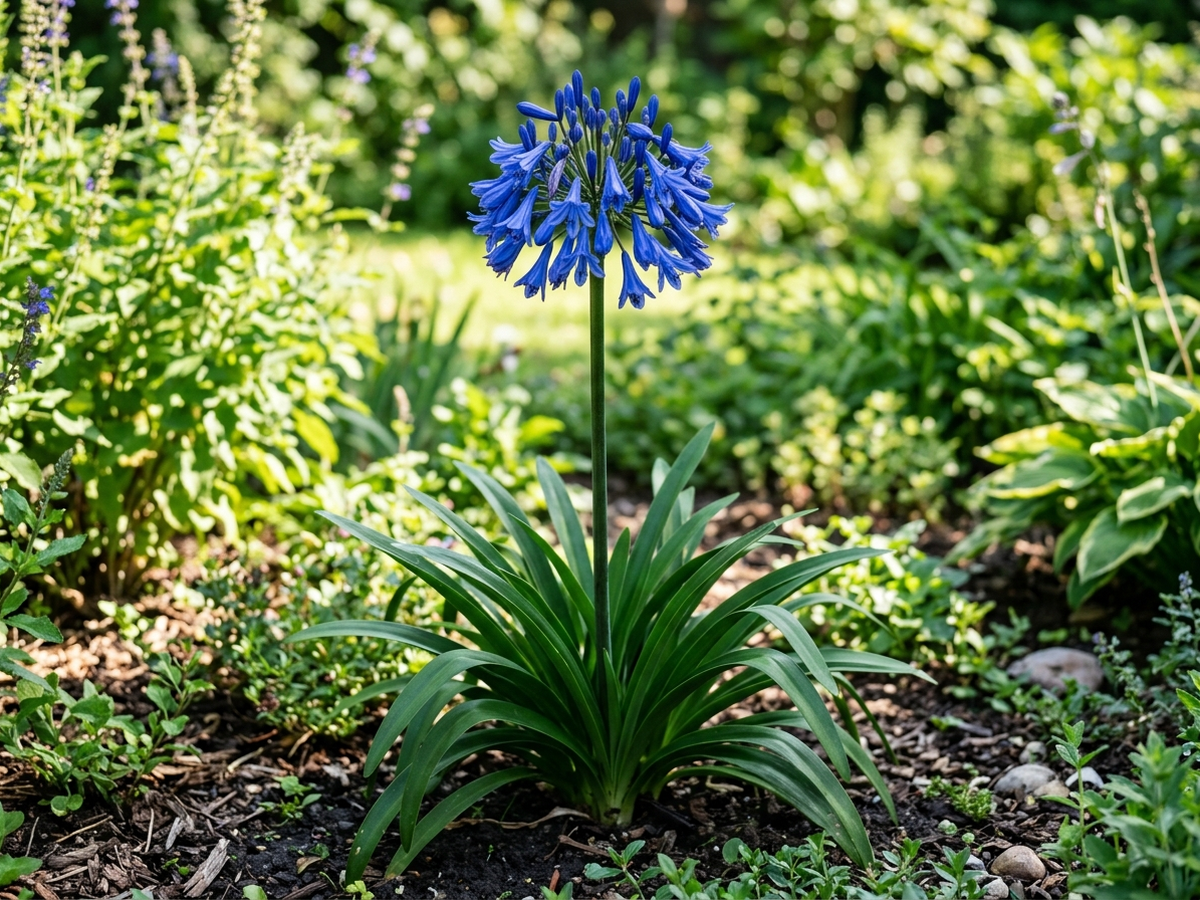 Drooping AgapanthusAgapanthus inapertus
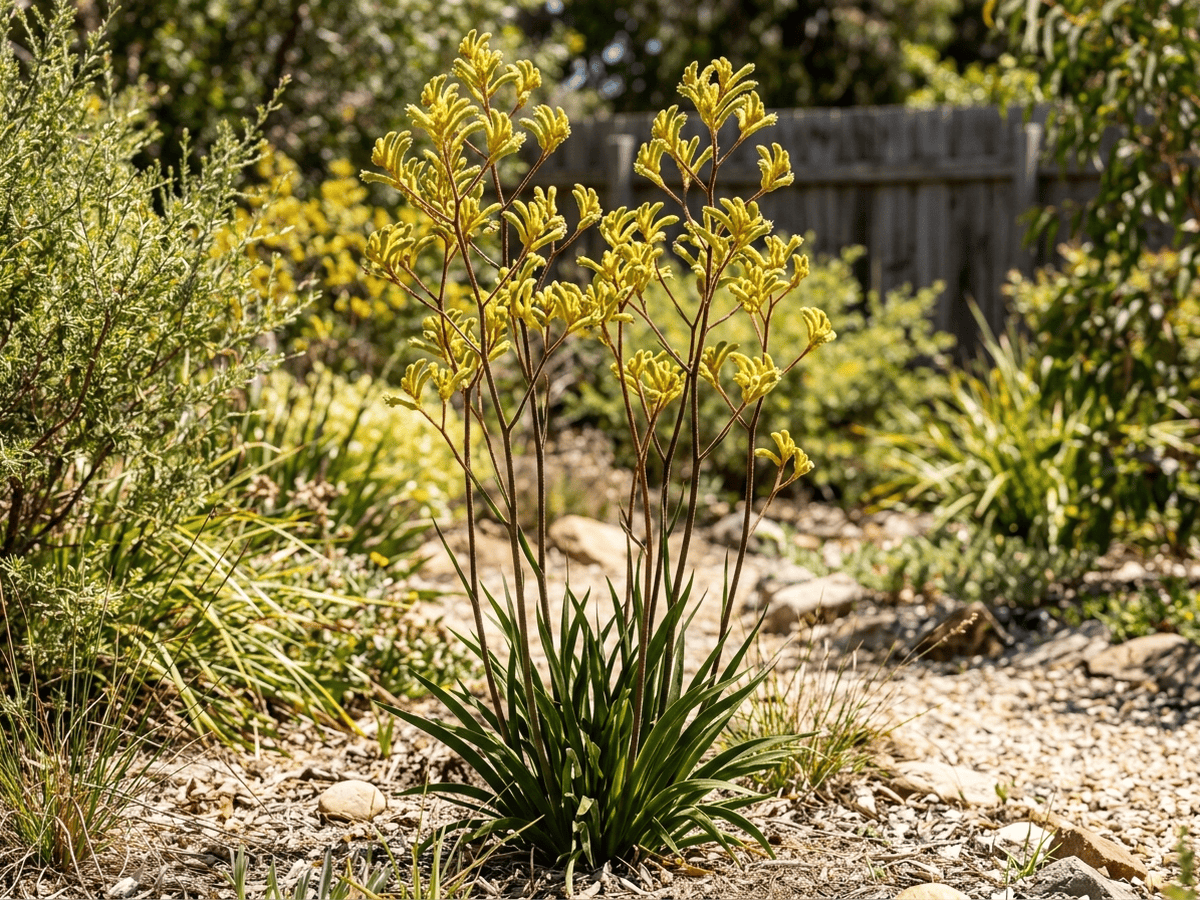 Tall Kangaroo PawAnigozanthos flavidus
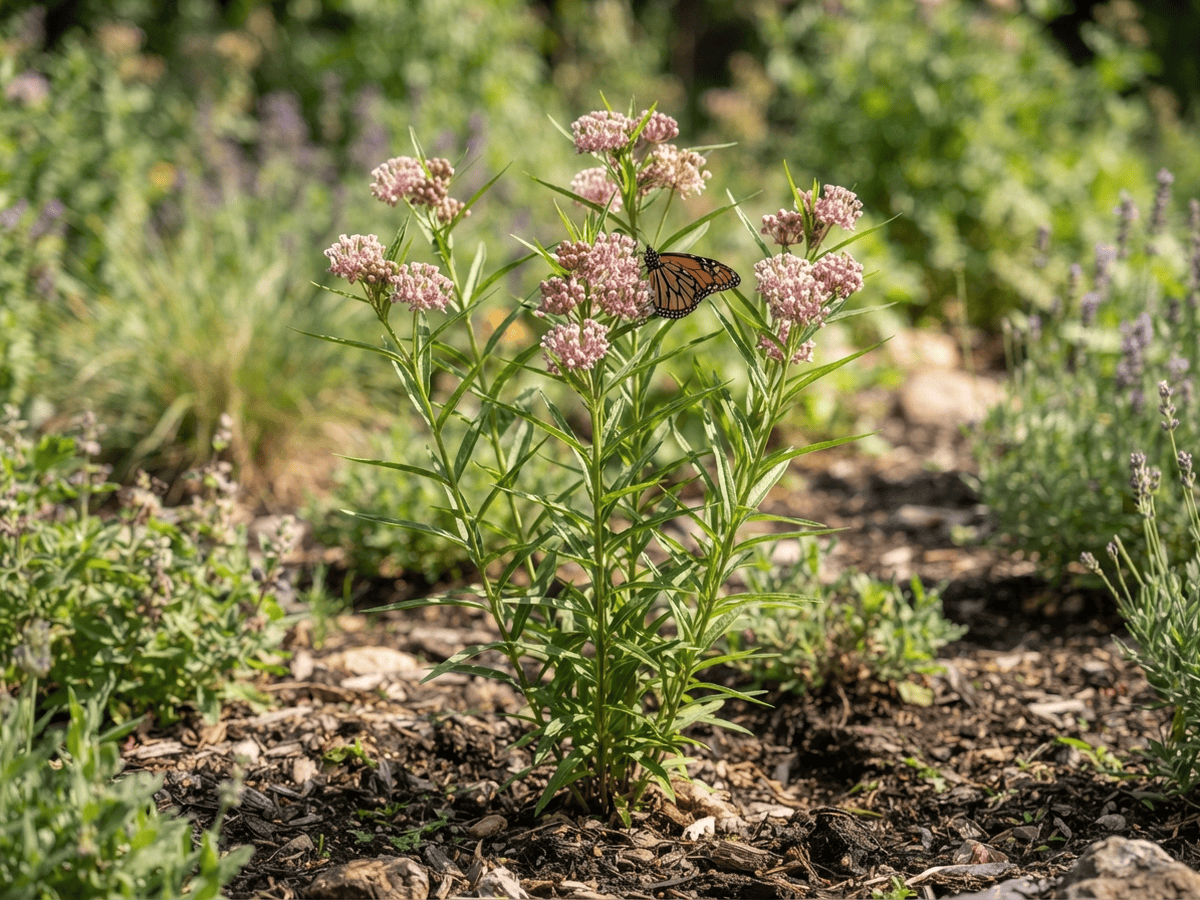 Narrowleaf MilkweedAsclepias fascicularis
Frequently asked questions
How often should I water Hartweg's Sundrops?
Water about every 10 days during the growing season, and always let excess water drain away.
How much light does Hartweg's Sundrops need?
Full sun: 6+ hrs direct. Watch the leaves — scorching or stretching means the light needs adjusting.
Is Hartweg's Sundrops toxic to cats or dogs?
No toxicity has been reported for this plant. Still, it is wise to keep pets from chewing on any houseplant. Educational information, not medical or veterinary advice. If exposure is suspected, contact a doctor or veterinarian.
Is Hartweg's Sundrops easy to grow?
It is considered challenging and rewards experienced growers.
When does Hartweg's Sundrops bloom?
It typically blooms May–Sep in the Northern Hemisphere.
YardMate
Identify any plant in seconds
Snap a photo — YardMate names the plant, diagnoses problems, and reminds you when to water.
Download on the App Store