 YardMate


Pink Evening Primrose
Oenothera speciosa
Easy · Beginner friendlyAbout Pink Evening Primrose
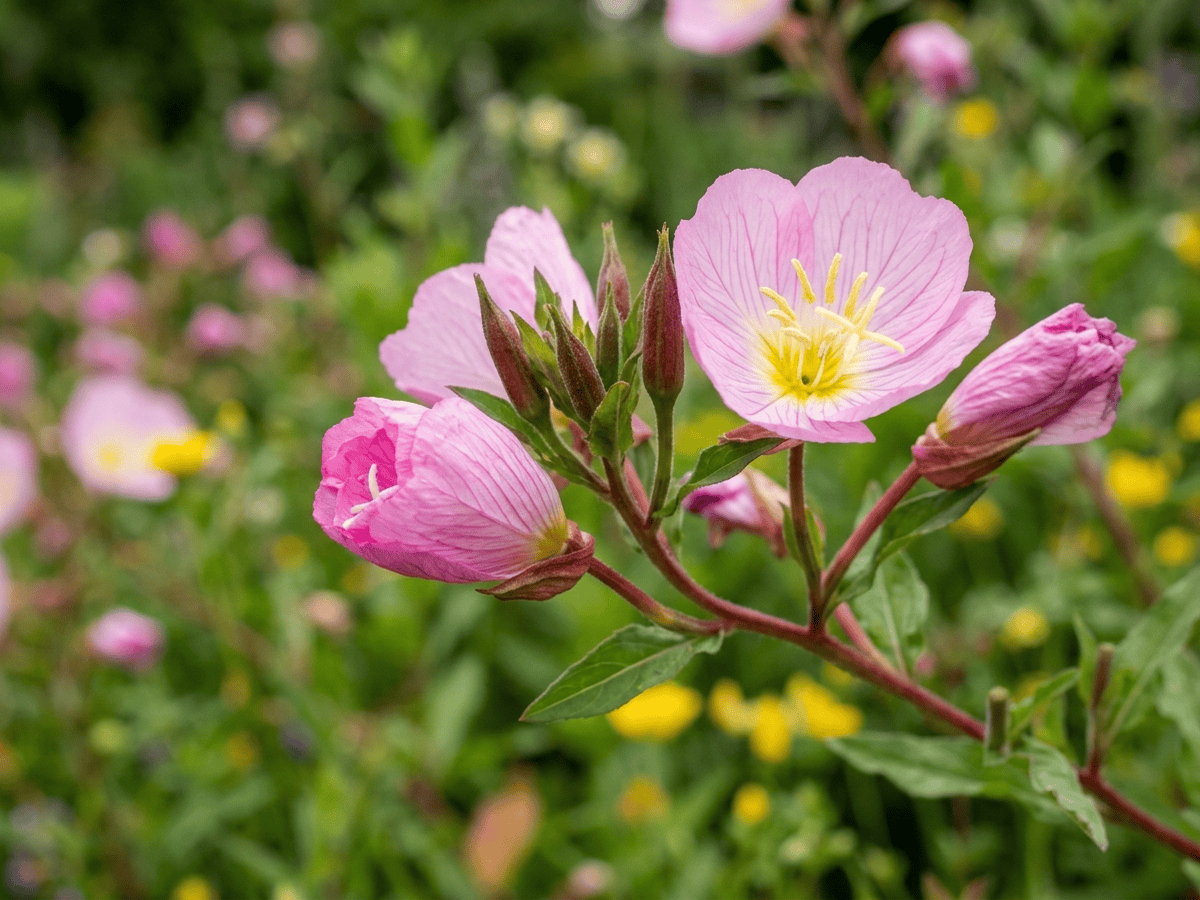
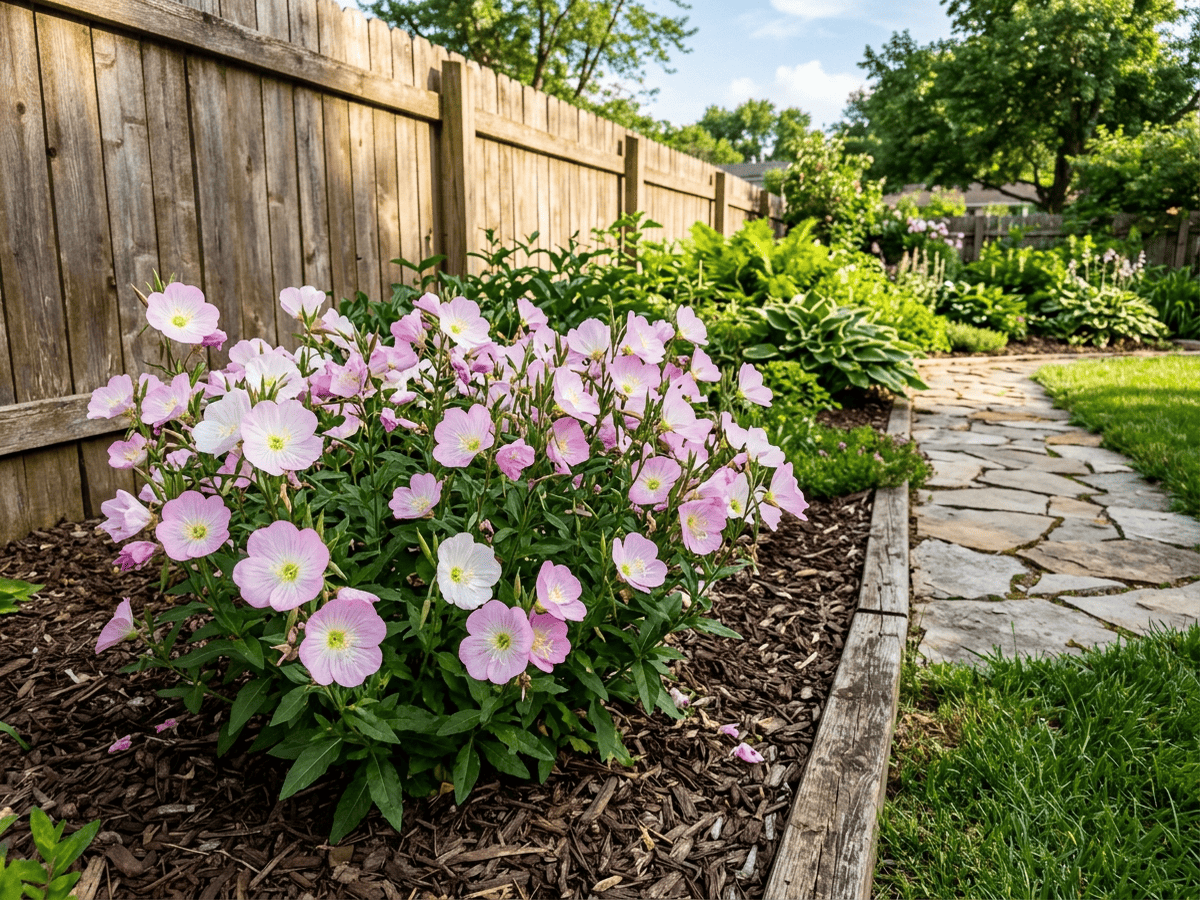
Pink Evening Primrose is a vigorous spreading perennial native to the American Great Plains and Mexico, beloved for its delicate cup-shaped blooms in shades of soft pink to deep rose. Unlike most evening primroses, it opens its flowers during the day. Plants spread by underground rhizomes to form wide colonies and bloom prolifically from spring through early summer. Hardy, drought-tolerant, and a superb pollinator plant, it is a cottage garden and meadow favorite across the American South and Southwest.
- Drought-tolerant
- Pollinator-friendly
How to care for Pink Evening Primrose
Watering
- Springevery 14 days
- Summerevery 10 days
- Fallevery 14 days
- Winterevery 30 days
Soil · Well-draining
- Top dressingPine bark mulch10%
- Main mixPotting soil + perlite 2:170%
- DrainageLECA / gravel20%
Never skip the drainage layer — standing water is the top cause of root rot.
FERTILIZER
Balanced Feed 14-14-14
An even feed covers all three needs at once, keeping leaves, roots and blooms moving together with nothing pushed out of balance.
- Nitrogen · Leaves
- Phosphorus · Roots + Blooms
- Potassium · Strength
This plant needs little to no feeding.
At a Glance
- NativeNorth America
- Height1–2 ft (0.3–0.6 m)
- Spread1–2 ft (0.3–0.6 m)
- Flower colorPink, White
- Foliage colorGreen
- SoilSandy, Well-drained, Loamy
- LocationsYard
Bloom time
BLOOM CYCLE
Peak bloom
Jun–Aug
Blooms open in daytime; deadheading not required as plants self-manage bloom cycles
Fragrance
LIGHT FRAGRANCE
The flowers have a light sweet scent.
Toxicity
Humans Safe · Pets Safe
None reported
Safe
EXPOSURE No exposure route is reported.
EFFECT No toxic effect is reported.
NOTE Listed as non-toxic for humans; avoid eating ornamental plants unless confirmed edible.
Safe
EXPOSURE No exposure route is reported.
EFFECT No toxic effect is reported.
NOTE Listed as non-toxic for dogs; avoid eating ornamental plants unless confirmed edible.
Safe
EXPOSURE No exposure route is reported.
EFFECT No toxic effect is reported.
NOTE Listed as non-toxic for cats; avoid eating ornamental plants unless confirmed edible.
Educational information, not medical or veterinary advice. If exposure is suspected, contact a doctor or veterinarian.
DISTRIBUTION


- Native
- Introduced
- North America
History
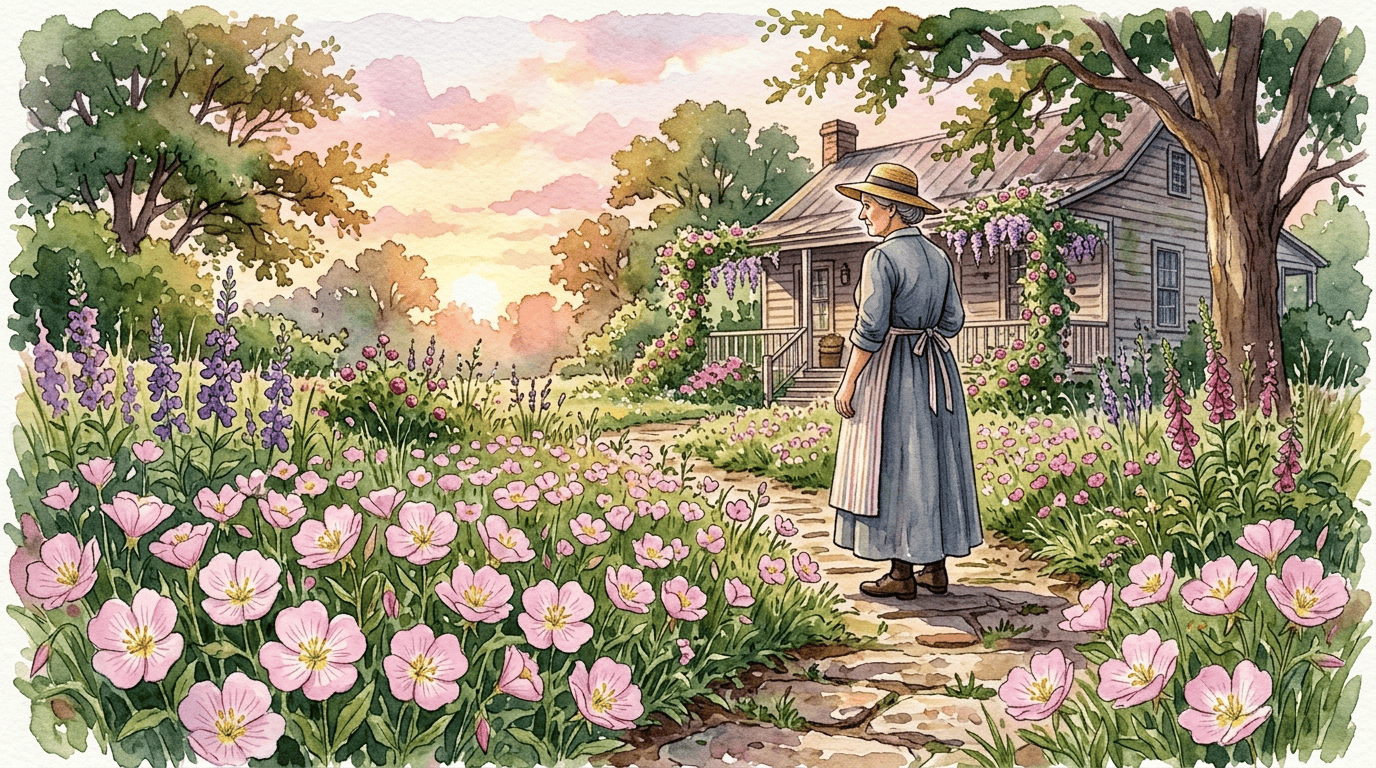
Oenothera speciosa, pinkladies or showy evening primrose, is a rhizomatous perennial native to prairies, rocky hillsides, and open woodlands from Missouri and Kansas south through Texas into northern Mexico. Despite the evening primrose name, this species opens its pale pink to white cup-shaped flowers at dawn and closes them by early afternoon, unlike true evening primroses that open at dusk. Each four-petalled flower is about five centimeters across with a cross-shaped stigma. Nineteenth-century American gardeners adopted the plant for its long spring-to-autumn bloom and drought tolerance, and it spread widely as an ornamental.
The species spreads aggressively by shallow rhizomes and can colonize wide areas of lawn and garden; many authorities now consider it weedy or invasive outside its native range. Bees, moths, and hummingbirds all visit the flowers. The genus Oenothera has been known since ancient times; its name derives from the Greek oinos (wine) and thera (pursuit), possibly referring to a belief that the roots flavored wine.
Oenothera speciosa was formally described by Thomas Nuttall in 1821 from specimens collected during his botanical explorations of the Missouri River region. By the late 19th century it had become a popular cottage garden plant across the American South, valued for its easy culture and generous bloom. Its spreading habit, while sometimes aggressive, makes it invaluable for naturalizing difficult dry slopes and roadsides. It is an important nectar source for native bees, hawk moths, and swallowtail butterflies.
Symbolism & meaning
What It Symbolizes
Pink Evening Primrose is free spirit in pale pink — spreading freely across roadsides and meadows, blooming with the kind of abandon that gardens-by-the-rulebook find alarming. Yet it is also a pollinator magnet, an essential nectar source for bees, butterflies, and night-flying moths. It is the wildflower who refuses to stay in its assigned bed and feeds half the neighborhood as its excuse.
- Free spirit — spreads freely, blooms with abandon across open ground
- Pollinator magnet — essential nectar source for bees, butterflies, and moths
Where the Name Comes From
Oenothera comes from the Greek oinos (wine) and thera (to hunt or pursue), with ancient associations to wine flavoring. Speciosa is Latin for 'showy' or 'beautiful', perfectly describing its large, elegant pink blooms.
Uses & Fun Facts
- Spreading rhizomes create pink-flowered drifts on naturalized slopes
- Cup-shaped day blooms feed bees and small butterflies
- Drought-tolerant native for meadow plantings and prairie borders
Related plants
More Oenothera plants
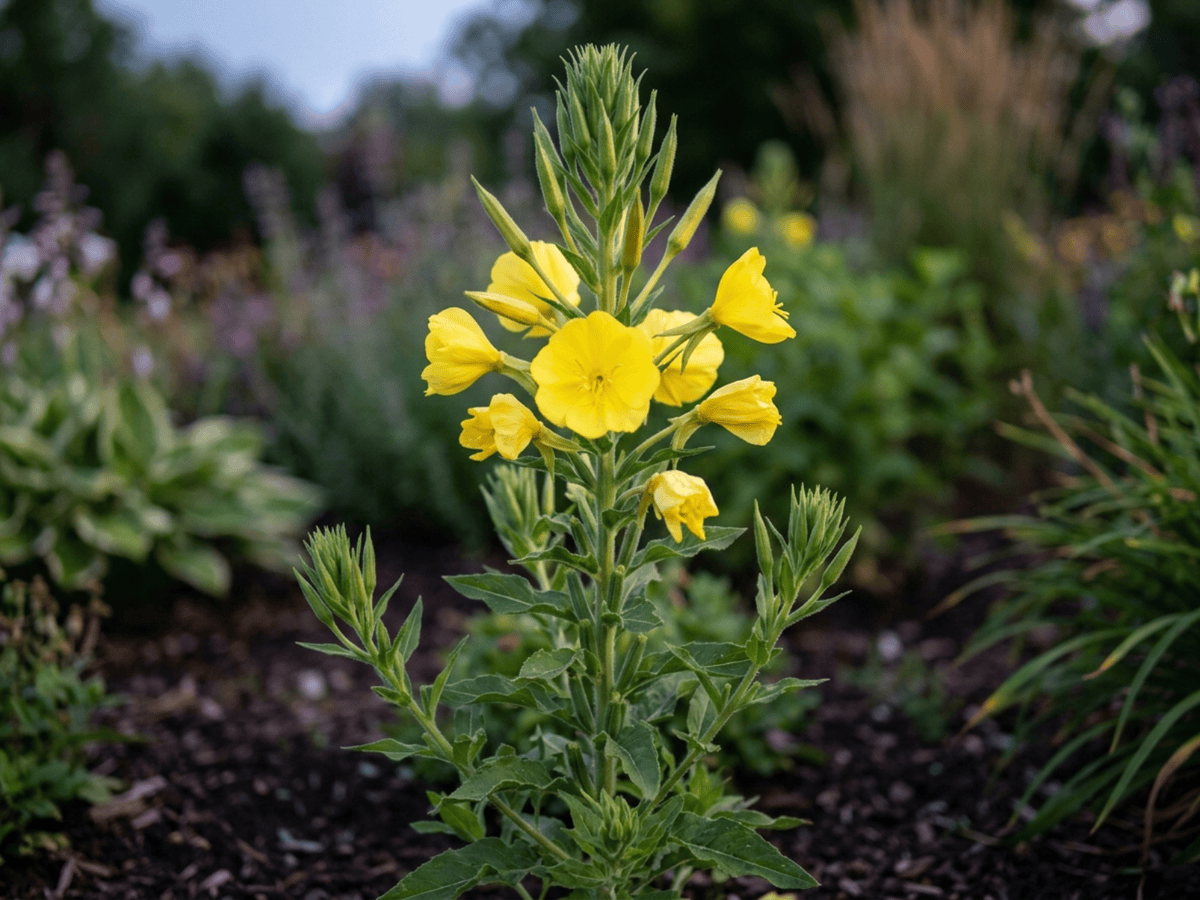 Common Evening-PrimroseOenothera biennis
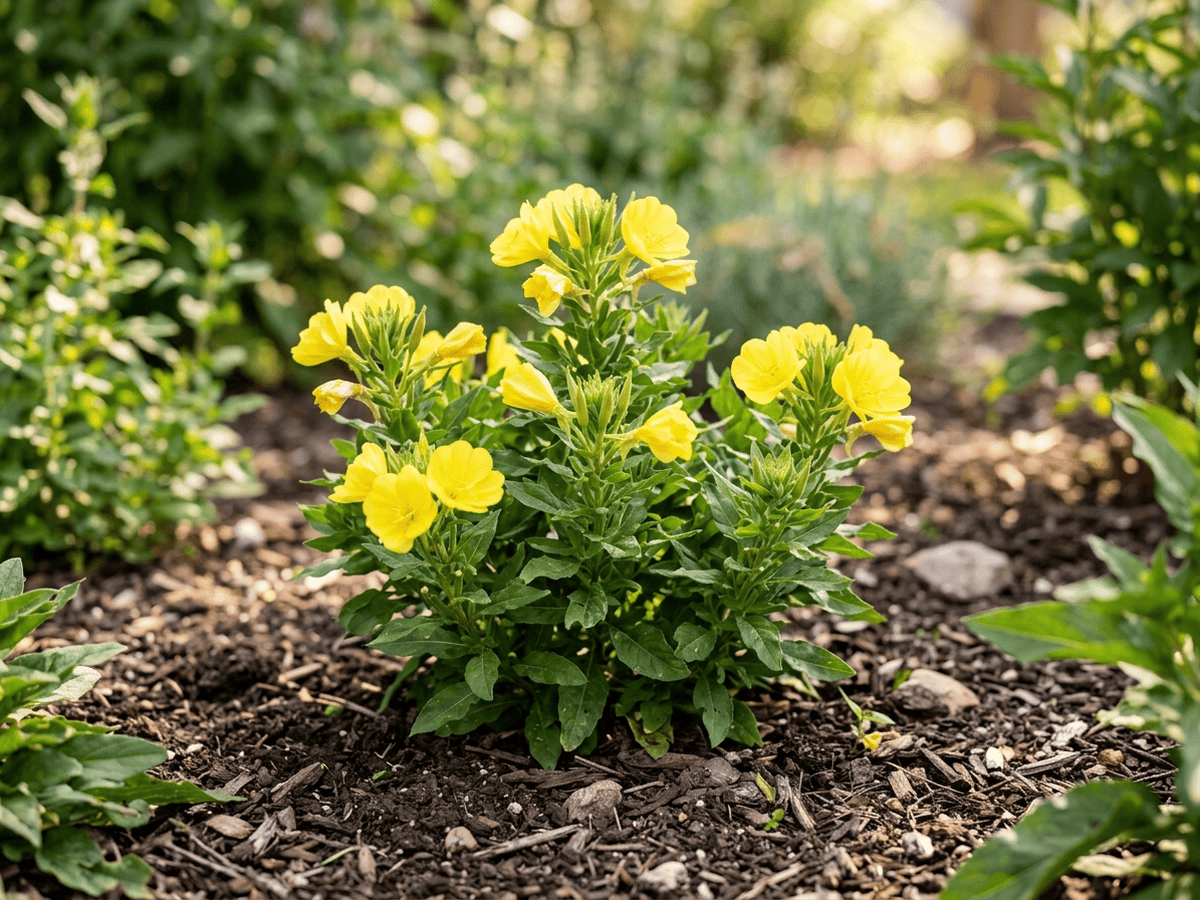 Hartweg's SundropsOenothera hartwegii
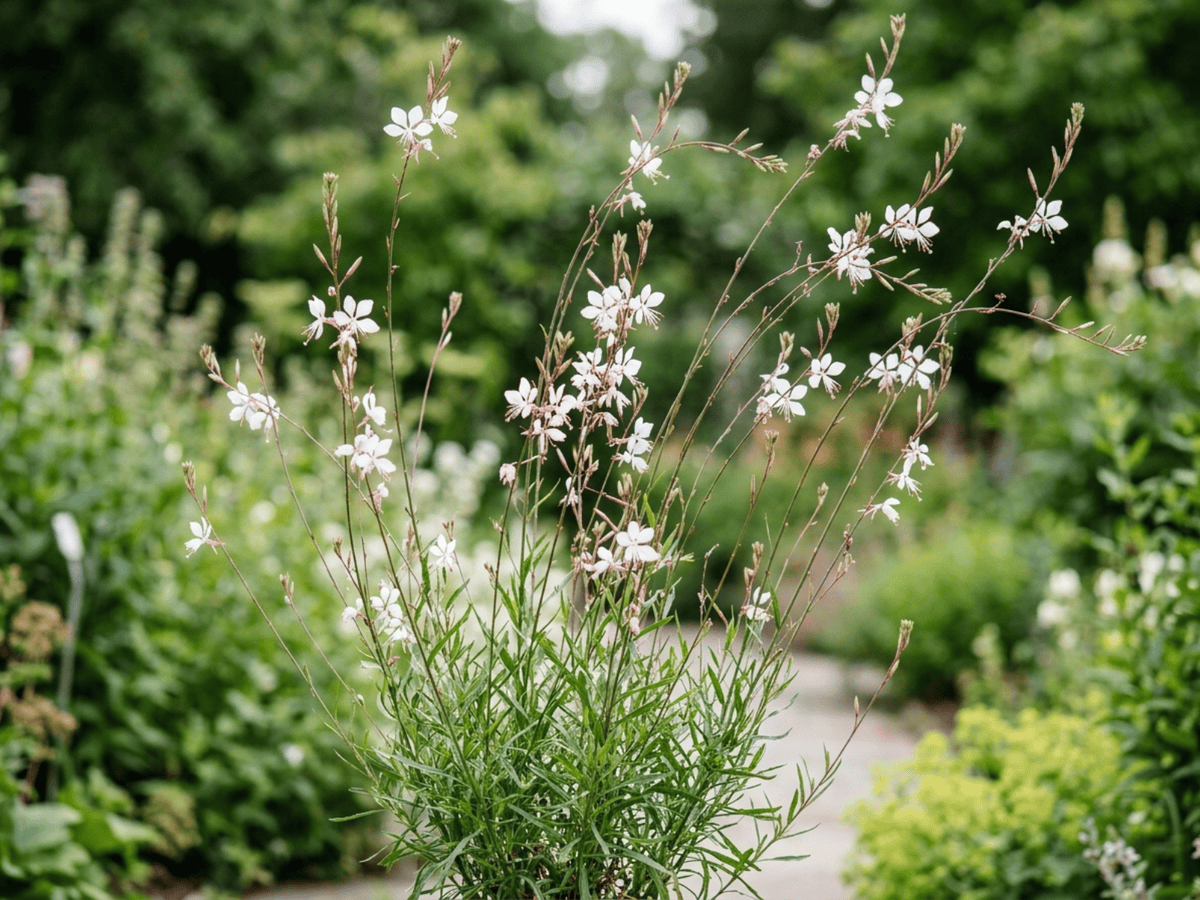 ClockweedOenothera lindheimeri
Plants with similar care
 Chinese AbeliaAbelia chinensis
 Fragrant AbeliaAbelia mosanensis
 Large-Flowered AbeliaAbelia uniflora
 Glossy AbeliaAbelia x grandiflora
Frequently asked questions
How often should I water Pink Evening Primrose?
In summer, water about every 10 days; in winter, about every 30 days. Adjust for heat, pot size and drainage.
How much light does Pink Evening Primrose need?
Full sun: 6+ hrs direct. Watch the leaves — scorching or stretching means the light needs adjusting.
Is Pink Evening Primrose toxic to cats or dogs?
Pets Safe (Dogs Safe · Cats Safe) Educational information, not medical or veterinary advice. If exposure is suspected, contact a doctor or veterinarian.
Is Pink Evening Primrose easy to grow?
Yes — it is considered an easy, beginner-friendly plant.
When does Pink Evening Primrose bloom?
It typically blooms Jun–Aug in the Northern Hemisphere.
YardMate
Identify any plant in seconds
Snap a photo — YardMate names the plant, diagnoses problems, and reminds you when to water.
Download on the App Store