 YardMate


False Shamrock
Oxalis triangularis
Easy · Beginner friendlyAbout False Shamrock
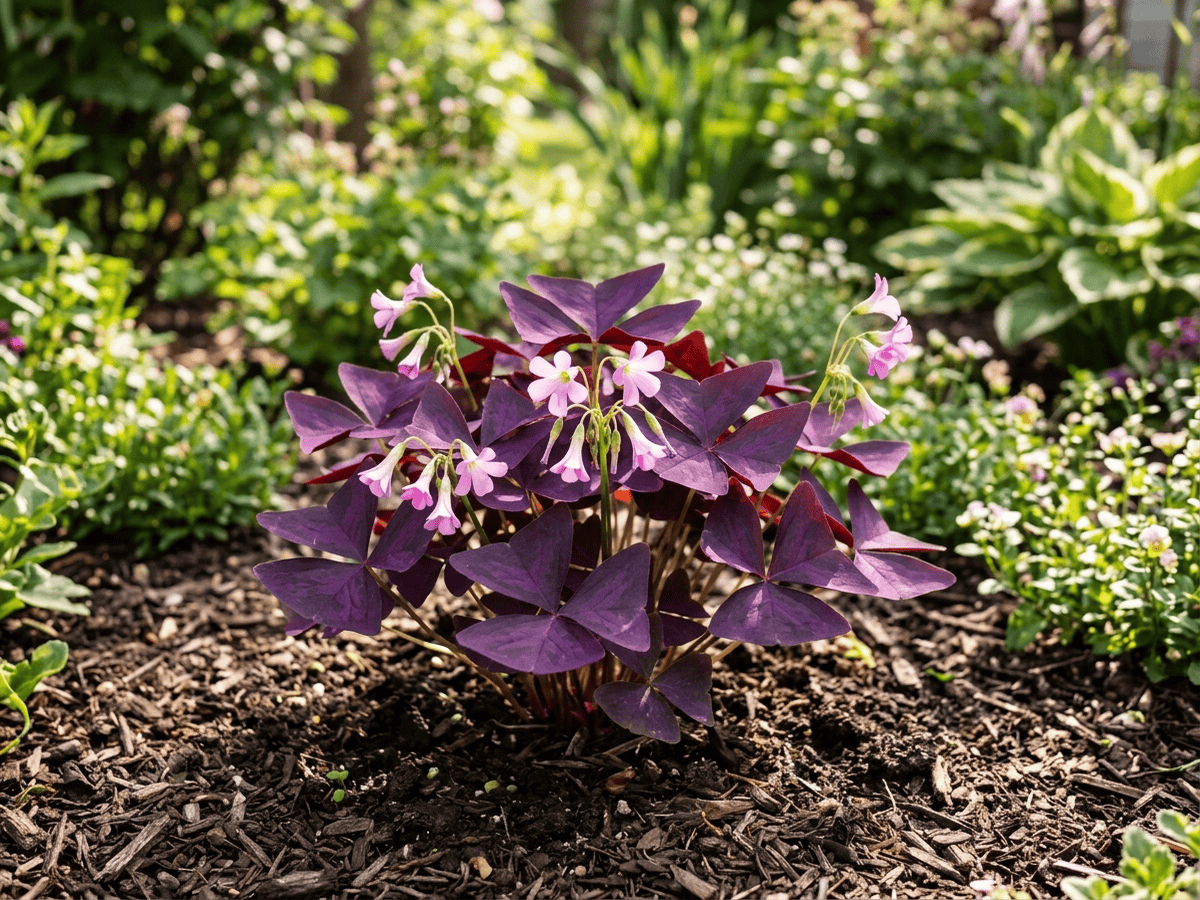
Oxalis triangularis, the purple shamrock, produces clusters of triangular purple leaves that fold down at night like closed umbrellas and open again each morning — a mesmerizing daily rhythm. Each leaf is composed of three heart-shaped leaflets. Delicate white or pale pink trumpet flowers appear above the foliage throughout the growing season. Native to Brazil, it grows from small bulbs and may go dormant seasonally — if all leaves die back, stop watering for a month then resume. The purple color is striking against green neighboring plants.
- Compact
- Container-friendly
- Low-maintenance
- Shade-tolerant
How to care for False Shamrock
Watering
- Springevery 5 days
- Summerevery 4 days
- Fallevery 7 days
- Winterevery 10 days
Soil · Well-draining
- Main mixLoam + coarse sand 3:175%
- DrainageGravel25%
Sharp drainage matters most — bulbs rot in wet soil while dormant.
FERTILIZER
Balanced Feed 14-14-14
An even feed covers all three needs at once, keeping leaves, roots and blooms moving together with nothing pushed out of balance.
- Nitrogen · Leaves
- Phosphorus · Roots + Blooms
- Potassium · Strength
- Springevery 30 days
- Summerevery 30 days
- Fallevery 60 days
At a Glance
- NativeSouth America
- Height0.5–1 ft (0.2–0.3 m)
- Spread0.5–1 ft (0.2–0.3 m)
- Flower colorPink, White
- Foliage colorPurple, Green
- SoilLoamy, Well-drained
- LocationsIndoor
Bloom time
BLOOM CYCLE
Peak bloom
Jun–Aug
White or pink trumpet flowers throughout growing season
Fragrance
NO FRAGRANCE
Not fragrant.
Toxicity
Humans Slight · Pets Moderate
soluble calcium oxalates and oxalic acid
Slight
- Leaf
- Ingestion
EXPOSURE Eating leaves.
EFFECT Leaves are edible in small amounts (tart like sorrel) and large quantities can cause kidney stress from oxalates, particularly in people with existing kidney disease.
NOTE Soluble oxalates can cause systemic calcium binding and kidney damage with larger ingestions, unlike the insoluble oxalate raphides of aroids.
Moderate
- Leaf
- Root
- Ingestion
EXPOSURE Eating leaves and roots.
EFFECT Drooling, vomiting, decreased appetite, weakness, tremors, kidney damage in severe cases and per ASPCA Oxalis listing.
NOTE Soluble oxalates can cause systemic calcium binding and kidney damage with larger ingestions, unlike the insoluble oxalate raphides of aroids.
Moderate
- Leaf
- Root
- Ingestion
EXPOSURE Eating leaves and roots.
EFFECT Drooling, vomiting, decreased appetite, weakness, tremors, kidney damage in severe cases and per ASPCA Oxalis listing.
NOTE Soluble oxalates can cause systemic calcium binding and kidney damage with larger ingestions, unlike the insoluble oxalate raphides of aroids.
Educational information, not medical or veterinary advice. If exposure is suspected, contact a doctor or veterinarian.
DISTRIBUTION

- Native
- Introduced
- South America
History

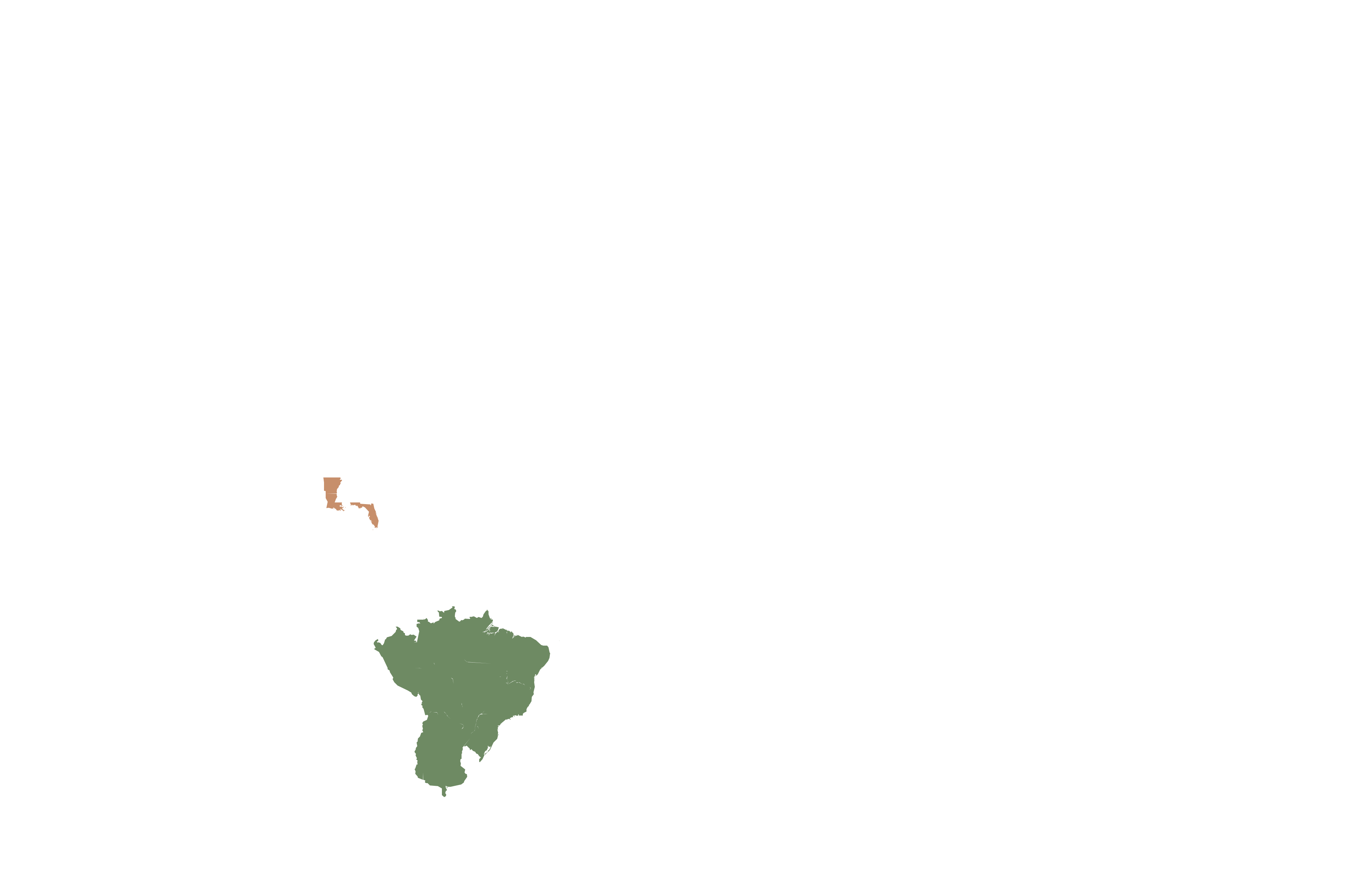
Oxalis triangularis is native to Brazil, particularly the states of Minas Gerais and São Paulo, where it grows from a small bulb in shaded habitats. It was introduced to European horticulture in the 19th century, and the burgundy-purple cultivar 'Atropurpurea' (also sold as 'Triangularis') is one of the most popular indoor bulb plants, famous for its three-leaflet 'shamrock' shape that produces a spectacular daily movement: each evening the leaflets and flowers fold tightly closed, and each morning they open again, driven by turgor changes in specialized cells. Despite the South American origin, it is widely sold in North America as a St. Patrick's Day gift plant.
The sorrel-like sour taste comes from oxalic acid, which makes the leaves edible in moderation but moderately toxic to pets in larger quantities. Oxalis triangularis is often sold around St. Patrick's Day as a 'shamrock,' though true shamrocks are clovers (Trifolium). The confusion benefits both sellers and buyers — the striking purple version is far more decorative than green clover.
The genus Oxalis is enormous, with over 570 species worldwide. The name means 'sour' — many species contain oxalic acid, giving leaves a tangy taste used in traditional salads and sauces. The daily leaf-folding behavior (nyctinasty) is powered by pulvinus cells at the base of each leaflet that change turgor pressure in response to light, effectively operating as a biological clock.
Symbolism & meaning
What It Symbolizes
False Shamrock expresses love through its three deep-purple, heart-shaped leaflets that fold together at night and open again with the morning light. The arrangement forms a natural symbol of love and affection, three small hearts gathered on one stem. A houseplant that quietly does romance, three times over, every single day.
- Love — Its three heart-shaped leaflets form a natural symbol of love and affection
Where the Name Comes From
The name False Shamrock points to rocky habitats. Oxalis from Greek 'oxys' (sour), for the tart-tasting oxalic acid in the leaves. Triangularis for the triangular leaf shape.
Uses & Fun Facts
- Triangular purple leaflets fold each evening like tiny umbrellas
- Popular indoor bulb houseplant grown on bright windowsills
Related plants
More Oxalis plants
Plants with similar care
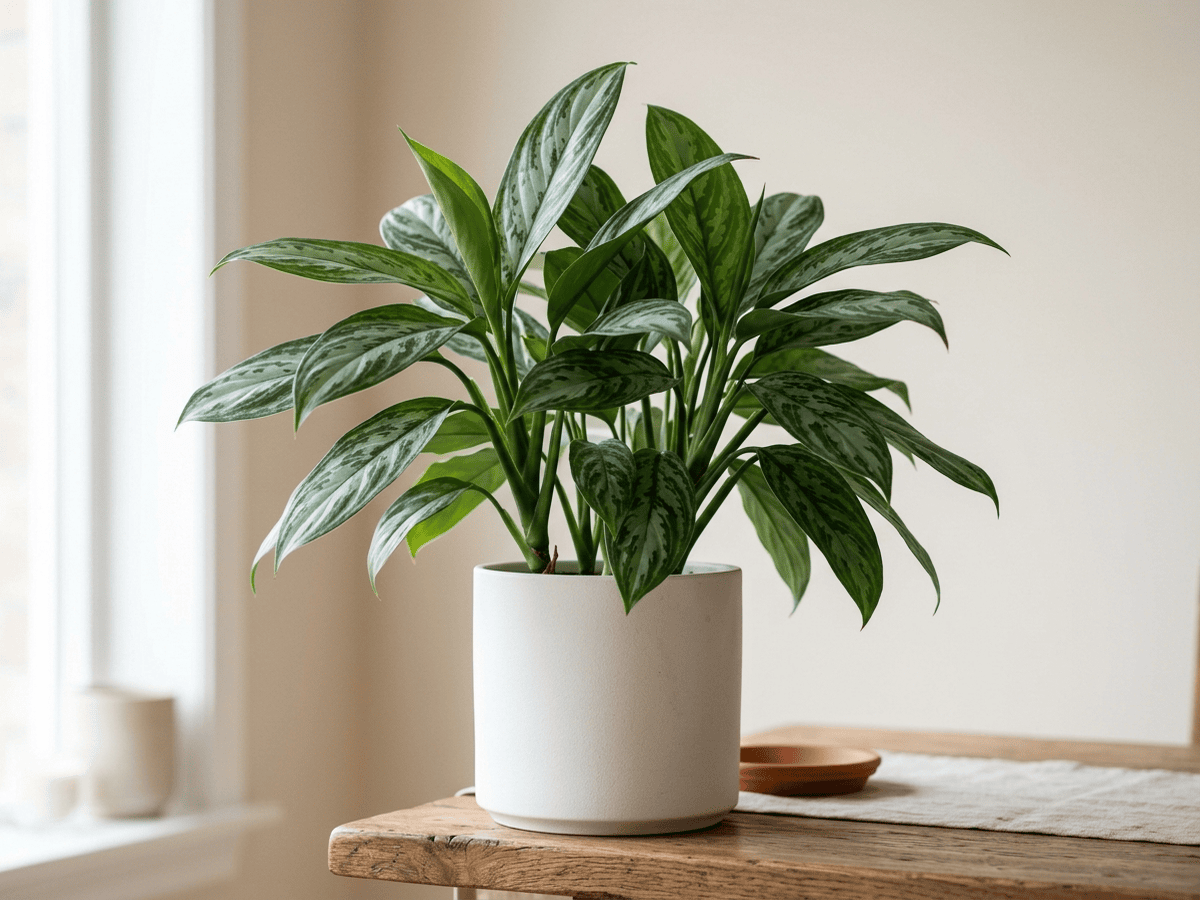 Philippine EvergreenAglaonema commutatum
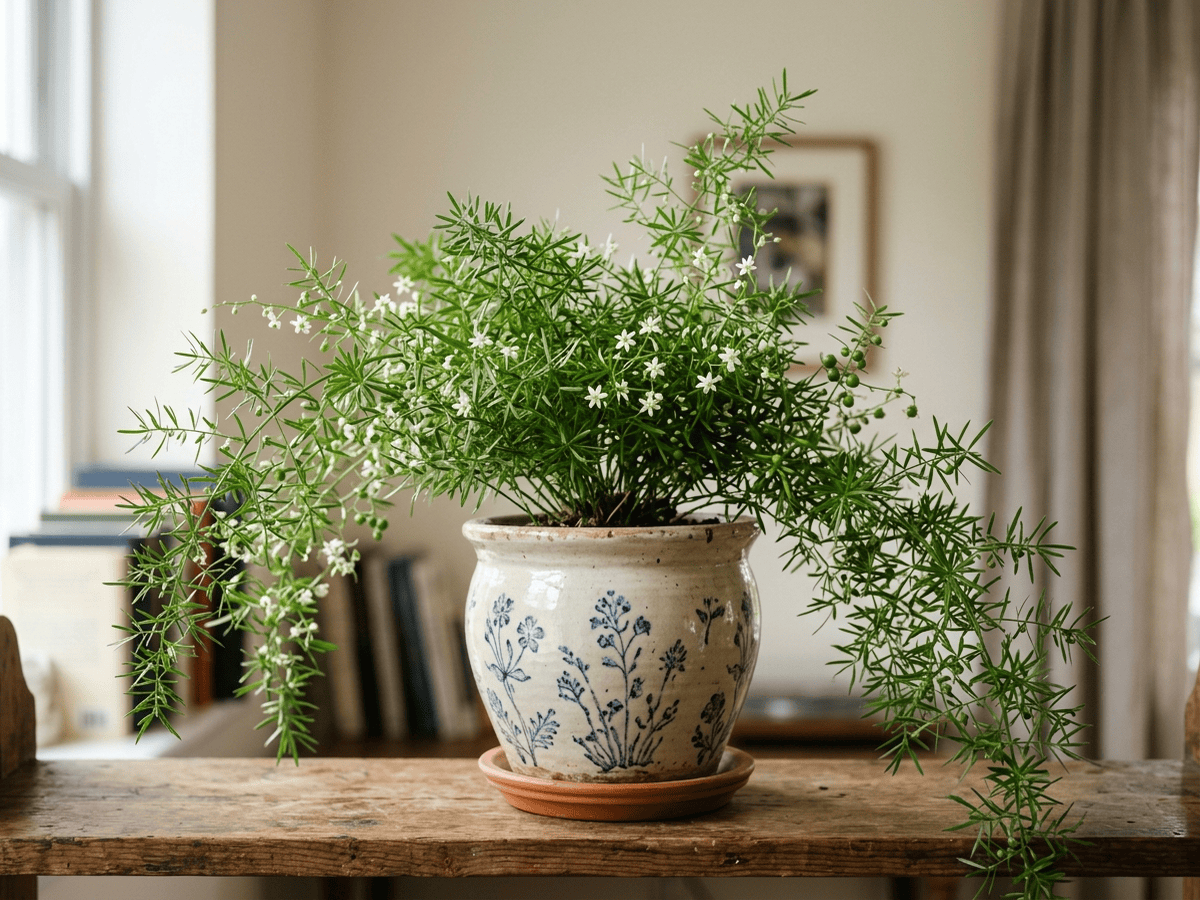 Sprenger's AsparagusAsparagus densiflorus
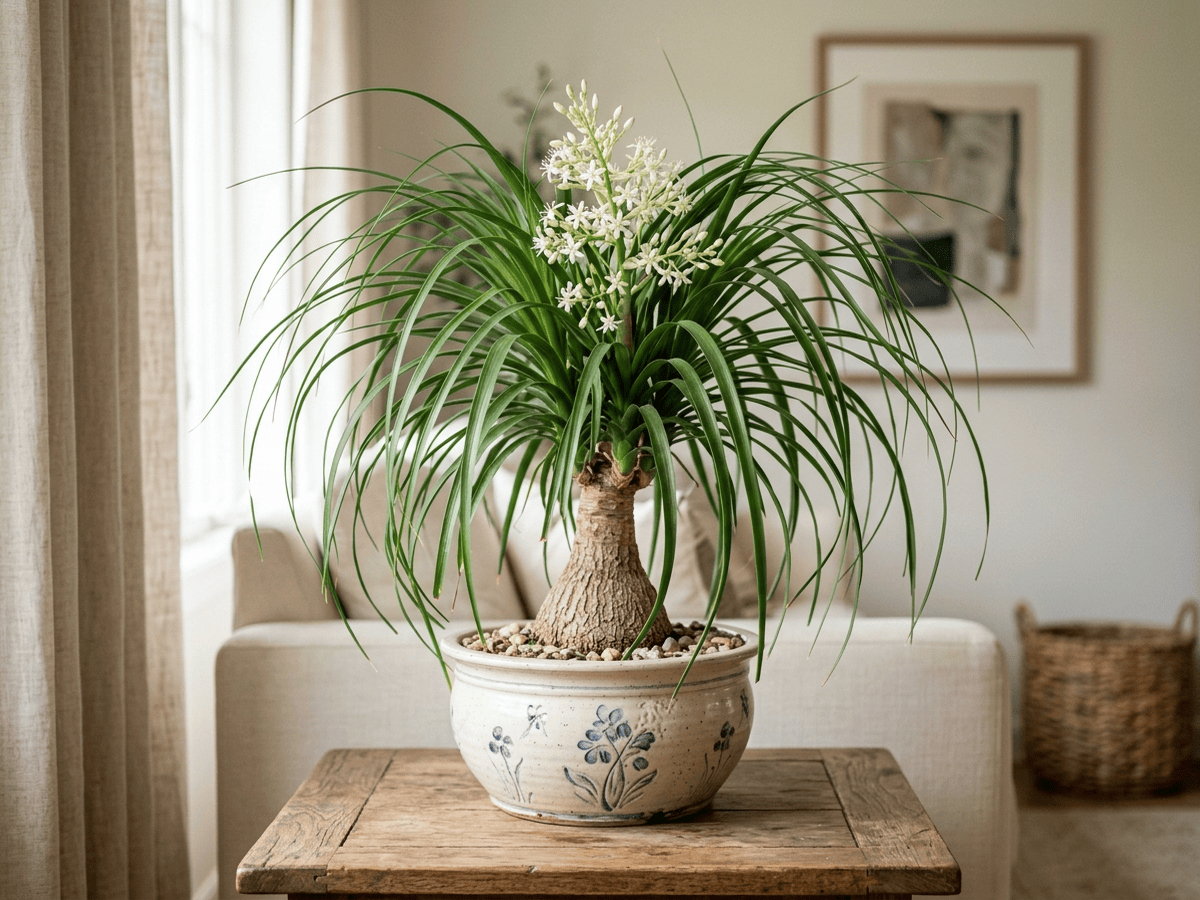 Ponytail PalmBeaucarnea recurvata
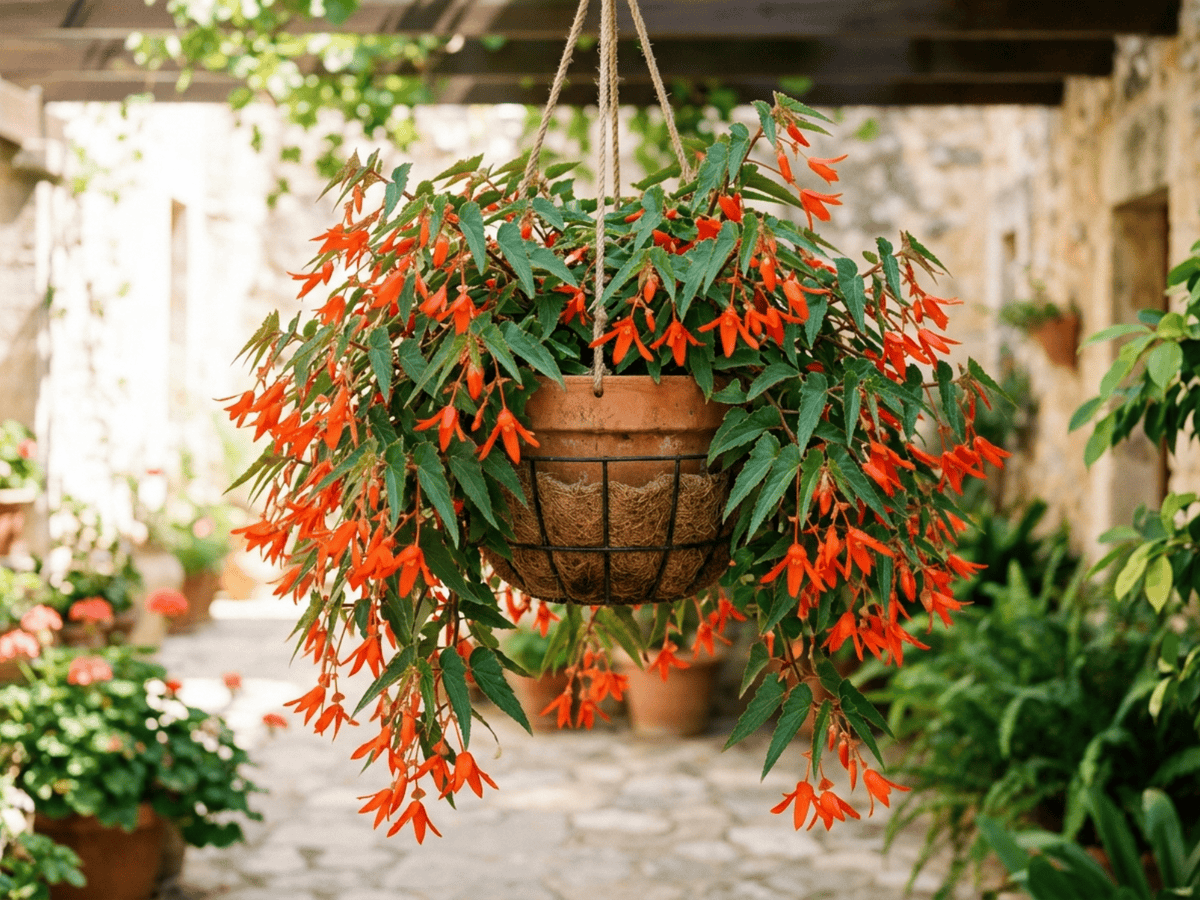 Tuberous BegoniaBegonia boliviensis
Frequently asked questions
How often should I water False Shamrock?
In summer, water about every 4 days; in winter, about every 10 days. Adjust for heat, pot size and drainage.
How much light does False Shamrock need?
Part shade: 2–4 hrs direct. Watch the leaves — scorching or stretching means the light needs adjusting.
Is False Shamrock toxic to cats or dogs?
Pets Moderate (Dogs Moderate · Cats Moderate) Educational information, not medical or veterinary advice. If exposure is suspected, contact a doctor or veterinarian.
Is False Shamrock easy to grow?
Yes — it is considered an easy, beginner-friendly plant.
Can False Shamrock be grown indoors?
Yes, it adapts well to indoor growing given the right light.
When does False Shamrock bloom?
It typically blooms Jun–Aug in the Northern Hemisphere.
YardMate
Identify any plant in seconds
Snap a photo — YardMate names the plant, diagnoses problems, and reminds you when to water.
Download on the App Store