 YardMate
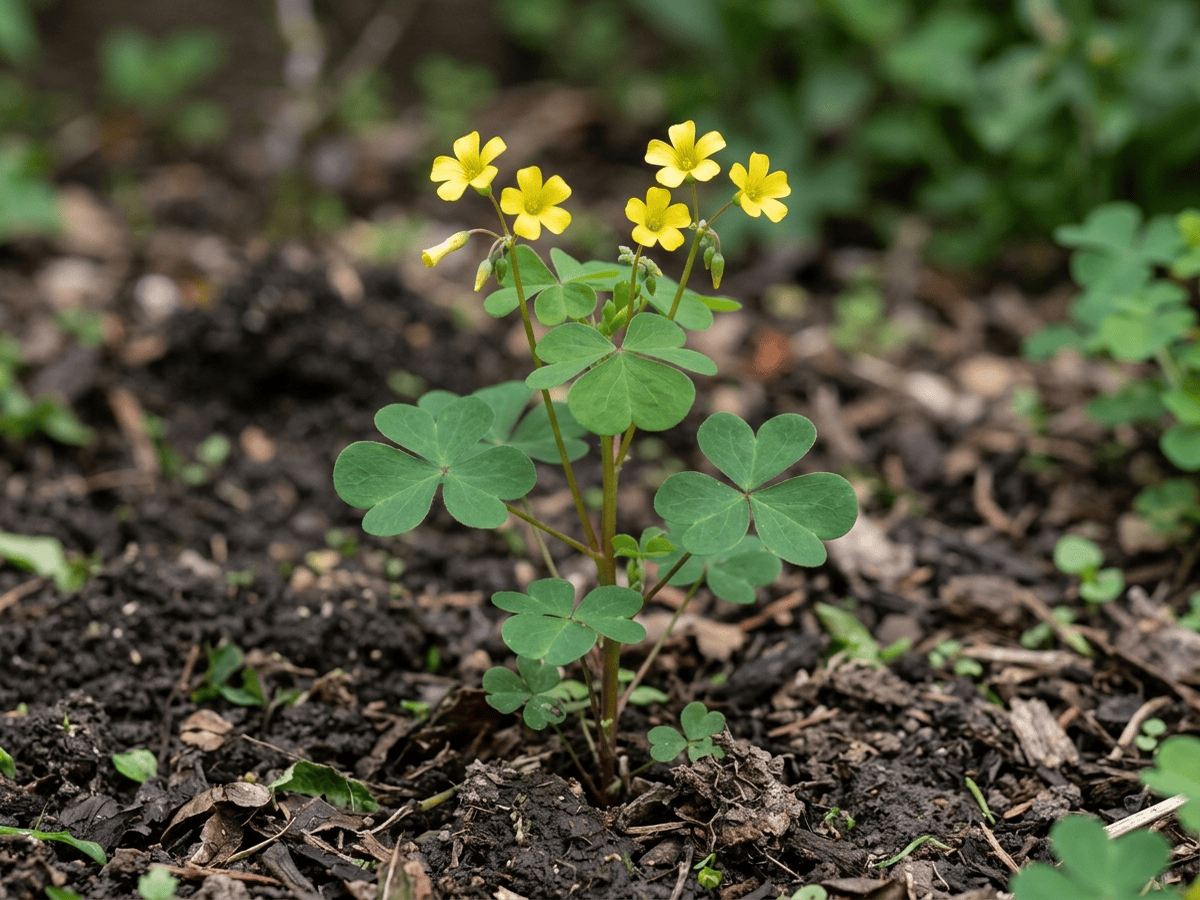


Upright Yellow Woodsorrel
Oxalis stricta
Easy · Beginner friendlyAbout Upright Yellow Woodsorrel
Common Yellow Woodsorrel is a native North American perennial weed with shamrock-like trifoliate leaves and small bright yellow five-petal flowers from spring through fall. Growing 4 to 12 inches tall, it invades lawns, gardens, and pavement cracks nationwide, spreading by explosive seed capsules that fling seeds up to 10 feet when ripe. Edible with a tangy lemony flavor from oxalic acid.
- Edible
- Native
How to care for Upright Yellow Woodsorrel
Watering
- Springevery 7 days
- Summerevery 5 days
- Fallevery 10 days
- Winterevery 21 days
Soil · Well-draining
- Main mixLoam + coarse sand 3:175%
- DrainageGravel25%
Sharp drainage matters most — bulbs rot in wet soil while dormant.
FERTILIZER
This plant needs little to no feeding.
At a Glance
- NativeNorth America
- Height0.5–1 ft (0.2–0.3 m)
- Spread0.5–1 ft (0.2–0.3 m)
- Flower colorYellow
- Foliage colorGreen, Purple
- Fruit colorGreen, Brown
- SoilLoamy, Well-drained
- LocationsYard
Bloom time
BLOOM CYCLE
Peak bloom
Mar–Nov
Small bright yellow flowers spring through fall
Toxicity
Humans Slight · Pets Slight
oxalic acid
Slight
- All
- Ingestion
EXPOSURE Eating any part of the plant.
EFFECT Oxalic acid in large quantities can aggravate kidney stones or reduce calcium absorption.
NOTE Edible in small culinary quantities. High oxalic acid content makes large regular consumption inadvisable for those with kidney issues.
Slight
- All
- Ingestion
EXPOSURE Eating any part of the plant.
EFFECT GI upset if large amounts eaten.
NOTE Edible in small culinary quantities. High oxalic acid content makes large regular consumption inadvisable for those with kidney issues.
Slight
- All
- Ingestion
EXPOSURE Eating any part of the plant.
EFFECT GI upset if large amounts eaten.
NOTE Edible in small culinary quantities. High oxalic acid content makes large regular consumption inadvisable for those with kidney issues.
Educational information, not medical or veterinary advice. If exposure is suspected, contact a doctor or veterinarian.
DISTRIBUTION

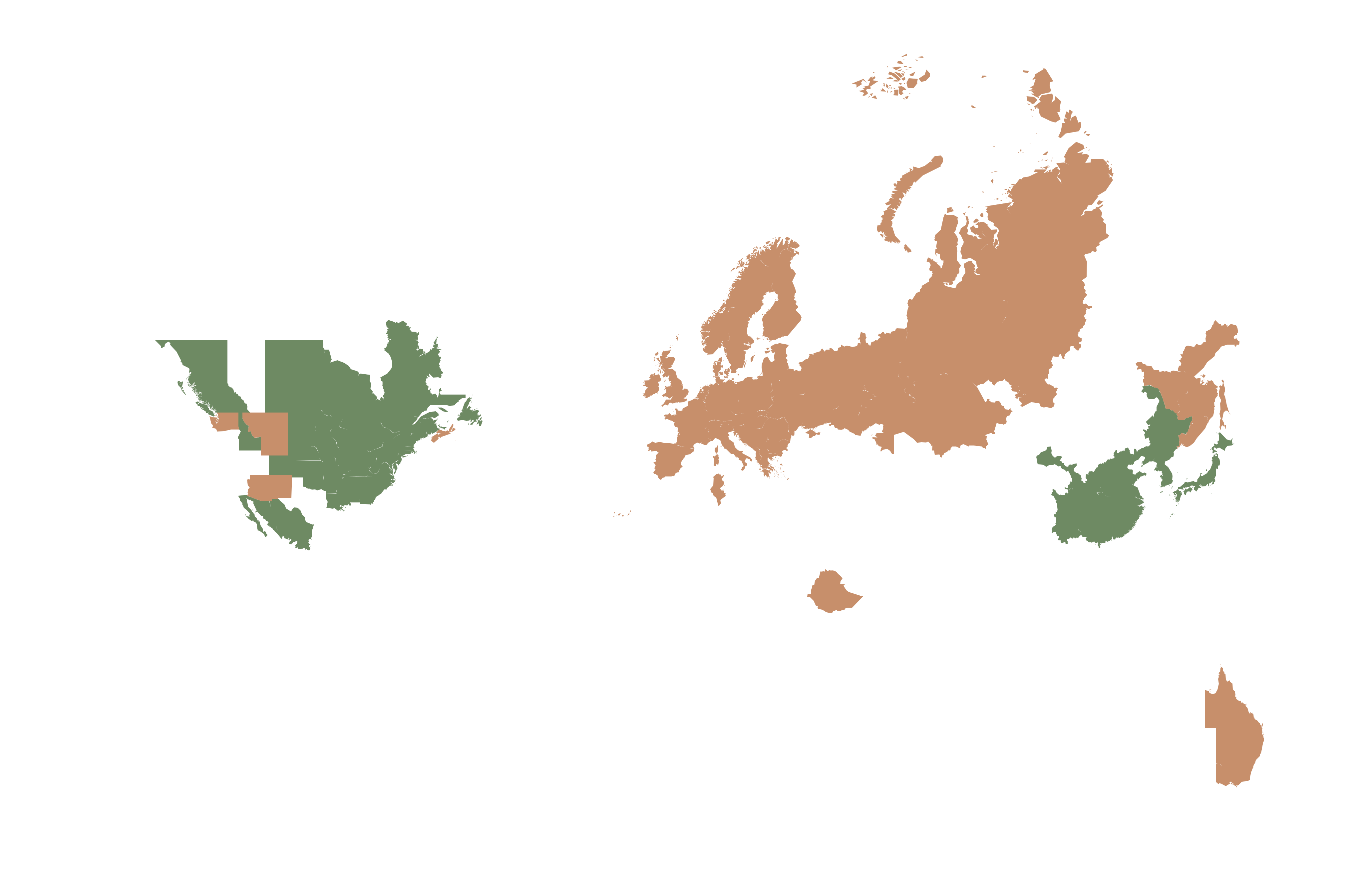
- Native
- Introduced
- North America
History

Oxalis stricta is native to North America and has spread globally as a common garden weed. Linnaeus described it in Species Plantarum (1753). The entire plant — leaves, flowers, unripe seedpods — has a bright lemony-sour flavor from oxalic acid and has been used for centuries as a wild trailside snack and salad plant across North America.
Cherokee, Iroquois, and Kiowa peoples chewed the leaves for sore throats and cramps, and European colonists embraced it as a trail nibble and scurvy preventative on long frontier journeys. Henry David Thoreau noted eating it frequently in his Walden journals. In modern gardens it is a prolific lawn and bed weed, spreading both by seed and by creeping rhizomes.
The similar-looking but non-native O. corniculata has the same culinary uses but is often smaller and more creeping. Native to eastern North America, now a universal weed across the continent and widely naturalized in Europe and Asia. Considered one of the most difficult lawn and container weeds due to explosive seed dispersal.
Symbolism & meaning
What It Symbolizes
Upright Yellow Woodsorrel offers tangy cheer, its clover-shaped leaves carrying a lemony brightness that surprises any child who tastes them. Yet it is also a native invader, an indigenous species that nonetheless behaves weedily, sneaking into beds and lawns with cheerful determination. It is often read as a flower of complicated belonging, native by birth but unwelcome in cultivation, a reminder that origin alone does not settle whether a plant is friend or foe.
- Tangy cheer — lemony leaves and yellow flowers
- Native invader — native species that behaves weedily
Where the Name Comes From
'Oxalis' from Greek 'oxys' meaning sharp or sour, for the tangy oxalic-acid flavor; 'stricta' from Latin means upright.
Uses & Fun Facts
- Lemony leaves and flowers garnish wild salads
- Traditional folk tea remedy used by Indigenous peoples
Related plants
More Oxalis plants
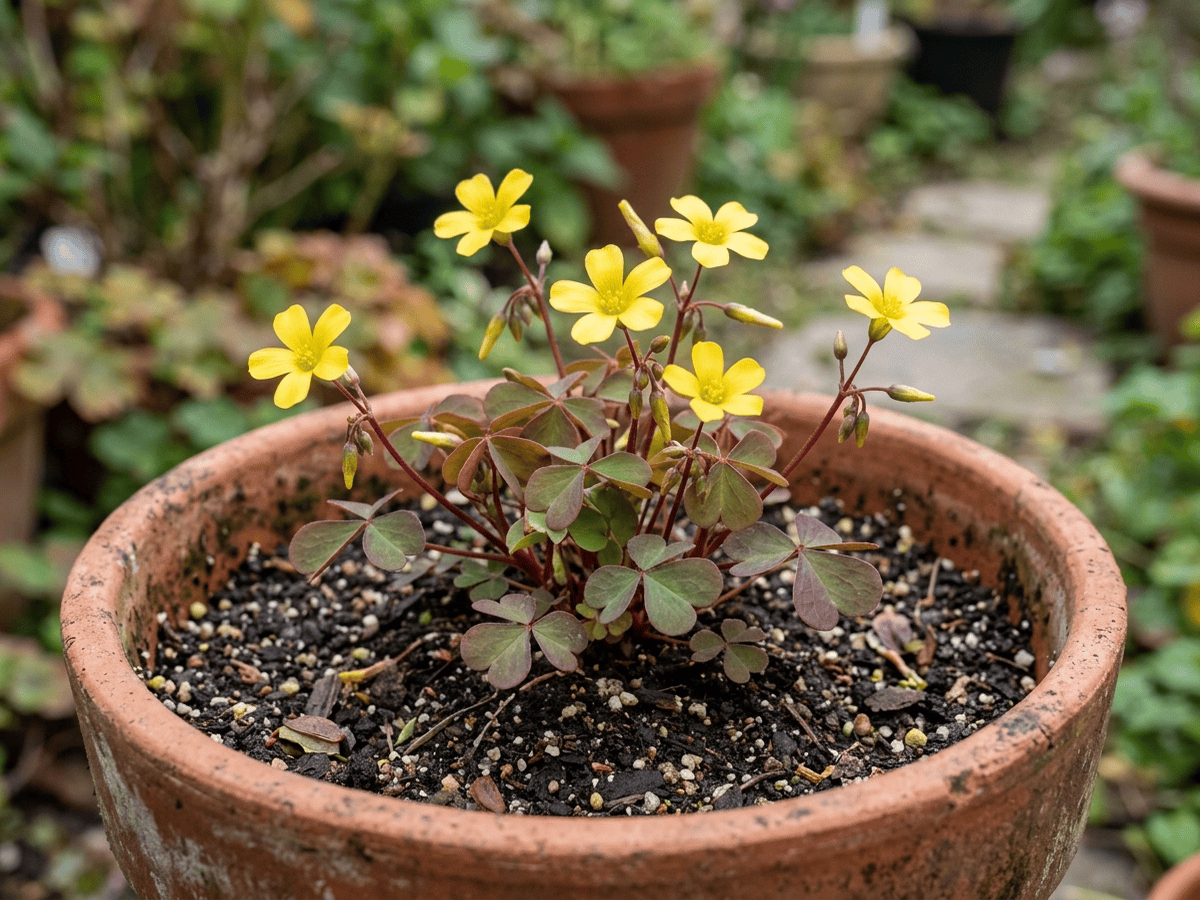
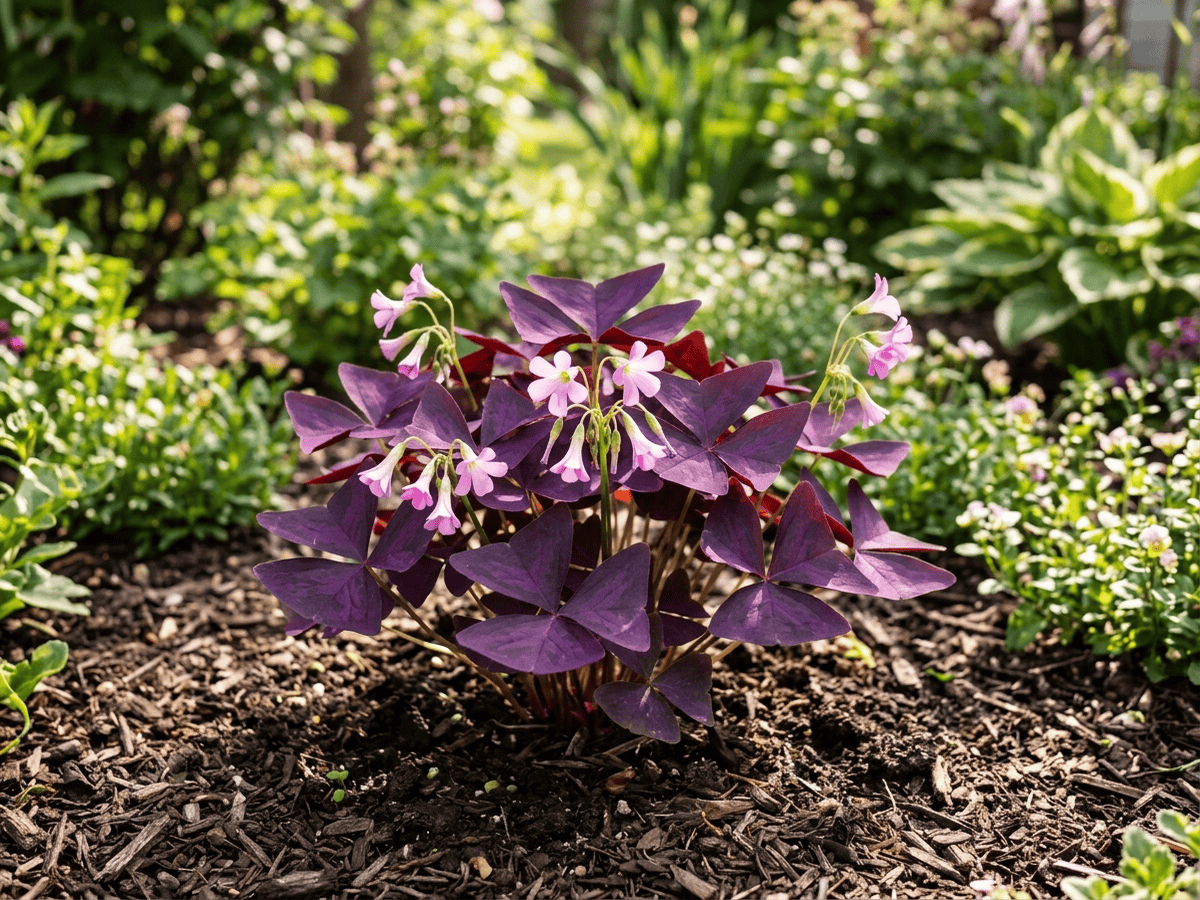
Plants with similar care
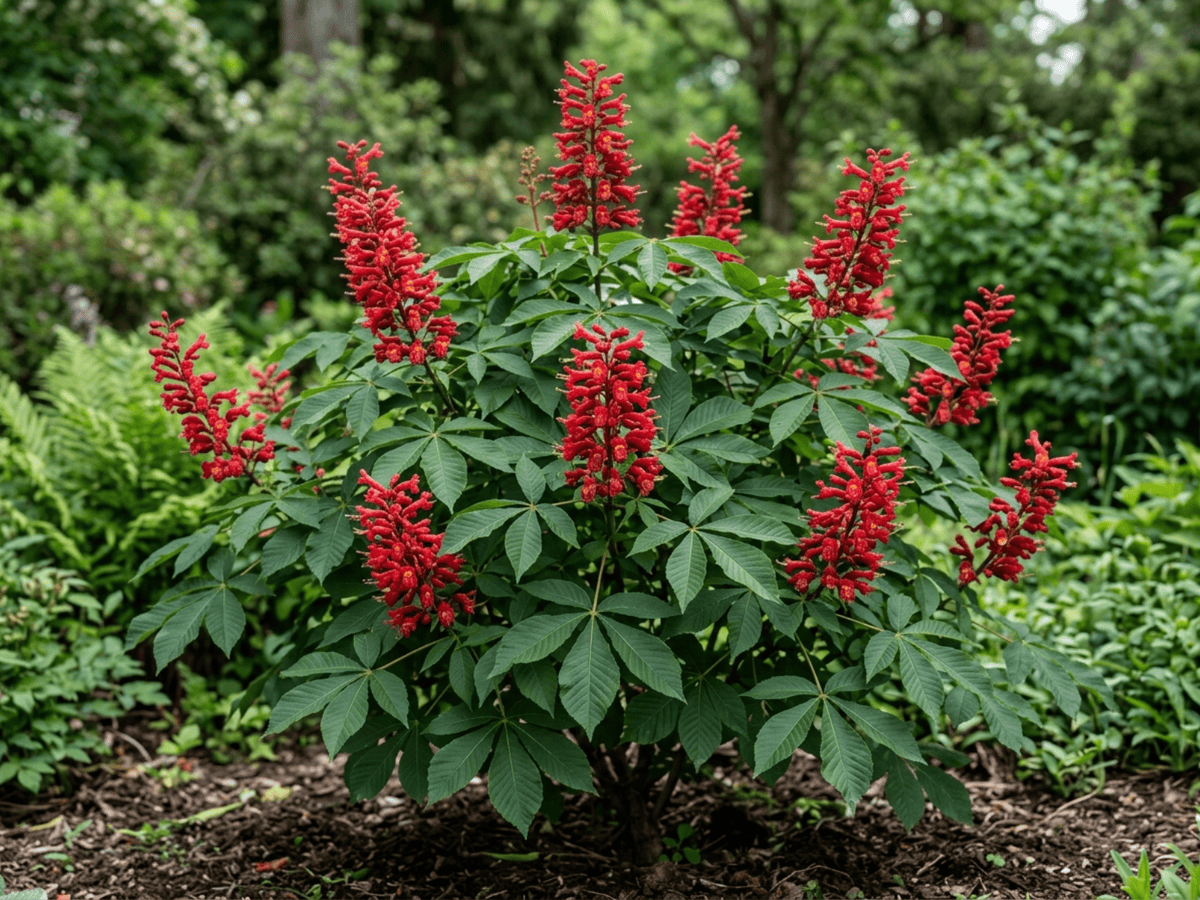 Red BuckeyeAesculus pavia
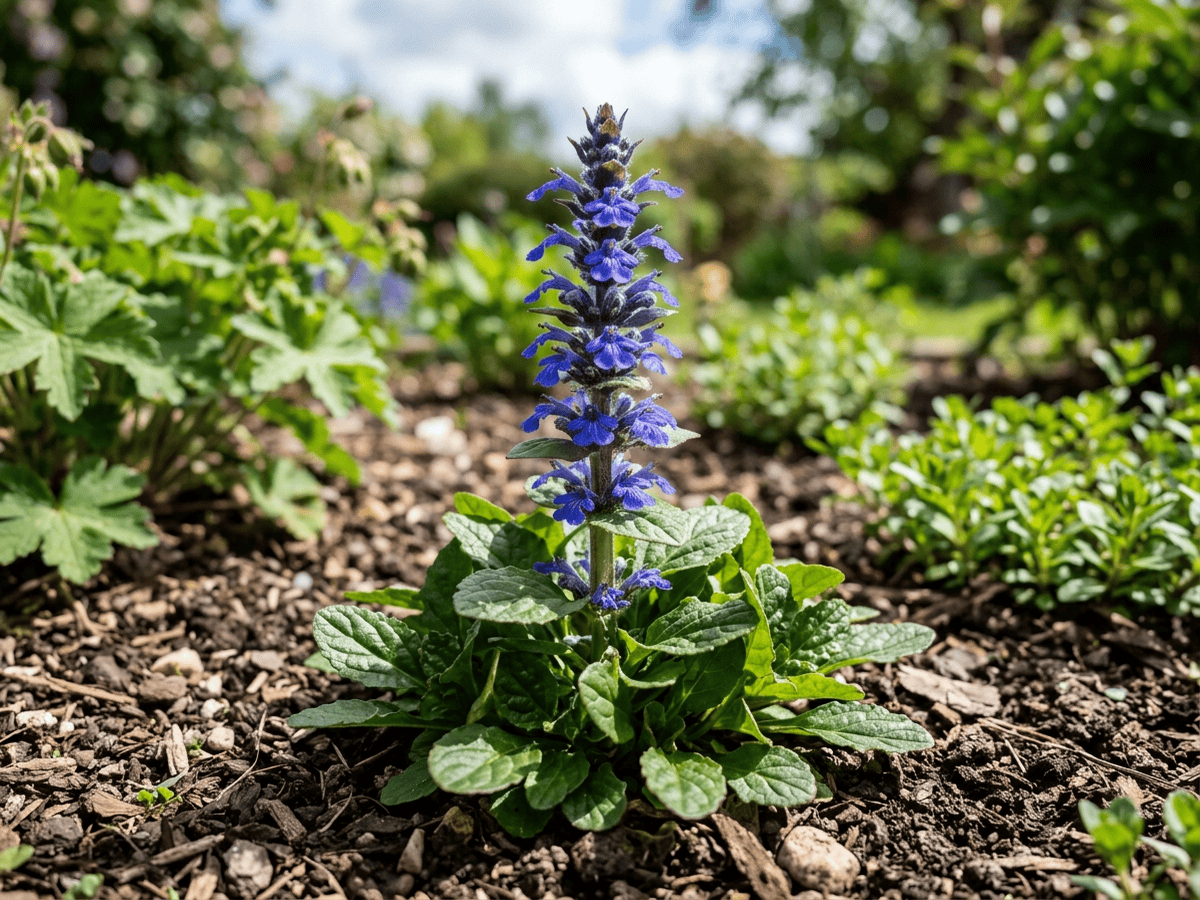 Blue BugleAjuga genevensis
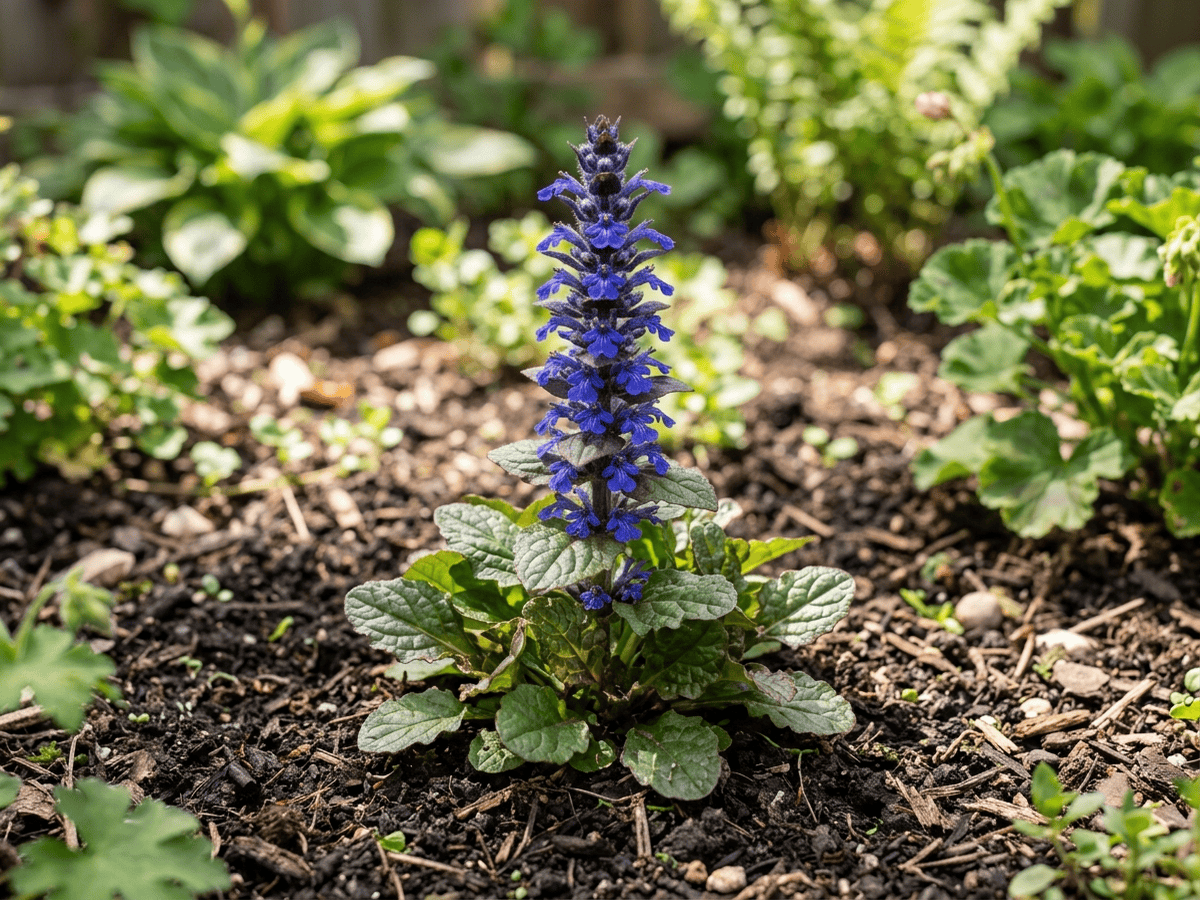 Pyramidal BugleAjuga pyramidalis
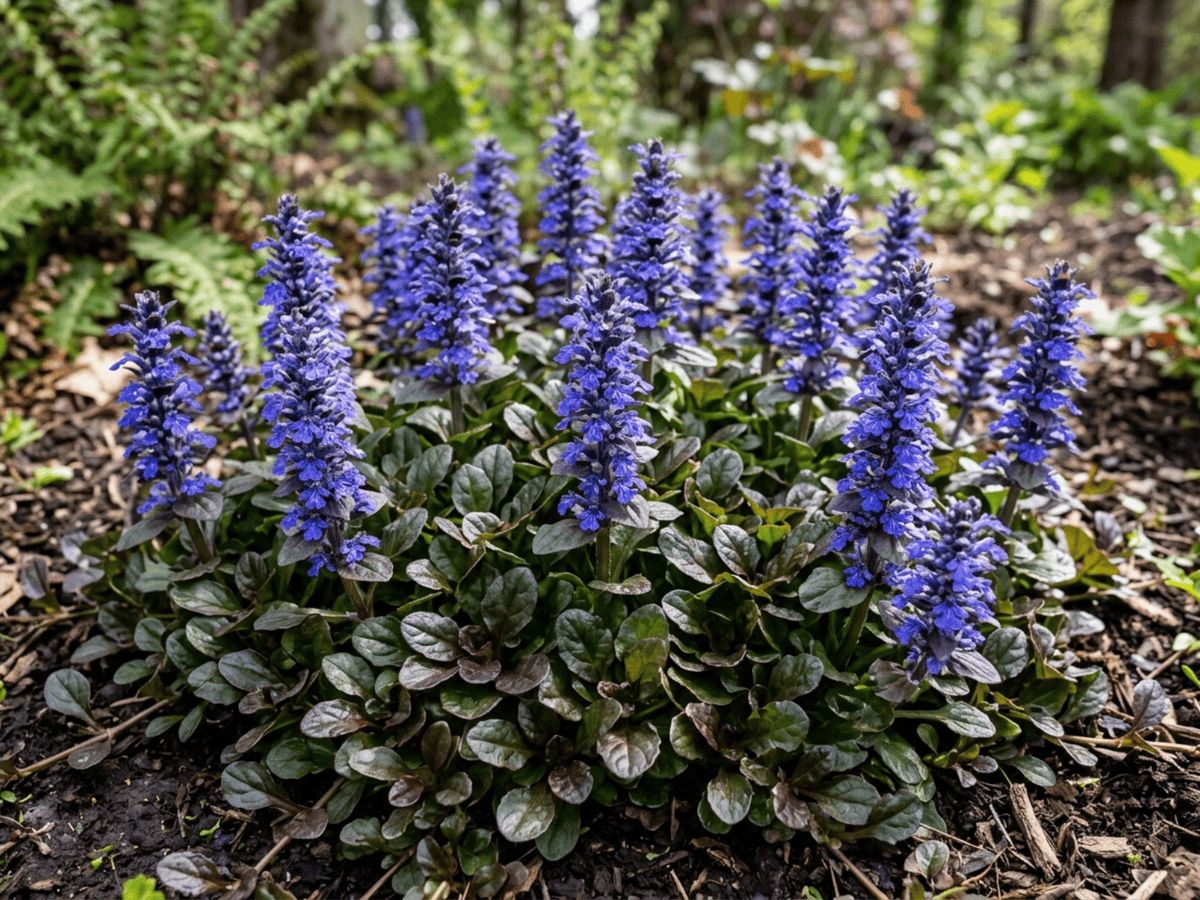 Carpet BugleAjuga reptans
Frequently asked questions
How often should I water Upright Yellow Woodsorrel?
In summer, water about every 5 days; in winter, about every 21 days. Adjust for heat, pot size and drainage.
How much light does Upright Yellow Woodsorrel need?
Part shade: 2–4 hrs direct. Watch the leaves — scorching or stretching means the light needs adjusting.
Is Upright Yellow Woodsorrel toxic to cats or dogs?
Pets Slight (Dogs Slight · Cats Slight) Educational information, not medical or veterinary advice. If exposure is suspected, contact a doctor or veterinarian.
Is Upright Yellow Woodsorrel easy to grow?
Yes — it is considered an easy, beginner-friendly plant.
When does Upright Yellow Woodsorrel bloom?
It typically blooms Mar–Nov in the Northern Hemisphere.
YardMate
Identify any plant in seconds
Snap a photo — YardMate names the plant, diagnoses problems, and reminds you when to water.
Download on the App Store