 YardMate
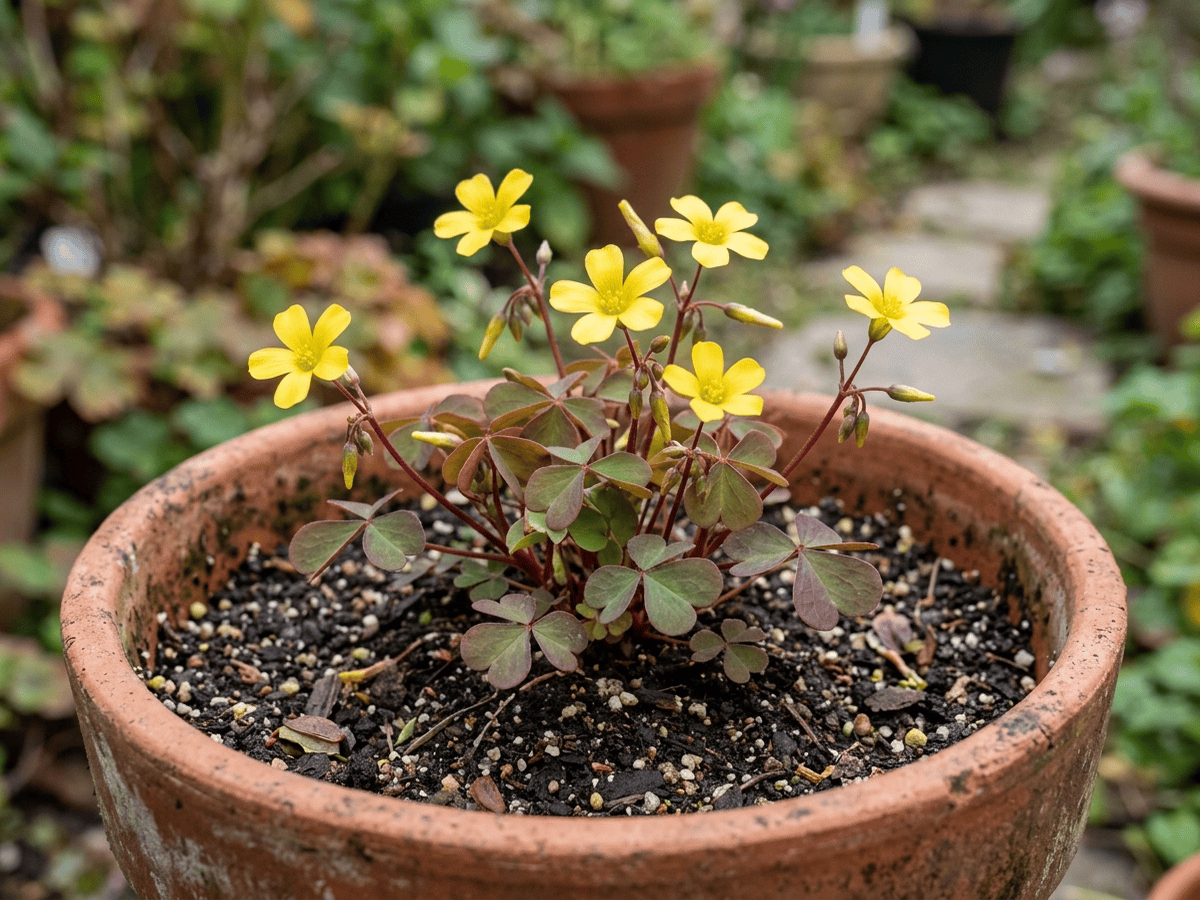


Creeping Woodsorrel
Oxalis corniculata
Easy · Beginner friendlyAbout Creeping Woodsorrel
Creeping Woodsorrel is a low creeping weedy oxalis of uncertain origin (likely Eurasian) naturalized worldwide. Forms prostrate mats of trifoliate leaves, often flushed purple-bronze, rooting at nodes and producing small yellow five-petal flowers. A constant pest of greenhouses, nursery containers, and flower beds across the US, spreading aggressively by both rooting stems and explosive seed pods.
- Edible
How to care for Creeping Woodsorrel
Watering
- Springevery 5 days
- Summerevery 3 days
- Fallevery 7 days
- Winterevery 14 days
Soil · Well-draining
- Main mixLoam + coarse sand 3:175%
- DrainageGravel25%
Sharp drainage matters most — bulbs rot in wet soil while dormant.
FERTILIZER
This plant needs little to no feeding.
At a Glance
- NativeMediterranean
- Height0.5 ft (0.2 m)
- Spread0.5–1 ft (0.2–0.3 m)
- Flower colorYellow
- Foliage colorGreen, Purple, Bronze
- Fruit colorGreen, Brown
- SoilLoamy, Well-drained
- LocationsYard
Bloom time
BLOOM CYCLE
Peak bloom
Jan–Dec
Small yellow flowers nearly year-round in mild climates
Toxicity
Humans Slight · Pets Slight
oxalic acid
Slight
- All
- Ingestion
EXPOSURE Eating any part of the plant.
EFFECT Large quantities interfere with calcium absorption.
NOTE Edible in small amounts; high oxalic acid content limits safe consumption.
Slight
- All
- Ingestion
EXPOSURE Eating any part of the plant.
EFFECT GI upset in large quantities.
NOTE Edible in small amounts; high oxalic acid content limits safe consumption.
Slight
- All
- Ingestion
EXPOSURE Eating any part of the plant.
EFFECT GI upset in large quantities.
NOTE Edible in small amounts; high oxalic acid content limits safe consumption.
Educational information, not medical or veterinary advice. If exposure is suspected, contact a doctor or veterinarian.
DISTRIBUTION

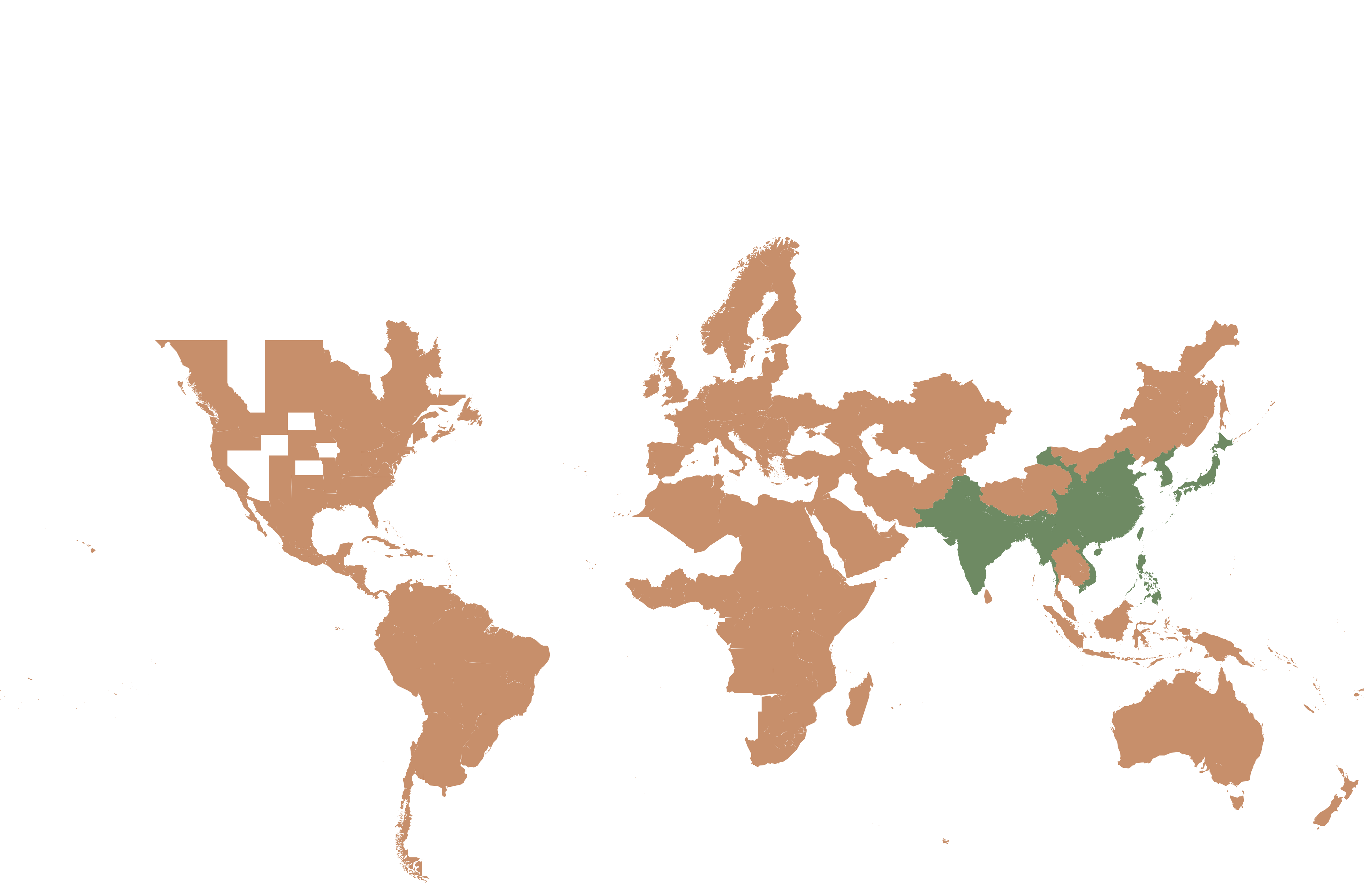
- Native
- Introduced
- Mediterranean
History

Oxalis corniculata has a disputed native range that likely spans Southeast Asia, the Mediterranean, and parts of Africa — it has been a camp-follower of humans for so long that true native status is unclear. Linnaeus described it in Species Plantarum (1753). The leaves and flowers have the same bright lemony-sour flavor as O. stricta and are used globally as a wild edible: in India it appears in Ayurvedic cooking; in Chinese cuisine (zuò jiāng cǎo) it flavors soups; in the Mediterranean it garnishes salads.
Its prostrate creeping habit and seed explosive dehiscence make it one of the most common greenhouse weeds worldwide — seeds shoot up to 2 meters when pods mature. Bronze-leaved cultivars such as 'Atropurpurea' are deliberately grown as groundcovers. Like O. Origin uncertain but likely Eurasian, spread worldwide with the international nursery trade centuries ago.
Now the most widely distributed Oxalis species on Earth. A notorious greenhouse and nursery weed, arriving in American gardens inside every newly-purchased potted plant. stricta, it contains oxalic acid and should not be eaten in large quantities.
Symbolism & meaning
What It Symbolizes
Creeping Woodsorrel is the very picture of creeping invasion, rooting at every node of its trailing stems so that one plant becomes a hundred almost overnight. As the classic nursery stowaway, it arrives free with nearly every potted plant sold, a hidden passenger in fresh potting mix. Ecologically, it is humble and persistent — neither romantic nor cultural, just remarkably good at staying.
- Creeping invasion — roots at every node of trailing stems
- Nursery stowaway — arrives free with every potted plant
Where the Name Comes From
The name Creeping Woodsorrel describes its low, spreading habit. 'corniculata' from Latin means small-horned, for the pointed seed pods.
Uses & Fun Facts
- Tart lemony leaves nibbled raw or sprinkled in salads
- Traditional folk remedy for fever and mouth sores
Related plants
More Oxalis plants
Plants with similar care
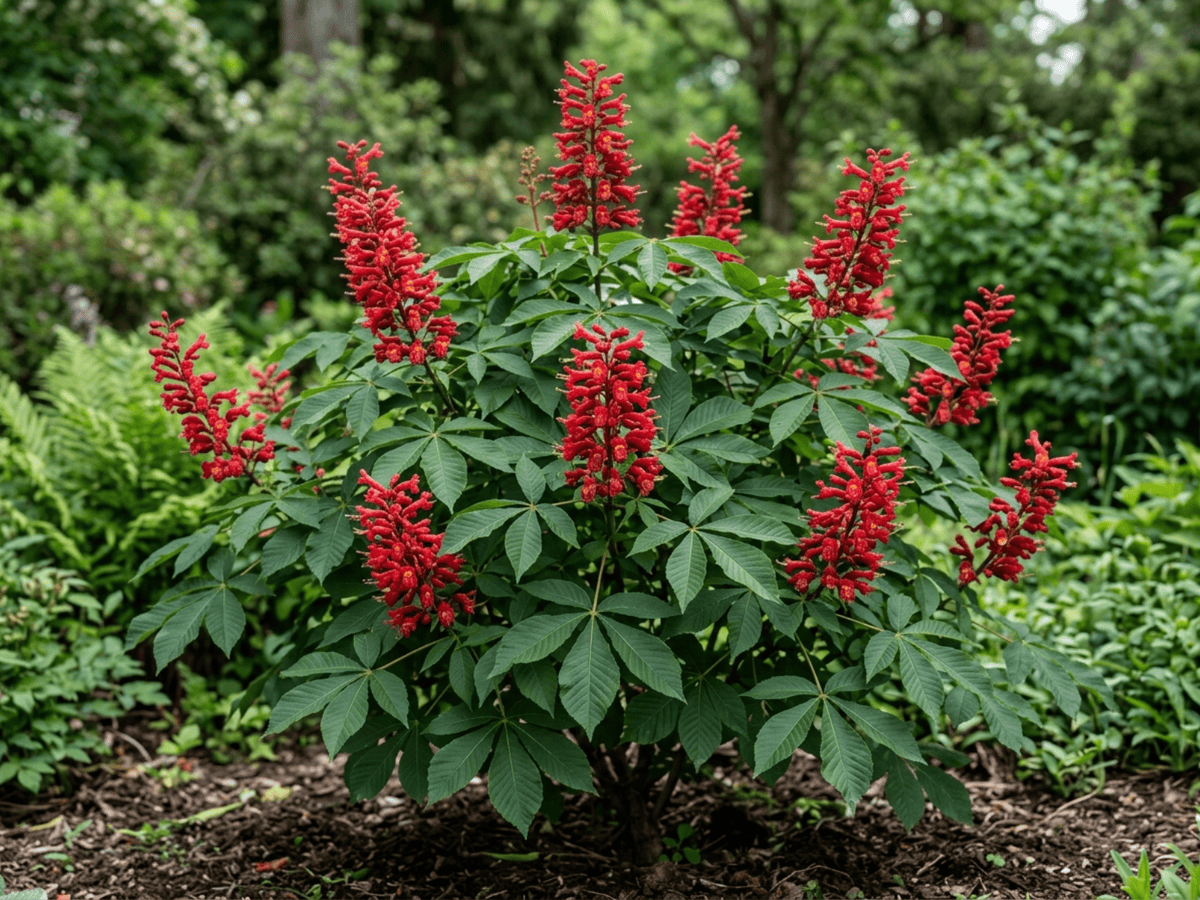 Red BuckeyeAesculus pavia
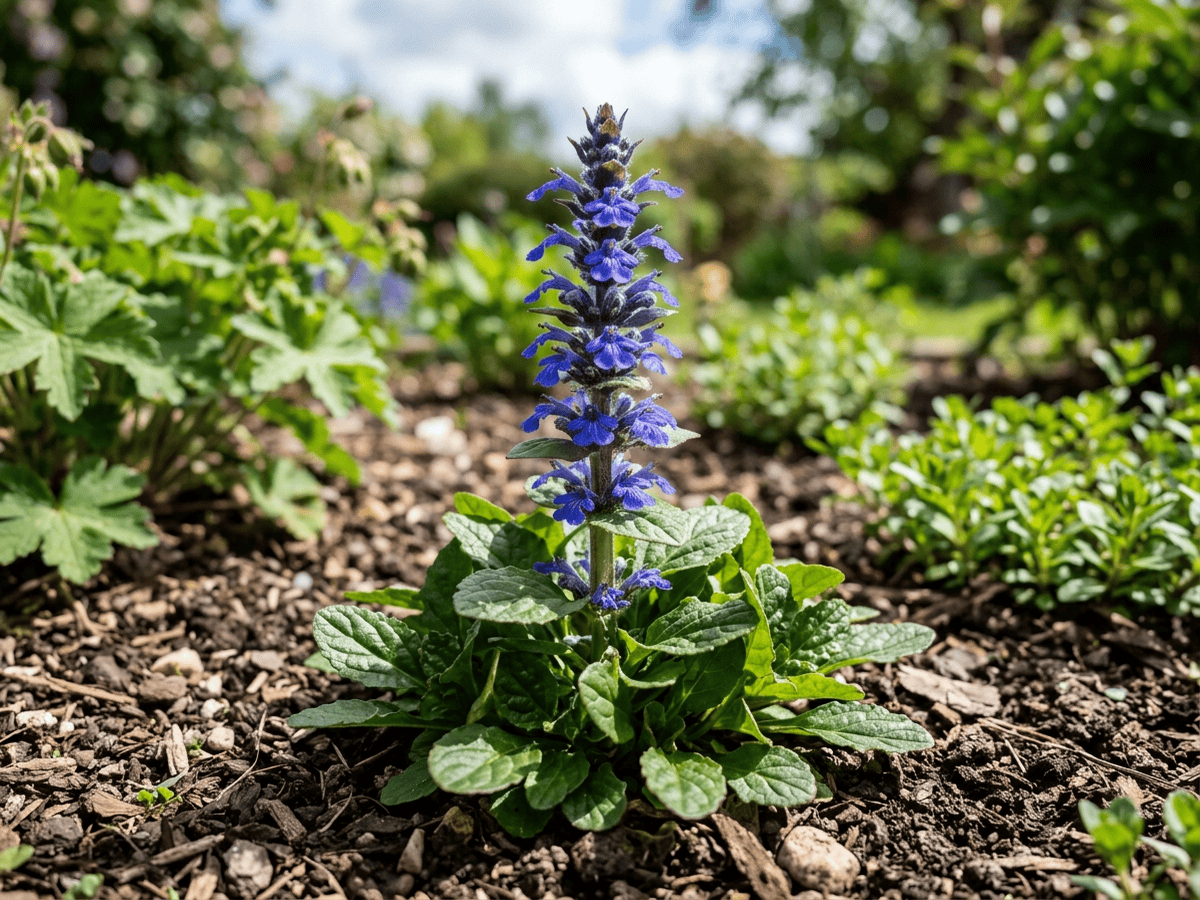 Blue BugleAjuga genevensis
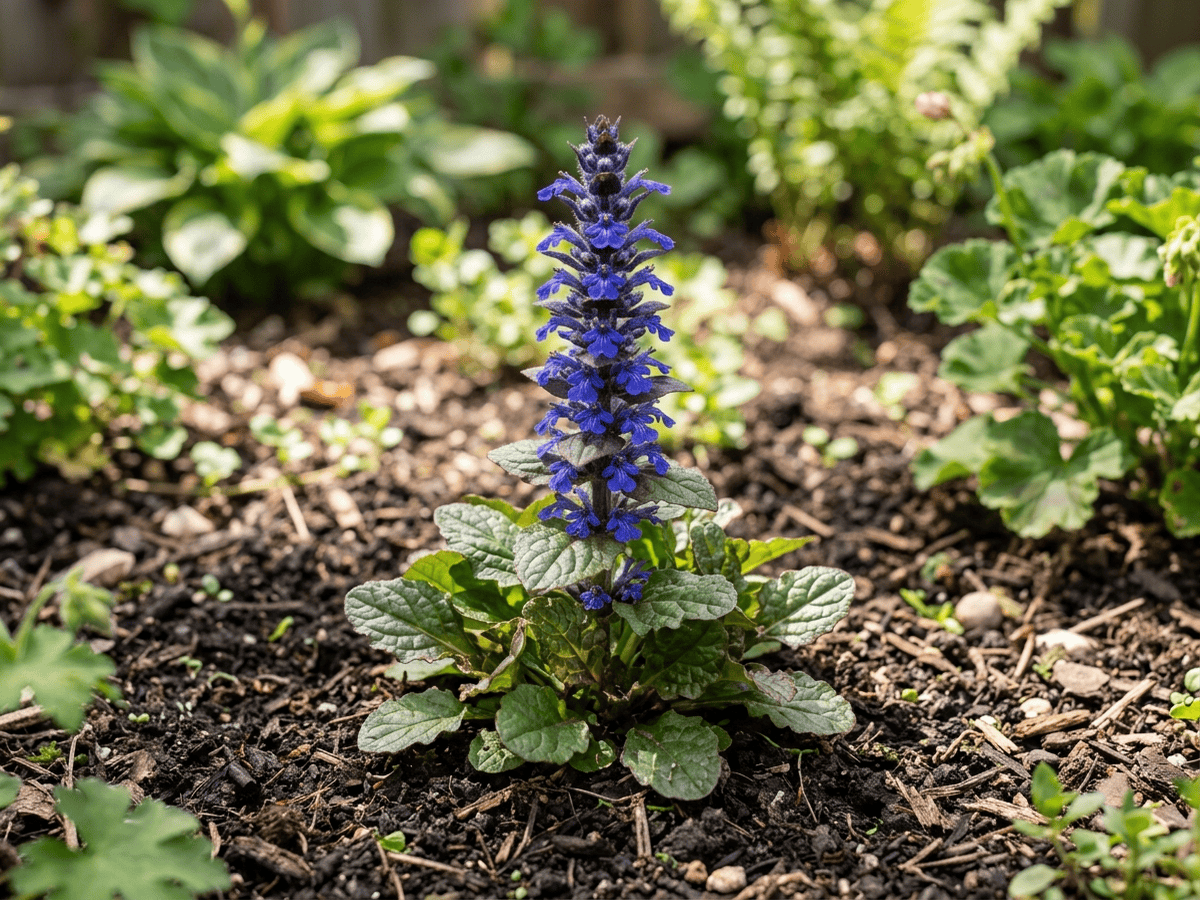 Pyramidal BugleAjuga pyramidalis
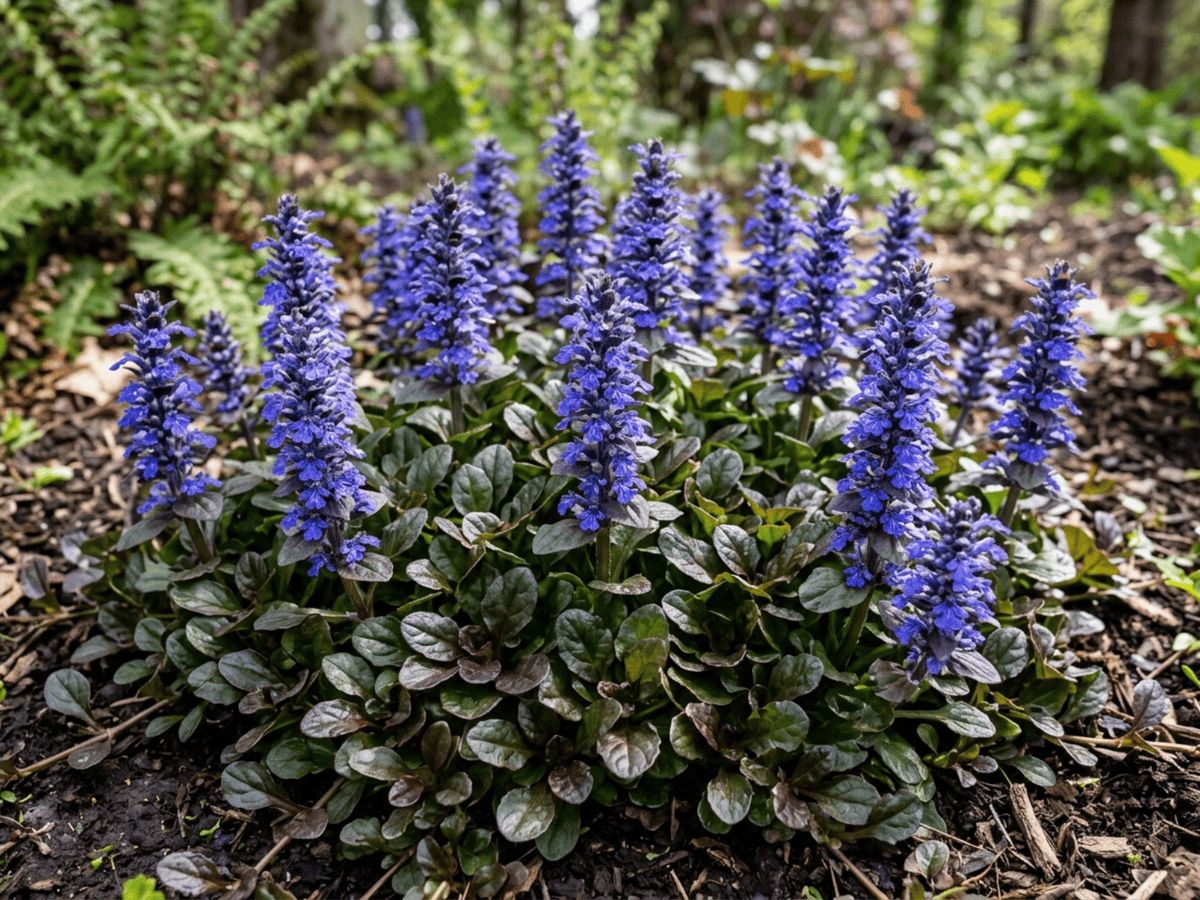 Carpet BugleAjuga reptans
Frequently asked questions
How often should I water Creeping Woodsorrel?
In summer, water about every 3 days; in winter, about every 14 days. Adjust for heat, pot size and drainage.
How much light does Creeping Woodsorrel need?
Part shade: 2–4 hrs direct. Watch the leaves — scorching or stretching means the light needs adjusting.
Is Creeping Woodsorrel toxic to cats or dogs?
Pets Slight (Dogs Slight · Cats Slight) Educational information, not medical or veterinary advice. If exposure is suspected, contact a doctor or veterinarian.
Is Creeping Woodsorrel easy to grow?
Yes — it is considered an easy, beginner-friendly plant.
When does Creeping Woodsorrel bloom?
It typically blooms Jan–Dec in the Northern Hemisphere.
YardMate
Identify any plant in seconds
Snap a photo — YardMate names the plant, diagnoses problems, and reminds you when to water.
Download on the App Store