 YardMate

Zonal Geranium
Pelargonium x hortorum
Easy · Beginner friendlyAbout Zonal Geranium
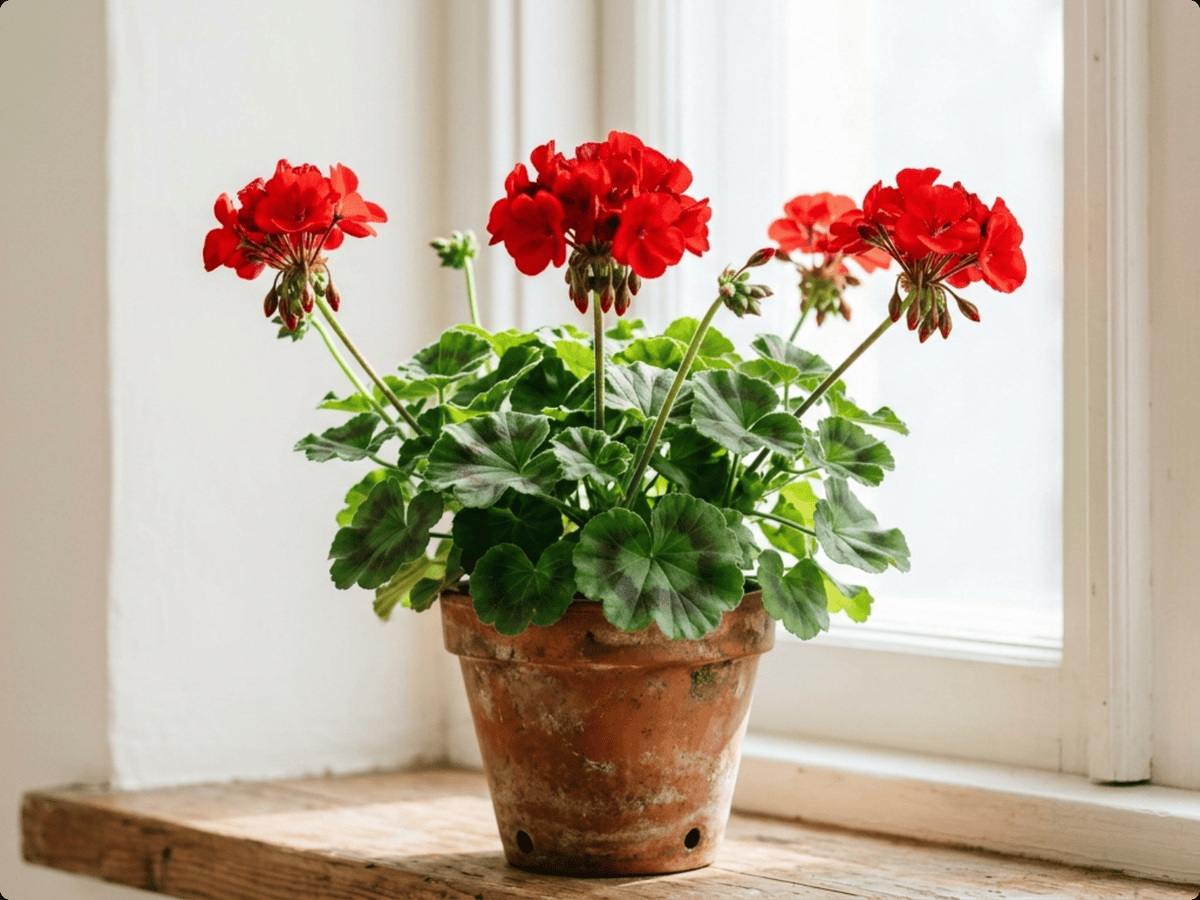
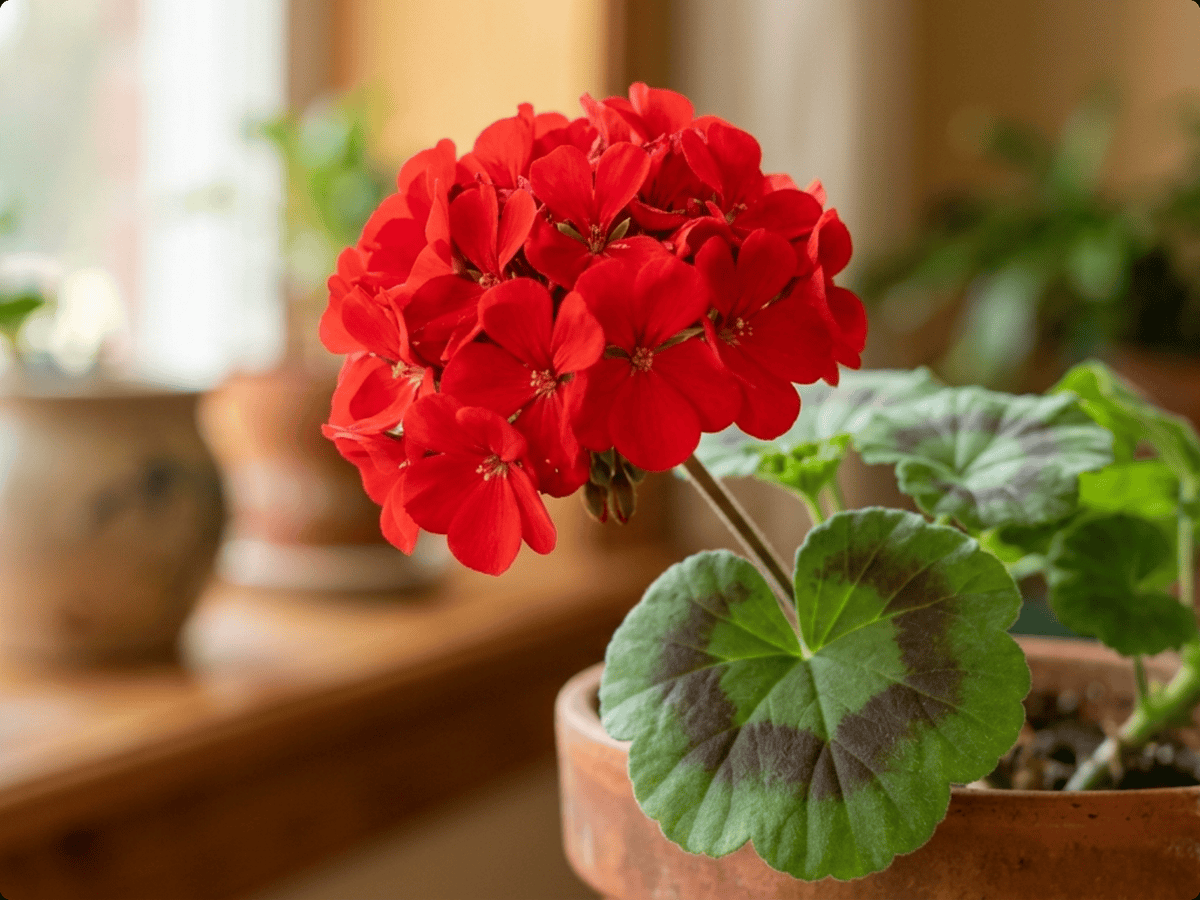
Pelargonium x hortorum, the zonal geranium, is the classic 'geranium' of window boxes, patios, and balconies worldwide. Despite being called geraniums, they are botanically Pelargonium, not Geranium. Producing dense, ball-shaped clusters of flowers in red, pink, salmon, orange, and white above rounded leaves often marked with a dark 'zone,' they bloom continuously from spring to frost. Native parent species come from South Africa. They are drought-tolerant, thriving in hot, dry conditions. Over 75,000 cultivars are registered, making Pelargonium one of the most diverse ornamental plant groups.
- Drought-tolerant
- Container-friendly
- Long-blooming
How to care for Zonal Geranium
Watering
- Springevery 5 days
- Summerevery 3 days
- Fallevery 7 days
- Winterevery 14 days
Soil · Well-draining
- Top dressingPine bark mulch10%
- Main mixPotting soil + perlite 2:170%
- DrainageLECA / gravel20%
Never skip the drainage layer — standing water is the top cause of root rot.
FERTILIZER
Balanced Feed 14-14-14
An even feed covers all three needs at once, keeping leaves, roots and blooms moving together with nothing pushed out of balance.
- Nitrogen · Leaves
- Phosphorus · Roots + Blooms
- Potassium · Strength
- Springevery 21 days
- Summerevery 21 days
At a Glance
- NativeAfrica
- Height1–2 ft (0.3–0.6 m)
- Spread1–2 ft (0.3–0.6 m)
- Flower colorRed, Pink, White, Coral
- Foliage colorGreen, Bronze, Variegated
- SoilLoamy, Well-drained
- LocationsBalcony · Yard
Bloom time
BLOOM CYCLE
Peak bloom
Jun–Aug
Deadhead spent clusters; drought-tolerant but feed well for best blooms
Fragrance
MODERATE FRAGRANCE
Pungent musky-citrus scent from leaves when brushed; flowers faintly scented.
Toxicity
Humans Slight · Pets Moderate
geraniol, linalool, and essential oils
Slight
- Leaf
- Stem
- Contact
EXPOSURE Touching leaves and stems.
EFFECT Contact dermatitis possible in sensitive individuals.
NOTE Documented concern for humans: Contact dermatitis possible in sensitive individuals.
Moderate
- All
- Ingestion
EXPOSURE Eating any part of the plant.
EFFECT Vomiting, anorexia, depression, dermatitis.
NOTE ASPCA lists Pelargonium (geranium) as toxic to dogs and cats due to essential oils.
Moderate
- All
- Ingestion
EXPOSURE Eating any part of the plant.
EFFECT Vomiting, anorexia, depression, dermatitis.
NOTE ASPCA lists Pelargonium (geranium) as toxic to dogs and cats due to essential oils.
Educational information, not medical or veterinary advice. If exposure is suspected, contact a doctor or veterinarian.
DISTRIBUTION


- Native
- Africa
History

Pelargonium x hortorum is a complex hybrid derived primarily from Pelargonium zonale and P. inquinans, both endemic to the Cape region of South Africa. Dutch and British nurseries imported the parent species during the 17th and 18th centuries, and deliberate crosses from the 1780s produced the first "zonal" types, named for the dark horseshoe-shaped band on the leaves. The 19th century saw an explosion of cultivars in England, France, and Germany, with firms like Bruant in France developing the broad-petaled varieties that defined the Victorian windowbox aesthetic.
By the 20th century, breeders such as Holmes C. Miller produced the first F1 seed-propagated zonals, revolutionizing mass production. The plant became synonymous with Swiss chalets, Bavarian balconies, and English cottages. The zonal geranium is arguably the world's most popular container plant.
South African species were brought to the Netherlands in the 1600s by Dutch East India Company ships, and European hybridization began immediately. The Great Geranium Confusion — calling Pelargonium 'geranium' — dates to 1753 when Linnaeus initially grouped them together; they were separated in 1789 but the common name stuck. Swiss balconies, Mediterranean terraces, and Parisian window boxes are incomplete without red zonal geraniums. Interestingly, the citronella 'mosquito plant' sold to repel insects is actually Pelargonium citrosum, another South African species.
Symbolism & meaning
What It Symbolizes
The Zonal Geranium suggests comfort, the quintessential window-box flower whose presence on a sill says home is being kept. From Mediterranean balconies to American front porches, it has been the everyday signal of domestic warmth and welcoming space. It is often read as a flower of inhabited windows, a bloom whose meaning is bound to the small daily kindness of watering, deadheading, and inviting passersby to glance up and feel that someone is there.
- Comfort — The quintessential window box flower represents domestic warmth and welcoming homes
Where the Name Comes From
Pelargonium from Greek 'pelargos' (stork), for the stork's-bill seed pod. Hortorum means 'of gardens.'
Uses & Fun Facts
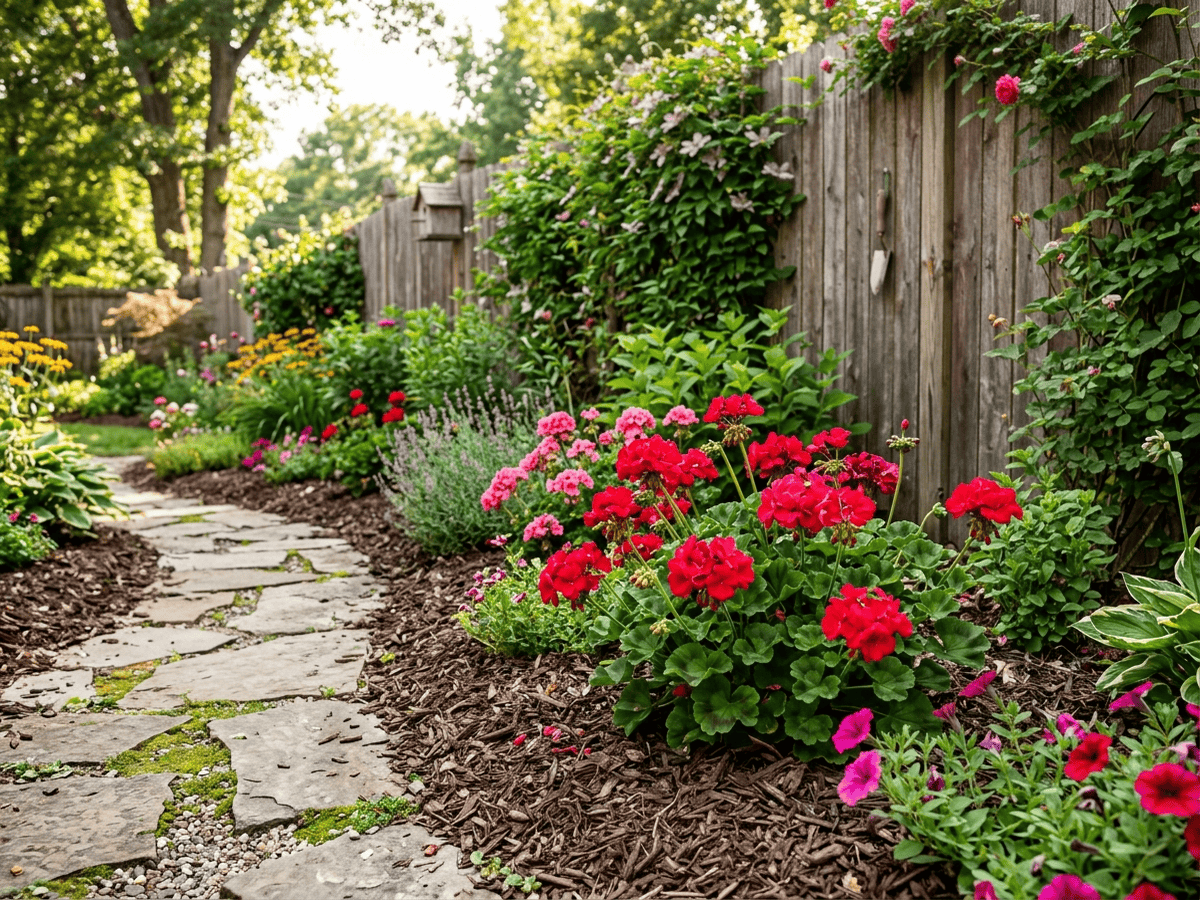
- Classic geranium for window boxes and patio pots
- Foliage yields rose-scented essential oil for perfumery
- Long-blooming bedding plant for sunny terraces
Related plants
More Pelargonium plants
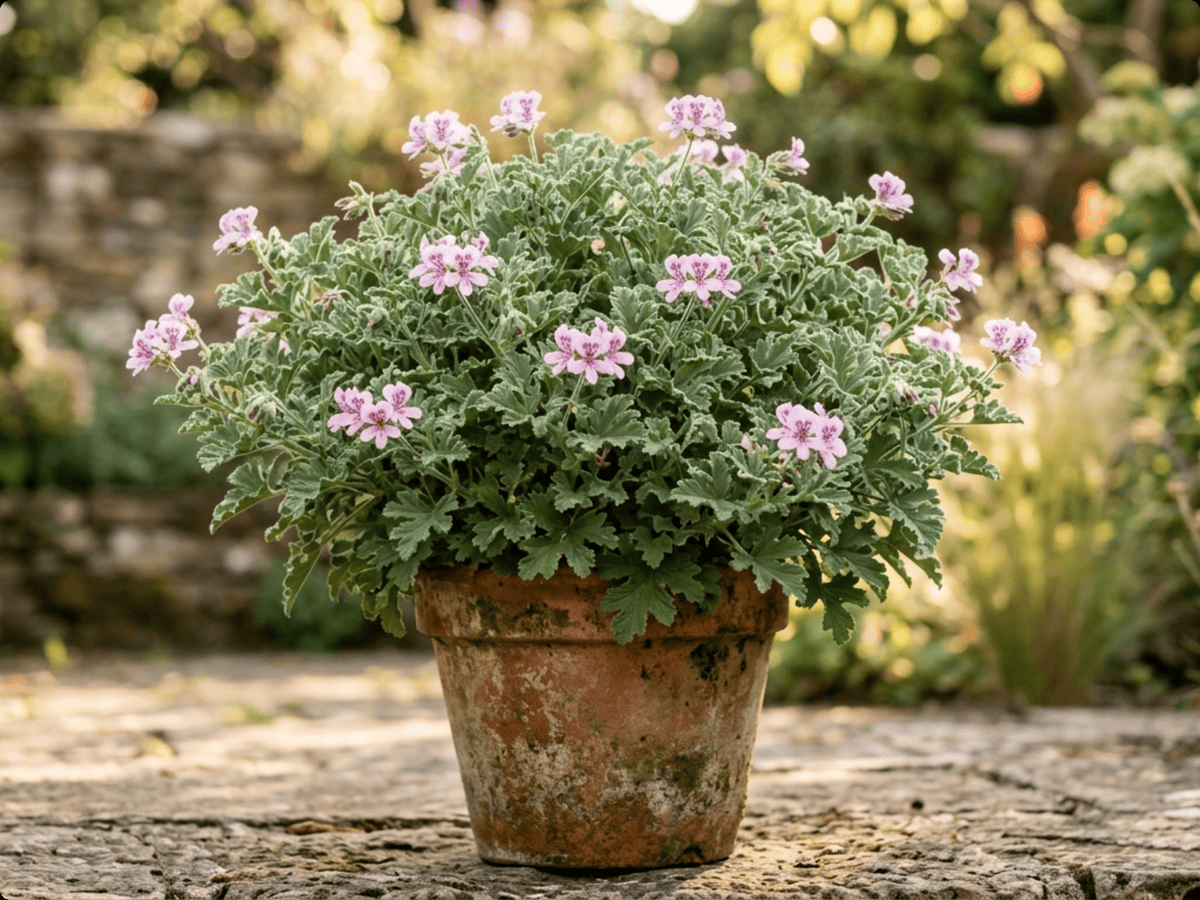 Rose-Scented GeraniumPelargonium graveolens
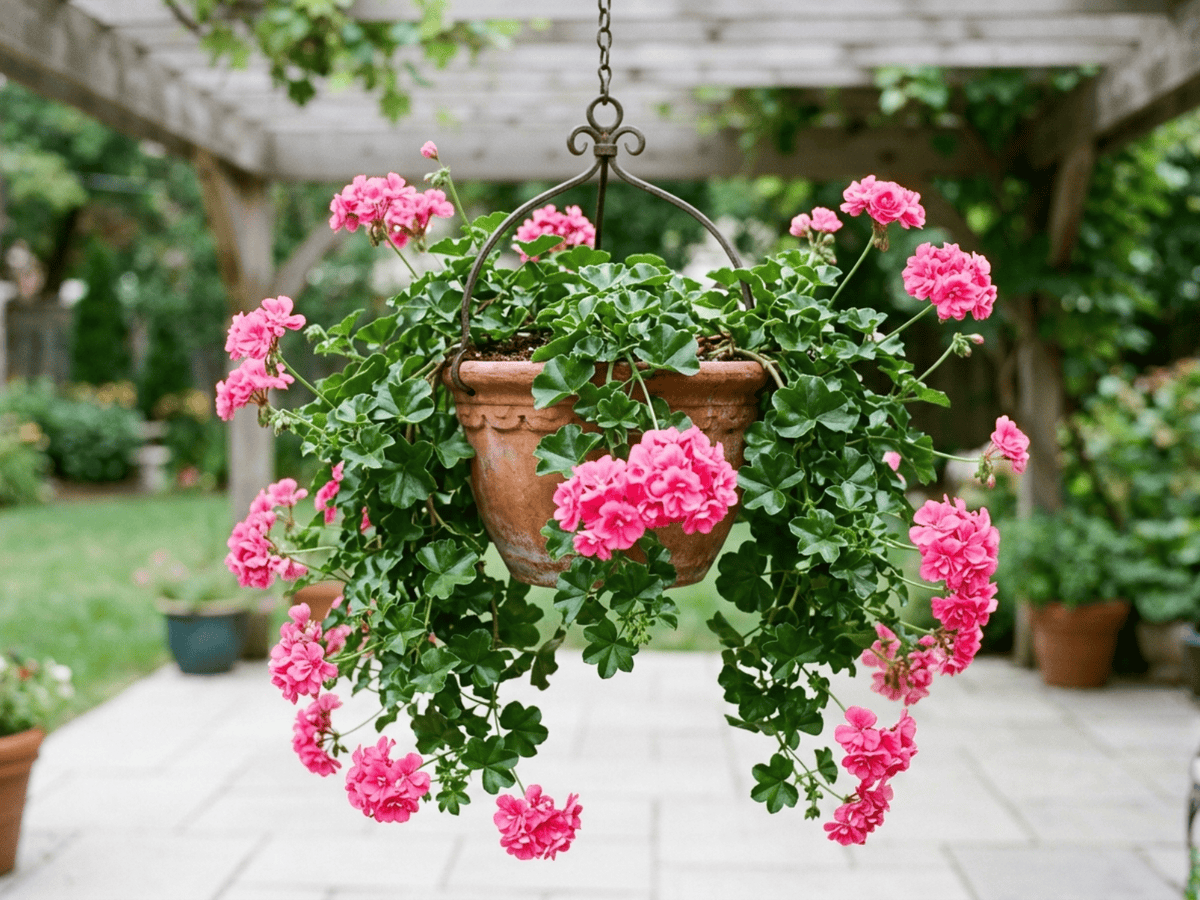 Ivy GeraniumPelargonium peltatum
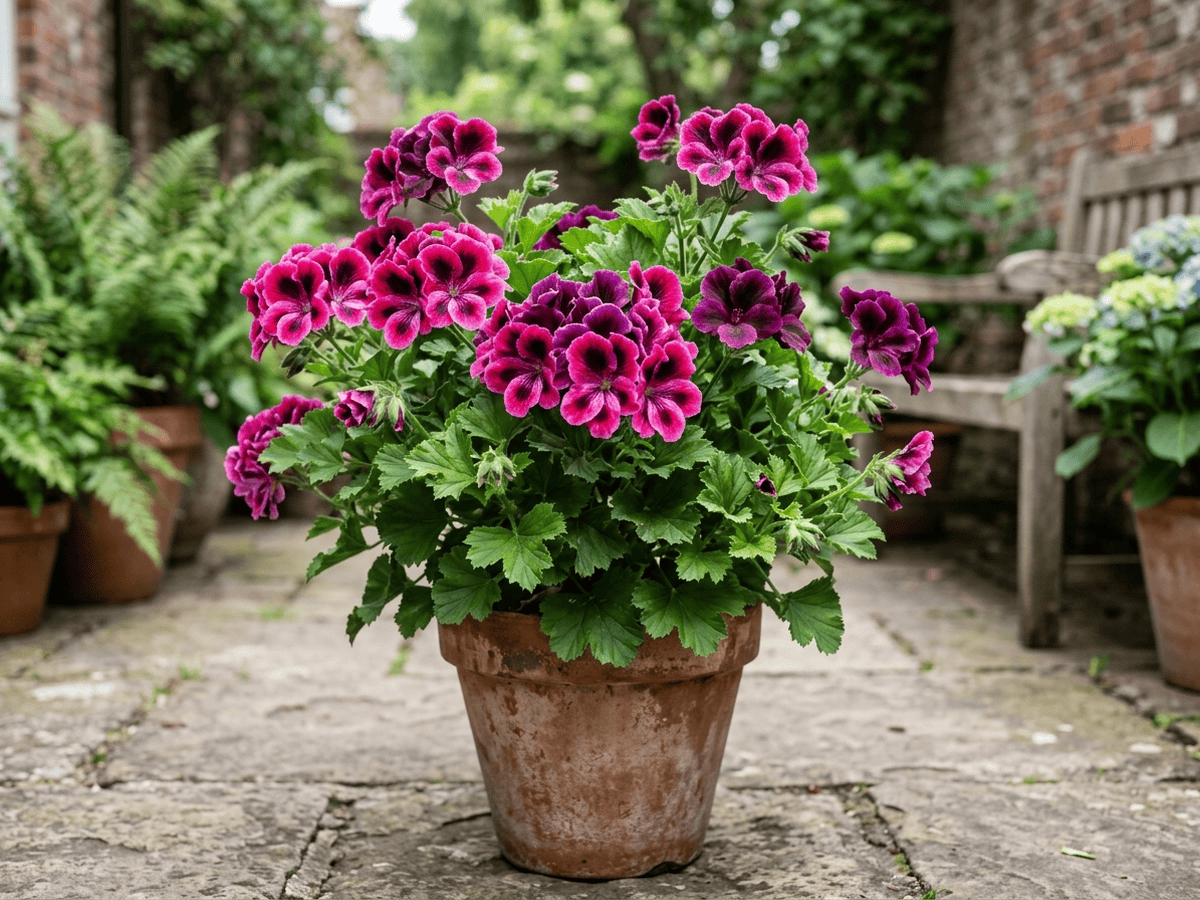 Regal PelargoniumPelargonium × domesticum
Plants with similar care
 Chinese AbeliaAbelia chinensis
 Fragrant AbeliaAbelia mosanensis
 Large-Flowered AbeliaAbelia uniflora
 Glossy AbeliaAbelia x grandiflora
Frequently asked questions
How often should I water Zonal Geranium?
In summer, water about every 3 days; in winter, about every 14 days. Adjust for heat, pot size and drainage.
How much light does Zonal Geranium need?
Full sun: 6+ hrs direct. Watch the leaves — scorching or stretching means the light needs adjusting.
Is Zonal Geranium toxic to cats or dogs?
Pets Moderate (Dogs Moderate · Cats Moderate) Educational information, not medical or veterinary advice. If exposure is suspected, contact a doctor or veterinarian.
Is Zonal Geranium easy to grow?
Yes — it is considered an easy, beginner-friendly plant.
When does Zonal Geranium bloom?
It typically blooms Jun–Aug in the Northern Hemisphere.
YardMate
Identify any plant in seconds
Snap a photo — YardMate names the plant, diagnoses problems, and reminds you when to water.
Download on the App Store