 YardMate

Rose-Scented Geranium
Pelargonium graveolens
Easy · Beginner friendlyAbout Rose-Scented Geranium
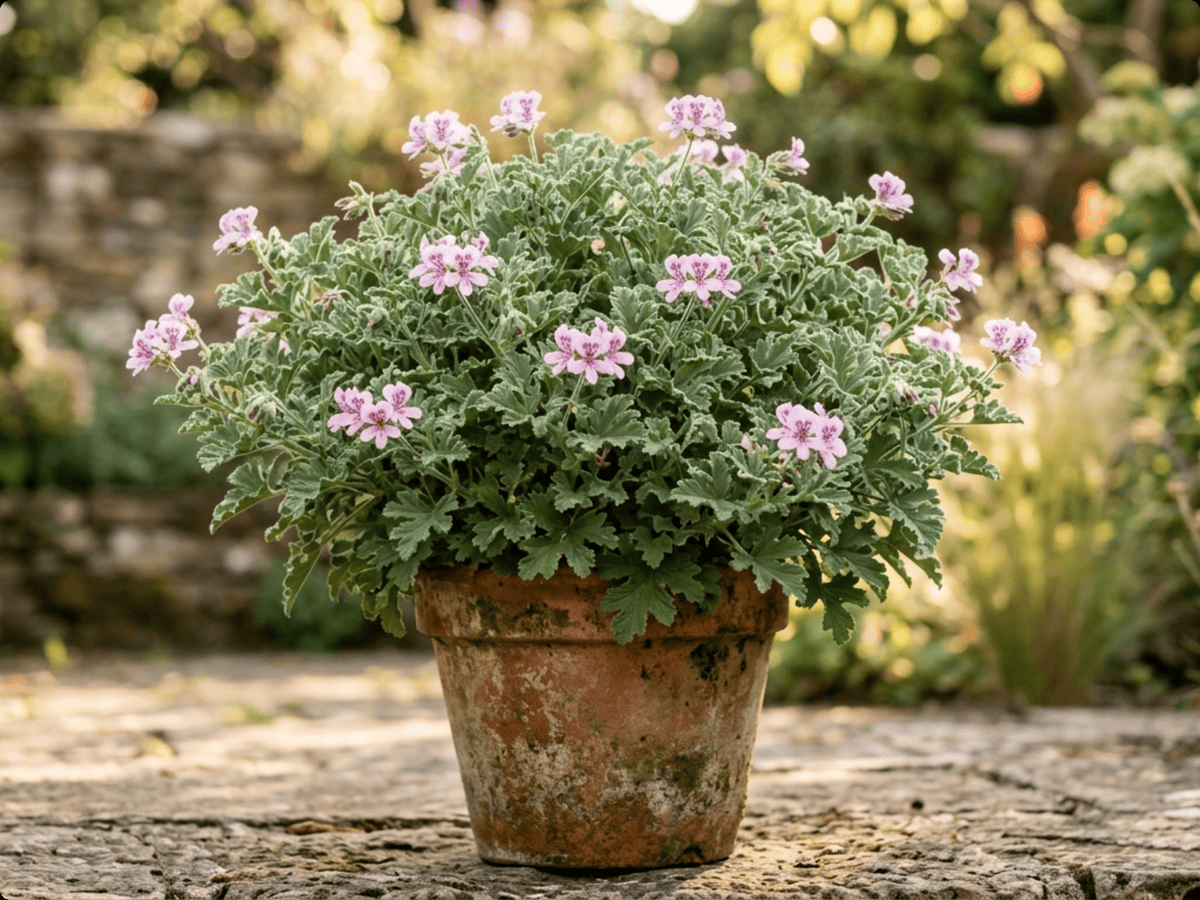
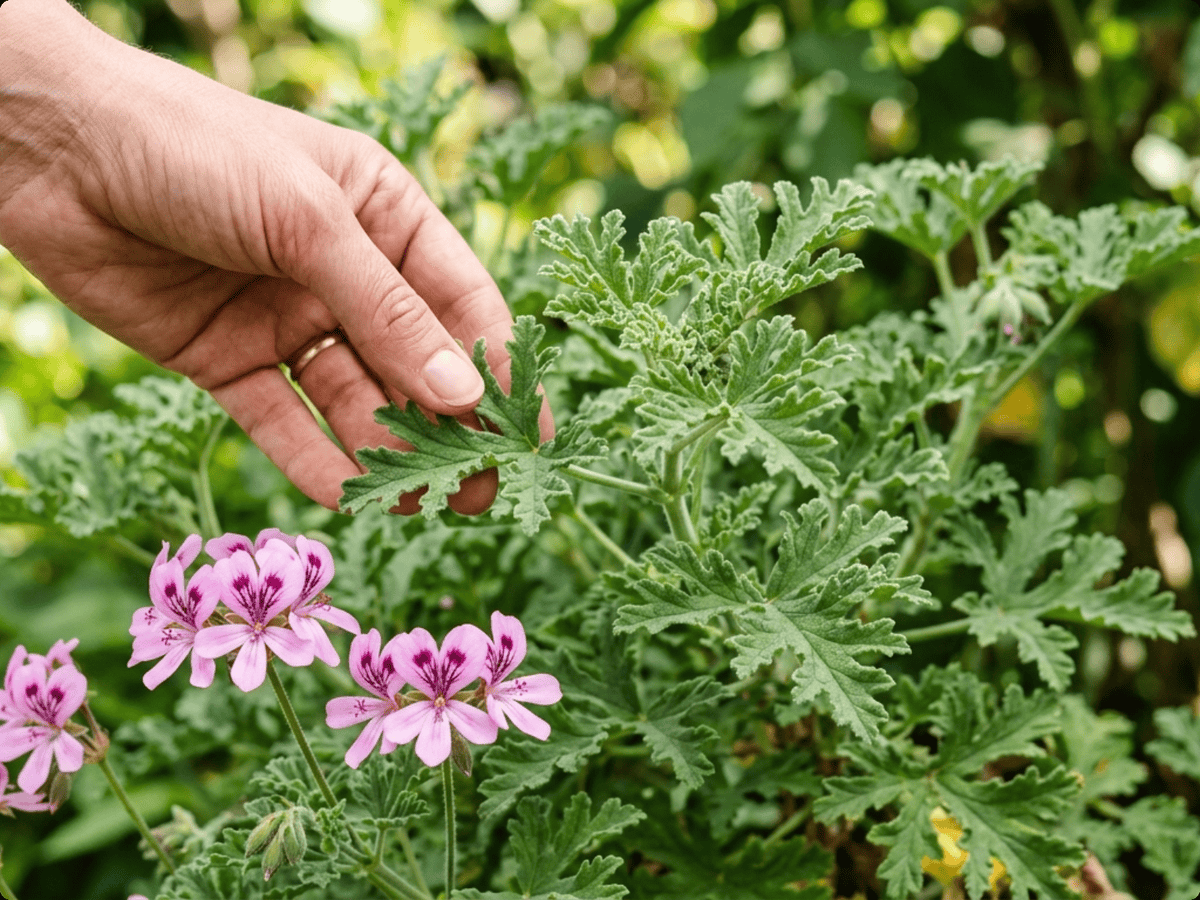
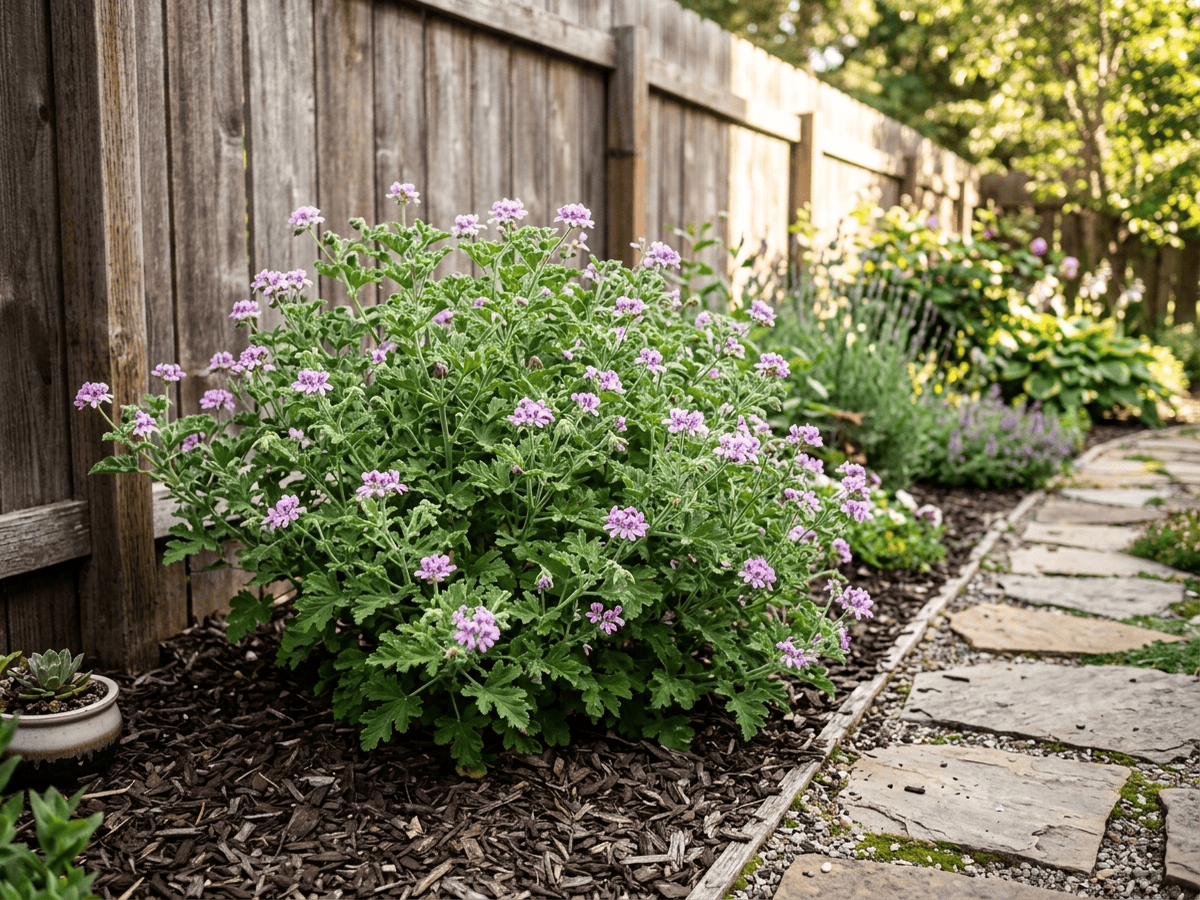
Pelargonium graveolens, the rose-scented geranium, is a fragrant-leaved pelargonium grown primarily for its intensely aromatic foliage that releases a rich rose-like scent when touched. Native to South Africa, it forms a bushy shrub with deeply lobed, textured leaves and small pink flowers. The essential oil distilled from the leaves is one of the most important in the fragrance industry — used as a more affordable substitute for true rose otto in perfumes, cosmetics, and aromatherapy. It is also used in cooking — leaves flavor sugar, cakes, and teas.
- Fragrant
- Edible
How to care for Rose-Scented Geranium
Watering
- Springevery 5 days
- Summerevery 3 days
- Fallevery 7 days
- Winterevery 14 days
Soil · Well-draining
- Top dressingPine bark mulch10%
- Main mixPotting soil + perlite 2:170%
- DrainageLECA / gravel20%
Never skip the drainage layer — standing water is the top cause of root rot.
FERTILIZER
Balanced Feed 14-14-14
An even feed covers all three needs at once, keeping leaves, roots and blooms moving together with nothing pushed out of balance.
- Nitrogen · Leaves
- Phosphorus · Roots + Blooms
- Potassium · Strength
- Springevery 21 days
- Summerevery 21 days
At a Glance
- NativeAfrica
- Height2–3 ft (0.6–0.9 m)
- Spread1.5–2.5 ft (0.5–0.8 m)
- Flower colorPink, White
- Foliage colorGreen
- SoilLoamy, Well-drained
- LocationsIndoor · Balcony
Bloom time
BLOOM CYCLE
Peak bloom
Jun–Aug
Small pink flowers; grown mainly for fragrant foliage; pinch for bushiness
Fragrance
STRONG FRAGRANCE
Intense rose-lemon scent released when leaves are touched; source of commercial geranium oil.
Toxicity
Humans Slight · Pets Moderate
geraniol, citronellol, and linalool
Slight
- Leaf
- Contact
- Ingestion
EXPOSURE Touching leaves. Eating leaves.
EFFECT Leaves edible in small amounts and oil concentrated form can cause dermatitis.
NOTE Documented concern for humans: Leaves edible in small amounts and oil concentrated form can cause dermatitis.
Moderate
- All
- Ingestion
EXPOSURE Eating any part of the plant.
EFFECT Vomiting, anorexia, depression, dermatitis and essential oils concentrated.
NOTE ASPCA lists Pelargonium as toxic to pets; concentrated essential oil especially hazardous to cats.
Moderate
- All
- Ingestion
EXPOSURE Eating any part of the plant.
EFFECT Vomiting, anorexia, depression and cats particularly sensitive to essential oils.
NOTE ASPCA lists Pelargonium as toxic to pets; concentrated essential oil especially hazardous to cats.
Educational information, not medical or veterinary advice. If exposure is suspected, contact a doctor or veterinarian.
DISTRIBUTION


- Native
- Introduced
- Africa
History
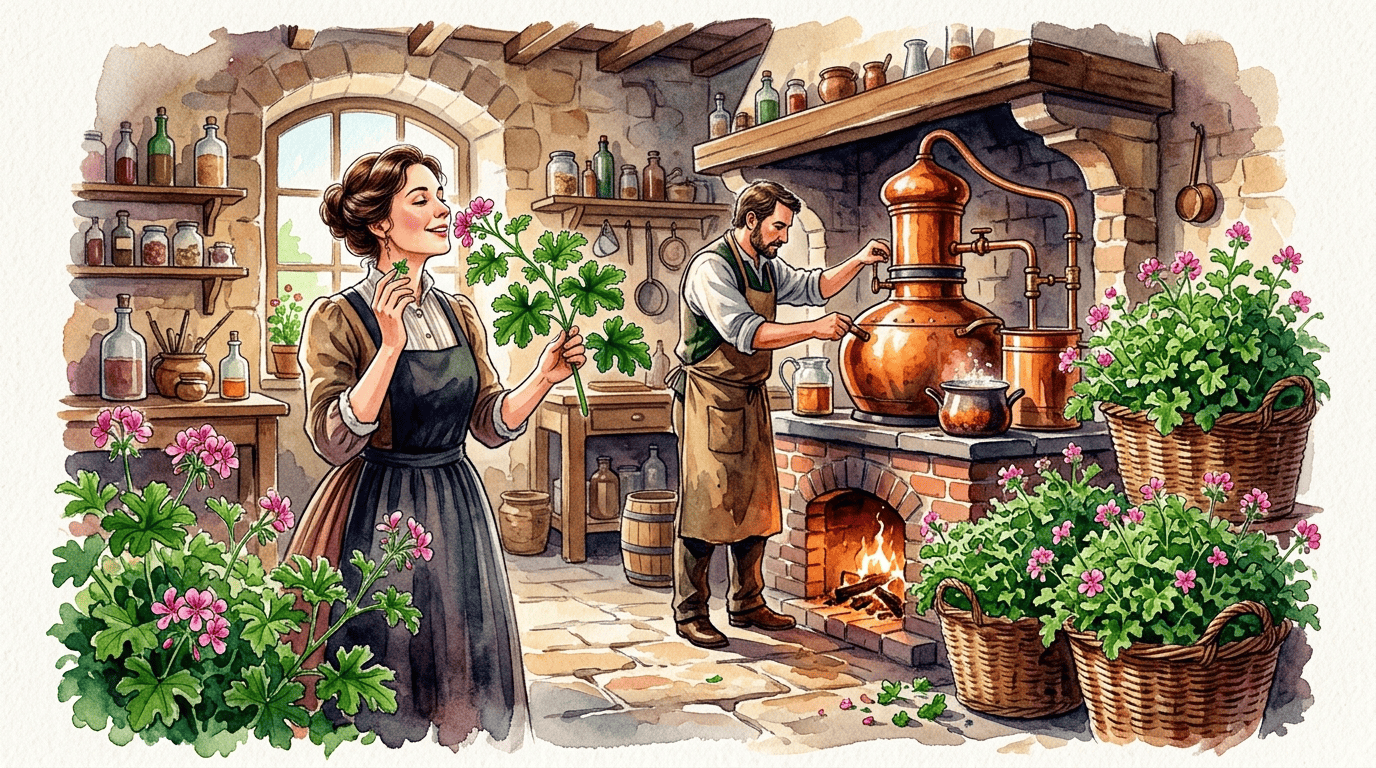
Pelargonium graveolens is native to southern Africa, particularly the Eastern Cape. Introduced to European cultivation by the late 17th century through Dutch East India Company collectors, its rose-like leaf fragrance attracted perfumers in the 18th and 19th centuries. Commercial essential oil production began in Grasse, France around 1847, and the Bourbon type — distinguished by superior fragrance — was established on Reunion Island (formerly Bourbon) by French colonists in the 1870s and later in Egypt, Morocco, Madagascar, and China.
"Geranium oil" became a major component of rose-note perfumery, valued as an inexpensive alternative to true rose otto. Traditional South African and Reunion folk medicine used leaf infusions for wounds, dysentery, and infection. The plant is also a parent of many scented-leaf garden hybrids.
Rose geranium essential oil is one of the ten most commercially important essential oils in the world, produced primarily in Réunion Island (branded as 'Bourbon geranium oil'), Egypt, China, and South Africa. The oil contains citronellol and geraniol — the same compounds found in rose otto at a fraction of the cost. In Victorian England, scented-leaved geraniums were collected avidly — there were dozens of varieties including lemon, nutmeg, apple, chocolate, and coconut-scented types. Ladies placed leaves inside gloves to scent their hands. The plant is also sold as a 'mosquito plant,' though its effectiveness as an insect repellent requires crushing the leaves to release oils.
Symbolism & meaning
What It Symbolizes
The Rose-Scented Geranium makes visible gentleness, its softly fragrant leaves releasing rose, lemon, and herbal notes at the lightest touch. Long valued in Victorian still rooms for scenting linens and flavoring cakes, it has become a flower of tender care and refined sensitivity. To brush past this pelargonium is to receive a small, gentle gift — a quiet message that beauty often lives in fragrance rather than spectacle.
- Gentleness — Its soft, fragrant leaves represent tender care and refined sensitivity
Where the Name Comes From
The name Rose-Scented Geranium describes its scent. Pelargonium from Greek 'pelargos' (stork). Graveolens means 'strong-smelling,' for the aromatic foliage.
Uses & Fun Facts
- Rose-scented leaves release fragrance for sugars, syrups, and sachets
- Rose-scented foliage stays handy in sunny pots near doors and kitchens
Related plants
More Pelargonium plants
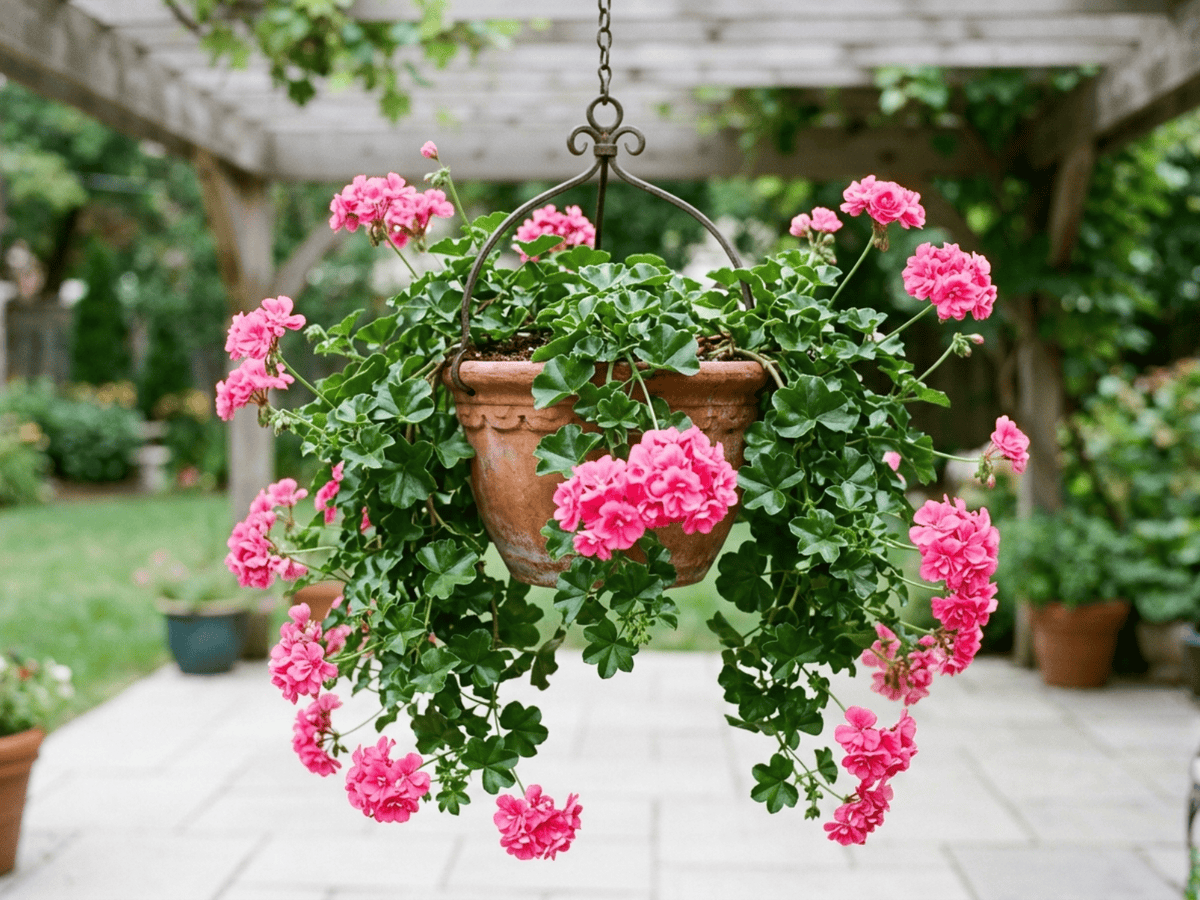 Ivy GeraniumPelargonium peltatum
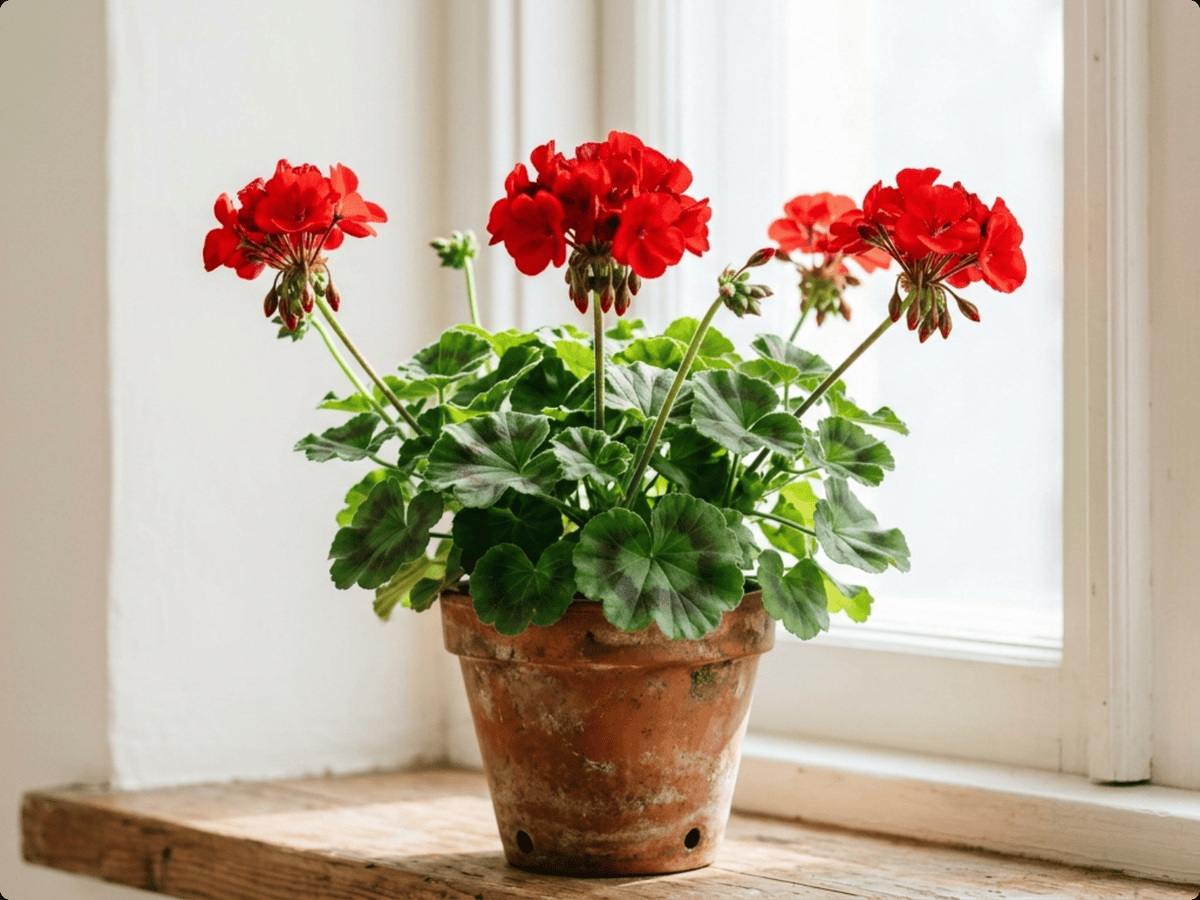 Zonal GeraniumPelargonium x hortorum
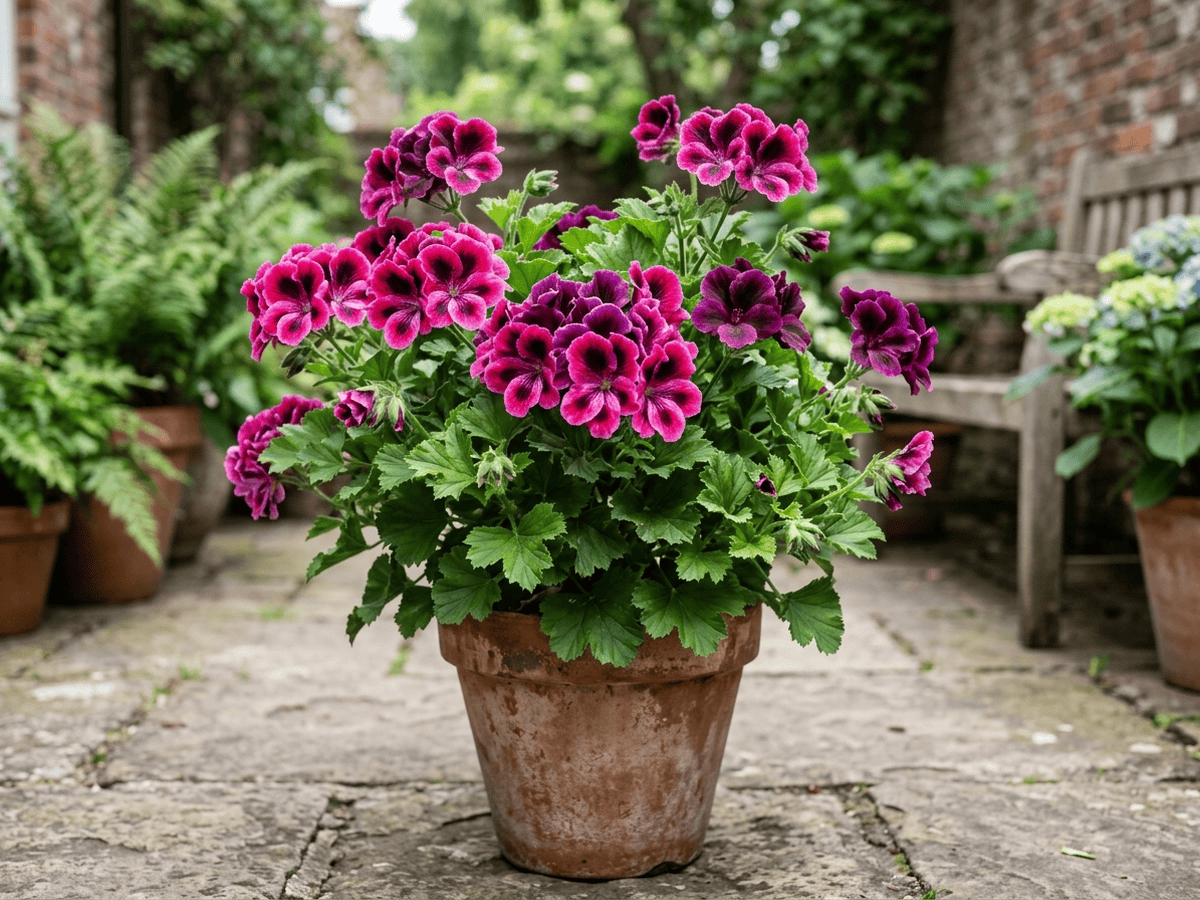 Regal PelargoniumPelargonium × domesticum
Plants with similar care
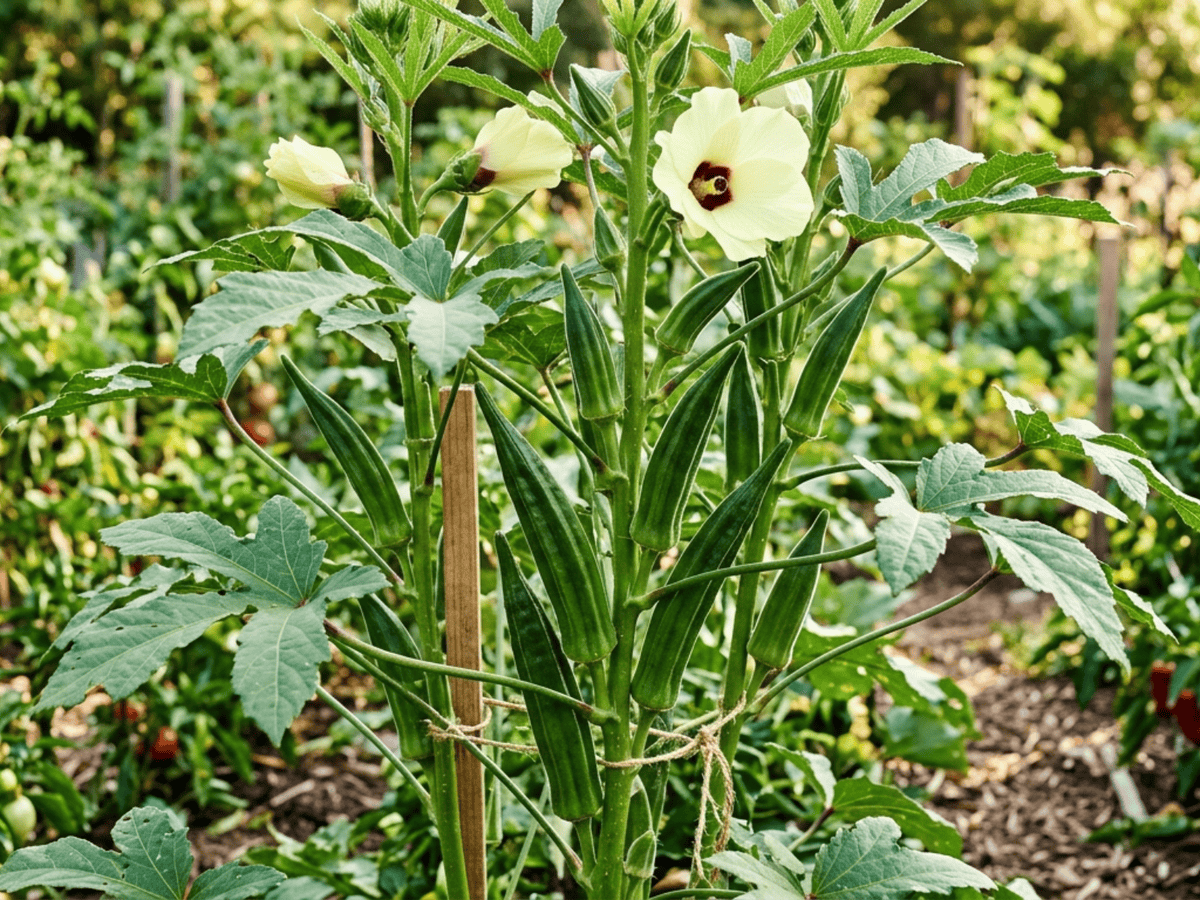 OkraAbelmoschus esculentus
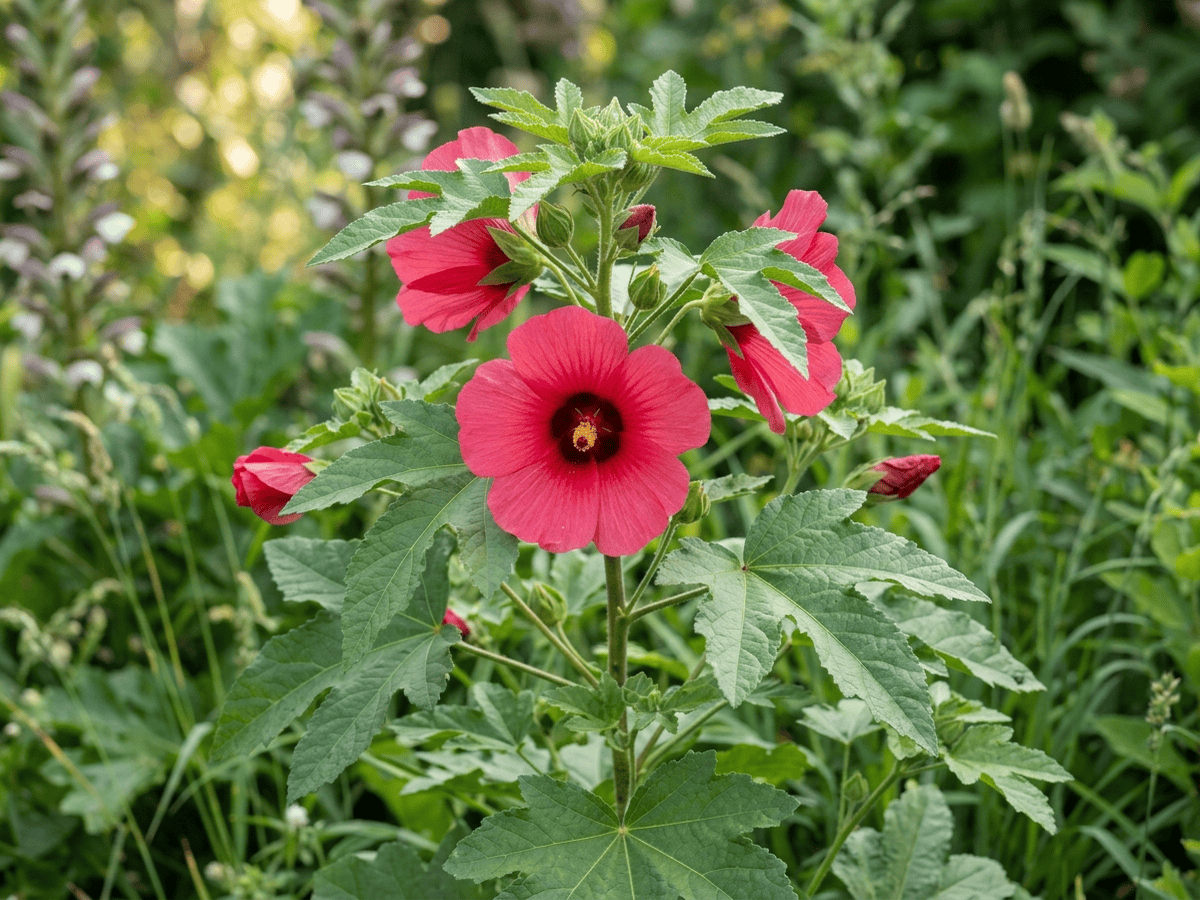 MuskseedAbelmoschus moschatus
 Black AeoniumAeonium arboreum 'Zwartkop'
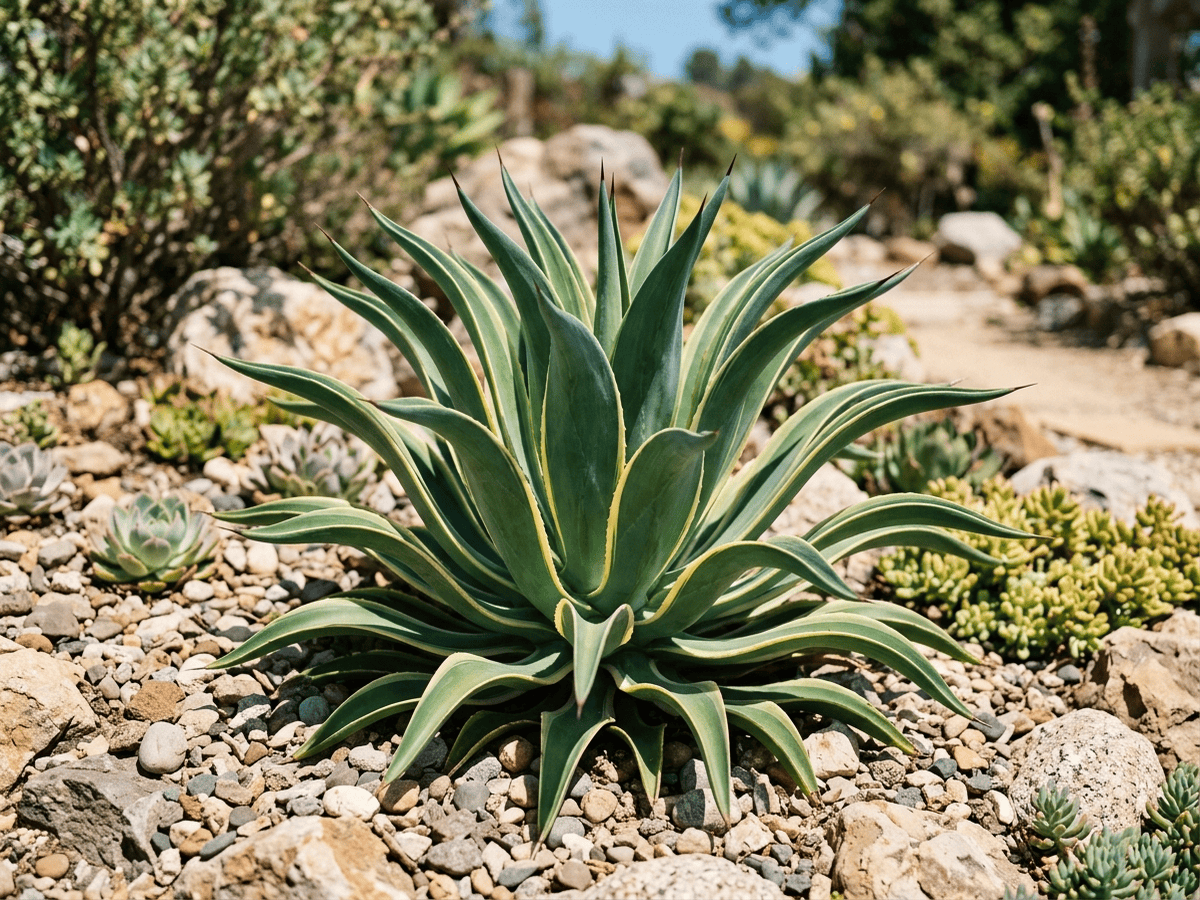 Smooth AgaveAgave desmettiana
Frequently asked questions
How often should I water Rose-Scented Geranium?
In summer, water about every 3 days; in winter, about every 14 days. Adjust for heat, pot size and drainage.
How much light does Rose-Scented Geranium need?
Full sun: 6+ hrs direct. Watch the leaves — scorching or stretching means the light needs adjusting.
Is Rose-Scented Geranium toxic to cats or dogs?
Pets Moderate (Dogs Moderate · Cats Moderate) Educational information, not medical or veterinary advice. If exposure is suspected, contact a doctor or veterinarian.
Is Rose-Scented Geranium easy to grow?
Yes — it is considered an easy, beginner-friendly plant.
Can Rose-Scented Geranium be grown indoors?
Yes, it adapts well to indoor growing given the right light.
When does Rose-Scented Geranium bloom?
It typically blooms Jun–Aug in the Northern Hemisphere.
YardMate
Identify any plant in seconds
Snap a photo — YardMate names the plant, diagnoses problems, and reminds you when to water.
Download on the App Store