 YardMate

Feathertop
Pennisetum villosum
Easy · Beginner friendlyAbout Feathertop
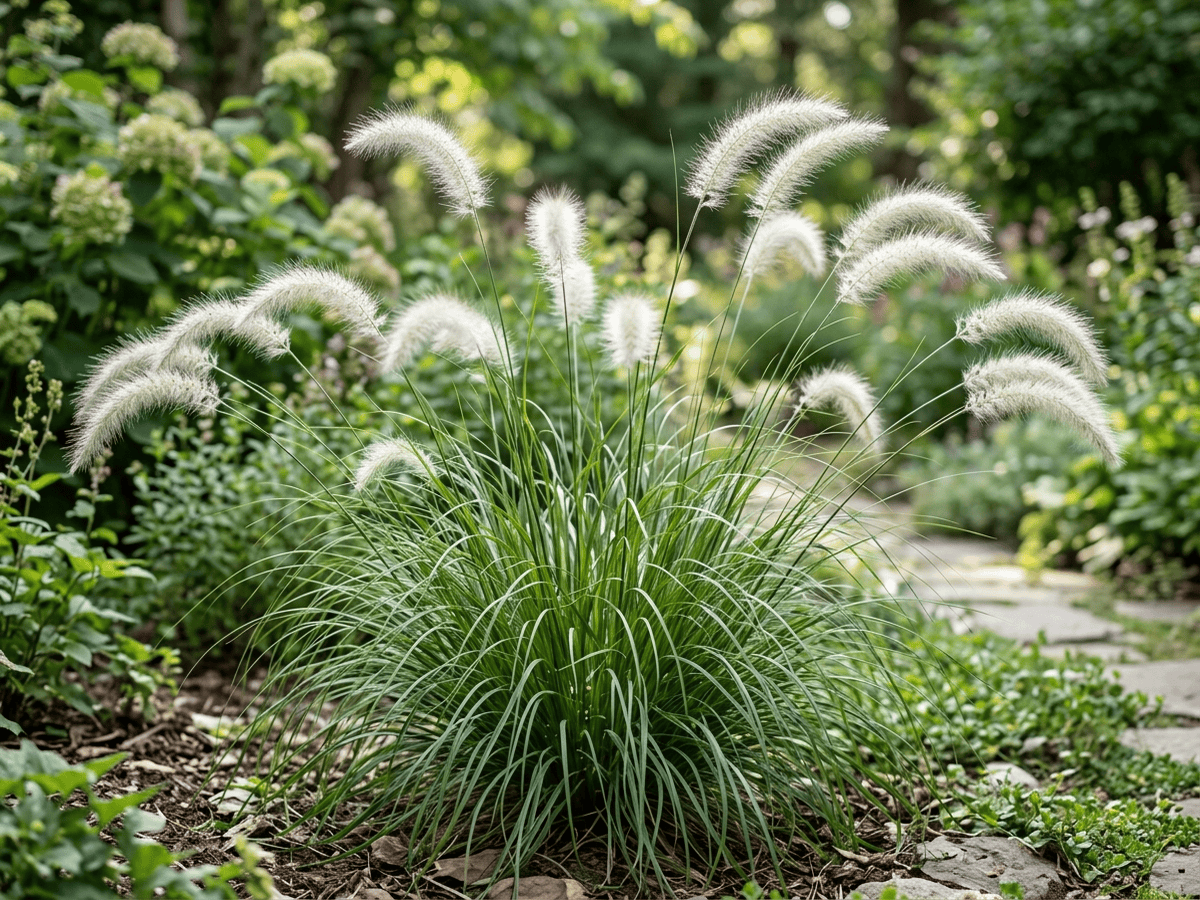
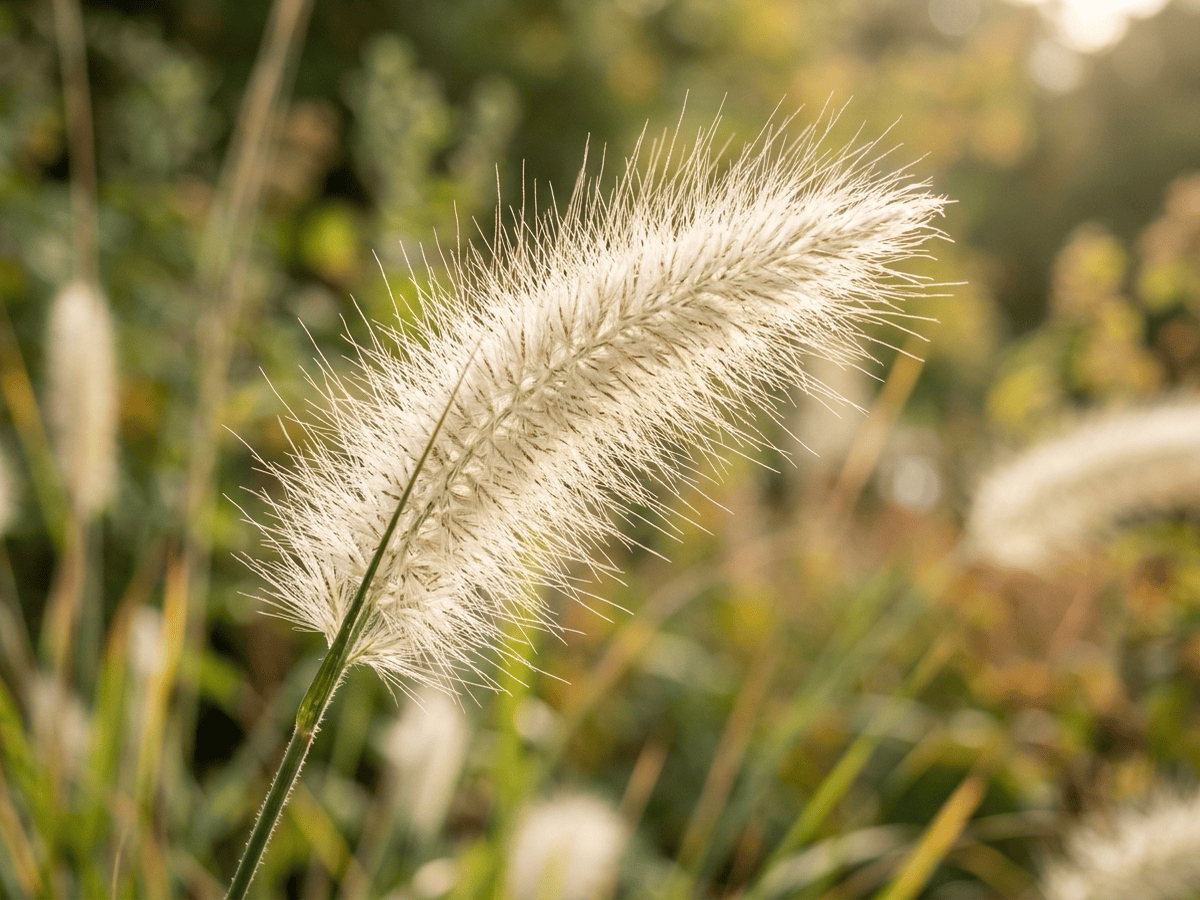
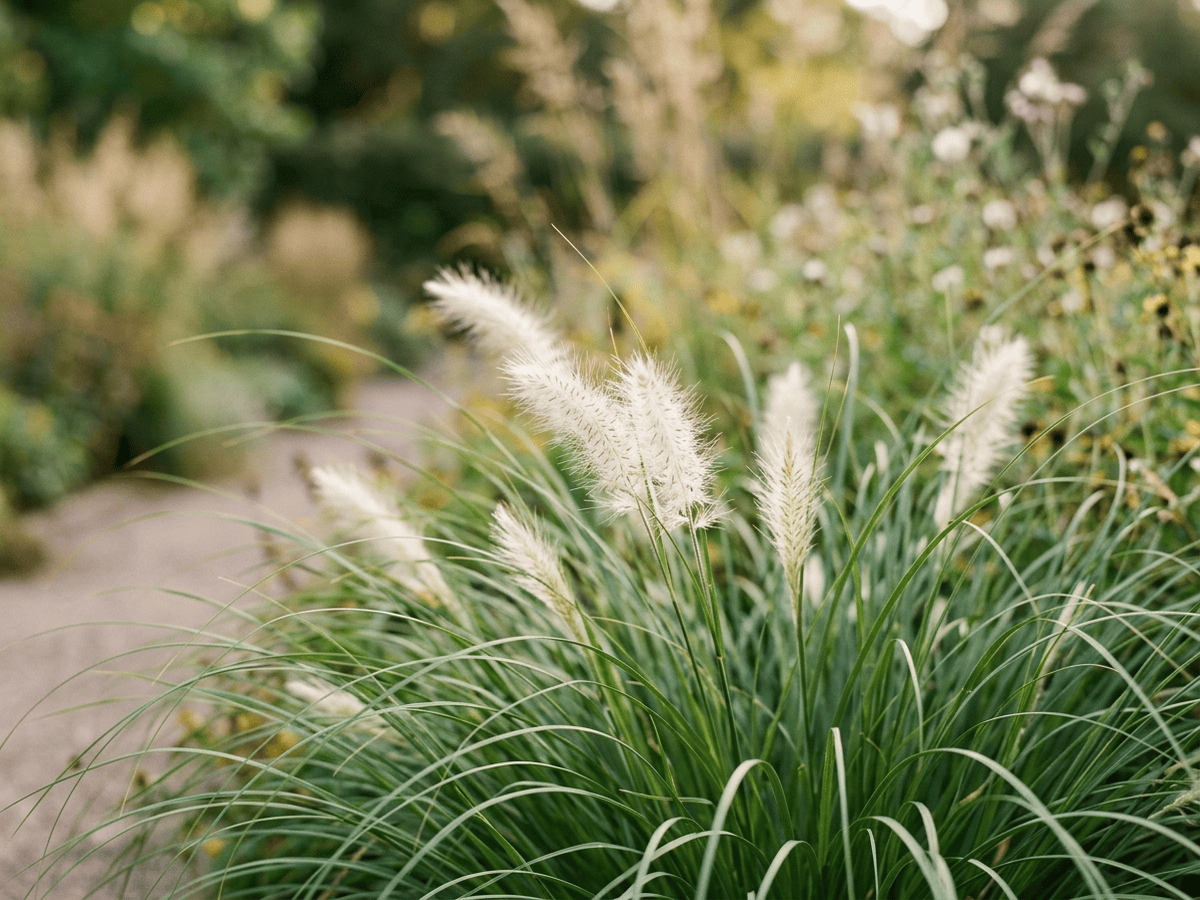
Feathertop Grass is a charming East African ornamental grass reaching 18-24 inches tall, with fine green foliage topped by fluffy creamy-white feathery plumes from summer into fall. The plumes are exceptionally soft and tactile, beloved in cut-flower arrangements. Short-lived but reseeds gently, it provides one of the softest textures available in ornamental grasses for American gardens and containers.
- Drought-tolerant
How to care for Feathertop
Watering
- Springevery 14 days
- Summerevery 14 days
- Fallevery 21 days
- Winterevery 30 days
Soil · Well-draining
- Top dressingPine bark mulch10%
- Main mixPotting soil + perlite 2:170%
- DrainageLECA / gravel20%
Never skip the drainage layer — standing water is the top cause of root rot.
FERTILIZER
- Springevery 60 days
At a Glance
- NativeAfrica
- Height1.5–3 ft (0.5–0.9 m)
- Spread1.5–2.5 ft (0.5–0.8 m)
- Flower colorWhite, Cream
- Foliage colorGreen
- SoilWell-drained, Loamy, Sandy
- LocationsYard · Balcony
Bloom time
BLOOM CYCLE
Peak bloom
Jun–Nov
Fluffy creamy-white feathery plumes summer to fall
Toxicity
Humans Safe · Pets Safe
None reported
Safe
EXPOSURE No exposure route is reported.
EFFECT No toxic effect is reported.
NOTE Listed as non-toxic for humans; avoid eating ornamental plants unless confirmed edible.
Safe
EXPOSURE No exposure route is reported.
EFFECT No toxic effect is reported.
NOTE Listed as non-toxic for dogs; avoid eating ornamental plants unless confirmed edible.
Safe
EXPOSURE No exposure route is reported.
EFFECT No toxic effect is reported.
NOTE Listed as non-toxic for cats; avoid eating ornamental plants unless confirmed edible.
Educational information, not medical or veterinary advice. If exposure is suspected, contact a doctor or veterinarian.
DISTRIBUTION


- Native
- Introduced
- Africa
History
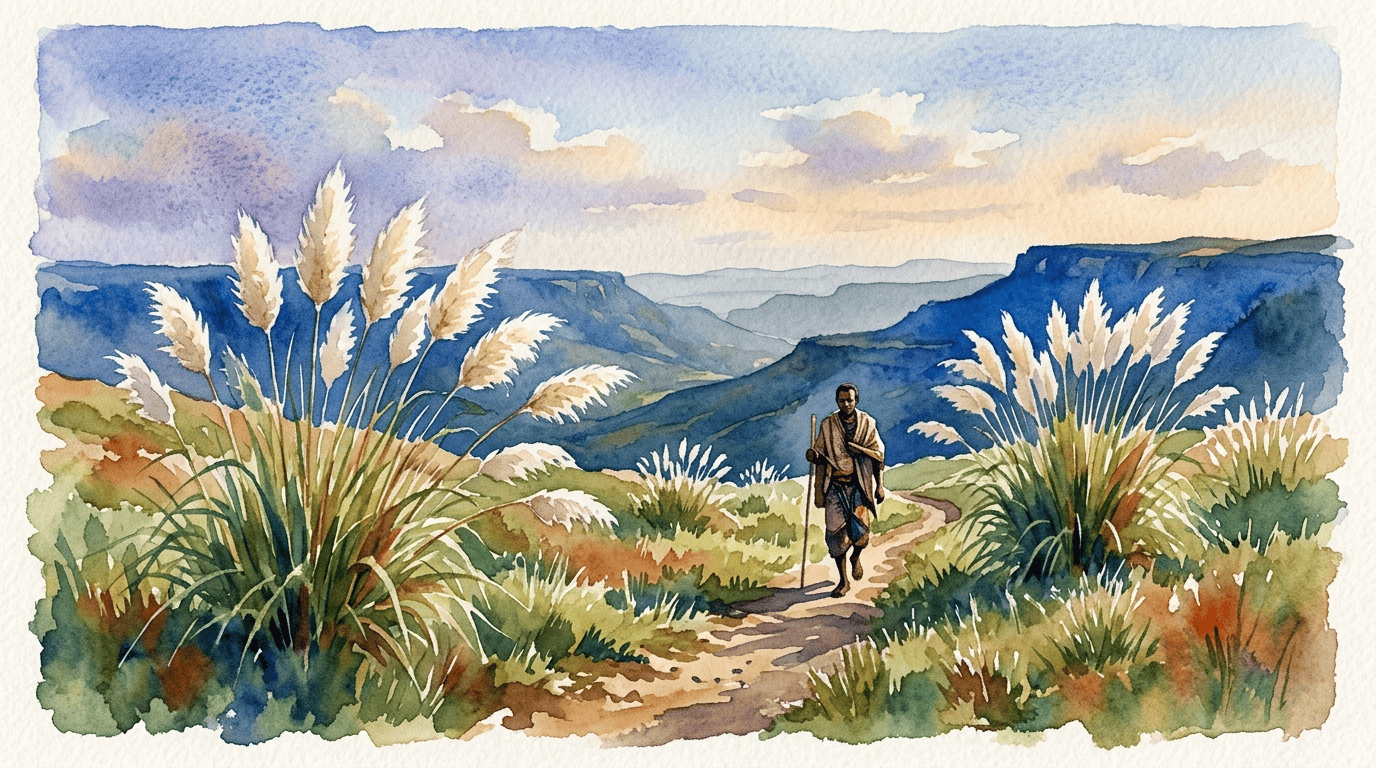
Pennisetum villosum, commonly called feathertop grass or feathertop, is a tufted short-lived perennial grass in the family Poaceae native to the highlands of Ethiopia and adjacent parts of Somalia and Sudan, growing in montane grassland at 1500-3000 meters elevation. Scottish botanist Robert Brown's manuscript name was validly published by German botanist Johann Baptist Georg Wolfgang Fresenius in 1837. Following phylogenetic revisions, some authorities move this species to Cenchrus longisetus or retain Pennisetum longistylum, but horticultural trade retains villosum.
Plants grow as compact 30-60 cm tall clumps of narrow pale green leaves with arching flowering stems to 90 cm bearing the species' defining feature: large fluffy oval 10 cm long white-to-cream terminal panicles that look remarkably like cotton balls or feathery dusters in late summer and early fall. Plumes fade buff and persist into winter. The plant is grown as an annual in cooler climates and as a tender perennial in Mediterranean climates where it can self-seed weedily.
Easy from seed, popular in cottage-garden and dried-flower plantings. Introduced to European and American horticulture in the 19th century. Frequently grown as an annual in colder regions and as a short-lived perennial in warmer zones, it remains a beloved cut-flower grass.
Symbolism & meaning
What It Symbolizes
Feathertop is Softness made visible — fluffy cream plumes that almost demand to be touched as you walk by. It carries a quiet Joy in the garden, its playful texture catching every breeze and every passing child's hand. A grass whose only purpose seems to be to make people smile.
- Softness — fluffy plumes invite touch
- Joy — playful texture brings whimsy to gardens
Where the Name Comes From
'Villosum' from Latin meaning shaggy or hairy, for the soft plumes.
Uses & Fun Facts
- Fluffy creamy-white plumes wave above tidy clumps
- Soft inflorescences star in dried arrangements
- Mounded form suits large patio pots
Related plants
More Pennisetum plants
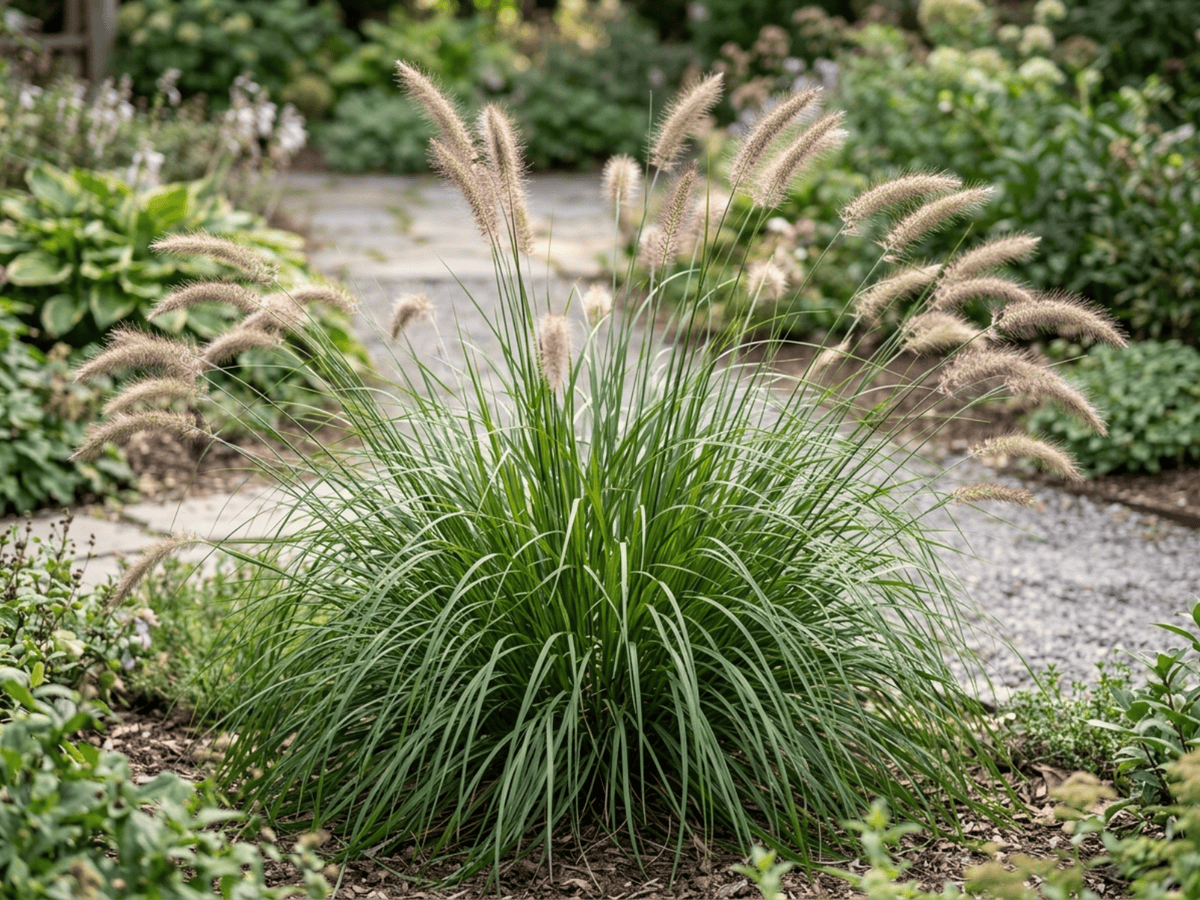 Chinese PennisetumPennisetum alopecuroides
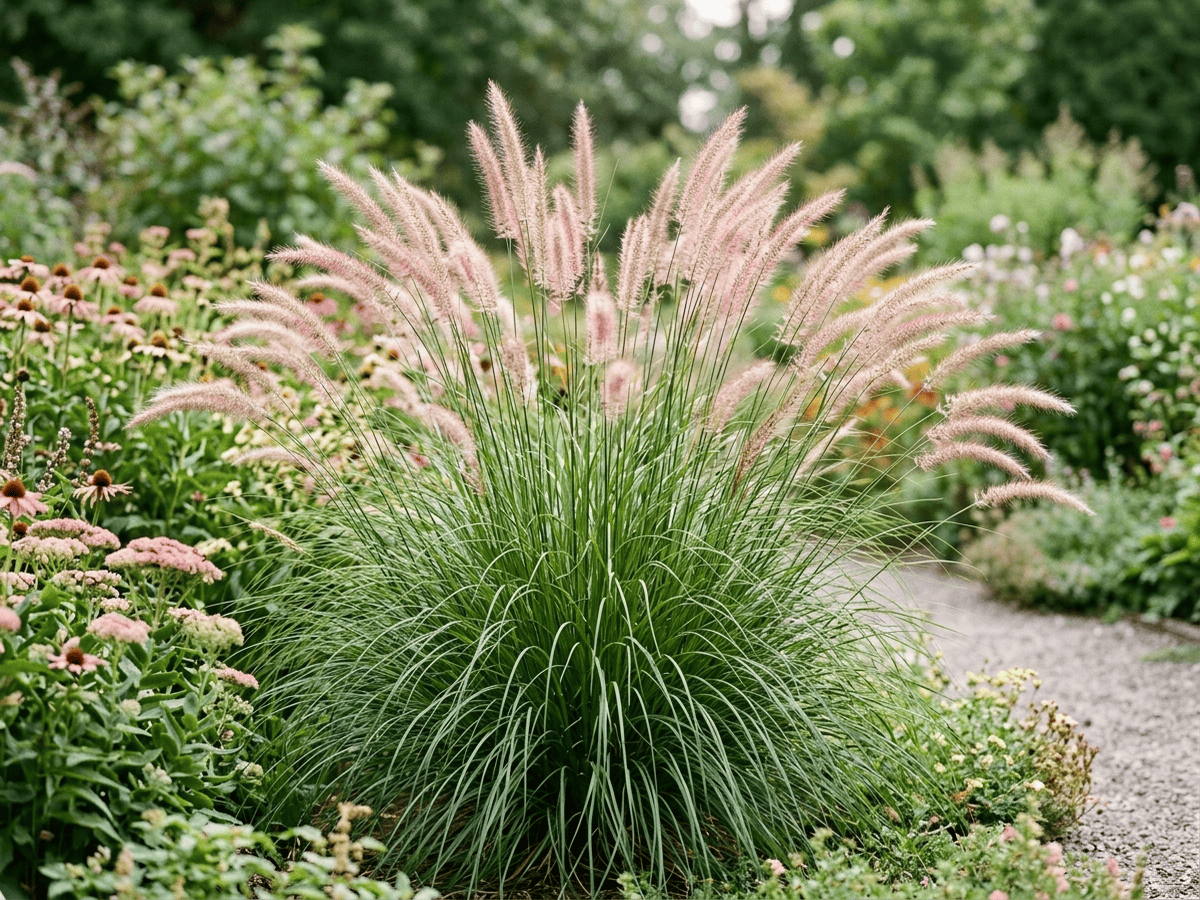 Oriental Fountain GrassPennisetum orientale
 Fountain GrassPennisetum setaceum
Plants with similar care
 Chinese AbeliaAbelia chinensis
 Fragrant AbeliaAbelia mosanensis
 Large-Flowered AbeliaAbelia uniflora
 Glossy AbeliaAbelia x grandiflora
Frequently asked questions
How often should I water Feathertop?
In summer, water about every 14 days; in winter, about every 30 days. Adjust for heat, pot size and drainage.
How much light does Feathertop need?
Full sun: 6+ hrs direct. Watch the leaves — scorching or stretching means the light needs adjusting.
Is Feathertop toxic to cats or dogs?
Pets Safe (Dogs Safe · Cats Safe) Educational information, not medical or veterinary advice. If exposure is suspected, contact a doctor or veterinarian.
Is Feathertop easy to grow?
Yes — it is considered an easy, beginner-friendly plant.
When does Feathertop bloom?
It typically blooms Jun–Nov in the Northern Hemisphere.
YardMate
Identify any plant in seconds
Snap a photo — YardMate names the plant, diagnoses problems, and reminds you when to water.
Download on the App Store