 YardMate

Chinese Pennisetum
Pennisetum alopecuroides
Easy · Beginner friendlyAbout Chinese Pennisetum
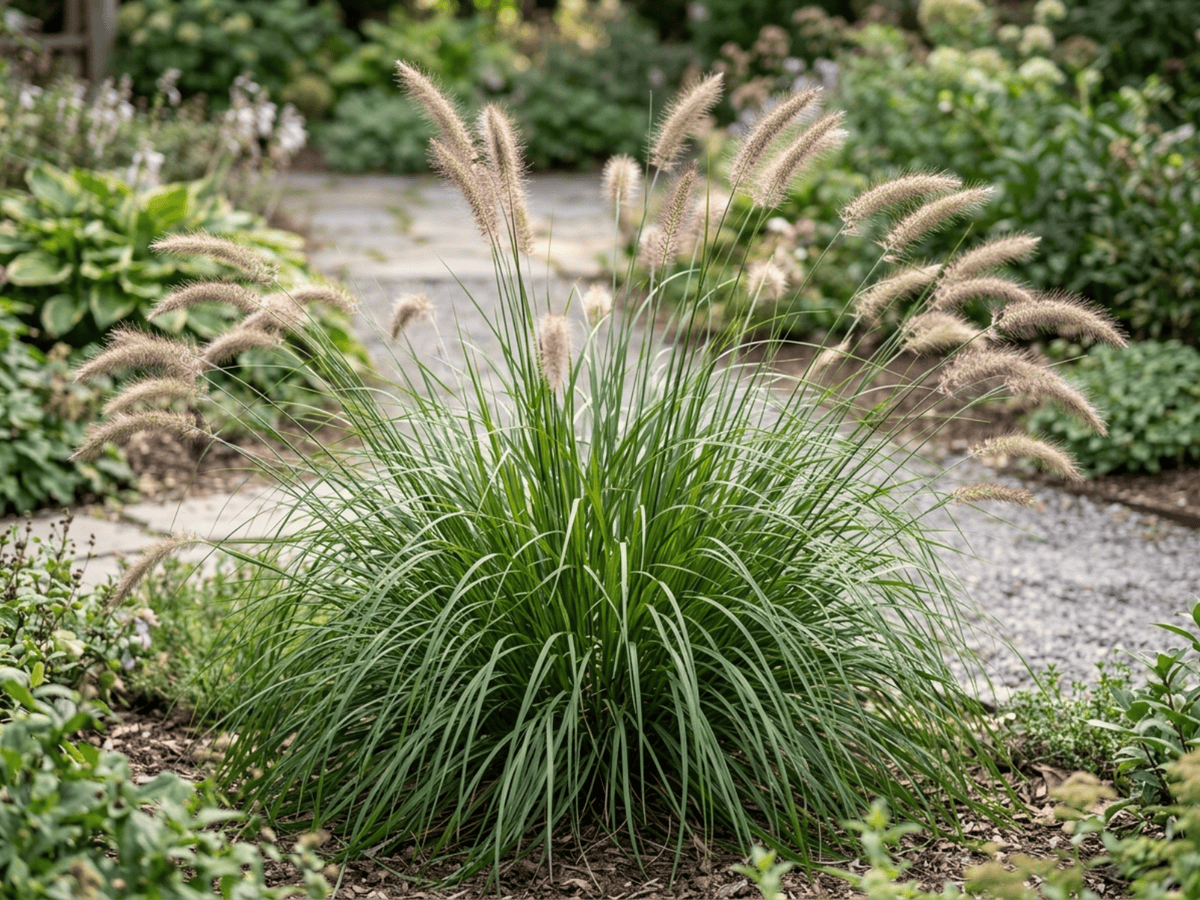
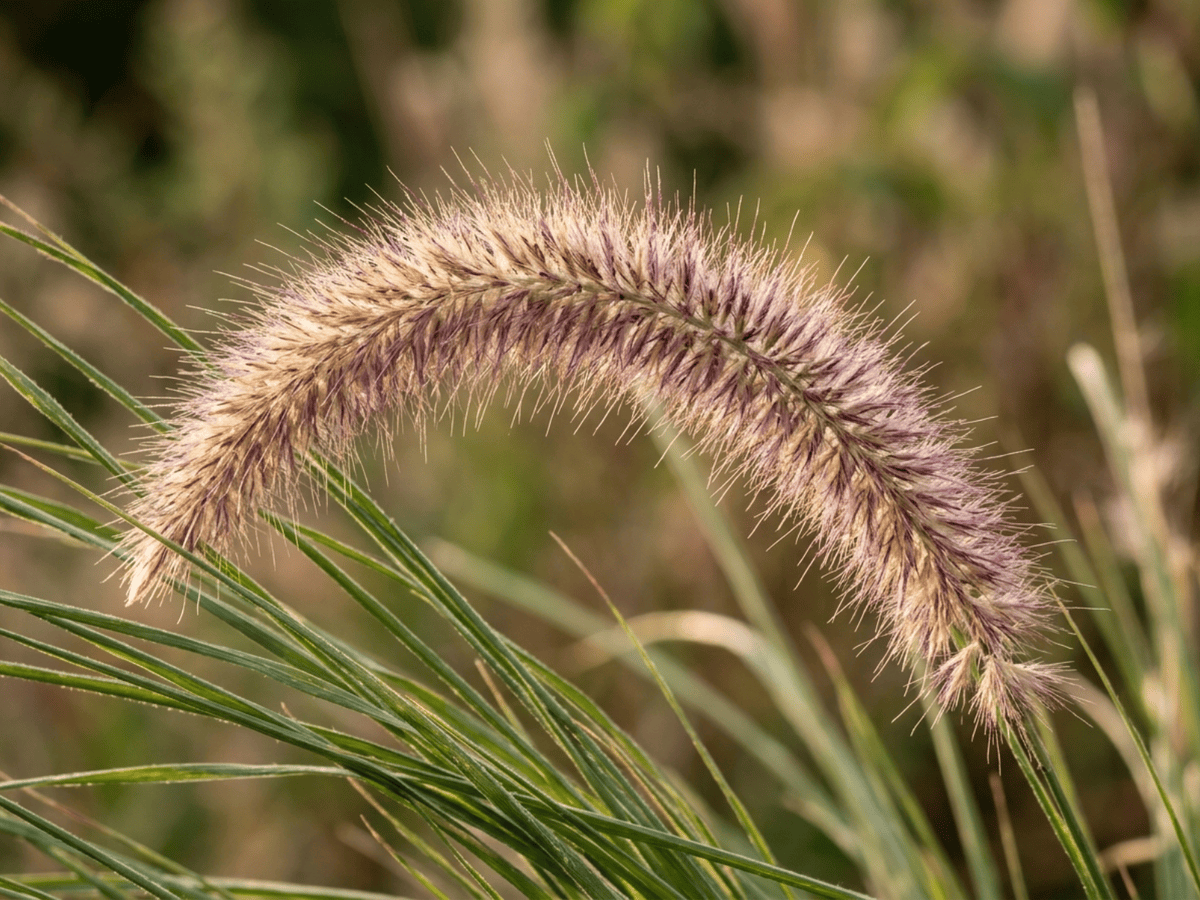
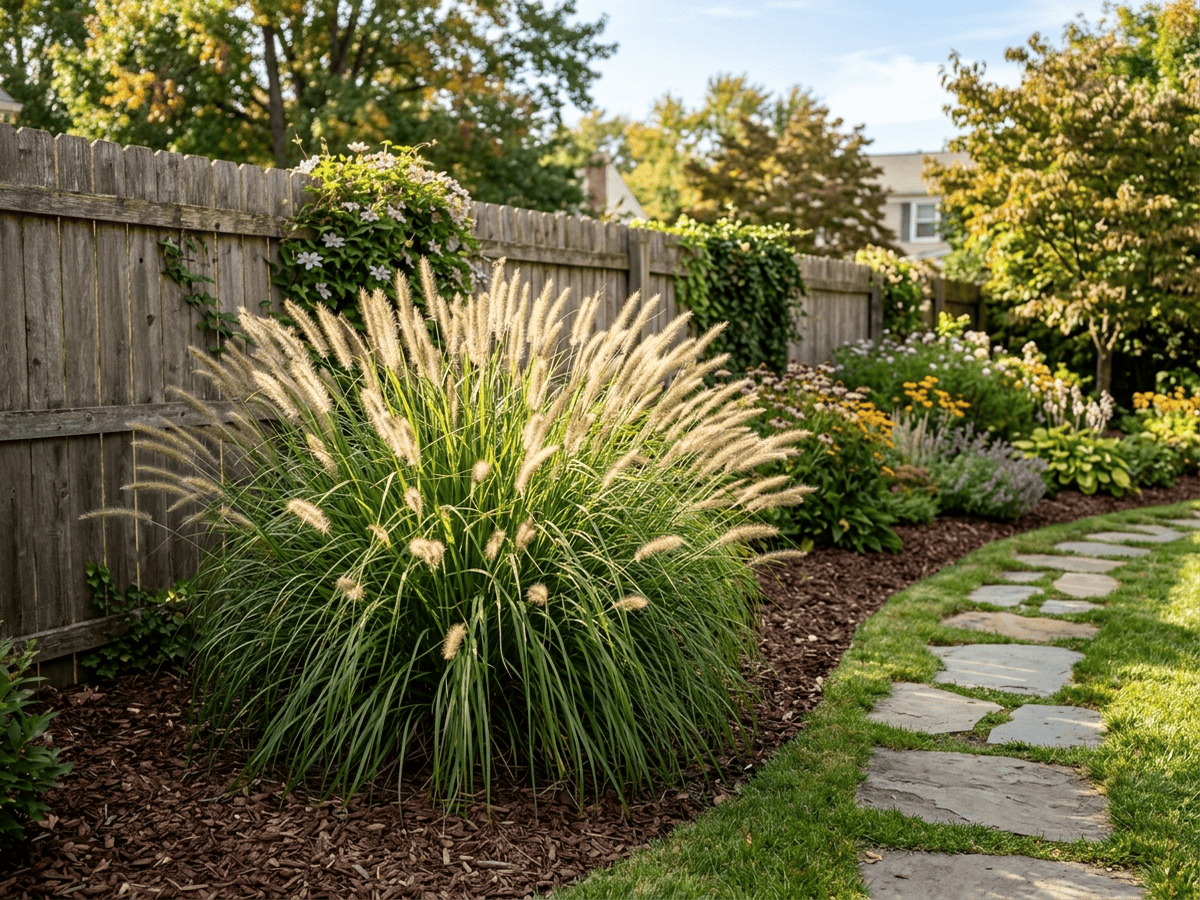
Pennisetum alopecuroides, fountain grass or Chinese pennisetum, is a graceful warm-season ornamental grass native to Asia and Australia. It forms dense rounded clumps 60–120 centimeters tall with fine-textured arching leaves that cascade like a green fountain. In late summer through autumn, soft bottlebrush-like flower plumes emerge on arching stems, ranging from creamy white to pink-tan depending on cultivar. These plumes are irresistible to touch and glow when backlit by low sun. The grass provides superb movement in the garden, swaying and rustling in every breeze. It turns golden amber in autumn and the dried plumes persist well into winter. Popular cultivars include 'Hameln' (compact), 'Moudry' (dark plumes), and 'Little Bunny' (miniature at 30 centimeters). It thrives in full sun and well-drained soil, tolerating drought and heat. Cut back in late winter before fresh spring growth emerges. It is less aggressive than some Pennisetum species and generally well-behaved in gardens.
- Low-maintenance
How to care for Chinese Pennisetum
Watering
- Springevery 7 days
- Summerevery 5 days
- Fallevery 14 days
- Winterevery 30 days
Soil · Well-draining
- Top dressingPine bark mulch10%
- Main mixPotting soil + perlite 2:170%
- DrainageLECA / gravel20%
Never skip the drainage layer — standing water is the top cause of root rot.
FERTILIZER
- Springevery 60 days
At a Glance
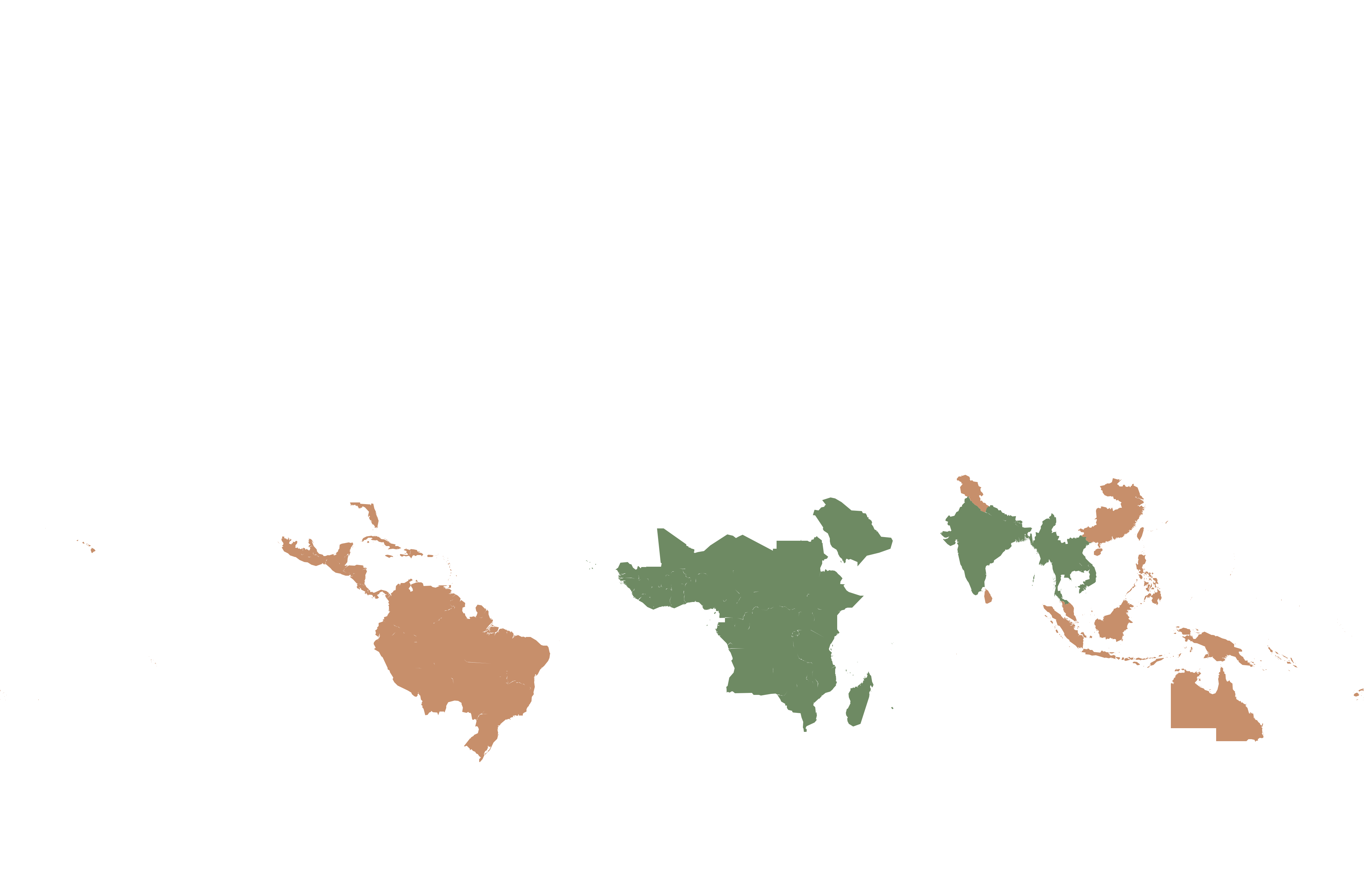
- NativeEast Asia, Australasia
- Height2–4 ft (0.6–1.2 m)
- Spread2–3 ft (0.6–0.9 m)
- Flower colorPink, Purple
- Foliage colorGreen, Yellow
- SoilLoamy, Well-drained
- LocationsYard
Bloom time
BLOOM CYCLE
Peak bloom
Aug–Sep
Soft bottlebrush plumes from late summer; stunning when backlit by evening sun
Fragrance
NO FRAGRANCE
No notable fragrance.
Toxicity
No toxicity has been reported for this plant. Still, it is wise to keep pets from chewing on any houseplant.
Educational information, not medical or veterinary advice. If exposure is suspected, contact a doctor or veterinarian.
DISTRIBUTION

- Native
- Introduced
- East Asia
- Australasia
History
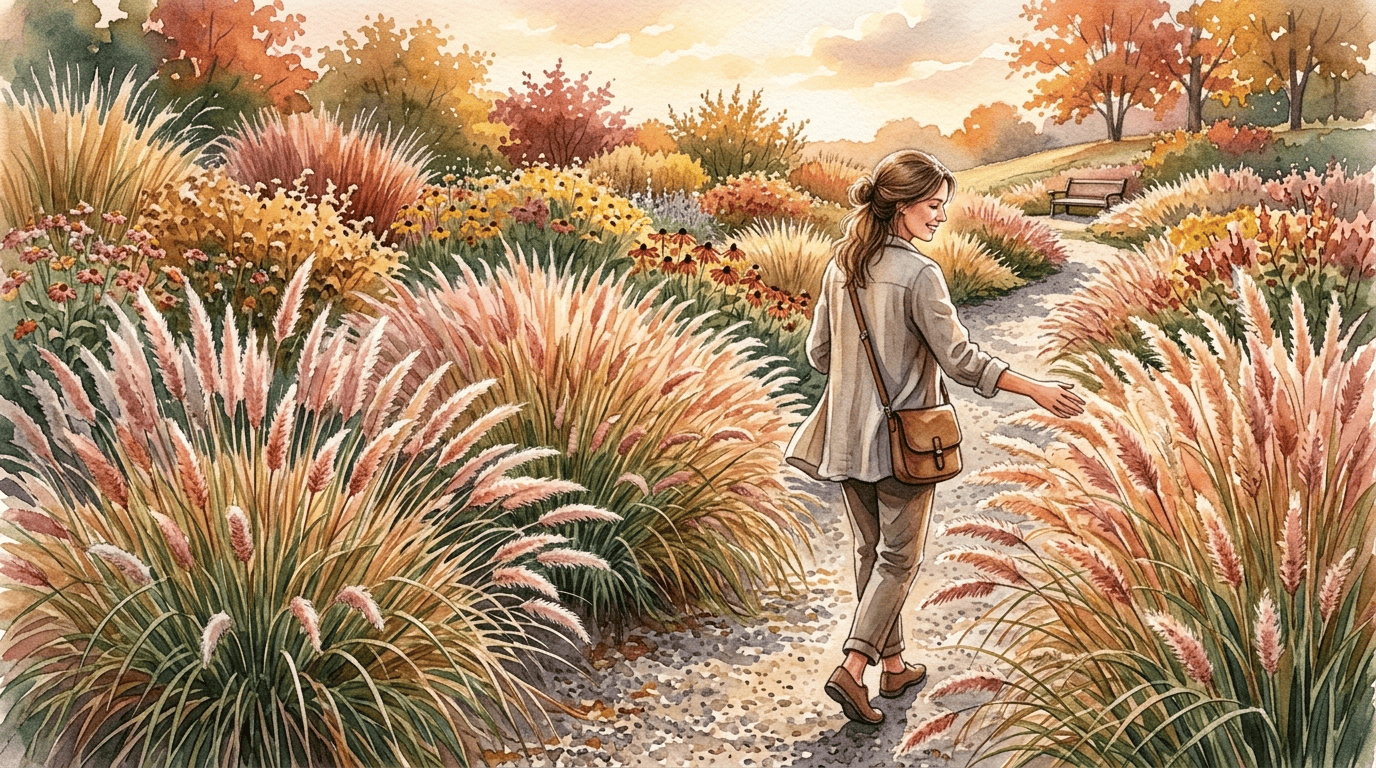
Pennisetum alopecuroides is native to a broad arc from East and Southeast Asia (China, Japan, Korea, Philippines) south through tropical Asia and Australia, growing in open grasslands and disturbed sunny sites. Recent molecular taxonomic work (from approximately 2010 onward) has moved most Pennisetum species, including this one, into the larger genus Cenchrus — the current accepted name is Cenchrus purpurascens, though "Pennisetum alopecuroides" remains universally used in horticulture. The species produces arching clumps of narrow fine leaves 60-120 cm tall, topped from mid-summer into autumn by distinctive soft cylindrical bottlebrush flower spikes that suggest a fountain — hence the common name "fountain grass." The spikes age from silvery-pink through copper to tan, providing winter interest.
Popularized by the Oehme-van Sweden and Piet Oudolf schools of naturalistic planting, fountain grass became one of the most widely planted ornamental grasses of late 20th- and early 21st-century landscape design. Common cultivars include "Hameln" (compact), "Little Bunny" (dwarf), "Moudry" (dark-flowered), and "Red Head." The separate Pennisetum setaceum "Rubrum" (purple fountain grass), widely used as an annual, is not reliably hardy below zone 9.
Fountain grass was introduced to Western horticulture from East Asia in the 19th century but became a landscape sensation through the New Perennial Movement led by designers like Piet Oudolf and Wolfgang Oehme. The Oehme-van Sweden design firm made it a signature plant in their revolutionary public and private gardens across America. It features prominently in the Lurie Garden at Chicago's Millennium Park and the High Line in New York City. In its native range, it grows wild on mountain slopes and grasslands from western China through to eastern Australia.
Symbolism & meaning
What It Symbolizes
Chinese Pennisetum expresses gentleness, its soft, touchable plumes and flowing arched form expressing tender beauty rather than architectural force. It also evokes movement — constantly swaying in even the lightest breeze, representing life's flowing rhythm in stem and seedhead. An ornamental grass that brings calm motion to any border it joins.
- Gentleness — its soft touchable plumes and flowing form embody tender beauty
- Movement — constantly swaying in the breeze, representing life's flowing rhythm
Where the Name Comes From
Pennisetum from Latin 'penna' (feather) and 'seta' (bristle), describing the feathery flower heads. Alopecuroides means 'resembling foxtail grass' (Alopecurus).
Uses & Fun Facts
- Bottlebrush plumes arch over fountain-like green clumps
- Soft-textured fountain grass as autumn border focal plant
- Plumes used fresh and dried in autumn arrangements
Related plants
More Pennisetum plants
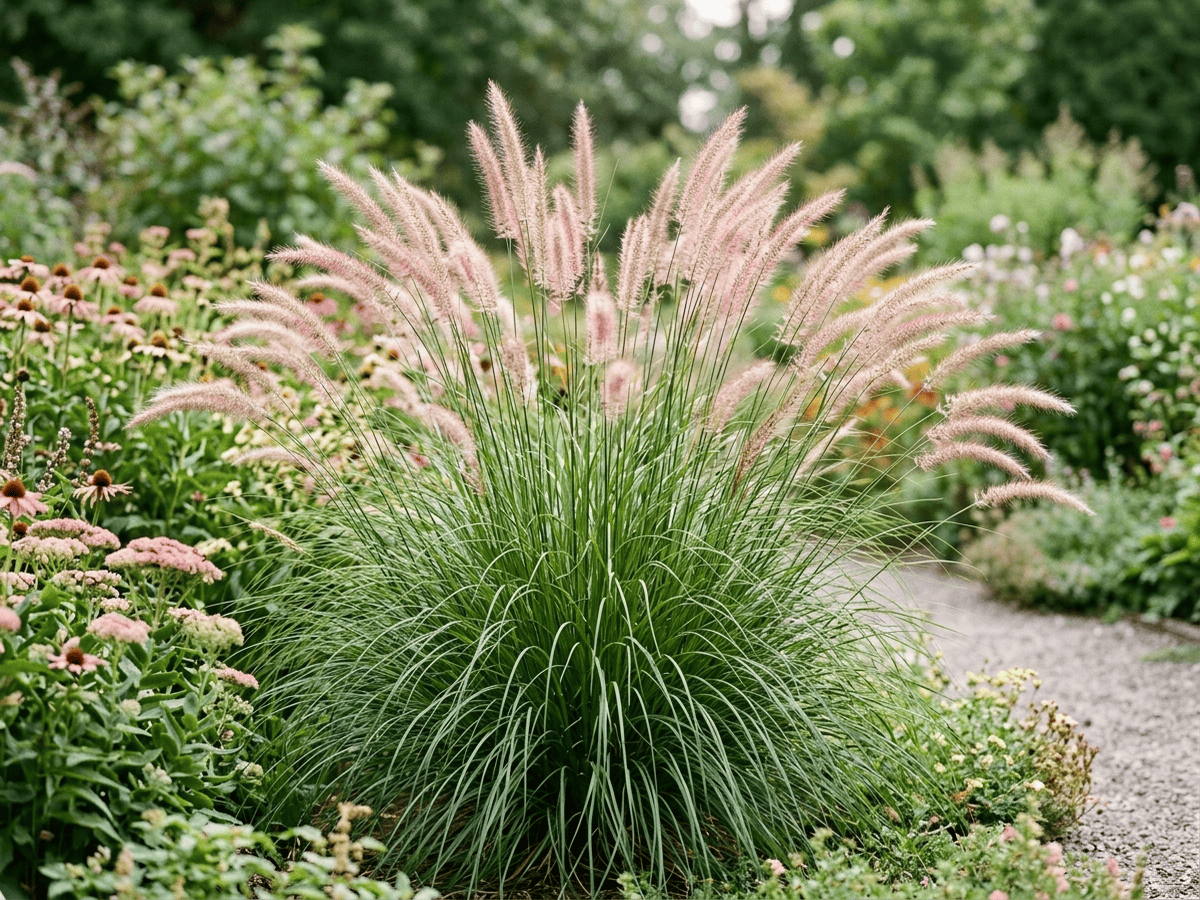 Oriental Fountain GrassPennisetum orientale
 Fountain GrassPennisetum setaceum
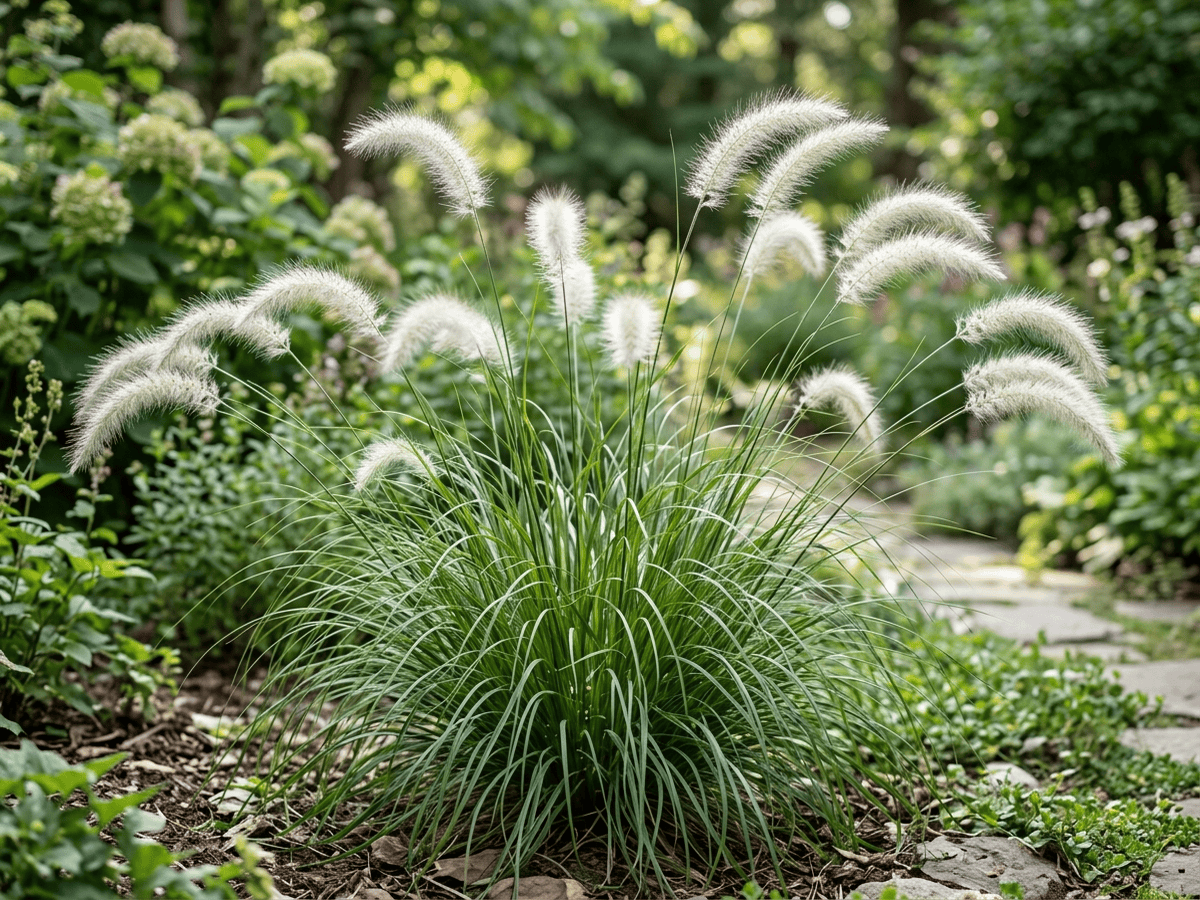 FeathertopPennisetum villosum
Plants with similar care
 Chinese AbeliaAbelia chinensis
 Fragrant AbeliaAbelia mosanensis
 Large-Flowered AbeliaAbelia uniflora
 Glossy AbeliaAbelia x grandiflora
Frequently asked questions
How often should I water Chinese Pennisetum?
In summer, water about every 5 days; in winter, about every 30 days. Adjust for heat, pot size and drainage.
How much light does Chinese Pennisetum need?
Full sun: 6+ hrs direct. Watch the leaves — scorching or stretching means the light needs adjusting.
Is Chinese Pennisetum toxic to cats or dogs?
No toxicity has been reported for this plant. Still, it is wise to keep pets from chewing on any houseplant. Educational information, not medical or veterinary advice. If exposure is suspected, contact a doctor or veterinarian.
Is Chinese Pennisetum easy to grow?
Yes — it is considered an easy, beginner-friendly plant.
When does Chinese Pennisetum bloom?
It typically blooms Aug–Sep in the Northern Hemisphere.
YardMate
Identify any plant in seconds
Snap a photo — YardMate names the plant, diagnoses problems, and reminds you when to water.
Download on the App Store