 YardMate

Jade Necklace
Peperomia rotundifolia
Easy · Beginner friendlyAbout Jade Necklace
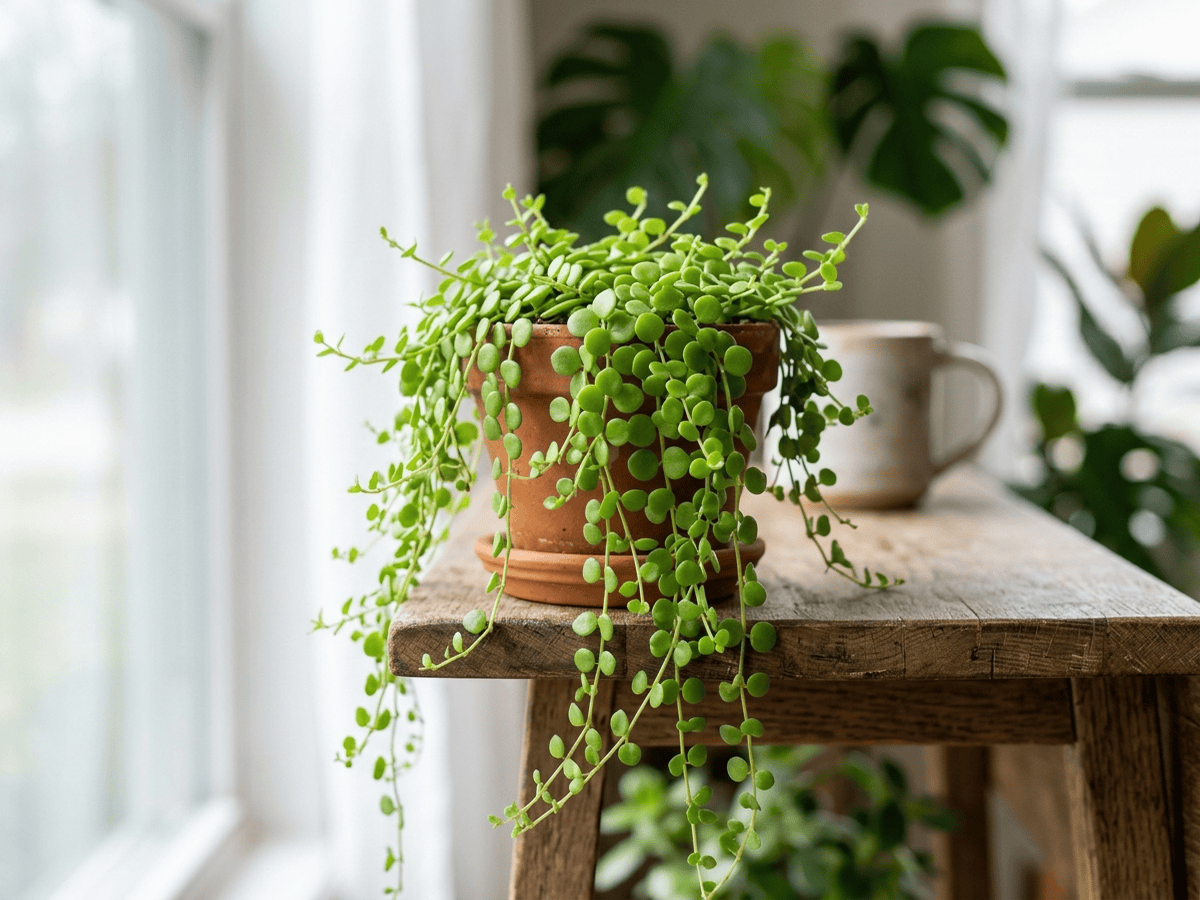
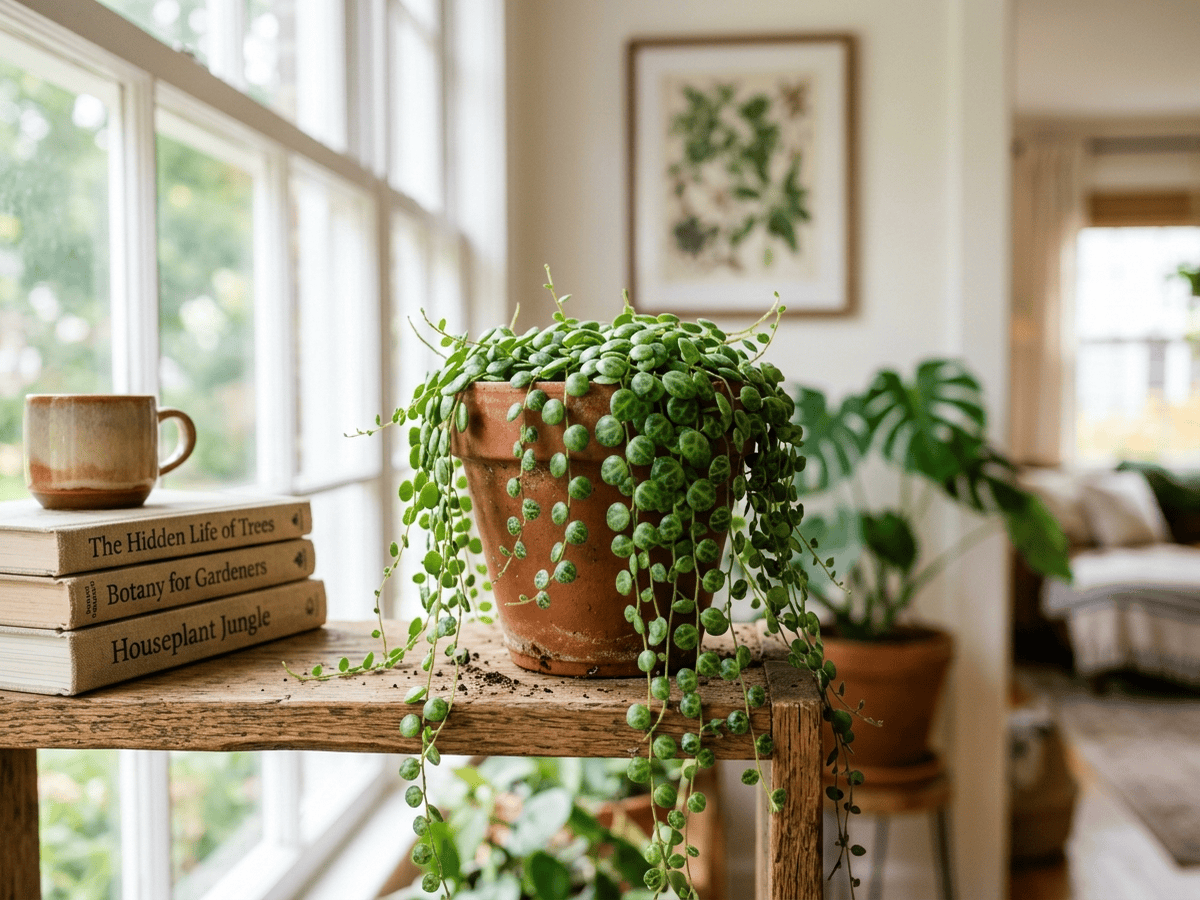
Trailing Jade or Round Leaf Peperomia is a delicate South American epiphytic perennial with tiny round succulent green leaves on trailing stems. Reaching 12-24 inches trailing, its dainty form is perfect for terrariums, small hanging baskets, and tabletop containers. Among the easiest peperomias to grow and one of the safest pet-friendly houseplants, it has become a staple of the modern American houseplant collection.
- Trailing
- Compact
- Evergreen
How to care for Jade Necklace
Watering
- Springevery 10 days
- Summerevery 10 days
- Fallevery 14 days
- Winterevery 21 days
Soil · Fast-draining
- Main mixSand + pumice + soil 1:1:150%
- DrainagePumice / gravel50%
Keep grit at half the mix or more — this soil is meant to dry out fast.
FERTILIZER
Balanced Feed 14-14-14
An even feed covers all three needs at once, keeping leaves, roots and blooms moving together with nothing pushed out of balance.
- Nitrogen · Leaves
- Phosphorus · Roots + Blooms
- Potassium · Strength
- Springevery 45 days
- Summerevery 45 days
At a Glance
- NativeCentral America
- Height0.3–0.5 ft (0.1–0.2 m)
- Spread0.5–1 ft (0.2–0.3 m)
- Flower colorGreen, Cream
- Foliage colorGreen
- SoilLoamy, Well-drained
- LocationsIndoor
Bloom time
BLOOM CYCLE
Peak bloom
Jun–Aug
Slender white-green flower spikes (uncommon)
Toxicity
Pets Safe
None reported
Not reported
EXPOSURE No exposure route is reported.
EFFECT No toxic effect is reported.
NOTE No human toxicity is reported in this catalog; avoid eating ornamental plants unless confirmed edible.
Safe
EXPOSURE No exposure route is reported.
EFFECT No toxic effect is reported.
NOTE Listed as non-toxic for dogs; avoid eating ornamental plants unless confirmed edible.
Safe
EXPOSURE No exposure route is reported.
EFFECT No toxic effect is reported.
NOTE Listed as non-toxic for cats; avoid eating ornamental plants unless confirmed edible.
Educational information, not medical or veterinary advice. If exposure is suspected, contact a doctor or veterinarian.
DISTRIBUTION

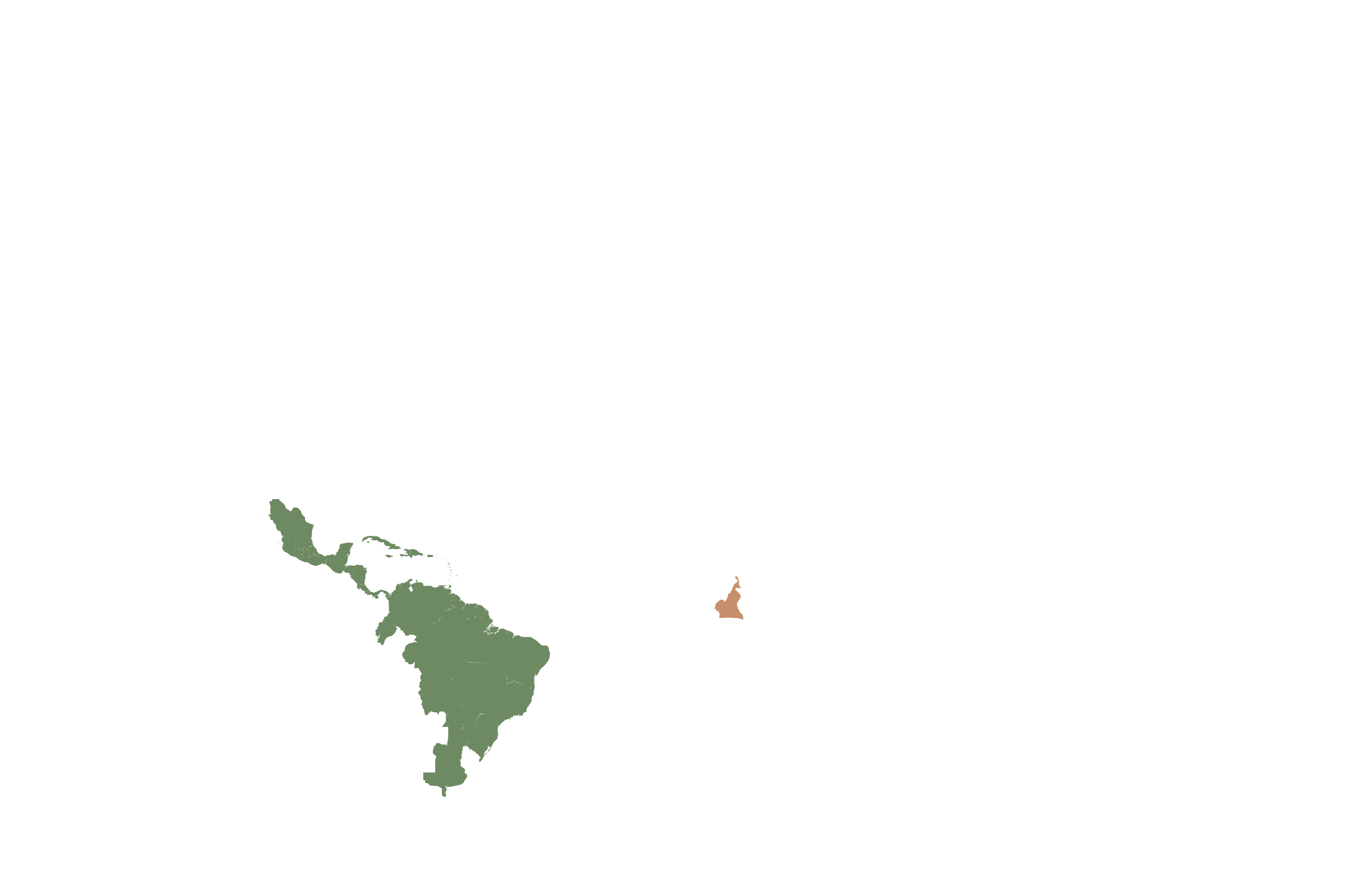
- Native
- Introduced
- Central America
History
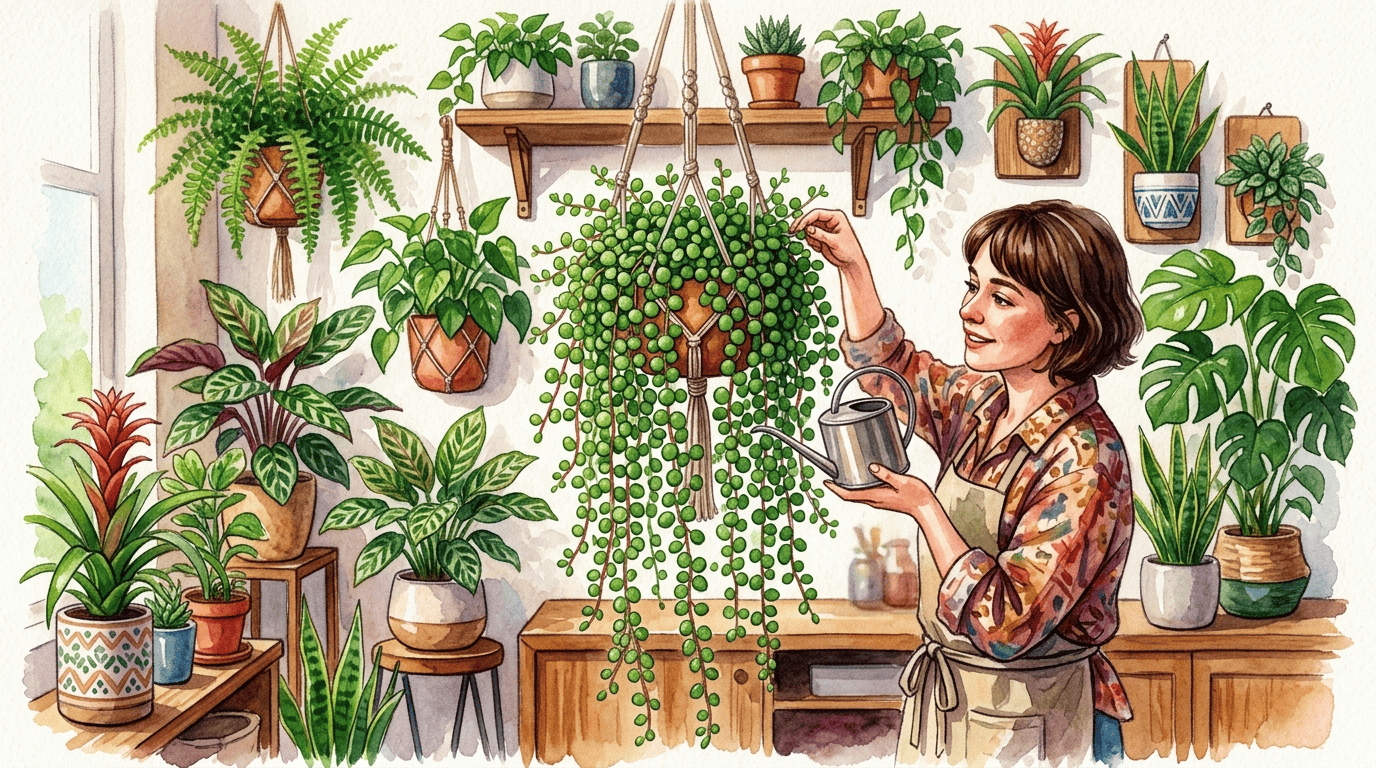
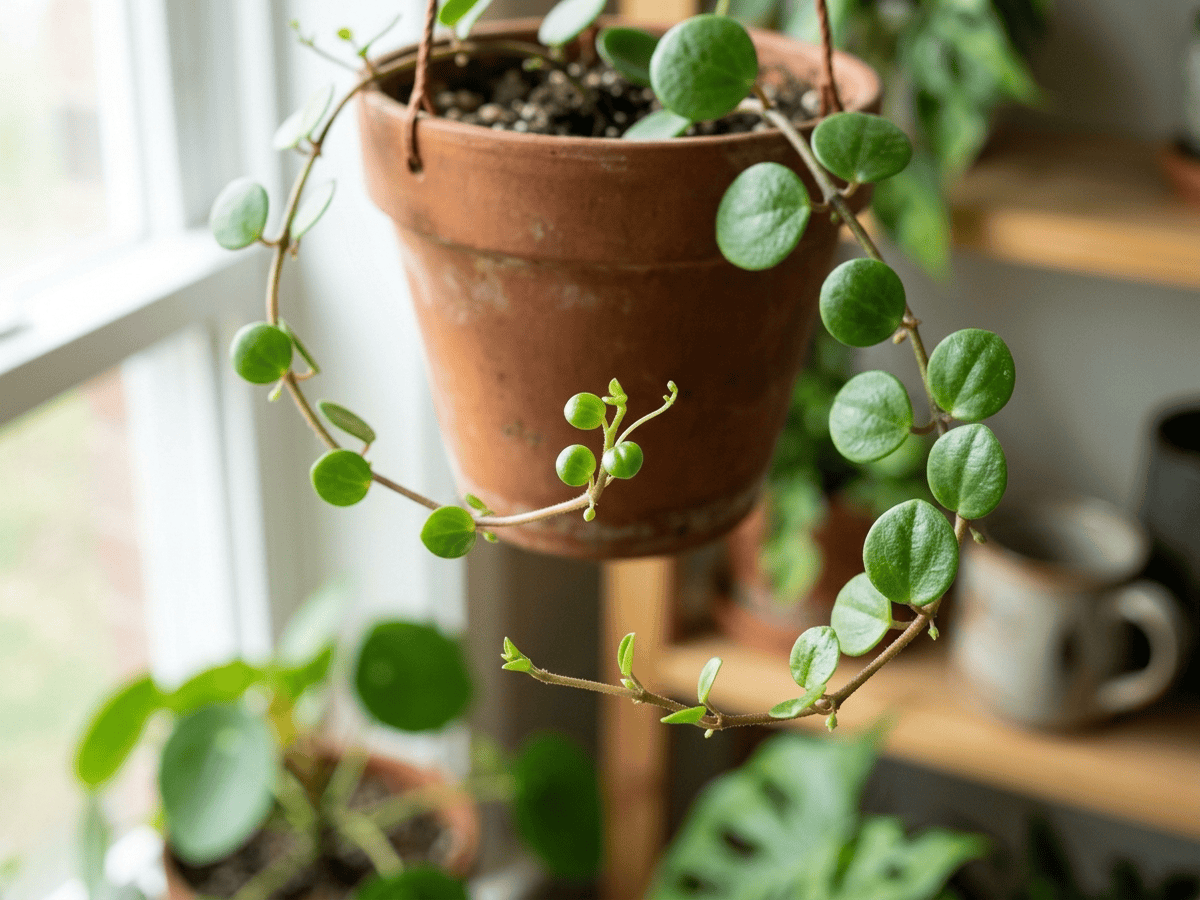
Peperomia rotundifolia, commonly called trailing jade, round-leaf peperomia, or creeping buttons, is a small epiphytic succulent-leaved perennial in the pepper family (Piperaceae) with a very wide native range across tropical Central and South America and the Caribbean, growing on moss-covered tree trunks and branches in humid rainforests. Carl Linnaeus described it as Piper rotundifolium in 1753 in Species Plantarum; Karl Sigismund Kunth transferred it to Peperomia in 1816 when the separate genus was established. The epithet rotundifolia refers to the distinctive small round-to-oval succulent green leaves 1-1.5 cm across, closely spaced along thin trailing reddish-green stems.
Plants trail 30-60 cm or more, cascading attractively from hanging containers, over terrarium walls, or between ledges in mounted displays. Produces tiny inconspicuous pale green flower spikes. Despite the common name 'jade', it is unrelated to Crassula ovata (true jade plant).
Extremely easy to propagate from stem cuttings. Non-toxic to pets. Long an obscure terrarium plant, it has become a top-selling small trailing peperomia in the modern American houseplant scene as collectors seek tiny pet-safe trailing options.
Symbolism & meaning
What It Symbolizes
Jade Necklace is abundance in miniature. Round leaves stack along trailing stems like green beads, making the plant feel both ornamental and oddly precious. Its meaning is held prosperity: not the flash of gold, but the slow accumulation of small living coins along a hanging strand.
- Charm — tiny round leaves cascade gracefully
- Safety — pet-friendly alternative to toxic trailing plants
Where the Name Comes From
'Rotundifolia' from Latin meaning round-leaved.
Uses & Fun Facts
- Trailing strings of round leaves grown as small indoor hanging plant
- Tiny coin-like succulent leaves on delicate cascading stems
Related plants
More Peperomia plants
 Watermelon PeperomiaPeperomia argyreia
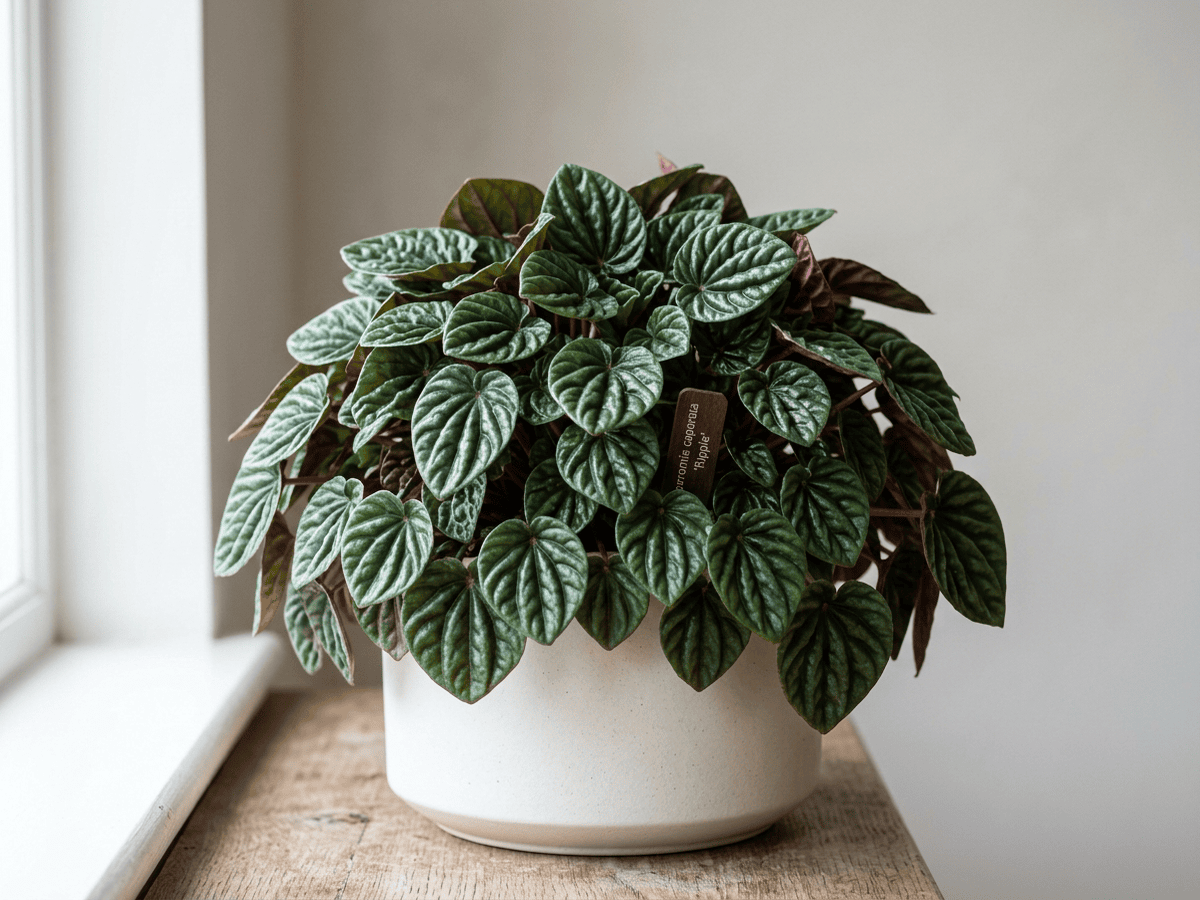 Emerald-Ripple PeperomiaPeperomia caperata
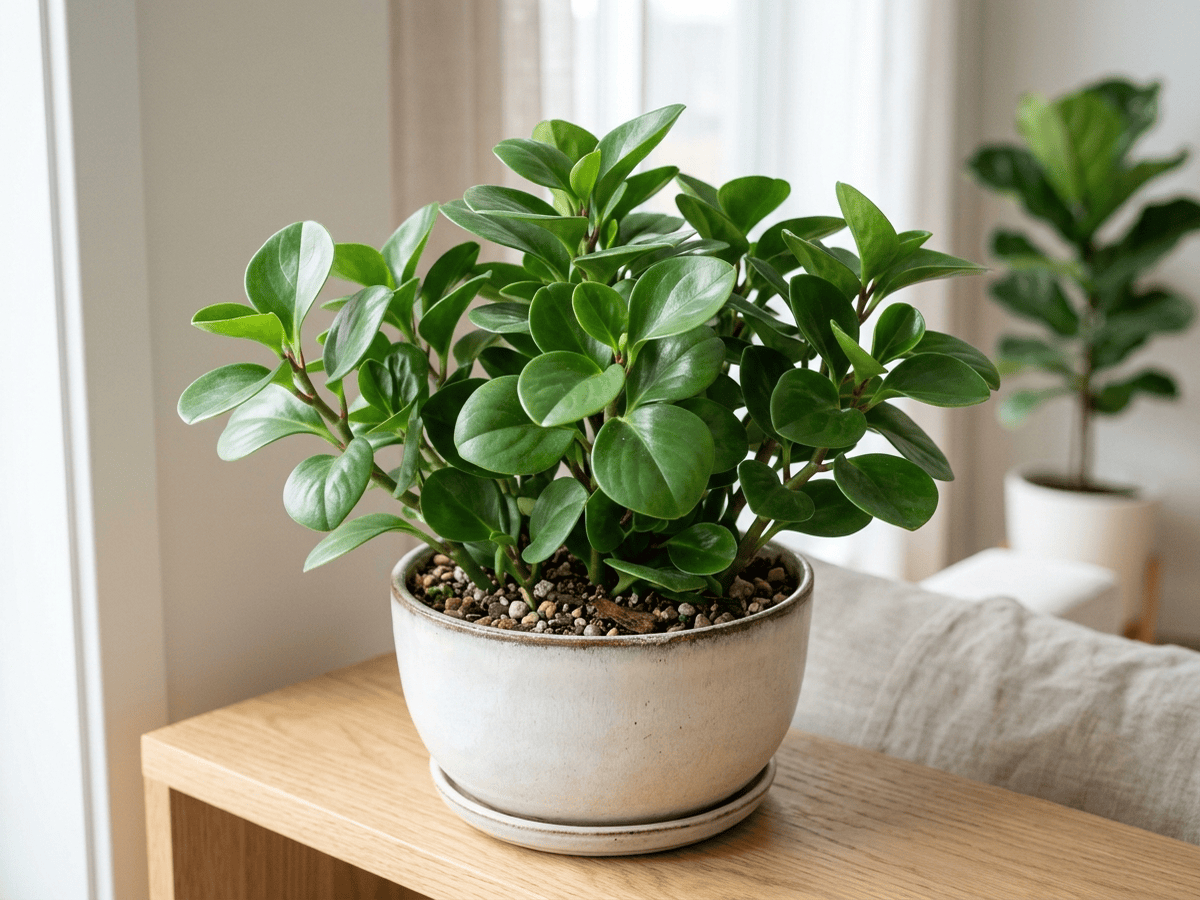 Baby Rubber PlantPeperomia obtusifolia
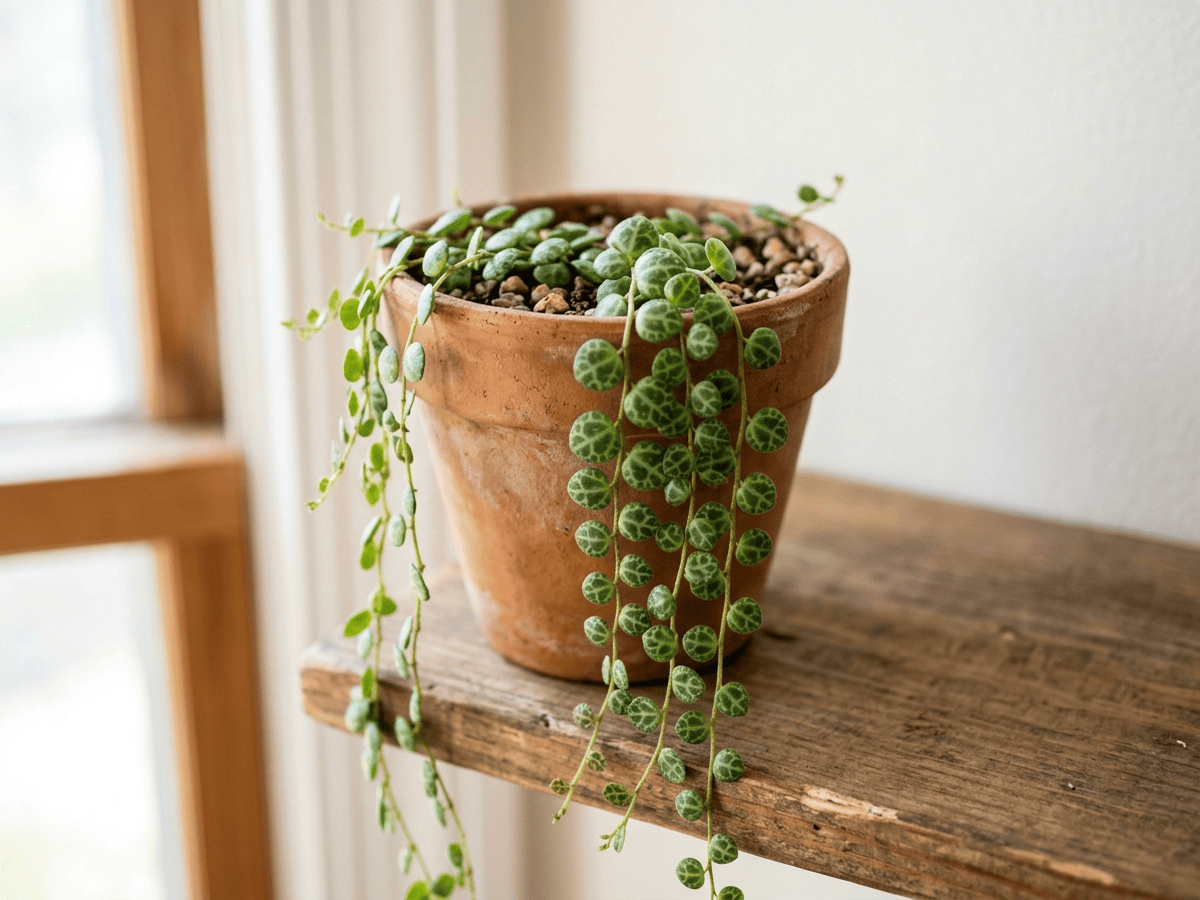 String-Of-TurtlesPeperomia prostrata
Plants with similar care
 Giant TaroAlocasia macrorrhizos
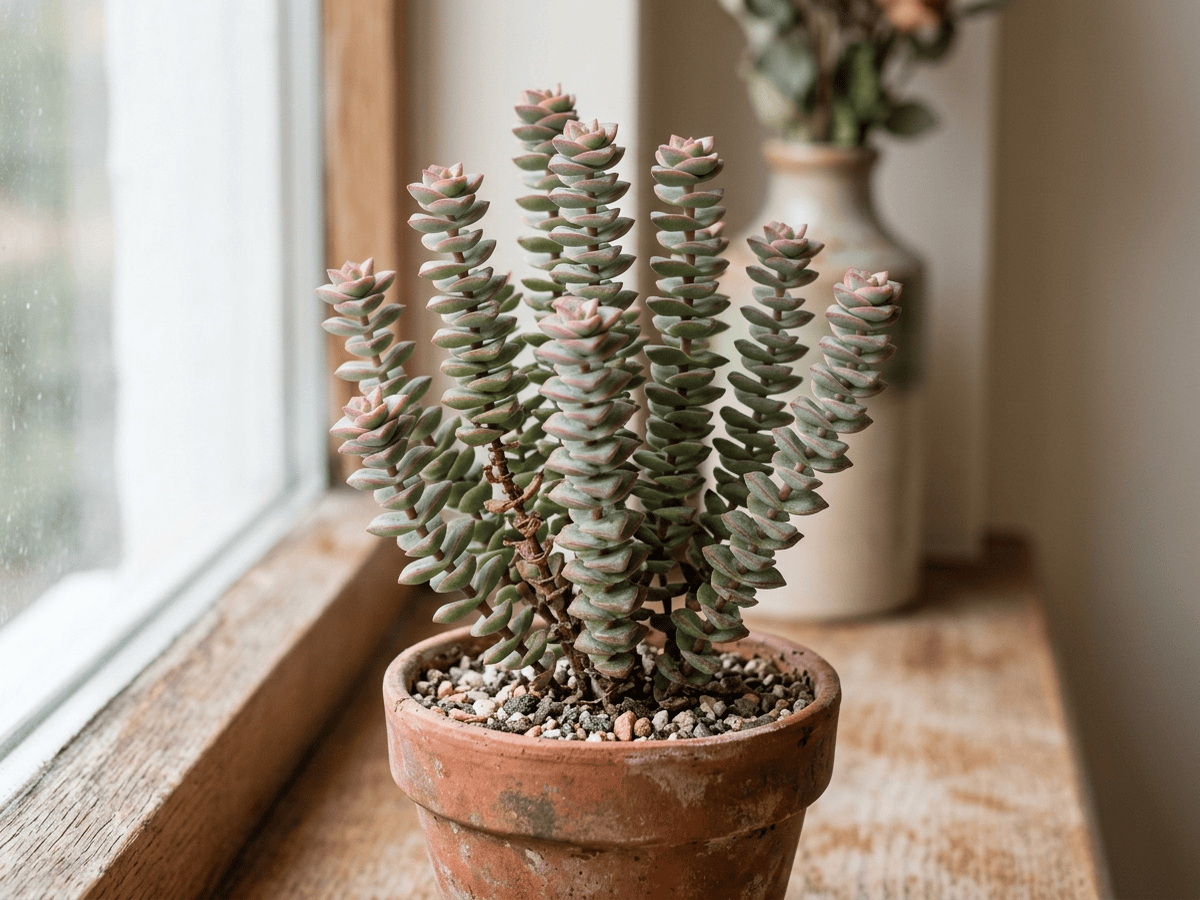 Concertina PlantCrassula perforata
 Song Of IndiaDracaena reflexa
 Snake PlantDracaena trifasciata
Frequently asked questions
How often should I water Jade Necklace?
In summer, water about every 10 days; in winter, about every 21 days. Adjust for heat, pot size and drainage.
How much light does Jade Necklace need?
Indirect: Filtered light. Watch the leaves — scorching or stretching means the light needs adjusting.
Is Jade Necklace toxic to cats or dogs?
Pets Safe (Dogs Safe · Cats Safe) Educational information, not medical or veterinary advice. If exposure is suspected, contact a doctor or veterinarian.
Is Jade Necklace easy to grow?
Yes — it is considered an easy, beginner-friendly plant.
Can Jade Necklace be grown indoors?
Yes, it adapts well to indoor growing given the right light.
When does Jade Necklace bloom?
It typically blooms Jun–Aug in the Northern Hemisphere.
YardMate
Identify any plant in seconds
Snap a photo — YardMate names the plant, diagnoses problems, and reminds you when to water.
Download on the App Store