 YardMate


String-Of-Turtles
Peperomia prostrata
Medium · Some experienceAbout String-Of-Turtles
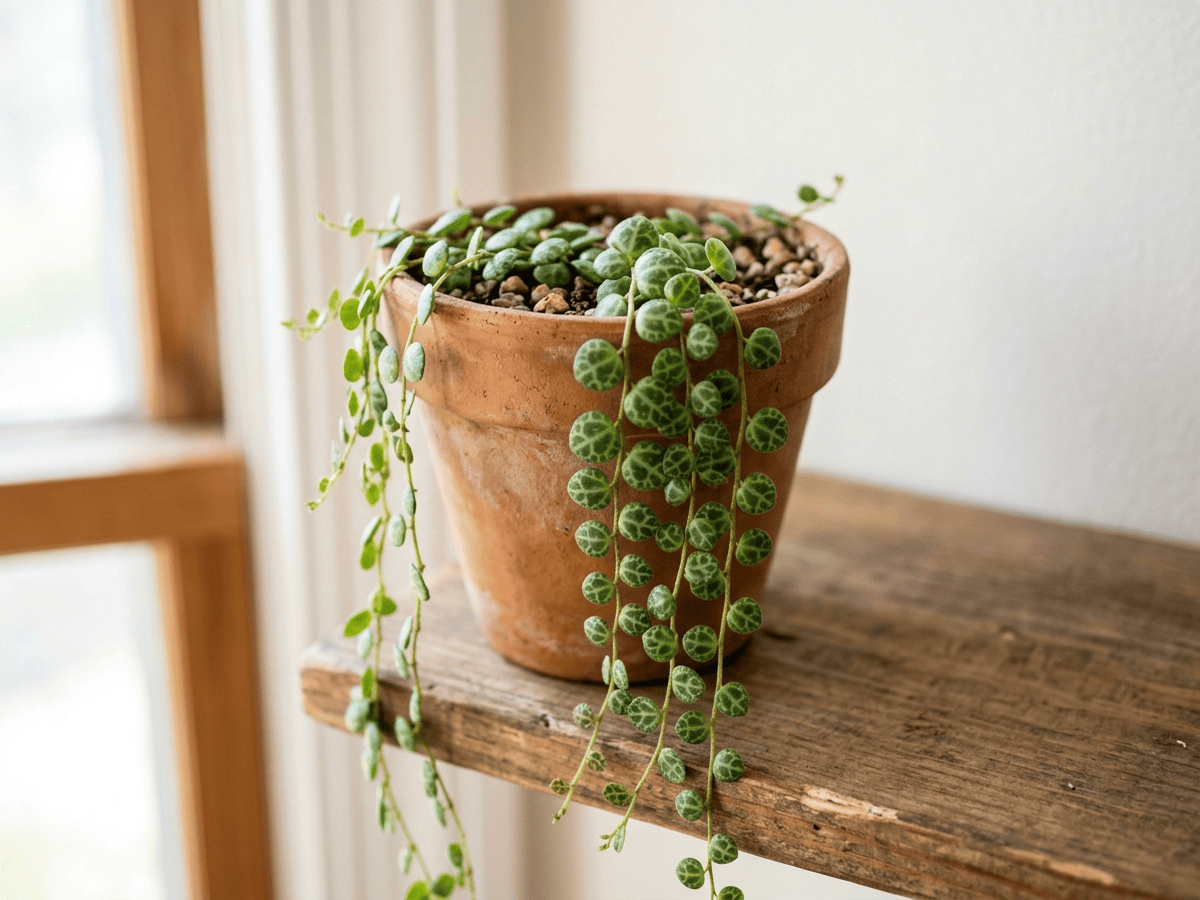
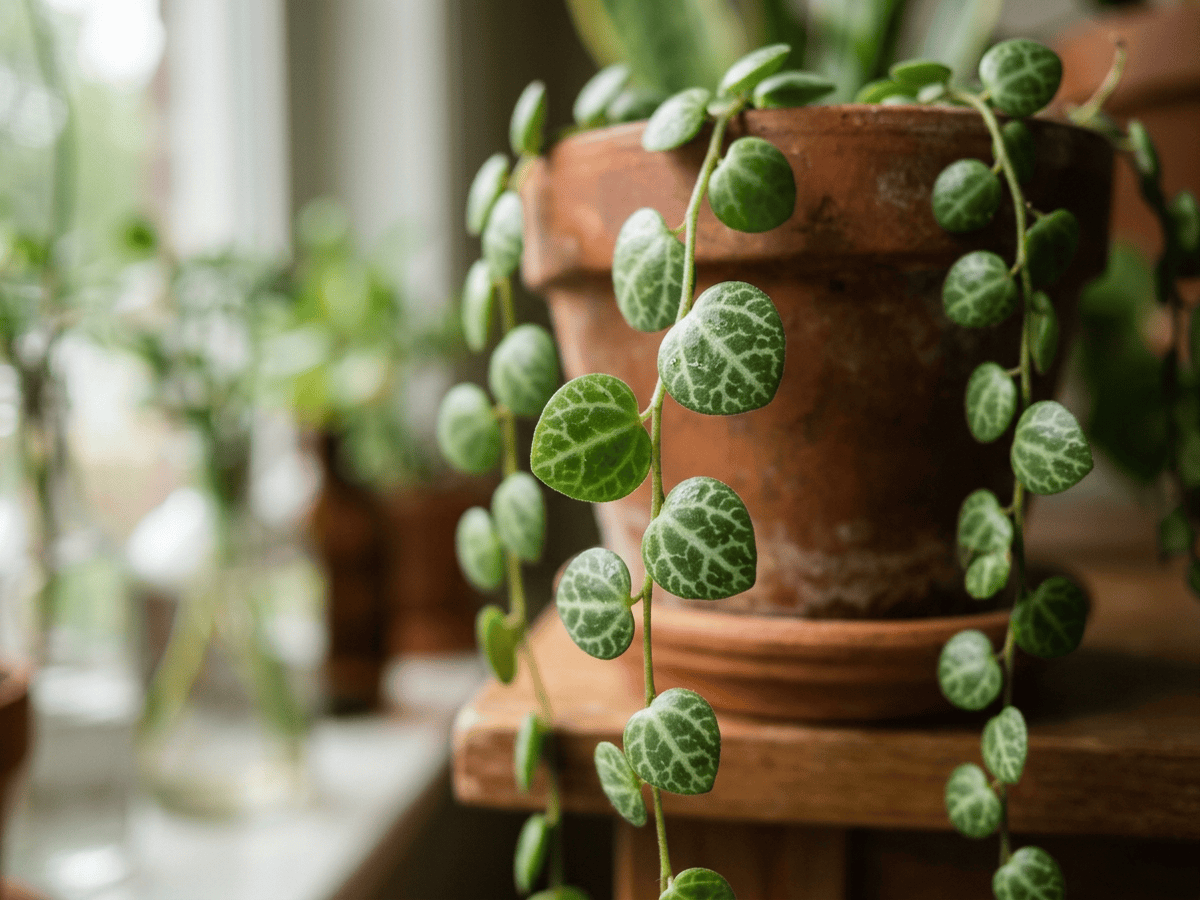
String of Turtles is a charming Brazilian rainforest perennial with tiny succulent oval leaves marked with intricate dark and light green patterning resembling tiny turtle shells, on slender trailing stems. Reaching 12-18 inches trailing, its minute leaf detail makes it one of the most jewel-like trailing houseplants. Pet-safe and increasingly popular, it has become a hallmark plant of the modern American small-space houseplant collection.
- Trailing
- Evergreen
How to care for String-Of-Turtles
Watering
- Springevery 10 days
- Summerevery 10 days
- Fallevery 14 days
- Winterevery 21 days
Soil · Fast-draining
- Main mixSand + pumice + soil 1:1:150%
- DrainagePumice / gravel50%
Keep grit at half the mix or more — this soil is meant to dry out fast.
FERTILIZER
Balanced Feed 14-14-14
An even feed covers all three needs at once, keeping leaves, roots and blooms moving together with nothing pushed out of balance.
- Nitrogen · Leaves
- Phosphorus · Roots + Blooms
- Potassium · Strength
- Springevery 45 days
- Summerevery 45 days
At a Glance
- NativeSouth America
- Height0.2–0.4 ft (0.1–0.1 m)
- Spread0.5–1 ft (0.2–0.3 m)
- Flower colorWhite, Green
- Foliage colorDark-green
- SoilLoamy, Well-drained
- LocationsIndoor
Bloom time
BLOOM CYCLE
Slender white-green flower spikes (uncommon)
Toxicity
Pets Safe
None reported
Not reported
EXPOSURE No exposure route is reported.
EFFECT No toxic effect is reported.
NOTE No human toxicity is reported in this catalog; avoid eating ornamental plants unless confirmed edible.
Safe
EXPOSURE No exposure route is reported.
EFFECT No toxic effect is reported.
NOTE Listed as non-toxic for dogs; avoid eating ornamental plants unless confirmed edible.
Safe
EXPOSURE No exposure route is reported.
EFFECT No toxic effect is reported.
NOTE Listed as non-toxic for cats; avoid eating ornamental plants unless confirmed edible.
Educational information, not medical or veterinary advice. If exposure is suspected, contact a doctor or veterinarian.
DISTRIBUTION


- Native
- South America
History

Peperomia prostrata, commonly called string of turtles or magic marmer, is a small trailing epiphytic perennial in the pepper family (Piperaceae) native to humid rainforests of Brazil, particularly the Atlantic rainforest region, though exact wild distribution is unclear due to long cultivation. British horticulturist Benjamin Samuel Williams introduced and named the species around 1874 based on plants brought from Brazilian expeditions. The epithet prostrata refers to the prostrate trailing habit.
Plants produce thin reddish-green trailing stems bearing closely-spaced tiny round succulent leaves 1-1.5 cm across, the leaves dark forest-green marked with prominent paler yellow-green vein patterns that strikingly resemble the pattern of a turtle shell, for which the plant earned its whimsical common name. Trails grow to 30-90 cm in good conditions. The species became enormously popular during the 2020-2022 houseplant boom, particularly for small spaces, terrariums, and hanging displays.
Easy from stem cuttings but requires high humidity and is prone to rot from overwatering. Non-toxic to pets. Long an obscure botanical curiosity, it became one of the most coveted small trailing houseplants of the 2018-2022 American houseplant boom for its uncanny turtle-shell patterning.
Symbolism & meaning
What It Symbolizes
String-of-Turtles can symbolize wonder, each tiny round leaf patterned like the shell of a miniature turtle and trailing down a shelf in delicate strands. Another layer is patience, for the plant grows slowly, rewarding only the keeper willing to wait through a year of barely visible progress. Among houseplants it is the small reliquary of attention, a hanging vine whose entire charm depends on being looked at closely enough to see the pattern at all.
- Wonder — miniature turtle-shell patterning on each leaf
- Patience — slow-growing rewards careful attention
Where the Name Comes From
'Prostrata' from Latin meaning lying flat or trailing.
Uses & Fun Facts
- String-of-turtles trails from small hanging pots
- Patterned bead-like leaves on delicate trailing stems
Related plants
More Peperomia plants
 Watermelon PeperomiaPeperomia argyreia
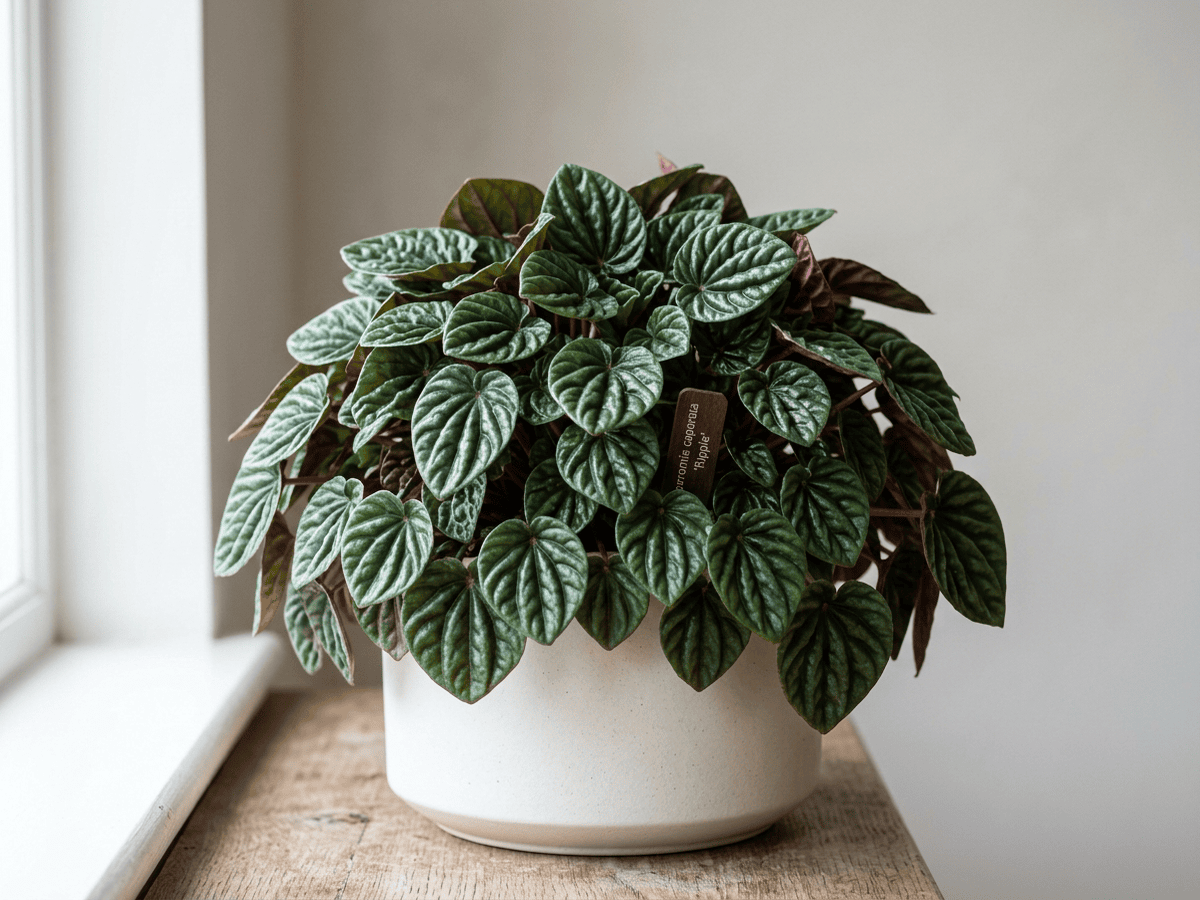 Emerald-Ripple PeperomiaPeperomia caperata
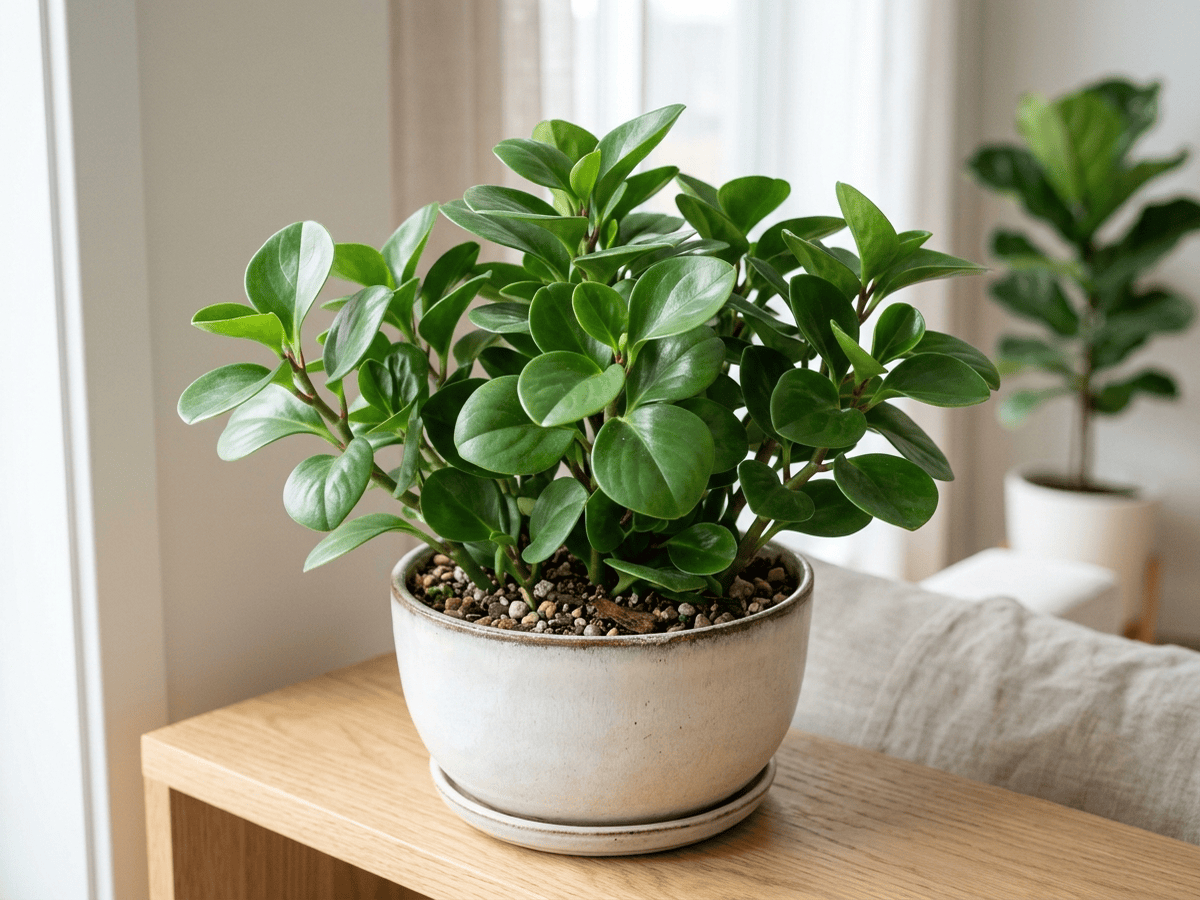 Baby Rubber PlantPeperomia obtusifolia
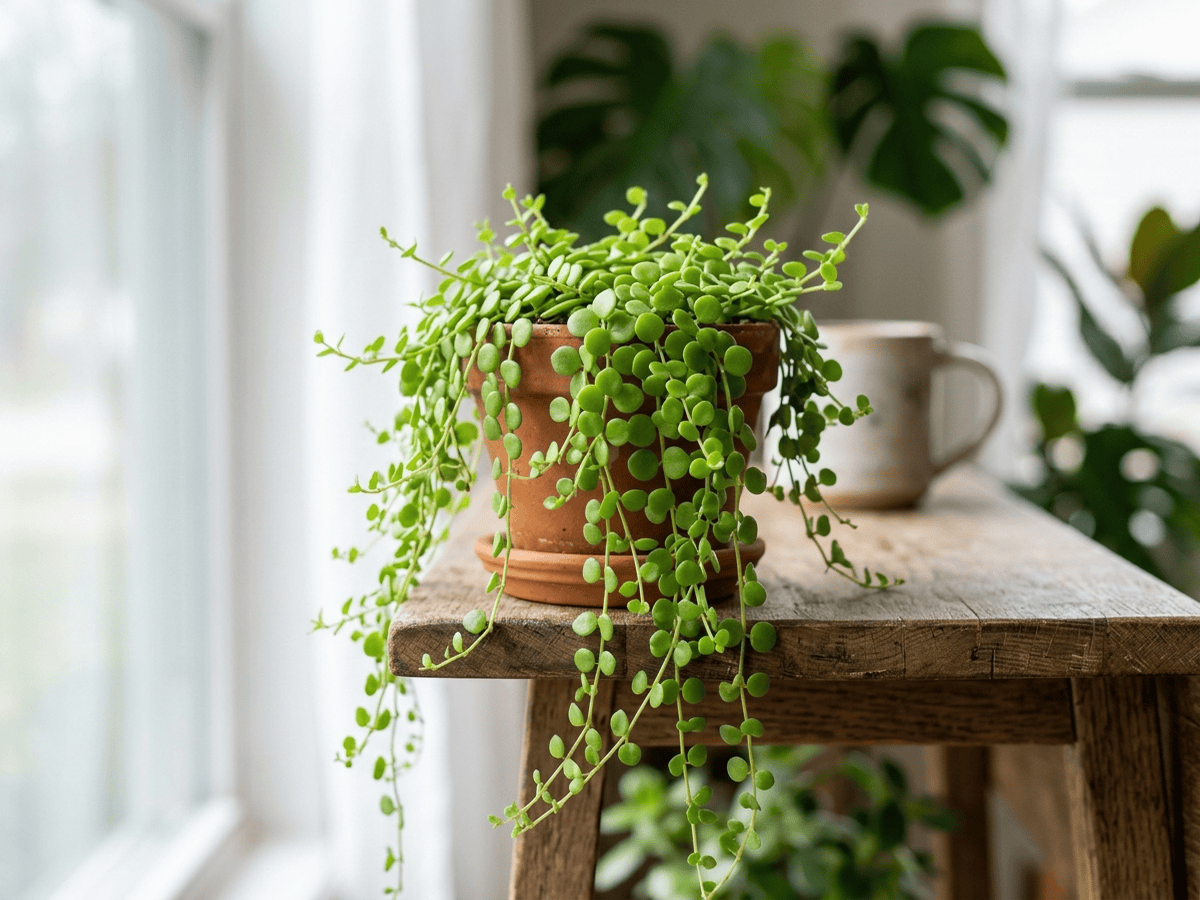 Jade NecklacePeperomia rotundifolia
Plants with similar care
 Aglaonema AroidAglaonema pictum
 Aglaonema rotundumAglaonema rotundum
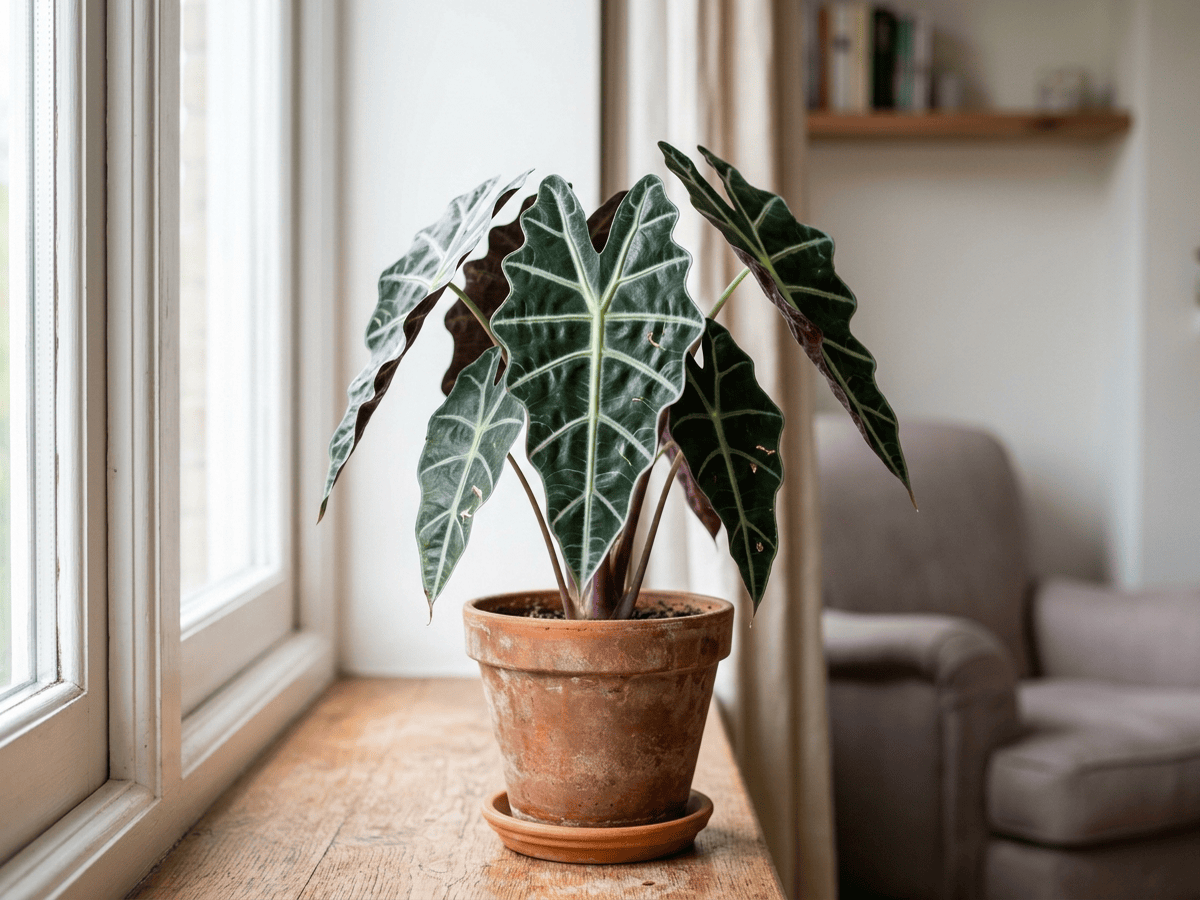 AlocasiaAlocasia polly
 Black Velvet AlocasiaAlocasia reginula
Frequently asked questions
How often should I water String-Of-Turtles?
In summer, water about every 10 days; in winter, about every 21 days. Adjust for heat, pot size and drainage.
How much light does String-Of-Turtles need?
Indirect: Filtered light. Watch the leaves — scorching or stretching means the light needs adjusting.
Is String-Of-Turtles toxic to cats or dogs?
Pets Safe (Dogs Safe · Cats Safe) Educational information, not medical or veterinary advice. If exposure is suspected, contact a doctor or veterinarian.
Is String-Of-Turtles easy to grow?
It is moderately demanding: a good choice once you have a little experience.
Can String-Of-Turtles be grown indoors?
Yes, it adapts well to indoor growing given the right light.
YardMate
Identify any plant in seconds
Snap a photo — YardMate names the plant, diagnoses problems, and reminds you when to water.
Download on the App Store