 YardMate


Baby Rubber Plant
Peperomia obtusifolia
Easy · Beginner friendlyAbout Baby Rubber Plant
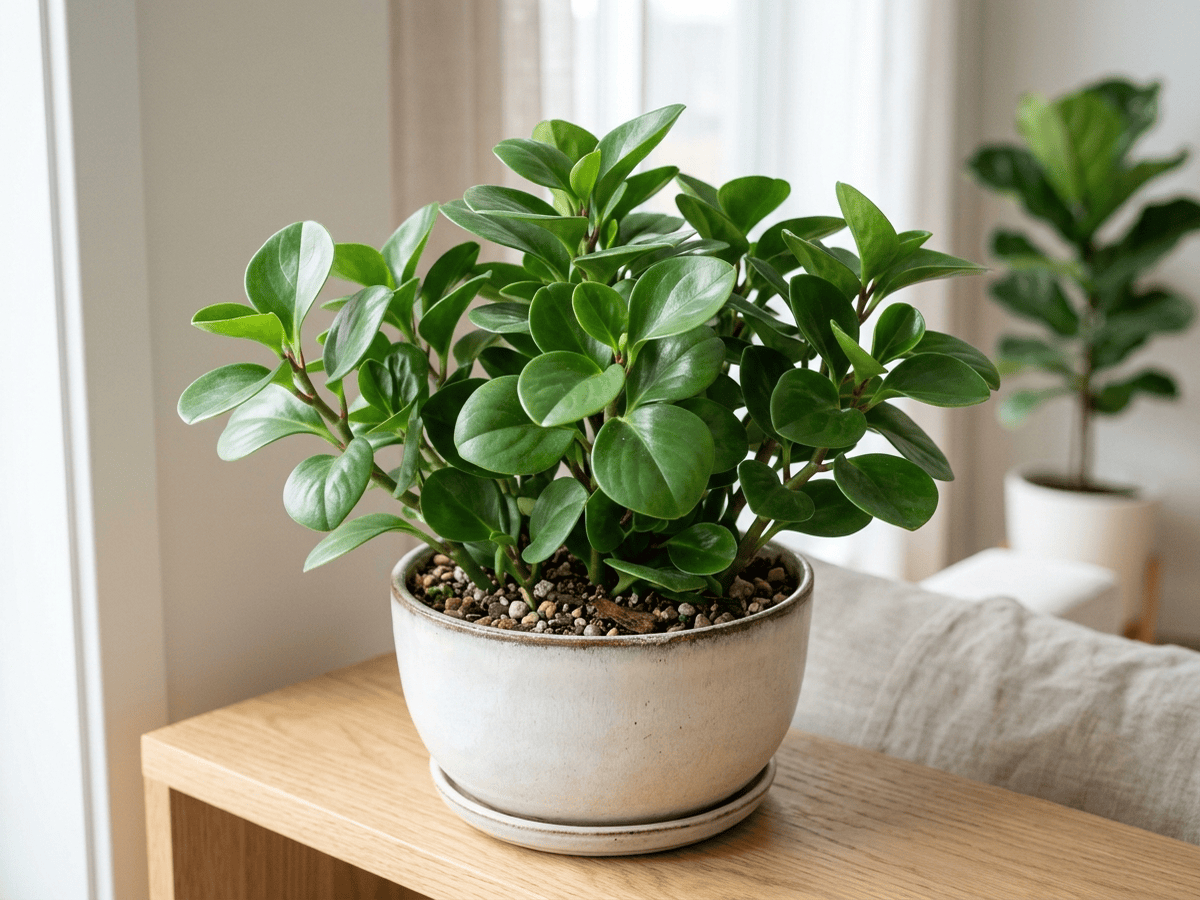
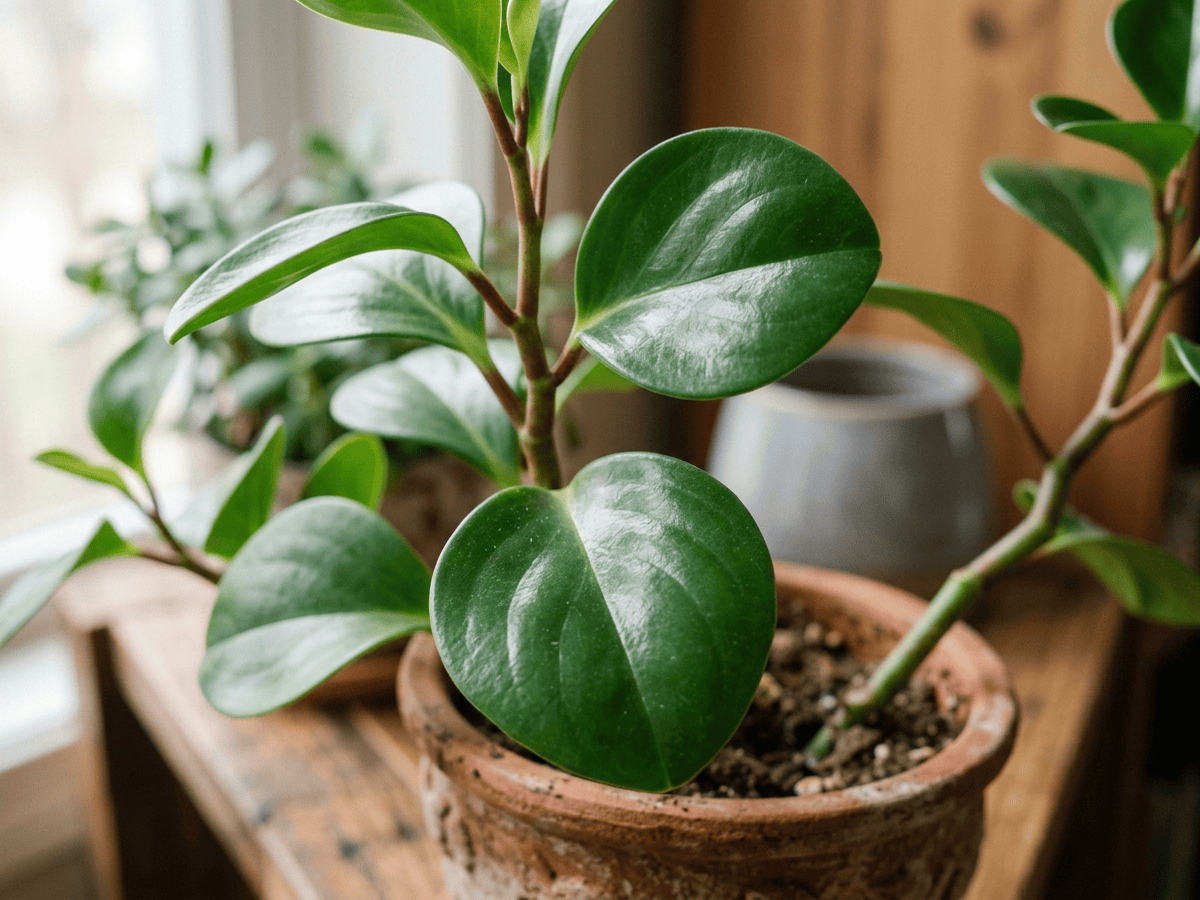
Peperomia obtusifolia, the baby rubber plant, is a compact succulent-like houseplant with thick, glossy, spoon-shaped leaves in dark green or variegated cream-and-green. Native to Central and South American rainforests where it grows as an epiphyte, it stores water in its fleshy leaves and tolerates infrequent watering. Staying under 30 cm tall, it is perfect for small spaces, terrariums, and desk gardens. The plant produces unusual rat-tail flower spikes that rise above the foliage. It is non-toxic and pet-safe, making it popular for homes with animals.
- Compact
How to care for Baby Rubber Plant
Watering
- Springevery 10 days
- Summerevery 7 days
- Fallevery 14 days
- Winterevery 21 days
Soil · Fast-draining
- Main mixSand + pumice + soil 1:1:150%
- DrainagePumice / gravel50%
Keep grit at half the mix or more — this soil is meant to dry out fast.
FERTILIZER
Balanced Feed 14-14-14
An even feed covers all three needs at once, keeping leaves, roots and blooms moving together with nothing pushed out of balance.
- Nitrogen · Leaves
- Phosphorus · Roots + Blooms
- Potassium · Strength
- Springevery 45 days
- Summerevery 45 days
- Fallevery 60 days
At a Glance
- NativeCentral America, North America, South America
- Height0.5–1 ft (0.2–0.3 m)
- Spread0.5–1 ft (0.2–0.3 m)
- Flower colorWhite, Cream
- Foliage colorGreen, Yellow, Variegated
- SoilLoamy, Well-drained
- LocationsIndoor
Bloom time
BLOOM CYCLE
Peak bloom
Jun–Aug
Thin rat-tail flower spikes; not showy
Fragrance
NO FRAGRANCE
Tiny rat-tail flower spikes are not notably fragrant.
Toxicity
No toxicity has been reported for this plant. Still, it is wise to keep pets from chewing on any houseplant.
Educational information, not medical or veterinary advice. If exposure is suspected, contact a doctor or veterinarian.
DISTRIBUTION

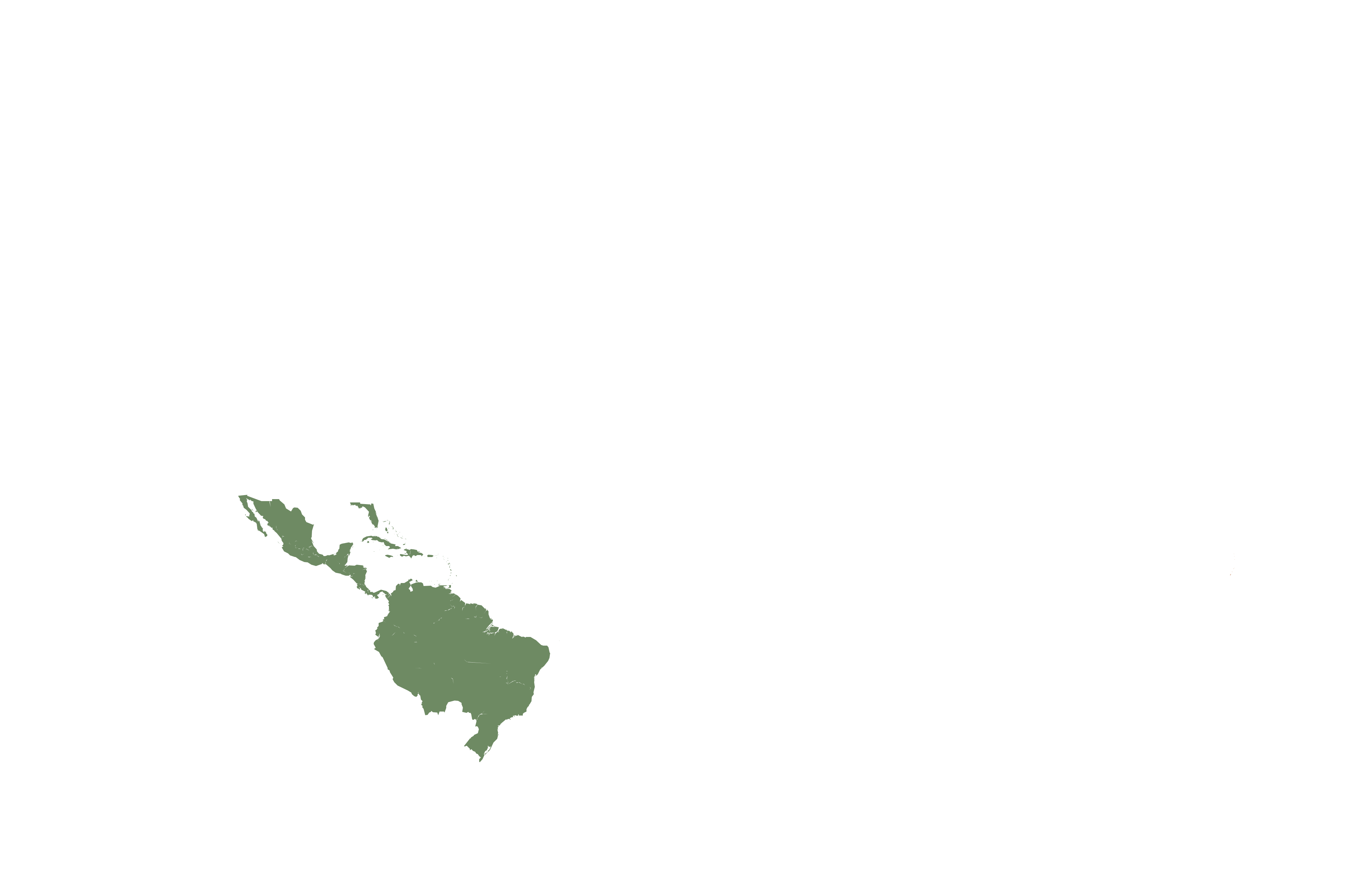
- Native
- Introduced
- Central America
- North America
- South America
History
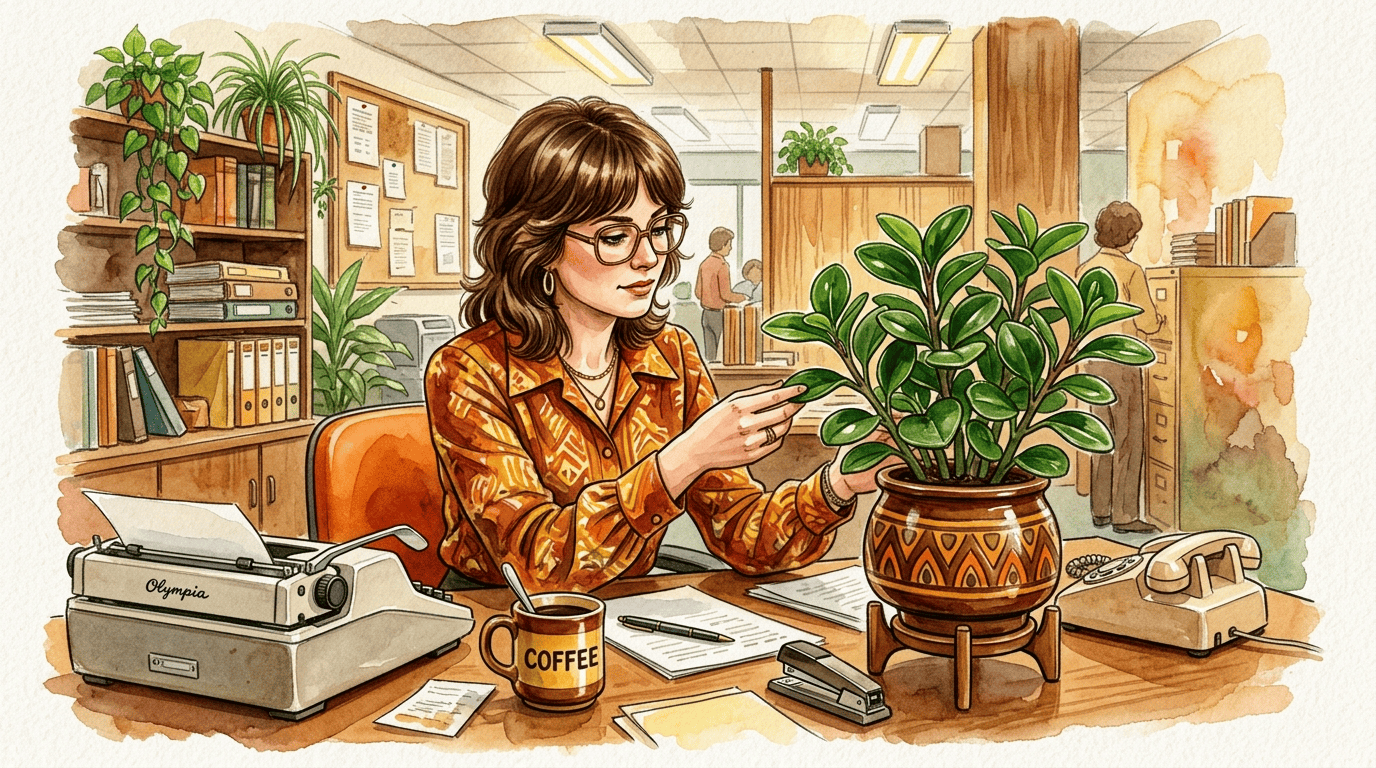
Peperomia obtusifolia is native to the Caribbean, Mexico, Florida, and northern South America, where it grows as a small epiphyte on tree trunks and rotting logs in humid forests. Linnaeus described the genus in 1794 — the name means 'resembling pepper', reflecting its placement in the same family, Piperaceae, as black pepper. It became a mainstream Western houseplant in the 1970s alongside other 'office plant' foliage species, and its small size, tolerance of neglect, and confirmed non-toxic status to cats and dogs have kept it a steady seller ever since.
Variegated cultivars introduced in the 1980s ('Marble', 'Variegata', 'Golden Gate') remain in continuous production. The succulent leaves store water and make the plant drought-tolerant. Peperomia obtusifolia belongs to the pepper family (Piperaceae), making it a distant relative of black pepper.
With over 1,500 species, Peperomia is one of the largest plant genera — most are epiphytes that grow in the crotches of tropical trees, which explains their preference for chunky, well-draining soil and modest water needs. The 'baby rubber plant' nickname comes from its resemblance to Ficus elastica, though the two are unrelated. In traditional Brazilian medicine, various Peperomia species have been used to treat inflammatory conditions and fevers.
Symbolism & meaning
What It Symbolizes
The Baby Rubber Plant is contentment translated into thick, glossy leaves, a houseplant so undemanding it becomes a quiet teacher of satisfaction with simplicity. It needs little water, little light, and less attention, yet rewards its keepers with steady cheer. In its modest green presence lives the gentle case for being happy with enough.
- Contentment — Its modest, undemanding nature represents satisfaction with simplicity
Where the Name Comes From
Peperomia from Greek 'peperi' (pepper) and 'homoios' (resembling), as it belongs to the pepper family. Obtusifolia means 'blunt-leaved.'
Uses & Fun Facts
- Compact desk plant thrives in offices and small terrariums
- Glossy variegated leaves brighten low-light interior shelves
Related plants
More Peperomia plants
 Watermelon PeperomiaPeperomia argyreia
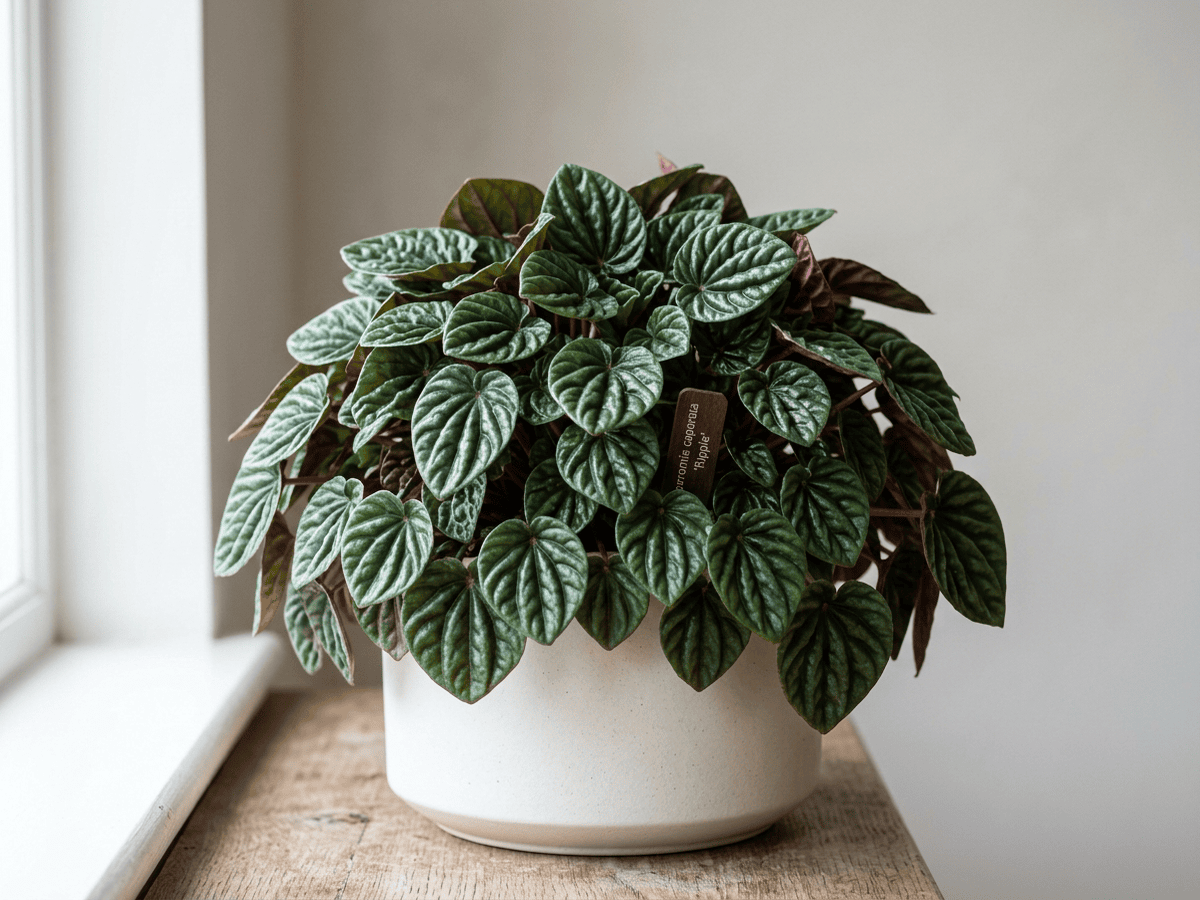 Emerald-Ripple PeperomiaPeperomia caperata
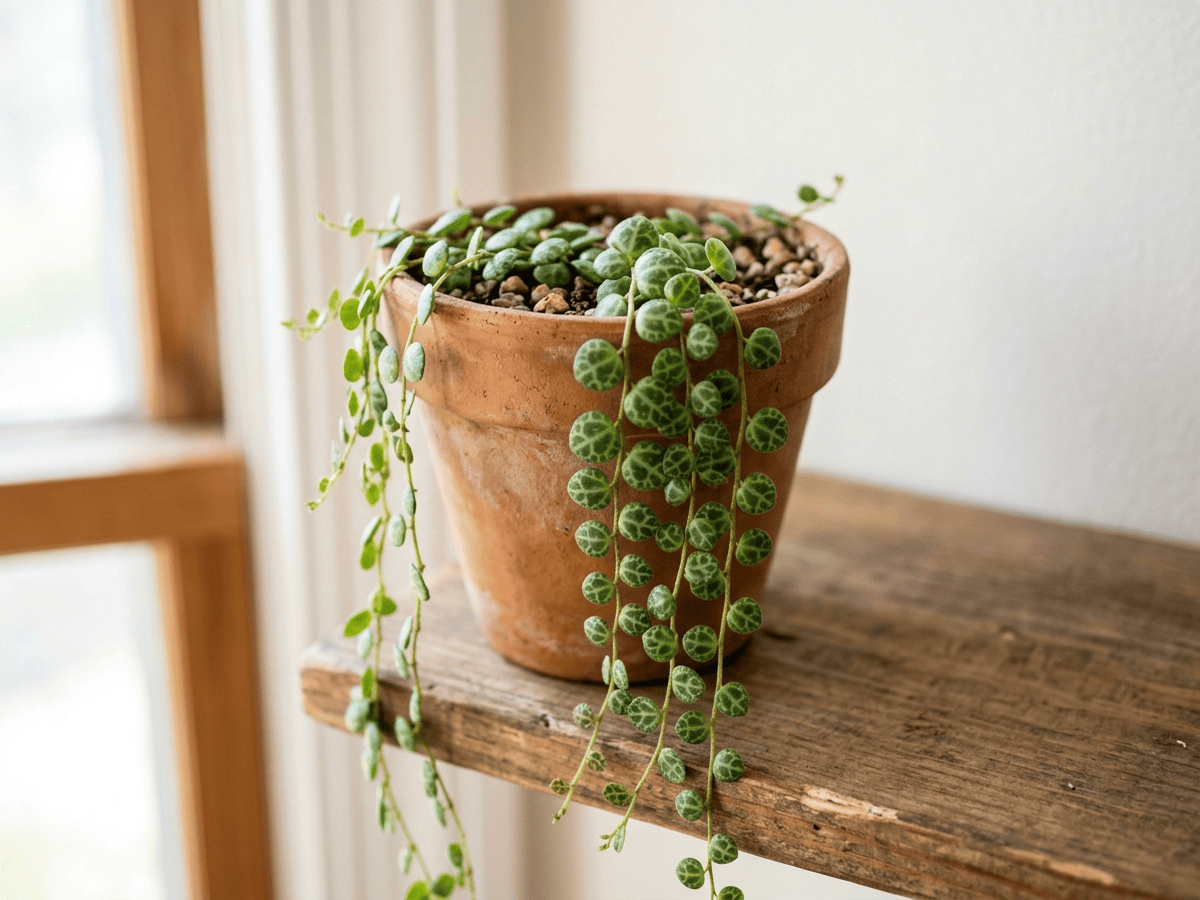 String-Of-TurtlesPeperomia prostrata
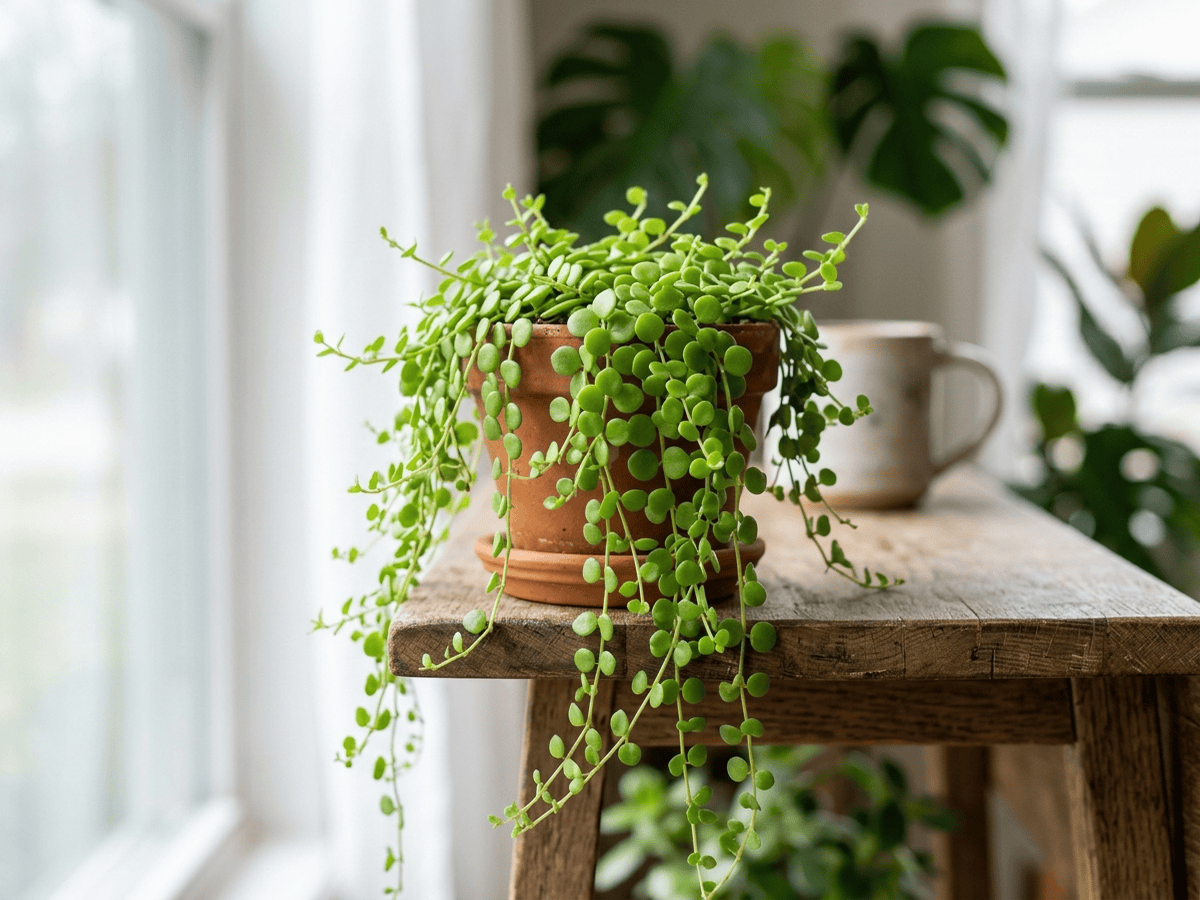 Jade NecklacePeperomia rotundifolia
Plants with similar care
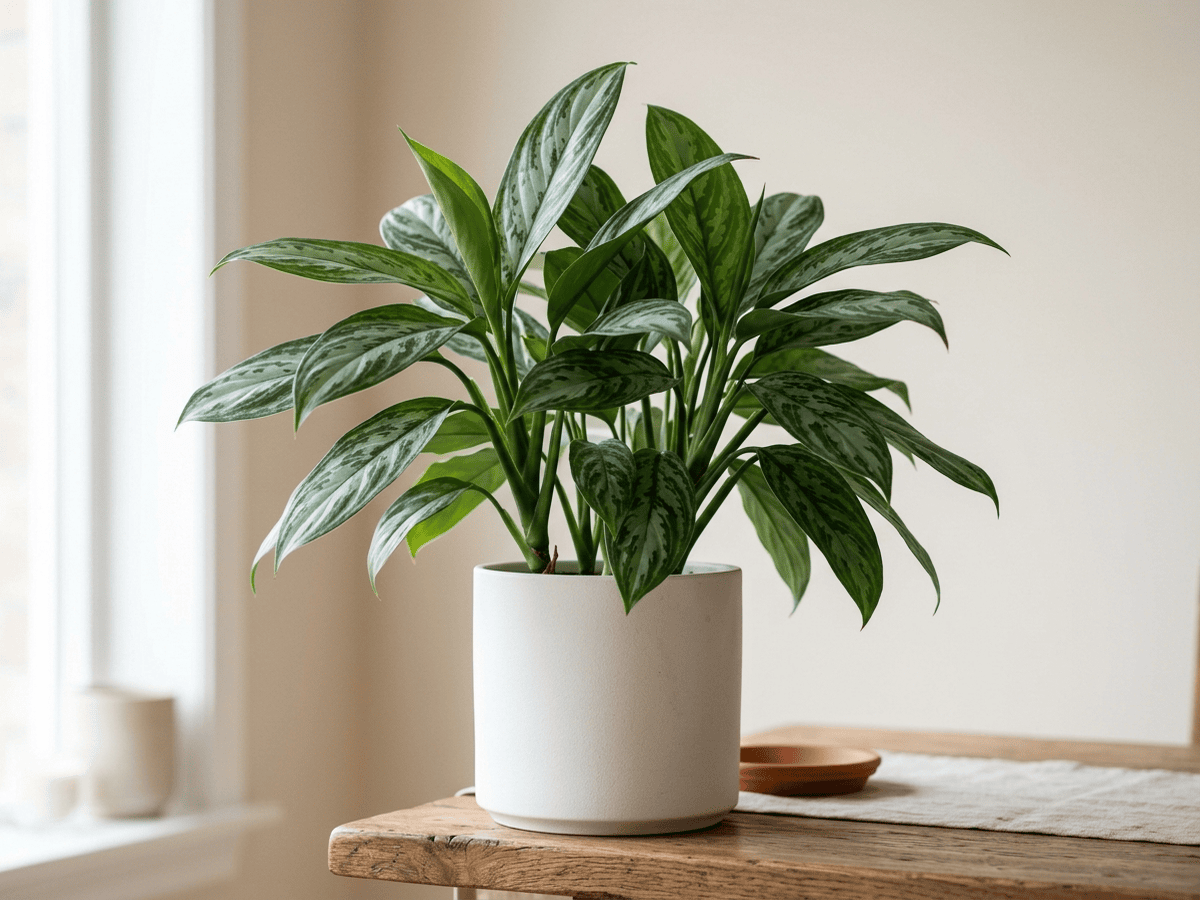 Philippine EvergreenAglaonema commutatum
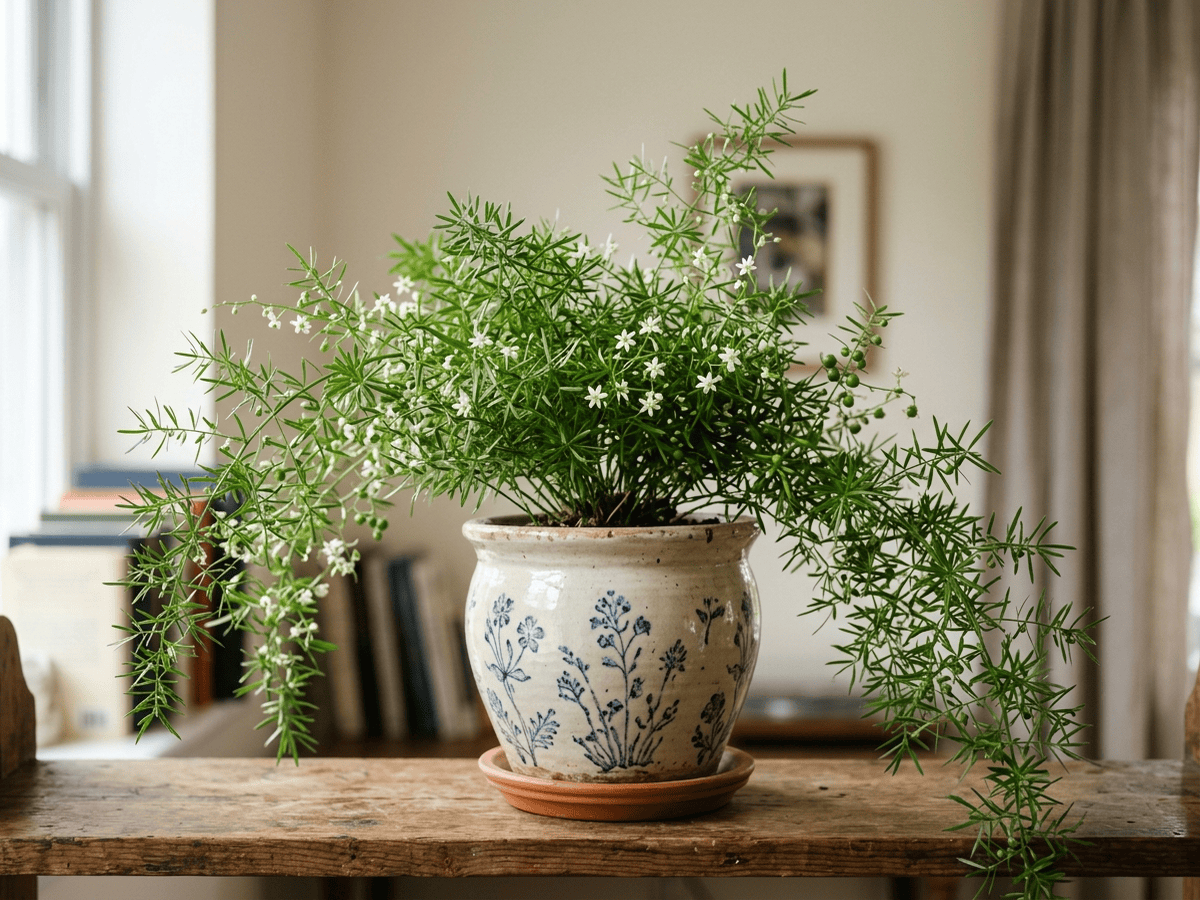 Sprenger's AsparagusAsparagus densiflorus
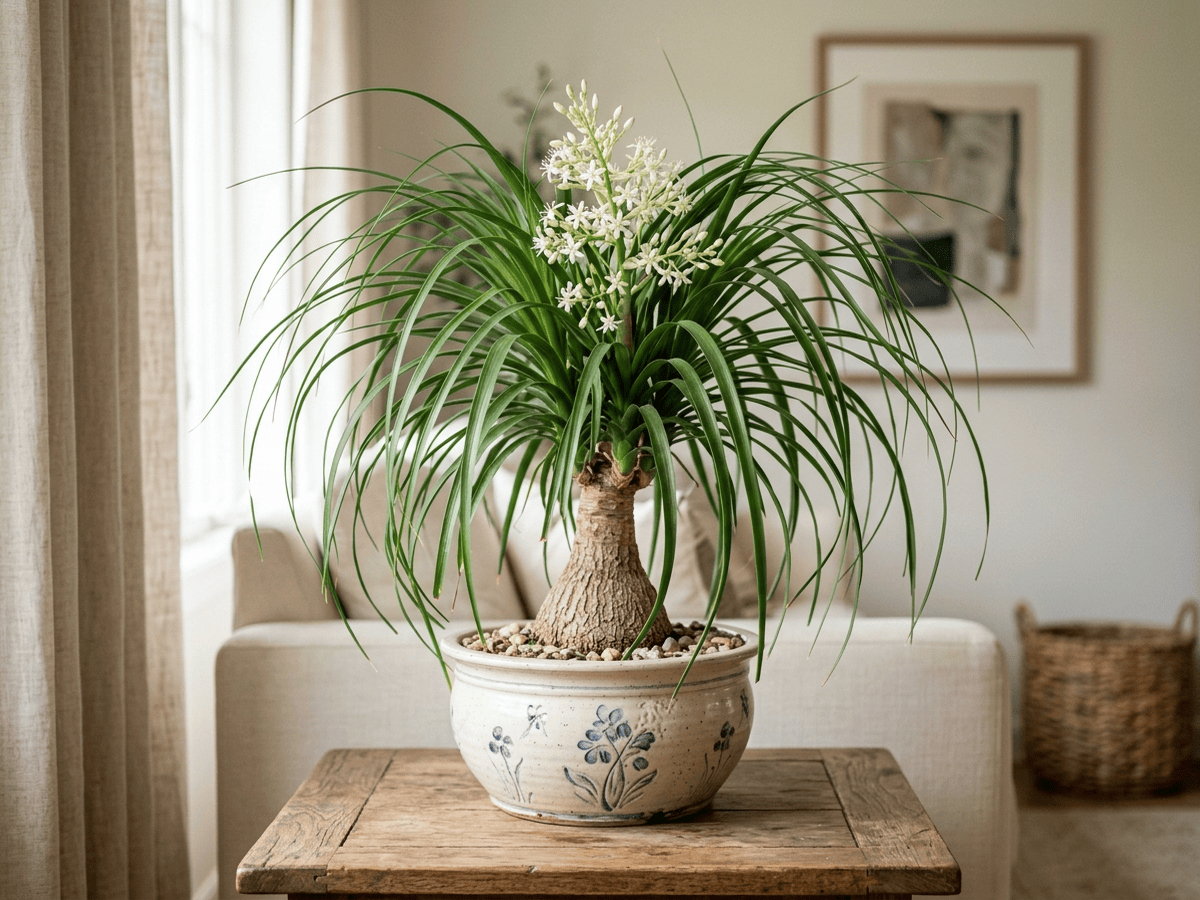 Ponytail PalmBeaucarnea recurvata
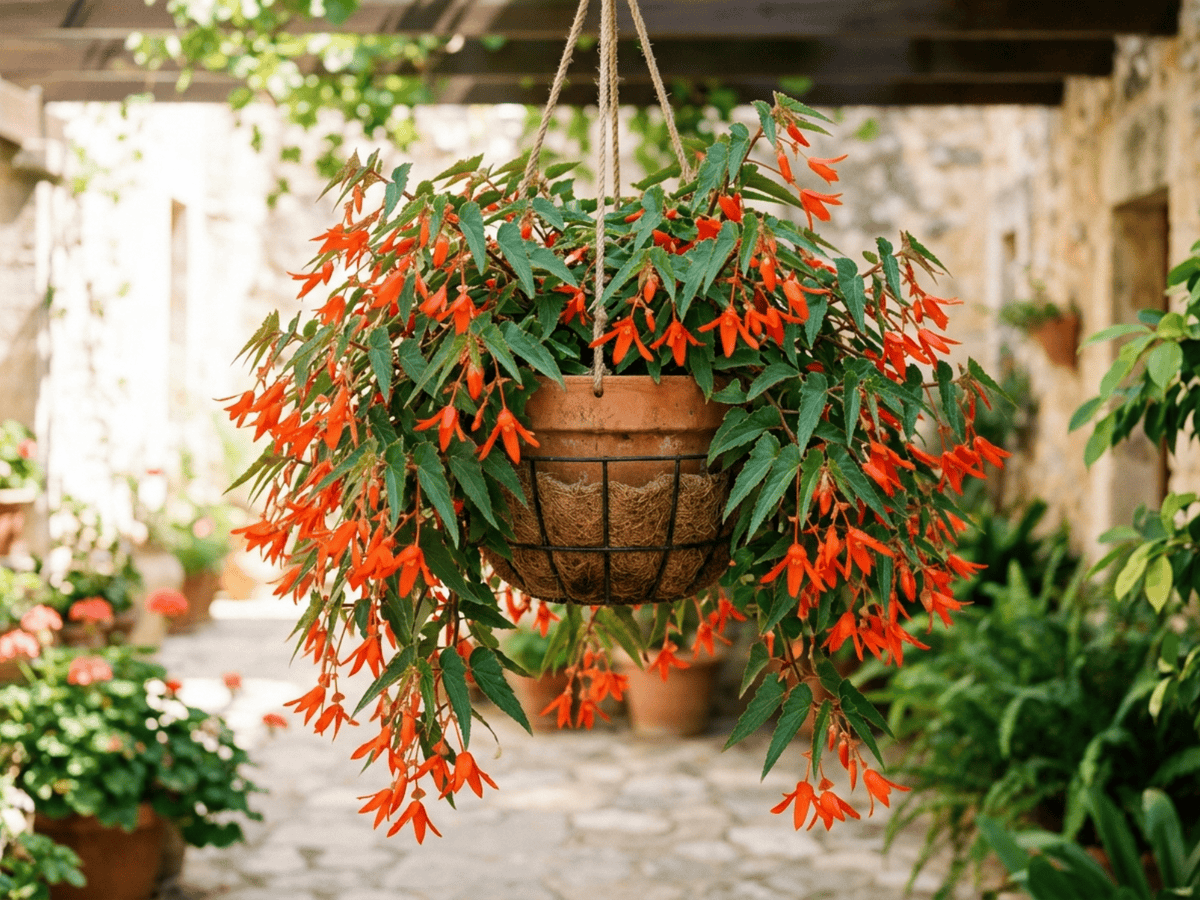 Tuberous BegoniaBegonia boliviensis
Frequently asked questions
How often should I water Baby Rubber Plant?
In summer, water about every 7 days; in winter, about every 21 days. Adjust for heat, pot size and drainage.
How much light does Baby Rubber Plant need?
Part shade: 2–4 hrs direct. Watch the leaves — scorching or stretching means the light needs adjusting.
Is Baby Rubber Plant toxic to cats or dogs?
No toxicity has been reported for this plant. Still, it is wise to keep pets from chewing on any houseplant. Educational information, not medical or veterinary advice. If exposure is suspected, contact a doctor or veterinarian.
Is Baby Rubber Plant easy to grow?
Yes — it is considered an easy, beginner-friendly plant.
Can Baby Rubber Plant be grown indoors?
Yes, it adapts well to indoor growing given the right light.
When does Baby Rubber Plant bloom?
It typically blooms Jun–Aug in the Northern Hemisphere.
YardMate
Identify any plant in seconds
Snap a photo — YardMate names the plant, diagnoses problems, and reminds you when to water.
Download on the App Store